分类: politics

  • Leqaa Kordia, longest-detained pro-Palestine protester, freed from ICE custody

    Leqaa Kordia, longest-detained pro-Palestine protester, freed from ICE custody

    After enduring 365 days in immigration custody, Palestinian activist Leqaa Kordia secured her release from the Prairieland Detention Center in Texas on Monday, following the payment of an extraordinary $100,000 bond. The 33-year-old New Jersey resident walked free as the Trump administration unexpectedly declined to challenge a third consecutive release order from an immigration judge—a stark contrast to its previous appeals against her liberation.

    Kordia’s emotional departure from the facility was marked by her triumphant exclamation, ‘I’m free! Finally, after one year,’ as she emerged draped in a traditional Palestinian keffiyeh to greet awaiting supporters. Her release concludes the longest detention among all individuals arrested during last year’s pro-Palestine campus protests, highlighting what her legal representatives characterize as targeted persecution.

    The case reveals concerning dimensions of immigration enforcement under the current administration. Court documents from the separate case American Association of University Professors v. Rubio disclosed that federal authorities utilized the pro-Israel doxxing platform Canary Mission to identify students for immigration detention—a revelation that raises serious questions about ideological targeting.

    While the Department of Homeland Security maintains that Kordia lacked lawful immigration status due to an expired F-1 student visa terminated in January 2022 for ‘lack of attendance,’ her attorneys argue this technical violation was weaponized against her activism. Staff attorney Amal Thabateh of Clear explained that Kordia had received ‘faulty advice’ leading her to voluntarily terminate her student status while believing she was transitioning to lawful permanent residence through family petitions.

    Kordia’s detention was marked by significant health deterioration, including a recent hospitalization after fainting, hitting her head, and suffering a seizure—a completely new medical development—during which she remained shackled to her hospital bed. Her legal team also documented concerning weight loss and reported inedible food, unsanitary conditions, and lack of religious accommodations at the Texas facility.

    The activist’s case gained political prominence when New York City Mayor Zohran Mamdani raised her situation directly with President Trump during a recent meeting. Kordia, who arrived from the occupied West Bank in 2016 and has lost 200 extended family members in Gaza, now faces ongoing immigration proceedings despite her temporary release.
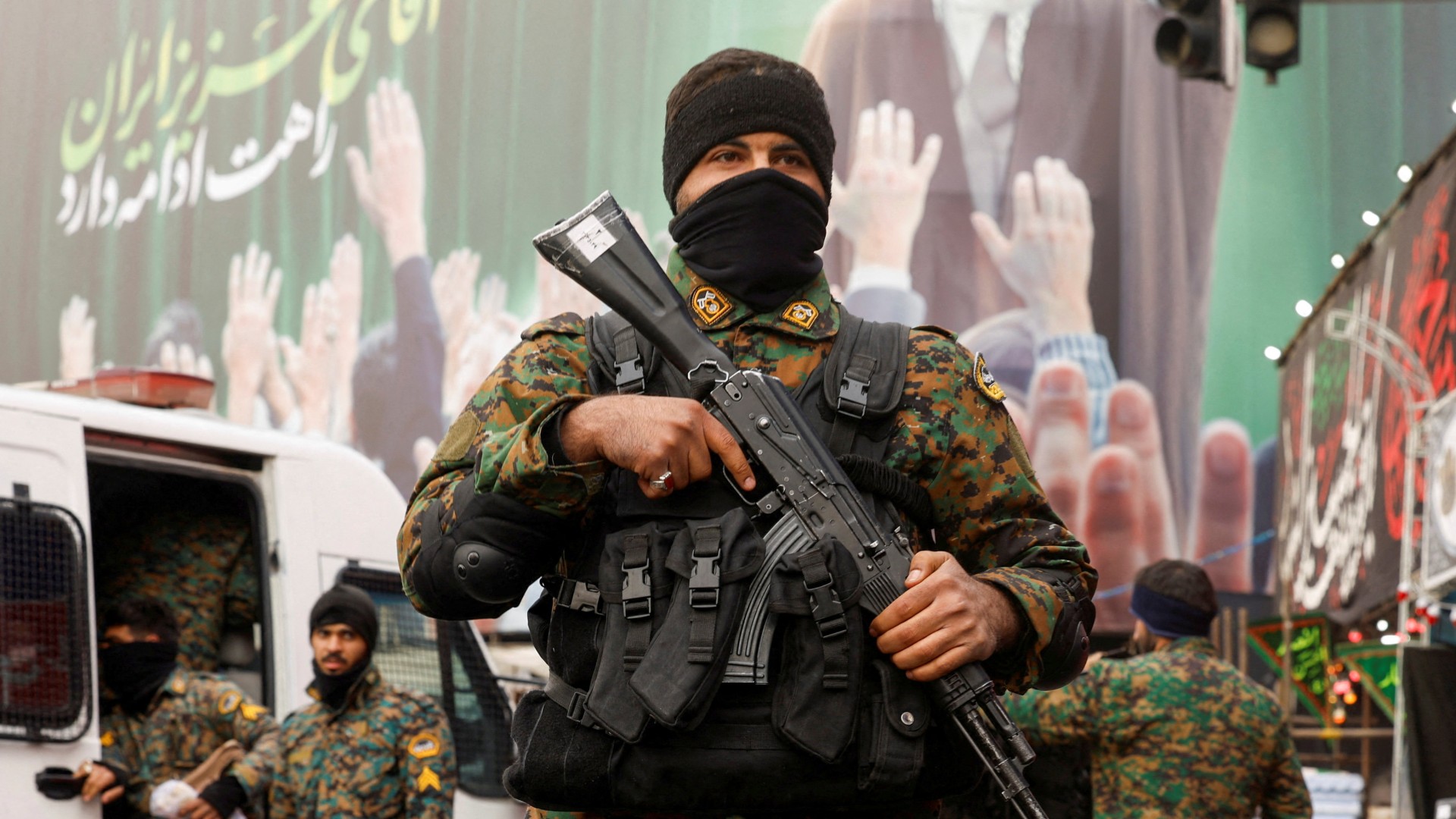
  • US counterterror chief says in resignation letter Israel ‘deceived’ Trump into attacking Iran

    US counterterror chief says in resignation letter Israel ‘deceived’ Trump into attacking Iran

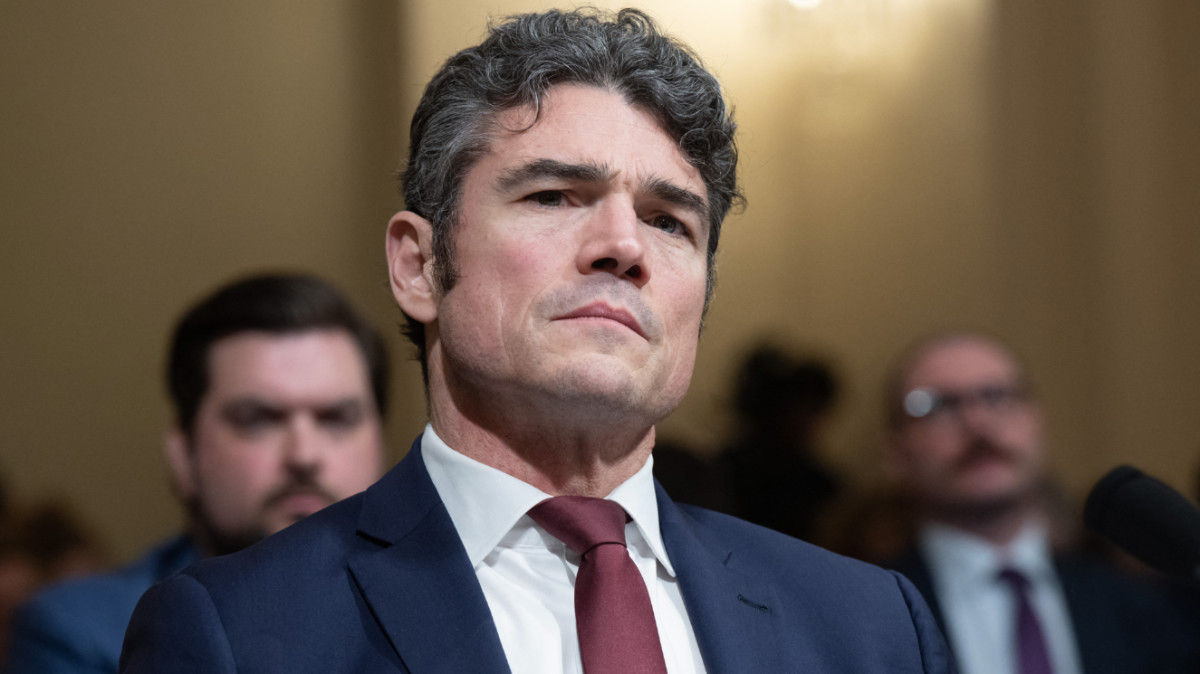
    In an unprecedented move that has sent shockwaves through Washington, Joseph Kent, Director of the National Counterterrorism Center, has resigned from his position, delivering a blistering condemnation of U.S. foreign policy toward Iran. The senior Trump administration official stepped down on Tuesday, publishing a resignation letter that directly accused Israel and pro-war advocates of orchestrating a campaign of deception that led America into an unnecessary conflict.

    Kent, who possessed top-level security clearance and oversaw all U.S. government intelligence on terrorist threats, asserted that Iran presented no imminent danger to American interests. “I cannot in good conscience support the ongoing war in Iran,” he wrote. “This conflict was initiated due to substantial pressure from Israel and its influential lobbying apparatus within the United States.”

    The resignation represents one of the most significant political departures in decades concerning foreign military engagement. Historically, no senior presidential administration official has publicly criticized Israel in a resignation letter until now. Kent specifically alleged that “high-ranking Israeli officials and influential members of the American media deployed a misinformation campaign” that undermined President Trump’s “America First” platform while cultivating pro-war sentiments.

    President Trump responded to the resignation from the Oval Office, stating that while he considered Kent “a nice guy,” he believed the intelligence official was “weak on security.” Trump vehemently disputed Kent’s assessment of Iran, declaring, “Iran was a tremendous threat—every country recognized what a threat Iran was.” The president added that individuals who didn’t perceive Iran as dangerous were “not smart people” or “not savvy people.”

    Kent’s background lends considerable weight to his criticisms. A former Army Ranger with eleven combat deployments following the September 11 attacks, he later served as a CIA paramilitary officer before entering politics as an ardent Trump supporter. His personal history adds a poignant dimension to his resignation: Kent is a Gold Star husband whose wife, Shannon, a Navy cryptologist, was killed in a 2019 bombing in Syria. He now claims that Israel bears responsibility for U.S. involvement in Syria as well.

    The resignation has garnered praise from prominent figures within Trump’s MAGA movement who have opposed the war effort. Shawn Ryan, a former Navy SEAL and podcaster who endorsed Trump in the 2024 election, applauded Kent’s decision on social media, stating, “Sometimes the most impactful statement you can make is a strong resignation.”

    Kent’s departure highlights deepening divisions within the administration regarding Middle East policy and raises serious questions about the intelligence that precipitated military action against Iran. His resignation letter stands as a remarkable indictment from within the highest echelons of American intelligence, challenging the official narrative surrounding the Iran conflict.

  • The US-Israeli war on Iran is founded on two huge mistakes

    The US-Israeli war on Iran is founded on two huge mistakes

    A comprehensive analysis reveals that the joint US-Israel military offensive against Iran, initiated over two weeks ago, appears fundamentally flawed by critical strategic miscalculations. The operation, described by US officials as delivering unprecedented ‘death and destruction from the sky,’ stems from two primary misjudgments: America’s belief in potentially toppling Iran’s ruling establishment and Israel’s misinterpretation of Hezbollah’s retaliatory capabilities.

    Israeli Prime Minister Benjamin Netanyahu justified the offensive as necessary preventive action, stating: ‘Within a few months Iran’s industries of death would have become immune to any strike.’ Both US and Israeli leadership presented the operation as essential for neutralizing Iran’s ballistic missile programs and preventing nuclear escalation, with former President Trump claiming the attacks averted imminent nuclear conflict.

    However, evidence suggests the operation’s true objective centered on regime change—a goal that appears increasingly unattainable. Despite massive military bombardment, US intelligence assessments indicate the Iranian government shows no signs of imminent collapse. Contrary to expectations, Tehran has witnessed no significant anti-government demonstrations, successfully transitioned leadership following Ayatollah Khamenei’s death, and maintained functional command structures.

    Iran’s demonstrated capacity to retaliate—launching successful attacks against Gulf neighbors and Israeli targets while threatening the strategic Strait of Hormuz—has exposed additional miscalculations. The ongoing closure of the vital waterway has triggered what analysts describe as the most severe global energy crisis since the 1970s, directly challenging US regional hegemony.

    The situation further deteriorated with Hezbollah’s unexpected military resurgence. Despite Israeli assessments that the organization had been neutralized following leadership decapitation campaigns, Hezbollah has demonstrated sophisticated missile capabilities, striking critical infrastructure in central Israel and effectively paralyzing northern regions.

    This two-front confrontation—against both Iran and a resurgent Hezbollah—places unprecedented strain on Israeli military resources and domestic morale. As civilians seek shelter nationwide, public support for the war’s undefined objectives shows signs of erosion, mirroring the declining support witnessed during previous prolonged conflicts.

    The geopolitical ramifications extend beyond immediate military concerns. Failure to achieve regime change in Iran represents a potential collapse of US credibility in the region, potentially driving Gulf allies to reconsider American security guarantees. Meanwhile, Russia and China stand to gain strategic advantage from perceived Western failure, while Iran’s international stature grows as it withstands combined superpower military pressure.

    Historical parallels emerge with the 1956 Suez Crisis, where military victory translated into political defeat for intervening powers. Similarly, the current conflict may ultimately strengthen Iran’s regional position while weakening both Israeli and American influence, regardless of tactical military achievements.

  • Top UK official judged Iran ‘posed no nuclear threat’ just before war began

    Top UK official judged Iran ‘posed no nuclear threat’ just before war began

    Previously undisclosed intelligence assessments reveal that British security officials found no evidence of an imminent Iranian nuclear threat or planned missile attacks against Europe immediately preceding the joint US-Israeli military offensive against Iran. According to Guardian reports, Jonathan Powell, Prime Minister’s National Security Adviser, participated in final diplomatic negotiations between the US and Iran in Geneva, which concluded just two days before hostilities commenced.

    Powell reportedly characterized Tehran’s concessions on its nuclear program as “surprising,” noting significant progress had been achieved during talks held at Oman’s ambassadorial residence in Cologny. A former official briefed on the discussions stated the UK delegation “were surprised by what the Iranians put on the table,” describing the proposal as incomplete but substantive enough to warrant continued negotiations scheduled for March 2nd.

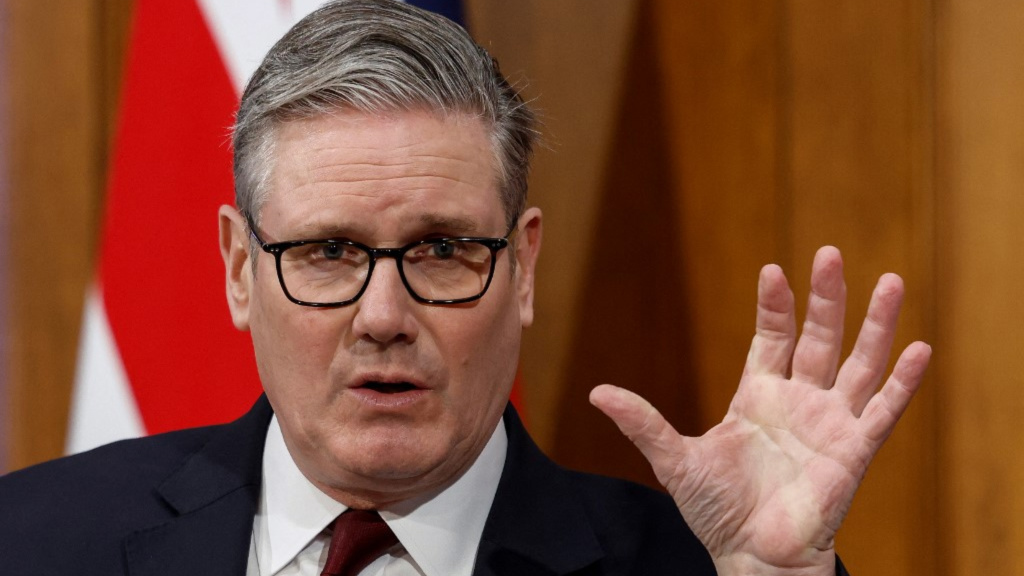
    The revelations provide crucial context for Prime Minister Keir Starmer’s cautious approach to the conflict. Whitehall sources indicate the Starmer government considers the US-Israeli attack legally unjustified and contrary to British national interests. Despite this assessment, Britain has become partially involved by permitting US forces to utilize British military bases for bomber operations targeting Iranian missile installations.

    Diplomatic tensions with the United States emerged following Downing Street’s initial refusal to allow strikes originating from the joint UK-US base on Diego Garcia. The situation intensified when former President Trump threatened NATO with a “very bad” future if member states failed to assist in reopening the Strait of Hormuz, which Iran has effectively closed in response to military actions.

    Prime Minister Starmer emphasized working with allies to develop a “viable plan” to reopen the critical waterway while acknowledging the attack had “massively weakened” Iran’s military capabilities. He advocated for a “negotiated agreement” to address nuclear proliferation concerns and safeguard international shipping. Energy Secretary Ed Miliband confirmed considerations to deploy minesweeping drones rather than warships to Hormuz, utilizing technology that tricks mines into detonating safely.

  • Peru’s prime minister resigns ahead of congressional confirmation vote

    Peru’s prime minister resigns ahead of congressional confirmation vote

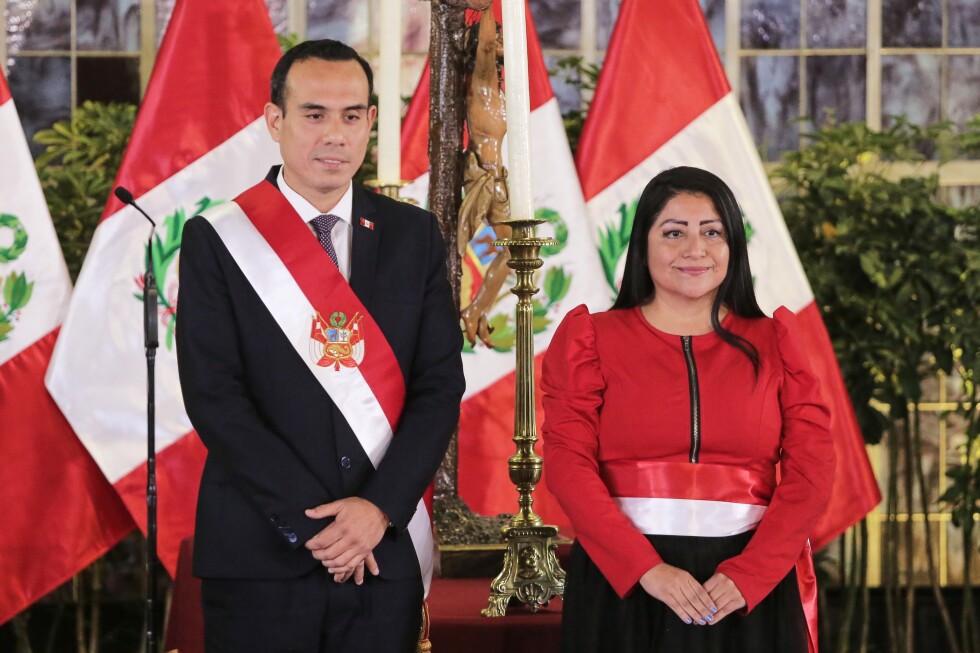
    LIMA, Peru — Peru’s political landscape witnessed another significant shift as Prime Minister Denisse Miralles abruptly resigned on Tuesday, just before facing a mandatory confirmation vote in the nation’s Congress. The resignation comes amid ongoing governmental instability that has characterized Peruvian politics in recent years.

    Miralles, who previously served as economy minister, had been appointed to the prime ministerial position in late February following the removal of Interim President José Jerí due to corruption allegations. Her appointment coincided with the ascension of congressman Jose María Balcázar to the interim presidency.

    Unlike executive leaders in other systems, Peru’s prime minister primarily coordinates government policy implementation rather than directing the executive branch, which remains under presidential authority. Despite this technical distinction, the position requires congressional confirmation—a hurdle Miralles determined she could not overcome.

    Although the former minister did not explicitly state her reasons for stepping down, she confided to journalists that she lacked confidence in securing the necessary majority support from legislators. Her concerns appear validated by recent scrutiny from the Fiscal Council, an independent public finance monitoring body. The council highlighted that Miralles’ ministry had permitted 26 congressional laws to pass without opposition, resulting in substantially increased government expenditures.

    This political development occurs against the backdrop of Peru’s upcoming presidential elections scheduled for April 12, featuring more than two dozen candidates. If no contender achieves over 50% of votes, a runoff between the top two candidates will follow in June.

    Peru has experienced remarkable political volatility with eight different presidents occupying office over the past decade, many removed through congressional actions following corruption allegations. Paradoxically, despite this governmental instability, the country has maintained economic stability through orthodox fiscal policies, restrained public spending, and continued foreign investment in sectors like mining and infrastructure.

  • Gansu vice-governor under investigation for suspected Party discipline violations

    Gansu vice-governor under investigation for suspected Party discipline violations

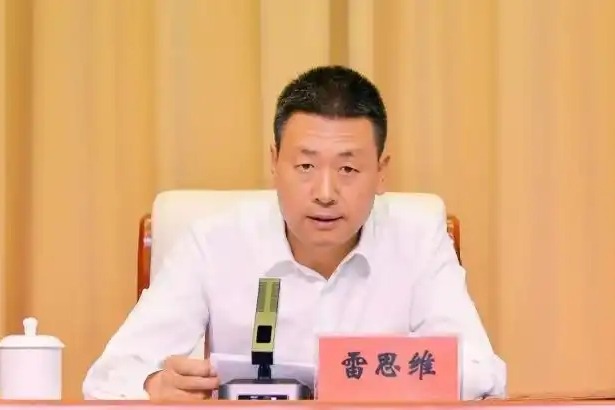
    China’s top anti-corruption authorities have launched a formal investigation into Lei Siwei, the sitting vice-governor of northwestern Gansu Province, for suspected serious violations of Party discipline and laws. The Central Commission for Discipline Inspection (CCDI) and National Commission of Supervision announced the probe on Tuesday, marking another high-profile case in China’s ongoing anti-graft campaign.

    Lei, 59, a lifelong Gansu native who began his political career in June 1989, is currently undergoing comprehensive disciplinary review and supervisory investigation. The veteran official has spent his entire career within the province, ascending through various senior positions including leadership roles in state-owned enterprises and provincial departments.

    His professional trajectory includes serving as director and general manager of Baiyin Nonferrous Group before transitioning to government service. In 2018, Lei assumed directorship of Gansu’s Ecology and Environment Department, followed by leadership of the Provincial Natural Resources Department in 2020. His political advancement continued with his appointment as Party chief of Jiayuguan City in July 2021, culminating in his promotion to vice-governor in 2023 and elevation to the Standing Committee of the Communist Party of China Gansu Provincial Committee in June 2025.

    The investigation represents another demonstration of China’s intensified anti-corruption efforts targeting senior officials, particularly those serving in strategic provincial-level positions. The case continues Beijing’s consistent approach of investigating sitting officials regardless of their administrative rank or tenure.

  • Trump fumes at NATO for refusing to help secure the Strait of Hormuz, and embraces going it alone

    Trump fumes at NATO for refusing to help secure the Strait of Hormuz, and embraces going it alone

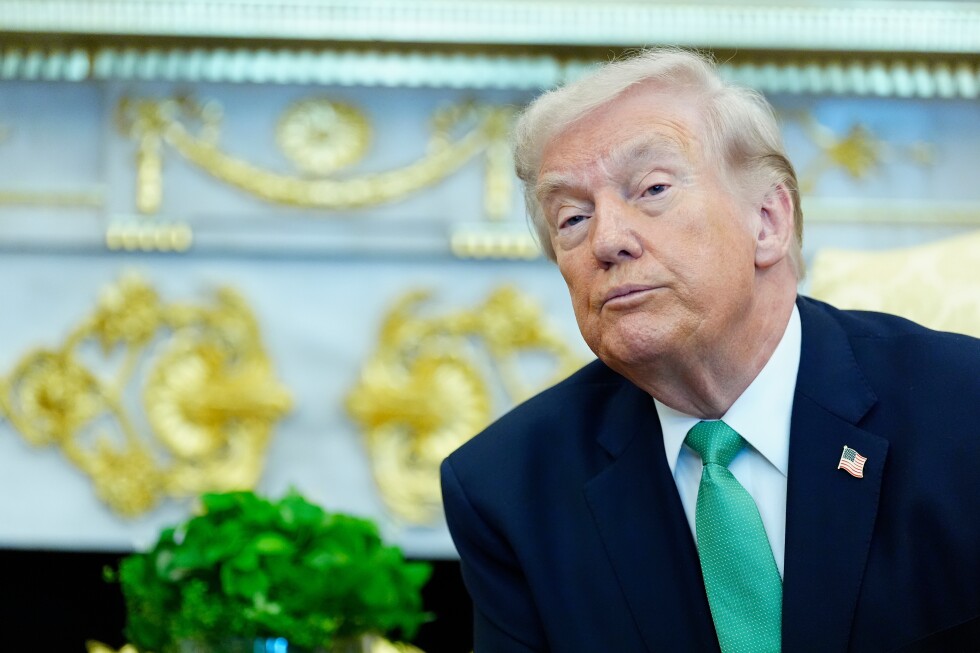
    President Donald Trump expressed sharp frustration on Tuesday as NATO members and key global allies declined his appeals for military assistance in securing the Strait of Hormuz amid escalating tensions with Iran. During a St. Patrick’s Day meeting with Irish Prime Minister Micheál Martin, Trump revealed that traditional U.S. partners had rejected his calls for naval support in the critical waterway, despite what he characterized as substantial American investments in global security.

    The President specifically criticized NATO members for their reluctance to contribute minesweepers or naval assets, noting that such assistance would involve minimal financial burden. Trump’s comments highlighted growing tensions within the transatlantic alliance, which he accused of benefiting from American protection while refusing reciprocal support. “We will protect them, but they will do nothing for us, in particular, in a time of need,” Trump stated via social media.

    European leaders pushed back strongly against the administration’s requests. EU Foreign Policy Chief Kaja Kallas explicitly stated that member nations “do not have the wish to be dragged into this” conflict, emphasizing that the European Union was neither consulted about nor responsible for initiating military actions against Iran. French President Emmanuel Macron offered conditional support for securing the strait but only through operations separate from current hostilities.

    The administration has meanwhile pursued diplomatic pressure campaigns, with the State Department circulating cables urging foreign governments to designate Iran’s Islamic Revolutionary Guard Corps and Hezbollah as terrorist organizations. This effort forms part of a broader strategy to isolate Iran internationally through economic sanctions and diplomatic measures.

    Trump’s relationship with NATO remains characteristically volatile, with the President openly questioning the alliance’s value and suggesting he might reconsider U.S. participation without congressional approval—though legal experts note that 2023 legislation requires congressional authorization for NATO withdrawal.

  • Former Heilongjiang official gets life for bribe taking

    Former Heilongjiang official gets life for bribe taking

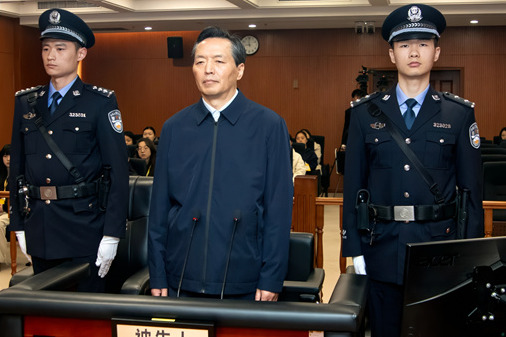
    In a landmark ruling underscoring China’s intensified anti-corruption campaign, a high-ranking former official from Heilongjiang province has been sentenced to life imprisonment for extensive bribery offenses. The Wuxi Intermediate People’s Court in Jiangsu Province delivered the verdict on Tuesday, marking a significant development in the nation’s ongoing battle against graft within its political ranks.

    Li Haitao, previously serving as Vice-Chairman of the Heilongjiang Provincial Committee of the Chinese People’s Political Consultative Conference, was convicted of systematically abusing his official authority over a twenty-year period from 2003 to 2023. Judicial authorities confirmed that Li illicitly accepted approximately 150 million yuan (equivalent to $21.78 million) in bribes from various corporations and individuals seeking preferential treatment in project development, contract awards, and corporate mergers.

    The court imposed additional severe penalties including lifelong deprivation of political rights and comprehensive confiscation of all personal assets. Authorities have already transferred substantial portions of illicit gains to state treasury holdings, with ongoing efforts to recover remaining proceeds from criminal activities.

    Presiding judges noted that while the monumental scale of corruption caused severe damage to national and public interests, sentencing considerations incorporated mitigating factors including Li’s confession, demonstrated remorse, and partial restitution of illegally obtained funds. The judicial process featured a public trial conducted in September of the previous year, during which prosecutors presented extensive evidence before the defendant delivered his final statement admitting guilt.

  • US Attorney General Bondi formally summoned to Congress in Epstein case

    US Attorney General Bondi formally summoned to Congress in Epstein case

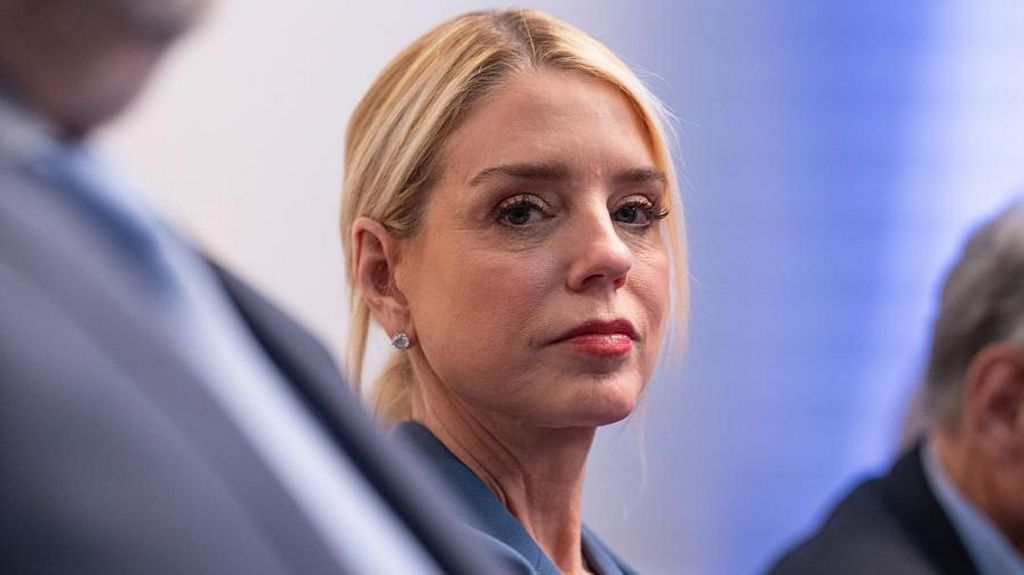
    The House Oversight Committee has issued a formal subpoena to Attorney General Pam Bondi, compelling her testimony regarding the Justice Department’s management of the Jeffrey Epstein investigation. Committee Chairman James Comer (R-KY) cited potential “mismanagement” concerns in the subpoena letter, which mandates Bondi’s appearance on April 14.

    The congressional action follows intensified scrutiny over the Justice Department’s implementation of the Epstein Files Transparency Act, legislation signed by former President Trump last November that requires full disclosure of investigation materials. Despite the release of millions of documents, the department faces bipartisan criticism for its handling of sensitive information—specifically, allegedly failing to properly redact victims’ identities while protecting non-victims.

    Representative Nancy Mace (R-SC) previously accused the Justice Department of orchestrating a “cover-up” in releasing Epstein-related files, prompting the current subpoena initiative. The committee seeks Bondi’s testimony due to her direct oversight responsibility for document collection, review, and release determinations under the transparency act.

    Justice Department officials have pushed back against the subpoena, characterizing it as “completely unnecessary” while emphasizing that lawmakers have standing invitations to review unredacted files directly at department facilities. The agency maintains that Attorney General Bondi has consistently made herself available for direct consultations with Congress members.

    This development occurs amidst growing political pressure on both the Trump administration and Bondi to ensure comprehensive transparency regarding Epstein probe documents. Should Bondi testify as scheduled, she will join other high-profile witnesses including former President Bill Clinton and former Secretary of State Hillary Clinton, who appeared before the same committee last month.

  • Spanish king reopens debate on conquest of Mexico by acknowledging ‘abuse’

    Spanish king reopens debate on conquest of Mexico by acknowledging ‘abuse’

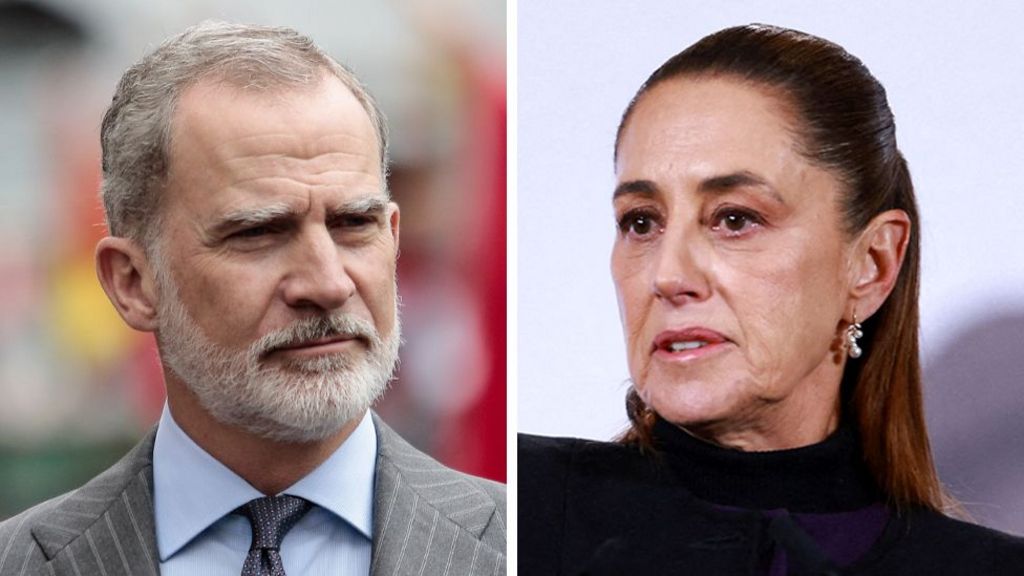
    In an unprecedented move that could reshape Spanish-Mexican relations, King Felipe VI has publicly acknowledged the historical abuses committed during Spain’s conquest of the Americas. The monarch’s remarks, delivered during a visit to an indigenous women’s exhibition at Madrid’s National Archaeological Museum, represent the first time a Spanish royal has addressed colonial-era injustices directly.

    Speaking informally before Mexico’s Ambassador to Spain Quirino Ordaz, King Felipe stated that numerous abuses occurred during the conquest of territories that would become modern Mexico. ‘There are things that, when we study them with our present-day criteria and values, obviously cannot make us feel proud,’ the monarch added during his Monday address.

    Mexican President Claudia Sheinbaum immediately welcomed the royal acknowledgement as a significant diplomatic breakthrough. ‘One could say it is not everything we would have wanted,’ she noted, ‘but it is a gesture of reconciliation—an acknowledgement of excesses and exterminations that happened during the Spaniards’ arrival.’

    The timing holds particular significance following years of diplomatic tension. In 2019, then-President Andrés Manuel López Obrador formally demanded Spain’s apology for human rights violations during colonization. The dispute escalated in 2024 when President Sheinbaum notably excluded King Felipe from her inauguration ceremonies, citing Spain’s inadequate response to Mexico’s concerns.

    Historical context underscores the sensitivity: 2021 marked the 500th anniversary of Tenochtitlán’s fall—the Aztec capital now underlying Mexico City—to Hernán Cortés and his conquistadors. The Spanish conquest resulted in widespread indigenous fatalities through both military campaigns and introduced diseases.

    While Spain’s Socialist-led government fully endorsed the king’s statement, with Minister Elma Saiz expressing 100% support, conservative factions reacted critically. People’s Party leader Alberto Núñez Feijóo cautioned against evaluating historical events through modern lenses, calling such scrutiny ‘crazy.’ He defended Spain’s colonial legacy as creating ‘an exceptional linguistic and cultural community’ that compared favorably to other imperial actions of the era.

    The far-right Vox party went further, labeling the conquest ‘the greatest work of evangelisation and civilisation in universal history.’ Vox MEP Hermann Tertsch expressed astonishment that the monarch aligned with ‘those who seek to damage and discredit Spanish history.’

    This development occurs against Spain’s complex historical reckoning. While the nation offered citizenship to descendants of Jews expelled during the Spanish Inquisition in 2015, it has not undertaken comprehensive colonial reappraisal like other European nations. King Felipe’s comments, disseminated through the Royal Household’s social media channels, potentially open new dialogue avenues between the two nations, though specific next steps remain undefined.