分类: politics

  • Experts see pragmatism in Canada policy

    Experts see pragmatism in Canada policy

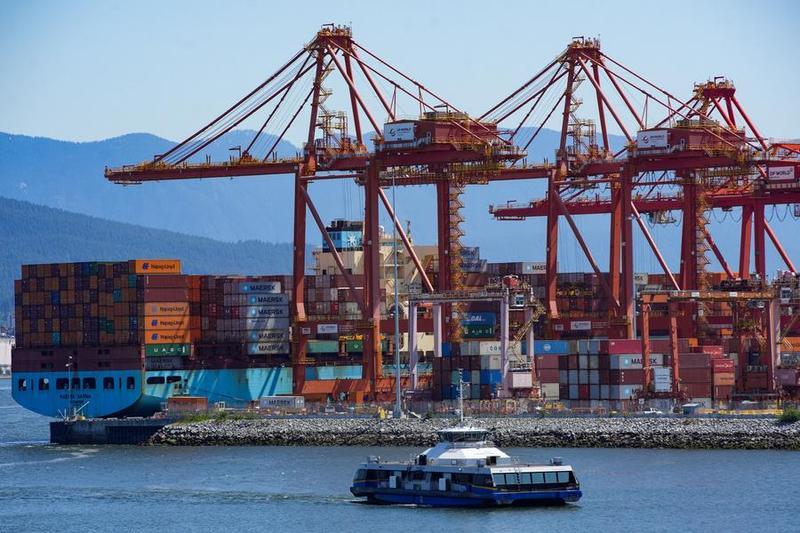
    In a significant diplomatic shift, Canada is actively pursuing a recalibration of its relationship with China as global trade dynamics undergo substantial transformation. This strategic pivot comes amid growing uncertainty surrounding US trade policy, compelling Ottawa to diversify its international economic partnerships.

    Jeff Mahon, former deputy director of the China division at Global Affairs Canada, observed that both nations have demonstrated genuine willingness to transcend recent challenges and forge improved long-term relations. Since the October leaders’ meeting in South Korea, bilateral engagement has intensified, featuring substantive exchanges between China’s international trade negotiators and their Canadian counterparts.

    Mahon emphasized that these high-level interactions signal both governments’ diligent efforts to establish fresh consensus. “Such diplomatic movements indicate the parties are cautiously exploring terrain for pragmatic cooperation,” he noted, adding that future collaboration demands a nuanced approach acknowledging domestic economic sensitivities on both sides.

    China currently stands as a crucial trade partner for Canada, though Mahon advocates for more creative thinking about complementary strengths. He proposed opening Canadian investment channels for Chinese companies to leverage their capabilities for local market benefits, suggesting such moves would strengthen supply chain connections and create mutually advantageous outcomes.

    Beyond commercial interests, Mahon highlighted potential cooperation in energy and climate initiatives. Canadian liquefied natural gas exports could contribute to emissions reduction in China, while Chinese renewable energy firms might participate in developing green supply chains across Canada. Additionally, Canadian agricultural exports already support China’s food security, with potential expansion through joint ventures in food processing research.

    The human dimension remains equally vital, with Mahon stressing that people-to-people exchanges serve as fundamental pillars in rebuilding bilateral trust. “Governments construct the bridge, but it is the people and businesses who ultimately utilize it,” he remarked.

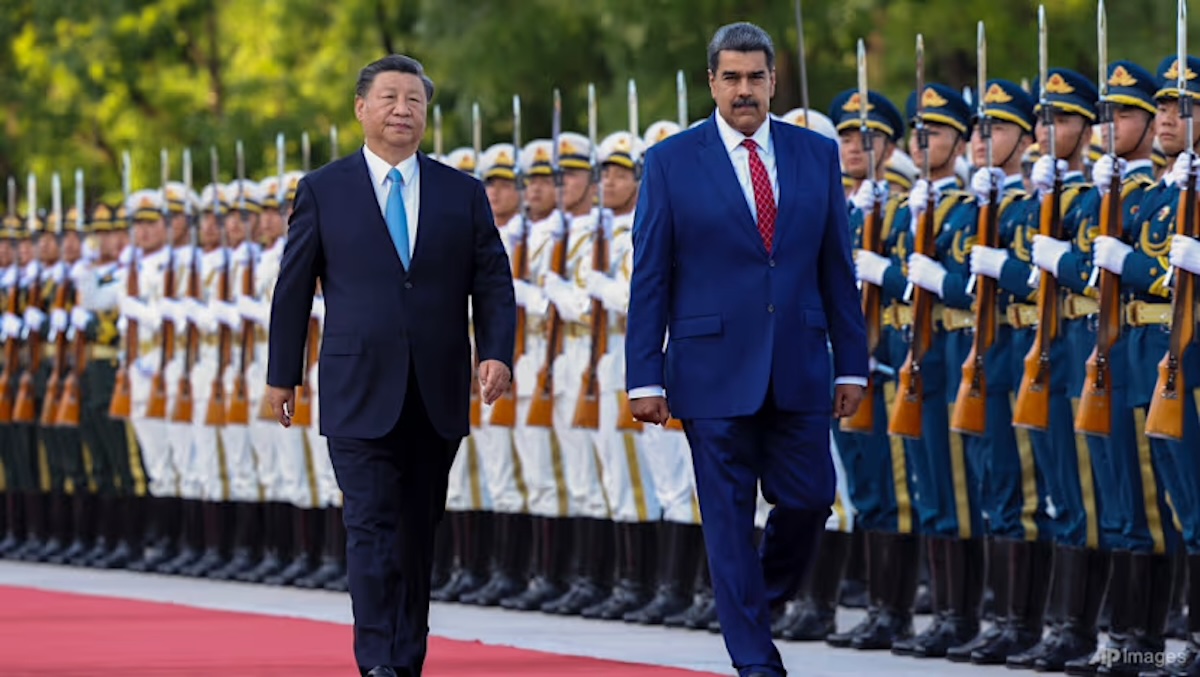
    This diplomatic reassessment aligns with Prime Minister Mark Carney’s recent acknowledgment that Canada has placed “too many eggs in the American basket,” necessitating diversified economic relationships including with China and India. Carney’s scheduled January 13-17 visit to China—the first by a Canadian prime minister since 2017—further underscores this strategic reorientation.

    According to Jiang Wenran, founding director of the University of Alberta’s China Institute, China’s structural importance in Canada’s external economic relations has become undeniable. He revealed that Canada’s trade with China alone equals its total trade with the European Union or all other Asia-Pacific nations combined.

    Jiang characterized the Carney government’s outreach as recognition of economic reality, particularly noting the prime minister’s emphasis on predictable, rules-based trade requiring engagement with “the Asia-Pacific’s largest economy.” He urged immediate resolution of ongoing trade disputes, specifically addressing “mutually destructive tariffs on electric vehicles and agricultural goods.”

    The expert recommended transitioning from confrontation to selective cooperation on shared challenges including energy trade, manufacturing, climate change, and Arctic governance. As global economic fragmentation accelerates, 2026 emerges as a decisive year for Canada-China relations, with both nations seeking stable footing in an increasingly unpredictable international landscape.
  • Greenlanders fear for future as island embroiled in geopolitical storm

    Greenlanders fear for future as island embroiled in geopolitical storm

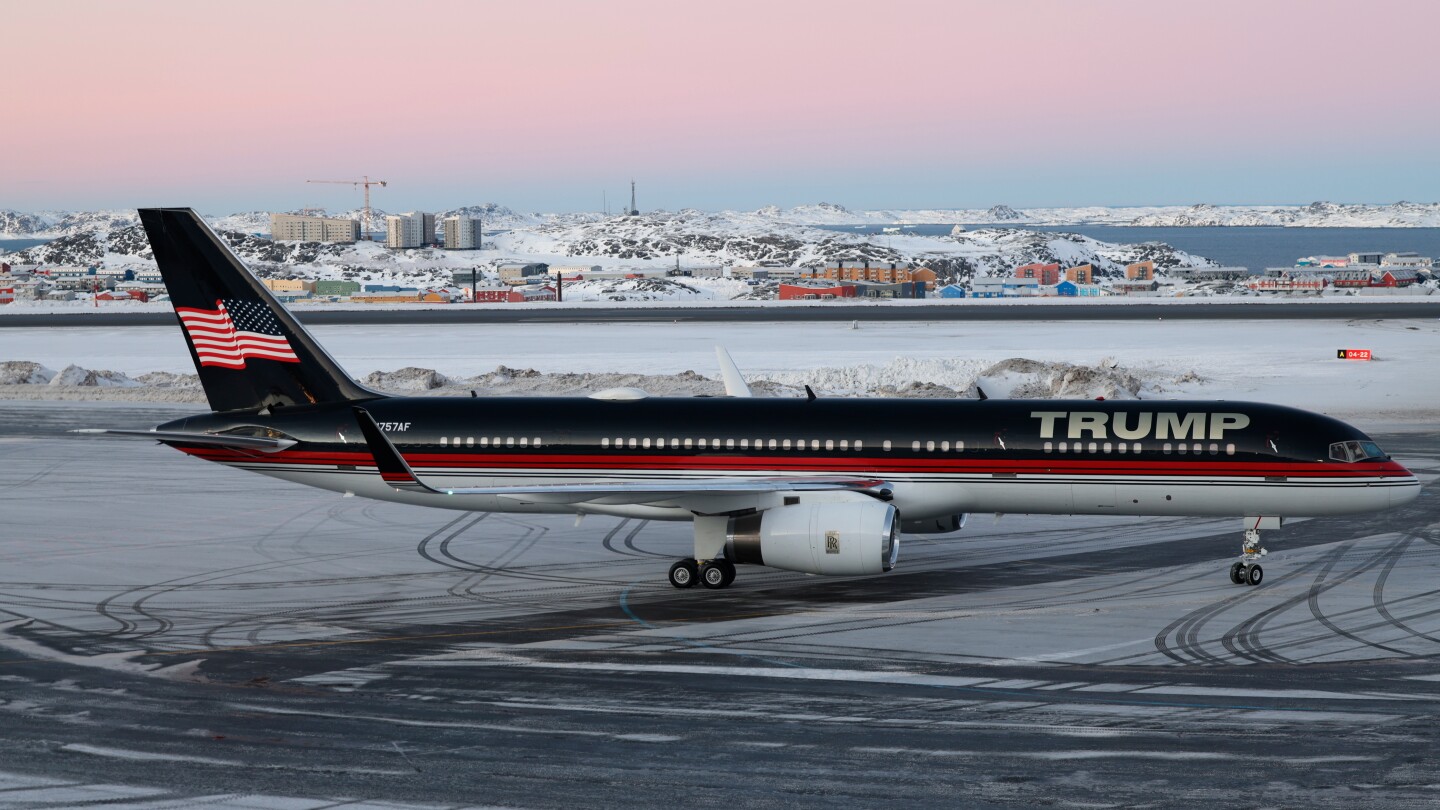
    The geopolitical spotlight intensifies on Greenland as US Secretary of State Marco Rubio prepares for critical talks with Danish and Greenlandic officials regarding the territory’s future. This diplomatic engagement follows President Donald Trump’s expressed interest in acquiring the semi-autonomous Danish territory for national security purposes, causing considerable unease among Greenland’s 57,000 predominantly Inuit residents.

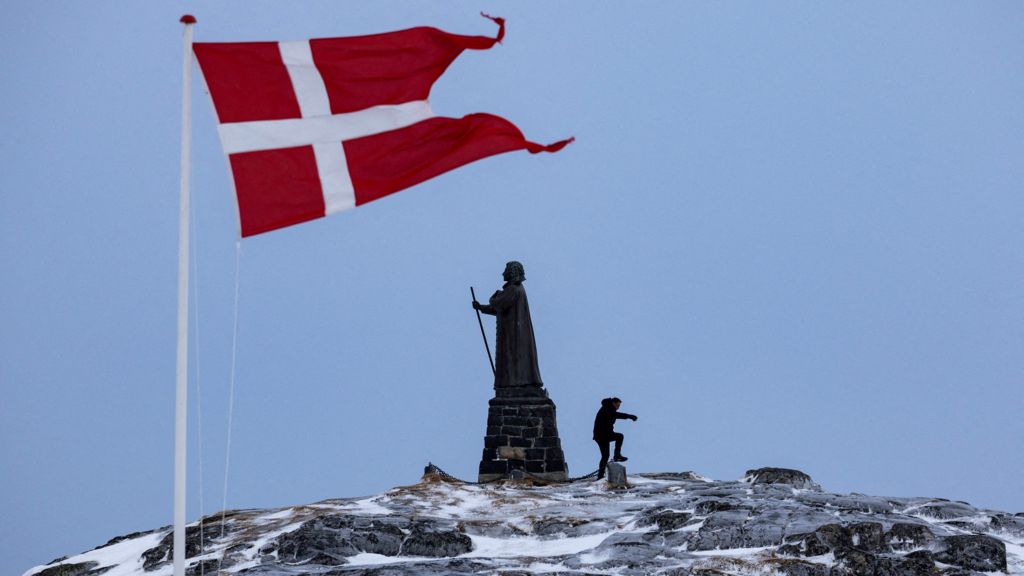
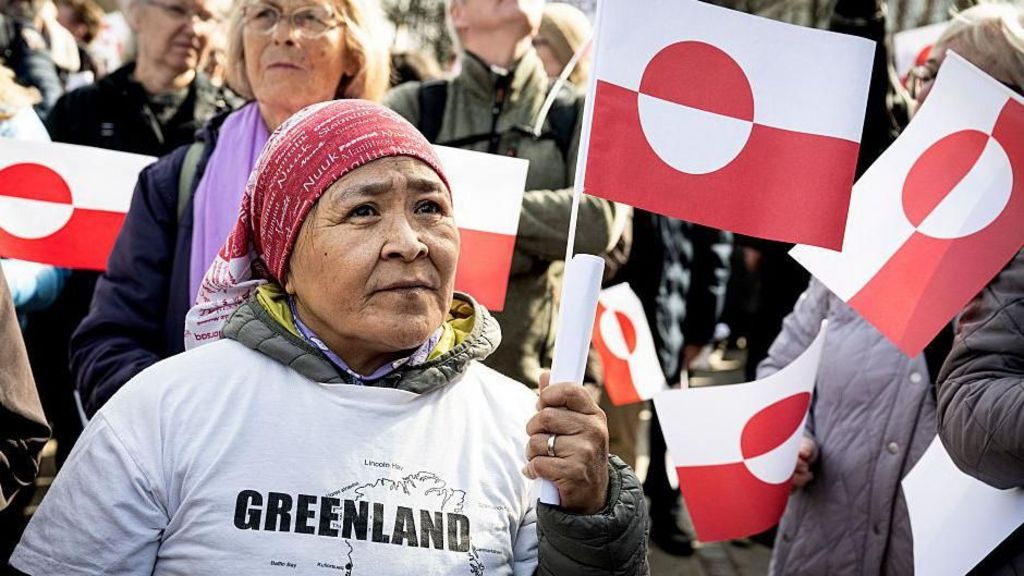
    Despite Greenland’s serene Arctic landscape of ice-capped mountains and glittering fjords, the capital city of Nuuk reveals underlying tensions. Residents express profound concern about potential US intervention, with one pensioner emphatically stating that the American flag must never fly over Greenland. Many citizens, still grappling with the trauma of Danish colonization, now fear forced assimilation into American sovereignty.

    Pilu Chemnitz, a local pottery-maker, encapsulates the prevailing sentiment: “We have always lived a quiet and peaceful life here. We just want to be left alone.” This desire for autonomy extends beyond resisting US acquisition—85% of Greenlanders oppose American takeover—to include growing aspirations for complete independence from Denmark, despite appreciating Danish subsidies that support their welfare state.

    Parliament member Pipaluk Lynge-Rasmussen of the pro-independence Inuit Ataqatigiit party emphasizes the importance of Greenlanders determining their own destiny. She criticizes global powers, including Denmark, for discussing Greenland’s fate without meaningful engagement with its people. Surprisingly, she attributes more responsibility to Denmark than to Trump for overlooking Greenlandic interests, noting that Greenland and the Faroe Islands have historically been treated as “second-class citizens” within the Danish Kingdom.

    The US strategic interest stems from multiple factors: perceived national security concerns regarding Russian and Chinese activities in the Arctic, desire for Greenland’s untapped natural resources including rare earth minerals, and Trump’s proclaimed objective to dominate the Americas. Geographically, Greenland belongs to North America, lying closer to New York than to Copenhagen by approximately 1,000 miles.

    Current US-Denmark agreements already permit extensive American military presence in Greenland, though the US substantially reduced its forces from Cold War peaks of 10,000 personnel to approximately 200 today. The Trump administration proposes enhancing military infrastructure through its “Golden Dome” missile defense system and potentially establishing surveillance capabilities in the GIUK Gap (Greenland-Iceland-UK passage).

    Opposition MP Pele Broberg advocates for pragmatic engagement: “We are not for sale—but we are open for business.” He highlights the economic paradox of importing goods from Denmark 4,000km away rather than from closer North American sources.

    The situation reflects broader Arctic tensions, with Russia and China expanding military cooperation and developing new shipping routes through melting ice passages. NATO allies, including the UK under Prime Minister Keir Starmer, seek to reassure Washington of their commitment to regional security while attempting to dissuade unilateral action.

    The upcoming negotiations will test whether diplomatic solutions can prevail over military posturing, with Greenlanders hoping to leverage international attention to advance their priorities rather than become victims of great power competition.

  • How the US could take over Greenland and the potential challenges

    How the US could take over Greenland and the potential challenges

    The Trump administration’s unprecedented pursuit of acquiring Greenland has triggered a significant diplomatic confrontation with Denmark and raised profound questions about NATO’s future stability. Despite Greenland’s status as a semi-autonomous Danish territory and NATO ally, President Trump has openly declared his intention to obtain control of the strategically valuable Arctic island “whether they like it or not.”

    High-level discussions between American, Danish, and Greenlandic officials have revealed the administration is evaluating multiple approaches to secure control, including potential military action. This aggressive posture has drawn sharp condemnation from Danish Prime Minister Mette Frederiksen, who warned that any forced takeover would effectively terminate the NATO alliance.

    Strategic analysts identify several potential acquisition methods under consideration. While military conquest remains theoretically possible given the vast disparity between American and Danish military capabilities, most experts consider this option highly improbable due to its catastrophic diplomatic consequences. Alternatively, the administration could pursue enhanced bilateral agreements similar to the Compact of Free Association arrangements with Pacific island nations, granting Washington security veto power and military basing rights in exchange for economic assistance and security guarantees.

    Arctic security specialists challenge the administration’s stated justification for acquisition—countering Russian and Chinese influence—noting that existing defense agreements already provide substantial American military presence. The Thule Air Base (Pituffik Space Base) in northwestern Greenland already serves critical missile detection and space surveillance functions for both U.S. and NATO operations.

    Greenlandic politicians have unanimously rejected assimilation into the United States, emphasizing their preference for increased autonomy rather than changed sovereignty. Demographic and linguistic barriers would complicate any influence operations, while the financial burden of replicating Denmark’s comprehensive welfare system for Greenland’s population would represent a massive ongoing expenditure.

    Experts suggest the most plausible resolution involves modernizing existing defense agreements rather than pursuing territorial acquisition. However, some analysts speculate that the Greenland discussion may serve as a deliberate distraction from domestic political challenges rather than a genuine policy objective, given the president’s pattern of reviving the topic during contentious periods.

  • North Korea vows response as it accuses the South of flying drones across the border

    North Korea vows response as it accuses the South of flying drones across the border

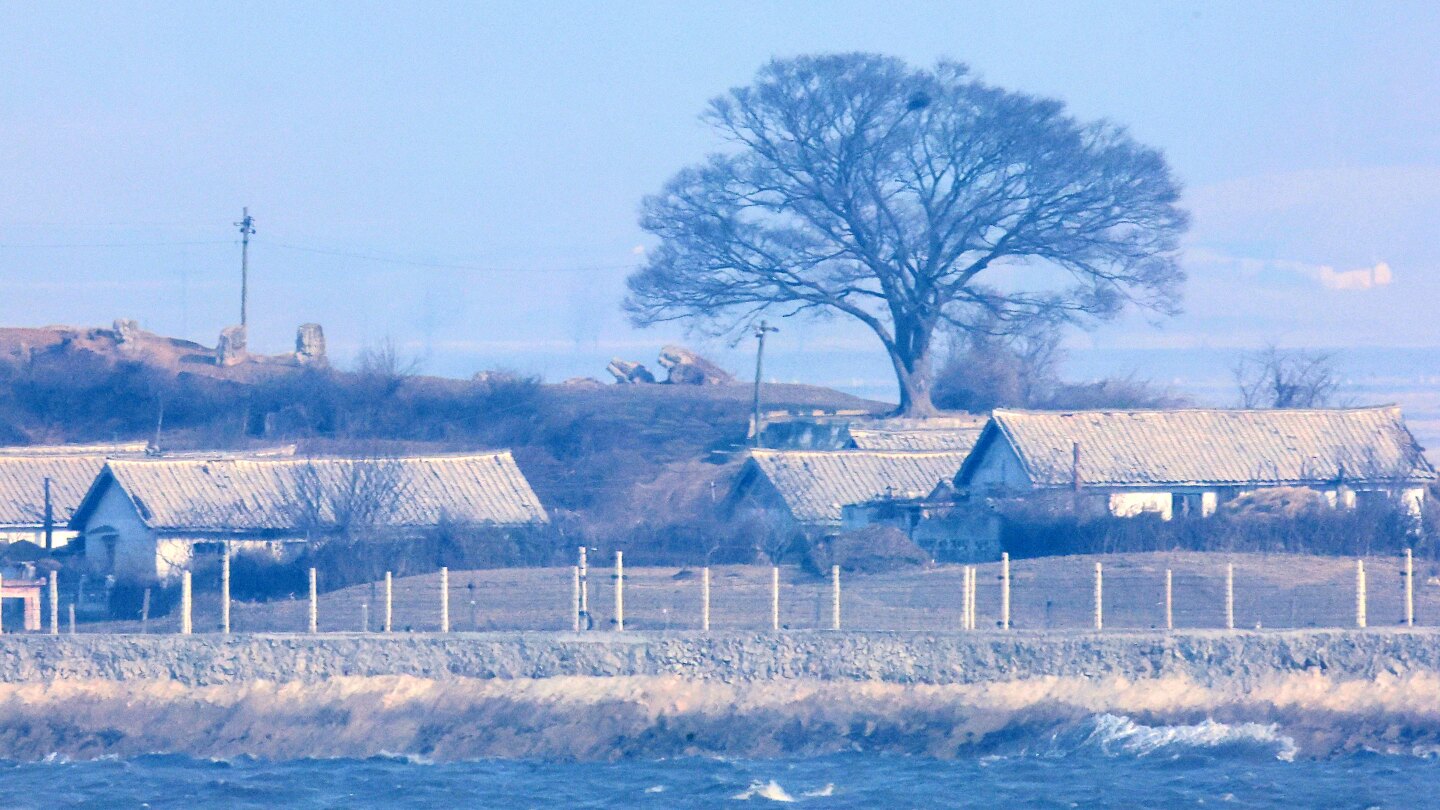
    North Korea’s military has issued a stern warning to South Korea, accusing its southern neighbor of conducting unauthorized drone surveillance missions across their shared border. The General Staff of the Korean People’s Army released an official statement through state media channels, alleging that South Korean drones equipped with dual-camera systems had infiltrated North Korean airspace on multiple occasions in recent weeks.

    The North Korean military claims it deployed specialized electronic warfare systems to neutralize what it described as ‘undisguised provocative acts.’ According to their account, one drone was intercepted on Sunday near a border town, while another was allegedly forced to crash on September 27 after electronic countermeasures were applied. Both devices were said to contain captured footage of strategic locations within North Korean territory.

    South Korea’s Defense Ministry has categorically denied these allegations, stating that no military drones were operational during the specified timeframes. Ministry official Kim Hong-Cheol confirmed that authorities would investigate whether civilian-operated drones might be involved, while reaffirming Seoul’s commitment to peaceful confidence-building measures.

    This incident occurs against the backdrop of deteriorating inter-Korean relations. Since the collapse of denuclearization talks between North Korea and the United States in 2019, Pyongyang has increasingly focused on weapons development while adopting a hostile ‘two-state’ policy toward South Korea. Despite President Lee Jae Myung’s efforts to revive diplomatic channels since taking office in June—including recent appeals to Chinese President Xi Jinping for mediation—North Korea has consistently rebuffed overtures from Seoul.

    Drone incursions have emerged as a persistent flashpoint in the delicate relationship between the two Koreas. Both nations have previously accused each other of unauthorized aerial surveillance operations, with notable incidents occurring in October 2024 and December 2022. While these previous confrontations resulted in heightened rhetoric without major escalation, the current allegations threaten to further undermine already strained relations on the Korean Peninsula.

  • America’s Venezuelan adventure has limited impact on Asia

    America’s Venezuelan adventure has limited impact on Asia

    The United States’ covert operation to apprehend Venezuelan President Nicolás Maduro and its subsequent moves to seize Venezuelan oil assets have triggered significant geopolitical repercussions, particularly across Asian nations. This development has prompted serious examination of Washington’s strategic priorities and their implications for regional security dynamics.

    Historical narratives depicting America as a benevolent global power promoting universally beneficial rules now face intense scrutiny. The Maduro operation, coupled with explicit statements from the Trump administration regarding Venezuelan oil acquisition, has substantially damaged US credibility throughout the Global South, including key Asian partners. China’s diplomatic and propaganda machinery has effectively capitalized on this situation to amplify anti-American sentiment.

    While European allies have expressed notable discomfort, Asian partners demonstrate more measured responses. Both Japanese and South Korean governments have refrained from outright condemnation of US actions in Venezuela. Japanese Prime Minister Sanae Takaichi carefully avoided direct criticism, with senior officials primarily concerned about potential dilution of international resolve against Chinese expansionism in Asia. Similarly, South Korea’s Democratic Party-led administration issued a neutral statement urging all parties to reduce regional tensions.

    The Venezuela intervention potentially signals a strategic reorientation toward Western Hemisphere priorities, which would objectively benefit Moscow and Beijing by diverting American resources from Asian theaters. However, this doesn’t necessarily indicate complete victory for isolationist ‘restrainers’ over China-focused ‘prioritizers’ within US policy circles. The current National Security Strategy maintains commitment to preventing Chinese dominance in Asia, representing a scaled-back but still active engagement posture.

    Fundamentally, both Washington and Beijing pursue contradictory sphere-of-influence objectives while rejecting each other’s claimed domains. China’s naval expansion into Pacific island territories, unexpected military exercises near Australia, and previously robust Venezuelan relations demonstrate Beijing’s willingness to operate in America’s strategic backyard, mirroring US presence in China’s periphery.

    Legal analysts note the Maduro operation violates international law, potentially creating dangerous precedents for Russian and Chinese actions. However, historical context reveals numerous US interventions in Latin America throughout the previous century, making this less a novelty than a continuation of established practice. Neither Moscow nor Beijing have shown particular restraint regarding international norms, as evidenced by Russia’s Ukraine invasion and China’s rejection of UNCLOS rulings in the South China Sea.

    The Venezuela operation unlikely strengthens deterrence against Chinese adventurism regarding Taiwan. While demonstrating willingness to take limited military action against weaker opponents, the Trump administration has consistently expressed reluctance about defending Taiwan and seeks bilateral trade agreements with China, creating disincentives for confrontation.

    Potential mission creep in Venezuela could mirror Somalia’s 1992-93 intervention, where humanitarian purposes devolved into combat operations. Sustained military engagement in Latin America would inevitably divert resources and administrative attention from Asian security concerns, while reinforcing American war weariness that might discourage future intervention in Taiwan Strait scenarios.

    Ultimately, China’s regional calculations follow their own strategic logic rather than reacting to global norm violations. The Venezuela intervention represents just one factor in complex Asia-Pacific security equations, with limited but notable impact on regional perceptions of US commitment and reliability.

  • India scolds Mamdani for sending letter to Indian activist held without trial

    India scolds Mamdani for sending letter to Indian activist held without trial

    India’s Ministry of External Affairs has issued a stern diplomatic reprimand to New York City Mayor Zohran Mamdani following the public circulation of his letter to imprisoned Indian activist Umar Khalid. The communication, penned in early December after Mamdani met with Khalid’s parents during their U.S. visit, surfaced on social media platforms several days ago.

    External Affairs Ministry spokesperson Randhir Jaiswal delivered a sharply worded statement urging foreign officials to respect judicial independence in other democracies. ‘We expect public representatives to be respectful of the independence of judiciaries in other democracies,’ Jaiswal stated. ‘Expressing personal prejudices does not behoove those in office. Instead of such comments, it would be better to focus on the responsibilities entrusted to them.’

    Khalid, a student activist detained without trial since September 2020, faces allegations of orchestrating the February 2020 New Delhi riots. His case has drawn international scrutiny, with the U.S. Commission on International Religious Freedom (USCIRF) identifying him as persecuted for ‘protesting religious freedom conditions’ and recommending India be designated a ‘Country of Particular Concern’ for religious intolerance.

    The legal proceedings against Khalid operate under India’s Unlawful Activities (Prevention) Act (UAPA), legislation permitting extended detention periods while severely restricting bail opportunities. India’s Supreme Court recently rejected Khalid’s latest bail application, maintaining his imprisonment.

    Mamdani’s letter expressed personal solidarity, stating: ‘Dear Umar, I think of your words on bitterness often and the importance of not letting it consume one’s self. It was a pleasure to meet your parents. We are all thinking of you.’

    Simultaneously, eight U.S. lawmakers including Democratic Congressman Jim McGovern (co-chair of the Tom Lantos Human Rights Commission) and Senators Chris Van Hollen and Peter Welch dispatched a formal letter to Indian Ambassador Vinay Mohan Kwatra on December 30th. The communication urged India to provide Khalid with bail and a fair trial ‘in accordance to international law.’

    The controversy originates from the 2020 citizenship law amendments under Modi’s government that expedited citizenship for persecuted non-Muslim religious minorities from neighboring countries. Muslim exclusion protests prompted violent clashes in New Delhi, resulting in over 50 fatalities—predominantly Muslims—in the capital’s worst religious violence since the 1984 anti-Sikh riots.

    Indian police arrested approximately 2,000 individuals following the disturbances, with critics alleging anti-Muslim bias in targeting activists and students. Among at least 18 detained leaders, Khalid has faced repeated bail rejections over five years despite international human rights organizations demanding his release. While some co-accused were granted bail on January 5th, Khalid and associate Sharjeel Imam remain imprisoned, with Amnesty International condemning their continued detention as based on ‘politically motivated allegations.’

  • Trump says US needs to ‘own’ Greenland to prevent Russia and China from taking it

    Trump says US needs to ‘own’ Greenland to prevent Russia and China from taking it

    A significant diplomatic rift has emerged within the NATO alliance following provocative statements by former U.S. President Donald Trump regarding the sovereignty of Greenland. Speaking to reporters, Trump asserted that the United States must exercise outright ownership of the vast Arctic territory to counter perceived threats from Russia and China, explicitly dismissing the value of existing lease agreements.

    The controversial remarks, made in response to questioning from the BBC, included Trump’s declaration that this objective would be pursued either ‘the easy way or the hard way.’ This ambiguous threat was interpreted as leaving open the possibility of military annexation, a notion the White House has previously refused to rule out despite its extreme nature.

    This stance has been met with unified and forceful rejection from both the Danish government and Greenland’s political leadership. In a powerful joint statement, Greenland’s party leaders across the political spectrum condemned what they termed ‘the US’s disregard for our country,’ emphatically stating, ‘We do not want to be Americans, we do not want to be Danes, we want to be Greenlanders.’ They underscored that the future of the semi-autonomous territory must be determined exclusively by its people.

    The geopolitical significance of Greenland lies in its strategic location between North America and the Arctic. Its value extends beyond early-warning systems for missile defense to include vast untapped natural resources—rare earth minerals, uranium, iron, and potential oil and gas reserves—that are becoming increasingly accessible due to climate-induced ice melt.

    In a swift show of solidarity, Denmark’s NATO allies, including major European powers and Canada, have rallied behind Copenhagen. They issued coordinated statements reaffirming that sovereignty matters concerning Greenland are the exclusive purview of Denmark and Greenland itself. These allies emphasized that Arctic security, while a shared priority, must be achieved collectively by upholding fundamental principles of the UN Charter, including territorial integrity and the inviolability of borders.

    The situation is further inflamed by recent U.S. military action in Venezuela, which has heightened global anxieties about the potential for force being used elsewhere. This is not the first time Trump has expressed interest in acquiring Greenland; a similar offer was rebuffed in 2019 during his first term. U.S. Secretary of State Marco Rubio is scheduled to hold talks with Danish officials next week in an attempt to manage the escalating crisis.

  • Judge dismisses lawsuit calling for evacuation of Palestinian Americans in Gaza

    Judge dismisses lawsuit calling for evacuation of Palestinian Americans in Gaza

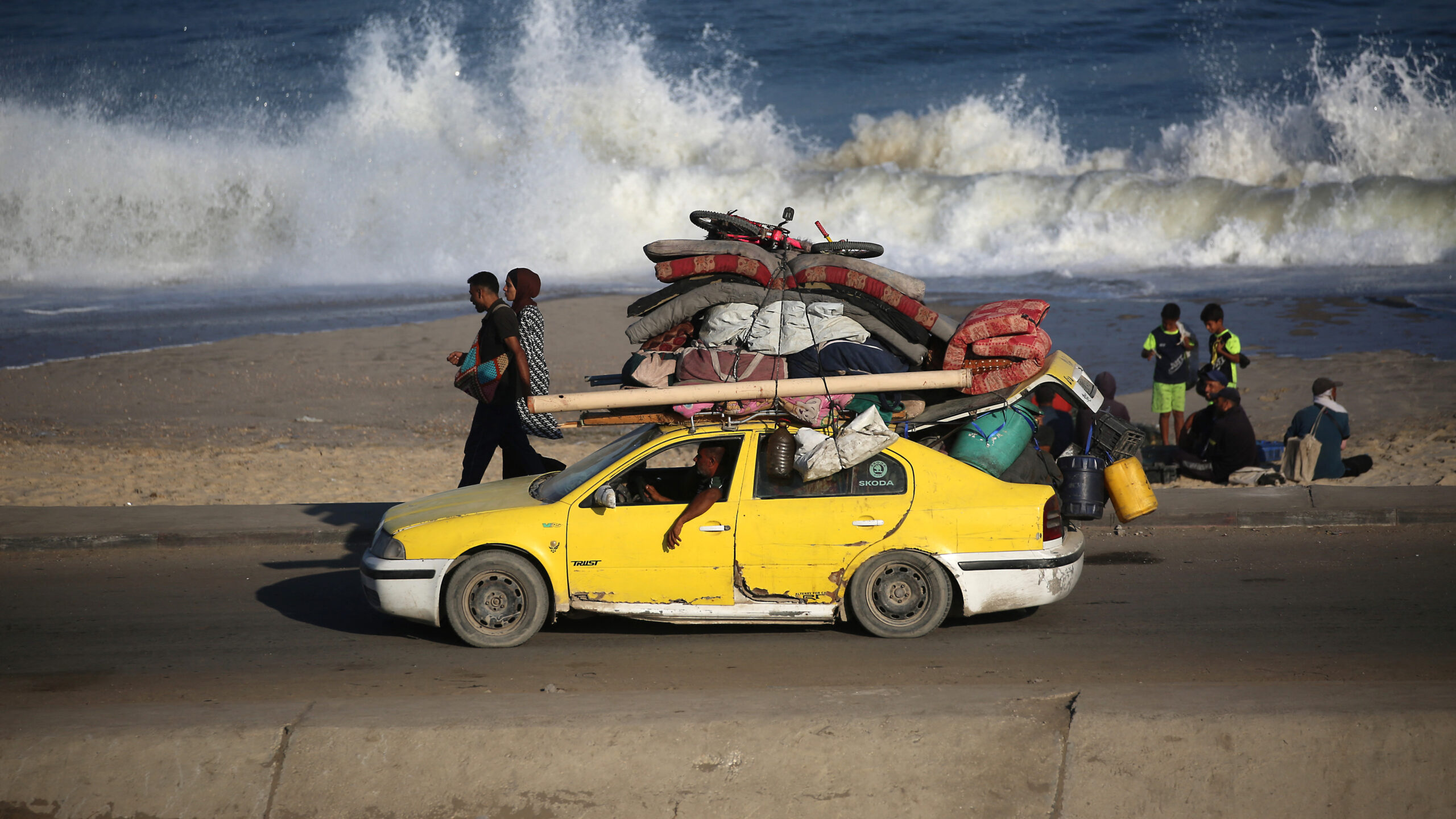
    A federal court in Chicago has dismissed a lawsuit against the U.S. government over its evacuation procedures for Palestinian-Americans stranded in Gaza. Chief Judge Virginia Kendall of the U.S. District Court acknowledged the plaintiffs’ dire circumstances but ruled that the judiciary lacks both the authority and the diplomatic resources to evaluate or mandate executive branch foreign policy decisions, particularly those involving wartime evacuations.

    The legal action, initiated in December 2024 by nine Palestinian-Americans with support from the Council on American-Islamic Relations (CAIR) and attorney Maria Kari, accused the Biden administration of violating constitutional equal protection rights. The plaintiffs argued that the government abandoned them and their families during the ongoing conflict, failing to implement standard evacuation protocols that would be extended to other U.S. citizens abroad.

    Despite expressing sympathy for the plaintiffs’ ‘impossible positions,’ Judge Kendall’s ruling emphasized the constitutional separation of powers. She stated that determining the ‘when, how, and under what circumstances evacuations from war zones should proceed’ is a duty committed to the executive and legislative branches, not the judiciary.

    The court noted evidence indicating that the U.S. government had developed an evacuation plan and that all nine plaintiffs had either been successfully evacuated or had declined offers that did not include their immediate family members. The State Department had previously reported assisting over 1,600 individuals, including citizens and eligible family members, in leaving Gaza via the Rafah crossing, though the criteria for evacuation were narrowly defined to include only spouses, parents, and unmarried children under 21.

    The dismissal highlights the complex and often restrictive process for evacuation, which requires multi-level approvals from U.S., Egyptian, Israeli, and Palestinian authorities. At the time of publication, the U.S. Department of State had not issued an immediate response to requests for comment.

  • UK government co-owns Somaliland port at centre of Horn of Africa crisis

    UK government co-owns Somaliland port at centre of Horn of Africa crisis

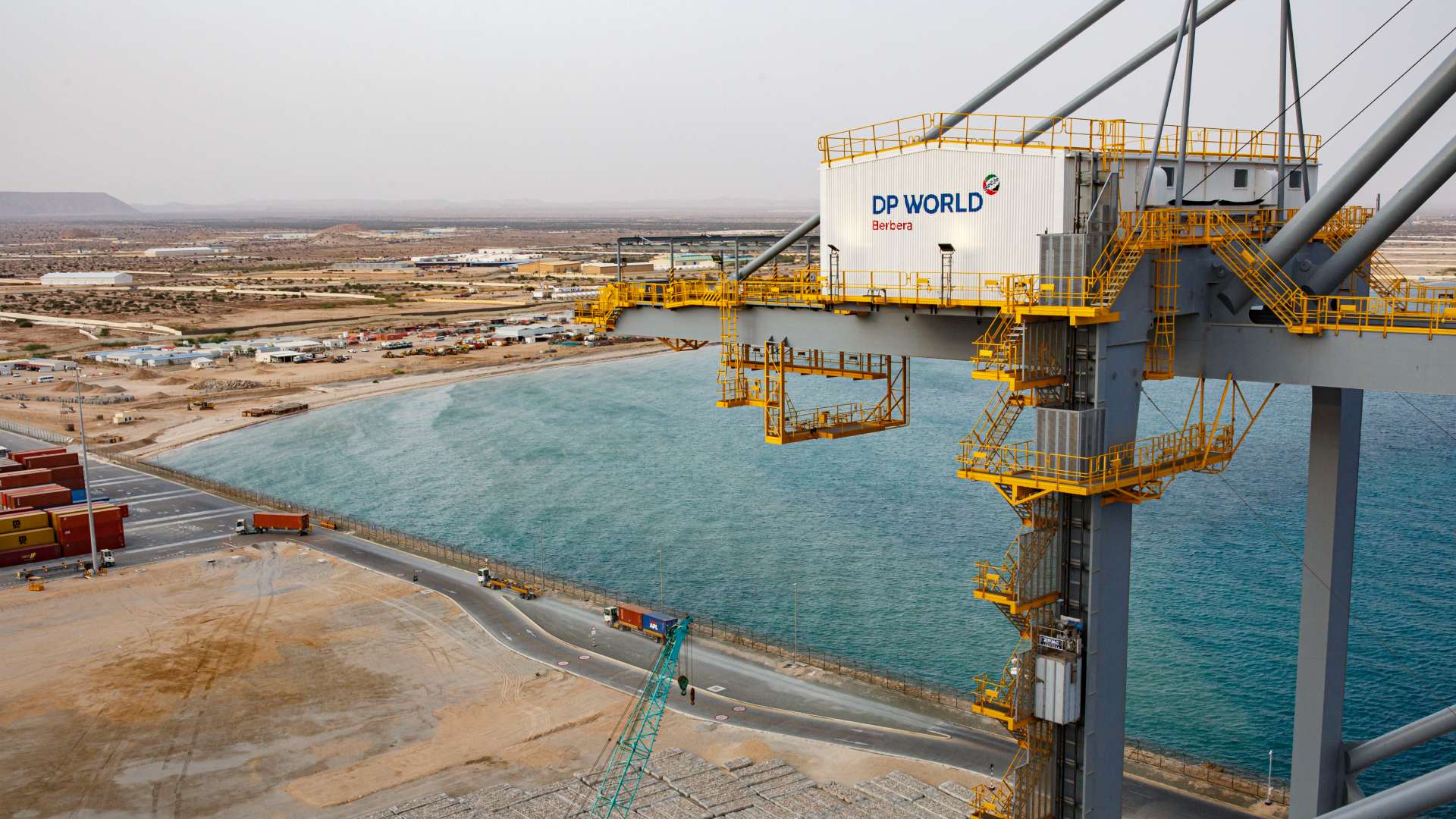
    A complex geopolitical entanglement has emerged as the British government maintains co-ownership of a strategic Somaliland port controlled by the United Arab Emirates, raising serious questions about conflict of interest regarding the ongoing conflict in Sudan. Through its foreign investment arm, British International Investment (BII), the UK holds a minority stake in Berbera port alongside Emirati logistics giant DP World and the Somaliland government.

    The port forms part of a network of UAE-controlled infrastructure across the Horn of Africa that multiple sources indicate is being utilized to arm the paramilitary Rapid Support Forces (RSF) in Sudan. This connection creates a diplomatic dilemma for the UK, which has sanctioned RSF commanders for atrocities including mass killings and sexual violence in Darfur.

    Somaliland itself represents a diplomatic flashpoint, being a breakaway region of Somalia that only Israel has recognized as independent—a move that has drawn widespread international condemnation. The territory has recently hosted high-level Israeli delegations discussing potential military bases, while simultaneously serving as a hub for regional power plays involving Yemeni separatists.

    The UK government maintains that its investment through BII represents purely commercial interests focused on regional development. A recently published impact assessment commissioned by the Foreign Office described Berbera as “a strategic gateway to Somaliland and a potential alternative trade corridor for Ethiopia,” highlighting the creation of 2,500 jobs and $45 million in economic value.

    However, policy experts argue that the UK cannot simultaneously condemn atrocities in Sudan while potentially benefiting from infrastructure that supports the conflict. Flight tracking data, cargo inventories, and multiple official sources indicate that Berbera’s facilities, including one of Africa’s longest runways capable of handling military aircraft, form part of the supply chain sustaining the RSF’s operations.

    The situation illustrates the challenging balance between commercial investment and diplomatic principles, with British-made military equipment having been discovered in Sudan and the UK’s extensive commercial ties to the UAE facing increasing scrutiny amid the humanitarian crisis.

  • Fearing backlash, Iranian Kurds wary of fully joining protests

    Fearing backlash, Iranian Kurds wary of fully joining protests

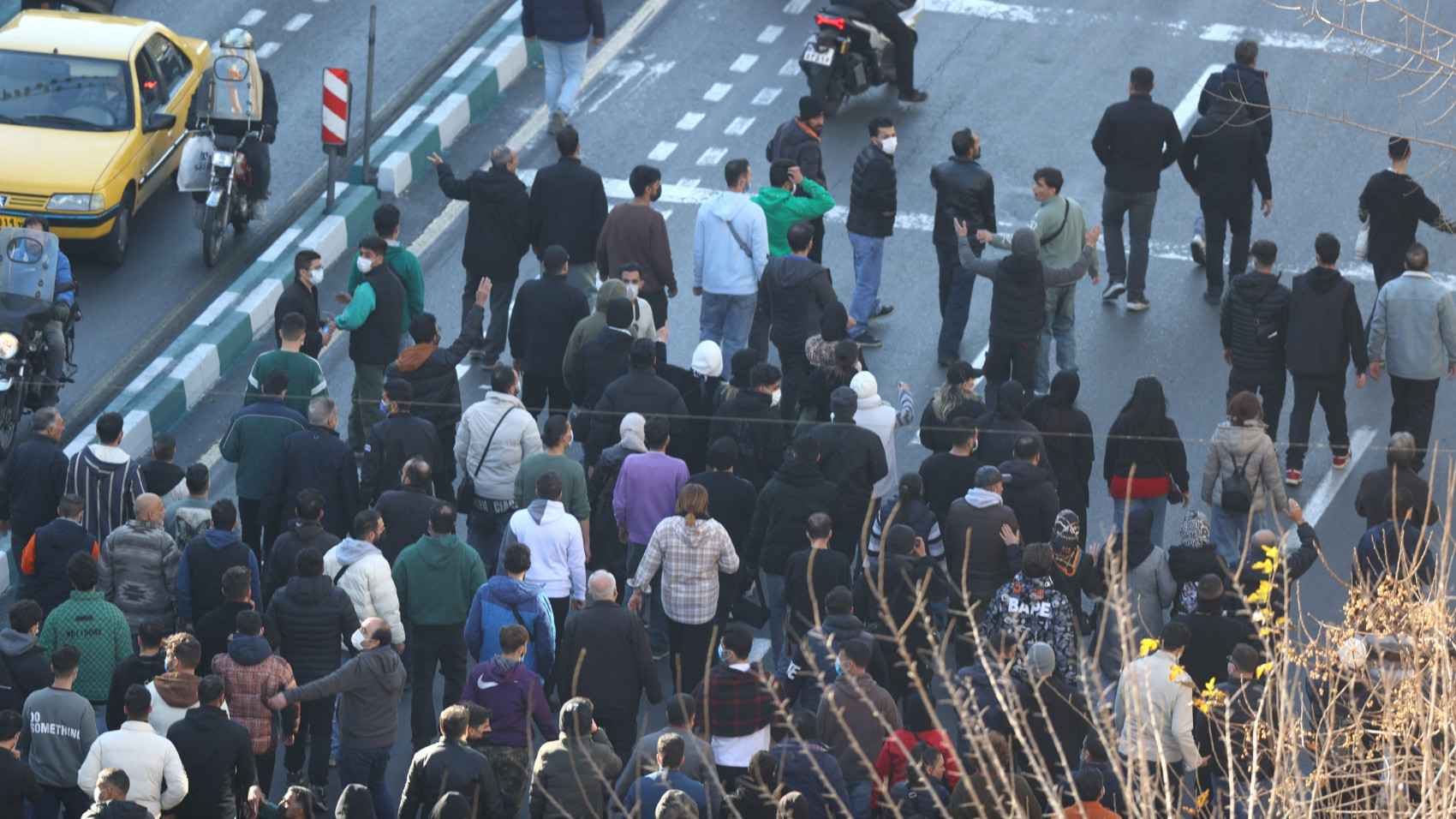
    A complex pattern of protest participation is emerging across Iran’s Kurdish regions as nationwide demonstrations triggered by a severe economic crisis continue to unfold. While western provinces with Shia Kurdish majorities have witnessed the most violent clashes, the northern Kurdish towns that ignited the historic 2022 uprising have remained notably quiet—a phenomenon experts attribute to the lingering trauma of previous state repression.

    According to documentation by the Kurdish-Iranian rights organization Hengaw, the most intense recent protests and government crackdowns have occurred in western provinces including Ilam and Kermanshah. This stands in stark contrast to northern Rojhelat Kurdish cities such as Saqqez—the hometown of Mahsa Amini, whose 2022 death in police custody sparked the ‘Woman, Life, Freedom’ movement—and Sanandaj, the provincial capital of Kurdistan, where significant street protests have been conspicuously absent.

    Kurdish journalist Kaveh Ghoreishi confirms this geographical divergence, noting that activists attribute the hesitation in northern Kurdish areas to the devastating consequences they suffered during the 2022 demonstrations. The previous crackdown resulted in hundreds killed and wounded, thousands detained, and dozens facing capital charges, creating what Zhila Mostajer of Hengaw describes as ‘little capacity to endure further sacrifice.’

    The current protest movement began in Tehran on December 28th, initially focusing on economic grievances including spiraling prices and currency devaluation before evolving into broader anti-government sentiment. Demonstrations have since spread across 111 cities in 31 provinces, though demands vary significantly by region according to Mostajer, who notes that while economic hardship affects all areas, Kurdish protests have maintained explicitly political objectives calling for regime change.

    Kurdish political organizations have pursued a strategy of solidarity strikes rather than mass gatherings. On January 5th, seven Kurdish parties from the Dialogue Centre for Inter-Party Cooperation called for a general strike, which was observed in over 57 towns across Iranian Kurdistan according to Arash Saleh of the Democratic Party of Iranian Kurdistan. While injecting momentum into the national movement, most towns refrained from subsequent physical protests, possibly due to concerns about supporting Reza Pahlavi, the exiled son of Iran’s last shah, who has been promoted as a leader by some Persian-language media.

    Hussein Yazdanpana, leader of the Kurdistan Freedom Party (PAK), emphasizes that different Kurdish regions have varying capacities for mobilization, with western areas now bearing the brunt of protest activity while northern regions recover from the 2022 crackdown. The conflict has already turned deadly, with four PAK fighters reportedly killed in clashes with security forces in Malekshahi on January 7th.

    International dimensions have emerged as Yazdanpana calls for the implementation of statements by U.S. President Donald Trump, who initially vowed intervention if protesters were killed but later suggested some deaths resulted from stampedes—a claim disputed by Kurdish leaders. With documented protester deaths ranging from 25 to 42, including minors, and thousands detained, the situation remains volatile with significant potential for further expansion according to Kurdish political representatives.