分类: politics

  • Myanmar votes in second phase of junta-run election

    Myanmar votes in second phase of junta-run election

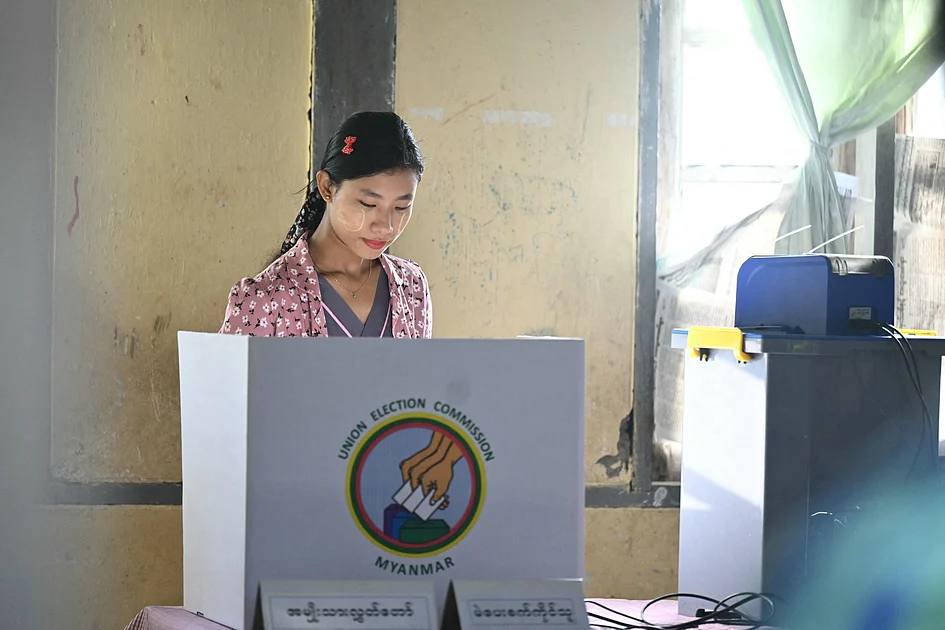
    Myanmar’s military regime conducted the second phase of its staged electoral process on Sunday, January 11, 2026, amidst mounting international condemnation and domestic skepticism. The voting included the constituency previously represented by ousted democratic leader Aung San Suu Kyi, whose party was forcibly dissolved following the 2021 coup that abruptly ended Myanmar’s decade of democratic transition.

    The State Administration Council, as the junta styles itself, has framed this three-phase electoral exercise as a pathway to restoring civilian governance, with the final phase scheduled for completion by January 25. However, democracy monitoring organizations and international rights experts have uniformly dismissed the process as a carefully orchestrated attempt to cement military dominance under a veneer of electoral legitimacy.

    Electoral mathematics already indicate predetermined outcomes. The military-aligned Union Solidarity and Development Party (USDP) secured approximately 90% of lower house seats during the initial voting phase in late December 2025. This overwhelming victory occurred amid reports of severe voter suppression, with turnout estimated at just 50%—a dramatic decline from the 70% participation recorded in the 2020 elections that brought Suu Kyi’s National League for Democracy to power.

    The electoral landscape reflects Myanmar’s ongoing civil conflict. Voting has been canceled across extensive territories controlled by ethnic rebel factions and resistance forces, while the military has intensified offensive operations, including aerial bombardments of civilian areas, in contested regions. UN Human Rights Special Rapporteur Tom Andrews characterized the process as ‘engineered polls designed to manufacture a facade of legitimacy while violence and repression continue unabated.’

    Myanmar’s political environment remains perilous for dissent. Over 330 individuals face prosecution under junta-enacted laws that criminalize election criticism with penalties up to 10 years imprisonment. The Assistance Association for Political Prisoners documents more than 22,000 political detainees currently held in military prisons, underscoring the repressive context in which this electoral exercise unfolds.
  • Thousands march and dozens arrested in Minneapolis protests against ICE

    Thousands march and dozens arrested in Minneapolis protests against ICE

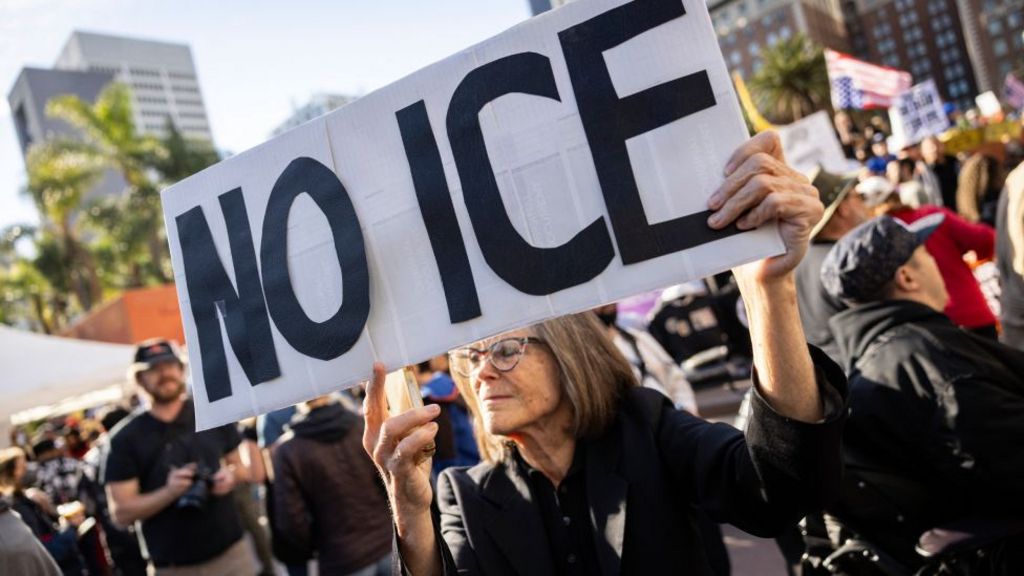
    Minneapolis became the epicenter of nationwide demonstrations as thousands braved freezing temperatures Saturday to protest U.S. Immigration and Customs Enforcement (ICE) operations. The protests erupted following Wednesday’s fatal shooting of 37-year-old Renee Nicole Good by an ICE agent during what authorities describe as an enforcement operation.

    The ‘ICE out of Minnesota’ rally drew tens of thousands to Powderhorn Park before marching through city streets. Despite Mayor Jacob Frey’s characterization of the protest as predominantly peaceful, tensions flared Friday night when several hundred demonstrators surrounded the Canopy Hotel, believed to house ICE personnel. Police declared an unlawful assembly after protesters forced entry through an alley and allegedly threw ice, snow, and rocks at officers.

    The political fallout intensified as three Minnesota congresswomen—Ilhan Omar, Kelly Morrison, and Angie Craig—accused ICE and the Department of Homeland Security of obstructing congressional oversight after being denied access to local ICE facilities. Their attempted visit came amid revelations of a new DHS policy requiring seven days’ notice for congressional visits, implemented the day after Good’s shooting.

    The incident has exposed deep ideological divisions. Homeland Security Secretary Kristi Noem characterized Good’s actions as ‘domestic terrorism,’ claiming she ‘weaponized’ her vehicle against agents. Conversely, Mayor Frey described the victim as attempting a three-point turn to escape the scene, stating local law enforcement felt ‘outnumbered’ by federal agents.

    Video evidence shows ICE agents approaching Good’s stationary vehicle before shots were fired as she attempted to drive away. The agent involved was identified as Jonathan Ross, a veteran officer previously injured in the line of duty. The FBI has assumed sole investigative authority over the case, prompting Minnesota officials to launch their own inquiry after claiming they were ‘frozen out’ of the federal investigation.

    Protests extended beyond Minneapolis to major cities including New York, Los Angeles, Seattle, and Austin, reflecting growing national tension over immigration enforcement methodologies.

  • Syria govt forces take control of Aleppo’s Kurdish neighbourhoods

    Syria govt forces take control of Aleppo’s Kurdish neighbourhoods

    Syrian government forces have established complete military control over Aleppo’s Kurdish neighborhoods following several days of intense armed conflict, marking a significant shift in the city’s power dynamics. The takeover culminated on Sunday with the evacuation of Kurdish fighters to autonomous regions in northeast Syria under international mediation.

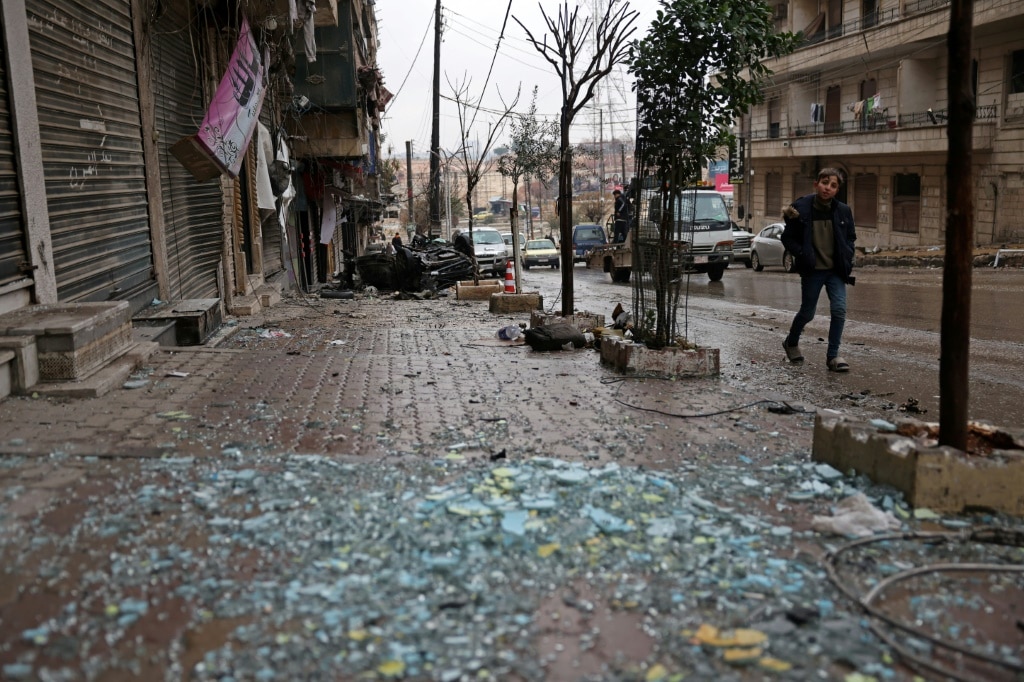
    In the Ashrafiyeh district—the first area to fall under army control—residents cautiously returned to assess substantial property damage, navigating streets littered with shrapnel and shattered glass. Local merchant Yahya al-Sufi reported widespread looting and structural damage to homes, reflecting the violence that displaced civilians earlier in the week.

    The clashes originated from stalled negotiations regarding the integration of Kurdish autonomous administration into Syria’s central government framework. A Syrian security official disclosed that 419 Kurdish combatants, including 59 wounded, were transferred from Sheikh Maqsud neighborhood to Kurdish-controlled zones. Simultaneously, approximately 300 Kurds described variably as fighters or civilians were detained by authorities.

    Contrasting casualty figures emerged from different sources: Syrian officials reported 24 fatalities and 129 wounded since Tuesday, while the Britain-based Syrian Observatory for Human Rights documented 45 civilian deaths plus 60 combatant casualties from both sides. The monitor additionally alleged field executions and body burnings by government forces in Sheikh Maqsud—claims that remain unverified independently.

    The political dimension intensified as Kurdish leader Mazlum Abdi acknowledged international mediation efforts to halt violations against Kurdish communities. U.S. envoy Tom Barrack met with Syrian President Ahmed al-Sharaa, urging a return to dialogue based on last year’s integration agreement. Meanwhile, emotional scenes unfolded in Qamishli where evacuated fighters were greeted by crowds chanting vows of vengeance, accompanied by symbolic defacement of images representing Syrian, Turkish, and American leadership.

    This development echoes earlier phases of Syria’s civil war, particularly the 2016 battle for Aleppo that resulted in government recapture of the city. The current situation underscores ongoing tensions between Damascus’ centralization efforts and Kurdish demands for decentralized governance, with neighboring Turkey monitoring closely due to perceived connections between Kurdish forces and the PKK organization.

  • Trump tells Cuba to ‘make a deal, before it is too late’

    Trump tells Cuba to ‘make a deal, before it is too late’

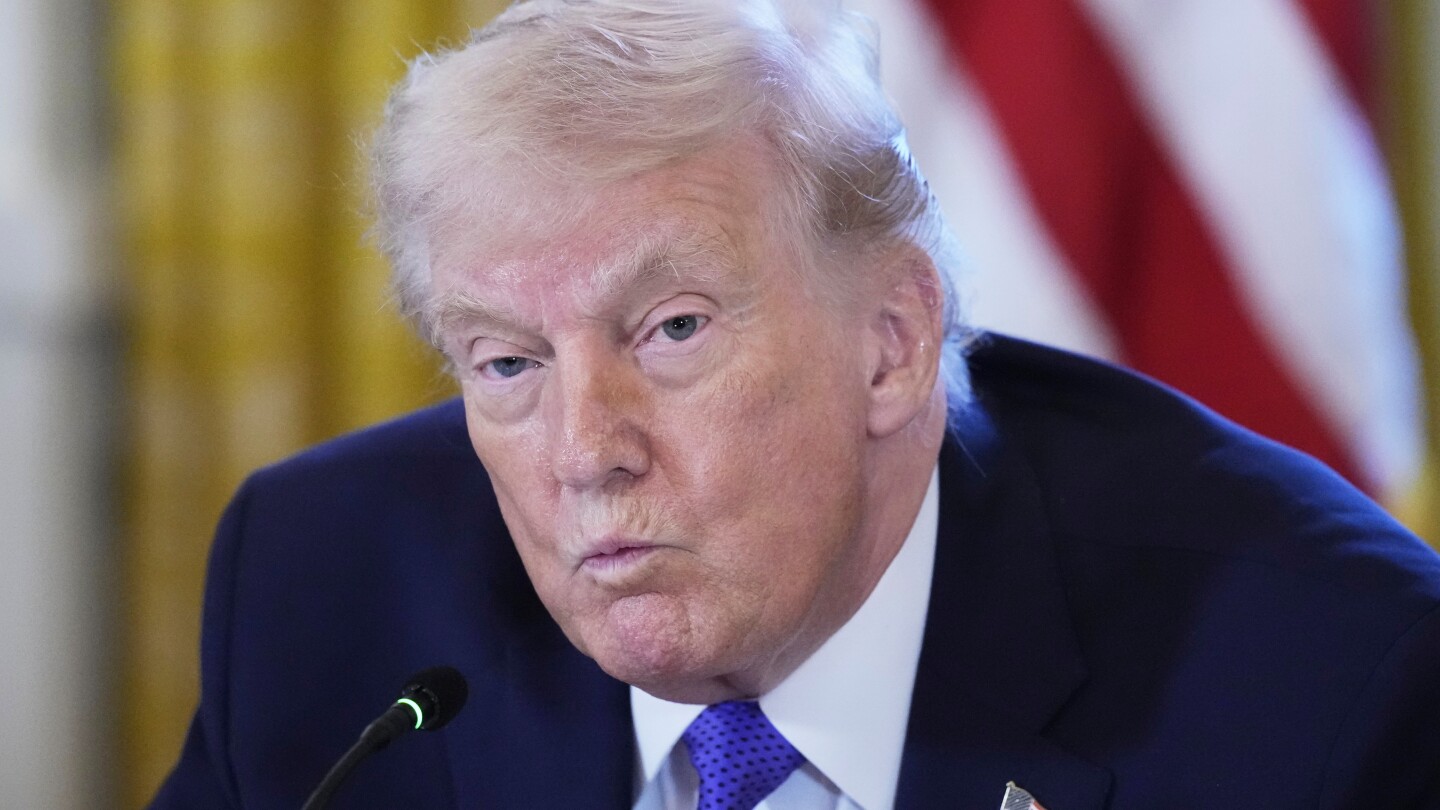
    In a significant escalation of hemispheric tensions, former U.S. President Donald Trump has delivered a stark warning to Cuba, demanding the nation “make a deal” or face severe consequences following the interception of Venezuelan oil shipments. The ultimatum comes amid a broader campaign against left-wing governments in Latin America that Trump has framed through his revived “Donroe Doctrine”—an aggressive reinterpretation of the 19th-century Monroe Doctrine asserting U.S. supremacy in the Western Hemisphere.

    The confrontation intensified after U.S. forces conducted an unprecedented raid in Caracas on January 3rd, resulting in the capture of Venezuelan leader Nicolás Maduro and his wife, Cilia Flores, who now face drug trafficking charges in the United States. This operation reportedly resulted in the deaths of 32 Cuban nationals who formed part of Maduro’s security detail, a claim that has heightened diplomatic tensions.

    Venezuela, a longstanding Cuban ally, has historically supplied approximately 35,000 barrels of oil daily to the island nation—a vital economic lifeline that the Trump administration has now effectively severed through the seizure of five sanctioned oil tankers. This tactic has already exacerbated existing fuel and electricity shortages in Cuba, creating a humanitarian crisis.

    Trump articulated his position emphatically on Truth Social, stating: “Cuba lived, for many years, on large amounts of OIL and MONEY from Venezuela. In return, Cuba provided ‘Security Services’ for the last two Venezuelan dictators, BUT NOT ANYMORE! THERE WILL BE NO MORE OIL OR MONEY GOING TO CUBA – ZERO! I strongly suggest they make a deal, BEFORE IT IS TOO LATE.” Despite the forceful rhetoric, the former president did not specify what terms such a deal might entail or what precise consequences Cuba would face for non-compliance.

    Cuban leadership responded with defiance. Foreign Minister Bruno Rodríguez asserted the nation’s “absolute right to import fuel without interference or subordination to the unilateral coercive measures of the United States,” emphasizing that Cuba does not engage in “blackmail or military coercion against other States.” President Miguel Díaz-Canel similarly rejected external pressure, stating: “Those who turn everything into a business, even human lives, have no moral authority to point fingers at Cuba for anything, absolutely anything.”

    The administration’s approach appears coordinated, with Secretary of State Marco Rubio—a Cuban-American former senator—suggesting that Cuban leaders “should be worried” and are “in a lot of trouble.” Trump amplified this messaging by sharing a social media post suggesting Rubio could become president of Cuba, commenting: “Sounds good to me!”

    This confrontation represents the latest chapter in the complex U.S.-Cuba relationship that has been strained since the 1959 revolution. While diplomatic relations saw improvement during the Obama administration, Trump has reversed many of those advances, including reinstating Cuba’s designation as a state sponsor of terrorism shortly after beginning his second term—a designation that had been lifted by the Biden administration just days earlier.

    The administration’s Latin American focus has expanded beyond Cuba and Venezuela, with Trump suggesting potential military action in Colombia and offering to deploy U.S. troops to Mexico—proposals that have been firmly rejected by both nations’ leaders. This aggressive posture signals a fundamental shift in hemispheric relations centered on combating drug trafficking and challenging left-wing ideologies throughout the region.

  • Trump won’t take Greenland by force, Mandelson says

    Trump won’t take Greenland by force, Mandelson says

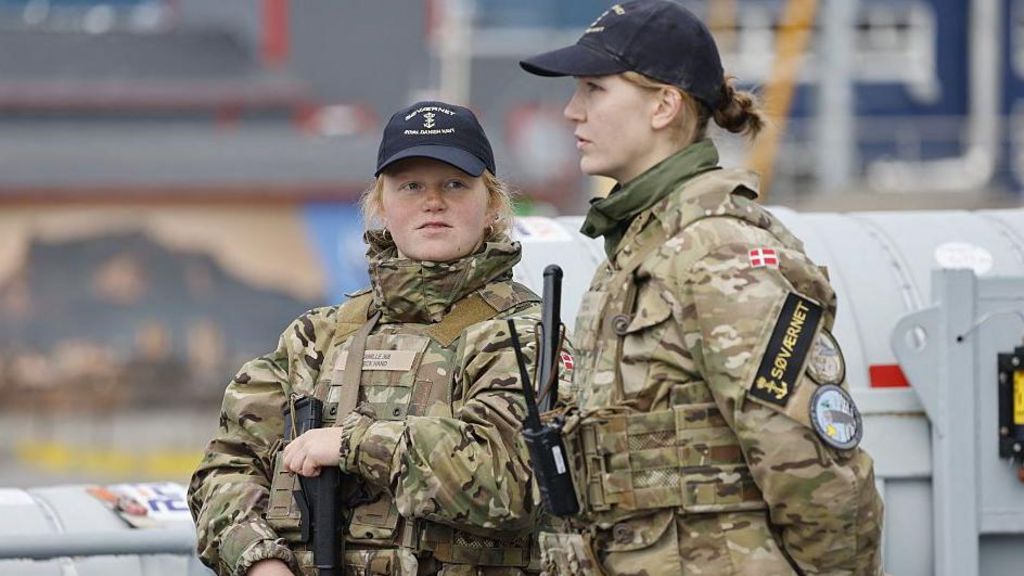
    A significant geopolitical confrontation is unfolding in the Arctic region as the United States under President Donald Trump’s administration demonstrates renewed interest in acquiring Greenland, creating diplomatic friction with NATO allies. While former UK ambassador Lord Mandelson has dismissed the possibility of military action, stating Trump wouldn’t “land on Greenland and take it by force,” the situation has escalated into a serious international discussion about Arctic sovereignty and security.

    The strategic importance of Greenland cannot be overstated. Its geographical position between North America and the Arctic makes it ideally situated for missile early warning systems and monitoring maritime activity. President Trump has repeatedly emphasized Greenland’s vital role in U.S. national security, claiming without evidence that Russian and Chinese vessels increasingly populate surrounding waters. This focus intensified following recent military operations in Venezuela that resulted in the capture of President Nicolas Maduro.

    Denmark and Greenland have firmly maintained that the territory is not for sale, with Danish officials warning that any military intervention would effectively destroy the NATO alliance. This stance has garnered support from major European nations and Canada, who have collectively reaffirmed that “only Denmark and Greenland can decide on matters concerning their relations.”

    The UK government finds itself navigating delicate diplomatic waters. Transport Secretary Heidi Alexander acknowledged the need for enhanced Arctic security cooperation with NATO allies while carefully distinguishing these discussions from being a direct response to U.S. posturing. Meanwhile, political leaders expressed divergent views, with Conservative leader Kemi Badenoch considering Greenland a “second order” issue compared to events in Iran, while Liberal Democrat leader Sir Ed Davey criticized Trump’s “outrageous threats” as benefiting Russian President Vladimir Putin.

    Complicating the diplomatic landscape is the background of Lord Mandelson himself, whose brief tenure as ambassador ended due to revelations about his contacts with convicted sex offender Jeffrey Epstein. Mandelson claims the government was fully aware of his background when appointing him, though Number 10 sources previously stated he had been “economical with the truth” during his vetting process.

    Beyond geopolitical positioning, Greenland’s signifcance extends to its substantial natural resources, including rare earth minerals, uranium, iron, and potential oil and gas reserves that are becoming increasingly accessible due to climate-change-induced ice melt. This economic dimension adds another layer to the ongoing international interest in the strategically crucial territory.

  • With Cuban ally Maduro ousted, Trump warns Havana to make a ‘deal’ before it’s too late

    With Cuban ally Maduro ousted, Trump warns Havana to make a ‘deal’ before it’s too late

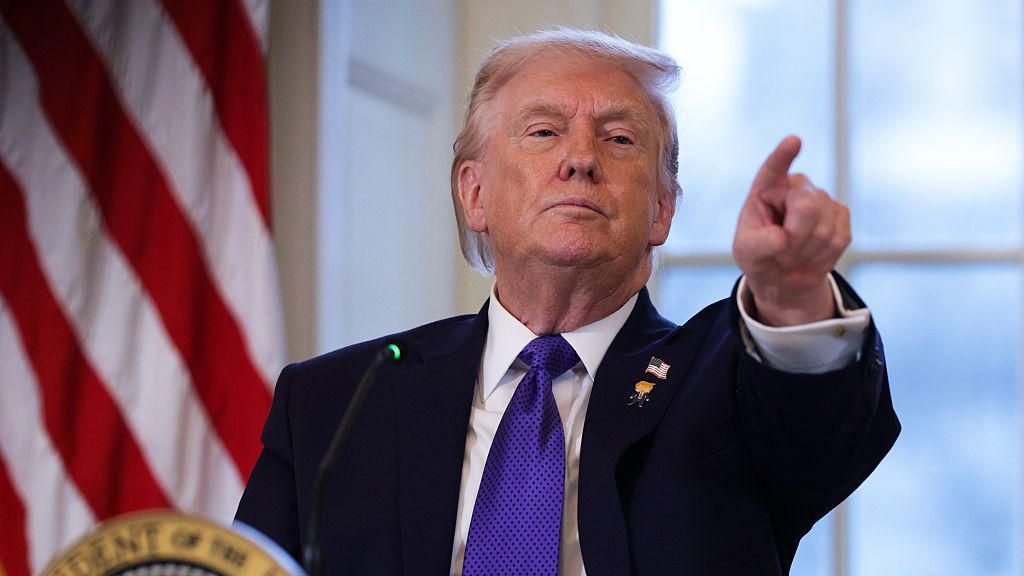
    WEST PALM BEACH, Fla. — President Donald Trump escalated tensions with Cuba through a series of social media declarations on Sunday, warning the communist nation of severe economic consequences following the deposition of Venezuelan leader Nicolás Maduro. The U.S. President asserted that Cuba’s longstanding reliance on Venezuelan oil subsidies has reached its definitive endpoint.

    From his Florida residence, Trump proclaimed that Cuba would no longer receive petroleum resources or financial support from Venezuela, emphasizing his message with the declaration: “THERE WILL BE NO MORE OIL OR MONEY GOING TO CUBA – ZERO!” The President urged Cuban leadership to “make a deal, BEFORE IT IS TOO LATE,” though he provided no specific details regarding potential negotiation terms.

    The geopolitical confrontation intensified when Cuban President Miguel Díaz-Canel responded via social media platform X, challenging U.S. moral authority in international affairs. Díaz-Canel asserted that “those who turn everything into a business, even human lives, have no moral authority to point the finger at Cuba.”

    This diplomatic exchange occurs against the backdrop of significant regional upheaval. Cuban authorities reported that 32 military personnel from their nation’s security agencies were killed during the American operation that captured Maduro. These personnel were stationed in Caracas under a bilateral security agreement between Cuba and Venezuela.

    Trump reinforced his position by stating that Venezuela no longer requires protection from “thugs and extortionists,” instead promising that “the most powerful military in the World” would now provide protection to the Venezuelan people.

    The U.S. administration has intensified its pressure campaign against Cuba, which faces its most severe economic crisis in decades. The island nation has suffered from extensive blackouts and critical shortages of essential goods. Cuban officials attribute these challenges primarily to U.S. sanctions, which they claim have cost the economy over $7.5 billion between March 2024 and February 2025.

    Díaz-Canel defended Cuba’s political sovereignty and criticized U.S. economic measures, stating that those blaming the Cuban Revolution for economic hardships “should be ashamed” while condemning American-imposed “draconian measures.”

    Trump previously predicted Cuba’s economic deterioration would accelerate following Maduro’s removal from power, bluntly stating: “It’s going down for the count.”

  • Germany sharply rejects RFK Jr.’s claims that it prosecutes doctors for vaccine exemptions

    Germany sharply rejects RFK Jr.’s claims that it prosecutes doctors for vaccine exemptions

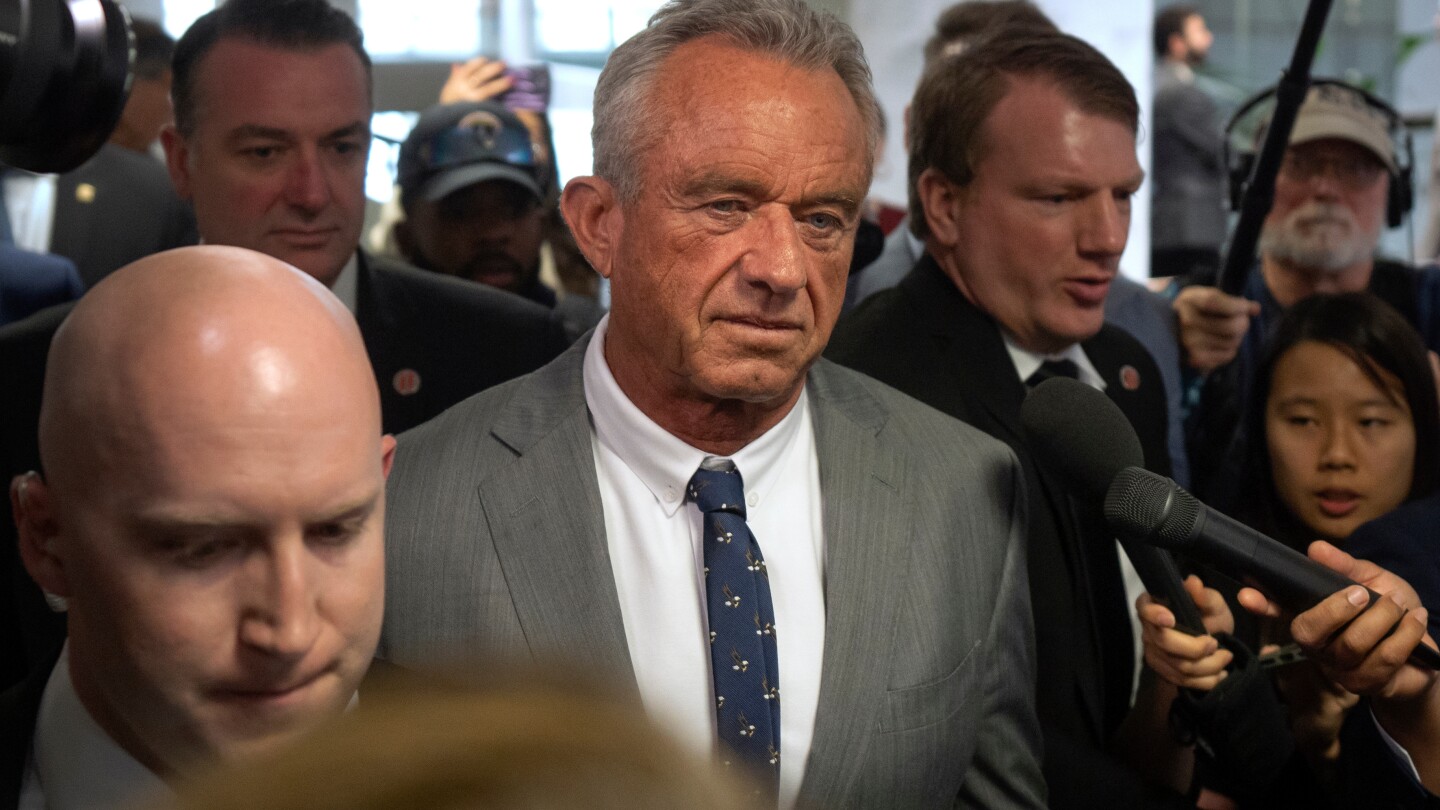
    BERLIN — The German government has issued a stern rebuttal to allegations made by U.S. Health Secretary Robert F. Kennedy Jr., who claimed German authorities undermined patient autonomy and targeted physicians during the COVID-19 crisis. The diplomatic confrontation emerged through public statements and social media exchanges over the weekend.\n\nGerman Health Minister Nina Warken categorically denied Kennedy’s assertions in an official statement released Saturday evening, describing them as \”completely unfounded, factually incorrect, and must be rejected.\” The strong response came hours after Kennedy published a video claiming he had sent a formal letter to the German government expressing concerns about \”limiting people’s abilities to act on their own convictions when they face medical decisions.\”\n\nThe American health official alleged that \”more than a thousand German physicians and thousands of their patients now face prosecution and punishment for issuing exemptions from wearing masks or getting COVID-19 vaccines during the pandemic.\” However, Kennedy provided no specific evidence or documentation to support these claims.\n\nMinister Warken clarified Germany’s pandemic policies, emphasizing that \”during the coronavirus pandemic, there was never any obligation on the medical profession to administer COVID-19 vaccinations. Anyone who did not want to offer vaccinations for medical, ethical, or personal reasons was not liable to prosecution, nor did they have to fear sanctions.\”\n\nThe health minister further explained that criminal prosecution only occurred in cases involving fraud and document forgery, particularly regarding false vaccination or mask exemption certificates. She reaffirmed that German patients maintain full autonomy in deciding their preferred therapies.\n\nThe controversy expanded when former German Health Minister Karl Lauterbach, who led the country’s pandemic response, directly addressed Kennedy on social media platform X. Lauterbach suggested the U.S. official should prioritize domestic health challenges, citing \”short life expectancy, extreme costs, tens of thousands of drug deaths and murder victims\” in the United States.\n\nLauterbach emphasized Germany’s judicial independence, stating that \”doctors are not punished by the government for issuing false medical certificates. In our country, the courts are independent.\”\n\nWhile Germany experienced significant vaccination uptake during the pandemic, a small minority of vaccine skeptics—sometimes supported by far-right movements—organized protests against government health measures. The current exchange highlights ongoing international debates about pandemic policies and medical freedom that continue to resonate in global health diplomacy.

  • Epstein kept me ‘separate’ from his sexual side because I’m gay, Mandelson tells BBC

    Epstein kept me ‘separate’ from his sexual side because I’m gay, Mandelson tells BBC

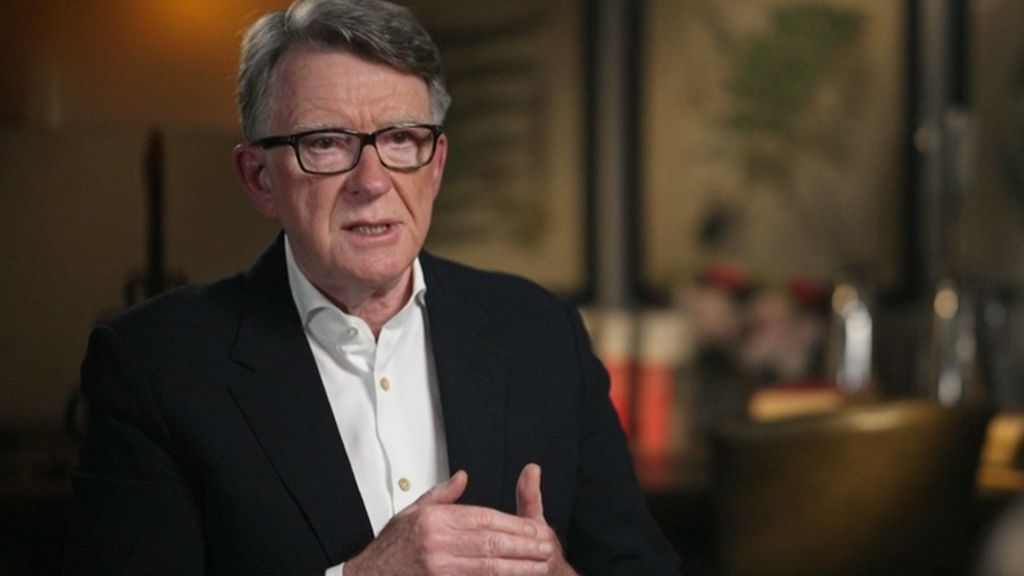
    In a revealing BBC interview, Lord Peter Mandelson broke his silence regarding his controversial association with convicted sex offender Jeffrey Epstein. The former UK ambassador to the United States maintained he remained unaware of Epstein’s predatory activities during their friendship, claiming he never witnessed any underage girls at the financier’s multiple properties.

    Mandelson’s diplomatic career abruptly ended when leaked correspondence revealed he had sent supportive messages to Epstein following his 2008 conviction for soliciting prostitution from a minor. The correspondence, which included encouragement for Epstein to ‘fight for early release’ and expressions of personal admiration, ultimately led to Mandelson’s dismissal from his ambassadorial post after mere months in office.

    When pressed by interviewer Laura Kuenssberg about apologizing to Epstein’s victims, Mandelson offered a conditional response: ‘I want to apologise to those women for a system that refused to hear their voices and did not give them the protection they were entitled to expect. That system gave him protection and not them.’ He emphasized he would only offer direct apology if he had been ‘complicit or culpable,’ which he vehemently denied.

    The former Labour minister presented a novel explanation for his alleged ignorance of Epstein’s crimes, suggesting his sexual orientation might have factored into his exclusion from that aspect of Epstein’s life. ‘Because I was a gay man in his circle I was kept separate from what he was doing in the sexual side of his life,’ Mandelson stated, though he acknowledged some might find this explanation unconvincing.

    Regarding his much-discussed visits to Epstein’s private island, Mandelson asserted he only encountered ‘middle-aged housekeepers’ during his stays, with Epstein himself notably absent during these visits. He admitted the emails that caused his dismissal had surprised him as well, claiming they ‘no longer existed on my server’ and that he hadn’t remembered sending them.

    The political fallout continued with Labour’s Transport Secretary Heidi Alexander criticizing Mandelson’s comments as demonstrating ‘at best, deep naivety.’ She emphasized that a direct apology to Epstein’s victims would have been more appropriate given the severity of their suffering.

    Downing Street issued a statement clarifying that the depth of Mandelson’s relationship with Epstein, particularly his suggestion that Epstein’s conviction was wrongful, represented ‘materially different’ information than what was known during his appointment process. The government emphasized its decision considered ‘the victims of Epstein’s crimes’ directly.

    In the same interview, Mandelson also addressed geopolitical matters, offering analysis on President Trump’s interest in Greenland and the growing strategic importance of the Arctic region in countering Chinese and Russian influence.

  • US power politics creates volatile environment for Chinese investment: report

    US power politics creates volatile environment for Chinese investment: report

    A comprehensive security assessment has identified the United States as the predominant factor influencing overseas risk landscapes for Chinese interests throughout 2026. The China Overseas Security Risk Blue Book (2026), collaboratively produced by Renmin University’s National Security Institute and the China Overseas Security Research Institute, reveals that intensifying great-power competition, deteriorating global governance mechanisms, and persistent regional conflicts are generating unprecedented complexities for China’s international operations.

    The report details how Washington’s strategic approach toward China has evolved into increasingly institutionalized and sophisticated forms of high-intensity competition. These geopolitical maneuvers are simultaneously eroding the foundations of the international order while creating destabilizing effects across multiple regions where China maintains substantial economic interests.

    Recent financial data from China’s Ministry of Commerce underscores the scale of these exposures, with total outbound direct investment reaching $158.21 billion during the first eleven months of 2025. Chinese enterprises have established non-financial direct investments across 153 countries worldwide, accumulating $132.09 billion in committed capital.

    The analysis specifically references the recent US military intervention in Venezuela, including the detention of President Nicolas Maduro and his spouse, as demonstrating the operationalization of what the report terms the ‘Donroe Doctrine’ – an evolved interpretation of the historic Monroe Doctrine emphasizing hemispheric control and resource acquisition. This doctrine has effectively obstructed regional cooperation initiatives involving China.

    Now in its tenth annual edition, the Blue Book concludes that such interventions demonstrate America’s continued adherence to hegemonic power politics throughout Latin America, consequently generating volatile conditions for Chinese investment projects and cooperative ventures across the region.

    Liu Qing, Vice-President and senior research fellow at the China Institute of International Studies, notes that while China’s Belt and Road Initiative continues to expand the overseas interests and requirements of Chinese corporations, corresponding security capabilities have failed to maintain pace with this growth. This emerging discrepancy represents a critical vulnerability demanding urgent attention.

    The assessment further identifies additional global risk factors including deepening US security collaborations with Japan and South Korea, Japan’s political rightward shift and resurgent militarism, ongoing Middle Eastern conflicts, and the protracted Ukraine crisis. Deficits in global governance architectures are simultaneously increasing the costs and complexities associated with protecting China’s overseas assets.

    The Blue Book ultimately recommends enhanced monitoring of evolving geopolitical situations to mitigate risks, alongside strengthened technological reserves to address non-traditional security challenges. It further advocates for China’s constructive participation in global governance frameworks and the provision of high-quality international public goods.

  • DPRK official demands S. Korea clarify drone incident: KCNA

    DPRK official demands S. Korea clarify drone incident: KCNA

    PYONGYANG – A high-ranking North Korean official has formally demanded that South Korea provide a comprehensive explanation regarding an unmanned aerial vehicle that allegedly penetrated North Korean airspace earlier this month, according to a report published Sunday by the Korean Central News Agency (KCNA).

    Kim Yo Jong, who serves as vice department director of the Central Committee of the Workers’ Party of Korea, issued the statement through an official press release on Saturday. The prominent political figure and sister of North Korean leader Kim Jong Un expressed measured appreciation for South Korea’s recent commitment to avoid provocation, characterizing the Defense Ministry’s public declaration as “a wise choice.”

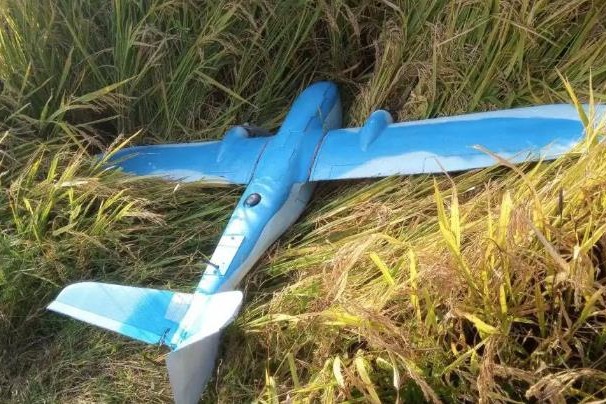
    However, Kim maintained that this diplomatic gesture must be accompanied by transparent accountability concerning the January 4 incident where a drone reportedly crossed the military demarcation line separating the two nations. “A detailed explanation should be made about the actual case of a drone that crossed the southern border of our Republic from the ROK,” Kim stated, employing the formal acronym for the Republic of Korea.

    The North Korean official specifically challenged attempts within South Korea to minimize the significance of the event by attributing it to civilian activity. Kim emphasized that the fundamental concern transcends whether the drone originated from military or civilian sources, noting that the aircraft had captured visual data of sensitive locations including a uranium mining facility, its settling pond, the former Kaesong Industrial Zone, and several border security installations.

    “Regardless of who the perpetrator is or whether the act was carried out by any civilian organization or individual, the authorities responsible for national security can never evade their responsibility for it,” Kim asserted, directly implicating South Korean leadership in the alleged security breach.

    In response to these allegations, South Korean President Lee Jae-myung has reportedly ordered a comprehensive investigation, directing military and police task forces to verify the circumstances surrounding the incident. The South Korean Defense Ministry has formally denied involvement, stating that no military drones were operational on the dates specified by North Korean authorities and that the drone in question does not correspond to any models currently deployed by South Korean armed forces.