分类: politics

  • Trump to meet Venezuelan opposition leader Machado at the White House

    Trump to meet Venezuelan opposition leader Machado at the White House

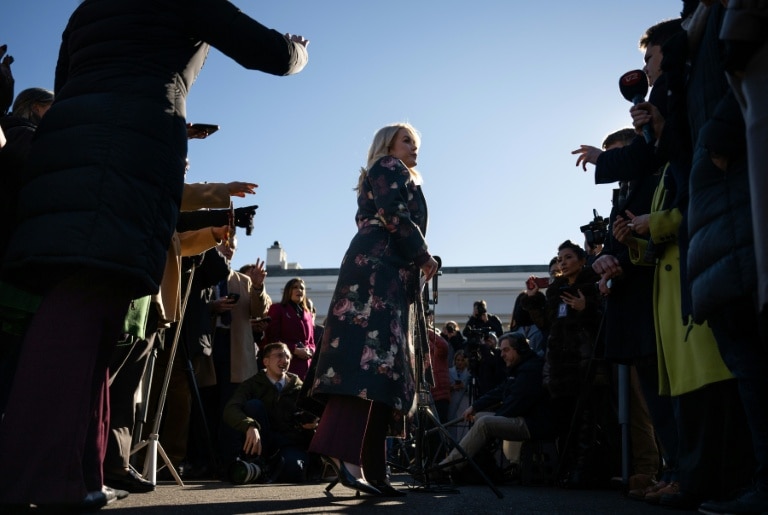
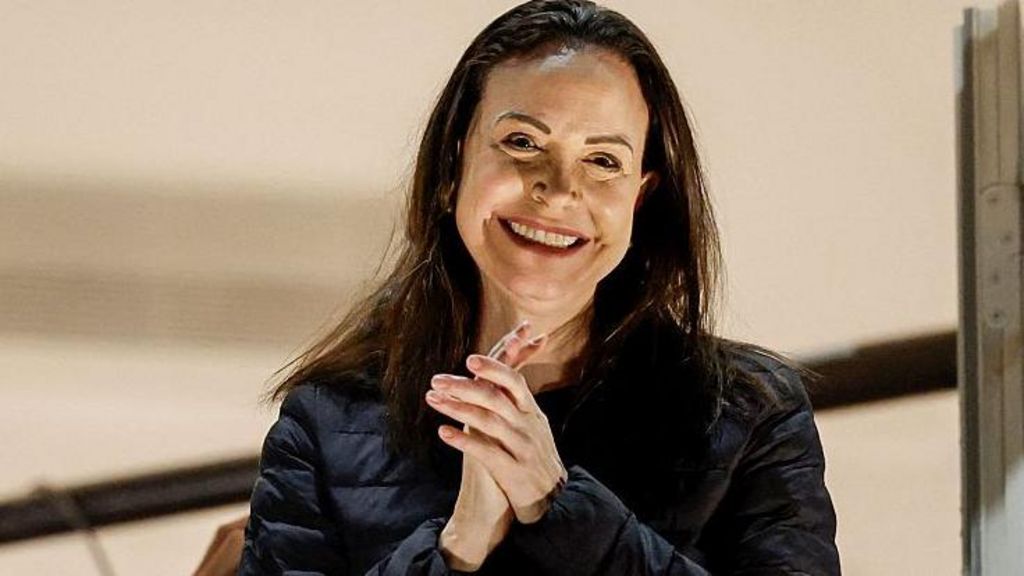
    In a significant diplomatic development, the White House has confirmed that former Venezuelan opposition leader and Nobel Peace Prize laureate María Corina Machado will meet with President Donald Trump on Thursday. This meeting occurs against the backdrop of recent upheaval in Venezuela, where US forces apprehended President Nicolás Maduro in Caracas several weeks ago.

    Despite Machado’s claim of victory in the highly contested 2024 elections, President Trump has notably refrained from endorsing her as Venezuela’s new leader. Instead, the US administration has thrown its support behind Delcy Rodríguez, Maduro’s former vice-president, as interim leader of the South American nation.

    The upcoming meeting carries complex symbolism as Machado previously expressed her intention to personally thank Trump for the action against Maduro and even proposed transferring her Nobel Peace Prize to the American president—an offer Trump initially called “a great honour” before the Nobel Committee clarified that such transfers are not permitted.

    Trump’s position on Machado appears ambivalent at best. Earlier this month, following Maduro’s ouster, the president questioned Machado’s domestic support, stating she “doesn’t have the support within, or the respect within, the country,” while acknowledging she was “a very nice woman.”

    The White House has presented a markedly different view of Rodríguez, with Press Secretary Karoline Leavitt describing her as “very cooperative with the United States” and Trump characterizing her as an “ally” who hasn’t faced any criminal charges from US officials.

    Machado has vehemently opposed Rodríguez’s interim leadership, asserting that her coalition should “absolutely” govern Venezuela. In interviews, she has characterized Rodríguez as “one of the main architects of repression for innocent people” in Venezuela, claiming that both Venezuelans and international observers recognize her controversial role.

    The Nobel laureate, who received the peace prize last year, has nonetheless praised US military intervention in her country as “a major step towards restoring prosperity and rule of law and democracy in Venezuela.”

    Rodríguez has pushed back against suggestions of American control over Venezuela, asserting in a televised address that “The Venezuelan government rules our country, and no-one else does. There is no external agent governing Venezuela.”
  • Egypt shared intelligence with Saudi Arabia on UAE activities in Yemen, sources say

    Egypt shared intelligence with Saudi Arabia on UAE activities in Yemen, sources say

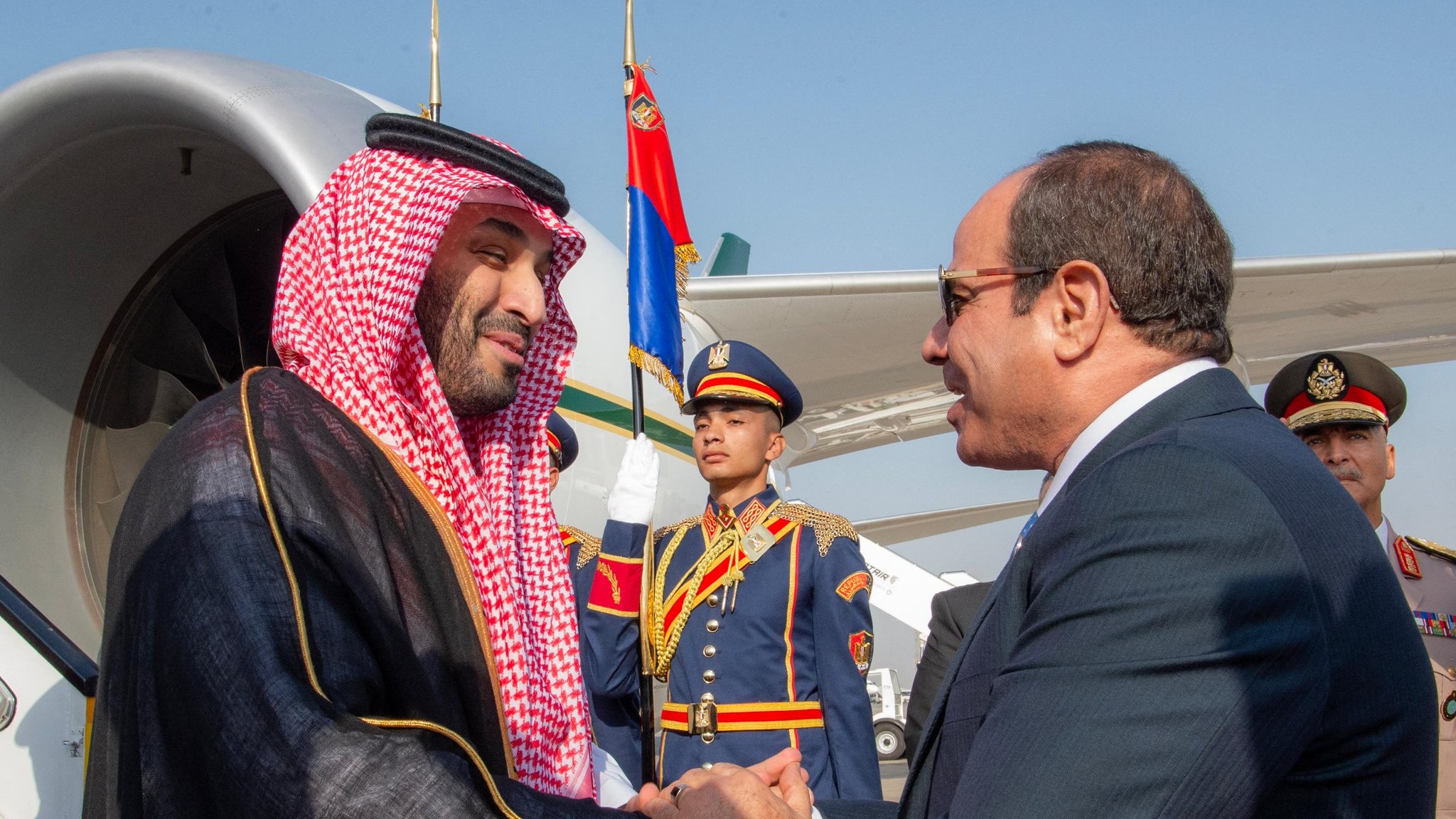
    In a strategic maneuver to mend strained diplomatic relations, Egyptian intelligence agencies provided Saudi authorities with critical information regarding United Arab Emirates operations in Yemen, according to a senior Egyptian presidential source. This intelligence sharing occurred against the backdrop of deteriorating Saudi-Emirati relations and growing Egyptian concerns about UAE-backed separatist movements across the region.

    Egyptian officials reportedly monitored Emirati naval movements using advanced surveillance systems prior to Saudi operations against the UAE-supported Southern Transitional Council (STC) in Yemen. The intelligence package included detailed coordinates, activity patterns, and intercepted communications showing Emirati objectives and coordination with southern Yemeni forces. This intelligence collaboration formed part of what the source described as a ‘carefully planned manoeuvre’ to restore Saudi support while addressing threats to Egyptian national security.

    The intelligence transfer coincided with Saudi Foreign Minister Prince Faisal bin Farhan’s visit to Cairo earlier this month, where both nations agreed to coordinate closely on Yemen and Sudan. Following these discussions, Saudi Arabia requested Egyptian naval forces to prepare for disrupting potential supply routes from the UAE to southern Yemen. Egyptian Mistral-class vessels were subsequently deployed further south in the Red Sea to monitor Emirati activity.

    The diplomatic shift has drawn sharp objections from Abu Dhabi, with Emirati officials warning Egypt against improving relations with Riyadh ‘at the UAE’s expense.’ Despite these tensions, Egypt has increasingly aligned with Saudi Arabia’s position on preserving Yemeni unity, viewing Emirati support for separatist movements as contrary to Egypt’s long-term regional priorities.

    This realignment extends beyond intelligence sharing to economic decisions, including Egypt’s recent rejection of a UAE-based company’s offer to acquire additional shares in the strategic Alexandria Container and Cargo Handling Company. The ongoing Yemen conflict and its impact on Red Sea security have become central to Egyptian policy calculations, with Houthi attacks on commercial shipping directly threatening the vital Suez Canal revenue.

  • EU says eyeing sanctions on Iran over protest crackdown

    EU says eyeing sanctions on Iran over protest crackdown

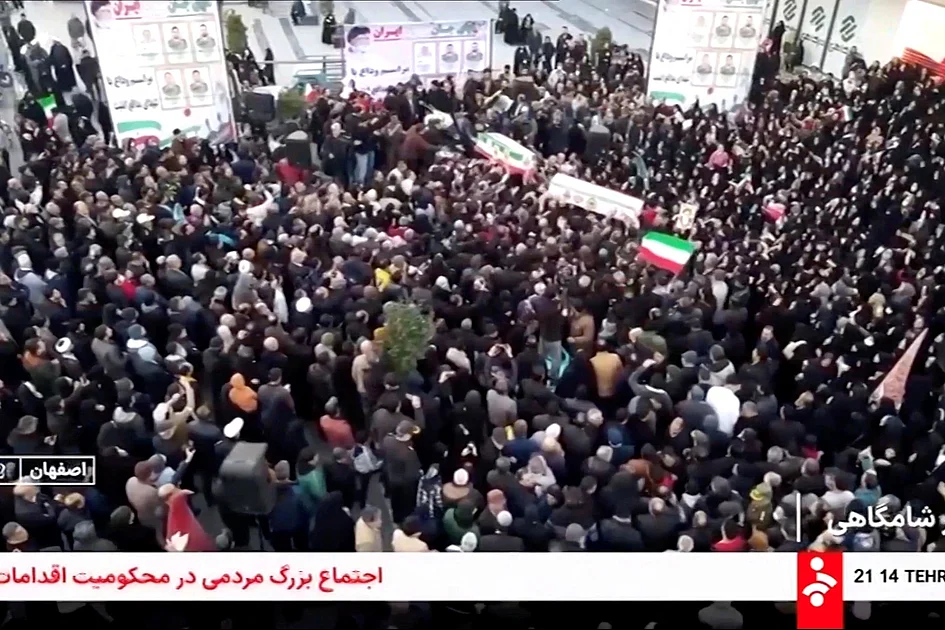
    The European Union is actively preparing to impose more severe sanctions on Iran in response to the government’s violent suppression of nationwide protests, which have evolved into a significant challenge to the country’s theocratic establishment. EU spokesman Anouar El Anouni confirmed on Monday that the bloc stands ready to propose new measures following the escalating crackdown that has reportedly resulted in hundreds of casualties.

    The unrest, now entering its third week, began as demonstrations against economic hardships but has transformed into one of the most substantial threats to Iran’s Islamic governance structure since the 1979 revolution. In a concerning development, Iranian authorities have maintained a comprehensive internet blackout exceeding 84 hours, which monitoring groups and activists believe aims to conceal the true extent of the violent response to protests.

    Amid the crisis, Iran’s Foreign Minister Abbas Araghchi delivered a dual message, stating that while the Islamic Republic ‘is not seeking war,’ it remains ‘fully prepared’ for military confrontation. Simultaneously, he expressed openness to negotiations conducted ‘with equal rights and based on mutual respect.’ This statement follows claims by former US President Donald Trump that Iranian leadership had contacted him seeking diplomatic discussions.

    Independent organizations report alarming casualty figures, with Iran Human Rights confirming at least 192 protester deaths while acknowledging the actual toll could be significantly higher—potentially exceeding several hundred or even thousands according to some sources. The People’s Mujahedin (MEK) opposition group estimates over 3,000 fatalities, though these figures remain unverified due to communication restrictions.

    The international dimension continues to intensify, with London protesters replacing the Iranian embassy flag with the pre-revolutionary banner featuring the Persian lion—an action that prompted Tehran to summon the British ambassador. Meanwhile, Reza Pahlavi, son of Iran’s deposed shah, has called on security forces and government employees to join the protest movement, signaling the deepening divisions within Iranian society.

  • Academics and intellectuals sign letter in support of Palestine Action prisoners

    Academics and intellectuals sign letter in support of Palestine Action prisoners

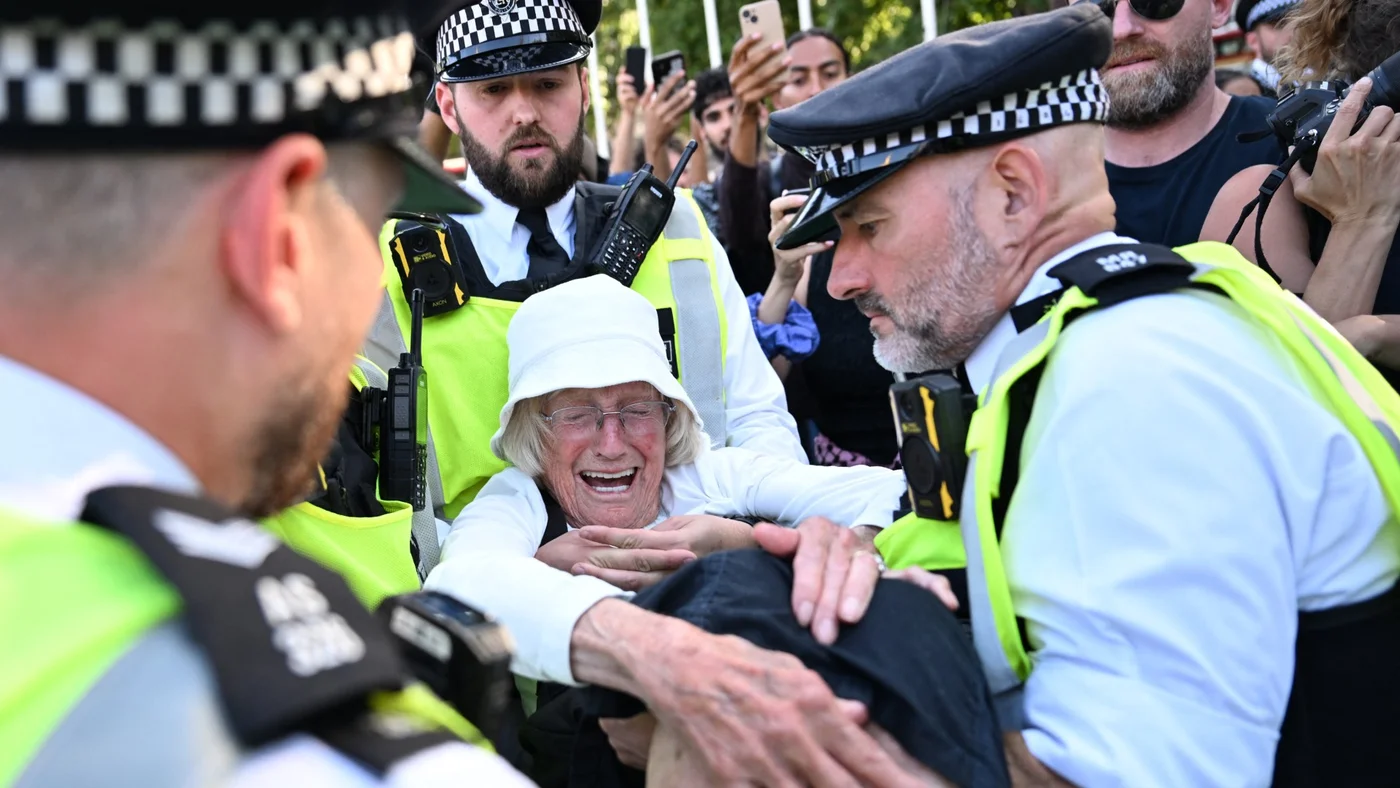
    A coalition of prominent international intellectuals has issued a forceful challenge to the United Kingdom’s controversial designation of Palestine Action as a terrorist organization. The open letter, published Monday, has garnered signatures from leading leftist thinkers including Tariq Ali, philosopher Judith Butler, and author Naomi Klein.

    The letter’s concise but powerful message states: “We oppose genocide, we support the Palestine Action prisoners.” This wording echoes the sentiment expressed by climate activist Greta Thunberg, who was arrested in December for displaying a placard with similar language.

    At the heart of the controversy are eight alleged members of Palestine Action currently imprisoned awaiting trial, with two reportedly on hunger strike. These detainees face up to 18 months in custody before their court proceedings begin. Hundreds of additional individuals, predominantly pensioners, have been charged with supporting the organization.

    The UK government proscribed Palestine Action under the Terrorism Act of 2000, with then-Home Secretary Yvette Cooper (now Foreign Minister) announcing the ban. The designation makes expressing support for the group’s activities a criminal offense.

    The government’s case faced scrutiny during a recent judicial review, where officials presented secret evidence withheld from both the public and the group’s legal representatives to justify the terrorism classification. The ban was ostensibly triggered by a June 2023 incident where activists breached the UK’s largest airbase on electric scooters and damaged two Royal Air Force planes.

    International human rights officials, including UN High Commissioner for Human Rights Volker Türk, have criticized the UK’s approach. Türk stated last July that the proscription “appears disproportionate and unnecessary,” noting that it uses anti-terrorism legislation to combat activities that constitute “legitimate exercise of fundamental freedom.” He further warned that the designation limits rights of individuals who “have not themselves engaged in any underlying criminal activity but rather exercised their rights to freedom of expression, peaceful assembly and association.”

  • NATO, Greenland vow to boost Arctic security after Trump threats

    NATO, Greenland vow to boost Arctic security after Trump threats

    In a decisive response to former President Donald Trump’s persistent threats of annexation, NATO and Greenland’s leadership have announced coordinated efforts to reinforce Arctic security arrangements. The autonomous Danish territory has firmly positioned its defense strategy within the NATO framework while explicitly rejecting any potential US takeover attempts.

    Greenlandic Prime Minister Jens-Frederik Nielsen articulated the territory’s stance, emphasizing that “security and defense belong in NATO” and committing to develop Greenland’s military capabilities through close cooperation with the alliance and its member states, including the United States. This declaration follows Trump’s recent provocative statements suggesting the US would acquire Greenland “one way or the other.”

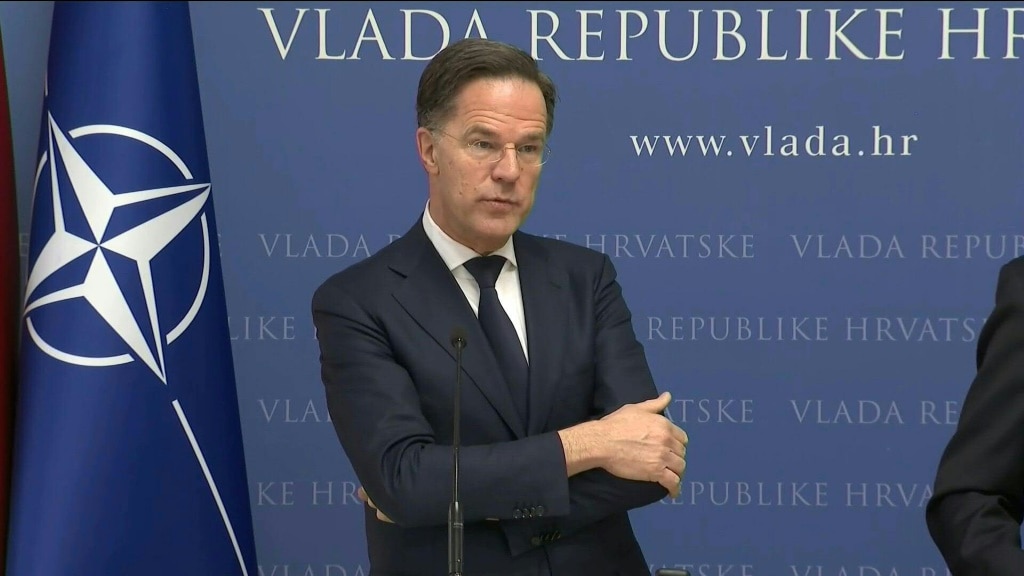
    NATO Secretary General Mark Rutte confirmed the alliance is developing “next steps” to enhance Arctic security, with diplomatic sources indicating preliminary discussions about potential new regional missions, though no concrete proposals have been formally advanced.

    The geopolitical significance of Greenland extends beyond strategic positioning to substantial economic considerations. The territory possesses vast untapped resources, including rare earth minerals critical for technology manufacturing, adding material incentive to strategic concerns.

    Local sentiment in Nuuk, Greenland’s capital, reflects growing apprehension among residents. Theology student Nuunu Binzer expressed evolving concerns: “We laughed at Trump first when he tried to buy us but now the second time he’s more aggressive.” Another student, Mininnguaq Fontain, acknowledged the complicated reality: “I would rather see our country doesn’t have any soldiers but of course if we get attacked then I would feel more safe if soldiers are here.”

    Denmark has responded with substantial financial commitments, allocating approximately 90 billion kroner ($14 billion) toward regional security in 2025. The Danish government maintains that any armed US action against Greenland would fundamentally undermine NATO’s foundation. Current agreements allow the United States to expand its military presence on the island through notification rather than negotiation, under terms established in a 1951 treaty updated in 2004.

    Diplomatic efforts are intensifying, with Danish and Greenlandic representatives scheduled to meet US Secretary of State Marco Rubio in Washington this week. Denmark seeks to present a unified front with Greenland’s leadership before these critical discussions.

    Historical context underscores the sensitivity of these developments: Greenland transitioned from Danish colony to home rule status in 1979 and continues to contemplate further autonomy. Current polling indicates overwhelming opposition among Greenland’s 57,000 residents to any form of US acquisition.

  • Families of prisoners in Venezuela wait in anguish as promised releases trickle

    Families of prisoners in Venezuela wait in anguish as promised releases trickle

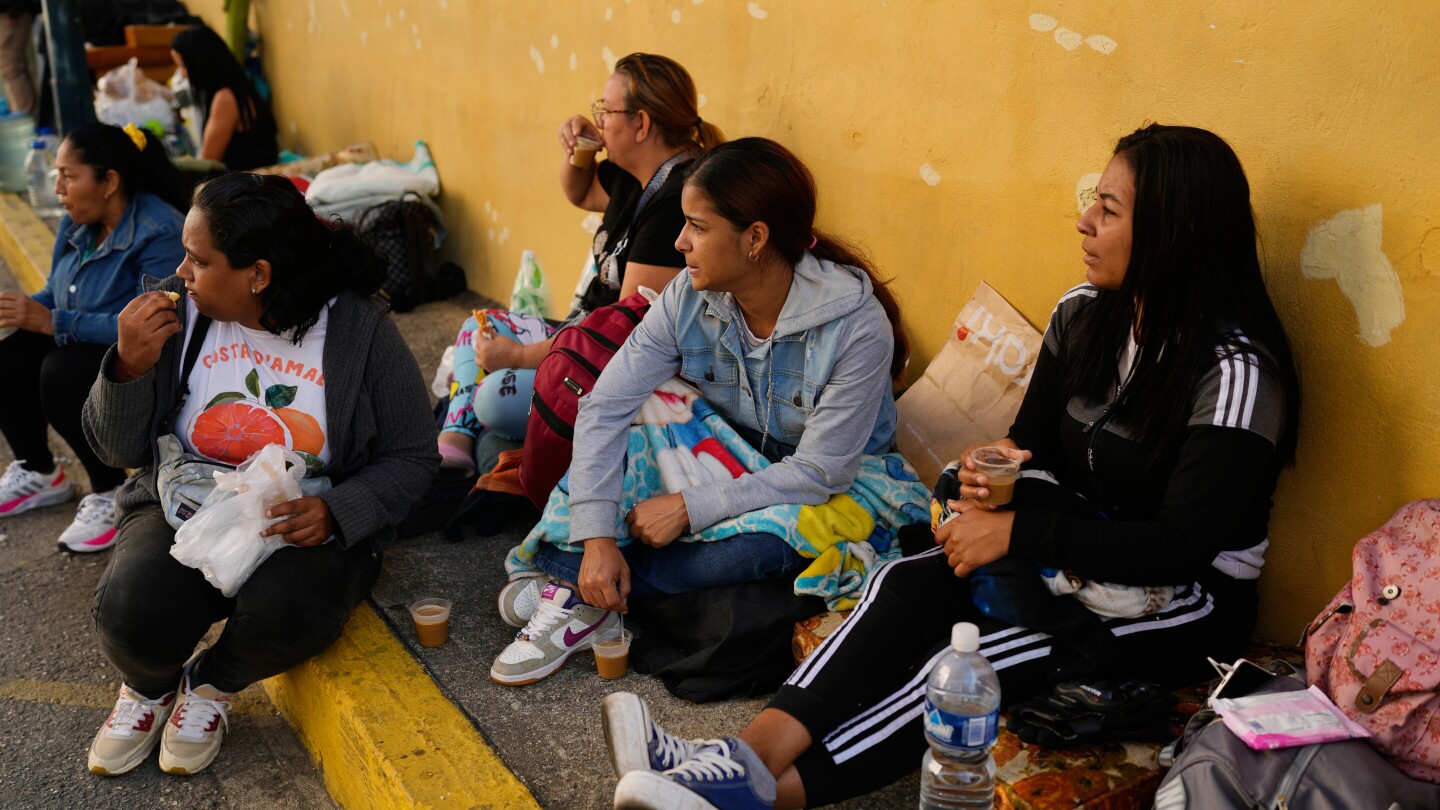
    CARACAS, Venezuela — Despite government assurances of a significant prisoner release initiative, Venezuelan families continue enduring agonizing waits outside detention facilities. The promised liberation of opposition figures, civil society leaders, and journalists—announced as a goodwill gesture following recent political tensions—has materialized in mere trickles rather than the anticipated flow.

    Yaxzodara Lozada represents countless relatives who have maintained vigil outside prisons since Thursday, when acting President Delcy Rodríguez’s administration pledged releases to ‘seek peace.’ Lozada described waking freezing on sidewalks after overnight waits, hoping for her police officer husband’s freedom after his unexplained November 17 detention.

    While Venezuelan commerce and daily life show signs of normalization with reopened malls, schools, and gyms—a week after the stunning U.S.-linked operation against President Nicolás Maduro—the prisoner release program remains shrouded in opacity. Officials have neither identified candidates nor specified numbers for potential releases, forcing human rights organizations to scour for fragmentary information.

    As of Monday afternoon, the Venezuelan advocacy group Foro Penal had verified only 49 releases, including several foreign nationals holding Italian, Spanish, Argentine, Israeli and Colombian citizenship. This limited number has drawn sharp criticism from international observers and desperate families alike.

    The UN-backed fact-finding mission on Venezuela acknowledged the releases while emphasizing they ‘fall far short’ of demands for ‘immediate and unconditional release of all political prisoners.’ Meanwhile, the White House confirmed Venezuelan opposition leader María Corina Machado will meet with U.S. President Donald Trump on Thursday, following Trump’s Saturday claim that releases occurred at Washington’s request.

    At prison gates, relatives like Jenny Quiroz voice desperate skepticism. Her husband was detained November 26 at his Caracas pharmacy for allegedly criticizing the government in a WhatsApp group. ‘These are two realities,’ Quiroz observed, noting normal school activities continuing adjacent to anguished family vigils. ‘They want the world to see that everything is normal… but it’s a mixture of anguish, despair.’

    As security forces deployed to public schools for post-holiday reopening, teachers prepared for student questions about January’s attack—though preschool teacher Ángela Ramírez reported her students displayed more excitement about returning to classrooms than interest in political developments.

  • Prosecution expected in relation to Denis Donaldson death

    Prosecution expected in relation to Denis Donaldson death

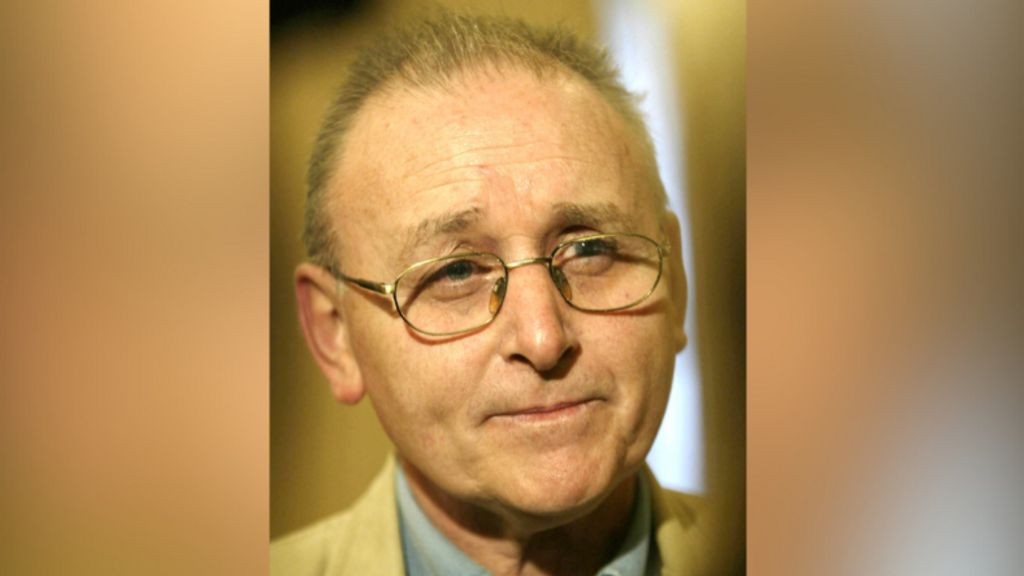
    Irish authorities have announced the commencement of criminal proceedings against an individual connected to the 2006 assassination of Denis Donaldson, a high-profile Sinn Féin official later exposed as a British intelligence operative. The development marks a significant breakthrough in the eighteen-year investigation into one of Northern Ireland’s most politically charged murders.

    Justice Minister Jim O’Callaghan confirmed the prosecution during a meeting with Donaldson’s daughter Jane Kearney and her family on Monday. Following the discussion, O’Callaghan issued an official statement indicating that Gardaí investigators had received directives to pursue charges against a suspect, with judicial processes already underway.

    The case represents a complex chapter in Anglo-Irish relations. Donaldson, once a pivotal figure in Sinn Féin’s political ascendancy, served as the party’s key administrator at Stormont following the Good Friday Agreement. His credibility collapsed in 2005 when he publicly admitted to functioning as a double agent for both British police and MI5 intelligence services over two decades of infiltration within republican political circles.

    Approximately one year after his confession, Donaldson was discovered fatally shot at an isolated cottage in Glenties, County Donegal. The Real IRA paramilitary group subsequently claimed responsibility for the execution-style killing, though no convictions have been obtained until now.

    The victim’s family has consistently demanded a comprehensive public inquiry into the circumstances surrounding Donaldson’s death and the security implications of his prolonged espionage activities. Minister O’Callaghan acknowledged these requests but emphasized that active judicial proceedings currently preclude the establishment of an investigative commission. He reaffirmed the Gardaí’s unwavering commitment to achieving justice through the court system.

  • Trump keeping Iran air strikes on the table: White House

    Trump keeping Iran air strikes on the table: White House

    The White House has confirmed that military strikes against Iran remain a viable option for President Trump as reports emerge of violent crackdowns on protesters within the country. Press Secretary Karoline Leavitt stated Monday that while diplomacy remains the preferred approach, the administration maintains all options available to address the escalating situation.

    Leavitt revealed a significant discrepancy between Iran’s public rhetoric and private communications, noting that Iranian officials have adopted a “far different tone” in confidential discussions with Special Envoy Steve Witkoff. This diplomatic channel remains active despite the absence of formal relations between the nations, with Iran’s Foreign Ministry confirming communications between top diplomat Abbas Araghchi and the American envoy.

    The administration’s position comes amid growing concerns about civilian casualties during widespread protests in Iran. Rights organizations report mounting fatalities as information gradually emerges despite Tehran’s implementation of an extensive internet blackout. Leavitt acknowledged these developments, stating the president “certainly doesn’t want to see people being killed in the streets of Tehran.”

    President Trump previously identified the killing of protesters as a clear red line, suggesting Sunday that Iran may have already crossed this threshold. While acknowledging Iran’s outreach for potential negotiations, Trump emphasized that the United States “may have to act before a meeting” occurs. The administration continues to monitor the situation closely, balancing diplomatic overtures with military preparedness.

  • Cyprus president’s top aide quits after online video alleging government corruption

    Cyprus president’s top aide quits after online video alleging government corruption

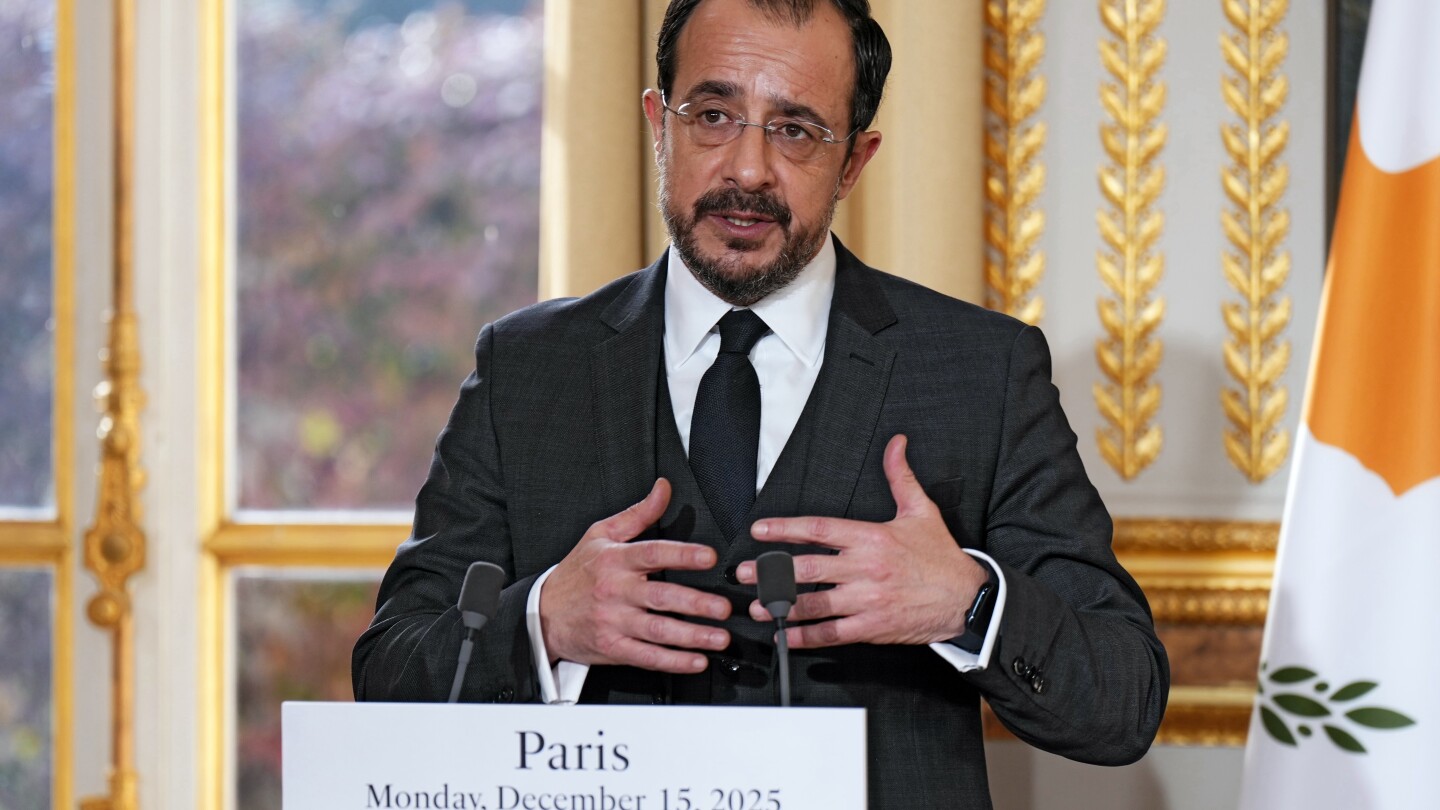
    NICOSIA, Cyprus — The director of the Cypriot presidential office, Charalambos Charalambous, has resigned from his position following the emergence of a controversial online video alleging corruption within President Nikos Christodoulides’ inner circle. The video, which surfaced on social media platforms, purportedly shows Charalambous—who is also the president’s brother-in-law—alongside a former energy minister and a prominent construction executive discussing their ability to secure foreign investments through their presidential connections.

    President Christodoulides accepted the resignation in what he characterized as an act of “self-confidence and trust” that the allegations would ultimately prove unfounded. In an official statement, the president praised Charalambous’ work ethic and integrity, describing his departure as “a loss of a valuable aide” during efforts to upgrade the country’s standing.

    The video contains multiple serious allegations, including claims that Christodoulides exceeded campaign finance limits during his 2023 presidential bid by accepting off-the-books cash donations. Most notably, it suggests the Cypriot government would intervene to block EU sanctions against Russian oligarchs in exchange for corporate payments.

    Cypriot authorities have denounced the video as a sophisticated disinformation campaign bearing “all the hallmarks” of previous Russian operations. According to an initial analysis by the Cyprus Security Services, the 8½-minute video exhibits characteristics consistent with organized Russian disinformation campaigns known as ‘Doppelganger’—a tactic previously employed against other EU nations, the United States, and Israel.

    The timing of the video’s release has raised suspicions among Cypriot officials, coming just one week after Cyprus assumed the rotating presidency of the European Union. President Christodoulides revealed that the EU had previously warned Cyprus about potential “hybrid” attacks during its presidency term. He confirmed that EU member states and other international partners are assisting in the investigation.

    Despite these explanations, opposition parties have launched scathing criticisms against the administration, arguing the video has revived concerns about systemic government corruption that have plagued Cyprus in the past. The scandal has created political turbulence for Christodoulides’ government as it begins its EU leadership role.

  • Dubai businessman decries ‘language of war’, says world does not need ‘new battles’

    Dubai businessman decries ‘language of war’, says world does not need ‘new battles’

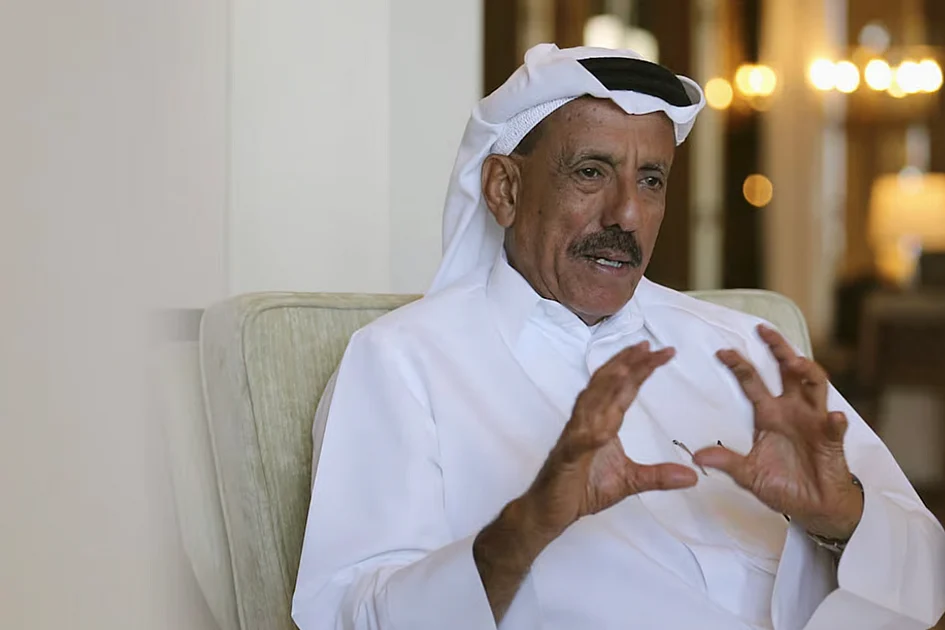
    Prominent Dubai billionaire and philanthropist Khalaf Al Habtoor has issued a stern critique of U.S. President Donald Trump’s escalating international tactics, denouncing what he describes as a dangerous reliance on “exaggeration and the language of force” in global diplomacy. The comments come in direct response to a recent unprecedented U.S. military operation that resulted in the capture of Venezuelan President Nicolas Maduro, an event that has ignited intense global political debate.

    Al Habtoor expressed profound concern over Trump’s subsequent threats toward multiple sovereign nations and territories, including Mexico, Colombia, Cuba, Iran, and Greenland. The Emirati business magnate questioned the strategic wisdom of creating international enmities, particularly with traditional NATO allies, arguing that such aggressive posturing prioritizes populism over sustainable peace. He emphasized that while the “language of war and escalation may seem more populist, peace is the best option.”

    The billionaire advocated strenuously for diplomatic solutions, stating that legitimate U.S. security concerns should be addressed through negotiation and joint action with international partners rather than military confrontation. He warned that current approaches risk “opening doors to military confrontations that the world does not need today” and could sow “the seeds of conflict in more than one region.”

    Al Habtoor specifically referenced Trump’s assertion that the U.S. would “run” Venezuela and his claim of being “not afraid of boots on the ground” as particularly destabilizing rhetoric. He further highlighted the concerning declaration by Trump on January 12th that he was the “acting president of Venezuela,” despite the absence of any legal framework or official documentation supporting such a role.

    Calling for European nations to act as “an impregnable barrier against any rush that could lead to dangerous escalation,” Al Habtoor framed true leadership as the ability to manage differences and build consensus rather than ignite crises. The noted philanthropist, who has frequently provided aid to conflict zones, concluded that while peace may not be the easiest path, it remains the safest route to a stable and just global future, urging for “reason, wisdom, and self-control in addressing sensitive issues.”