分类: politics

  • Trump announces 25% tariff on countries doing business with Iran

    Trump announces 25% tariff on countries doing business with Iran

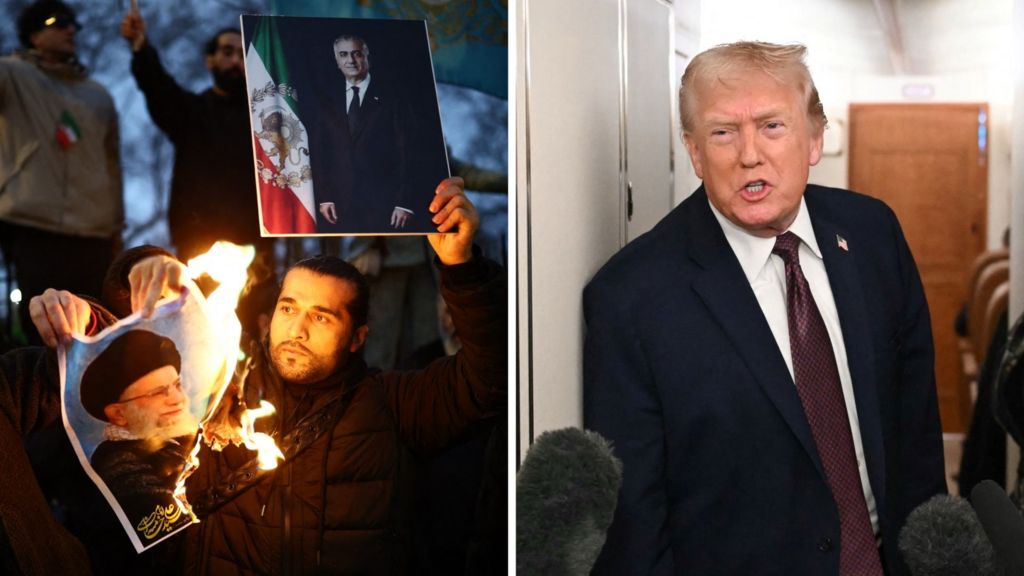
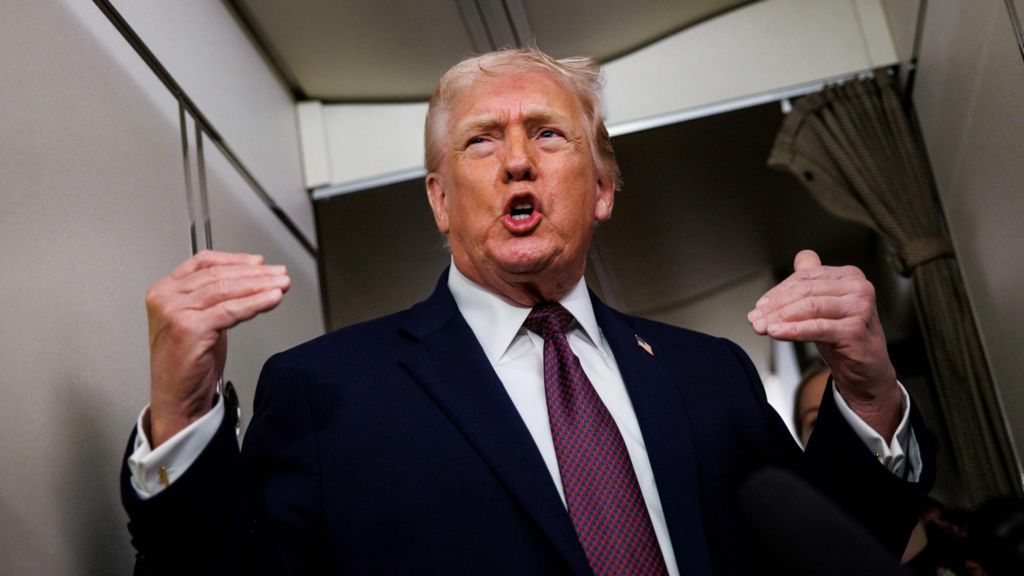
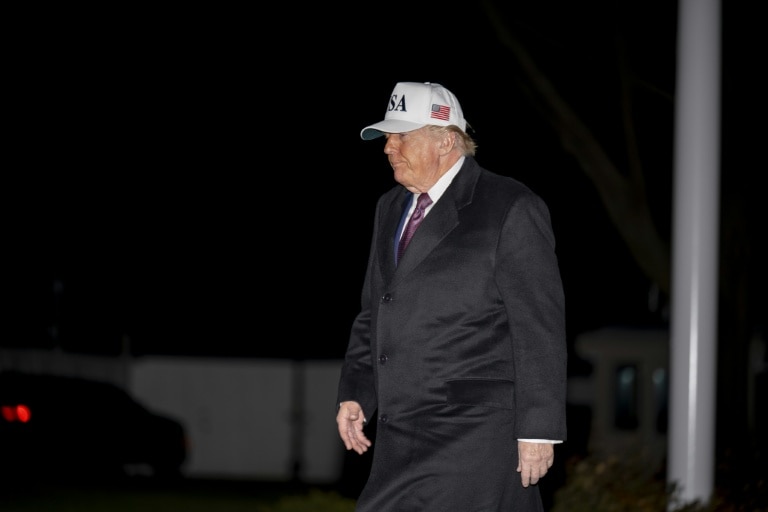
    Aboard Air Force One on January 11, 2026, President Donald Trump announced the immediate imposition of a comprehensive 25% tariff on all nations maintaining commercial relations with Iran. This decisive economic measure represents a significant escalation in U.S. pressure against Tehran as anti-government demonstrations continue into their third consecutive week.

    President Trump utilized his Truth Social platform to declare the tariff enforcement “effective immediately,” though the administration provided no specific criteria defining what constitutes “doing business” with Iran. The presidential order stated unequivocally that “Any Country doing business with the Islamic Republic of Iran will pay a Tariff of 25% on any and all business being done with the United States of America,” adding that “This Order is final and conclusive.

    The White House, through spokeswoman Karoline Leavitt, declined to elaborate on implementation details or identify which trading partners would be most severely affected. China, Iran’s largest trading partner, appears particularly vulnerable to these measures, followed by Iraq, the United Arab Emirates, Turkey, and India.

    This economic offensive follows Trump’s earlier warnings of potential military intervention should Iranian authorities respond with lethal force against protesters. Leavitt confirmed that military options, including targeted airstrikes, remain “on the table” as viable contingencies.

    The current wave of civil unrest began in late December, triggered by widespread anger over the catastrophic collapse of Iran’s national currency. The protests have evolved into a profound challenge to the legitimacy of Supreme Leader Ayatollah Ali Khamenei’s government.

    According to documentation from the U.S.-based Human Rights Activist News Agency (HRANA), the conflict has resulted in nearly 500 protester fatalities and 48 security personnel deaths, with thousands more detained. Independent sources suggest the actual casualty figures may substantially exceed these verified numbers.

    In a notable development, Trump revealed that Iranian officials had attempted to initiate negotiations, though he emphasized that the United States “may have to act before a meeting” given the urgency of the situation.
  • UK pays Guantanamo detainee Abu Zubaydah ‘substantial’ sum over torture complicity

    UK pays Guantanamo detainee Abu Zubaydah ‘substantial’ sum over torture complicity

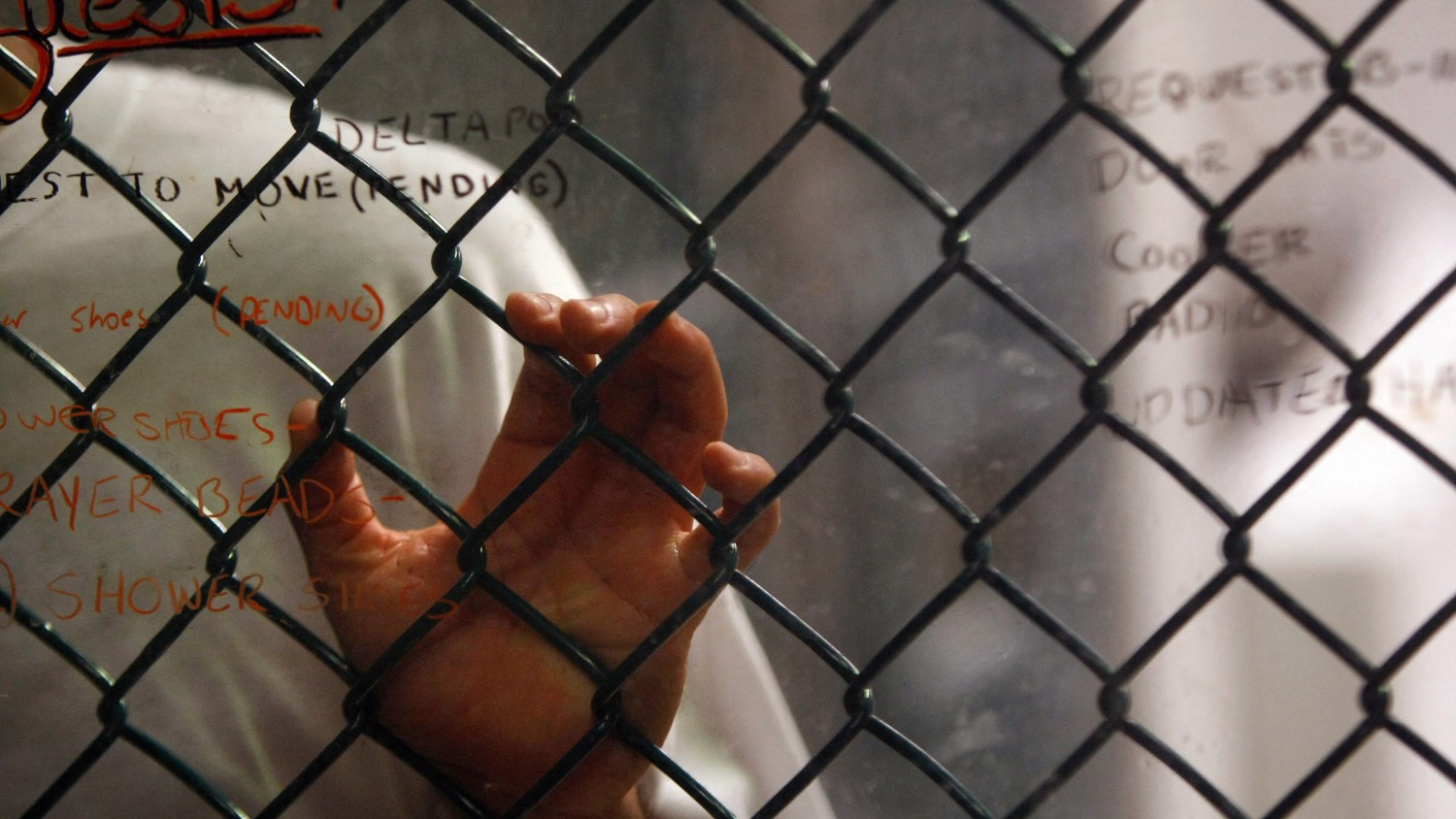
    The United Kingdom has reached a substantial financial settlement with Abu Zubaydah, a Guantanamo Bay detainee held without charge for over two decades, resolving allegations of British complicity in his torture and extraordinary rendition. The agreement concludes years of litigation that exposed the UK’s involvement in the CIA’s post-9/11 interrogation program.

    While the exact settlement figure remains confidential, legal representatives for Zubaydah characterized the payment as a de facto acknowledgment of Britain’s role in facilitating his abuse at secret CIA “black site” prisons between 2002 and 2006. The Palestinian national, captured in 2002, endured extreme interrogation techniques including 83 waterboarding sessions in one month, prolonged sleep deprivation, and confinement in coffin-sized boxes.

    A pivotal 2018 parliamentary report revealed that British intelligence agencies had submitted questions to the CIA knowing Zubaydah was being tortured, failing either to seek assurances about his treatment or to prevent further abuse. This constituted a violation of both domestic and international law according to legal experts.

    The settlement emerged just before a scheduled UK Supreme Court ruling in 2023, avoiding a potentially damaging public judgment. Helen Duffy, Zubaydah’s international counsel, noted that while the payment provides symbolic recognition, it falls short of full justice, emphasizing that Zubaydah remains detained at Guantanamo as one of three designated “forever prisoners” held indefinitely without trial.

    The case coincides with the 24th anniversary of Guantanamo’s opening and follows similar rulings by the European Court of Human Rights against Lithuania and Poland for hosting CIA black sites. A 2023 UN report found seven nations, including the US and UK, responsible for Zubaydah’s torture and unlawful imprisonment, describing Britain as having “aided and assisted” American violations.

    Legal analysts observe that the settlement highlights both the persistence of torture victims seeking accountability and the continued failure of governments to fully reckon with post-9/11 human rights abuses, particularly as no senior officials have faced consequences due to claims of state secrecy.

  • Trump has options on Iran, but first must define goal

    Trump has options on Iran, but first must define goal

    The United States administration faces complex strategic considerations regarding potential intervention in Iran’s escalating civil unrest, with President Donald Trump weighing options that span from economic pressure to military engagement. As protests continue across numerous Iranian cities, the White House must determine its ultimate objective before selecting an appropriate course of action.

    Ten days after Trump declared the U.S. “locked and loaded” and prepared to assist Iranian demonstrators, the administration maintains its rhetorical pressure despite mounting casualties among protesters. The historical context remains crucial: Iran has stood as a principal adversary since the 1979 Islamic revolution overthrew the Western-aligned monarchy. A potential collapse of the current clerical regime would fundamentally reshape Middle Eastern geopolitics.

    Current administration measures include economic leverage through recently imposed 25% tariffs on Iran’s trading partners and discussions about restoring internet access restricted by Tehran. Behind the scenes, diplomatic channels remain active through Trump’s personal envoy Steve Witkoff, indicating continued communication between the two governments.

    Expert analysis reveals divergent perspectives on potential intervention outcomes. Reza Pahlavi, exiled son of the former Shah, has publicly encouraged stronger U.S. involvement, contrasting Trump’s approach with Obama’s hesitation during the 2009 protests. Council on Foreign Relations senior fellow Ray Takeyh suggests targeted actions against specific regime elements, particularly the Revolutionary Guards leading protest suppression, could influence undecided citizens to join demonstrations.

    However, Chatham House expert Sanam Vakil warns that external intervention might strengthen regime cohesion and justify intensified crackdowns. The scale of current protests—spanning 130-150 urban centers—presents operational challenges that exceed limited airstrikes, according to Johns Hopkins professor Vali Nasr, who suggests Trump may prefer symbolic military actions rather than comprehensive engagement.

    Foundation for Defense of Democracies researcher Behnam Ben Taleblu emphasizes the risk that military action could disperse protesters rather than amplify their efforts, particularly if intelligence and targeting prove inadequate. Meanwhile, alternative perspectives suggest many Iranians would welcome diplomatic solutions that ease sanctions and reduce war threats, potentially creating pathways for gradual political transformation rather than immediate regime collapse.

  • How Turkey sees the protests in Iran

    How Turkey sees the protests in Iran

    Turkish officials are monitoring the protest movement in Iran with significant concern, emphasizing the critical importance of regional stability while acknowledging the legitimate grievances of Iranian citizens. Despite historical rivalries between Ankara and Tehran across multiple Middle Eastern theaters including Syria, Iraq, and Lebanon, Turkey maintains that preserving Iran’s territorial integrity remains a paramount priority.

    Turkish Foreign Minister Hakan Fidan provided a comprehensive assessment during recent televised remarks, characterizing the current demonstrations as smaller in scale than the 2022 protest movement—though this evaluation is contested by some Iranian analysts who consider them the most significant since 1999. Fidan asserted that Iran is experiencing the consequences of its ambitious foreign policy decisions over the past three decades, which have resulted in severe Western economic sanctions that disproportionately affect the country’s young, vibrant population.

    The Foreign Minister notably addressed external influences, stating that Iran’s rivals are actively manipulating the protests from abroad. “Mossad doesn’t hide it; they are calling on the Iranian people to revolt against the regime through their own internet and Twitter accounts,” Fidan revealed, while simultaneously expressing doubt that these demonstrations would achieve Israel’s desired outcome of governmental collapse.

    Analysts from the SETA think tank and the Center for Iranian Studies in Ankara provide additional context for Turkey’s cautious approach. Mustafa Caner emphasized that despite underlying tensions, Turkey prioritizes Iran’s stability, while Serhan Afacan noted that recent demonstrations have included provocative acts such as mosque attacks that complicate Ankara’s position.

    Turkey’s concerns extend beyond ideological considerations to practical security implications. The country fears potential refugee flows similar to those experienced during the Syrian civil war, which resulted in Turkey hosting 4-5 million refugees. Additionally, Turkey worries about increased activity by Kurdish militant groups, particularly the PJAK (Kurdistan Free Life Party), which operates along the Iranian border and could exploit any instability.

    Fidan proposed diplomatic solutions, suggesting that Iran pursue a reset with Western powers and engage in genuine regional cooperation. He indicated that Turkish President Recep Tayyip Erdogan could facilitate this recalibration of Iran’s regional relationships, emphasizing that a negotiated agreement involving key international actors would create a “win-win situation” essential for regional stability.

  • Minnesota sues Trump administration to block surge of ICE agents

    Minnesota sues Trump administration to block surge of ICE agents

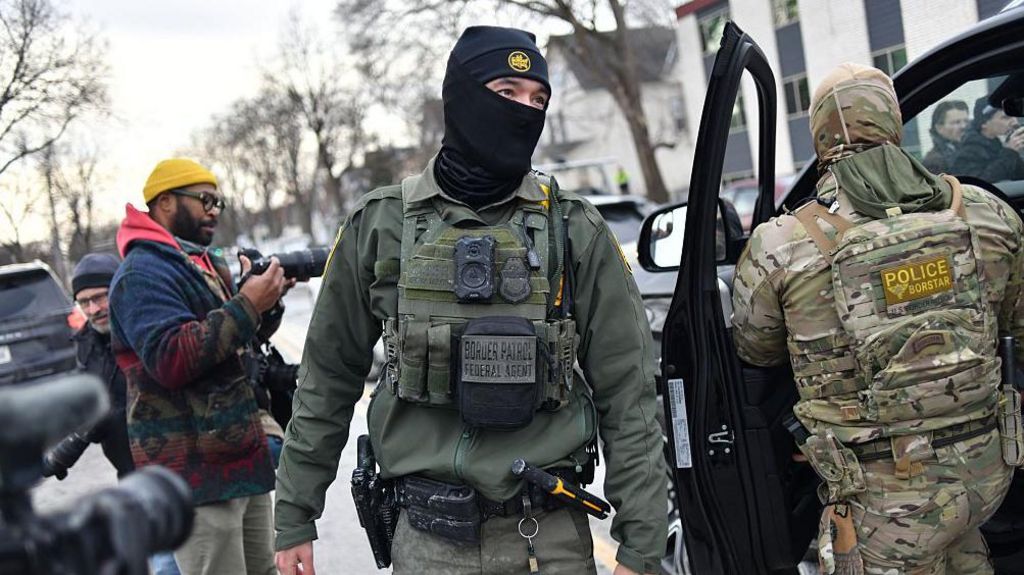
    The State of Minnesota has initiated a landmark legal confrontation against the Trump administration, filing a federal lawsuit to halt what state officials describe as an unconstitutional deployment of immigration enforcement personnel. State Attorney General Keith Ellison leads the charge, characterizing the federal operation as an invasive overreach that has instigated widespread chaos and violence across communities.

    The legal action follows the fatal shooting of Renee Good by a federal immigration agent last week, an incident that sparked substantial public outcry and protests. The lawsuit formally requests a federal judicial ruling to declare the agent deployment illegal, asserting it violates constitutional protections against federal overreach.

    In defense of its position, the Trump administration maintains that the enhanced presence of Immigration and Customs Enforcement (ICE) agents is essential for targeting undocumented migrants and ensuring public safety. This legal clash represents a significant escalation in tensions between state and federal authorities over immigration enforcement strategies, with potential implications for federal-state relations nationwide.

    The case highlights deepening divisions between state governments and federal immigration policy, setting the stage for a consequential judicial determination on the limits of federal enforcement authority within state jurisdictions.

  • Colombian rebels call for a ‘national accord’ after the US intervention in Venezuela

    Colombian rebels call for a ‘national accord’ after the US intervention in Venezuela

    BOGOTA, Colombia — Colombia’s National Liberation Army (ELN), the nation’s largest remaining rebel organization, has issued an unprecedented call for a “national accord” to address political divisions, even as it confronts escalating military threats from both Colombian and United States governments.

    The Marxist guerrilla group utilized its official X account on Monday to declare its willingness to collaborate with Colombia’s incoming administration following this year’s elections. The proposed collaboration would focus on developing comprehensive strategies to eradicate poverty, safeguard environmental ecosystems, and dismantle narcotics operations in rural territories.

    This conciliatory gesture emerges alongside reports that Bogotá and Washington are exploring coordinated military operations against the insurgency. Colombian President Gustavo Petro has previously characterized the ELN as “drug traffickers disguised as revolutionary combatants.

    International pressure intensified dramatically following the early April capture of former Venezuelan President Nicolás Maduro by U.S. authorities. The pre-dawn operation resulted in Maduro’s extradition to face narcotics charges in New York, where federal indictments allege he provided territorial protection to ELN operations within Venezuela and facilitated cocaine trafficking partnerships.

    In response to these developments, Colombian officials have initiated measures to undermine the rebel group’s strategic foothold in neighboring Venezuela. The geopolitical shift follows a tension-reducing telephone discussion between Presidents Petro and Donald Trump, during which they addressed ELN’s involvement in drug trafficking and potential joint military responses.

    Colombian Interior Minister Armando Benedetti revealed that both leaders examined operational scenarios targeting ELN encampments within Venezuelan territory. He emphasized the tactical necessity to “engage the rebels during their retreat phases” into cross-border sanctuaries.

    President Petro subsequently established clear preconditions for resuming peace negotiations, demanding the ELN cease narcotics operations, discontinue minor recruitment, and abandon Venezuelan base camps. Failure to comply would trigger “coordinated actions” involving Caracas’ participation.

    The Colombian government suspended formal peace talks with the ELN in 2023 following the group’s military offensive in Catatumbo, which displaced over 50,000 civilians. Founded during the 1960s by Cuban revolution-inspired students and labor organizers, the ELN maintains approximately 5,000 combatants operating across both Colombian and Venezuelan border regions.

  • Watch: How could Trump respond to Iran crackdown?

    Watch: How could Trump respond to Iran crackdown?

    The Trump administration has signaled potential military engagement as part of its strategic calculus toward Iran, with senior officials confirming that “very strong options” remain under active consideration. This development follows heightened tensions between Washington and Tehran, with the White House evaluating multiple intervention scenarios ranging from economic sanctions to targeted strikes.

    National security advisors have presented the President with a comprehensive response framework that includes cyber warfare capabilities, covert operations, and traditional diplomatic channels alongside military alternatives. The administration’s hardening stance reflects growing concerns about Iran’s regional activities and internal crackdowns, though specific triggers for military action remain undefined.

    Defense Department officials emphasize that any deployment of force would require congressional consultation, though executive authority for limited actions exists under existing authorization frameworks. Regional allies have been briefed on potential contingency plans, with several Gulf states expressing private support for stronger US engagement despite public calls for de-escalation.

    The administration’s rhetoric mirrors earlier confrontations with North Korea, combining public threats with backchannel negotiations. However, intelligence assessments suggest Iran’s military capabilities exceed Pyongyang’s, creating complex escalation risks that advisors have highlighted in recent security briefings.

  • Jerome Powell: The careful Fed chair standing firm against Trump

    Jerome Powell: The careful Fed chair standing firm against Trump

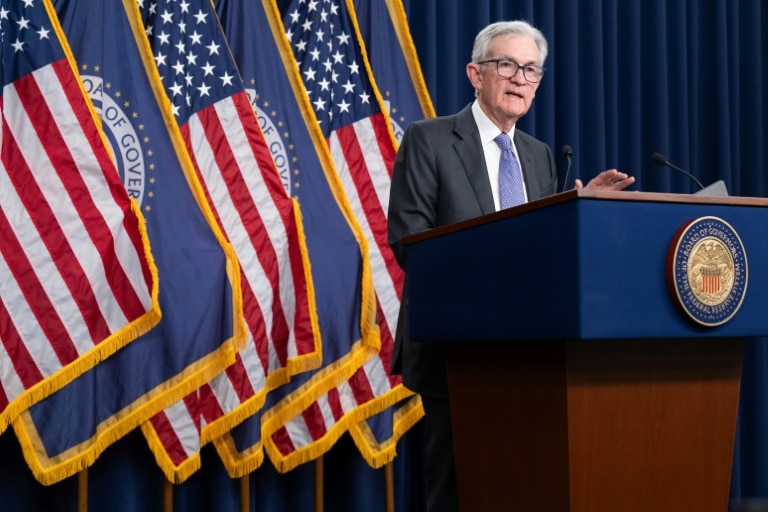
    Federal Reserve Chairman Jerome Powell has broken his characteristic silence with an unprecedented public rebuttal against what he characterizes as political pressure from the Trump administration. The central bank leader issued a forceful statement condemning a Justice Department investigation he views as an attempt to influence monetary policy decisions.

    Powell’s remarkable departure from his typically restrained approach underscores the severity of current tensions between the nation’s monetary authority and the executive branch. The Fed chair specifically accused administration officials of threatening prosecution to compel interest rate reductions, warning such actions jeopardize the institution’s fundamental independence.

    This confrontation represents a dramatic escalation in the ongoing friction between Powell and President Trump, who previously appointed him to lead the Fed in 2018. Despite enduring months of public criticism from Trump during his first term over interest rate increases, Powell maintained his customary diplomatic approach until recent developments.

    Jason Furman, former economic advisor to President Obama, noted the significance of Powell’s response: ‘The extraordinary nature of this statement reveals its gravity. Powell historically avoided engagement when questioned about Trump’s Fed criticisms, often providing minimal responses.’

    Powell’s tenure has navigated extraordinary economic challenges, from pandemic-era emergency measures that slashed rates to zero, to subsequent aggressive tightening cycles combating inflation. Throughout these policy shifts, the former investment banker has maintained consensus within the Fed’s diverse rate-setting committee while preserving the institution’s nonpartisan reputation.

    Despite recent compromises on issues like climate change initiatives, Powell’s forceful defense against perceived political interference has drawn praise from economic observers. David Wessel of the Brookings Institution remarked: ‘Trump pushed him beyond acceptable limits, prompting this robust response. This will likely cement Powell’s legacy as a chair who defended Fed independence under substantial pressure.’

    The confrontation follows recent incidents where Powell publicly corrected presidential statements regarding Fed building renovation costs, demonstrating increased willingness to challenge inaccurate claims. With his term concluding in May 2026, this episode may define Powell’s chairmanship as one that upheld institutional autonomy against unprecedented political pressure.

  • Leaders of Japan and South Korea meet as China flexes muscles

    Leaders of Japan and South Korea meet as China flexes muscles

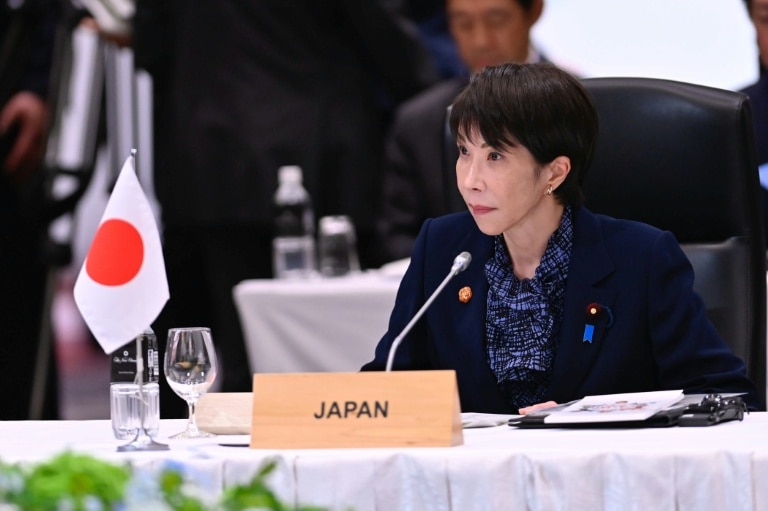
    In a significant diplomatic move, Japanese Prime Minister Sanae Takaichi welcomed South Korean President Lee Jae Myung for bilateral talks in Nara, western Japan, on Tuesday. The high-level meeting comes at a critical juncture in East Asian geopolitics, marked by escalating tensions between Tokyo and Beijing.

    The summit agenda focused heavily on regional security challenges, particularly China’s assertive posture following Prime Minister Takaichi’s November remarks suggesting potential Japanese military intervention in a Taiwan contingency. Beijing’s subsequent retaliation, including restrictions on exports of dual-use items with military applications, has raised concerns about supply chain vulnerabilities, especially regarding rare earth minerals crucial to both nations’ economies.

    Analysts observe that the growing regional instability is driving the two U.S. allies toward closer coordination. Dr. Benoit Hardy-Chartrand, an East Asian geopolitics expert at Temple University’s Tokyo campus, noted that ‘tense regional geopolitics could provide Takaichi and Lee further impetus for wanting to build stronger relations.’

    The leaders, both assuming office in 2025, emphasized their commitment to continuing ‘shuttle diplomacy’ through regular meetings. While publicly highlighting warming ties and multi-sector cooperation, behind closed doors they addressed the broader implications of China’s economic measures, which affect South Korea through deeply interconnected supply chains.

    President Lee maintained a diplomatic balance, telling NHK that while China-Japan confrontation is ‘undesirable for Northeast Asian stability,’ he would not directly intervene in the dispute. The timing of his Japan visit shortly after meeting Chinese leader Xi Jinping demonstrates Seoul’s careful diplomacy to avoid perceived favoritism.

    The summit also covered relations with the United States under President Donald Trump’s unpredictable ‘America First’ policies, prompting both nations to strengthen their bilateral partnership as old certainties evolve. Historical tensions from Japan’s 1910-1945 occupation of Korea, though still present, were set aside in favor of pragmatic cooperation against contemporary geopolitical challenges.

  • Trump warns of ‘mess’ ahead of legal ruling on tariffs

    Trump warns of ‘mess’ ahead of legal ruling on tariffs

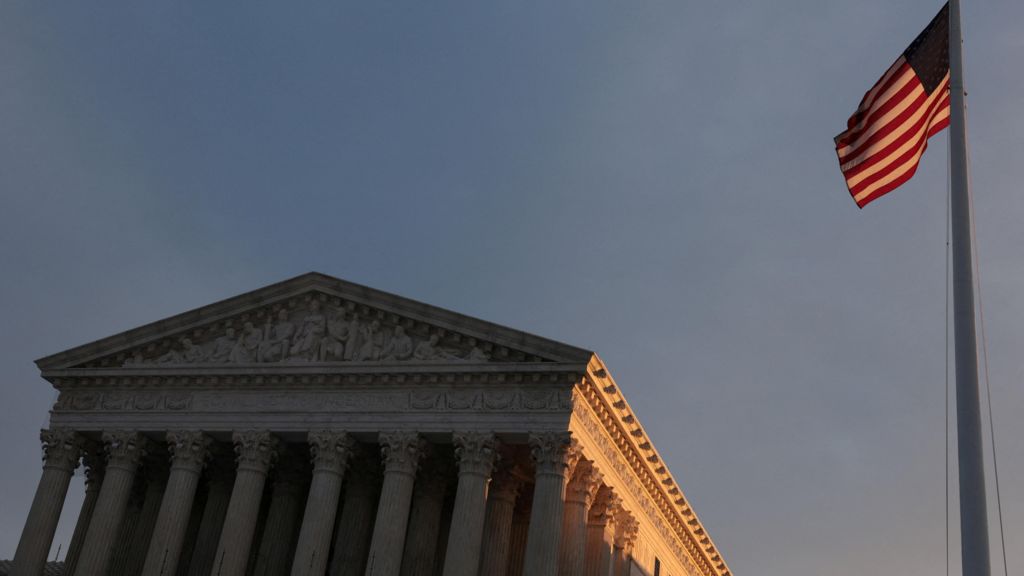
    With an imminent Supreme Court decision threatening to unravel his signature trade policy, President Donald Trump has publicly expressed apprehension about potential legal and financial repercussions. The President took to his Truth Social platform on Monday, characterizing a potential adverse ruling as catastrophic for national security and economic stability.

    The legal challenge, spearheaded by coalitions of small businesses and multiple U.S. states, contests the constitutional validity of tariffs first implemented by the Trump administration last April. Plaintiffs argue the President exceeded his executive authority by imposing sweeping import taxes under the International Emergency Economic Powers Act (IEEPA)—a 1977 statute that notably omits any explicit mention of tariff implementation.

    Financial stakes are substantial: IEEPA-mandated tariffs have generated approximately $130 billion in revenue, constituting more than half of all tariff collections. A ruling against the administration could compel the federal government to refund billions to affected businesses, a prospect Trump described as ‘almost impossible for our Country to pay.’

    The judicial landscape appears ominous for the administration. Prior to reaching the Supreme Court, two lower courts already ruled against the presidential authority to impose such global tariffs. During November hearings, even several conservative justices—including Trump-appointed Justice Amy Coney Barrett—expressed skepticism toward the White House’s legal justification. Barrett notably concurred with Trump’s assessment that refund processing would create a ‘complete mess,’ terminology the President subsequently adopted.

    The administration maintains that tariffs are essential for revitalizing American manufacturing and addressing trade imbalances. White House officials have indicated they will pursue alternative legislative avenues should the court rule unfavorably, including existing provisions permitting temporary 15% tariffs for 150-day periods.

    Business communities domestically and internationally await the decision with acute interest. Many enterprises, having absorbed substantial financial impacts from the trade policies, anticipate potential compensation through refunds—though some acknowledge monetary reimbursement cannot offset broader market disruptions caused by the prolonged trade conflict.