分类: politics

  • Uganda votes under internet blackout and police crackdown

    Uganda votes under internet blackout and police crackdown

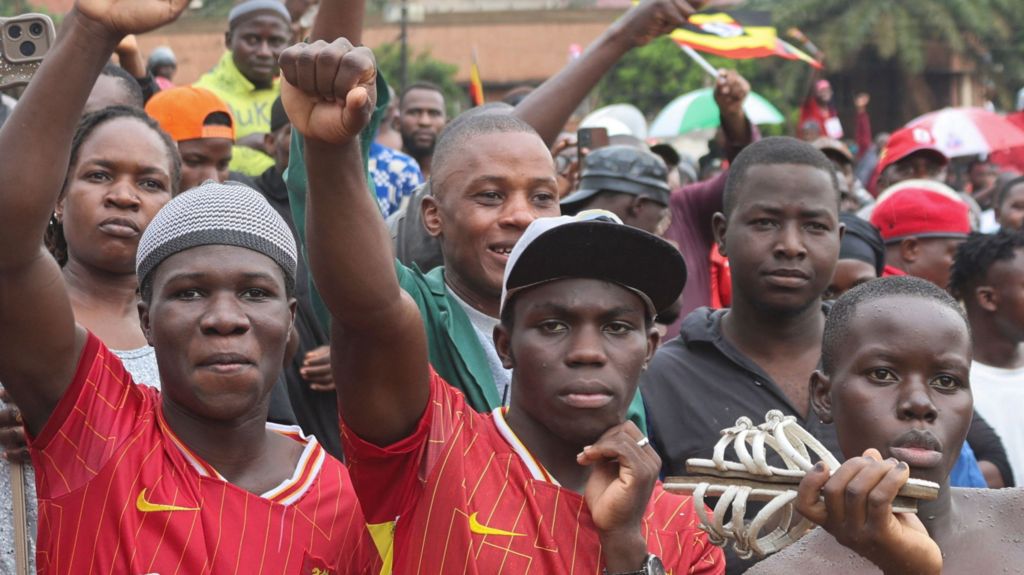
    Uganda conducted a highly charged presidential election on Thursday under a government-imposed internet blackout and heightened security presence, creating an atmosphere of apprehension across the nation. President Yoweri Museveni, who has held power for four decades, faced his most significant challenge from opposition leader Bobi Wine, a former musician turned politician.

    The government implemented a complete internet shutdown indefinitely on Tuesday, citing concerns about ‘misinformation’ and ‘potential incitement to violence,’ despite previous assurances that such measures would not be taken. This move drew sharp criticism from the United Nations, which characterized the blackout as ‘deeply worrying.’

    Security forces maintained a visible presence throughout the capital city of Kampala, where residents expressed nervousness about potential unrest. The Daily Monitor, a local newspaper, published extensive guidance on how to ‘election-proof’ homes, recommending citizens reinforce entry points and designate safe rooms in case of violence.

    Bobi Wine, whose real name is Robert Kyagulanyi, has accused the government of planning to rig the election and has vowed to organize protests if the voting process proves fraudulent. His campaign has been marred by the arrest of hundreds of supporters, prompting him to wear protective gear during rallies and describe the electoral process as a ‘war’ against a ‘military dictatorship.’

    The political climate has drawn international concern, with Human Rights Watch documenting the suspension of ten non-governmental organizations, including election monitoring groups, and noting ‘brutal repression’ against opposition figures. Another prominent opposition leader, Kizza Besigye, currently faces treason charges in a military court after being reportedly abducted from Kenya in 2024.

    Despite these challenges, President Museveni remains popular among certain segments of the population, who credit him with ending post-independence chaos and overseeing economic growth. At his final rally in Kampala, the 81-year-old leader struck a defiant tone, warning that he would ‘crush’ anyone attempting to interfere with the electoral process.
  • Trump flips worker off for Epstein comment; White House calls response ‘appropriate’

    Trump flips worker off for Epstein comment; White House calls response ‘appropriate’

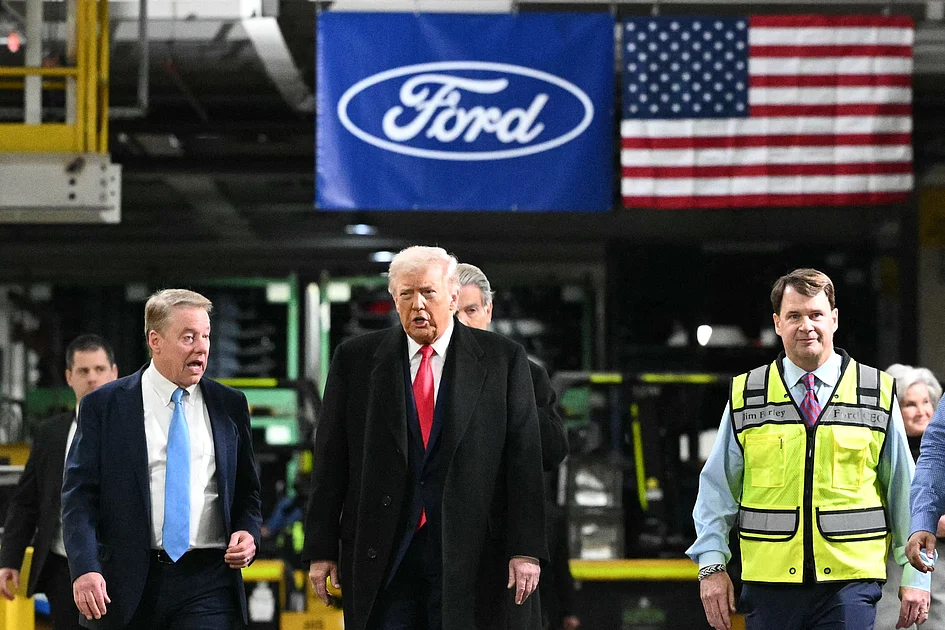
    During a presidential visit to a Ford automotive assembly plant in Dearborn, Michigan, an unexpected confrontation unfolded that has drawn significant political attention. Video evidence circulating online captures the moment President Donald Trump responded with an obscene gesture and apparent profanity toward a factory worker who shouted criticism regarding his association with the Jeffrey Epstein case.

    The incident occurred while Trump was touring the Ford F-150 production facility, a visit intended to showcase his administration’s commitment to American manufacturing. As the president walked along an elevated platform observing the assembly line, an employee below vocalized what witnesses described as ‘pedophile protector’—a clear reference to the ongoing Epstein controversy.

    In response, Trump turned toward the individual, uttered what appeared to be an expletive, and conspicuously raised his middle finger before continuing his tour. The White House subsequently defended the president’s reaction, with spokesman Steven Cheung characterizing the protester as ‘a lunatic wildly screaming expletives in a complete fit of rage’ and describing Trump’s response as ‘appropriate and unambiguous.’

    Following the altercation, the United Auto Workers union confirmed the employee involved had been suspended pending investigation. The union issued a formal statement emphasizing workers’ rights to free speech while simultaneously condemning vulgar language from any individual, including the president. Ford Executive Chairman Bill Ford later expressed embarrassment over the incident while noting that the majority of the tour proceeded positively.

    This event occurs against the backdrop of persistent scrutiny regarding Trump’s handling of documents related to Jeffrey Epstein, the convicted sex offender who died in custody in 2019. Despite numerous allegations and conspiracy theories, Trump has consistently denied any knowledge of or involvement in Epstein’s criminal activities.

    The Michigan visit represents a strategic effort by the Trump administration to reinforce its economic messaging around domestic manufacturing and job creation—key campaign themes as the 2026 election cycle gains momentum. Political analysts consider Michigan a critical battleground state whose electoral support could significantly influence the upcoming presidential race.

  • US announces launch of phase two of Gaza plan, says Witkoff

    US announces launch of phase two of Gaza plan, says Witkoff

    In a significant development toward resolving the Gaza conflict, U.S. Special Envoy Steve Witkoff officially announced the commencement of Phase Two of President Donald Trump’s 20-Point Plan on Wednesday. This critical phase transitions from ceasefire maintenance to establishing a technocratic Palestinian administration, initiating comprehensive demilitarization, and launching reconstruction efforts in the besieged enclave.

    The newly established National Committee for the Administration of Gaza (NCAG) will serve as the transitional governing body during this period. A cornerstone of this phase involves the complete disarmament of all unauthorized personnel throughout the territory. Witkoff, communicating via social media platform X, explicitly demanded Hamas’s full compliance with its obligations, emphasizing the immediate return of the final deceased hostage’s remains. He issued a stark warning that failure to meet these demands would result in serious consequences.

    The announcement highlighted the successful completion of Phase One, which achieved several key objectives: the sustained humanitarian ceasefire, the delivery of historic levels of aid, the safe return of all living hostages, and the repatriation of twenty-seven out of twenty-eight deceased hostages. Witkoff extended profound gratitude to the mediating nations of Egypt, Turkey, and Qatar, acknowledging their indispensable role in facilitating the progress achieved thus far. This next stage represents a pivotal shift from immediate crisis management toward long-term structural and governance changes in Gaza, with the U.S. playing a central role in overseeing the implementation of its ambitious roadmap.

  • Trump embraces AI deepfakes in political messaging

    Trump embraces AI deepfakes in political messaging

    Former President Donald Trump has revolutionized political communication by becoming the first U.S. president to systematically deploy AI-generated deepfake imagery as a central component of his messaging strategy. Through his Truth Social platform and other channels, Trump has disseminated hyper-realistic fabricated visuals that frequently glorify his persona while satirizing political opponents.

    This unprecedented approach features strikingly artificial scenarios: Trump playing football with Cristiano Ronaldo in the Oval Office, sunbathing with Israeli Prime Minister Benjamin Netanyahu at a resort labeled “Trump Gaza,” and even conducting orchestras at prestigious venues. The Gaza imagery particularly references Trump’s controversial proposal to transform the territory into the “Riviera of the Middle East,” which previously drew widespread condemnation.

    According to analysis by the Poynter Institute, this represents the first White House administration to embrace AI-generated imagery in everyday communications. The technology enables rapid deployment of stereotypes and simplified narratives that reduce complex issues to their most basic political talking points, regardless of factual accuracy.

    The most provocative applications target Trump’s critics. He has shared AI-generated videos depicting former President Barack Obama being arrested in the Oval Office and House Minority Leader Hakeem Jeffries wearing stereotypical accessories that Jeffries condemned as racist.

    Nora Benavidez of Free Press notes that “unregulated generative AI is the perfect tool to capture attention and distort reality” for Trump, creating a environment where “facts are contingent on Trump’s approval.”

    Analysts characterize this as a strategy of “campaigning through trolling” that treats presidential communication as an extension of political campaigning. The approach has demonstrated measurable impact: a recent Nature journal study found that human-AI dialogues significantly shift voter preferences in multiple countries.

    The strategy’s effectiveness has prompted imitation across the political spectrum. Trump administration departments have adopted similar tactics, while critics like California Governor Gavin Newsom have responded with their own AI-generated content depicting Trump in handcuffs.

  • US announces launch of phase 2 of Gaza peace deal — Witkoff

    US announces launch of phase 2 of Gaza peace deal — Witkoff

    WASHINGTON – The United States has officially initiated the second phase of its comprehensive Gaza peace agreement, marking a significant strategic pivot in Middle East diplomacy. Presidential Special Envoy Steve Witkoff confirmed the development via social media platform X on Wednesday, January 14, 2026.

    This new phase represents a substantial evolution from the initial ceasefire arrangements to addressing more complex, foundational issues. The updated framework centers on three critical pillars: complete demilitarization of the region, establishment of technocratic governance structures, and large-scale reconstruction efforts aimed at rebuilding Gaza’s devastated infrastructure.

    The announcement signals the Trump administration’s continued commitment to brokering lasting stability in the conflict-ridden territory. The demilitarization component specifically addresses long-standing security concerns while the governance initiative seeks to establish administrative systems based on technical expertise rather than political affiliations.

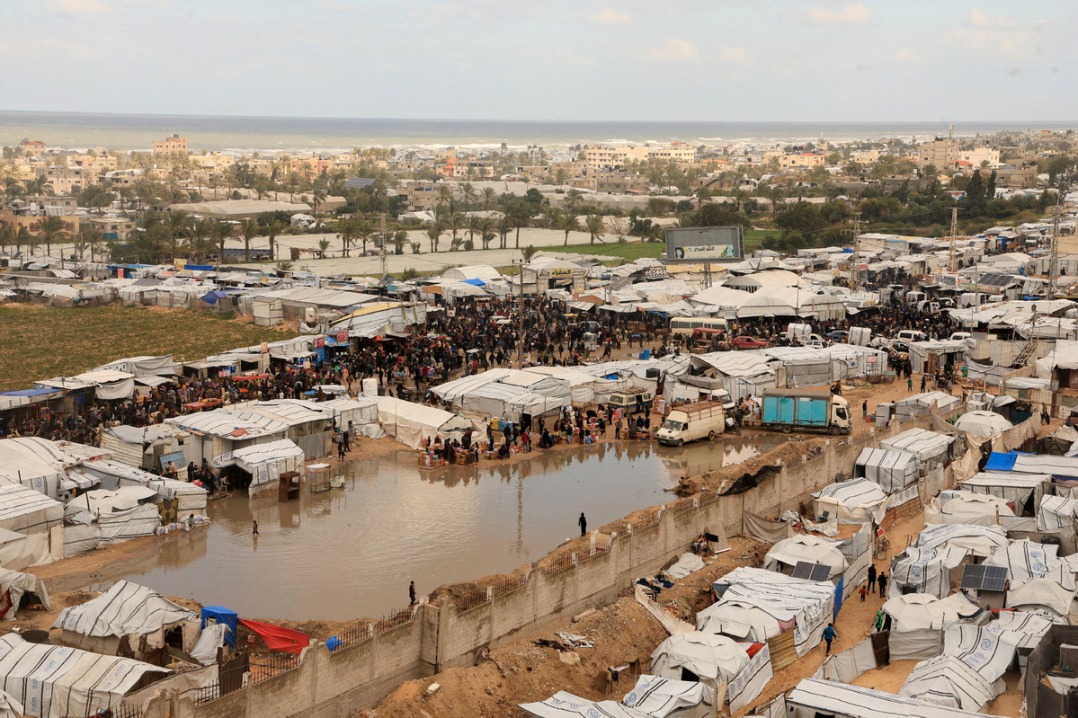
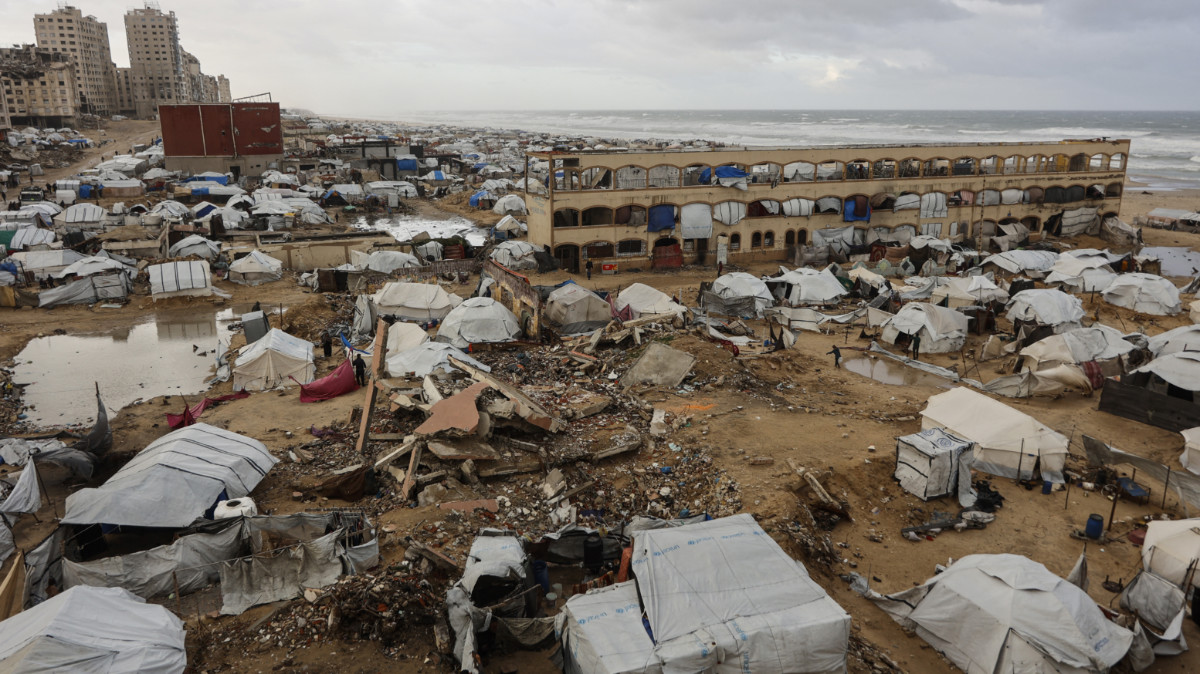
    Reconstruction efforts are expected to focus on restoring essential services, housing, and economic infrastructure destroyed during prolonged periods of conflict. The shift toward tangible rebuilding measures comes amid ongoing humanitarian challenges, as evidenced by displaced Palestinians continuing to shelter in temporary camps throughout the Khan Younis region in southern Gaza.

    This phased approach represents a methodical strategy to transform the fragile ceasefire into sustainable peace through systematic addressing of core conflict drivers. The United States appears to be positioning itself as both mediator and guarantor of this complex process, though specific timelines and international participation details remain undisclosed.

  • Trump administration says phase two of Gaza ceasefire has begun

    Trump administration says phase two of Gaza ceasefire has begun

    The United States has officially declared the commencement of the second phase of its Gaza ceasefire initiative, following a breakthrough agreement among Palestinian factions to establish a technocratic governing body for the embattled enclave. This development marks a critical transition from temporary truce to long-term demilitarization and reconstruction efforts.

    US Special Envoy to the Middle East Steve Witkoff confirmed the advancement via social media, stating the move implements President Trump’s 20-Point Plan to resolve the Gaza conflict. The announcement came after Egyptian mediators secured consensus from majority Palestinian groups, including Hamas and Islamic Jihad, to back a Palestinian National Transitional Committee tasked with administrative control of Gaza.

    The 15-member committee will be led by Ali Shaath, former Palestinian deputy minister for planning, with oversight from former UN Middle East peace coordinator Nickolay Mladenov. The Bulgarian diplomat recently convened with US officials, Palestinian Authority representatives, and Israeli Prime Minister Benjamin Netanyahu to coordinate the transition.

    Phase two objectives include comprehensive demilitarization through disarmament of unauthorized personnel and launching reconstruction programs. Witkoff emphasized expectations for Hamas’s full compliance, including returning the final deceased hostage remains, warning of serious consequences for non-cooperation.

    While Hamas has expressed willingness to transfer governing authority, it maintains its stance on retaining arms, citing Israel’s ongoing occupation of approximately 53% of Gaza territory. Negotiations have explored weapon decommissioning options, including storage arrangements and transfer of heavier arms to Arab and Muslim mediators, though Hamas insists on preserving personal weapons for its fighters.

    Implementation challenges remain substantial. Potential UN-mandated peacekeeping forces from Arab and Muslim-majority nations have been hesitant to deploy, with Turkey’s proposed involvement rejected by Israel. Gulf states remain reluctant to fund reconstruction without guarantees against future Israeli military actions that could destroy rebuilt infrastructure.

    The Trump administration’s reconstruction financing proposals include leveraging Gaza’s offshore gas reserves through partnerships with Israel and the UAE, though this would cover only a fraction of the estimated $70 billion required for full reconstruction.

    Postwar planning, directed from Tel Aviv by appointees close to Jared Kushner, includes controversial proposals such as dividing Gaza with screened Palestinian communities in Israeli-occupied zones and developing luxury AI-industry linked properties. The new governance committee’s establishment may intensify scrutiny of Israel’s military presence, which under Trump’s plan should withdraw except for a buffer zone as Palestinian and international security forces assume control.

    The conflict originated from Israel’s response to the October 7, 2023, Hamas-led attack, resulting in what UN experts describe as genocidal violence claiming over 71,400 Palestinian lives. Despite the US-brokered ceasefire establishing Israeli withdrawal to the ‘yellow line,’ violations have persisted with 439 Palestinian fatalities recorded in nearly 1,200 incidents involving airstrikes, shelling, and demolitions.

  • In his own words: Stephen Miller’s arguments for White House actions in US cities and abroad

    In his own words: Stephen Miller’s arguments for White House actions in US cities and abroad

    WASHINGTON — Senior Trump administration official Stephen Miller articulated a controversial worldview that laid the ideological groundwork for the recent military operation that deposed Venezuelan leader Nicolás Maduro. More than a year before the intervention, Miller asserted that Maduro had been systematically dispatching gang members across the U.S. border, framing the situation as a national security crisis.

    As White House chief of staff for policy, Miller’s influence on the administration’s foreign policy approach has been substantial. His assertions that Western aid to developing nations constitutes ‘reverse colonization’ and that Venezuela’s oil industry was ‘stolen from American companies’ have drawn sharp criticism from international observers and political opponents.

    The administration’s actions have prompted a strong response from regional powers. A joint statement from Spain and five Latin American nations called for adherence to principles of “mutual respect, peaceful dispute resolution, and nonintervention.” Senator Bernie Sanders (I-Vt.) characterized the Venezuela policy as “old-fashioned imperialism.”

    Miller defended his position in multiple media appearances, arguing that “the iron laws of the world” are governed by strength and power rather than international norms. He dismissed concerns about sovereignty, stating that the United States as a superpower would “unapologetically secure our interests in our hemisphere.” The policy aide also controversially suggested that U.S. military occupation of Greenland would face no significant opposition.

    White House spokesperson Abigail Jackson countered criticism, stating: “Advocating for policies that put American citizens first isn’t racist. Anyone who says so is either intentionally lying or just plain stupid.”

    Miller has since shifted focus to domestic immigration enforcement, recently condemning anti-ICE protests following a controversial operation in Minneapolis. His social media statements characterized Democratic opposition as support for “violent resistance against federal law enforcement,” claiming alternative policies would turn American cities into equivalents of Mogadishu or Kabul.

  • Why the UAE has incurred the wrath of Somalia

    Why the UAE has incurred the wrath of Somalia

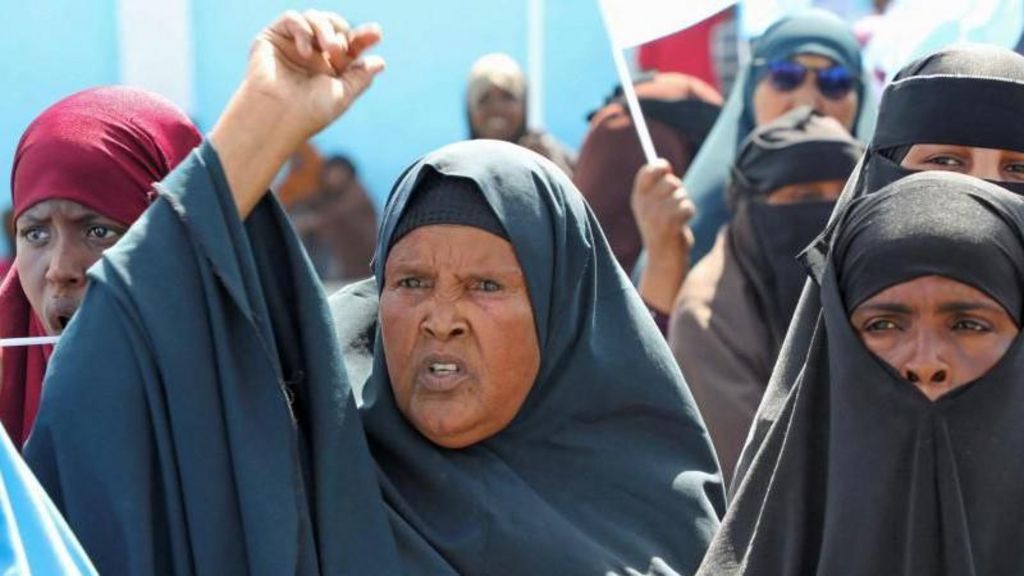
    Somalia has dramatically terminated all port management and security cooperation agreements with the United Arab Emirates, marking a critical deterioration in their longstanding partnership. The decision follows Israel’s unprecedented recognition of Somaliland as an independent state in late December—a move Somalia condemns as a violation of its territorial integrity.

    President Hassan Sheikh Mohamud declared the termination after an extraordinary cabinet meeting, stating that while Somalia valued its relationship with the UAE, the Gulf nation failed to engage with Somalia as a sovereign equal. “After careful assessment, we were forced to take this decision,” Mohamud emphasized in a televised address.

    The UAE, a major investor in Somali infrastructure and security, has not publicly responded to these developments. However, regional analysts identify Israel’s recognition of Somaliland as the catalyst for the diplomatic rupture. Omar Mahmoud of the International Crisis Group notes that Somalia perceives the UAE as having played a behind-the-scenes role in facilitating this outcome.

    Complicating matters further, Somalia has accused the UAE of orchestrating the unauthorized transport of Yemeni separatist leader Aidarous al-Zubaidi through Somali airspace—an allegation the UAE denies. This incident, coupled with growing suspicions about Emirati support for Somaliland’s recognition, appears to have been the final straw in deteriorating relations.

    The practical implications remain uncertain. While Somalia’s federal government has annulled the agreements, its authority over semi-autonomous regions like Somaliland, Puntland, and Jubaland—where UAE-operated ports are located—is limited. DP World, the Dubai-based logistics giant operating Berbera port, has indicated business will continue unchanged, citing existing agreements with Somaliland authorities.

    Regional experts suggest this confrontation reflects broader geopolitical realignments, with the UAE and Israel on one side and powers like Turkey and Saudi Arabia on the other. Somalia is now leveraging diplomatic channels to rally international support for its position, though repairing relations with the UAE will require significant diplomacy amid eroded trust.

  • Ugandans choose between pop star and veteran leader in presidential poll

    Ugandans choose between pop star and veteran leader in presidential poll

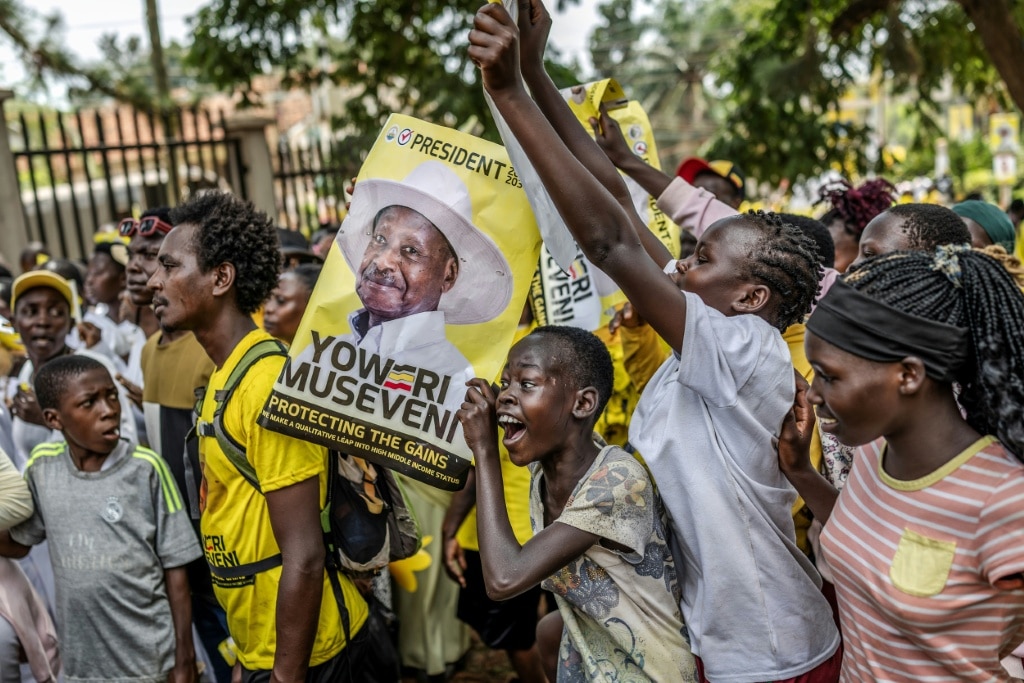
    Uganda stands at a critical democratic crossroads as over 21 million registered voters participate in a presidential election pitting long-serving leader Yoweri Museveni against the formidable challenge of pop star-turned-politician Bobi Wine.

    The electoral contest represents a classic power struggle between continuity and change. President Museveni, who seized power through guerrilla warfare four decades ago, positions himself as the indispensable guardian of stability and progress. His opponent, 43-year-old Robert Kyagulanyi (known professionally as Bobi Wine), campaigns on an ambitious platform of anti-corruption measures and comprehensive governmental reforms.

    This election occurs against a backdrop of significant constitutional modifications that removed presidential age and term limits, enabling Museveni’s continued candidacy. The incumbent previously secured victory in the 2021 polls with 59% of votes against Wine’s 35%—results the opposition leader dismissed as fraudulent.

    Pre-election conditions have drawn international concern. A government-imposed internet blackout, justified by authorities as necessary to prevent misinformation and electoral violence, has been condemned by the United Nations human rights office as “deeply worrying.” Opposition groups allege the digital shutdown aims to prevent documentation and sharing of electoral misconduct.

    Security forces face accusations of systematically suppressing opposition activities through violent disruption of rallies, arbitrary detentions, and physical assaults on supporters. Amnesty International characterizes these tactics as “a brutal campaign of repression” involving tear gas, pepper spray, and beatings.

    Electoral Commission Chair Simon Byabakama reported receiving direct threats warning against declaring certain results, though he maintains the commission will uphold electoral integrity. “I am not in the business of donating votes,” Byabakama stated, emphasizing that voters alone will determine the outcome.

    The electoral process recalls the violent 2012 elections where dozens perished during protests, with security forces implicated in numerous casualties according to BBC investigations.

    Beyond the presidential race, voters will determine the composition of parliament with 353 legislative seats contested. Economic concerns dominate voter priorities, particularly among Uganda’s youth-majority population where unemployment persists despite gradual income growth. Additional voter concerns include infrastructure deficiencies and unequal access to quality education and healthcare.

    Security presence has intensified throughout the capital Kampala, with armored vehicles deployed and enhanced police patrols. Many residents have relocated to rural areas anticipating election-related violence, with one anonymous voter explaining his decision to re-register in his home village due to the “heavy and intimidating security presence in the city.

    Polls are scheduled to close at 16:00 local time (13:00 GMT) on Thursday, with results anticipated by Saturday. The election’s outcome will significantly influence Uganda’s democratic trajectory and its relationship with the international community.

  • US to suspend visa processing for 75 nations from January 21: Fox News

    US to suspend visa processing for 75 nations from January 21: Fox News

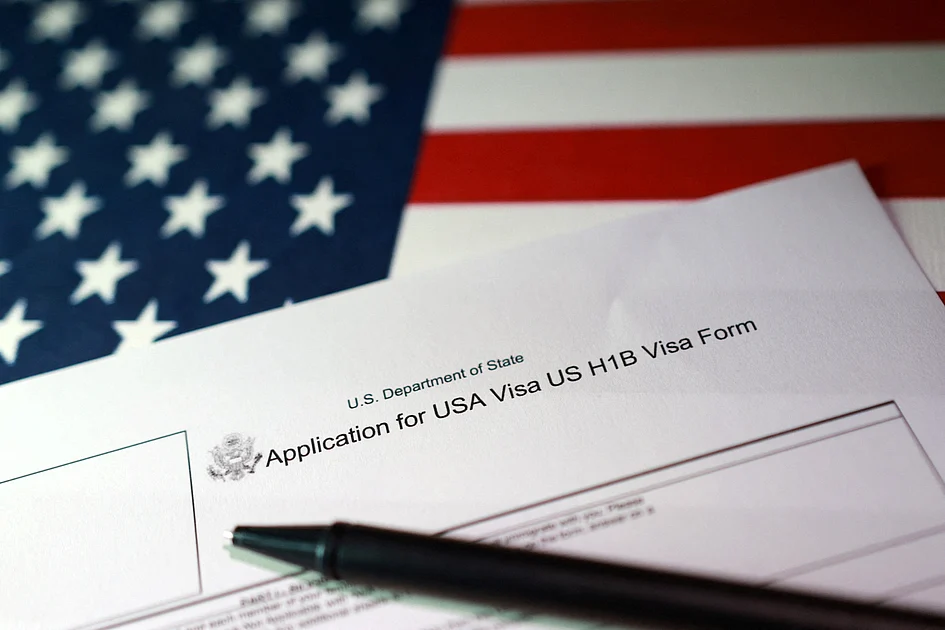
    The Trump administration has initiated a dramatic overhaul of U.S. immigration policy by suspending visa processing for citizens from 75 countries effective January 21, 2026, according to an exclusive report by Fox News. The network obtained an official memorandum from the State Department directing embassies worldwide to halt visa issuance under existing legal provisions while the department undergoes comprehensive procedural reassessment.

    The affected nations span multiple continents, including Somalia, Russia, Iran, Afghanistan, Brazil, Nigeria, and Thailand. The State Department has not provided a specific timeline for the duration of this suspension, leaving thousands of prospective travelers in uncertainty. Department representatives have not immediately responded to requests for clarification regarding the policy implementation.

    This unprecedented move represents the latest escalation in President Trump’s aggressive immigration crackdown, which has characterized his administration since assuming office in January 2025. The policy shift follows Trump’s November pledge to implement a ‘permanent pause’ on migration from all Third World countries, a commitment made in response to a shooting incident near the White House involving an Afghan national that resulted in the death of a National Guard member.

    The suspension affects both new visa applications and pending processing, creating immediate complications for diplomatic relations, business travel, academic exchanges, and family reunifications. The administration’s decision reflects a fundamental restructuring of U.S. immigration screening procedures, though specific criteria for country selection and evaluation metrics remain undisclosed.