分类: politics

  • Leaders meet, but enduring rifts remain in Japan-S. Korea ties

    Leaders meet, but enduring rifts remain in Japan-S. Korea ties

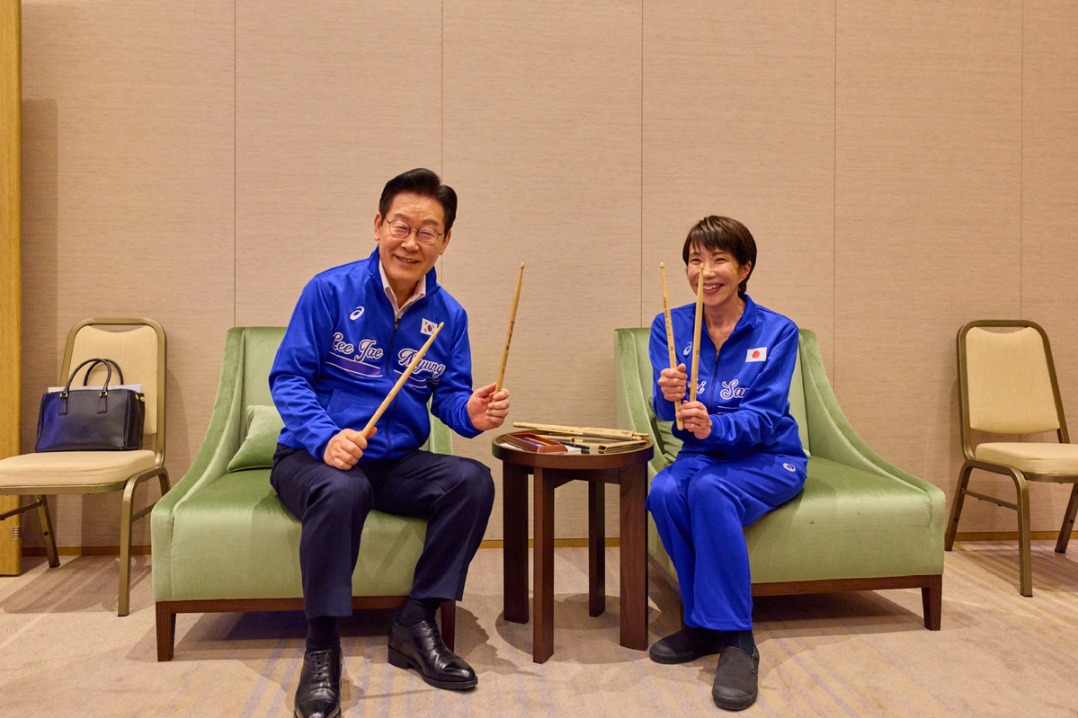
    In a carefully choreographed diplomatic encounter, South Korean President Lee Jae-myung concluded a two-day visit to Japan this week, engaging in bilateral discussions with Japanese Prime Minister Sanae Takaichi. The meeting, held in Nara, western Japan, produced striking imagery as the leaders posed with autographed drumsticks following a joint drum-playing demonstration—a symbolic gesture of cooperation that contrasted sharply with the substantive disagreements that characterized their private talks.

    The 90-minute discussion encompassed economic collaboration, artificial intelligence development, regional security architectures, and select historical matters. Notably absent from the formal agenda were the most contentious bilateral issues: compensation for wartime forced labor, the ‘comfort women’ controversy, and the sovereignty dispute over the Dokdo/Takeshima islets.

    Divergent strategic perspectives emerged prominently during the post-meeting press conference. Prime Minister Takaichi emphasized strengthening trilateral cooperation with the United States as crucial for regional stability, framing Japan-South Korea relations as possessing ‘strategic importance.’ President Lee notably avoided this terminology, instead advocating for broader multilateral cooperation across Northeast Asia beyond the US-centered framework.

    Analysts suggest domestic political considerations significantly influenced the summit’s staging. With Takaichi preparing to dissolve Japan’s lower house for snap elections later this month, the meeting provided an opportunity to showcase diplomatic achievements amid criticism of her administration’s foreign policy challenges. Meanwhile, President Lee faces persistent domestic pressure regarding historical issues, evidenced by pre-summit protests in Seoul demanding Japanese accountability for wartime actions.

    The territorial dispute remains particularly intractable. Takaichi’s December parliamentary declaration reaffirming Japan’s claim to the disputed islets triggered strong condemnation in South Korea, with major media outlets labeling the statements provocative and detrimental to bilateral relations. The upcoming February observance of ‘Takeshima Day’ in Japan represents another potential flashpoint, especially given Takaichi’s refusal to rule out elevated official participation.

    The leaders announced a rare collaborative initiative to recover and identify remains from the 1942 Chosei coal mine flooding, which claimed 183 lives including 136 forcibly mobilized Koreans. Experts note this project represents perhaps the only historically charged issue currently manageable for bilateral cooperation, primarily because Japanese victims were also involved and domestic advocacy for resolution exists within Japan.

    Despite the ceremonial displays of goodwill, analysts from both countries conclude that the summit relied on temporarily shelving disputes rather than resolving them. Given the current Japanese administration’s stance on historical issues and its confrontational security outlook, bilateral relations are likely to remain instrumental rather than strategic in the foreseeable future, characterized by pragmatic cooperation on specific issues while fundamental divisions persist.
  • US forces seize a sixth Venezuela-linked oil tanker in Caribbean Sea

    US forces seize a sixth Venezuela-linked oil tanker in Caribbean Sea

    United States Southern Command forces have conducted a sixth maritime interception operation in the Caribbean Sea as part of Washington’s escalating campaign to control Venezuelan oil exports. The vessel Veronica was boarded during a pre-dawn operation that military officials described as executed “without incident.”

    The seizure occurred as the tanker was attempting to circumvent President Donald Trump’s sanctioned vessel quarantine program. “The only oil leaving Venezuela will be oil that is coordinated properly and lawfully,” stated the Southern Command in an official release.

    This latest maritime enforcement action follows recent U.S. military strikes against Venezuela and the detention of President Nicolás Maduro earlier this month. The Trump administration has openly declared intentions to access the nation’s substantial petroleum reserves, estimated among the largest globally.

    In a significant development, a U.S. official confirmed Wednesday the completion of the first sale of Venezuelan oil under American control, valued at approximately $500 million (£373 million). The transaction signals the operationalization of Washington’s strategy to monetize seized Venezuelan resources.

    Thursday’s interception indicates the administration’s continued crackdown on the so-called “dark fleet” – an network of over 1,000 vessels specializing in transporting sanctioned petroleum products. The United States is currently collaborating with Venezuela’s interim government to establish control over the country’s oil sales infrastructure and revenue streams.

  • Moscow agrees with Trump that Ukraine is holding up a peace deal, the Kremlin says

    Moscow agrees with Trump that Ukraine is holding up a peace deal, the Kremlin says

    The Kremlin has publicly aligned itself with former U.S. President Donald Trump’s characterization of Ukrainian leadership as the primary obstacle to peace negotiations in the ongoing Russo-Ukrainian conflict. Kremlin spokesperson Dmitry Peskov stated Thursday that Moscow concurs with Trump’s assessment that President Volodymyr Zelenskyy is impeding U.S.-led peace efforts, marking a significant convergence of views between Russian officials and the former American president.

    This alignment emerges against a backdrop of starkly contrasting European perspectives. European leaders, including Polish Prime Minister Donald Tusk, have consistently attributed negotiation delays to Russian President Vladimir Putin’s strategic stalling tactics. Tusk explicitly countered Trump’s remarks, asserting on social media platform X that Russia had rejected the American-prepared peace plan and responded instead with intensified missile attacks on Ukrainian urban centers.

    Putin himself articulated Russia’s position during a diplomatic credentials ceremony, emphasizing Moscow’s demand for comprehensive security guarantees as an essential component of any prospective peace agreement. The Russian leader underscored that security must be “universal, equal and indivisible,” warning that without such assurances, Russia would persist in pursuing its military objectives.

    The diplomatic landscape appears increasingly complex as conflicting reports emerge regarding U.S. policy directions. While Trump’s comments suggested Ukrainian intransigence, simultaneous developments indicated potential hardening of American stance toward Russia. Senator Lindsey Graham referenced upcoming stringent sanctions designed to economically pressure Moscow, and U.S. officials accused Russia of dangerously escalating hostilities despite ongoing peace negotiations.

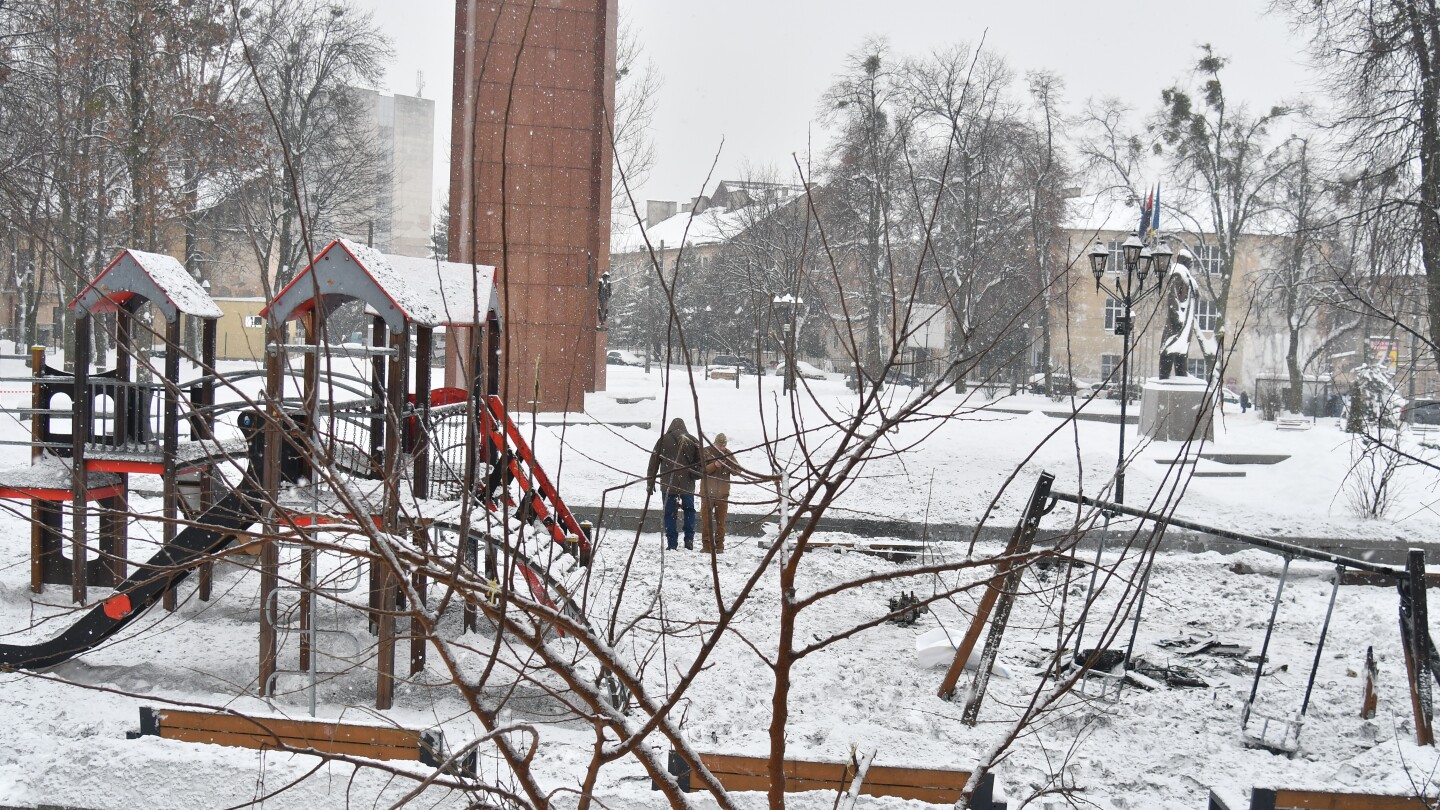
    Independent analysis from the Institute for the Study of War supports the European perspective, concluding that the Kremlin has deliberately protracted peace discussions to achieve original war aims through military means. This assessment gained grim validation as Russian drones struck civilian areas in western Ukraine, including a playground in Lviv, causing significant property damage though fortunately no casualties.

    With no agreed timeline for further diplomatic engagements between U.S. envoy Steve Witkoff and Russian officials, the conflict continues amid fundamentally divergent interpretations of negotiation impediments and security requirements.

  • Watch: Danes and Americans react to US threats against Greenland

    Watch: Danes and Americans react to US threats against Greenland

    A wave of disbelief and concern has swept through both Denmark and American communities with Danish heritage following former President Donald Trump’s persistent campaign to bring Greenland under U.S. jurisdiction. The renewed interest in acquiring the autonomous Danish territory has sparked diplomatic unease and public bewilderment on both sides of the Atlantic.

    In Copenhagen, citizens expressed astonishment at the revival of what many consider a colonial-era approach to international relations. The concept of purchasing a sovereign territory with its own established government and culture has been met with particular incredulity among Danish policymakers and the general public alike.

    Meanwhile, in Solvang, California—often referred to as ‘The Danish Capital of America’—residents of Danish descent have reacted with mixed emotions of pride in their heritage and concern about the potential geopolitical implications. Many find themselves caught between their American identity and their cultural connections to Denmark, creating a unique perspective on the unusual territorial proposition.

    The situation has highlighted the complex nature of modern international relations, where historical precedents meet contemporary diplomatic norms. Greenland itself, while enjoying self-governance in most matters, remains part of the Kingdom of Denmark, which handles its foreign and security policy. The island’s strategic location and natural resources have increasingly attracted global attention in recent years, particularly as climate change opens new Arctic shipping routes and access to untapped mineral deposits.

    Political analysts suggest that the renewed discussion about acquiring Greenland represents a significant departure from conventional diplomatic approaches between allied nations, potentially creating lasting implications for U.S.-Denmark relations and America’s standing among European partners.

  • US seizes in Caribbean Sea another sanctioned oil tanker it says has ties to Venezuela

    US seizes in Caribbean Sea another sanctioned oil tanker it says has ties to Venezuela

    United States military forces have intercepted another Venezuelan-flagged oil tanker in the Caribbean Sea, marking the sixth such seizure in the Trump administration’s ongoing campaign to control Venezuela’s petroleum resources. The Motor Tanker Veronica was captured in a coordinated operation involving multiple branches of the U.S. military and law enforcement agencies.

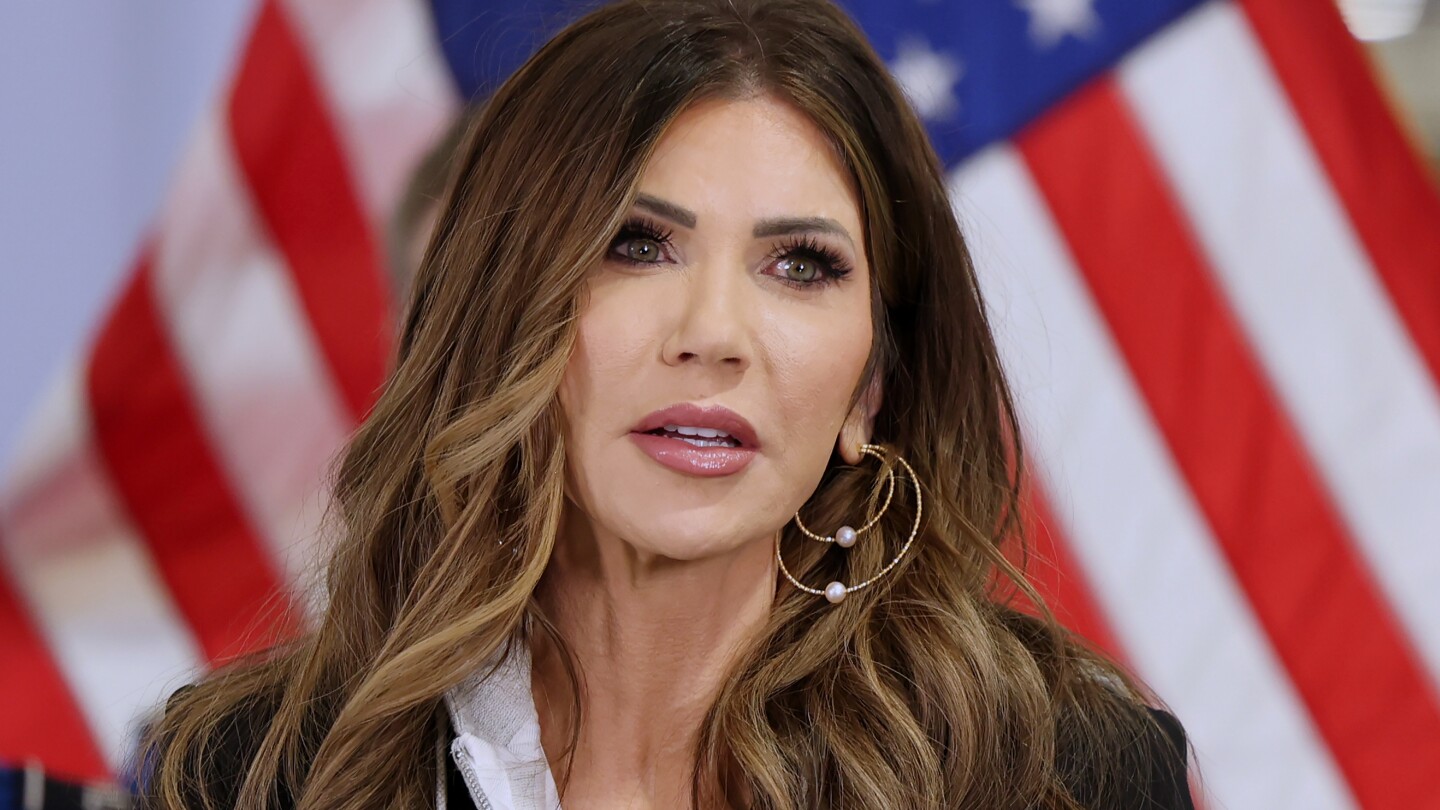
    Homeland Security Secretary Kristi Noem announced the seizure through social media channels, stating the vessel had previously navigated through Venezuelan waters while defying President Trump’s established quarantine protocol for sanctioned ships in the Caribbean region. The operation featured Marines and sailors deployed from the USS Gerald R. Ford aircraft carrier, with a specialized U.S. Coast Guard tactical team executing the actual boarding and seizure procedures.

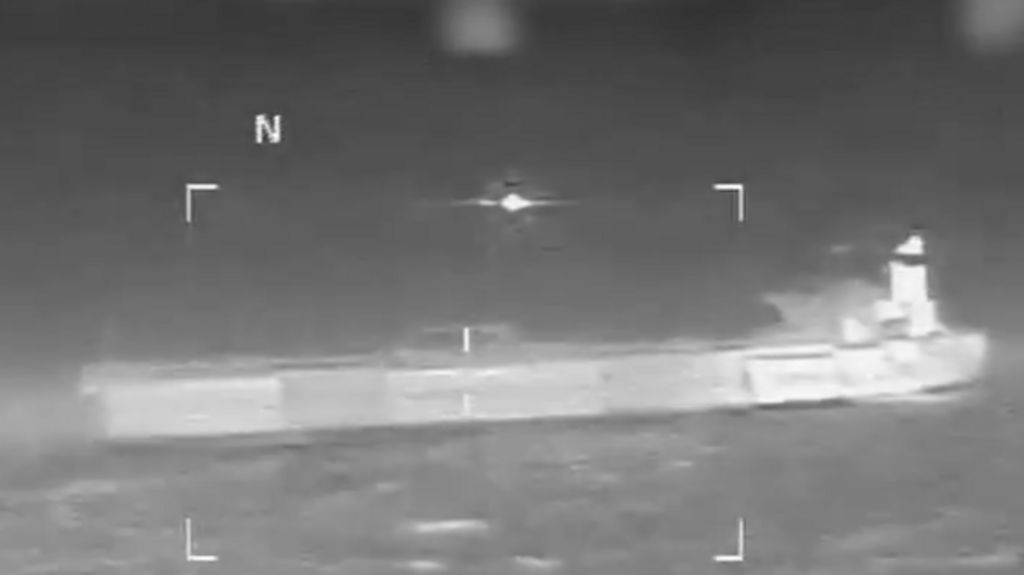
    Documentation of the mission released by officials includes black-and-white aerial footage showing military helicopters hovering above the merchant vessel’s deck as armed personnel descended via ropes to secure the tanker. This represents the fourth interception since the surprising nighttime raid that ousted Venezuelan President Nicolás Maduro approximately two weeks ago.

    Noem emphasized the interagency coordination behind the operation, noting collaboration with the State and Justice Departments alongside military counterparts. She praised Coast Guard personnel for executing what she characterized as a flawless operation conducted in compliance with international legal standards.

    While administration officials publicly frame these seizures as law enforcement actions, other Republican officials acknowledge the financial motivations behind the campaign. The Trump administration aims to generate significant revenue through the sale of 30-50 million barrels of sanctioned Venezuelan oil, with broader plans to invest $100 billion in rebuilding Venezuela’s damaged oil infrastructure and revitalizing its economy.

  • France’s Macron laughs off ‘harmless’ eye condition as he addresses troops

    France’s Macron laughs off ‘harmless’ eye condition as he addresses troops

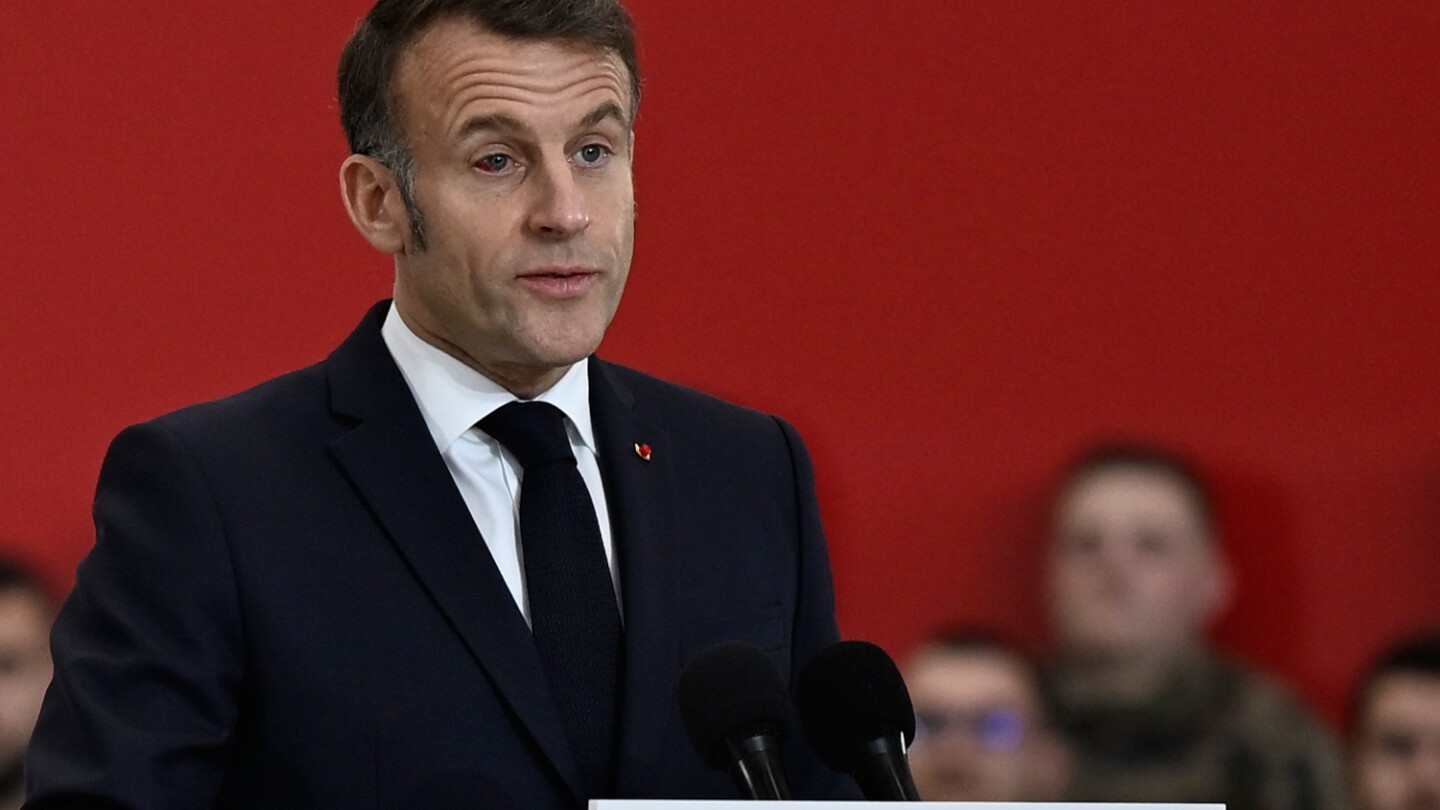
    During his annual New Year address to French armed forces on Thursday, President Emmanuel Macron opened with lighthearted remarks about a visible eye condition before delving into substantial military policy discussions. Appearing at the Istres military base in southern France with a noticeably swollen and reddened eye, the president assured attendees the condition was “completely harmless” and humorously referenced the ‘Eye of the Tiger’ from the iconic Rocky III theme song as a metaphor for determination.

    The president had earlier worn sunglasses during an outdoor inspection of troops, but removed them for his formal address where he outlined France’s strategic military priorities for 2026. Macron emphasized the nation’s accelerated rearmament program and reaffirmed France’s ongoing commitment to supporting Ukraine amidst continued regional conflicts.

    Additionally, the president announced a significant decision to deploy French troops to Greenland in a demonstration of solidarity with Denmark, marking a notable development in European defense cooperation. The speech balanced serious policy announcements with the president’s characteristic wit, creating a moment of levity while maintaining the gravity of the military address. The combination of personal humor and substantive policy direction characterized Macron’s approach to engaging with France’s armed forces leadership.

  • Bodies of Cubans killed during US raid on Venezuela returned

    Bodies of Cubans killed during US raid on Venezuela returned

    Havana witnessed solemn processions as Cuba received the remains of 32 military and security personnel killed during recent U.S. military operations in Venezuela. The soldiers, who served as protection officers for Venezuelan leader Nicolás Maduro, perished during the January 3rd raid in Caracas that resulted in Maduro’s extraction to New York to face drug trafficking charges.

    The Venezuelan government reports over 100 casualties during the operation, marking the deadliest incident for Cuban combatants since the 1961 Bay of Pigs invasion. The fallen soldiers’ remains arrived in Havana for formal military ceremonies, where they will be honored at the Ministry of the Armed Forces before public viewings and subsequent burials across the island.

    In response to the incident, protests are scheduled outside the U.S. embassy in Havana on Friday. The confrontation has intensified geopolitical tensions, with President Donald Trump maintaining pressure on Cuba by announcing that Venezuela’s interim government under Delcy Rodríguez would cease oil exports to the island nation.

    This energy cutoff represents a severe blow to Cuba’s already strained economy, which has been grappling with acute shortages and depends heavily on Venezuelan petroleum. The Cuban government has vowed to resist Washington’s pressure and economic embargo, though citizens express growing concerns about worsening electricity shortages and food scarcity amid escalating hostilities with the United States.

    The U.S. military intervention included air strikes supporting elite units that targeted Maduro’s compound, significantly altering the regional power dynamics and testing the decades-old alliance between Cuba and Venezuela.

  • Possible US strike appears on hold as Iran says no executions planned

    Possible US strike appears on hold as Iran says no executions planned

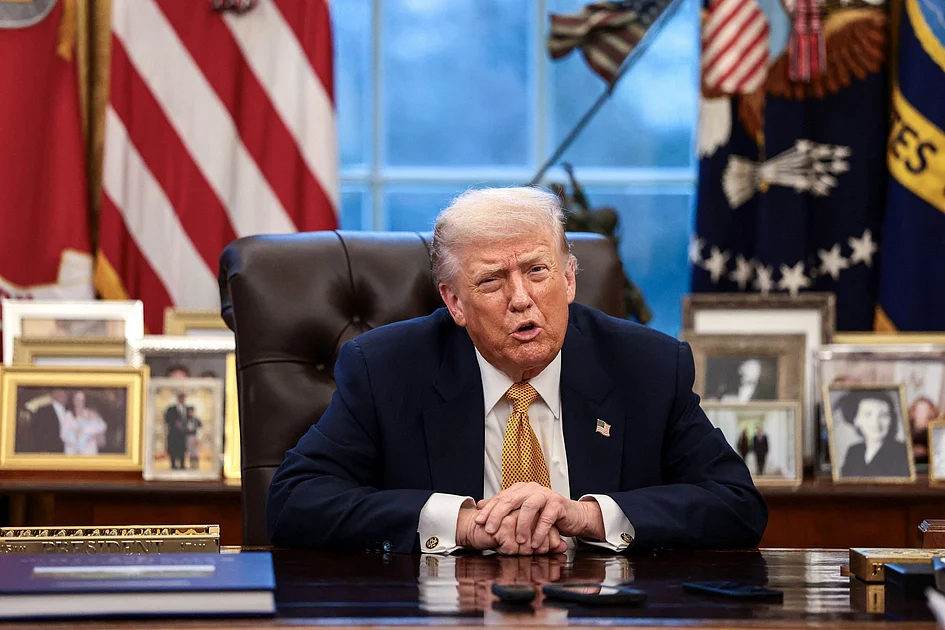
    A looming U.S. military confrontation with Iran has been temporarily averted following Tehran’s assurance that it would not carry out executions of anti-government demonstrators. President Donald Trump announced from the Oval Office that “very important sources” had provided guarantees that planned executions would not proceed, prompting a cautious American stance of “watch and see.”

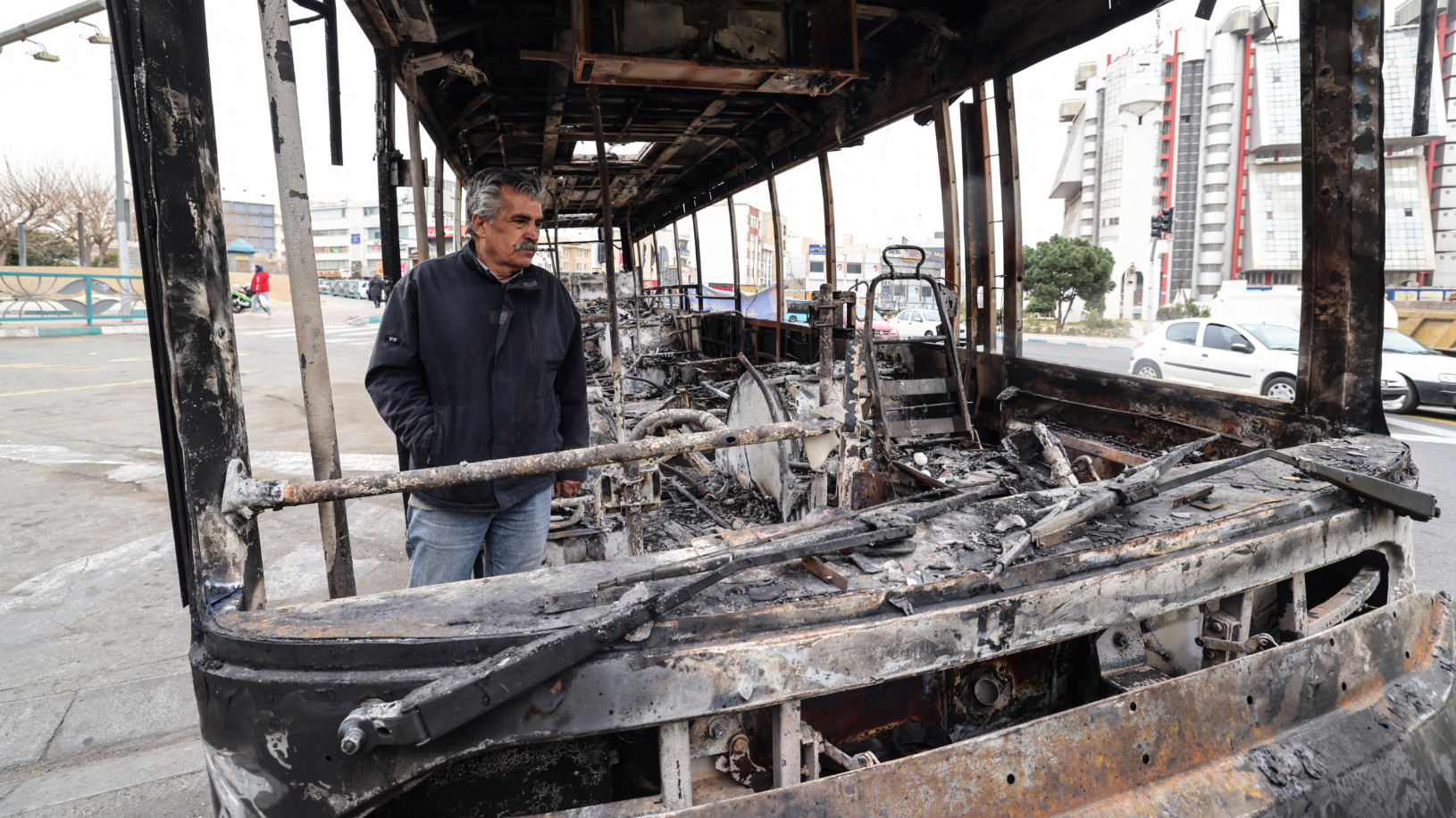
    The development follows days of escalating tensions that saw Iran close its airspace for five hours and Israeli municipalities open bomb shelters. Iranian Foreign Minister Abbas Araghchi denied execution plans, with state media subsequently reporting that Erfan Soltani, a 26-year-old arrested during Karaj protests, would not face capital punishment.

    Human rights organizations report staggering casualties from the unrest that began December 28th over economic grievances. Norway-based Iran Human Rights documented at least 734 protester deaths, while other estimates exceed 3,400 fatalities. More than 10,000 individuals have been arrested during the suppression of demonstrations that intensified after Supreme Leader Ali Khamenei declared rioters “must be put in their place.”

    Iranian officials accused Israel of orchestrating violence to provoke American intervention, with Revolutionary Guard commander Mohammad Pakpour stating Iran maintains “height of readiness” to respond to enemy miscalculations. The regime has warned it would strike Israeli and U.S. military bases if attacked.

    The international community has responded with heightened caution. Germany’s Lufthansa suspended flights through Iranian airspace, while Britain closed its Tehran embassy and India advised citizens to depart. The UN Security Council will convene to address the crisis after U.S. request, though Iran seeks condemnation of what it calls American destabilization efforts.

    China and Turkey have urged restraint and dialogue, countering Washington’s rhetoric as diplomatic channels remain active amid the fragile truce.

  • Trump questions Reza Pahlavi’s ability to garner support in Iran

    Trump questions Reza Pahlavi’s ability to garner support in Iran

    In a revealing Oval Office interview with Reuters, President Donald Trump offered cautious commentary on Iranian opposition figure Reza Pahlavi’s political prospects while addressing multiple international issues. The president characterized Pahlavi as “very nice” but expressed skepticism about his acceptance within Iran, stating, “I don’t know how he’d play within his own country” and emphasizing that the U.S. hadn’t reached the point of endorsing his leadership.

    Trump acknowledged the possibility of Iran’s clerical government collapsing amid ongoing protests but noted that “any regime can fail” and described the situation as “an interesting period of time.” Pahlavi, the 65-year-old son of Iran’s last shah who has lived in exile since before the 1979 revolution, has emerged as a prominent voice within the fragmented Iranian opposition movement.

    The president also turned his attention to Ukraine, identifying President Volodymyr Zelensky as the primary obstacle to resolving the four-year conflict with Russia. Trump asserted that Russian President Vladimir Putin is “ready to make a deal” and placed responsibility on Zelensky to move negotiations forward.

    Domestically, Trump dismissed concerns from Republican lawmakers about Justice Department investigations into Federal Reserve Chairman Jerome Powell, stating simply that GOP legislators “should be loyal.” He similarly rejected criticism from JPMorgan CEO Jamie Dimon regarding potential inflation spikes resulting from Fed interference.

    The president previewed his upcoming meeting with Venezuelan opposition leader Maria Corina Machado, noting they would “talk basics” during their first in-person meeting since Trump directed the arrest of Venezuelan President Nicolas Maduro. Trump praised acting Venezuelan President Delcy Rodriguez, describing their recent conversation as “fascinating” and noting she’s “been very good to deal with.”

    Despite lingering economic concerns among Americans, Trump emphasized his intention to promote U.S. economic strength at the upcoming World Economic Forum in Davos, where he plans to highlight strong job numbers and economic performance. White House press secretary Karoline Leavitt confirmed the president would hold bilateral meetings with Swiss, Polish, and Egyptian leaders during the international gathering.

  • Remains of 32 Cuban officers killed during strike on Venezuela repatriated as US threat lingers

    Remains of 32 Cuban officers killed during strike on Venezuela repatriated as US threat lingers

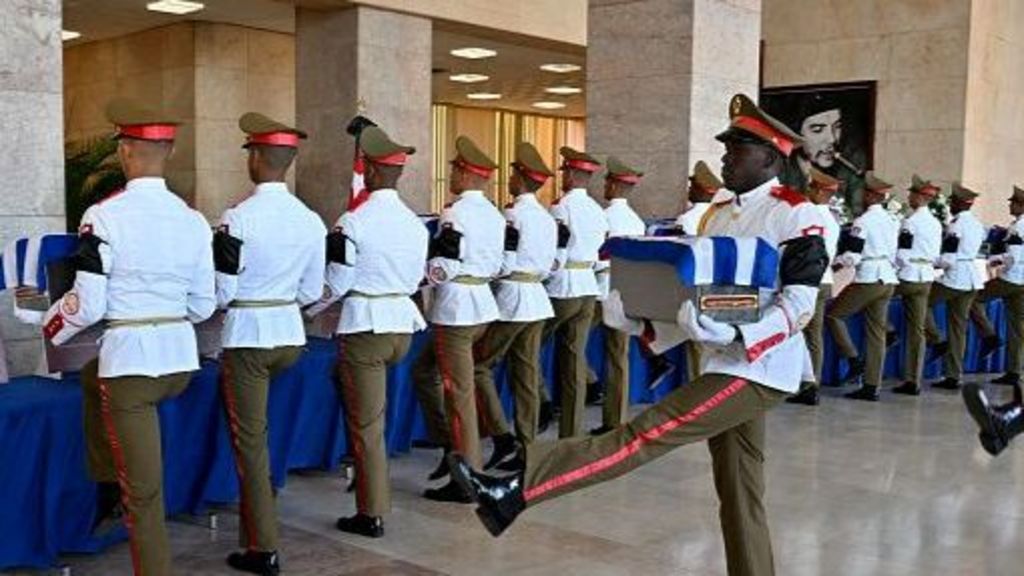
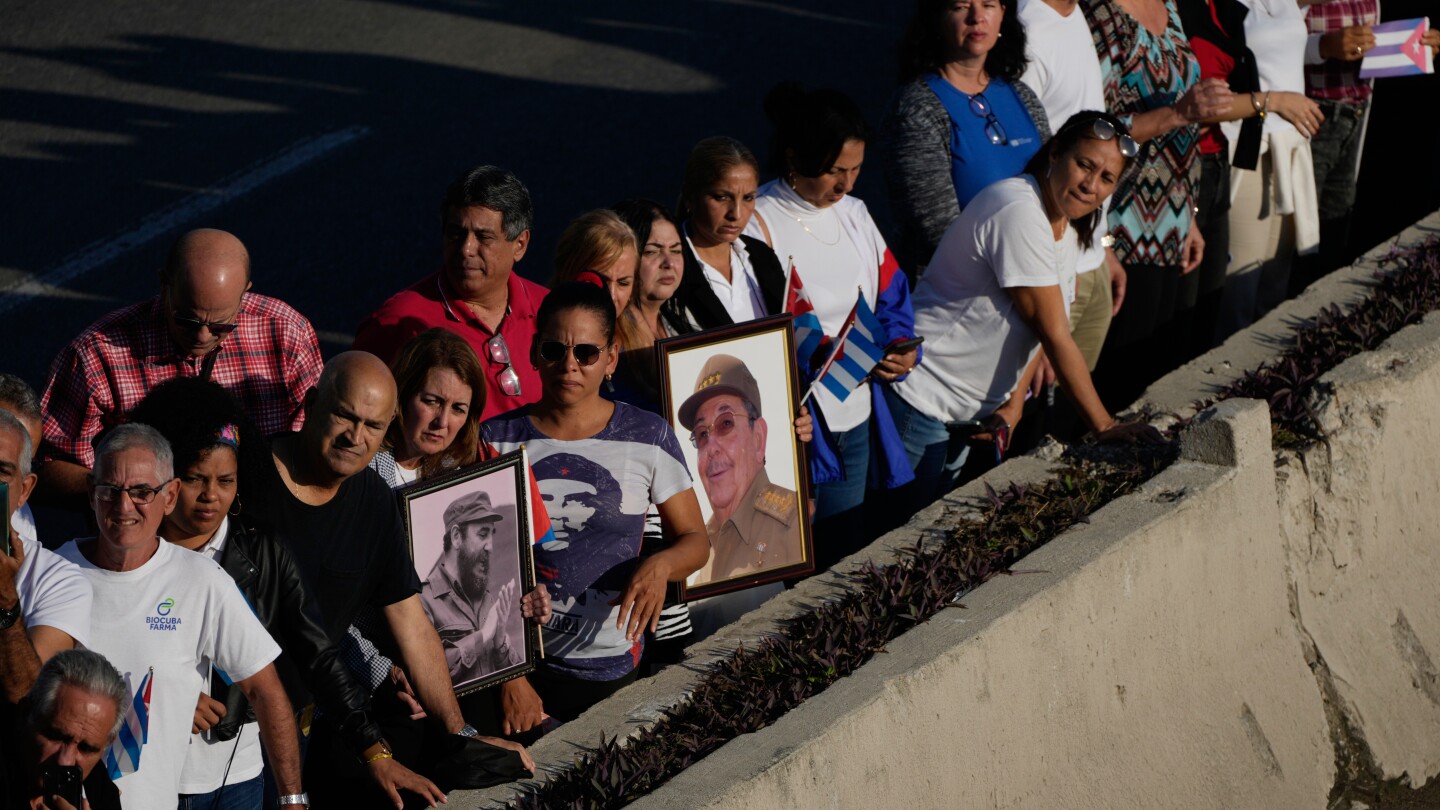
    HAVANA — In an emotionally charged ceremony marking Cuba’s first mass funeral in decades, the nation honored 32 military officers killed during a recent operation in Venezuela. The solemn event unfolded at Havana’s airport where uniformed soldiers carried urns containing the remains of the deceased personnel amid trumpet and drum tributes.

    Thousands of citizens lined the iconic streets of the capital as military vehicles transported the remains to the Ministry of the Armed Forces headquarters adjacent to Revolution Square. The ceremony featured President Miguel Díaz-Canel and former leader Raúl Castro, both appearing in military attire, standing in silent tribute alongside grieving family members.

    The fatalities occurred during what Cuban authorities describe as a security protection detail for Venezuelan President Nicolás Maduro during a January 3rd raid on his residence. The deceased personnel, ranging from colonels to captains aged 26-60, were reportedly fulfilling bilateral protection agreements between Cuba and Venezuela.

    This mourning ceremony occurs against escalating diplomatic tensions with the United States. The Trump administration recently issued warnings to Cuba regarding its relationship with Venezuela, threatening potential catastrophic consequences for the island nation’s already fragile energy infrastructure. In a contrasting move, the U.S. simultaneously announced $3 million in hurricane recovery aid, which Cuban officials denounced as politically motivated manipulation.

    Analysts note the rarity of such state-organized funerals, with comparable ceremonies occurring only three times in the past half-century: for victims of the 1976 Cubana de Aviación bombing, casualties from Angola’s conflict in 1989, and the 1997 memorial for revolutionary Ernesto ‘Che’ Guevara.

    The Cuban government has announced plans for a major demonstration at the Anti-Imperialist Tribune facing the U.S. Embassy, with officials anticipating substantial public participation reflecting widespread national sentiment.