分类: politics

  • Gulf states and Israel persuade US to hold off on Iran strikes

    Gulf states and Israel persuade US to hold off on Iran strikes

    A coalition of Middle Eastern nations has successfully intervened to prevent potential military strikes by the United States against Iran, according to multiple diplomatic sources. The diplomatic effort, involving Egypt, Oman, Saudi Arabia, and Qatar, raised urgent concerns about regional destabilization and global economic consequences.

    Anonymous Arab diplomats revealed that senior officials from these nations engaged in intensive negotiations with the US administration over a 48-hour period. Their warnings about the catastrophic implications of military action reportedly reached President Donald Trump at the critical moment when strikes were being considered.

    The Telegraph reported that appeals from both Gulf states and Israel ultimately persuaded Trump to abandon plans for military engagement on Wednesday night. This development occurred despite the administration’s public maintenance of military readiness rhetoric.

    White House press secretary Karoline Leavitt maintained the official position on Thursday, stating that “all options remain on the table” regarding US policy toward Iran. However, the diplomatic breakthrough appears to have created an unexpected shift in tensions.

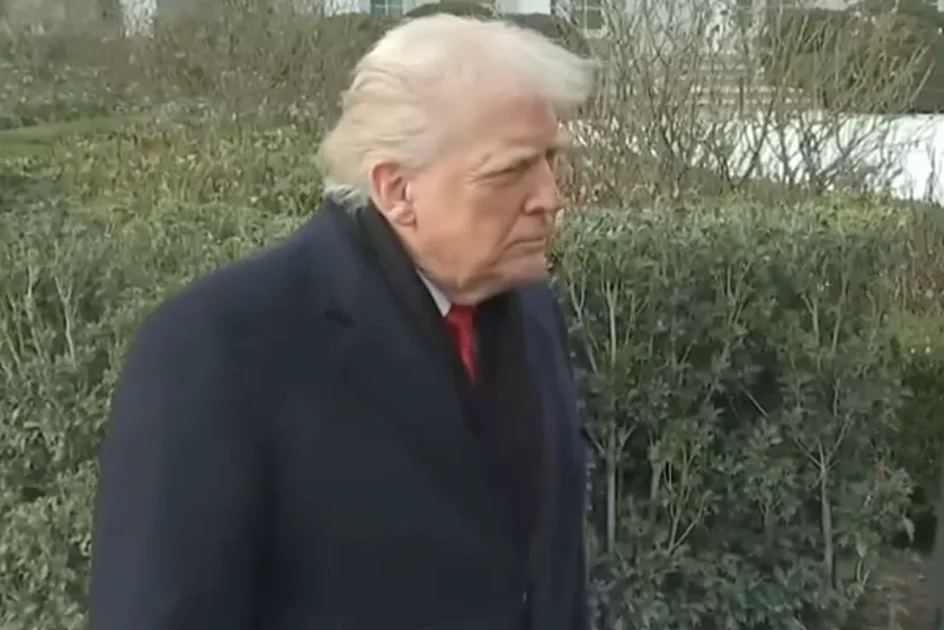
    In a surprising related development, President Trump expressed gratitude toward the Iranian government on Friday, acknowledging their decision to cancel planned executions. “Iran canceled the hanging of over 800 people,” Trump told reporters while departing the White House, adding that he “greatly respected” this decision.

    The successful diplomatic intervention represents a significant moment in Middle Eastern relations, demonstrating how regional powers can collaboratively work to prevent escalation between global superpowers and neighboring states.
  • Iran’s leader demands crackdown on ‘seditionists’ after protests

    Iran’s leader demands crackdown on ‘seditionists’ after protests

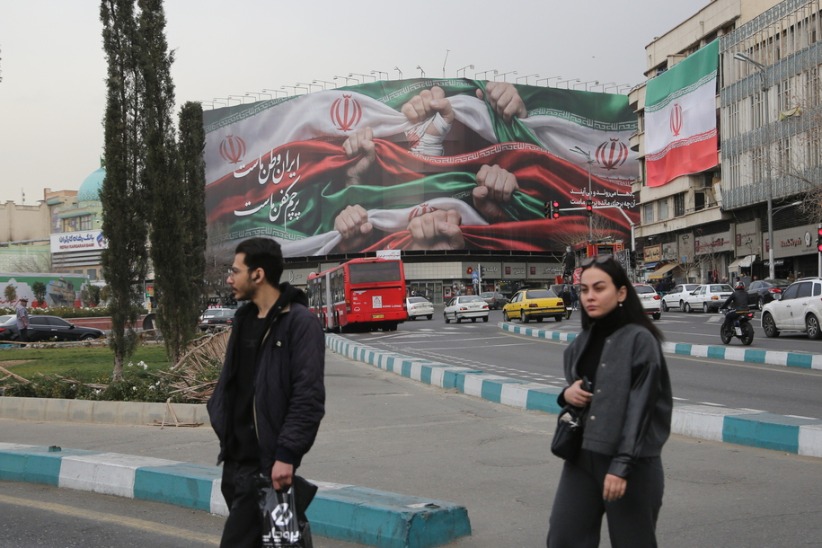
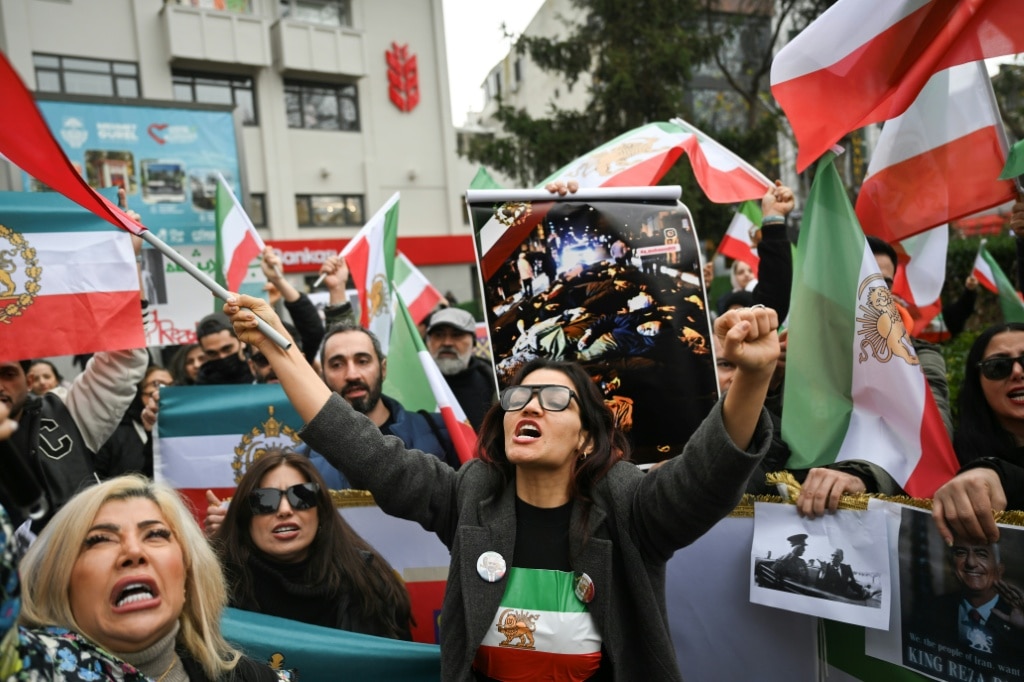
    In a significant escalation of rhetoric, Iran’s Supreme Leader Ayatollah Ali Khamenei has called for authorities to decisively confront what he termed ‘seditionists,’ directly blaming U.S. President Donald Trump for casualties during recent nationwide demonstrations. The address, broadcast on state television Saturday, came after weeks of the most substantial anti-government protests to challenge the Islamic Republic in over three years.

    The unrest, initially sparked by economic grievances, transformed into broad opposition against Iran’s clerical leadership before being suppressed through a severe crackdown that included a nationwide internet blackout lasting more than a week. While Iranian authorities claim to have restored calm and labeled the demonstrations as ‘riots,’ independent rights organizations report thousands of fatalities and arrests during the suppression campaign.

    Khamenei’s speech framed the protests as an ‘American conspiracy’ designed to reestablish Western ‘military, political and economic domination’ over Iran. He asserted that while Iran doesn’t seek conflict, it ‘will not spare domestic criminals’ and accused Trump of responsibility for the violence and accusations against Iran.

    The verification of casualties remains profoundly challenging due to ongoing internet restrictions, though multiple sources indicate a substantial death toll. Norway-based Iran Human Rights (IHR) has documented 3,428 verified fatalities while cautioning that the actual number could be significantly higher. Some estimates, including from opposition media outside Iran, suggest figures ranging from 5,000 to as many as 20,000 killed.

    Meanwhile, partial internet restoration has begun after approximately 200 hours of complete shutdown, though connectivity remains severely limited. The government prosecutor dismissed Trump’s recent claims about halted executions as ‘nonsense,’ maintaining that the state’s response had been ‘firm, dissuasive and swift.’

    Internationally, protests continue in diaspora communities across Europe, while Reza Pahlavi—son of the deposed Shah—has called for renewed demonstrations within Iran, though rights monitors report no verifiable protests in recent days amid heavy security deployments.

  • Opponents protest against China’s planned UK ‘mega embassy’ as decision deadline loons

    Opponents protest against China’s planned UK ‘mega embassy’ as decision deadline loons

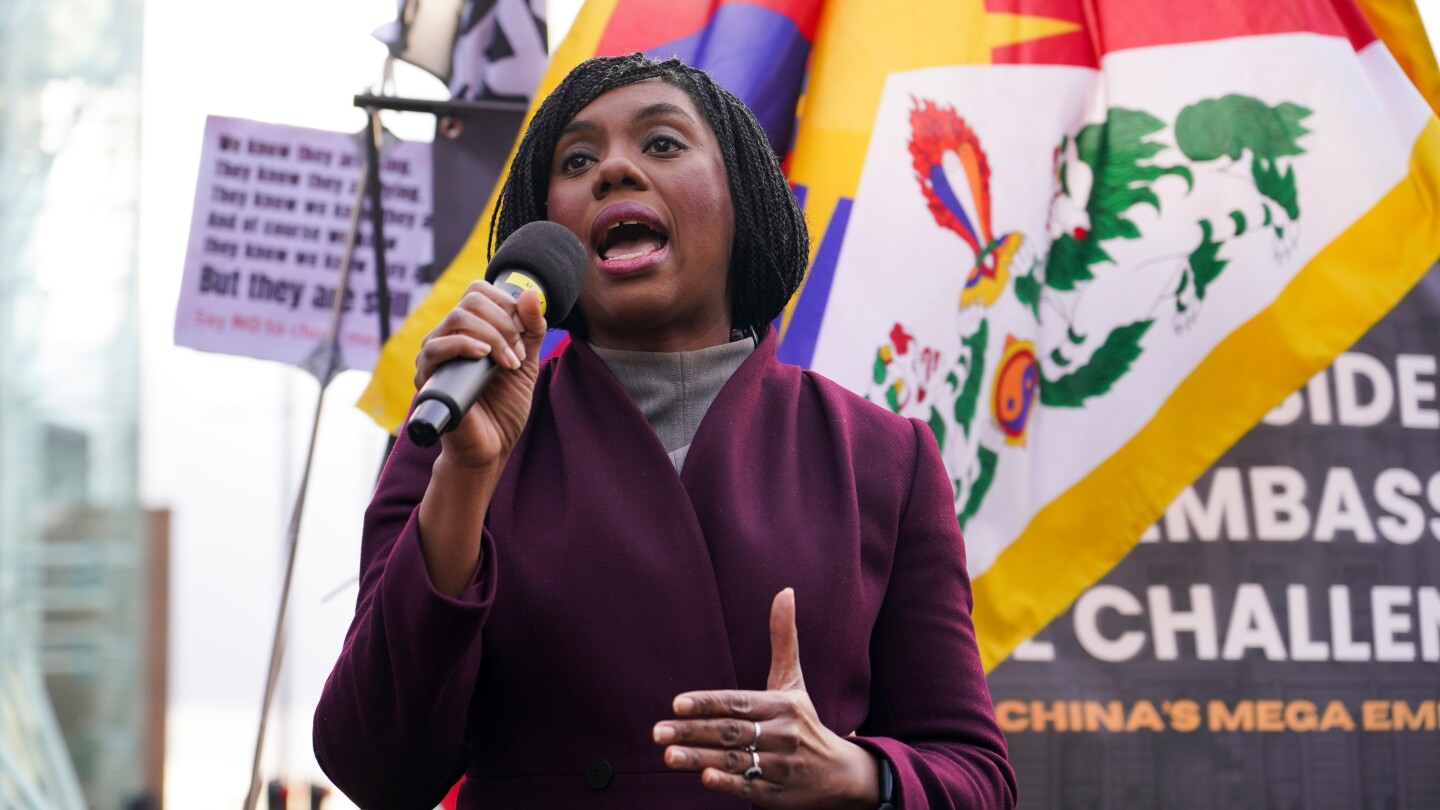
    LONDON — Britain’s political landscape has become the stage for a significant diplomatic confrontation as the deadline approaches for the government’s decision on China’s proposed mega-embassy in London. Opposition leader Kemi Badenoch of the Conservative Party joined hundreds of protesters Saturday at the planned construction site near Tower Bridge, delivering a forceful condemnation of Chinese government activities against British citizens and parliamentarians.

    The demonstration, featuring chants of ‘no China mega embassy,’ highlighted growing concerns about China’s alleged harassment of UK nationals and espionage activities. Badenoch accused the current Labour government of displaying excessive caution toward China, stating: ‘We know that we have to stand up to the abuses of China. What worries me is that we have a government right now that seems to be scared of China.’

    After seven years of delays and legal challenges, the UK government faces a Tuesday deadline to approve or block what would become China’s largest diplomatic compound in Europe. The proposed 20,000 square-meter complex on the former Royal Mint site would consolidate China’s seven current diplomatic premises into a single location near London’s financial district and critical data infrastructure.

    Security concerns have been at the forefront of the debate, with opponents warning the embassy could serve as a base for espionage operations and surveillance of Chinese dissidents in exile. Britain’s intelligence services have previously issued alerts about China’s ‘targeted and widespread’ efforts to recruit parliamentarians through professional networks and cover companies.

    Despite these concerns, security experts suggest the risks are manageable. Ciaran Martin, former head of Britain’s National Cyber Security Centre, noted that no government would override security services if they deemed the project too risky. ‘Unless we want to sever diplomatic relations with China,’ Martin wrote, ‘the location of their embassy becomes an issue of practicalities, security assessments and counterintelligence operations.’

    China has expressed frustration over the prolonged approval process, accusing the UK of ‘constantly complicating and politicizing the matter.’ The decision carries significant diplomatic implications, potentially paving the way for Prime Minister Keir Starmer’s anticipated visit to China and expansion of UK diplomatic facilities in Beijing. Starmer has emphasized the need to balance national security concerns with maintaining diplomatic dialogue and cooperation with China.

  • US judge restricts ICE response to Minneapolis protesters

    US judge restricts ICE response to Minneapolis protesters

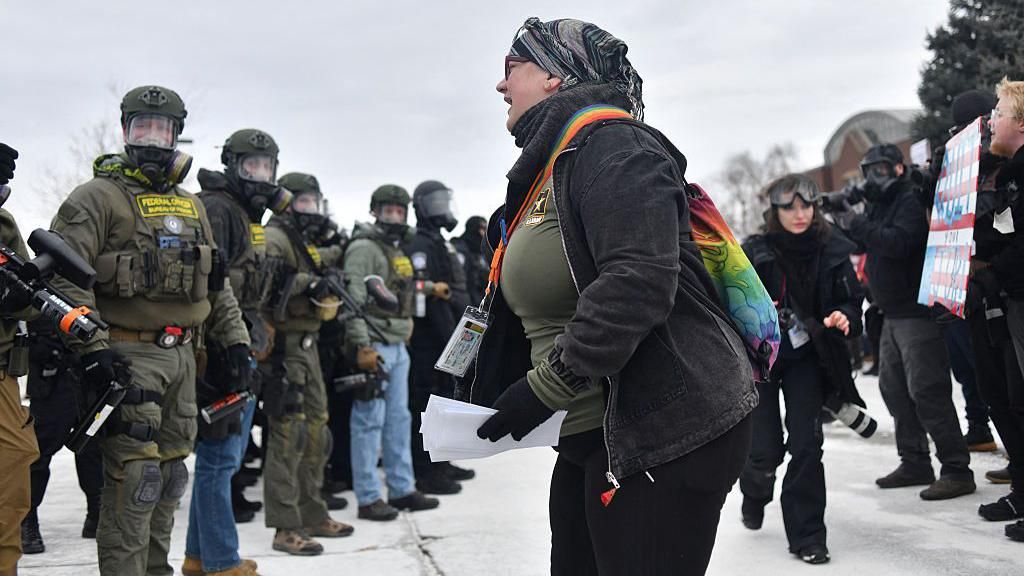
    A landmark judicial ruling has placed significant constraints on the enforcement methods available to U.S. Immigration and Customs Enforcement (ICE) agents when dealing with non-violent demonstrators. U.S. District Judge Katherine Menendez issued an extensive 83-page order late Friday, explicitly prohibiting federal agents from employing arrests, pepper spray, or comparable non-lethal crowd dispersal tools against individuals engaged in peaceful and unobstructive protest activities. This judicial directive also extends to limiting vehicle stops, stating that merely monitoring ICE operations from a safe distance does not constitute reasonable suspicion for detention.

    The court’s decision emerges from a December lawsuit filed by protest groups and arrives amidst heightened tensions in Minneapolis. These tensions were ignited by the fatal shooting of Renee Good by an ICE agent on January 7th, an event that has triggered sustained city-wide demonstrations. The ruling precedes a weekend expected to see further public outcry against widespread immigration actions, alongside a counter-protest organized by conservative figures.

    In response, the U.S. Department of Homeland Security (DHS) affirmed its commitment to taking ‘appropriate and constitutional measures’ to protect its officers and uphold the rule of law against what it termed ‘dangerous rioters.’ The White House publicly condemned Judge Menendez’s order, with spokesperson Abigail Jackson criticizing it as an embrace of a ‘dishonest, left-wing narrative’ and defending the lawful conduct of federal agents.

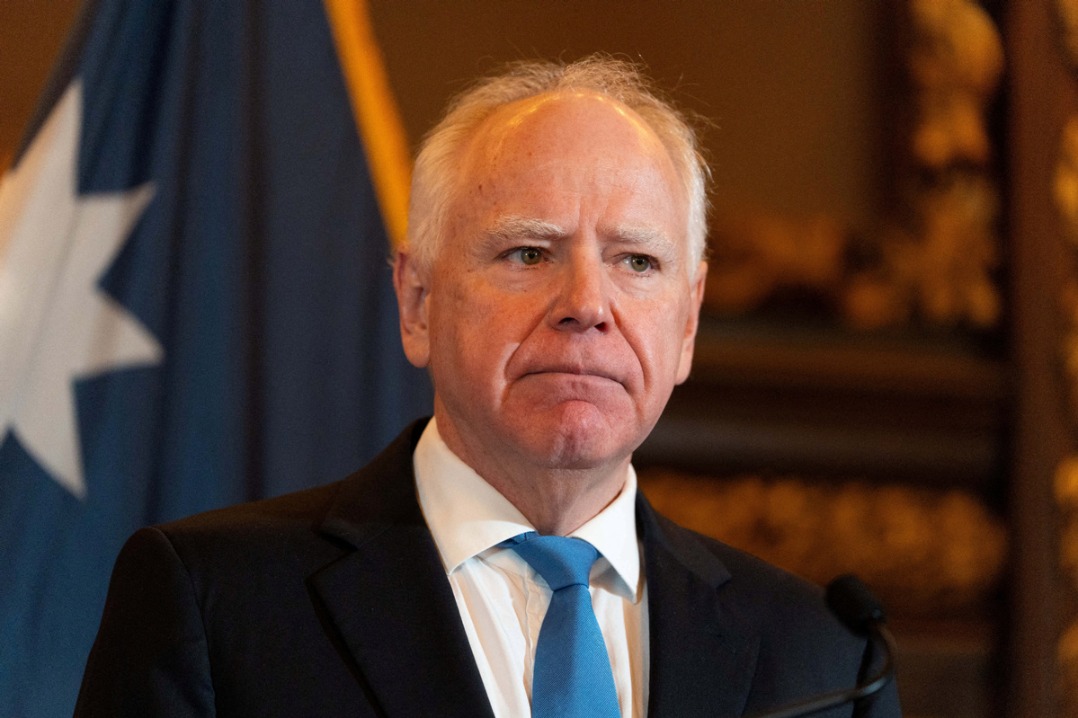
    Simultaneously, the Justice Department announced a separate investigation into Minnesota Governor Tim Walz and Minneapolis Mayor Jacob Frey, both Democrats, over alleged attempts to impede federal immigration operations. Both officials have been vocal critics of ICE’s tactics. U.S. Attorney General Pam Bondi stated the investigation serves as a reminder that ‘no one is above the law,’ a move Governor Walz decried as an ‘authoritarian tactic’ of weaponizing the justice system against political opponents. The Minnesota National Guard and additional law enforcement have been deployed in anticipation of the planned rallies.

  • AP obtains documents showing Venezuelan leader Delcy Rodriguez has been on DEA’s radar for years

    AP obtains documents showing Venezuelan leader Delcy Rodriguez has been on DEA’s radar for years

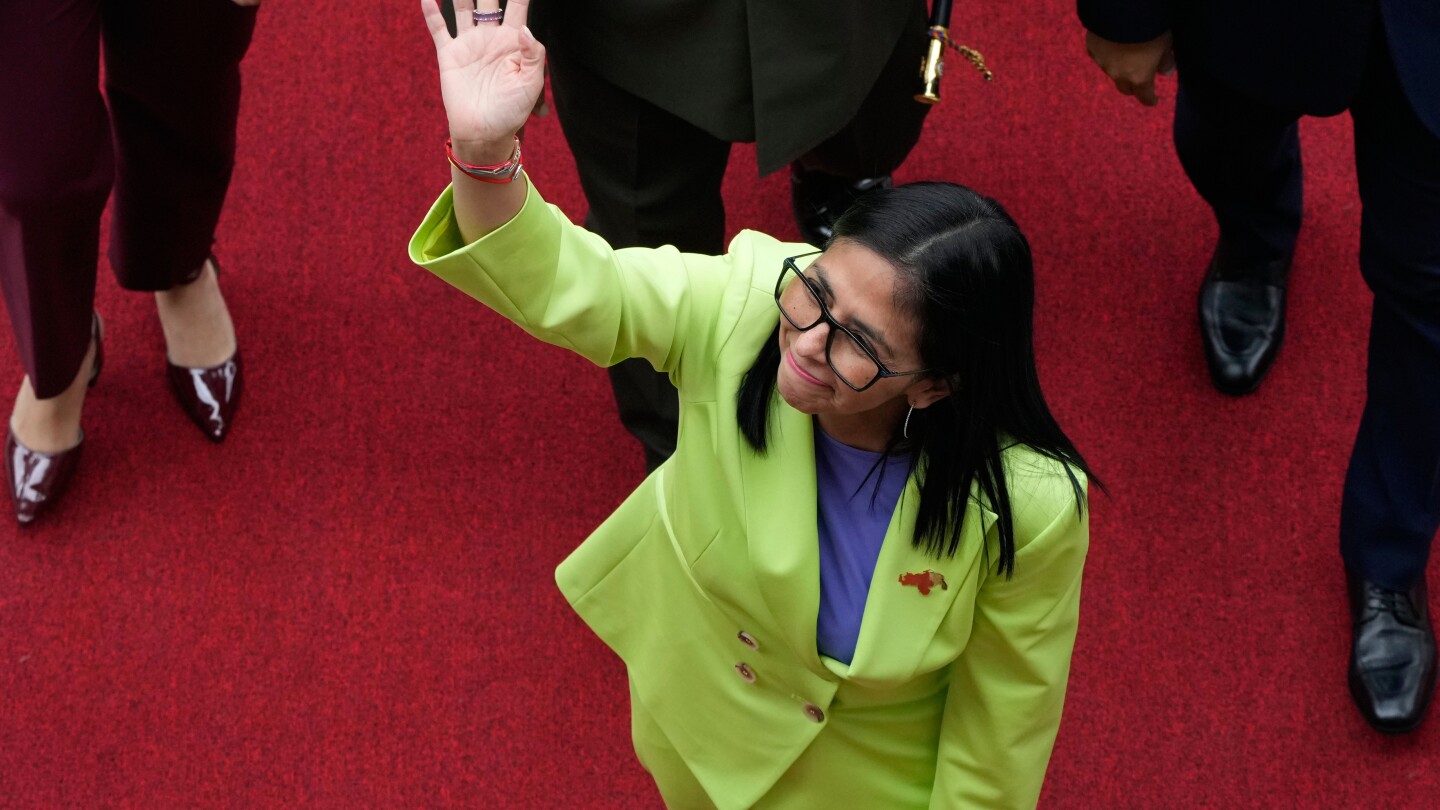
    A significant contradiction has surfaced in U.S.-Venezuela relations as President Donald Trump’s administration embraces acting Venezuelan President Delcy Rodríguez while internal Drug Enforcement Administration records reveal she was designated a ‘priority target’ for drug trafficking investigations. According to documents obtained by The Associated Press and confirmed by multiple law enforcement officials, Rodríguez attracted intense DEA scrutiny dating back to at least 2018, with the agency amassing substantial intelligence on her alleged involvement in narcotics and money laundering operations.

    The DEA’s classified files, reviewed by AP, contain numerous allegations against Rodríguez, including claims from confidential informants that she utilized Caribbean resort hotels as fronts for money laundering operations. The records further connect her to Alex Saab, Maduro’s alleged financial operative currently facing U.S. money laundering charges, and detail her associations with individuals involved in corrupt government contracting schemes worth hundreds of millions of dollars.

    Despite this extensive investigative background, the Trump administration has conspicuously avoided bringing formal charges against Rodríguez while simultaneously positioning her as America’s preferred partner for stabilizing Venezuela. President Trump has publicly praised Rodríguez as a ‘terrific person’ following Maduro’s capture, and high-level communications have occurred between Rodríguez and U.S. officials, including CIA Director John Ratcliffe.

    This paradoxical situation creates a complex geopolitical landscape where U.S. law enforcement continues ongoing investigations into Rodríguez’s activities even as diplomatic channels remain open. Current and former DEA officials note that while ‘priority target’ designation indicates significant investigative interest, it doesn’t automatically lead to criminal charges. Experts on Venezuelan affairs describe the Maduro regime as a ‘criminal-hybrid regime’ where achieving power requires at minimum abetting criminal activities, suggesting Rodríguez’s situation reflects systemic issues rather than individual corruption.

    The DEA’s investigations into Rodríguez span multiple field offices and involve numerous ongoing cases, though specific details remain classified. This development occurs against the backdrop of Venezuela being ranked as the world’s third most corrupt nation by Transparency International, with the U.S. apparently leveraging Rodríguez’s investigative status as diplomatic pressure while pursuing strategic interests in Venezuela’s vast oil reserves.

  • Watch: Trump says Arab, Israeli officials did not convince him against striking Iran

    Watch: Trump says Arab, Israeli officials did not convince him against striking Iran

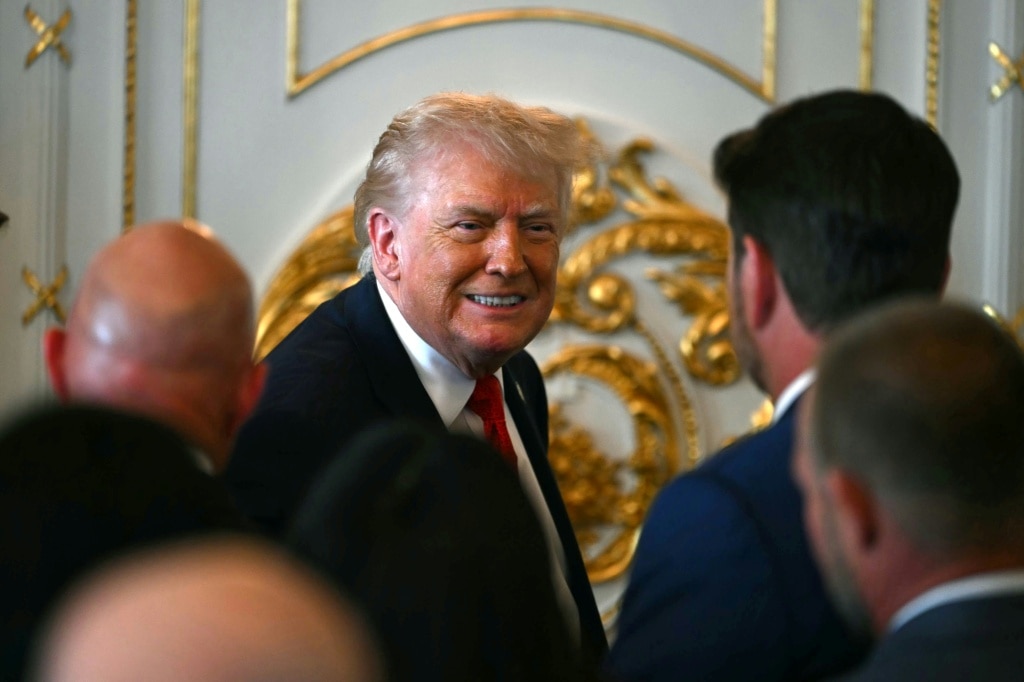
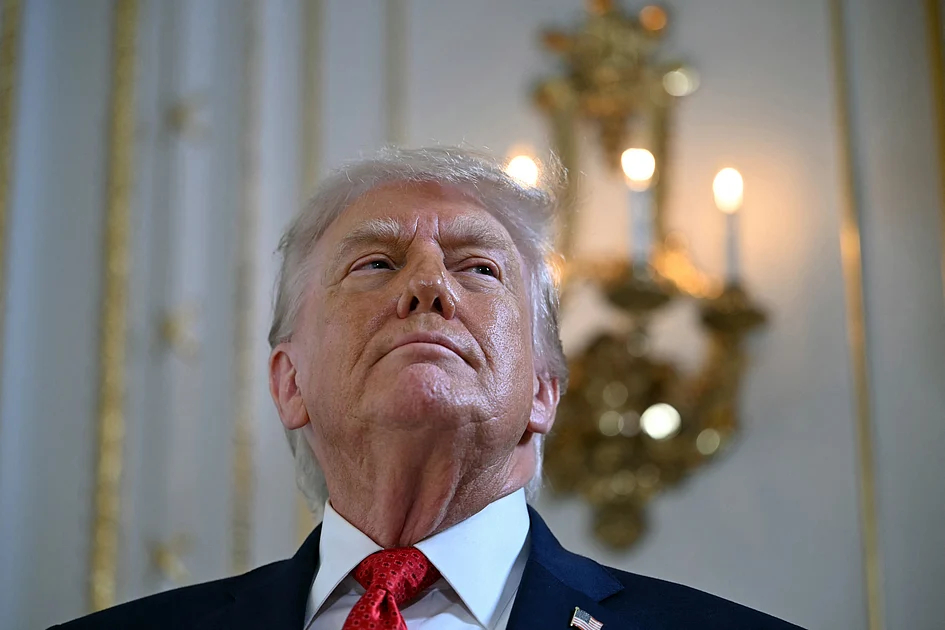
    In a revealing press briefing on the White House lawn Friday, President Donald Trump asserted that his decision to withhold military action against Iran was entirely self-determined, contradicting reports of intensive diplomatic lobbying by Middle Eastern allies. The president specifically denied that conversations with Arab or Israeli officials influenced his calculus, stating emphatically: “Nobody convinced me, I convinced myself.”

    Trump identified a singular development as having substantial impact on his decision-making process: Iran’s cancellation of planned executions of protestors. The president claimed Tehran had scheduled “800 hangings” that were subsequently called off, though he provided no evidence to substantiate this specific figure.

    The context for these statements stems from widespread anti-government demonstrations that have engulfed Iran since late December. What began as economic protests in Tehran’s bazaar has evolved into a broad movement challenging the country’s clerical establishment that has governed since the 1979 revolution. According to human rights organizations, security forces have killed thousands of participants in the unrest, with estimates ranging from 5,000 to 20,000 fatalities.

    This disclosure comes amid reports of frantic diplomatic efforts led by Saudi Arabia, Qatar, and Oman aimed at persuading the Trump administration to exercise restraint. Throughout the two-week crisis, the president had repeatedly threatened military intervention to support Iranian protestors, creating heightened tensions in the region.

    The developments have prompted international responses, with New Zealand and Slovakia temporarily closing their embassies in Tehran and withdrawing diplomatic staff, reflecting growing concerns about regional stability and security conditions in Iran.

  • Reza Pahlavi confident Iran rulers to fall; Trump holds off despite claiming ‘help on way’

    Reza Pahlavi confident Iran rulers to fall; Trump holds off despite claiming ‘help on way’

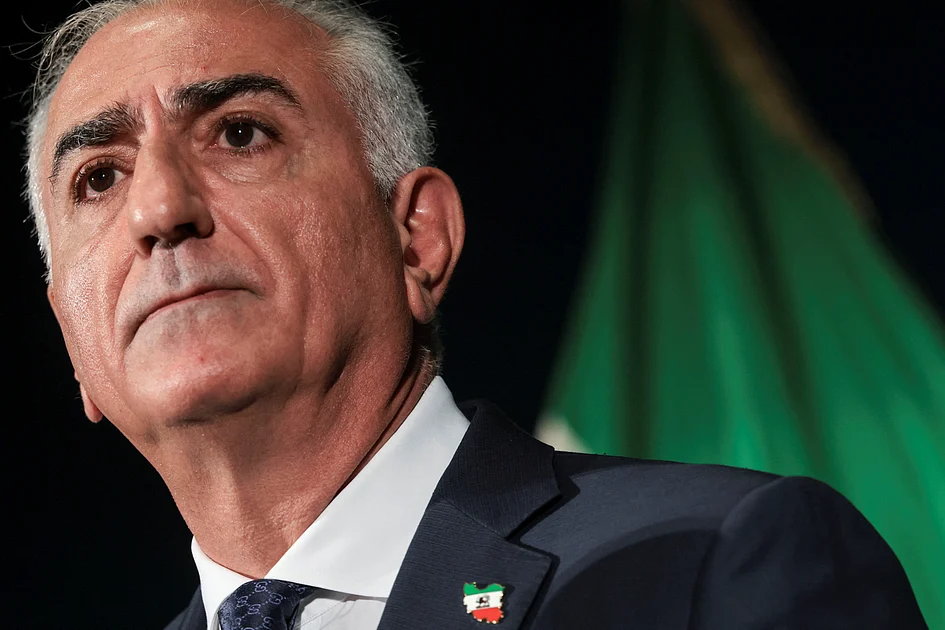
    In a significant development within Iran’s political crisis, Reza Pahlavi—the exiled son of Iran’s last Shah—has publicly declared his conviction that the current Islamic republic will inevitably collapse. During a Friday press conference in Washington, Pahlavi positioned himself as an opposition leader while urgently calling for international action to support protesters.

    The political tension escalates as former U.S. President Donald Trump maintains a contradictory stance. Despite previously threatening military intervention if Iranian security forces harmed demonstrators, and explicitly promising that ‘help is on the way,’ Trump has taken no tangible action. This hesitation persists amid alarming casualty reports from human rights organizations. Norway-based Iran Human Rights documents at least 3,428 protester deaths, with some estimates reaching between 5,000 and 20,000 fatalities.

    Pahlavi specifically appealed to Trump to avoid following the diplomatic approach of former President Barack Obama, emphasizing his belief that Trump would ultimately honor his commitments to the Iranian people. Meanwhile, Trump utilized his Truth Social platform to claim that Iran had ceased executing protesters, posting a message of gratitude to the clerical leadership.

    The opposition leader outlined concrete measures for international powers, including surgical strikes targeting the command structure of Iran’s Revolutionary Guards, expulsion of Iranian diplomats from foreign nations, and restoration of internet access which authorities have severely restricted.

    Addressing his vision for Iran’s future, Pahlavi advocated for a secular democracy determined through a national referendum, distancing himself from his father’s controversial legacy while promising improved relations with the United States and Israel. He proposed a ‘Cyrus Accord’ to normalize ties with Israel, invoking the ancient Persian emperor who liberated Jews from captivity.

    Despite gathering support from protesters chanting his name, Pahlavi faces skepticism from critics who suspect monarchical restoration ambitions and prefer opposition leadership emerging from within Iran itself.

  • Trump invites more leaders to join Gaza ‘Board of Peace’

    Trump invites more leaders to join Gaza ‘Board of Peace’

    The geopolitical landscape surrounding postwar Gaza witnessed significant developments as former U.S. President Donald Trump’s proposed ‘Board of Peace’ attracted international participation. Multiple world leaders have received invitations to join the controversial initiative, which aims to address the territory’s reconstruction and governance following prolonged conflict.

    Egyptian President Abdel Fattah al-Sisi, Turkish President Recep Tayyip Erdogan, Argentine President Javier Milei, and Canadian Prime Minister Mark Carney have all been approached to participate in the board. Their responses vary from immediate acceptance to careful consideration, with Milei publicly expressing honor at the invitation via social media platform X.

    The board’s composition includes prominent political figures such as former British Prime Minister Tony Blair, who acknowledged Trump’s leadership in establishing the initiative. Blair’s involvement remains contentious due to his role in the 2003 Iraq invasion, though Trump previously verified his acceptability to all parties.

    Administrative structure reveals two distinct entities: a primary Board of Peace focusing on governance capacity-building, regional relations, reconstruction, and investment mobilization, and a secondary Gaza executive board with advisory functions. The primary board incorporates Secretary of State Marco Rubio, senior negotiators Jared Kushner and Steve Witkoff, World Bank President Ajay Banga, billionaire financier Marc Rowan, and National Security Council member Robert Gabriel.

    Concurrent with these developments, a technocratic Palestinian committee held its inaugural meeting in Cairo, attended by Kushner. The White House confirmed additional appointments would follow for both boards, though specific allocations for world leaders remain unclear.

    Security dimensions advanced with the appointment of U.S. Major General Jasper Jeffers to lead an International Stabilization Force. This unit will assume security responsibilities in Gaza and establish a new police force to replace Hamas structures. Jeffers previously managed the Lebanon-Israel ceasefire monitoring in late 2024.

    The initiative progresses amid ongoing military operations, with Washington characterizing the effort as transitioning from ceasefire implementation to Hamas disarmament. The approach continues to generate debate regarding its vision for economic transformation and potential demographic policies in the conflict-ravaged territory.

  • US Justice Department investigating Minnesota governor, Minneapolis mayor for impeding federal law enforcement

    US Justice Department investigating Minnesota governor, Minneapolis mayor for impeding federal law enforcement

    The U.S. Justice Department has launched a formal investigation into Minnesota Governor Tim Walz and Minneapolis Mayor Jacob Frey for allegedly obstructing federal immigration enforcement operations, according to multiple reports confirmed by sources familiar with the matter.

    The probe, initiated by federal prosecutors, centers on accusations that the Democratic officials’ public statements and policies have impeded Immigration and Customs Enforcement (ICE) activities within the state. Deputy Attorney General Todd Blanche characterized the officials’ rhetoric as approaching potential federal offenses, specifically citing instances where Mayor Frey allegedly encouraged citizens to report ICE sightings to local emergency services.

    While the investigation remains in preliminary stages with no formal charges filed, the Justice Department has issued subpoenas to both officials. The inquiry emerges amidst heightened tensions following the January 7th fatal shooting of 37-year-old U.S. citizen Renee Good during an ICE operation in Minneapolis. The incident triggered nationwide protests and prompted both Walz and Frey to demand cessation of ICE raids in the Twin Cities area, where approximately 2,500 individuals have been apprehended.

    Governor Walz condemned the investigation as politically motivated, stating: ‘Weaponizing the justice system and threatening political opponents is a dangerous, authoritarian tactic.’ He notably referenced previous investigations against other Democratic figures while emphasizing that the federal agent involved in Good’s shooting has not faced scrutiny.

    The case represents a significant escalation in the ongoing conflict between federal immigration authorities and local officials in sanctuary jurisdictions, testing the boundaries of federal-state cooperation in law enforcement operations.

  • Netflix, Warner Bros bonds among $100 million purchased by Trump

    Netflix, Warner Bros bonds among $100 million purchased by Trump

    Recent financial disclosures reveal former President Donald Trump acquired approximately $100 million in municipal and corporate bonds between mid-November and late December 2025, including substantial holdings in Netflix and Warner Bros Discovery securities. This investment activity occurred mere weeks after the entertainment giants announced their proposed merger—a transaction requiring regulatory approval from the very administration Trump led.

    The documentation, released Thursday and Friday, indicates the majority of Trump’s purchases consisted of municipal bonds supporting local infrastructure, school districts, utilities, and hospitals. Corporate bond acquisitions extended beyond media companies to include aerospace manufacturer Boeing, energy firm Occidental Petroleum, and automotive leader General Motors.

    This portfolio expansion intensifies existing ethical concerns regarding potential conflicts of interest, as Trump maintains investments in sectors directly affected by federal policies and regulatory decisions. The Netflix-Warner Bros merger presents a particularly notable case, given that Trump publicly commented in December about having “a say” in the transaction’s approval process, which currently faces a competing bid from Paramount Skydance.

    A White House representative, speaking anonymously, asserted that Trump’s investment portfolio is managed independently by third-party financial institutions without direct influence from the former president or his family. This defense mirrors previous statements addressing Trump’s continuous bond acquisitions, which previously included at least $82 million in purchases between late August and early October 2025.

    The situation highlights ongoing tensions between personal financial interests and governmental responsibilities, reviving debates about wealth management protocols for high-ranking officials whose investment decisions may intersect with policy domains.