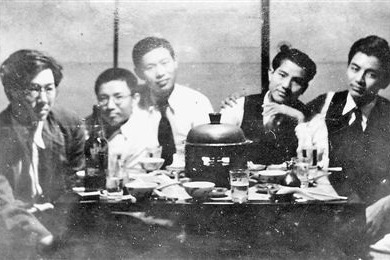
The 80th anniversary of Taiwan’s restoration to China was commemorated in Beijing through a forum organized by the Central Committee of the Taiwan Democratic Self-Government League. The event underscored the historical significance of Taiwan’s return to its motherland in 1945, marking the end of 50 years of Japanese colonial rule. Shaw Kai-ping, a 73-year-old attendee, shared his family’s poignant story of resistance against Japanese aggression. His father, Shaw Daoing, born in Japanese-colonized Taiwan in 1916, joined the mainland’s war effort in 1940 as a frontline medic, embodying the spirit of unity and sacrifice. Shaw emphasized the importance of educating Taiwan’s youth about their shared heritage and the necessity of reunification. He expressed concern over the current ‘de-Sinicization’ efforts by Taiwan’s Democratic Progressive Party, which he believes undermine Taiwan’s national will and dignity. Chi Hsing, president of The Observer magazine in Taiwan, highlighted the patriotic spirit of Taiwan’s forebears and called for Oct 25 to be designated as Taiwan Restoration Day on the mainland. Huang Ching-hsien, a professor at Nankai University, reiterated that Taiwan’s status as part of China is confirmed by international law and stressed the need for collective efforts to achieve true restoration and a bright future for Taiwan.
分类: politics
-
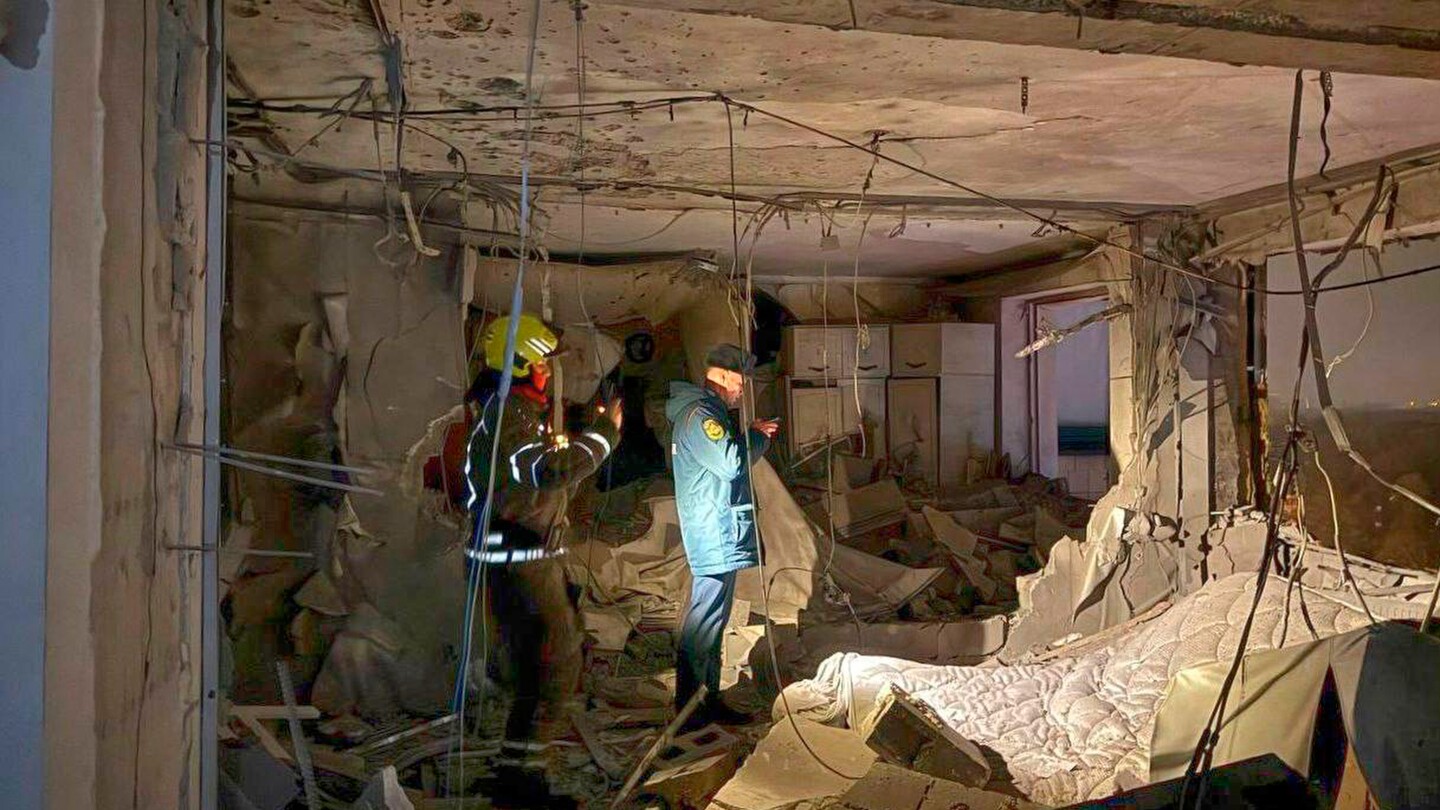
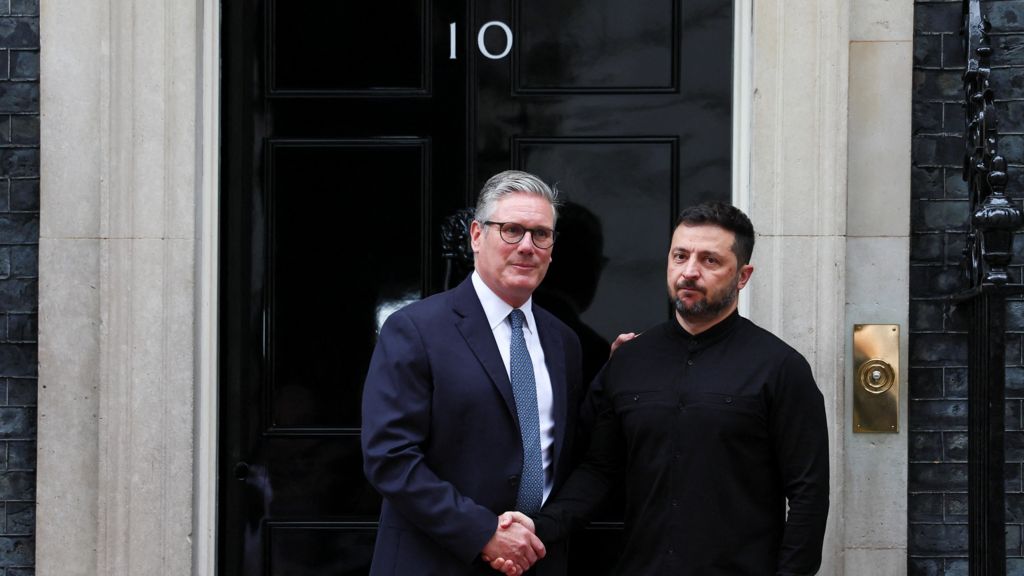
Zelenskyy to meet European leaders in London for talks on military aid for Ukraine
Ukrainian President Volodymyr Zelenskyy arrived in London on Friday for a high-stakes meeting with over two dozen European leaders, hosted by British Prime Minister Keir Starmer. The discussions centered on strengthening Ukraine’s defenses against ongoing Russian aggression, particularly as winter approaches and the conflict enters its fourth year. Key topics included safeguarding Ukraine’s power grid from relentless drone and missile attacks, enhancing air defense systems, and supplying Kyiv with long-range missiles capable of striking deep within Russian territory. The gathering also aimed to intensify pressure on Russian President Vladimir Putin, building on recent sanctions imposed by the U.S. and European nations targeting Russia’s oil and gas exports. Despite these measures, Putin has remained steadfast in his refusal to negotiate peace, maintaining that Russia’s invasion of Ukraine is justified. Western leaders, including Starmer, expressed frustration over Putin’s unyielding stance, emphasizing repeated offers to end the conflict. The meeting, attended by NATO Secretary-General Mark Rutte and other European leaders, also explored the formation of a future “reassurance force” to support Ukraine’s security. This force, likely comprising air and naval support rather than ground troops, would rotate its headquarters between Paris and London. Meanwhile, the war continues to exact a heavy toll, with both sides suffering significant casualties and civilian infrastructure sustaining widespread damage. Recent drone attacks in Moscow and artillery strikes in Kherson underscore the ongoing volatility of the conflict. As Ukraine’s Western allies grapple with funding and postwar security guarantees, the London talks represent a critical step in shaping the international response to Europe’s largest military confrontation since World War II.
-
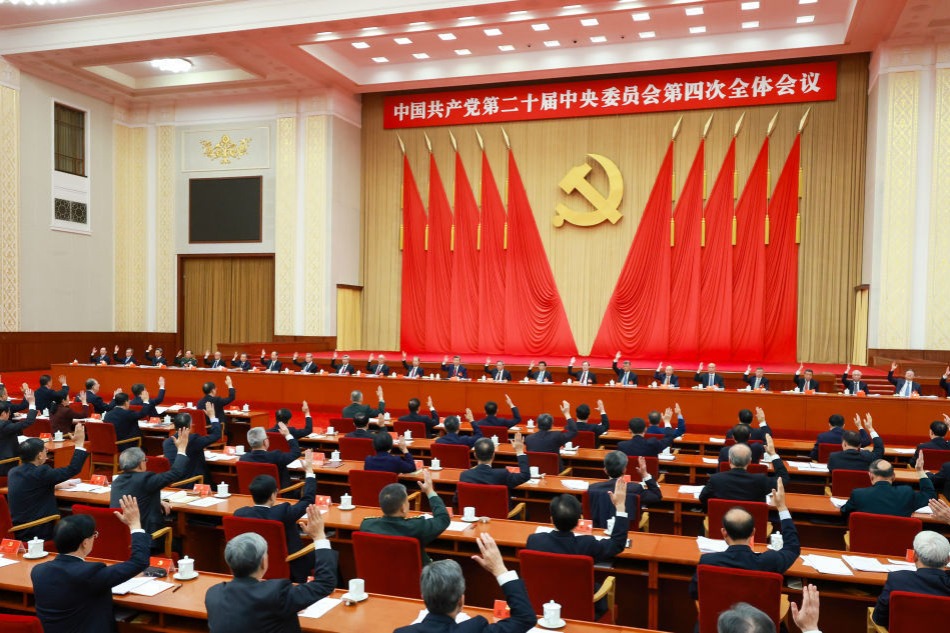
Communique of the Fourth Plenary Session of the 20th Central Committee of the Communist Party of China
The 20th Central Committee of the Communist Party of China (CPC) concluded its fourth plenary session in Beijing from October 20 to 23, 2025, setting the stage for the nation’s 15th Five-Year Plan (2026-2030) and advancing Chinese modernization. The session, attended by 168 Central Committee members and 147 alternate members, along with key officials and experts, was presided over by the Political Bureau, with General Secretary Xi Jinping delivering pivotal addresses. The plenum reviewed the Political Bureau’s work since the third plenary session, unanimously affirming its achievements in implementing the Party’s 20th National Congress directives, deepening reforms, and ensuring high-quality development. The session adopted the Recommendations for Formulating the 15th Five-Year Plan, emphasizing the critical role of this period in achieving socialist modernization by 2035. The plan outlines strategic priorities, including economic resilience, technological self-reliance, green development, and national security. The plenum underscored the importance of Xi Jinping Thought on Socialism with Chinese Characteristics for a New Era, calling for unwavering Party leadership, reform, and innovation to overcome challenges and seize opportunities in a complex global landscape. The session also addressed key areas such as industrial modernization, rural revitalization, cultural development, and public wellbeing, aiming to build a prosperous, sustainable, and secure China. The plenum concluded with a call for unity and determination to achieve the Second Centenary Goal of national rejuvenation through Chinese modernization.
-
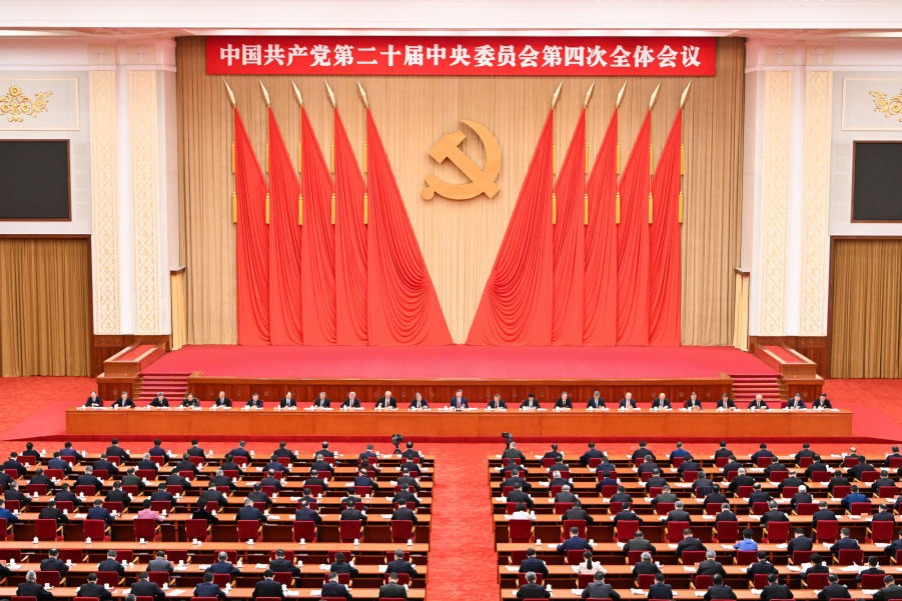
Plenum sets clear guidance
The fourth plenary session of the 20th Central Committee of the Communist Party of China (CPC), concluded on Thursday, has unveiled a comprehensive communique that outlines the nation’s strategic objectives and developmental roadmap for the 15th Five-Year Plan period (2026-30). This document, far from being a mere policy statement, serves as a foundational guide for China’s socioeconomic advancement over the next five years. It emphasizes the importance of upholding the Party’s overall leadership, prioritizing the people’s welfare, pursuing high-quality development, and deepening reforms to foster a harmonious interplay between an efficient market and a well-functioning government. The communique also underscores the dual focus on development and security, ensuring a balanced approach to national progress. The session’s outcomes are of paramount strategic significance, providing clear directives to authorities at all levels and showcasing the efficacy of China’s governance system. By delineating the country’s policy direction, economic priorities, reform commitments, and opening-up strategies, the plenum has reinforced global confidence in China’s developmental trajectory. The communique reflects the CPC’s astute assessment of both domestic and global landscapes, highlighting the Party’s pragmatic and holistic approach to policymaking, which consistently prioritizes the people’s interests and tangible results. Key initiatives include building a modernized industrial system, bolstering the real economy, achieving greater self-reliance in science and technology, consolidating a robust domestic market, accelerating the green transition, and promoting high-standard opening-up. These endeavors embody the Party’s foresight and unwavering commitment to high-quality development under the guidance of Xi Jinping Thought on Socialism with Chinese Characteristics for a New Era. The communique also reaffirms China’s modernization drive as a boon not only for its 1.4 billion citizens but also for global growth, offering new opportunities and certainties. Through collaborative initiatives like the Belt and Road Initiative, China continues to champion a more equitable, balanced, and inclusive international order. The nation’s steadfast determination to achieve comprehensive modernization and national rejuvenation remains unshakable, with external forces unable to impede its progress or undermine its core interests. Guided by the Party’s leadership, China will advance with confidence, unity, and resilience, transforming its strengths into concrete achievements and realizing its modernization vision step by step. The next five years will be pivotal in China’s modernization journey, demonstrating how perseverance, reform, and innovation can pave the way for a brighter future.
-
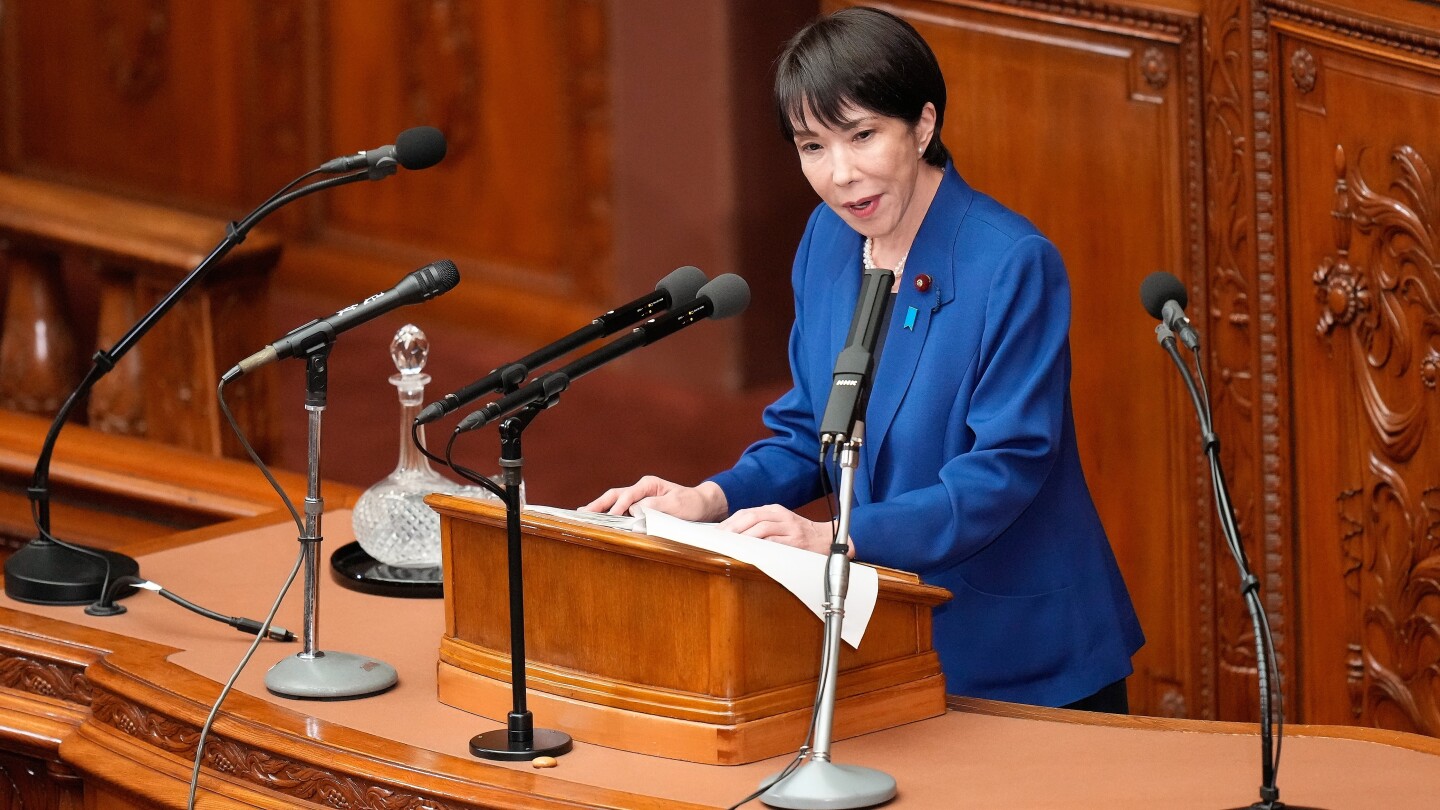
Japan’s new leader vows to further bolster defense buildup and spending as regional tensions rise
In her inaugural policy address, Japan’s newly elected Prime Minister Sanae Takaichi announced a significant acceleration of the nation’s military expansion and spending. Takaichi, who assumed office earlier this week as Japan’s first female leader, emphasized the urgent need to revise the country’s security strategy ahead of schedule, citing escalating tensions with China, North Korea, and Russia. She pledged to achieve an annual military expenditure target of 2% of GDP by March, moving up the original 2027 deadline. The revised security strategy, now slated for completion by the end of 2026, reflects Japan’s response to the rapidly changing global security landscape, including Russia’s invasion of Ukraine and ongoing Middle East conflicts. Takaichi highlighted the destabilization of the international order due to shifting power dynamics and intensifying geopolitical rivalries, particularly in Japan’s vicinity. She underscored the necessity of proactive defense measures to counter military activities by neighboring nations. Her administration also faces the challenge of balancing domestic economic issues, such as rising prices and stagnant wages, with the need to secure opposition support for her policies. Additionally, Takaichi’s hawkish stance and historical views, including her visits to the controversial Yasukuni Shrine, could strain Japan’s relations with China. Her government’s alignment with the right-wing Japan Innovation Party has further fueled concerns about Japan’s political shift to the right. On the economic front, Takaichi acknowledged the critical role of foreign workers in addressing Japan’s labor shortage but emphasized strict enforcement of regulations to address public concerns over unlawful activities by some foreigners. She tasked the Economic Security Minister with tightening regulations on foreign residents and studying potential restrictions on land purchases by non-Japanese nationals, particularly Chinese investors. This approach aligns with the growing populist sentiment in Japan, which has seen a surge in foreign workers amid a shrinking domestic workforce.
-
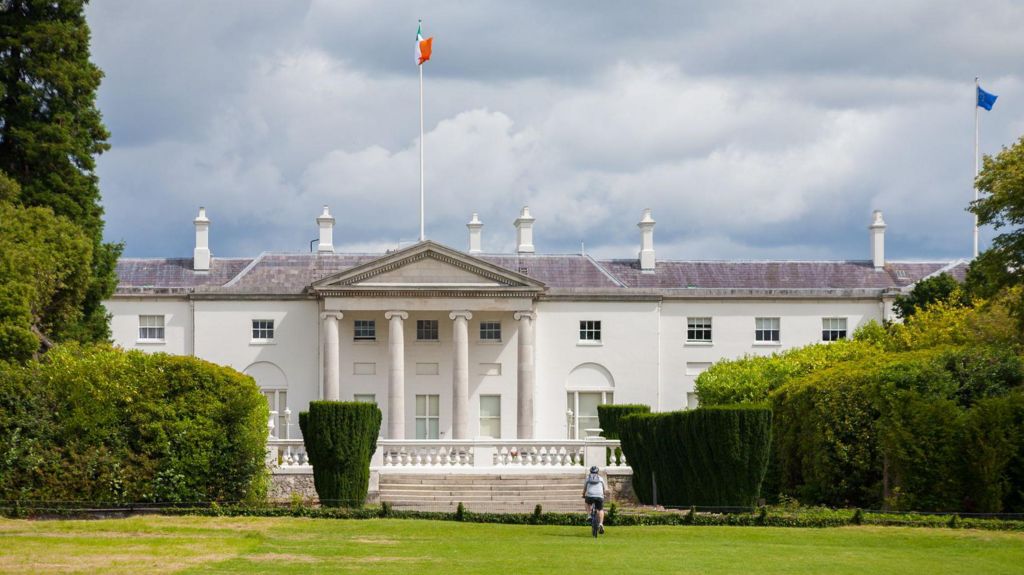
Who were Ireland’s former presidents?
As the Republic of Ireland gears up to elect its 10th president on Friday, the nation reflects on the legacy of its past leaders. The election sees Independent TD Catherine Connolly, supported by Sinn Féin and left-wing parties, pitted against Fine Gael’s Heather Humphreys. This pivotal moment in Irish politics offers an opportunity to revisit the contributions of previous presidents who have shaped the nation’s history.
Douglas Hyde, Ireland’s first president (1938-1945), was a pivotal figure in the revival of the Irish language and culture. A co-founder of the Gaelic League and a renowned academic, Hyde’s inauguration marked a significant moment in Irish history, with crowds gathering in Dublin to honor his leadership.
Seán T Ó Ceallaigh, the second president, served two terms and played a crucial role in Ireland’s political evolution. A founder of Sinn Féin and a key figure in the 1916 Easter Rising, Ó Ceallaigh was instrumental in Ireland’s transition to a republic, signing the Republic of Ireland Act in 1948.
Eamon de Valera, born in New York, was a central figure in Ireland’s struggle for independence. A teacher, revolutionary, and founder of Fianna Fáil, de Valera served multiple terms as taoiseach before becoming president, leaving an indelible mark on Irish politics.
Erskine Childers, the fourth president, had a brief but impactful tenure. Born into a Protestant family in London, Childers’ presidency was marked by his commitment to public service and his father’s legacy of Irish nationalism.
Patrick Hillery, a medical doctor from County Clare, served two terms as president. His leadership came during a period of constitutional turmoil, and he emphasized the importance of the presidency in maintaining stability and continuity.
Mary Robinson, Ireland’s first female president, symbolized a new era of social change. A champion of women’s rights, Robinson’s election in 1990 marked a significant shift in Irish politics, paving the way for greater gender equality.
Mary McAleese, the first president from Northern Ireland, focused on reconciliation and building bridges between communities. Her presidency was highlighted by Queen Elizabeth’s historic visit to Ireland in 2011, a testament to the success of the peace process.
Michael D Higgins, the outgoing president, has been a vocal advocate for social justice and human rights. His two terms have been marked by his engagement with national and global issues, leaving a lasting impact on Irish society.
As Ireland prepares to welcome its 10th president, the nation looks forward to a new chapter in its political history, building on the foundations laid by its distinguished predecessors.
-

What to know about Argentina’s midterm vote, a pivotal test for Trump ally President Milei
BUENOS AIRES, Argentina — The upcoming midterm elections in Argentina have taken on heightened significance, as President Javier Milei faces mounting pressure from both domestic and international fronts. Initially perceived as a routine legislative vote, the election has now become a pivotal moment that could determine the future of Milei’s ambitious free-market reforms. The stakes were further escalated when former U.S. President Donald Trump linked financial aid to Argentina’s electoral outcome, adding a layer of geopolitical tension to the race.
Milei, a libertarian leader and close ally of Trump, came to power promising to dismantle Argentina’s entrenched political corruption and implement sweeping economic reforms. Early in his tenure, his policies delivered notable successes, including Argentina’s first fiscal surplus in nearly 15 years and a significant reduction in inflation. These achievements bolstered his popularity, allowing him to champion his anti-socialist agenda on the global stage, from Europe to Trump’s Mar-a-Lago club.
However, Milei’s political fortunes have taken a sharp downturn in recent months. A series of scandals, including allegations of corruption involving his sister and the withdrawal of a key candidate linked to a U.S. drug trafficking case, have tarnished his image as a reformist outsider. Tactical missteps, such as failing to build coalitions and alienating potential allies, have further weakened his position. The opposition-dominated Congress has overturned his vetoes and passed spending measures, complicating his reform agenda.
As Argentines grapple with the harsh realities of austerity measures, public support for Milei has waned. His party’s recent electoral defeat in Buenos Aires province, home to 40% of the population, underscored this shift. The loss triggered a sell-off of Argentine bonds and the peso, prompting the U.S. to intervene with a $20 billion currency swap and promises of additional financial support. Yet, these measures have failed to stabilize the peso, which hit a record low against the dollar.
Trump’s conditional aid has sparked backlash both in Argentina and the U.S., with critics questioning the wisdom of propping up a nation with a history of defaults. In Argentina, the opposition Peronist party has seized on Trump’s remarks to rally voters against Milei, framing the election as a referendum on national sovereignty. As the country heads to the polls, the outcome will not only shape Milei’s political future but also test the resilience of his free-market experiment in a nation weary of economic instability.
-
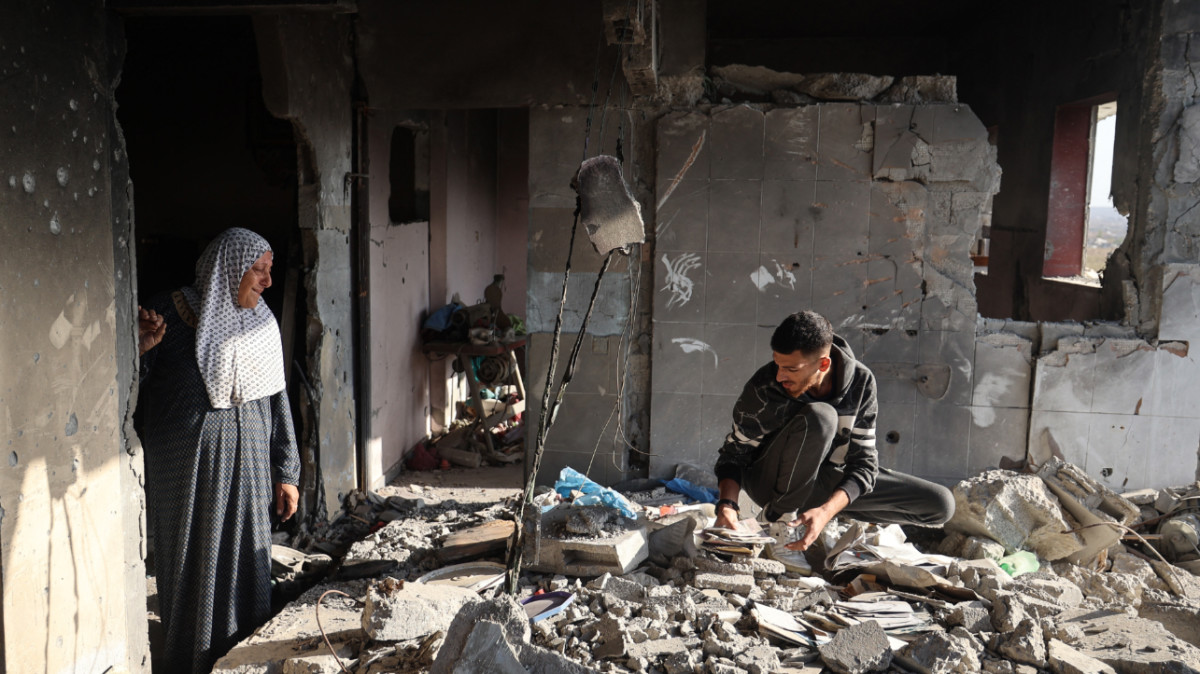
After bashing UN, Trump administration says it will ask for mandate in Gaza
In a surprising turn of events, the United States has acknowledged the potential necessity of seeking a United Nations mandate to deploy an international stabilization force to Gaza. This development stands in stark contrast to the Trump administration’s historically adversarial stance toward the UN, particularly concerning the Israel-Palestine conflict. US Secretary of State Marco Rubio revealed that the US is establishing a civil-military coordination center to oversee the Gaza ceasefire, after which it may approach the UN for an international mandate to assemble defense and security forces. President Donald Trump’s 20-point ceasefire plan for Gaza envisions an Arab and Muslim-led international force, with discussions underway with Egypt, the UAE, Qatar, Jordan, Indonesia, and Azerbaijan regarding their participation. Egypt has reportedly advocated for a UN mandate and requested US troop deployment to deter Israeli ceasefire violations, a proposal dismissed by US Vice President JD Vance. The Trump administration’s potential reliance on the UN is laden with irony, given its past criticisms of the organization. During a UN General Assembly speech, Trump mocked the UN for its perceived ineffectiveness, and his administration has previously sanctioned UN officials and withdrawn from UN bodies. Despite these tensions, Arab and Muslim states are pushing for a UN mandate to ensure the force’s legitimacy among Palestinians and their own populations. Experts emphasize that the force must not appear to be aligned with Israel to gain acceptance. Historically, UN peacekeeping missions, such as those in Bosnia and Haiti, have played crucial roles in conflict zones. A Gaza stabilization force would likely mirror the Kenyan-led, US-supported mission in Haiti, operating under a UN Security Council mandate but with independent command. Diplomatic sources suggest that securing a UN mandate is feasible, as China and Russia are unlikely to veto the proposal given the broad support from Arab and Muslim nations.
-
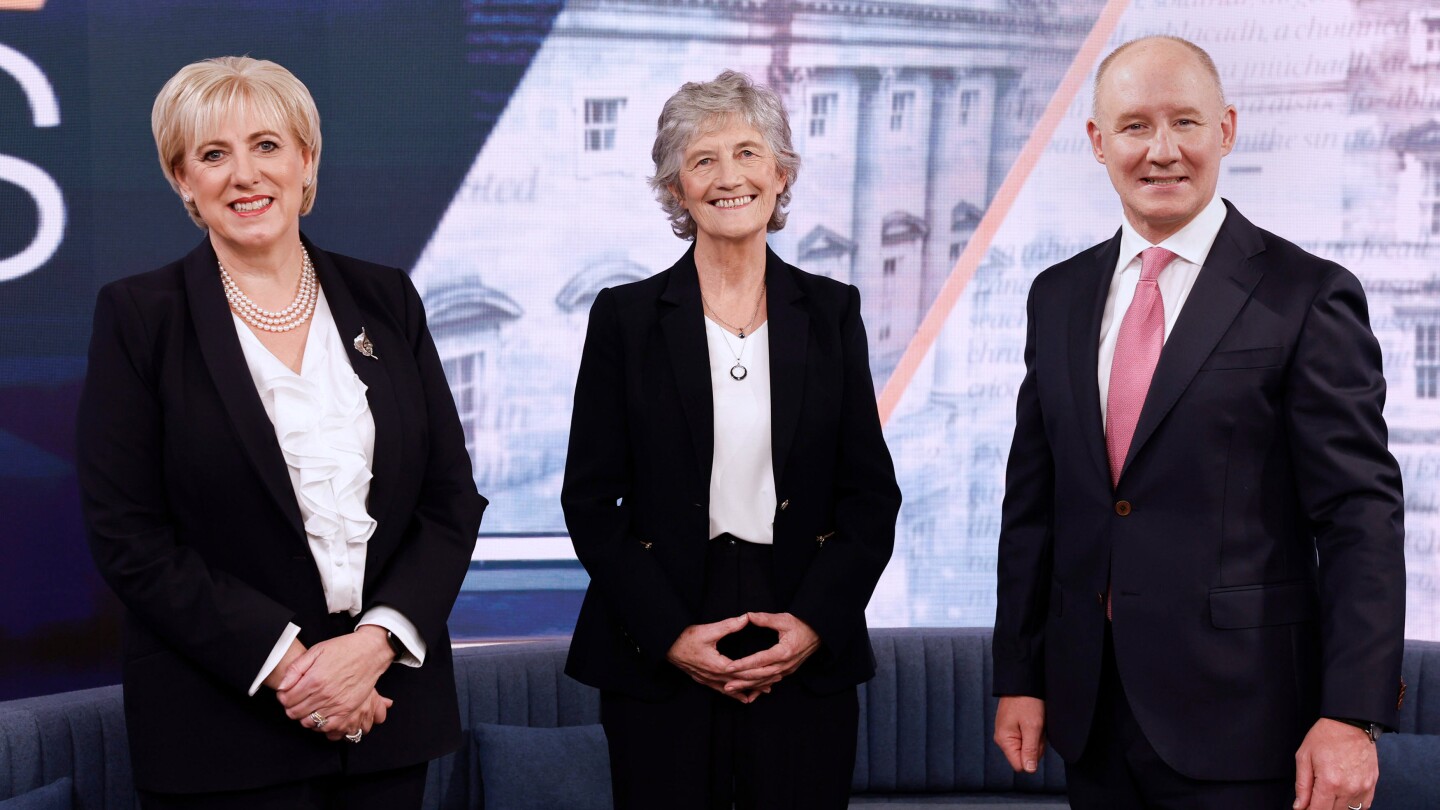
What to know about Ireland’s election as the country votes for a new president
Ireland is poised to elect its next president in a landmark vote on Friday, with two women vying for the largely ceremonial role. Catherine Connolly, a left-wing independent lawmaker supported by Sinn Féin, is the frontrunner, holding a commanding lead of approximately 40% in recent polls. Her rival, Heather Humphreys of the center-right Fine Gael party, trails with 20% to 25% support. The election marks the end of Michael D. Higgins’s 12-year presidency, as he completes his maximum two terms. The race narrowed after other potential candidates, including musician Bob Geldof and former MMA champion Conor McGregor, failed to secure nominations. Connolly, a former barrister and independent lawmaker since 2016, has faced criticism for her stance on Israel and Hamas, as well as her past legal work for banks involved in home repossessions. Despite this, she has garnered endorsements from left-leaning parties and pledges to be an “independent president for all the people.” Humphreys, a seasoned government official, emphasizes her centrist, pro-business, and pro-EU approach, aiming to foster unity with Northern Ireland. The president’s role, while ceremonial, includes appointing the prime minister, signing laws, and influencing public discourse on key issues. Polls close at 10 p.m. Friday, with results expected by late Saturday, followed by the inauguration at Dublin Castle.
-
Starmer to push allies on long-range missiles for Ukraine at London summit
British Prime Minister Sir Keir Starmer is set to host Ukrainian President Volodymyr Zelensky and a coalition of over 20 allied nations in London on Friday. The meeting, dubbed the ‘coalition of the willing,’ aims to strengthen Ukraine’s military capabilities, particularly by providing long-range missiles to target Russian positions. Zelensky has persistently sought advanced weaponry from Western allies, a move Russia has warned could escalate the conflict. This gathering follows Zelensky’s recent diplomatic successes, including Donald Trump’s decision to impose further sanctions on Russia and the European Union’s agreement to address Ukraine’s budgetary shortfall. Sir Keir emphasized the urgency of pressuring Moscow to negotiate peace, citing recent Russian strikes on civilian targets, including a nursery in Kharkiv that claimed the lives of two children. The UK will also expedite the delivery of 100 air defense missiles as part of a £1.6 billion defense deal signed in March. The summit will include NATO Secretary General Mark Rutte, Danish Prime Minister Mette Frederiksen, and Dutch Prime Minister Dick Schoof, with French President Emmanuel Macron joining virtually. Discussions will also focus on strategies to remove Russian oil and gas from global markets and explore the use of frozen Russian assets to support Ukraine financially. However, a proposal to utilize €140 billion in frozen assets faced political and legal challenges at the recent Brussels summit. The US has also ramped up pressure on Moscow by sanctioning Russia’s largest oil companies, Rosneft and Lukoil. Russia’s invasion, which began in February 2022, continues to occupy approximately 20% of Ukrainian territory, including Crimea.