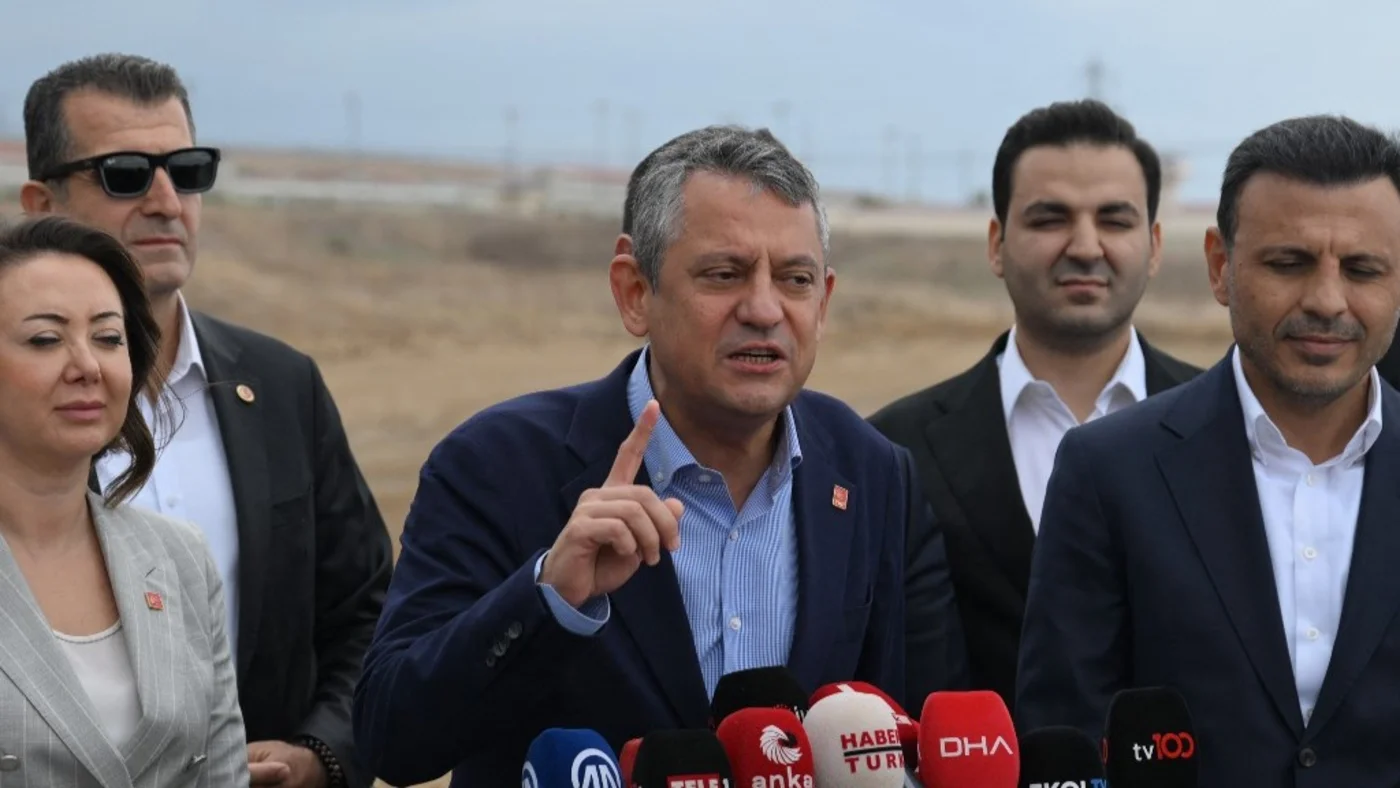
A court in Ankara has dismissed a corruption case targeting Ozgur Ozel, the leader of Turkey’s main opposition party, the Republican People’s Party (CHP), ruling that the allegations lacked substance. The case, which accused Ozel of vote-buying during the CHP’s November 2023 primary elections, was rejected by the Ankara 42nd Civil Court of First Instance as “moot.” The decision was welcomed by CHP lawyers, with Caglar Caglayan stating, “This decision was in accordance with the law. We’ve been saying these cases need to be removed from our country’s agenda.” The case was widely perceived as part of a broader government crackdown on opposition figures, particularly following the arrest of CHP Istanbul mayor Ekrem Imamoglu in March. The court’s dismissal cited Ozel’s re-election at an extraordinary CHP congress in September as evidence of his legitimacy. However, the plaintiffs’ lawyer, Onur Yusuf Uregen, announced plans to appeal the ruling, calling the dismissal unexpected. The case’s outcome has significant implications for Turkey’s political landscape, as Ozel’s removal could have led to the appointment of a court-appointed trustee, a tactic previously used against opposition figures, especially those linked to pro-Kurdish parties. The news also positively impacted financial markets, with stocks rallying and the Turkish lira recovering from a record low. The CHP has accused President Recep Tayyip Erdogan and the ruling Justice and Development Party (AKP) of targeting the opposition following their success in the 2024 local elections. Imamoglu’s arrest and subsequent protests have further intensified political tensions, with many viewing the crackdown as a threat to Turkey’s already fragile democracy.
分类: politics
-
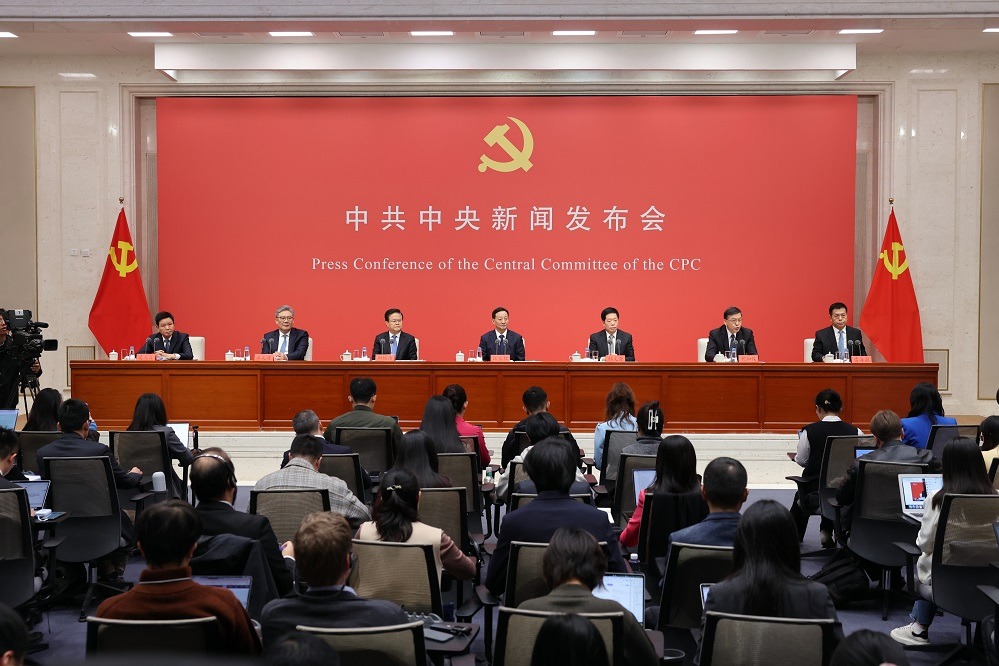
Highlights of news conference on CPC plenary session
The Central Committee of the Communist Party of China (CPC) hosted a pivotal news conference on October 24, 2025, to outline the guiding principles derived from the fourth plenary session of the 20th CPC Central Committee. The event, held in Beijing, highlighted key strategic goals and initiatives aimed at shaping China’s development trajectory over the next five years. Among the most significant announcements was the projection of a $1.4 trillion expansion in market space, as revealed by Zheng Shanjie, head of the National Development and Reform Commission. This anticipated growth is expected to catalyze economic momentum and enhance the quality of life for Chinese citizens. Additionally, Health Minister Lei Haichao announced an ambitious target to raise the average life expectancy in China to 80 years, up from 79 in 2024, underscoring the government’s commitment to improving public health and well-being. These initiatives reflect the CPC’s focus on sustainable development and long-term prosperity, aligning with its broader vision for national rejuvenation.
-
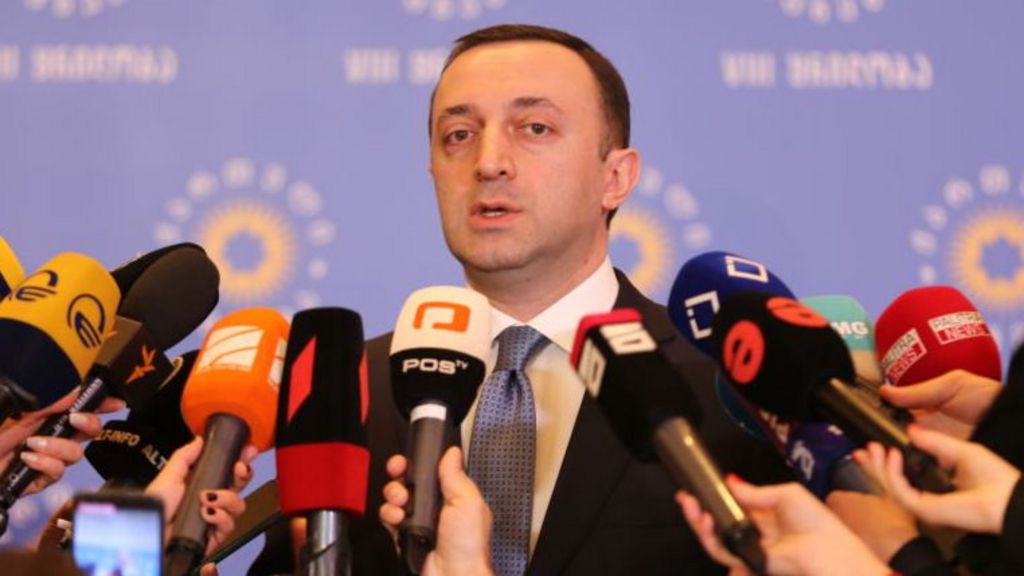
Spectacular downfall of Georgia’s ex-PM accused of having $6.5m in his flat
In a dramatic turn of events, former Georgian Prime Minister Irakli Garibashvili has appeared in court on charges of large-scale money laundering, marking a significant fall from grace for one of the most loyal allies of billionaire Bidzina Ivanishvili, Georgia’s de facto leader. Prosecutors revealed that during a raid on Garibashvili’s home earlier this month, investigators discovered $6.5 million in cash. Garibashvili, who served as prime minister twice under Ivanishvili’s influence—first from 2013 to 2015 and then from 2021 to January 2023—has pleaded guilty to corruption charges that could result in a 12-year prison sentence. He has been granted bail set at one million Georgian lari ($368,000).
The case against Garibashvili is part of a broader crackdown on former government officials, but it stands out as the first prosecution of a senior member of Georgia’s ruling elite. This development comes as the ruling Georgian Dream party shifts towards an authoritarian stance, distancing itself from the West. Garibashvili is accused of secretly engaging in illicit business activities and laundering substantial sums of money, which he allegedly declared as gifts from family members.
Garibashvili’s lawyer, Amiran Giguashvili, confirmed that his client is cooperating with authorities, a factor that influenced the court’s decision to grant bail. The former prime minister’s downfall is seen as a reflection of Ivanishvili’s growing mistrust of his inner circle, including other high-profile figures like ex-security chief Liluashvili.
Meanwhile, Georgia’s political landscape remains turbulent. Since the government announced in November 2024 that it would halt EU membership talks, daily protests have erupted, and most opposition leaders have been imprisoned. New legislation has targeted civil society and pro-opposition media, further intensifying the crackdown. Political analyst Ghia Nodia suggests that Ivanishvili feels besieged, believing in deep state conspiracies that the West aims to destabilize his rule through ongoing protests.
Garibashvili’s case underscores the deepening political crisis in Georgia, as the country moves further away from its pro-Western aspirations and towards a more authoritarian governance model.
-
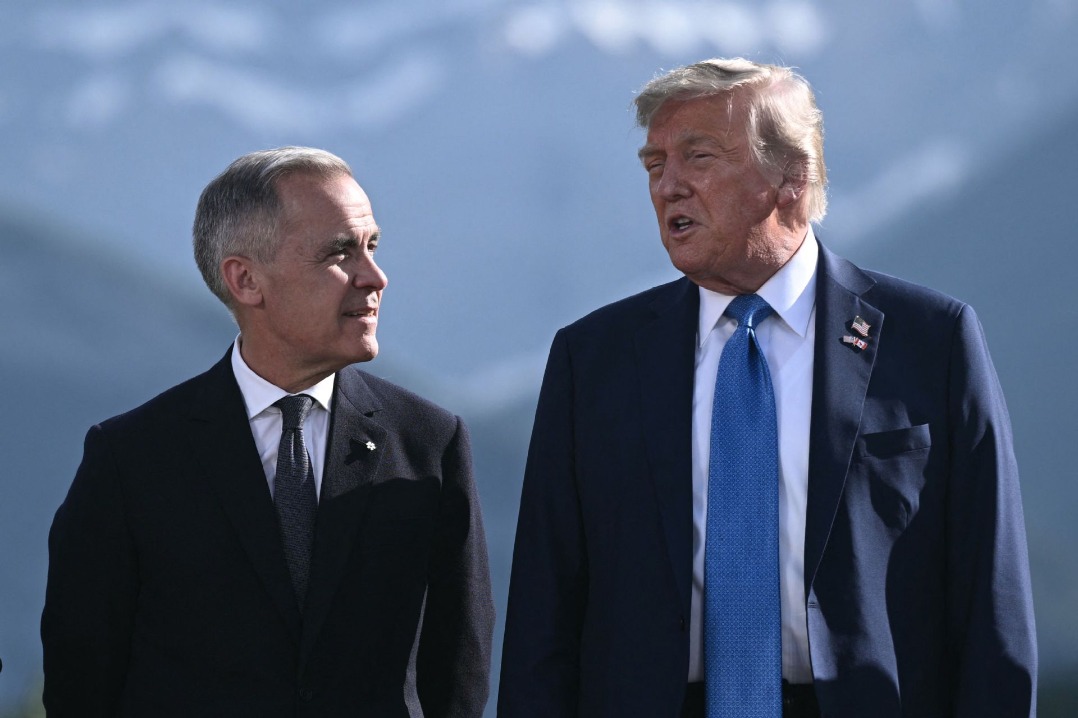
Trump terminates all Canada trade talks
In a dramatic turn of events, US President Donald Trump announced on Thursday the immediate termination of all trade negotiations with Canada. The decision came in response to a controversial advertisement created by the government of Ontario, which Trump labeled as ‘FAKE’ and accused of attempting to influence the US Supreme Court’s upcoming ruling on the legality of his global tariffs. Trump made the announcement via his Truth Social platform, stating, ‘Based on their egregious behavior, ALL TRADE NEGOTIATIONS WITH CANADA ARE HEREBY TERMINATED.’ The advertisement in question allegedly used edited excerpts from a 1987 national radio address by former US President Ronald Reagan, prompting the Ronald Reagan Presidential Foundation to issue a statement condemning the unauthorized use and editing of Reagan’s remarks. The foundation also indicated it is exploring legal recourse. The Supreme Court is set to hear arguments on Trump’s tariffs early next month, with a ruling expected to follow. Meanwhile, Canadian Prime Minister Mark Carney reiterated Canada’s stance, asserting that the country would not permit unfair US access to Canadian markets should the trade talks collapse. The abrupt end to negotiations marks a significant escalation in US-Canada trade tensions, with potential repercussions for both economies.
-

US says six killed in new strike on alleged drug boat in Caribbean
US Defense Secretary Pete Hegseth revealed on Friday that the United States has executed another targeted strike against a vessel allegedly linked to drug traffickers. The operation, conducted in the Caribbean Sea, targeted the Tren de Aragua criminal organization, resulting in the deaths of six individuals described as ‘narco-terrorists.’ This marks the tenth such strike since early September, as part of President Donald Trump’s broader campaign to combat drug trafficking. Hegseth shared a video on X, showcasing the operation, which depicts a boat being destroyed in a fiery explosion. While the Trump administration asserts its legal authority to conduct these strikes, concerns have been raised by members of Congress, including 25 Democratic senators who questioned the evidence justifying the attacks. Senator Rand Paul, a Republican, has argued that congressional approval is necessary for such actions. Trump, however, maintains that he has the authority to designate Tren de Aragua as a terrorist organization and order these strikes. The administration’s actions have also been interpreted as a strategic move to exert military pressure on Venezuelan President Nicolás Maduro, a long-time adversary of Trump. The latest strike brings the total death toll from these operations to at least 43.
-

Fight against corruption a protracted battle with no finish line, official says
China’s battle against corruption is an enduring struggle with no definitive conclusion, according to Jiang Jinquan, Director of the Policy Research Office of the Communist Party of China (CPC) Central Committee. Speaking at a press conference on October 24, 2025, Jiang emphasized the continuous refinement of the Party and national supervisory systems, alongside strengthened regulation and oversight of power allocation and its execution. His remarks were made while outlining the major objectives for China’s economic and social development over the next five years, following the conclusion of the fourth plenary session of the 20th CPC Central Committee in Beijing. The session adopted the Recommendations of the CPC Central Committee for Formulating the 15th Five-Year Plan for Economic and Social Development, which underscores China’s unwavering commitment to combating corruption through a comprehensive and persistent campaign. Jiang highlighted the Party’s ‘zero tolerance’ stance on corruption, its determination to impose strict penalties, and its resolve to eradicate corrupt practices entirely. Additionally, the recommendations stress the ongoing implementation of the central Party leadership’s eight-point code, aimed at improving Party and government conduct, fostering closer ties with the public, and rectifying inappropriate practices, including formalism, to alleviate the burden on grassroots workers. The document also calls for the development of grassroots Party organizations across various sectors, urging them to lead by example in serving the public and advancing reform and development. Furthermore, the recommendations emphasize the importance of intra-Party democracy to ensure decisions are made scientifically, democratically, and legally, which is vital for addressing risks and challenges and promoting steady, sustainable economic and social progress.
-
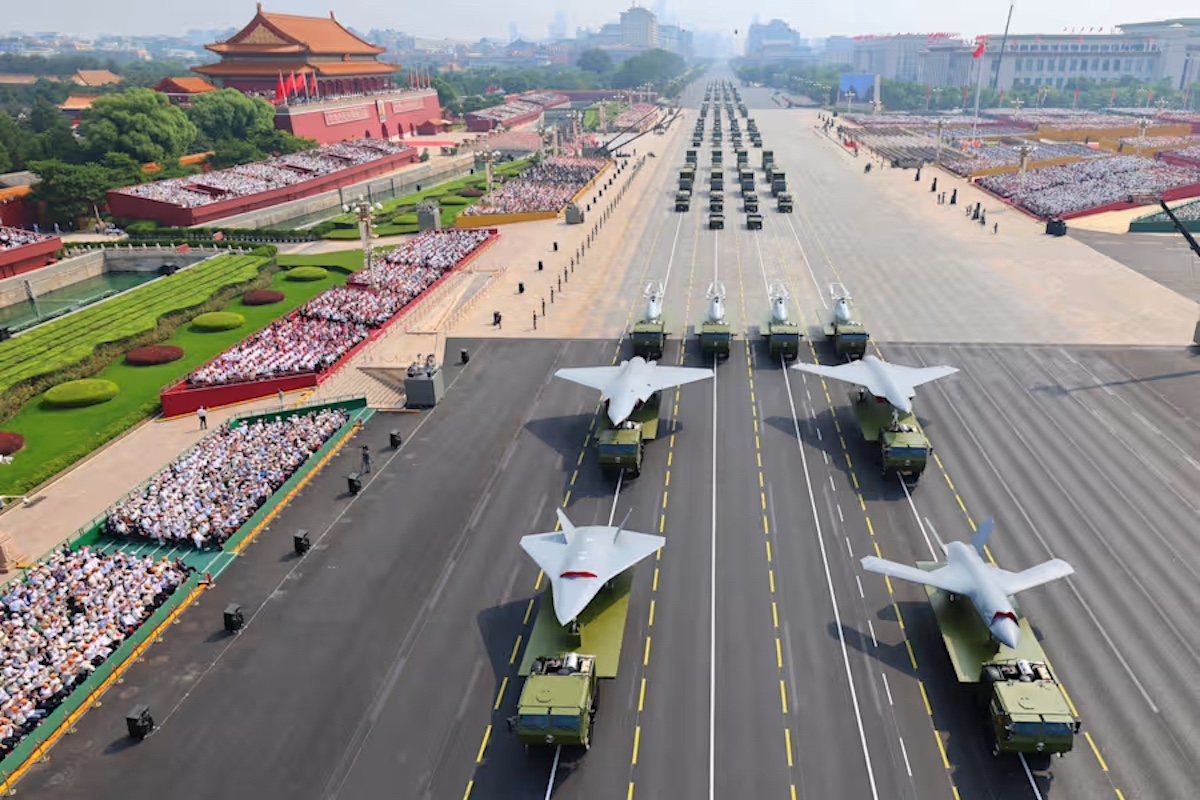
China’s military buildup: yesterday’s news or tomorrow’s?
On September 3, the world witnessed a grand display of China’s military might as thousands of troops paraded through Tiananmen Square. This event, orchestrated under the leadership of Chinese President Xi Jinping, was not merely a ceremonial showcase but a strategic message to global powers, particularly the United States. The parade featured advanced weaponry, including hypersonic missiles, drones, and laser-powered defense systems, underscoring China’s rapid military modernization and its aspirations to rival the U.S. in global influence. Xi, who rose from humble beginnings to become China’s paramount leader, has consistently emphasized the importance of national strength and sovereignty, often referencing China’s ‘Century of Humiliation’ as a cautionary tale. The event also highlighted China’s growing naval capabilities, with new aircraft carriers and advanced warships poised to challenge U.S. dominance in the Pacific. However, China’s ambitions are not without vulnerabilities. Its heavy reliance on oil imports and economic dependencies pose significant risks in the event of conflict, particularly over Taiwan. Xi’s assertive stance on Taiwan has raised concerns about potential military confrontations, which could have far-reaching consequences for global stability. The parade, attended by leaders from 26 nations, including Russia and North Korea, served as a reminder of China’s growing geopolitical clout and its determination to reshape the global order.
-
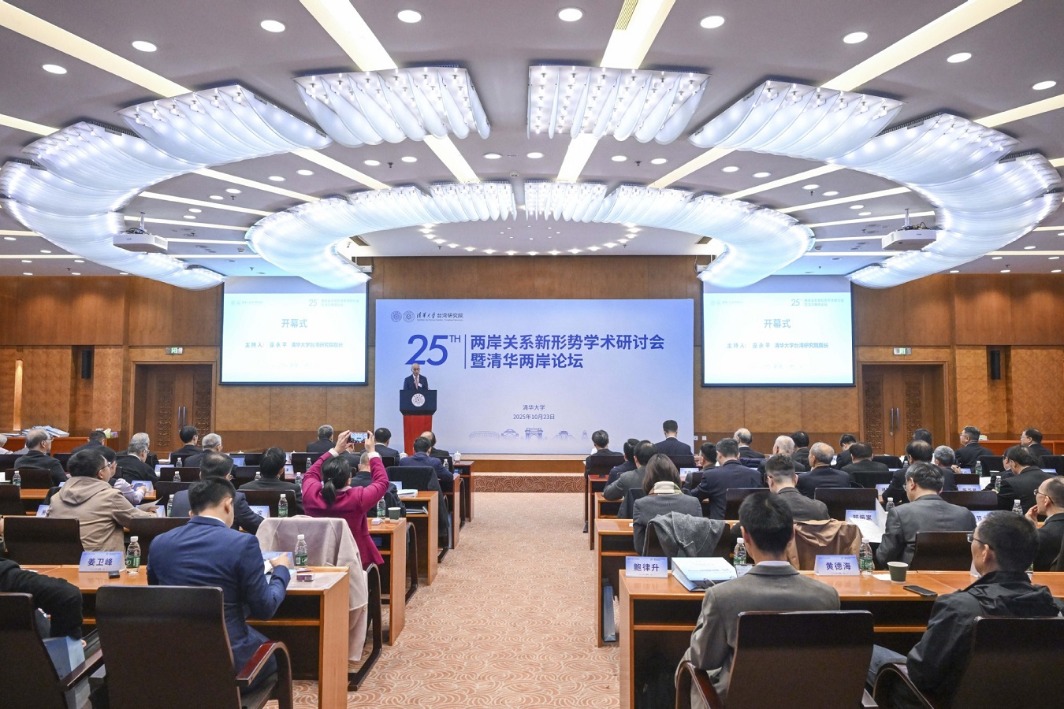
Experts and scholars propose strategies for advancing cross-Strait ties
At the Tsinghua Cross-Strait Forum held in Beijing on Thursday, over 140 experts and scholars from both sides of the Taiwan Strait convened to discuss strategies for advancing cross-Strait relations and achieving national reunification under evolving circumstances. The forum, hosted at Tsinghua University, emphasized the importance of addressing new challenges and fostering unity to overcome obstacles in the reunification process. Qiu Kaiming, vice-president of the Association for Relations Across the Taiwan Straits, highlighted the need for compatriots on both sides to stand on the right side of history and uphold the pride and dignity of being Chinese. Wu Yongping, director of the Institute for Taiwan Studies at Tsinghua University, dismissed the Taiwan independence movement as a fleeting episode in the broader narrative of Chinese history. He stressed that healthy cross-Strait relations are essential for national rejuvenation, which will inevitably lead to reunification. Participants engaged in in-depth discussions on topics such as political and economic relations, people-to-people exchanges, and the external factors influencing cross-Strait ties. Experts noted a positive shift in public opinion in Taiwan, with growing support for peace and exchanges across the Strait. Additionally, they observed a transition in cross-Strait economic relations from traditional industrial complementarity to joint industrial development.
-
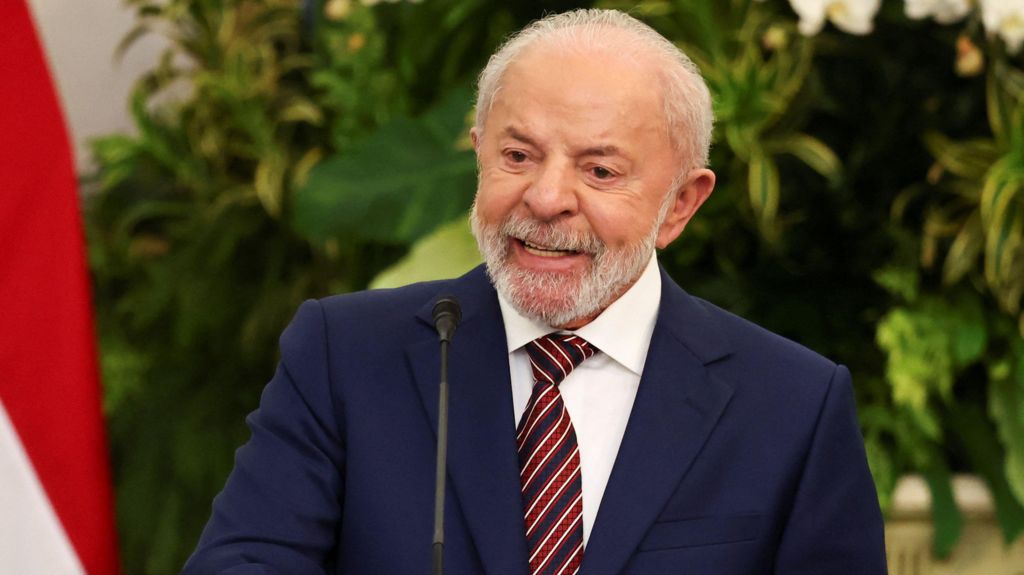
Brazil’s Lula, 79, to seek fourth term as president
Brazilian President Luiz Inácio Lula da Silva has officially declared his intention to run for a fourth term in the 2026 presidential elections. The announcement, made during a state visit to Indonesia, comes despite Lula’s earlier indications that his 2022 campaign would be his last. Addressing reporters, the 79-year-old leader dismissed concerns about his age, stating, ‘I’m about to turn 80, but I have the same energy I had at 30. I will run for a fourth term in Brazil.’ This decision follows a challenging period for Lula, who has faced health issues during his current presidency, including a brain bleed that required surgery last December. Lula, Brazil’s oldest president upon inauguration, narrowly defeated right-wing incumbent Jair Bolsonaro in the 2022 election, winning by a slim 51% to 49% margin. Bolsonaro, now serving a 27-year prison sentence for attempting a military coup after his election loss, is unlikely to challenge Lula again. The former president’s imprisonment has sparked tensions with the U.S., leading President Donald Trump to impose a 50% tariff on Brazilian imports. However, Lula and Trump recently held a ‘friendly’ call to discuss reducing these tariffs, with a meeting scheduled for Sunday. Lula, who turns 80 on Monday, has a storied political career, including two terms as president from 2003 to 2011 and an 18-month imprisonment on corruption charges, which were later overturned. Brazil’s constitution limits presidents to two consecutive terms, but Lula’s previous terms do not disqualify him from running again. His announcement marks a significant moment in Brazilian politics as the nation prepares for the 2026 elections.
-
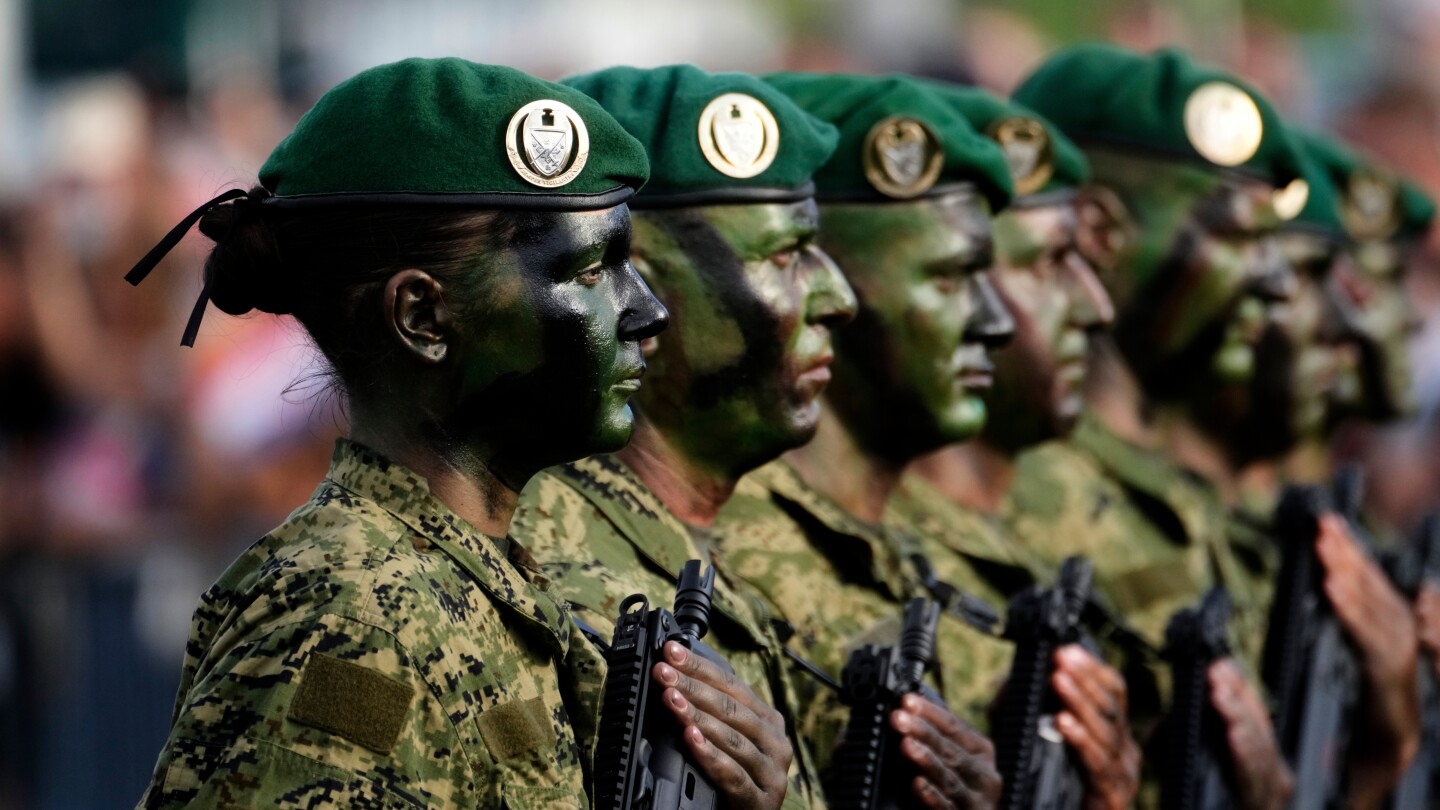
Croatia reintroduces military conscription as Europe worries about Russia-Ukraine war
In a significant move reflecting the current geopolitical climate, Croatia’s parliament has voted to reintroduce compulsory military service, a decision that underscores the nation’s response to escalating tensions in Europe. The vote, which passed with 84 in favor, 11 against, and 30 abstentions in the 151-member parliament, marks a return to conscription after it was suspended in 2008 in favor of a volunteer-based system. The new policy mandates a two-month service focused on providing basic military training, as reported by the public broadcaster HRT. This initiative is part of Croatia’s broader strategy to enhance national security and prepare its youth for potential crisis situations, according to the Defense Ministry. The decision comes against the backdrop of heightened concerns over Russian aggression in Ukraine and an ongoing military buildup in the Balkans, a region still scarred by the conflicts of the 1990s. Authorities plan to begin medical checkups for conscripts born in 2007 by the end of the year, with provisions for conscientious objectors to opt for civilian service. This move aligns with Croatia’s recent efforts to strengthen its armed forces, including a large military parade in July commemorating a key victory from the 1991-95 war. Relations with Serbia, a former adversary, remain strained, adding to the regional security challenges.