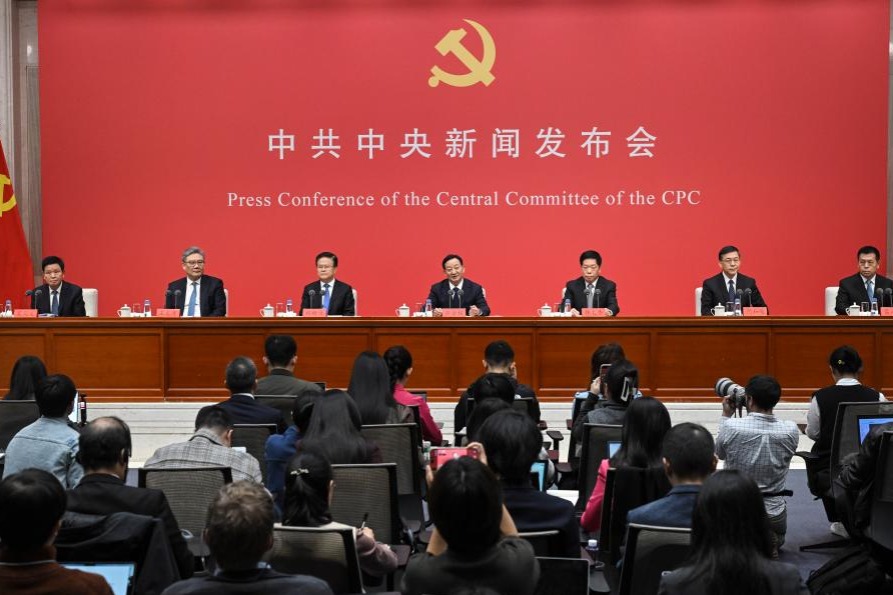
In a significant development, Xi Jinping, the General Secretary of the Communist Party of China (CPC) Central Committee, has been credited with a decisive role in formulating the Party leadership’s recommendations for China’s 15th Five-Year Plan. This announcement was made by Jiang Jinquan, head of the CPC Central Committee Policy Research Office, during a news conference on October 24, 2025, following the fourth plenary session of the 20th CPC Central Committee. Xi led the drafting team, setting the overall vision and providing continuous guidance throughout the process. Jiang emphasized that the Recommendations of the CPC Central Committee for Formulating the 15th Five-Year Plan for Economic and Social Development represent the most significant outcome of the plenary session, which took place from October 20 to 23, 2025. The plan is expected to guide China’s economic and social development over the next five years, reflecting the strategic priorities and long-term goals of the CPC under Xi’s leadership.
分类: politics
-
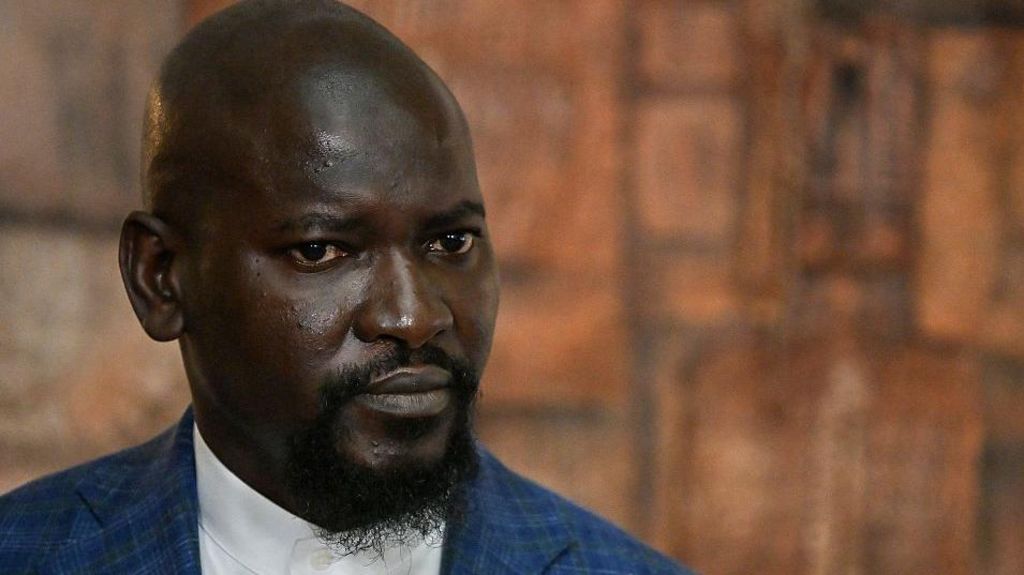
Shock at $100,000 fee to contest Guinea elections to replace junta
Guinea’s upcoming presidential election, scheduled for December, has ignited widespread criticism due to the exorbitant deposit required for candidates. Aspiring leaders must pay 875 million Guinean francs ($100,000) to participate, a move that has left many citizens and analysts stunned. This election marks a pivotal moment as the country transitions from military rule to civilian governance under a new constitution. Colonel Mamady Doumbouya, who seized power in a 2021 coup, is eligible to run but has yet to confirm his candidacy. The deposit, nearly identical to the previous election’s 800 million francs, has been criticized as a barrier to broader political participation. Political analyst Kabinet Fofana remarked, ‘This amount is huge and adds to the growing criticism of the election’s direction.’ Candidates who secure over 5% of the vote in the first round will have their deposit refunded. However, critics argue that the high fee favors wealthy individuals or those with state connections. Presidential candidate Faya Millimono highlighted the dramatic increase in deposits over the years, noting that it was only 50 million francs until 2005. The electoral body has also imposed a campaign spending limit of 40 billion francs ($4.6 million) per candidate, further narrowing the field. Despite these hurdles, 50 party candidates and 16 independents have been approved. Notably absent from the provisional list are major opposition parties, including the Rally of the People of Guinea and the Union of Democratic Forces of Guinea, though they still have time to register. Guinea’s election unfolds without key figures like former President Alpha Condé and former Prime Minister Cellou Dalein Diallo, both living in exile. The high costs and restrictive measures have raised concerns about the election’s fairness and inclusivity.
-
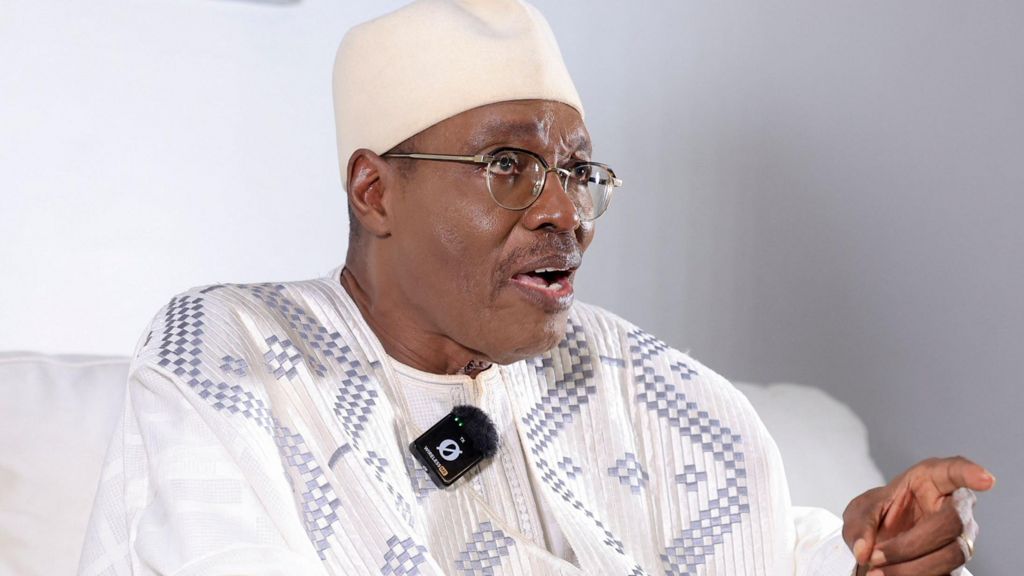
We won’t accept a stolen vote, Cameroon opposition leader tells BBC
Cameroon’s opposition leader, Issa Tchiroma Bakary, has declared himself the winner of the 12 October presidential election, challenging the official results yet to be announced. In an interview with the BBC, Bakary, 76, a former government minister who broke ties with President Paul Biya, 92, asserted that his team had compiled data from polling stations, leaving no doubt about his victory. He vowed not to accept a ‘stolen vote’ and urged his supporters to defend their ballots. The ruling Cameroon People’s Democratic Movement (CPDM) dismissed Bakary’s claims as illegal, stating that only the Constitutional Council can announce official results. Bakary, undeterred, insisted that the law permits his declaration and challenged the ruling party to disprove his claims. The delayed announcement of results has heightened tensions in Cameroon, a nation already grappling with separatist conflicts in Anglophone regions and Boko Haram insurgency in the Far North. The election outcome could determine whether Biya, the world’s oldest president, retains his 43-year grip on power.
-
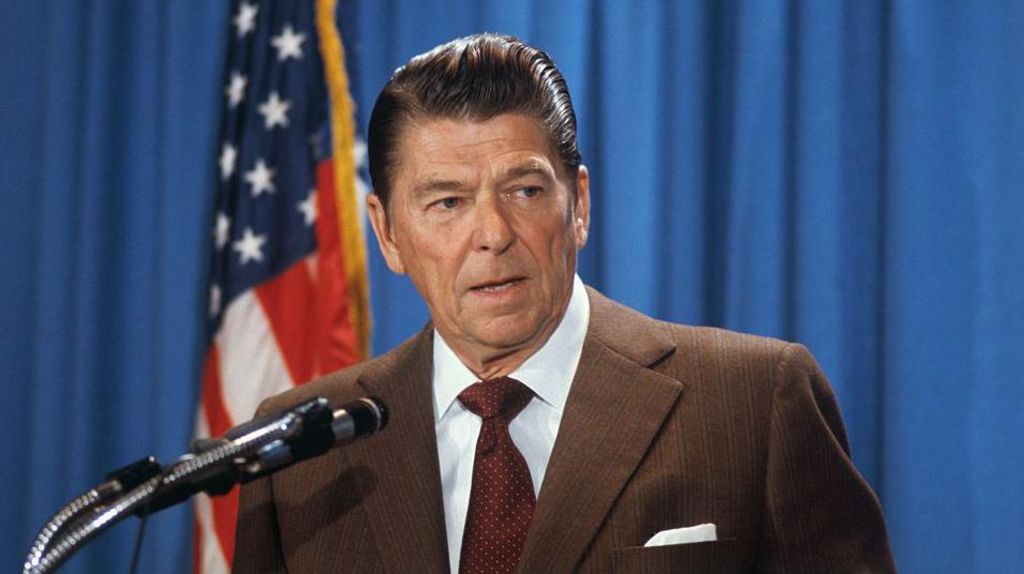
What’s in controversial Reagan advert and is it what he really said?
In a dramatic escalation of trade tensions, U.S. President Donald Trump has announced the immediate suspension of all trade negotiations with Canada. The decision comes in response to an advertisement sponsored by Ontario, Canada, which features excerpts from a 1987 radio address by former President Ronald Reagan. The ad, released last week, highlights Reagan’s critique of tariffs, stating they ‘hurt every American.’ Trump dismissed the ad as ‘FAKE,’ while the Ronald Reagan Foundation accused it of misrepresenting Reagan’s original speech. The advertisement opens with Reagan’s assertion that tariffs may seem patriotic but only provide short-term benefits. However, the ad rearranges and condenses Reagan’s original address, omitting context and altering the flow of his arguments. In his 1987 speech, Reagan emphasized his commitment to free trade, warning that high tariffs lead to retaliation, trade wars, and economic decline. He also linked protectionist policies to the exacerbation of the Great Depression. The Ontario ad, while using Reagan’s exact words, strategically edits his message to critique Trump’s trade policies. This has sparked a diplomatic row, with Trump accusing Canada of misusing Reagan’s legacy. The controversy underscores the ongoing debate over tariffs and their long-term economic impact, as well as the political stakes of trade negotiations between the U.S. and Canada.
-
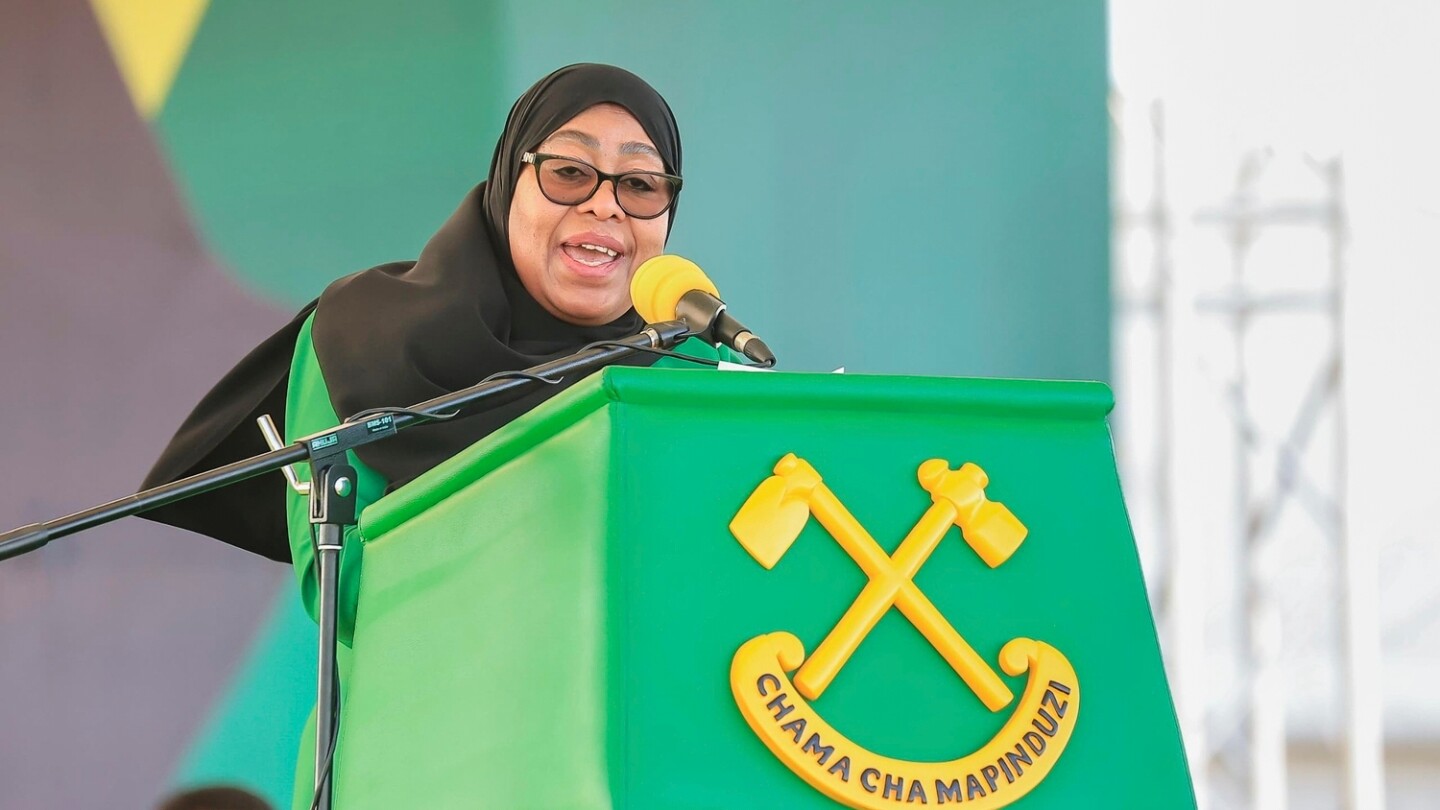
Tanzania’s first female president has defied early hopes that she would ease repression
KAMPALA, Uganda (AP) — Since her inauguration in 2021 as Tanzania’s first female president, Samia Suluhu Hassan has faced growing scrutiny over her leadership style. Initially seen as a reformist, Hassan’s tenure has increasingly been marked by authoritarian tendencies, according to critics and human rights organizations. A recent cartoon by Tanzanian-born artist Gado, based in Kenya, depicted Hassan in a military uniform, labeling her a “Dictatoress,” symbolizing her perceived shift from a torchbearer of liberty to a wielder of repression.
-
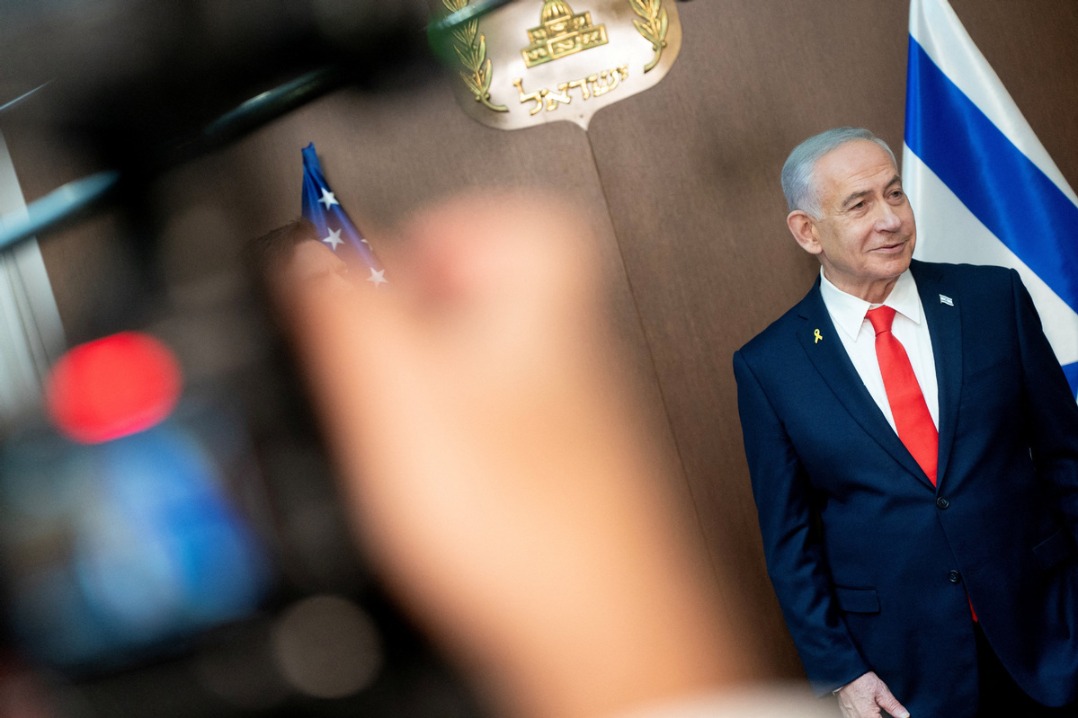
Israel freezes legislative process for West Bank annexation
In a significant political development, Israel has temporarily suspended the legislative process for annexing parts of the West Bank. The decision came after two controversial bills, which aimed to apply Israeli law and administration to all settlements in Maale Adumim and the West Bank, passed a preliminary vote in the Knesset on Wednesday. The move has sparked widespread debate and criticism, particularly during the visit of US Vice President JD Vance to Israel. Ofir Katz, chairman of the government coalition, announced that the bills would not be advanced until further notice, citing the need for further deliberation. The parliamentary vote, which occurred during Vance’s visit, was described by the US Vice President as a ‘political stunt’ with no practical significance. Israeli Prime Minister Benjamin Netanyahu’s office countered that the vote was a deliberate provocation by the opposition to disrupt the visit. Netanyahu’s Likud party did not support the bills, making their passage unlikely without their backing. The suspension of the annexation process underscores the complex political dynamics in the region and the delicate balance of international relations.
-
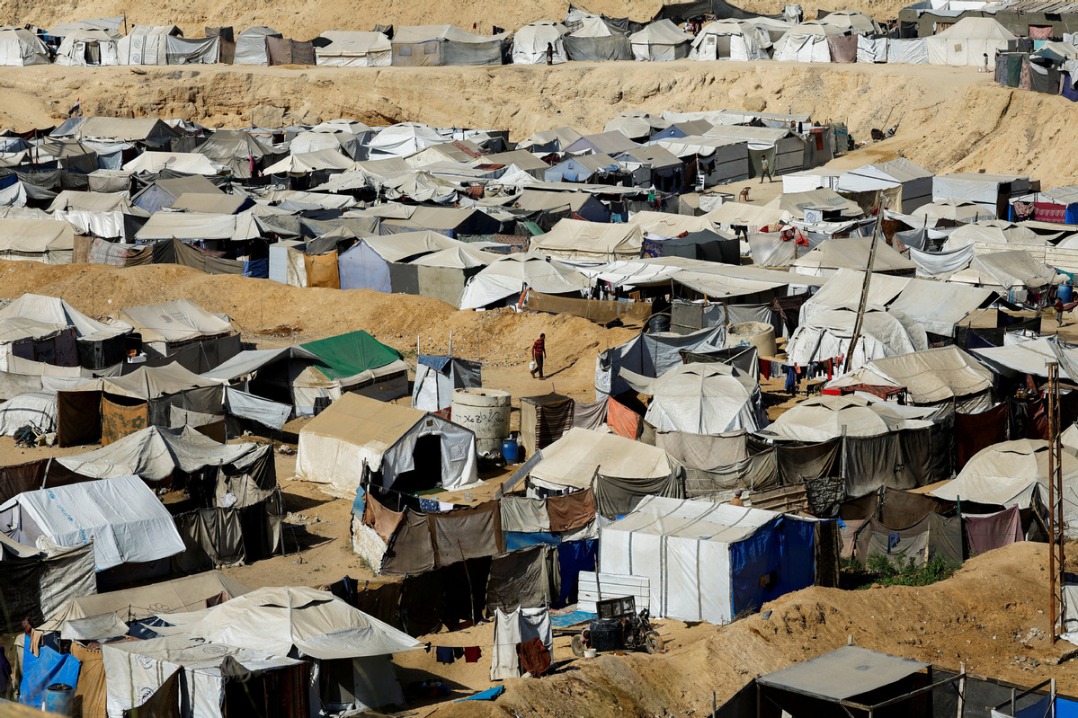
Hamas, Fatah hold talks on post-war arrangements in Gaza
In a significant development, delegations from Hamas and Fatah convened in Cairo to deliberate on post-war arrangements for the Gaza Strip. The meeting, reported by Egyptian TV channel Al-Qahera News, marks a pivotal step towards Palestinian unity and reconstruction efforts. The Hamas delegation, led by senior leader and chief negotiator Khalil al-Hayya, met with Fatah’s representatives, including Palestinian Vice President Hussein al-Sheikh and intelligence chief Majed Faraj. The discussions also encompassed the second phase of former US President Donald Trump’s peace plan for Gaza, with Egypt preparing to host a reconstruction conference in November. Concurrently, Egypt’s intelligence chief Hassan Mahmoud Rashad engaged with Fahd Suleiman, Secretary-General of the Democratic Front for the Liberation of Palestine, to foster national consensus on Trump’s plan. Rashad also reiterated opposition to the Israeli Knesset’s recent bill on annexing the occupied West Bank. The talks follow a ceasefire brokered by the US, Egypt, Qatar, and Turkiye, which took effect on October 10, 2025, after two years of conflict. Despite the truce, Gaza’s health authorities reported ongoing casualties, with 89 deaths and 317 injuries since October 11, and a staggering toll of 68,280 deaths and 170,375 injuries since October 7, 2023.
-
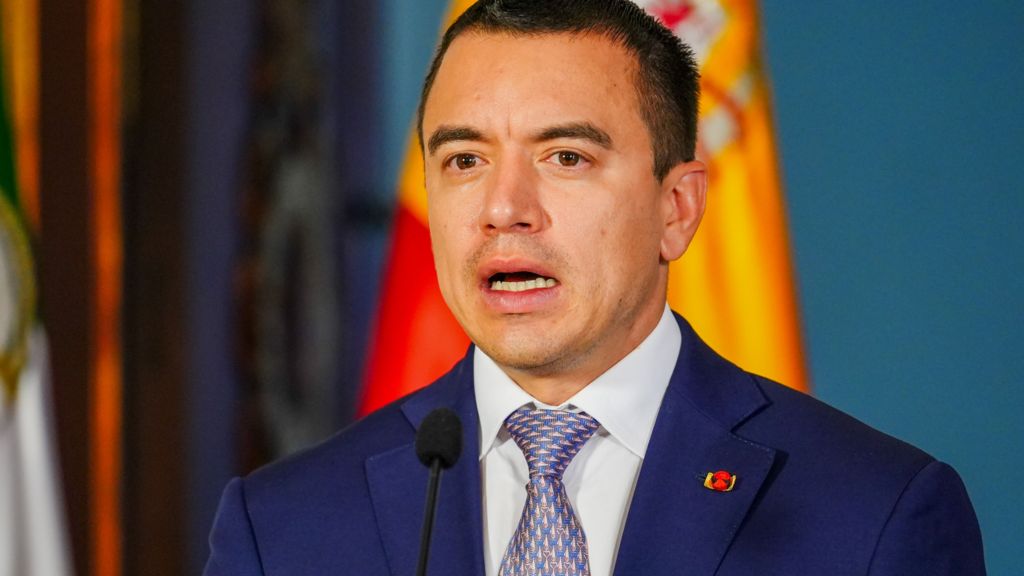
Ecuador’s president says he was target of foiled chocolate and jam poisoning
Ecuadorian President Daniel Noboa has alleged that an attempt was made to poison him through contaminated gifts of chocolate and jam, containing three highly concentrated toxic substances. Speaking to CNN on Thursday, Noboa asserted that the presence of these chemicals in such high concentrations was “practically impossible” by chance. While he claimed his team possesses evidence supporting the allegation, no concrete proof has been publicly disclosed. This incident marks the third alleged attempt on Noboa’s life in just two months, following violent clashes and protests against his administration’s policies, including a sharp rise in fuel prices and the removal of diesel subsidies. Noboa, a center-right leader, has implemented military crackdowns on drug gangs but faces accusations of targeting protesters. He dismissed suggestions that these alleged attempts were staged to portray his detractors as violent, stating, “No one throws a Molotov cocktail at themselves… or poisons themselves with chocolate.” Earlier in October, Ecuador’s government detained five individuals over an alleged assassination attempt, during which about 500 people reportedly threw rocks at the president’s car, leaving “signs of bullet damage.” However, the BBC could not independently confirm a bullet was fired. In late September, a humanitarian convoy carrying Noboa and including UN and EU diplomats was ambushed by approximately 350 people, who attacked with Molotov cocktails and took 17 soldiers hostage. Noboa shared images of the damaged vehicles on social media. Meanwhile, a national strike led by the Confederation of Indigenous Nationalities of Ecuador (Conaie) against the government’s decision to end diesel subsidies concluded on Thursday after weeks of protests. Conaie, which has historically played a pivotal role in Ecuadorian politics, led demonstrations that ousted three presidents between 1997 and 2005.
-
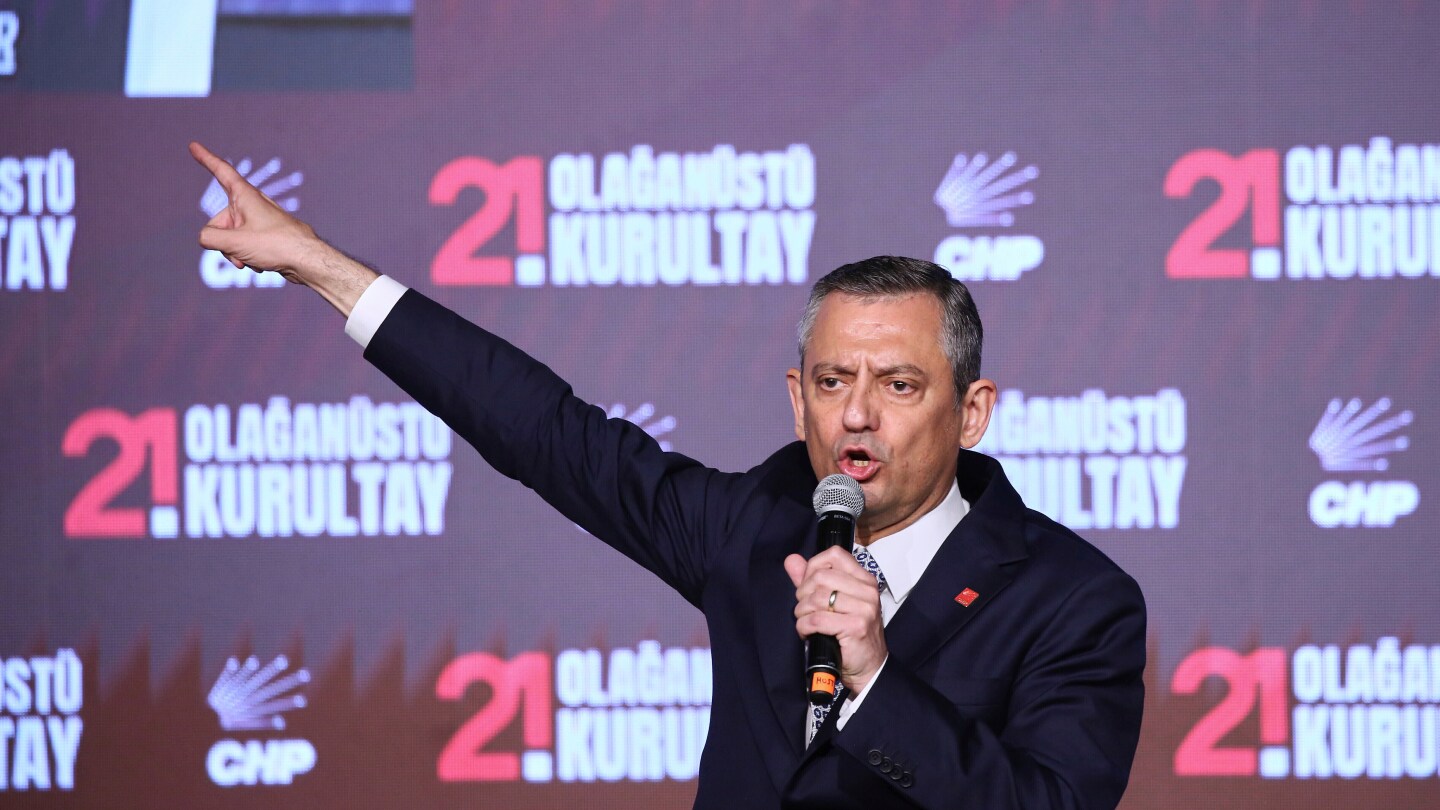
Turkish court dismisses case challenging main opposition party’s congress
In a significant ruling on Friday, a Turkish court dismissed a lawsuit challenging the legitimacy of the Republican People’s Party’s (CHP) internal election held in November 2023. The case, which sought to annul the party’s 38th congress, alleged electoral fraud, including vote-buying and procedural violations. The court found no legal basis to overturn the election results, thereby affirming the leadership of current CHP chairperson Ozgur Ozel. The lawsuit had raised the possibility of reinstating former leader Kemal Kilicdaroglu or appointing a trustee chairman, a move that could have destabilized the party. The CHP has consistently denied the allegations, labeling the legal action as a politically motivated effort by President Recep Tayyip Erdogan’s government to weaken the opposition through judicial pressure. Critics argue that the case is part of a broader crackdown on the CHP, which has gained momentum in recent local elections. The party’s municipalities, including Istanbul under Mayor Ekrem Imamoglu, have faced waves of arrests this year. Imamoglu, a prominent Erdogan critic, remains in pre-trial custody on corruption charges, which he denies. His arrest in March sparked widespread protests, further intensifying political tensions in the country. Erdogan’s administration maintains that Turkey’s judiciary operates independently and that investigations are focused solely on combating corruption.
-
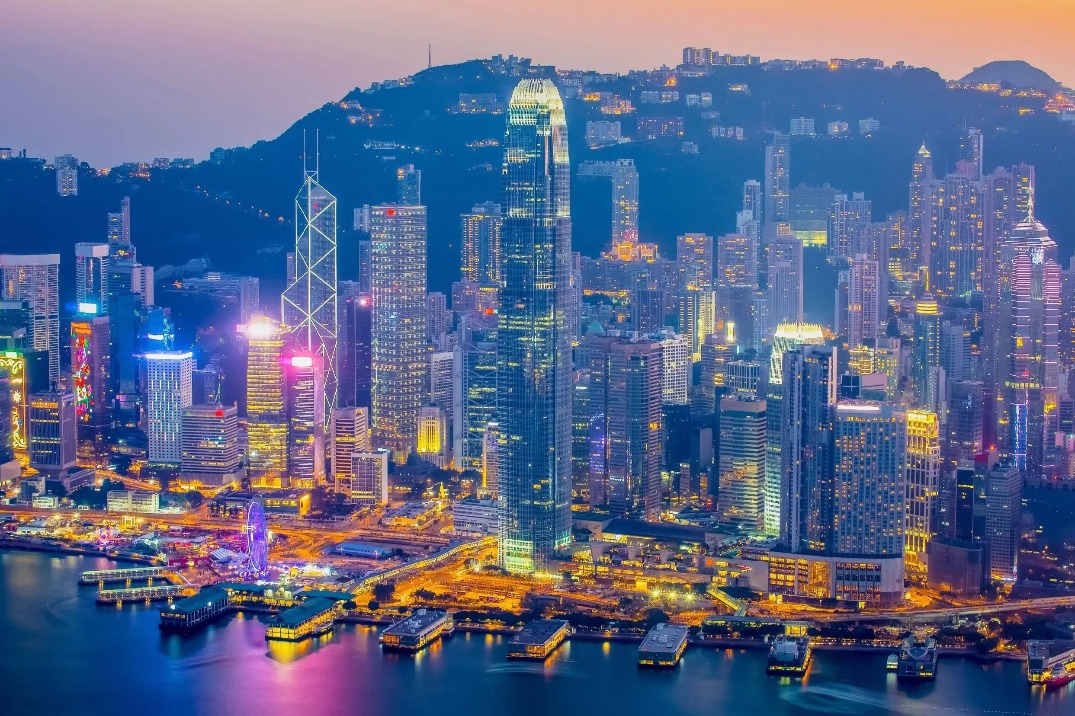
HK residents urged to cast ballots
Hong Kong’s leaders and government officials have launched a vigorous campaign urging residents to participate in the upcoming Legislative Council election, scheduled for December 7, 2025. At the kick-off ceremony for the 2025 Legislative Council General Election, Chief Executive John Lee Ka-chiu emphasized the critical importance of electing ‘capable, responsible, and passionate lawmakers’ to shape the city’s future. The event was held just before the candidate nomination period began, marking the start of a pivotal electoral process that will see 90 lawmakers elected across geographical, functional, and Election Committee constituencies. Lee highlighted that Hong Kong is transitioning from stability to prosperity, with the government actively pursuing reforms, economic development, and improved livelihoods. He stressed that many policies require legislative approval and funding, making the election a decisive moment for the city’s progress. Lee called on all sectors of society, including public and private organizations and patriotic groups, to encourage voter participation. He also assured that civil servants, as the city’s largest workforce, would be given the opportunity to vote, with adequate backup personnel in place to cover their duties. The Hong Kong SAR government has pledged to ensure the election is conducted fairly, justly, and securely. David Lok Kai-hong, Chairman of the Electoral Affairs Commission, underscored that voting is both a right and a social responsibility, enabling residents to directly influence policies in healthcare, labor, education, transport, and housing. Lok praised the improved electoral system for enhancing representativeness, inclusivity, and fair competition, laying a solid foundation for Hong Kong’s democratic development. Lee also highlighted the achievements of the seventh Legislative Council, which passed nearly 130 bills and approved over 260 projects worth HK$700 billion during its term. Other high-ranking officials, including Chief Secretary Eric Chan Kwok-ki and Security Secretary Chris Tang Ping-keung, echoed the call for public engagement, describing the election as a unifying force and a chance to propel Hong Kong forward. Deputy Chief Secretary Warner Cheuk Wing-hing added that participation in the election would enhance Hong Kong’s international prestige, competitiveness, and social stability.