
In a strongly worded statement on Thursday, Emirati billionaire Khalaf Ahmad Al Habtoor, founding chairman of the Al Habtoor Group, criticized Israeli Finance Minister Bezalel Smotrich for his ‘racist and provocative’ remarks about Saudi Arabia. Smotrich, in a viral video, had mockingly suggested that Saudi Arabia should ‘keep riding camels’ if it demands an independent Palestinian state in exchange for normalizing relations with Israel. Although Smotrich later apologized, calling his comments ‘unfortunate,’ Al Habtoor dismissed the apology as insufficient to erase the magnitude of the insult. He emphasized that the Gulf Cooperation Council (GCC) states, including Saudi Arabia, have achieved significant progress in energy, technology, and urban development, becoming global models of prosperity. Al Habtoor argued that Israel, not the Arab world, needs peace with its neighbors to secure its future. He called for a united Arab stance against such rhetoric, stating that dignity is a principle that must be defended through action, not just words. Opposition leaders in Israel, including Yair Lapid and Benny Gantz, also condemned Smotrich’s comments, with Lapid asserting that Smotrich does not represent the State of Israel.
分类: politics
-
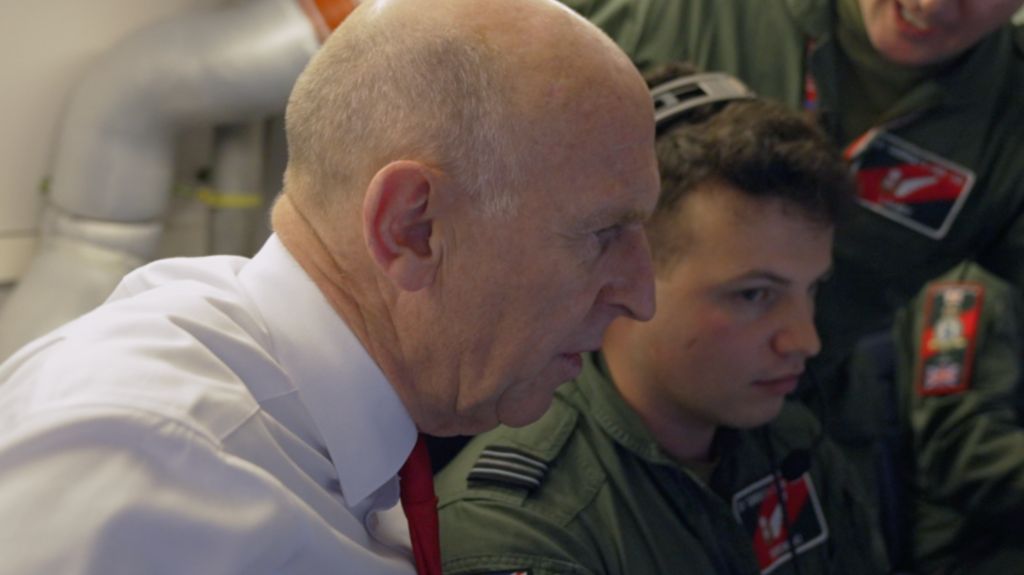
UK defence secretary warns Putin: ‘We’re watching you’
Defence Secretary John Healey has issued a stark warning to Russian President Vladimir Putin, declaring, ‘We’re hunting your submarines.’ Healey revealed a 30% increase in Russian vessels encroaching on UK waters, signaling a broader pattern of Russian aggression that extends beyond Ukraine to impact Europe as a whole. The Ministry of Defence confirmed that Russian submarine activity in the North Atlantic has surged to levels reminiscent of the Cold War era. In response, the RAF and Royal Navy have intensified their surveillance efforts, with RAF P-8 aircraft conducting frequent missions, often supported by NATO allies. BBC News accompanied Healey on a flight aboard a P-8, a high-tech spy plane equipped with advanced cameras, sensors, and sonar buoys designed to detect and track submarines. The crew, working in a highly classified environment, monitors both surface vessels and underwater threats. Recent incidents, such as the tracking of the Russian spy ship Yantar near undersea cables in the Irish Sea, highlight growing Western concerns over Russia’s potential to disrupt critical infrastructure. Germany, a key ally, has ordered eight P-8 aircraft and is deepening its defense collaboration with the UK under the Trinity House Agreement. German Defence Minister Boris Pistorius, who joined Healey on the flight, emphasized the North Atlantic’s strategic importance and the need for vigilance against Russian hybrid warfare tactics, including disinformation and threats to undersea infrastructure. The two nations are also cooperating on cybersecurity and arms production, further solidifying their partnership in the face of escalating Russian threats.
-
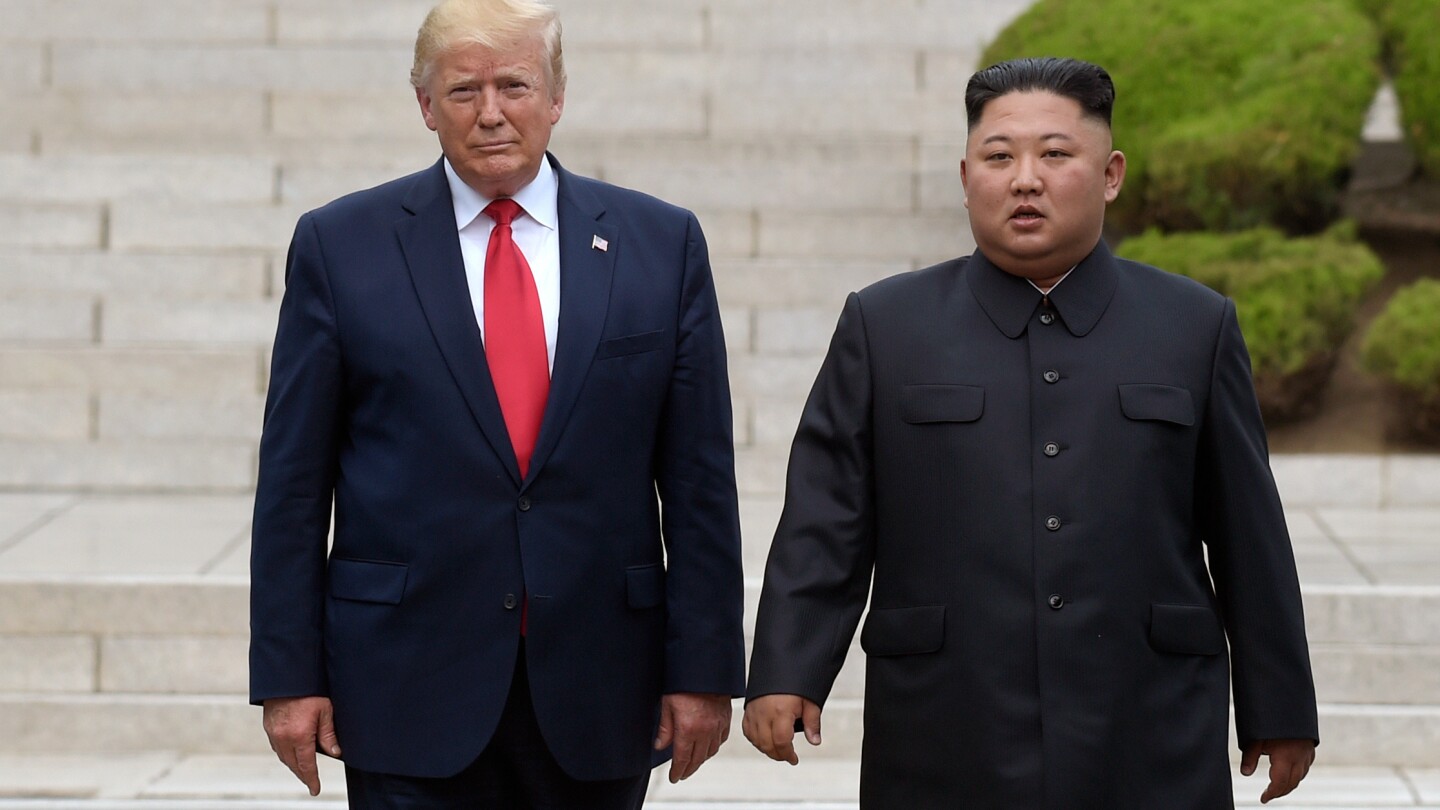
Trump-Kim meeting speculation flares ahead of US president’s visit to South Korea
As U.S. President Donald Trump prepares for his first trip to Asia since returning to office, speculation is growing about a potential meeting with North Korean leader Kim Jong Un during his stop in South Korea. This would mark their first summit since their impromptu meeting at the Korean border village of Panmunjom in June 2019, which was aimed at reviving stalled nuclear talks. While many experts remain skeptical about the likelihood of another spontaneous meeting, some predict that Trump and Kim could eventually resume talks in the coming months. However, others argue that the geopolitical landscape has shifted significantly since 2019, with North Korea expanding its nuclear capabilities and strengthening alliances with Russia and China, making immediate diplomacy less probable. Trump has repeatedly expressed his desire to restore dialogue with Kim, praising their past relationship and calling the North Korean leader “a smart guy.” Kim, in turn, has hinted at a possible return to talks if the U.S. abandons its insistence on denuclearization. Despite these signals, neither Washington nor Pyongyang has indicated any high-profile meetings ahead of the Asia-Pacific Economic Cooperation (APEC) summit in South Korea. Observers note that Kim’s leverage has grown significantly, with an enlarged nuclear arsenal and stronger diplomatic backing, potentially reducing his urgency for talks. While a Trump-Kim meeting could provide a diplomatic boost for both leaders, experts caution that meaningful progress remains uncertain, given the complex dynamics and entrenched positions on both sides.
-
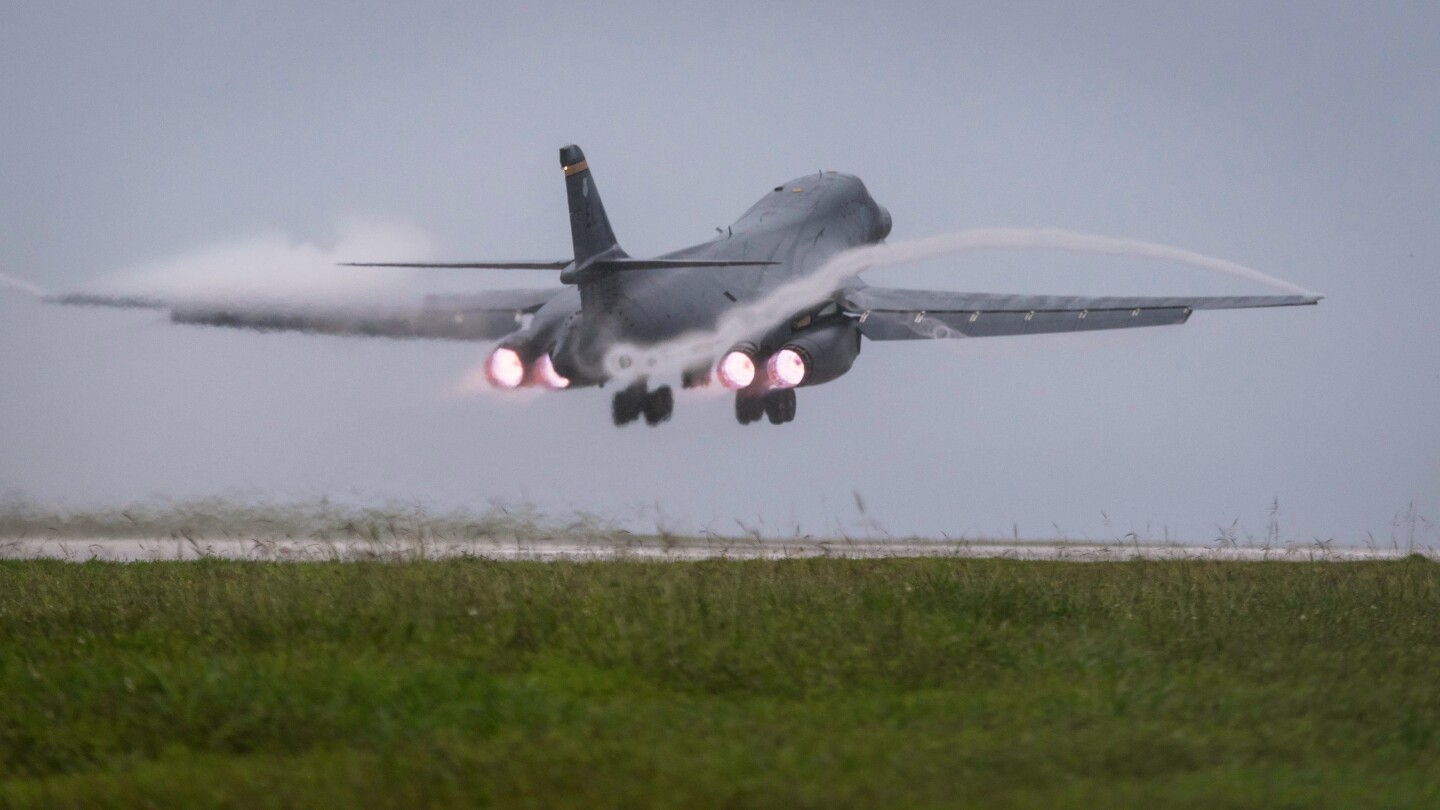
US military flew supersonic B-1 bombers up to the coast of Venezuela
In a significant escalation of military presence, the U.S. deployed a pair of supersonic B-1 Lancer bombers to the Venezuelan coast on Thursday, marking the second such exercise in just over a week. This maneuver, part of a broader training simulation designed to mimic an attack, has fueled widespread speculation about the Trump administration’s intentions toward Venezuelan President Nicolás Maduro. Maduro, who faces U.S. charges of narcoterrorism, has been under increasing scrutiny as the U.S. military bolsters its forces in the Caribbean Sea and surrounding waters. Since early September, the U.S. has conducted lethal strikes on vessels allegedly involved in drug trafficking off Venezuela’s coast, further intensifying tensions. Flight tracking data revealed that the B-1 bombers, capable of carrying more bombs than any other U.S. aircraft, departed from Dyess Air Force Base in Texas and traversed the Caribbean. A U.S. official, speaking anonymously, confirmed the training exercise. The recent deployment follows a similar mission involving B-52 Stratofortress bombers and F-35B stealth fighter jets last week. President Trump dismissed claims that the flights were intended to increase military pressure on Venezuela, stating, ‘It’s false, but we’re not happy with Venezuela for a lot of reasons. Drugs being one of them.’ The U.S. military presence in the region now includes eight warships, P-8 patrol aircraft, MQ-9 drones, and an F-35 squadron, with a submarine also operating in South American waters. Defense Secretary Pete Hegseth likened the administration’s anti-drug campaign to the post-9/11 war on terrorism, vowing to dismantle drug networks with the same intensity. The latest strikes, which expanded operations to the eastern Pacific, have resulted in at least 37 fatalities. Trump has also hinted at extending these operations to land-based targets, emphasizing readiness to ‘hit them very hard.’
-
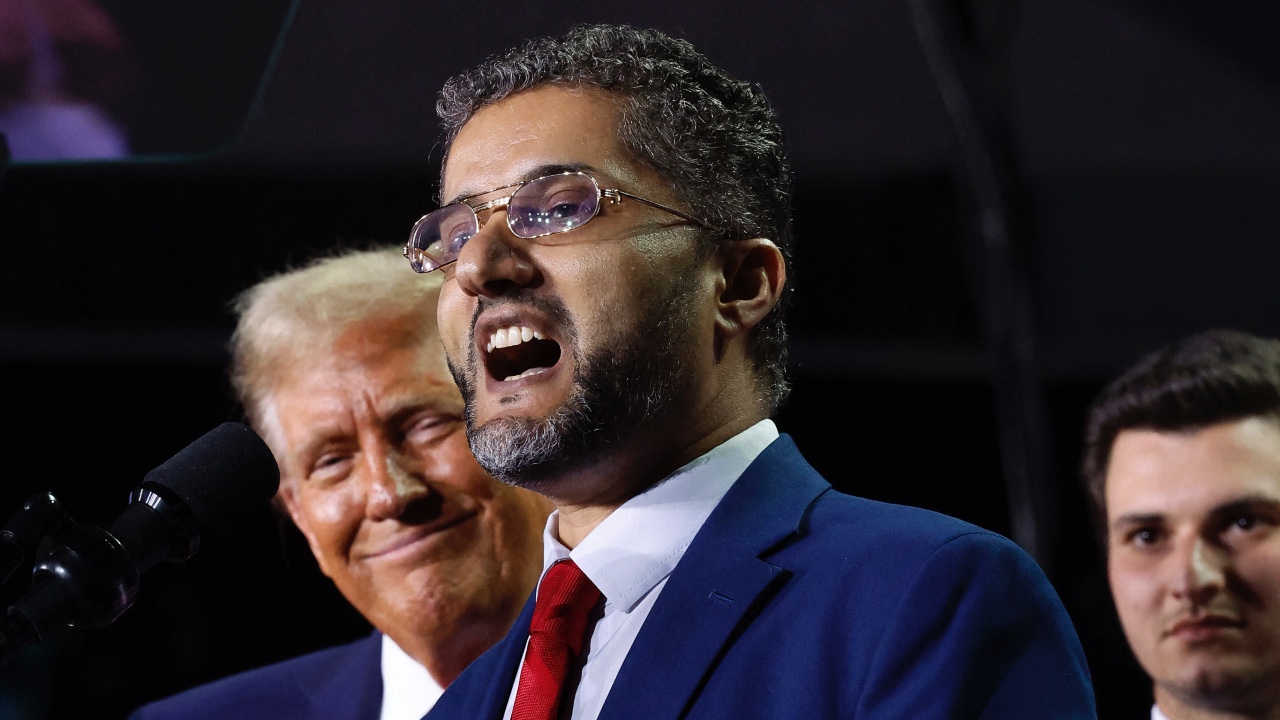
Trump’s pick for US ambassador to Kuwait grilled by lawmakers on Israel
Amer Ghalib, the mayor of Hamtramck, Michigan, and a former Democrat turned Donald Trump supporter, faced intense questioning during his Senate Foreign Relations Committee hearing on Thursday. Nominated in March 2024 to become the U.S. ambassador to Kuwait, Ghalib’s confirmation has been delayed due to his controversial social media posts and outspoken criticism of Israel, which have drawn criticism from pro-Israel groups and right-wing media outlets. Ghalib, the first Muslim mayor to endorse Trump, defended his past remarks, including his dismissal of reports of Hamas’ sexual violence during the October 7 attacks, which he later attributed to a lack of awareness of the evidence. Senator Jeanne Shaheen challenged Ghalib on his comments, citing well-documented evidence of Hamas’ atrocities. Ghalib condemned all forms of abuse and expressed regret for his past social media activity, which he described as a “bad habit” of engaging with inflammatory posts. He also addressed his previous opposition to the Abraham Accords, stating that he now supports normalization with Israel. Ghalib emphasized his commitment to combating antisemitism, citing a resolution passed under his leadership in Hamtramck. Despite the controversy, Ghalib retains Trump’s support, as evidenced by a recent phone call from the former president. Ghalib’s nomination has sparked debate within both political parties, with some viewing it as a test of the Republican Party’s relationship with the Arab American community. His hearing highlighted the challenges of reconciling personal beliefs with public office, as well as the broader political implications of his appointment.
-
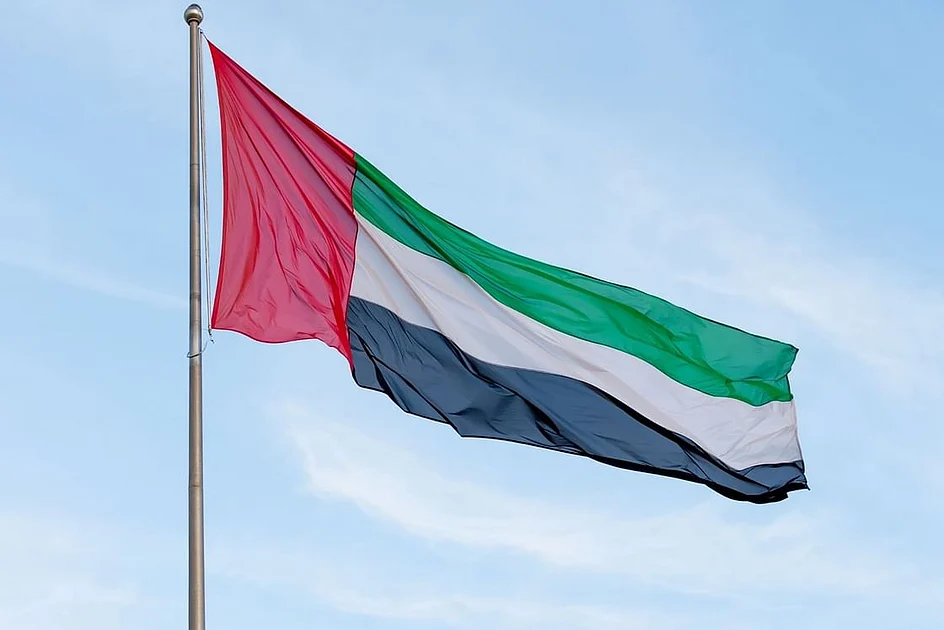
UAE strongly condemns Israeli Knesset’s approval of draft laws annexing West Bank
The United Arab Emirates (UAE) has issued a strong condemnation of the Israeli Knesset’s preliminary approval of two draft laws aimed at annexing the occupied West Bank and legitimizing control over a settlement in the region. In a statement released by the Ministry of Foreign Affairs, the UAE described the move as a severe escalation, a blatant violation of international resolutions, and a direct threat to the prospects of achieving a just and comprehensive peace in the Middle East. The Ministry reiterated the UAE’s firm rejection of all unilateral actions that seek to alter the legal and historical status of the Palestinian territories, emphasizing that such measures undermine the foundation of the two-state solution. The UAE called on the international community to fulfill its legal and political responsibilities by taking decisive steps to ensure security and stability for all peoples in the region. Additionally, the Ministry underscored the importance of supporting regional and international efforts to revive the peace process and halt illegal practices, reaffirming the UAE’s commitment to promoting peace, justice, and the rights of the Palestinian people.
-
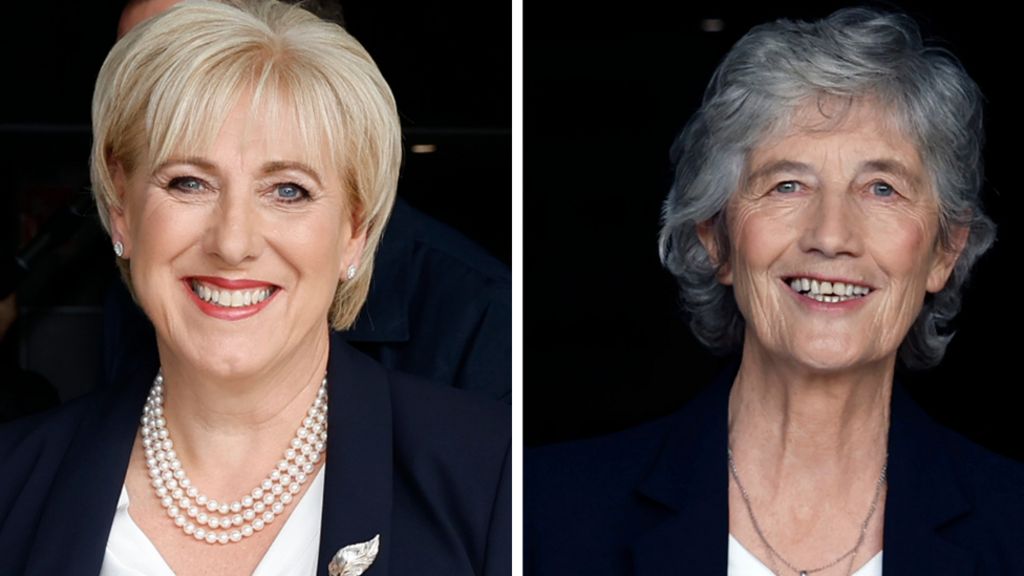
Voters set to decide new Irish president
The Republic of Ireland is set to hold a pivotal presidential election on Friday, marking a significant moment in the nation’s political landscape. Voters will choose between two primary candidates, Catherine Connolly and Heather Humphreys, to succeed the incumbent President Michael D Higgins, who is concluding his second consecutive seven-year term. Although a third candidate, Jim Gavin, withdrew from the race due to a past controversy, his name remains on the ballot due to legal constraints, allowing votes cast for him to be transferred to other candidates if necessary. Polls will open at 07:00 local time and close at 22:00, with approximately 3.6 million eligible voters expected to participate. Catherine Connolly, an independent candidate, has garnered support from left-leaning parties, including Sinn Féin, while Heather Humphreys, a former government minister from Fine Gael, represents the coalition government. The vote counting will commence at 09:00 on Saturday, with the winner announced at Dublin Castle. The new president will be inaugurated on 11 November, following Higgins’ departure on 10 November.
-

Will the US government shutdown halt food stamps?
As the US government shutdown persists, millions of Americans reliant on the Supplemental Nutrition Assistance Program (SNAP) face uncertainty over their food benefits. The US Department of Agriculture (USDA) warned states on October 10 that prolonged shutdown could lead to ‘insufficient funds’ to pay full SNAP benefits by November. This has triggered widespread concern among low-income families who depend on the program for their monthly groceries. SNAP, which supports approximately 40 million Americans, provides an average of $6 per person daily, making it a lifeline for many households. Hilary Seligman, a professor at the University of California, San Francisco, emphasized the program’s critical role in preventing families from choosing between rent and food. The shutdown has disrupted federal funding to states, delaying SNAP card reloads and processing. While a $5 billion contingency fund exists, it would only cover 60% of November’s benefits, according to the Center on Budget and Policy Priorities. Political blame has intensified, with Republicans and Democrats accusing each other of causing the crisis. States like Pennsylvania have already issued warnings about potential benefit delays, further heightening anxieties among vulnerable populations.
-
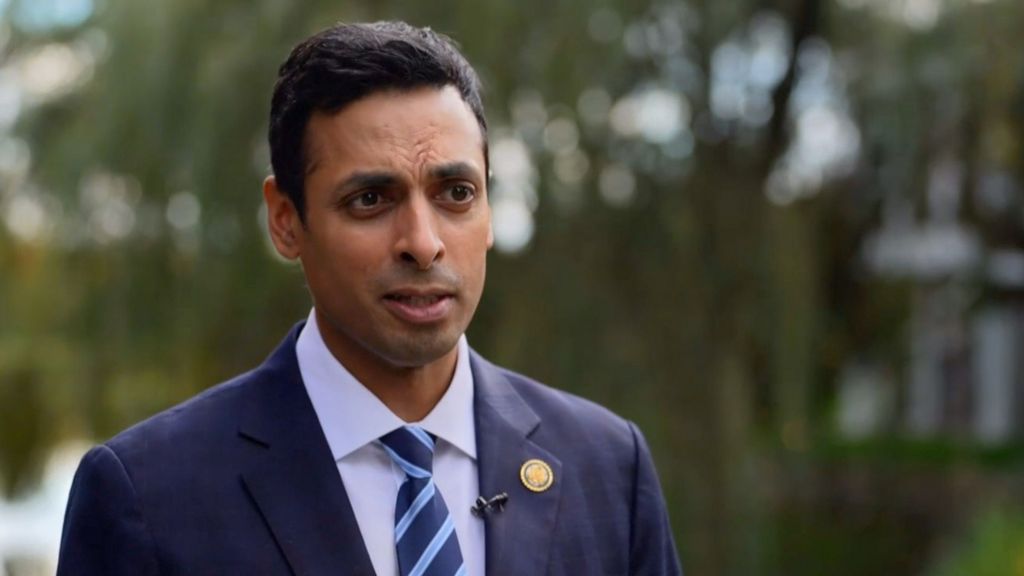
Prince Andrew urged to testify to Congress over Epstein
A prominent Democratic representative from the House Oversight Committee has publicly urged Prince Andrew to appear before Congress to clarify his association with Jeffrey Epstein, the deceased financier convicted of sex trafficking. The lawmaker emphasized the necessity for the prince to provide a detailed account of his interactions with Epstein, whose crimes have sparked widespread scrutiny of his high-profile connections. This development underscores the growing pressure on Prince Andrew to address lingering questions about his involvement with Epstein, particularly as investigations into the latter’s network continue. The call for testimony highlights the broader implications of accountability for public figures linked to Epstein’s illicit activities.
-
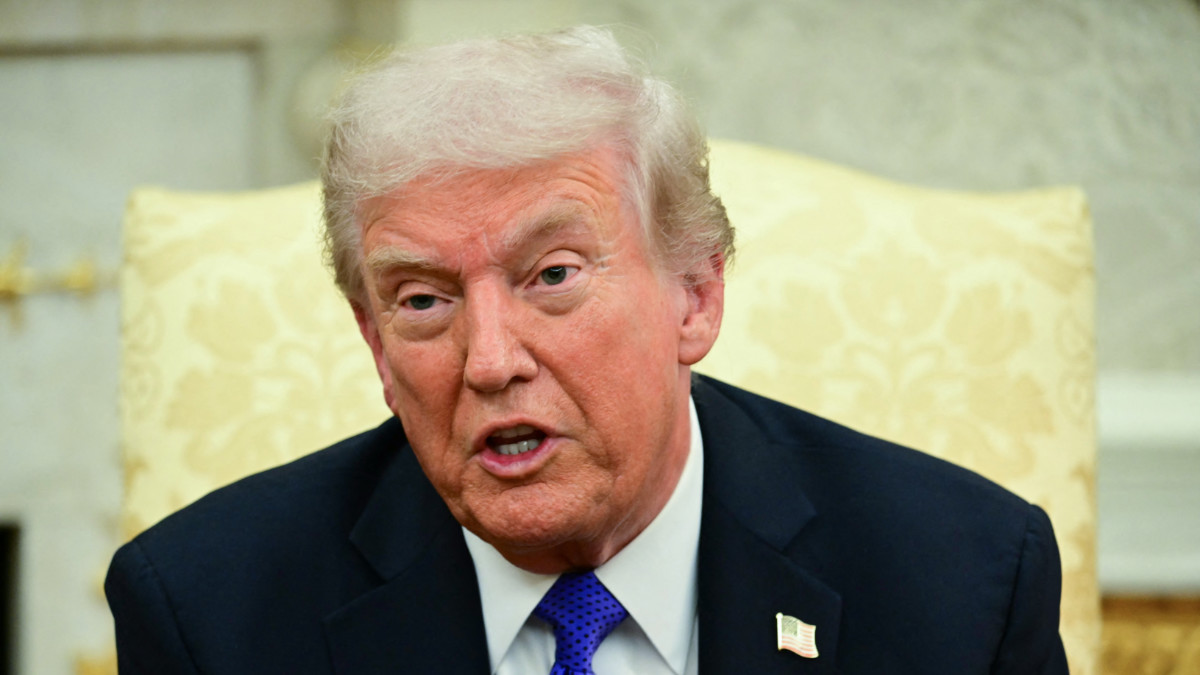
Trump says he will decide whether Marwan Barghouti should be freed and will visit Gaza soon
In a recent interview with TIME Magazine, U.S. President Donald Trump revealed he is considering whether to pressure Israel to release Marwan Barghouti, a prominent Palestinian political leader imprisoned since 2002. Trump also announced plans to visit the Gaza Strip, marking a historic first for a sitting U.S. president. These statements come as Trump continues to tout his role in brokering a fragile ceasefire in Gaza, despite ongoing violations and unresolved issues. The ceasefire, part of Trump’s 20-point plan for Gaza, has been challenged by Israel’s refusal to open the Rafah border crossing and continued air strikes, as well as Hamas’s failure to disarm. Trump emphasized his pivotal role in halting the conflict, attributing the success to his willingness to take decisive actions, including a joint U.S.-Israel strike on Iran’s nuclear facilities in June. He also criticized Israeli Prime Minister Benjamin Netanyahu, portraying him as the primary obstacle to peace. Meanwhile, Trump’s administration has dispatched key aides, including Jared Kushner and Vice President JD Vance, to stabilize the ceasefire. Vance publicly condemned Israel’s recent moves to annex the West Bank, aligning with Trump’s pledge to prevent such actions. Trump also expressed skepticism about the Palestinian Authority’s ability to lead post-war Gaza, hinting at the need for a unifying figure like Barghouti. While Trump remains optimistic about expanding the Abraham Accords to include Saudi Arabia, Riyadh has set conditions, including irreversible steps toward a Palestinian state. Trump anticipates Saudi Arabia’s participation by 2025, envisioning a peaceful Middle East free from threats.