分类: politics

  • Vance and Rubio set to attend Winter Olympics opening ceremony in Italy. Trump isn’t on the list

    Vance and Rubio set to attend Winter Olympics opening ceremony in Italy. Trump isn’t on the list

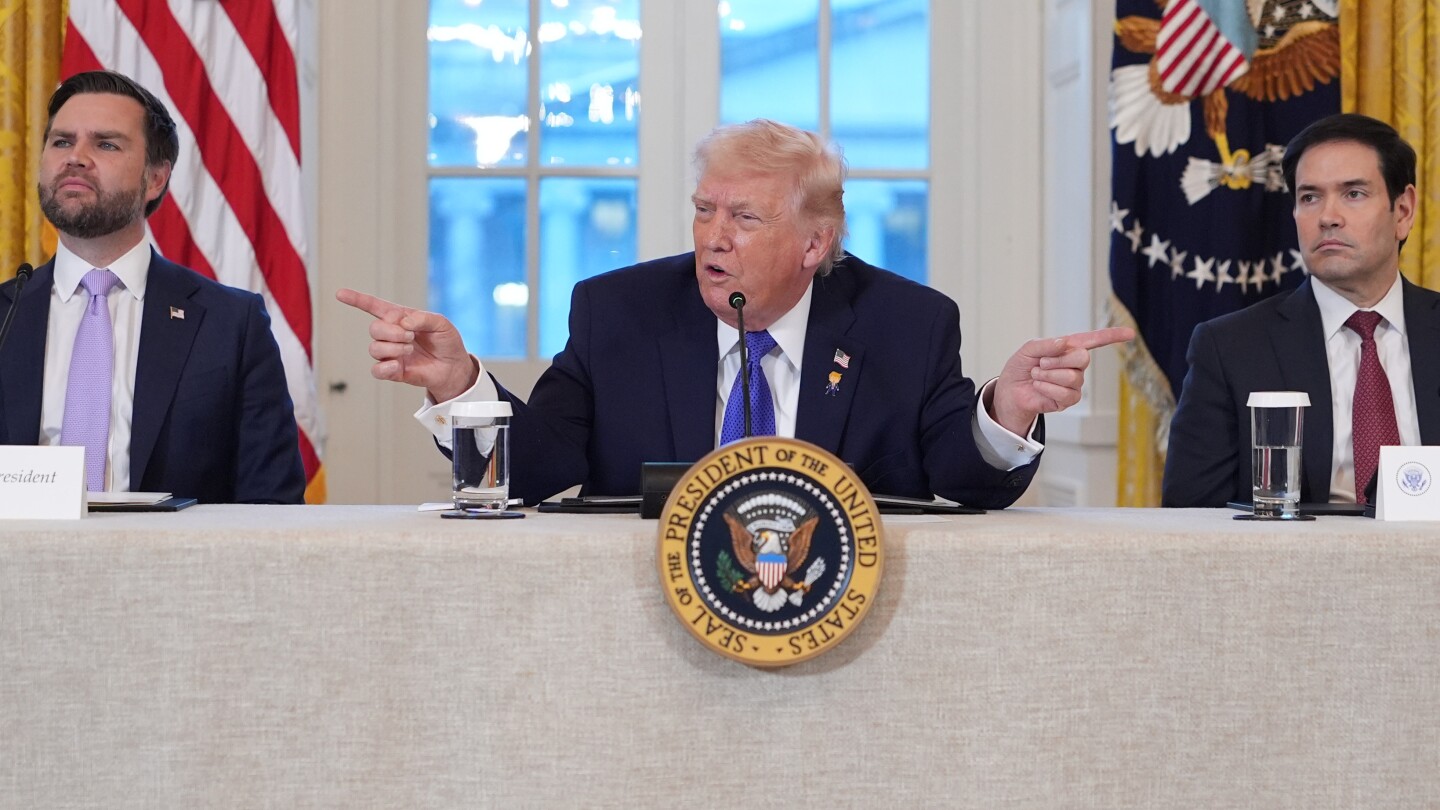
    ROME, Italy — The White House announced on Saturday that Vice President JD Vance will spearhead the official United States delegation to the 2026 Winter Olympics in Italy, confirming his attendance at the highly anticipated opening ceremony. The delegation represents a significant diplomatic and celebratory presence for the American contingent at the global sporting event.

    Vance will be accompanied by a distinguished group including Secretary of State Marco Rubio, Second Lady Usha Vance, and U.S. Ambassador to Italy Tilman Fertitta. Enhancing the prestige of the delegation is a cohort of celebrated American Olympic gold medalists, adding a layer of athletic excellence to the diplomatic mission.

    The 2026 Milan-Cortina Games are scheduled to commence on February 6th with an opening ceremony set to break new ground in Olympic history. The traditional Parade of Nations will transcend a single venue. While the primary spectacle will unfold before 60,000 spectators at Milan’s iconic San Siro stadium, athletes will simultaneously be presented in the mountain venues of Cortina d’Ampezzo, Predazzo, and Livigno. This innovative, multi-city format marks an unprecedented expansion of the ceremony’s reach.

    Notably absent from the delegation roster is former U.S. President Donald Trump. The American athlete representation within the delegation boasts impressive credentials, featuring twin sisters Jocelyne Lamoureux-Davidson and Monique Lamoureux-Morando, key members of the gold medal-winning 2018 ice hockey team. They will be joined by decorated Olympians including figure skating champion Evan Lysacek and two-time short track speed skating gold medalist Apolo Ohno.
  • ‘We demand respect’: Thousands join anti-Trump protest in Denmark over Greenland

    ‘We demand respect’: Thousands join anti-Trump protest in Denmark over Greenland

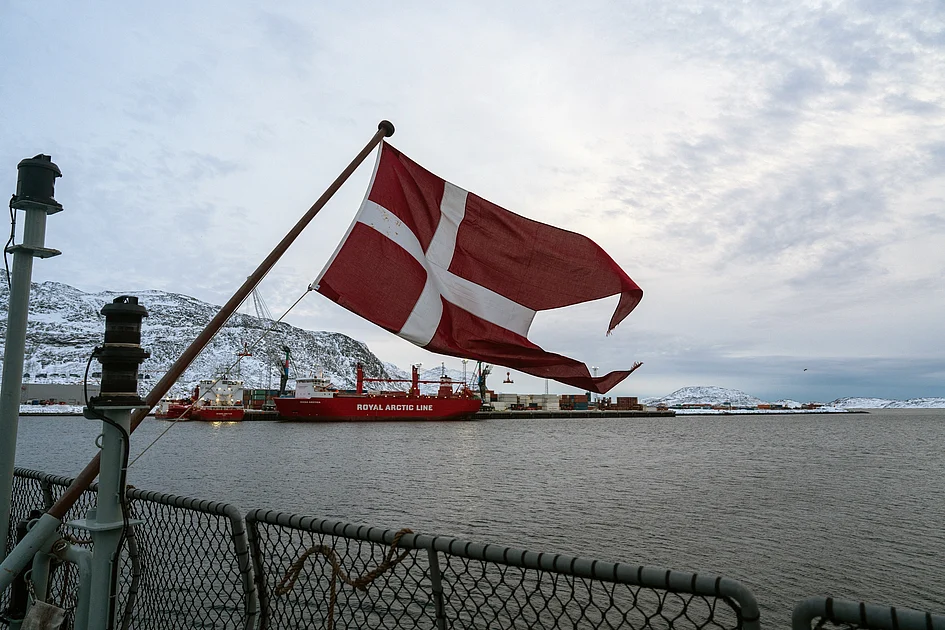
    COPENHAGEN – Tens of thousands of demonstrators flooded the streets of Denmark’s capital on Saturday in a powerful display of opposition to U.S. President Donald Trump’s controversial pursuit of mineral-rich Greenland. The massive civic mobilization came just one day after Trump threatened to impose tariffs on nations resisting his territorial acquisition plans.

    Waving a sea of red-and-white Danish and Greenlandic flags, protesters gathered outside Copenhagen’s city hall chanting “Kalaallit Nunaat!” – the indigenous name for Greenland. The carefully coordinated demonstrations, organized by Greenlandic associations, simultaneously unfolded across multiple Danish cities including Aarhus, Aalborg, Odense, and extended to Nuuk, Greenland’s capital.

    Uagut, an association representing Greenlanders in Denmark, articulated the movement’s core message: “The aim is to send a clear and unified message of respect for Greenland’s democracy and fundamental human rights.” Organizers scheduled a sister demonstration in Nuuk to specifically protest what they termed the U.S.’s “illegal plans to take control of Greenland,” with marchers proceeding toward the U.S. consulate.

    The protests coincided with a visit by a bipartisan U.S. Congressional delegation seeking to distance American lawmakers from Trump’s polarizing stance. Democratic Senator Chris Coons, leading the delegation, explicitly contradicted the administration’s security justification for the proposed acquisition during meetings with Danish and Greenlandic officials.

    “There are no pressing security threats to Greenland,” Coons told reporters, acknowledging shared concerns about Arctic security amid climate change while emphasizing NATO’s existing protective umbrella. This statement directly countered claims by Trump advisor Stephen Miller that Denmark lacked capacity to defend its Arctic territory.

    Recent polling data reveals overwhelming opposition among Greenlanders, with 85% rejecting potential U.S. membership. The demonstrations underscore growing transatlantic tensions as European NATO members, including Britain, France, Germany and Nordic countries, deploy troops to Greenland for military exercises explicitly designed to demonstrate sovereign defense capabilities.

  • Thousands rally in Serbia as students vow to lead on fight against corruption

    Thousands rally in Serbia as students vow to lead on fight against corruption

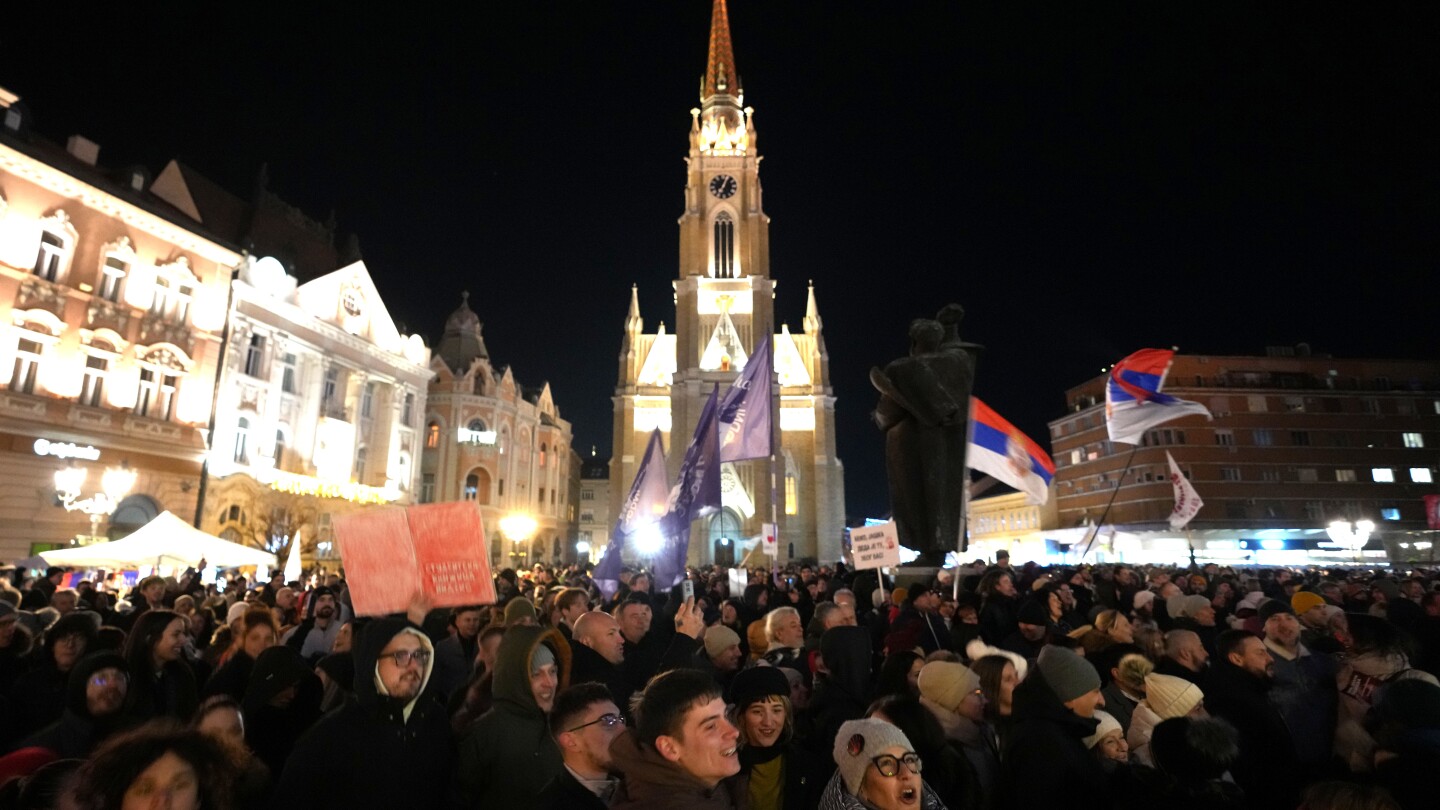
    NOVI SAD, Serbia — Tens of thousands of demonstrators flooded the streets of Novi Sad on Saturday as student organizers declared a strategic escalation in their prolonged campaign against President Aleksandar Vucic’s administration. The mobilization represents a new phase in a protest movement that has sustained momentum for over twelve months, presenting the most significant challenge to Vucic’s authoritarian leadership in the Balkan nation.

    Protesters unified in chants of ‘thieves’ directed at government officials, alleging systemic corruption that they contend directly contributed to the catastrophic November 2024 train station disaster in northern Serbia. The tragedy, which claimed 16 lives, served as the catalyst for the nationwide movement demanding governmental accountability and reform.

    Despite mounting pressure, President Vucic has maintained his refusal to call snap elections, a central demand of the protest movement. The government’s response has included hundreds of detentions, with numerous participants reporting employment termination and various forms of political persecution for their opposition activities.

    Student representatives announced a tactical shift from demonstration to proposition, outlining specific policy measures including the permanent exclusion of corrupt officials from political office and comprehensive investigations into unexplained wealth among governing elites. The movement, which has gathered approximately 400,000 signatures supporting their election initiative, has branded this new phase ‘What Victory Will Mean.’

    Vucic, who initially rose to power on promises of European Union integration, has increasingly pivoted toward alliances with Russia and China during his decade-long tenure. His administration faces persistent allegations of eroding democratic institutions while permitting corruption and organized crime networks to operate with impunity.

    The student-led movement has resonated deeply with a populace disillusioned by conventional political alternatives. Vucic has countered by accusing protesters of acting under covert Western directives aimed at destabilizing Serbia, though he has provided no substantiation for these claims.

  • Syrian Kurds seek constitutional recognition after rights decree

    Syrian Kurds seek constitutional recognition after rights decree

    In a landmark move, Syria’s interim government has issued a decree formally recognizing Kurdish cultural and linguistic rights for the first time since the nation’s independence in 1946. The declaration, announced by Interim President Ahmad al-Sharaa in a televised address late Friday, designates Newroz (the Kurdish new year) as a national holiday and restores citizenship to Kurds who were stripped of their nationality following a controversial 1962 census.

    While the decree prompted celebrations among Kurds in government-controlled areas like Damascus and Afrin, it received a muted response in regions under Kurdish autonomous control. Kurdish political factions across the spectrum acknowledged the gesture but universally warned it falls short of addressing their fundamental demands.

    The Kurdish-led Democratic Self-Administration of North and East Syria (DAANES) stated that no decree can constitute genuine guarantees unless embedded within a comprehensive constitutional framework. Similarly, Salih Muslim of the Democratic Union Party (PYD) characterized the measures as ‘individual promises’ rather than binding constitutional rights.

    Even welcoming voices like Shalal Gado of the Kurdish National Council emphasized that these provisions must evolve into constitutionally protected rights with legal safeguards. The decree fails to address the plight of unregistered Kurds (maktoumeen) and those abroad classified as foreigners (ajanib), leaving them stateless and unable to work, study, or marry legally.

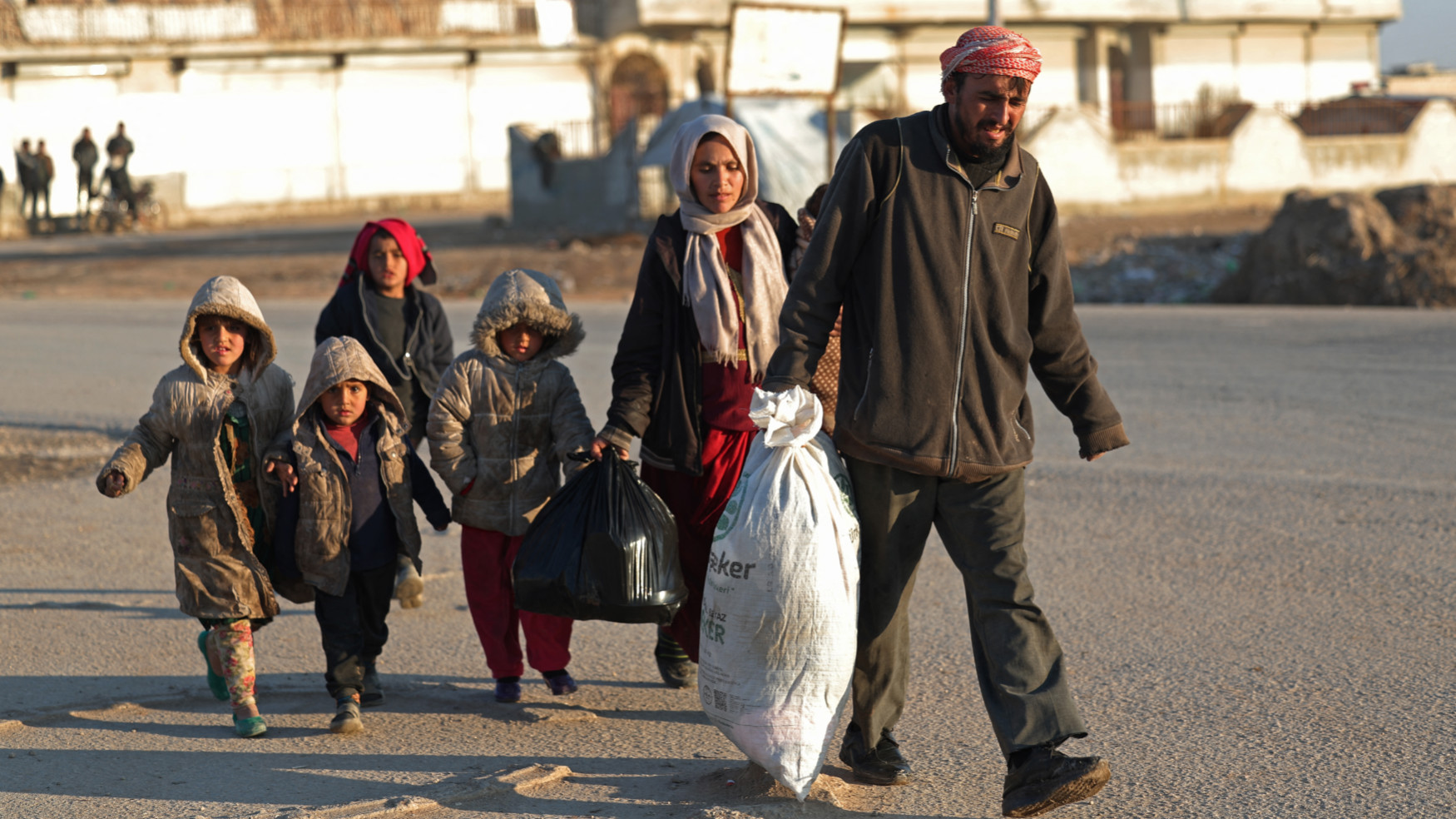
    The announcement comes amid intensified international mediation to halt recent violent clashes in Aleppo between Kurdish forces and the Syrian army. The fighting displaced approximately 120,000 people and threatened to derail the March agreement between Damascus and the Kurdish-led Syrian Democratic Forces (SDF).

    Analyst Meghan Bodette of the Kurdish Peace Institute noted the decree could represent a partial step toward implementing Damascus’s obligations under the March security integration framework. However, she emphasized its ‘revocable nature and shortcomings on critical issues’ prevent it from being a comprehensive solution to Syria’s longstanding Kurdish question, which affects nearly two million citizens.

  • What a seventh term for 81-year-old leader means for Uganda

    What a seventh term for 81-year-old leader means for Uganda

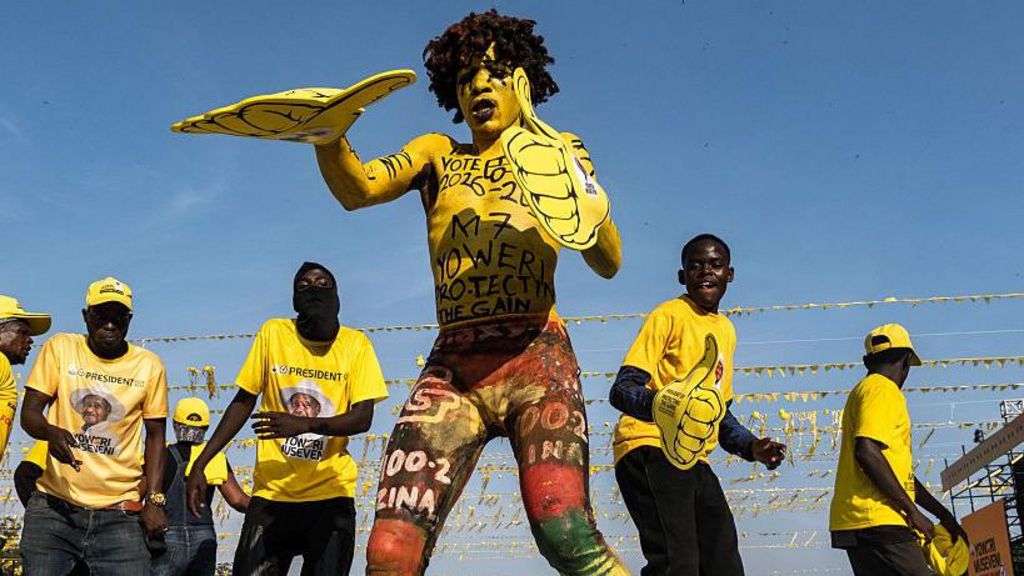
    President Yoweri Museveni has secured a decisive electoral victory with 72% of the vote, nearly matching his historic 1996 performance of 74%. The 81-year-old leader, who seized power in 1986, framed this outcome as validation of his four-decade rule and its delivery of political and economic stability. His campaign emphasized ambitious development targets, particularly Uganda’s transition to middle-income status by 2030, with nascent oil exports via a Tanzanian pipeline positioned as the economic cornerstone.

    Opposition leader Bobi Wine, the charismatic former pop star, rejected the results as fraudulent while claiming to be in hiding following security force raids. His vote share declined significantly from 35% in 2021 to 25% despite Uganda’s predominantly youthful population. Wine alleges systematic electoral manipulation including violent suppression of rallies, though he has provided no substantiating evidence for ballot-stuffing claims.

    Beyond the contested outcome, analysts identify deeper political transformations within Uganda’s power structures. The ruling National Resistance Movement’s internal elections in August 2025 revealed intense succession maneuvering, marked by factional bargaining and alleged bribery. This process signaled the rising influence of General Muhoozi Kainerugaba, the president’s son and army chief, who now oversees all security matters—a concentration of power with profound implications given Uganda’s history of military-political entanglement.

    Presidential authority has gradually decentralized to a tight circle of relatives: Museveni’s daughter manages his schedule, his half-brother handles diplomatic relations, and his son-in-law shapes economic policy. This restructuring suggests Uganda’s future is increasingly directed by Museveni’s family, even without formal title changes. As veteran figures are sidelined, the regime appears focused more on succession planning than engaging with an opposition weakened by repression and co-option.

    Political analyst Allan Kasujja notes that meaningful change in Uganda occurs gradually rather than through dramatic electoral shifts. The recent election thus represents less a transformative moment than a ritual legitimizing these underlying power transitions within the established political framework.

  • Guinea’s Doumbouya is sworn in as president, cementing transition from junta chief to elected leader

    Guinea’s Doumbouya is sworn in as president, cementing transition from junta chief to elected leader

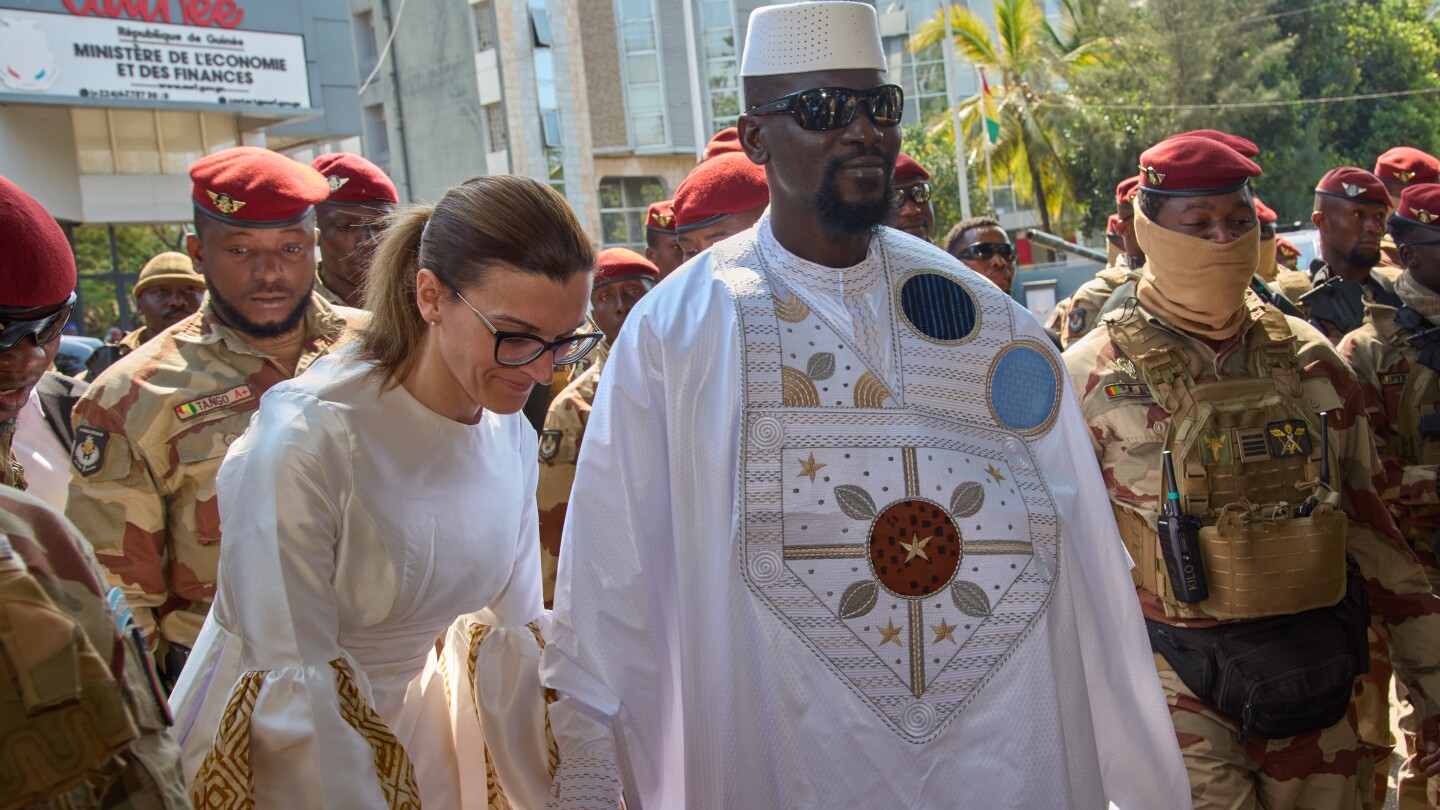
    CONAKRY, Guinea — General Mamadi Doumbouya, who seized control of Guinea through a military coup in 2021, was formally sworn in as the nation’s president on Saturday. The ceremony took place at a newly constructed 55,000-seat stadium in Conakry’s suburbs, attended by African leaders and regional commission representatives.

    Doumbouya’s inauguration follows his decisive victory in last year’s presidential election, a remarkable political turnaround given his initial pledge not to seek office. The electoral process occurred under a controversial new constitution that eliminated prohibitions against military leaders running for office while extending presidential terms from five to seven years.

    During his address, the new president acknowledged “the immense responsibility entrusted to me by the Guinean people” while characterizing his mandate as “a commitment to address various governance challenges” rather than a personal honor.

    The inauguration revealed deep divisions within Guinean society. Supporters like 28-year-old law student Rokiatou Kaba expressed optimism about Guinea’s international resurgence and economic prospects. However, skeptics including economics student Hassmiou Baldé dismissed the proceedings as “theater” and a “charade,” accusing Doumbouya of eliminating genuine opposition before the election.

    Despite controlling substantial mineral wealth, Guinea faces significant developmental challenges. According to World Food Program data, approximately half of the country’s 15 million citizens live in poverty while experiencing record food insecurity.

    The junta has prioritized the Simandou iron ore project, a predominantly Chinese-owned mining initiative at the world’s largest iron deposit, as central to economic revitalization. After decades of delays, production commenced late last year, with authorities anticipating thousands of new jobs and secondary investments in education and healthcare.

    Guinea represents one of several West African nations experiencing military takeovers since 2020, where armed forces have capitalized on public dissatisfaction with security deterioration, economic underperformance, and contested elections.

  • Board of Peace for Gaza is forming with ambitions for a wider mandate of other conflicts

    Board of Peace for Gaza is forming with ambitions for a wider mandate of other conflicts

    The Trump administration is developing its proposed ‘Board of Peace’ into an institution with significantly broader ambitions than initially conceived, potentially positioning it as an alternative to the United Nations framework that has governed international relations since World War II. According to invitation letters dispatched to various world leaders on Friday and subsequently shared on official social media accounts, the board would ’embark on a bold new approach to resolving global conflict’ extending well beyond its original focus on mediating the Israel-Hamas war in Gaza.

    Argentine President Javier Milei and Paraguay’s leader Santiago Peña were among those receiving invitations to become ‘founding members’ of this new international organization. The correspondence highlighted that Trump’s 20-point Gaza ceasefire plan, which incorporates the Board of Peace concept, had already gained endorsement from the U.N. Security Council. ‘Now it is time to turn all of these dreams into reality,’ Trump wrote, describing the initiative as ‘the most impressive and consequential board ever assembled.’

    The administration’s aspirations for this body to evolve into a substantial international institution are certain to generate controversy. Both China and Russia, as permanent Security Council members with veto power, are expected to oppose any radical transformation of the existing world order. Smaller nations may also express reservations, as the UN system has historically provided them with representation in global decision-making processes.

    A senior U.S. official, speaking anonymously to discuss internal deliberations, characterized the expanded vision as ‘aspirational’ but noted that Trump and his advisers believe it achievable given widespread frustrations with the United Nations and its affiliated agencies. The administration has frequently criticized the world body for perceived inefficiencies, redundant structures, and what it describes as ‘woke’ ideology, while simultaneously reducing funding to international organizations.

    The formal announcement of board membership is anticipated during the upcoming World Economic Forum in Davos, Switzerland. Meanwhile, Israel’s government has already voiced objections to aspects of the plan, stating that certain elements were ‘not coordinated with Israel and is contrary to its policy.’ The proposed executive committee includes Secretary of State Marco Rubio, envoy Steve Witkoff, business leaders such as Apollo Global Management CEO Marc Rowan, and international figures including former British Prime Minister Tony Blair and World Bank President Ajay Banga.

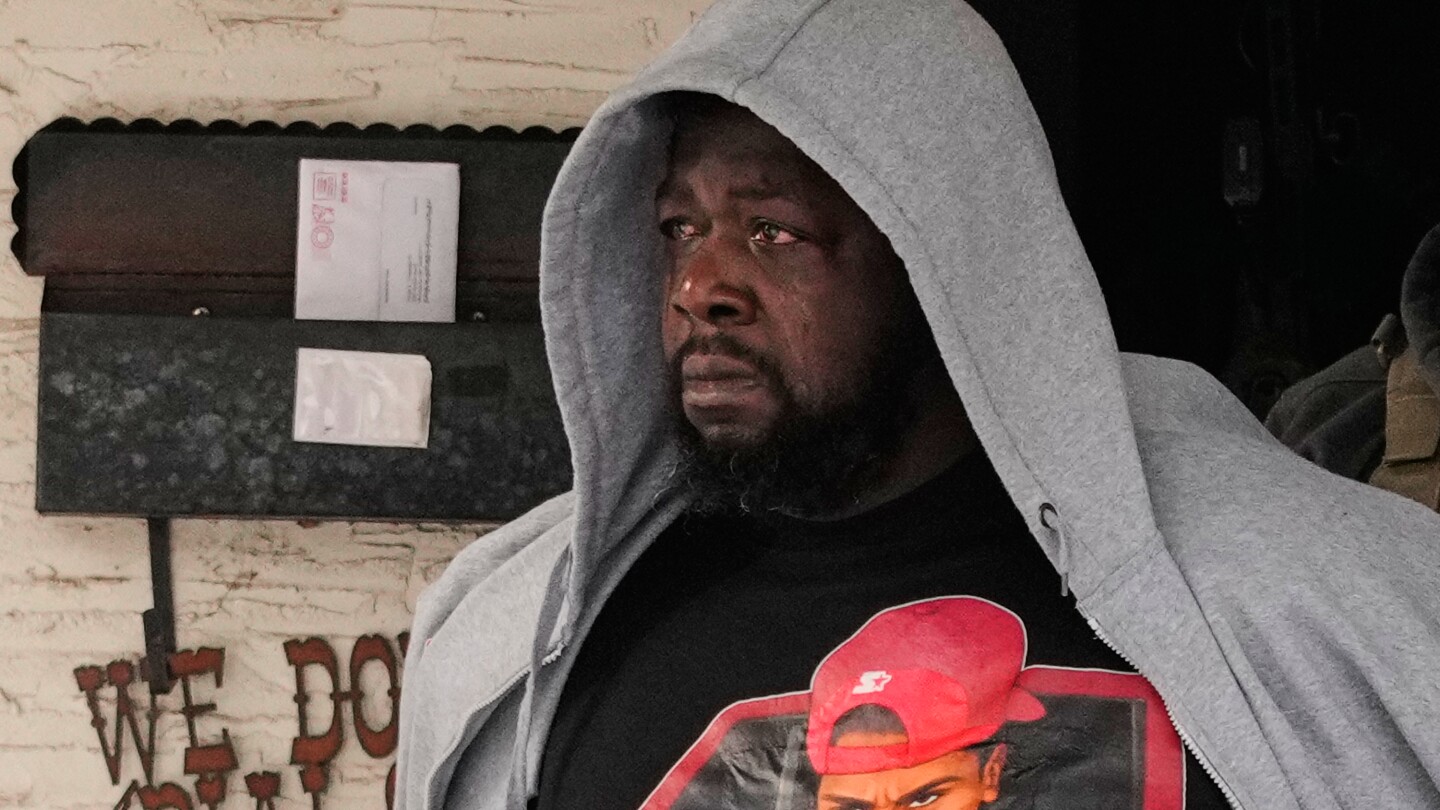
  • Man freed after Minneapolis immigration raid says he now fears leaving home

    Man freed after Minneapolis immigration raid says he now fears leaving home

    MINNEAPOLIS — The Trump administration’s intensified immigration enforcement in Minnesota has ignited widespread protests and legal confrontations following the controversial detention of Garrison Gibson, a Liberian refugee. Gibson, who fled civil war as a child, was arrested twice within days despite having legal authorization to remain in the country under an order of supervision.

    The escalation began on January 11 when federal officers used a battering ram to break down Gibson’s front door during an early morning operation. Video footage of the aggressive arrest quickly became a rallying point for protesters opposing immigration tactics in the Minneapolis-St. Paul area. Gibson, 38, faced deportation based on a 2008 drug conviction that had been previously dismissed.

    In a dramatic legal turnaround, a judge ruled that immigration officials failed to provide adequate notice before revoking Gibson’s supervision status, leading to his temporary release. However, Gibson was taken back into custody during a routine check-in with immigration officials on Friday. His family alleged that White House Deputy Chief of Staff Stephen Miller personally ordered the re-arrest, a claim the White House vehemently denied.

    Following another judicial intervention, Gibson was released but remains traumatized, stating he now fears leaving his home. His family spent $700 repairing the door damaged during the initial arrest, using a dumbbell to secure it against subfreezing temperatures in the interim.

    The Department of Homeland Security defended its actions, with Assistant Secretary Tricia McLaughlin stating they would ‘continue to fight for the arrest, detention, and removal of aliens who have no right to be in this country.’ The agency labeled the reviewing judge an ‘activist judge’ attempting to obstruct deportation efforts.

    Minnesota’s operation represents the administration’s largest immigration crackdown to date, involving over 2,000 federal officers and resulting in more than 2,500 arrests. The tactics have sparked daily protests in the liberal Twin Cities region, where officers have been documented pulling people from homes and vehicles while employing aggressive measures against demonstrators.

    The tension intensified after immigration officers fatally shot Renee Good, a U.S. citizen and mother of three, during a January 7 confrontation. In response, a federal judge issued a Friday ruling prohibiting immigration officers from detaining or using tear gas against peaceful protesters who aren’t obstructing authorities, including those merely observing enforcement actions.

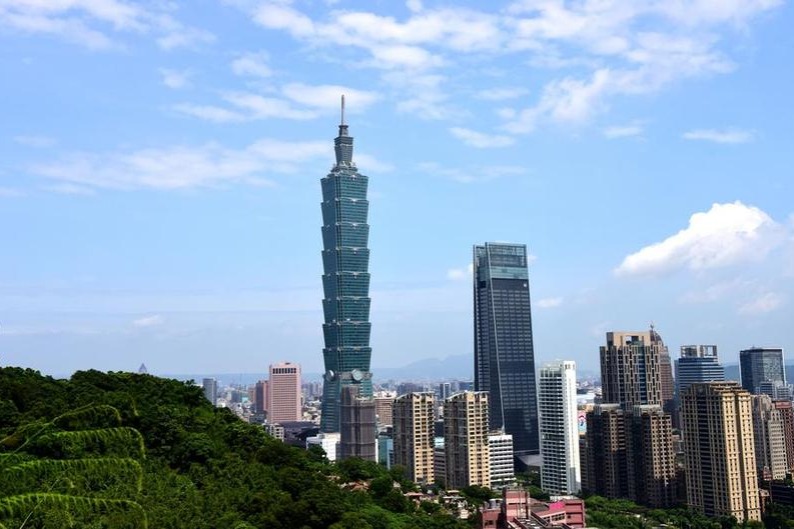
  • PLA monitors US naval vessels transiting the Taiwan Strait

    PLA monitors US naval vessels transiting the Taiwan Strait

    The People’s Liberation Army Eastern Theater Command has confirmed comprehensive surveillance operations targeting two United States naval vessels during their recent transit through the Taiwan Strait. The movement occurred between Friday and Saturday, involving the guided-missile destroyer USS Finn and oceanographic survey ship USNS Mary Sears.

    Senior Colonel Xu Chenghua, official spokesperson for the PLA Eastern Theater Command, issued a formal statement detailing the military response. According to Colonel Xu, Chinese naval and air forces maintained continuous monitoring throughout the strait passage, implementing appropriate measures to manage the situation effectively.

    The spokesperson emphasized the command’s persistent state of high alertness, stating that PLA troops remain prepared to defend national sovereignty and security interests. The statement further underscored China’s commitment to preserving regional peace and stability, characterizing the military response as both measured and resolute.

    This latest incident represents another chapter in the ongoing strategic interactions between Chinese and American forces in the Taiwan Strait, a waterway that China considers part of its territorial sovereignty despite international navigation claims. The PLA’s public disclosure of its monitoring operations follows established patterns of transparency regarding foreign military activities near Chinese territory.

  • Thousands march in Greenland to support Arctic island in the face of Trump’s threats to take it over

    Thousands march in Greenland to support Arctic island in the face of Trump’s threats to take it over

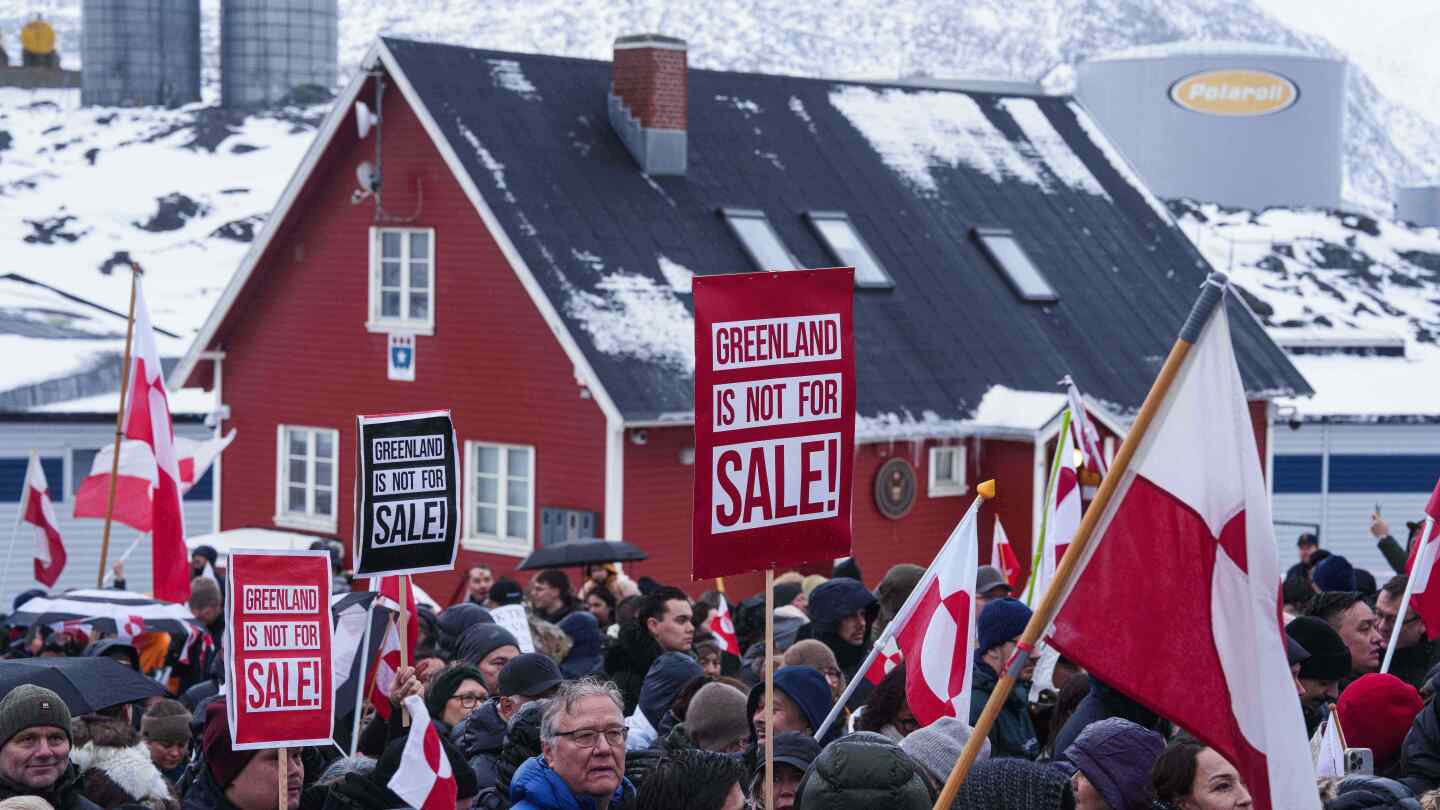
    In an unprecedented display of national unity, thousands of Greenlanders braved near-freezing temperatures and rain to march through their capital city of Nuuk on Saturday. The massive demonstration, representing nearly a quarter of Nuuk’s population, culminated at the U.S. Consulate where protesters brandished signs declaring “Greenland is not for sale” and chanted in defense of their self-governance.

    The protest movement emerged in response to President Donald Trump’s persistent assertions that the United States should acquire the strategically positioned and resource-rich island territory. Tensions escalated dramatically when Trump announced, concurrently with the Nuuk demonstration, the imposition of a 10% import tariff on eight European countries effective February, explicitly citing their opposition to U.S. control of Greenland.

    Greenland Prime Minister Jens-Frederik Nielsen joined the historic gathering, which police described as the largest protest ever witnessed in Nuuk. The movement extended beyond Greenland’s borders with solidarity rallies occurring across the Danish realm, including Copenhagen, and even reaching Canada’s Inuit-governed territory of Nunavut.

    Marie Pedersen, a 47-year-old participant, emphasized the importance of bringing her children to the rally, stating, “We want to keep our own country and our own culture, and our family safe.” Her 9-year-old daughter Alaska crafted her own protest sign, reflecting how the territorial dispute has entered classroom discussions, with teachers addressing how to respond to “bullying by another country.”

    Former Greenland parliament member Tillie Martinussen characterized the situation as “a fight for freedom” that transcends economic concerns, emphasizing the broader implications for NATO and Western Hemisphere values. Meanwhile, 40-year-old nurse Louise Lennert Olsen directed her message to the American people rather than their president, expressing hope that U.S. citizens would “stand against their own president” in support of Greenland’s autonomy.

    The demonstration represents a critical juncture in Arctic geopolitics, highlighting growing resistance to what participants perceive as neo-colonial ambitions and economic coercion from the Trump administration.