Dhanwantari Vaidyasala, a renowned Ayurvedic institution from Kerala, has inaugurated its first international centre in Bur Dubai, marking a significant milestone in its 93-year history. Founded in 1933, the Kerala-based institution has long been a beacon of authentic Ayurvedic healing and wellness. The new facility in Al Ain Center aims to make its acclaimed treatments more accessible to UAE residents, many of whom previously travelled to India for care. This expansion is part of a broader vision to establish a global presence under the banner of ‘Dhanwantari Global.’ Dr Satheesh Kumar Namboothiri, the managing director, revealed ambitious plans to open new centres in Bahrain, Qatar, Oman, the Philippines, Germany, and Australia by 2026. The Dubai centre will focus on addressing modern health challenges, including diabetes and chronic diseases, through authentic Ayurvedic methods. Dr Sathya K Pillai, the medical director, emphasized the facility’s advanced diagnostic systems and specialised treatments for conditions like neuropathy, eye ailments, and skin and hair care. Additionally, Dhanwantari UAE plans to expand its footprint across the Gulf, with 10 direct outlets, franchise models, and kiosks set to open within the next three years. The brand has already integrated into the local community by acquiring the Ayur Sathya clinic and will soon introduce long-term treatment packages for regular clients.
分类: health
-

Sudan’s cholera outbreak worsens amid conflict and heavy rains
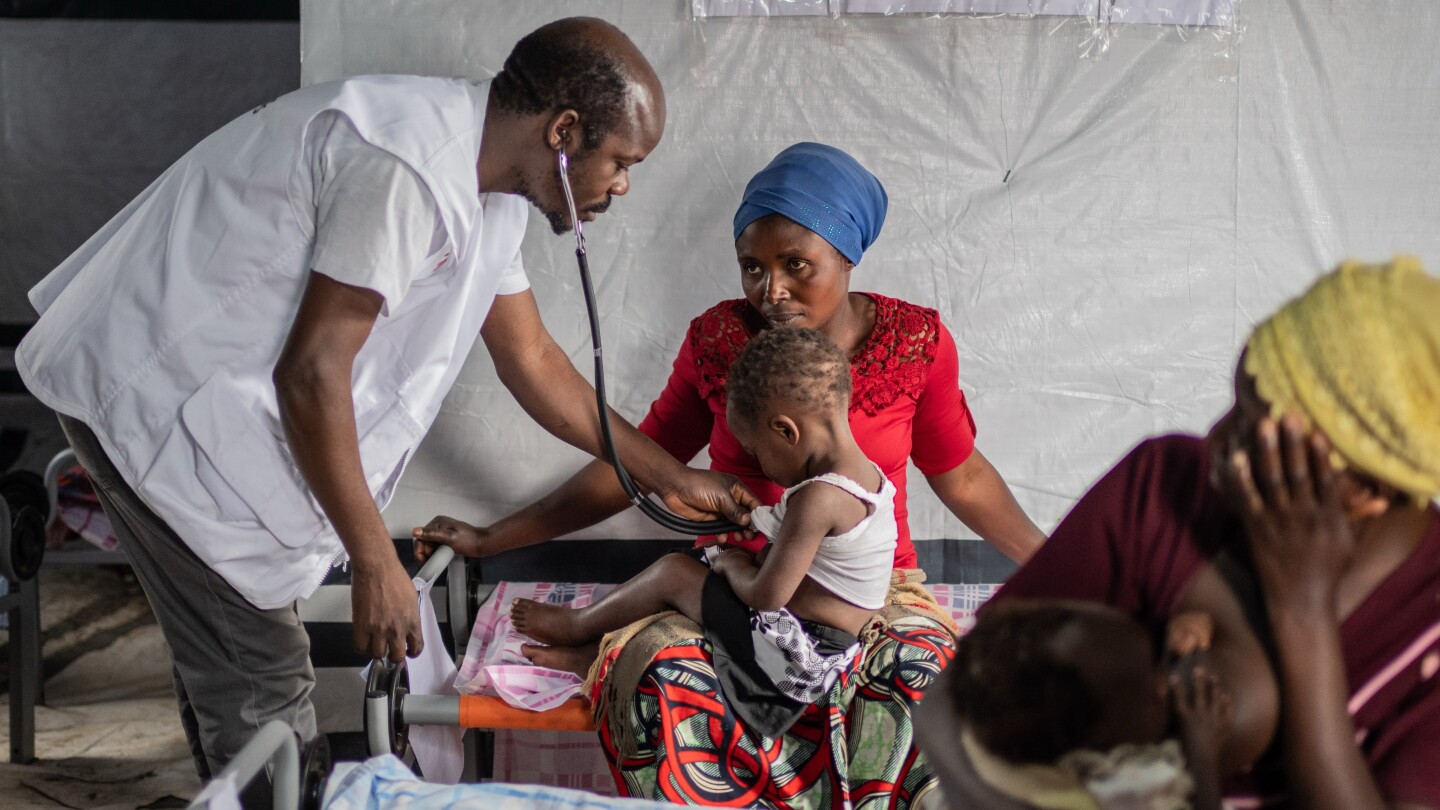
Sudan is facing an escalating cholera crisis, exacerbated by ongoing conflict, mass displacement, and relentless heavy rains. The World Health Organization (WHO) has raised alarms over a ‘concerning case fatality rate’ of 2.8 percent, nearly triple the emergency threshold of 1 percent, signaling an urgent need for a robust response. As of October 13, Sudan’s Ministry of Health reported over 120,000 cholera cases and more than 3,300 deaths nationwide. In Darfur alone, 17,246 cases and 570 deaths have been recorded across all five states since the outbreak began in Nitega, South Darfur, in May. The international humanitarian organization CARE highlighted that the conflict has displaced millions, forcing families into overcrowded camps with limited access to clean water and collapsed sanitation systems. Cholera is spreading rapidly through communities already on the brink of survival, with women, children, and the elderly bearing the brunt of the crisis. The situation is further compounded by the destruction of over 75 percent of health facilities, making healthcare increasingly inaccessible. CARE Sudan warned that the humanitarian response is severely underfunded and overstretched, with shortages of medical supplies, chlorine, hygiene kits, and insufficient water trucking capacity hampering efforts to reach affected communities. The lack of sustained funding threatens to undermine ongoing interventions, potentially worsening the crisis as the rainy season persists.
-

China, Laos, and Vietnam ramp up collaboration regarding cross-border infectious diseases
In a significant move to bolster regional health security, China, Laos, and Vietnam have intensified their collaboration to combat cross-border infectious diseases. This initiative was highlighted during a joint emergency drill held on October 15-16 in Jiangcheng county, Yunnan province, China. The drill simulated an outbreak of a newly emerging acute infectious disease in the border regions of the three nations, encompassing practical exercises, static displays, and strategic discussions. Sun Yang, deputy director of the National Disease Control and Prevention Administration, emphasized the drill’s meticulous planning, which showcased professionalism and a scientific approach. Shi Guoqing, director of the Health Emergency Center of the Chinese Center for Disease Control and Prevention, noted that the drill effectively tested capabilities in early detection, rapid response, and international collaboration. This marked the first comprehensive, end-to-end emergency drill of its kind among the three countries. Nguyen Thi My Ha from the Vietnam Administration of Disease Prevention underscored the drill’s importance in enhancing information sharing and coordination mechanisms. Over recent years, the neighboring nations have coordinated through various meetings, seminars, and training sessions, focusing on epidemic monitoring and border health quarantine. Viengsavanh Kittiphong, deputy director of Laos’ Department of Communicable Disease Control, highlighted the improved efficiency and timeliness of data sharing between China and Laos, which has led to faster responses to outbreaks, including COVID-19, malaria, dengue fever, measles, and rubella. Moving forward, Yunnan province and its neighboring regions in Laos and Vietnam will prioritize the prevention and control of diseases such as chikungunya, dengue fever, and plague, while deepening joint mechanisms for major infectious disease outbreaks and enhancing measures like regular consultations and information sharing.
-

South Africa welcomes $115M US bridge plan to sustain its HIV programs for 6 months
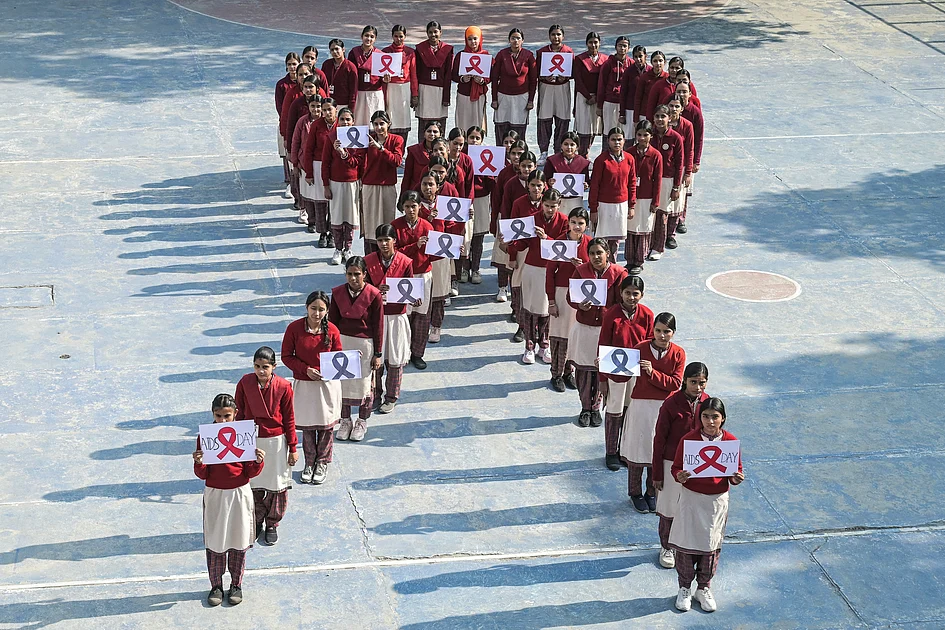
South Africa has expressed gratitude for a $115 million U.S. bridging plan that ensures continued funding for HIV treatment and prevention programs until March. The initiative, part of the U.S. President’s Emergency Plan for AIDS Relief (PEPFAR), is seen as a positive step in bilateral relations despite recent strains. PEPFAR, credited with saving over 25 million lives globally, has been a lifeline for South Africa, which has the world’s highest number of people living with HIV. Earlier this year, U.S. President Donald Trump suspended foreign aid to South Africa, including PEPFAR, leading to job losses and service disruptions. Over 8,000 health workers were laid off, and 12 specialized HIV clinics funded by USAID were closed. South African Minister Khumbudzo Ntshavheni highlighted the bridge plan as a solution to the abrupt funding halt, emphasizing its role in maintaining bilateral ties. However, relations remain tense, with Trump accusing South Africa’s government of mistreating minority white Afrikaners and imposing tariffs on its exports. Health Minister Aaron Motsoaledi noted that the U.S. is revising its approach to PEPFAR, offering transition periods of up to five years before complete funding cessation. While the bridge plan provides temporary relief, uncertainties linger over long-term HIV program sustainability.
-

US aid cuts deal a massive blow for the small African nation of Lesotho: Takeaways from AP’s report
The small southern African nation of Lesotho, long plagued by one of the world’s highest HIV infection rates, is grappling with a deepening crisis following significant cuts to U.S. foreign aid. For years, nearly $1 billion in American assistance helped Lesotho build a robust health network that effectively slowed the spread of HIV. However, the decision by former U.S. President Donald Trump to freeze foreign aid and dismantle the U.S. Agency for International Development (USAID) has left the country in chaos. Clinics have shut down, healthcare workers have been laid off, and patients have abandoned treatment, leading to a crumbling healthcare system. Despite the temporary reinstatement of some U.S.-funded programs, the damage has been severe, with experts warning of a potential resurgence of the epidemic. The impact of these cuts is felt most acutely by Lesotho’s 260,000 HIV-positive residents, who now face uncertainty and fear for their futures. Key prevention programs, such as those targeting mother-to-child transmission and high-risk groups, have been halted, and healthcare workers are struggling to provide care through informal networks. The situation has been described as a ‘crime against humanity’ by some advocates, who stress that the progress made over the past two decades is at risk of being undone. While Lesotho’s government has been urged to move toward self-reliance, the immediate need for international support remains critical to prevent further loss of life and to sustain the fight against HIV.
-

Australia’s rainforests are releasing more carbon than they absorb, warn scientists
In a groundbreaking study published in the journal Nature, Australia’s tropical rainforests have been identified as the first globally to transition from carbon sinks to carbon emitters, a shift attributed to the escalating impacts of climate change. Traditionally, rainforests function as carbon sinks, absorbing more carbon dioxide than they release, with new tree growth offsetting emissions from decaying vegetation. However, research analyzing data from Queensland’s forests reveals that extreme temperatures have accelerated tree mortality, disrupting this balance. Dr. Hannah Carle of Western Sydney University, the study’s lead author, emphasized that these findings challenge existing models that overestimate tropical forests’ capacity to mitigate fossil fuel emissions. The study, spanning 49 years of data from 20 Queensland forests, highlights that increased tree deaths have turned woody biomass—dead trunks and branches—into carbon sources rather than absorbers, a trend that began approximately 25 years ago. Dr. Carle warned that forests, which play a critical role in mitigating climate change by absorbing carbon dioxide, are now under threat. The research also links rising tree mortality to climate-driven factors such as extreme heat, atmospheric dryness, and prolonged droughts. Additionally, the study notes that more frequent and severe cyclones have further exacerbated tree loss and hindered new growth. Dr. Carle described Australia’s rainforests as a ‘canary in the coal mine,’ signaling a potential global trend. Senior author Patrick Meir echoed these concerns, suggesting that other tropical forests may follow suit, though further research is needed for a comprehensive assessment. Australia, one of the world’s highest per capita polluters, recently pledged to reduce emissions by 62% from 2005 levels by 2033. However, the nation continues to face criticism for its reliance on fossil fuels, exemplified by the government’s approval of a 40-year extension for Woodside’s North West Shelf gas project. A recent climate report also revealed that Australia has already surpassed 1.5°C of warming, with communities facing escalating climate risks. This study underscores the urgent need for global action to address the dual crises of deforestation and climate change.
-

The world is heading to add 57 superhot days a year, but study indicates it could have been worse
A groundbreaking study released on Thursday reveals that the world is on track to experience nearly two additional months of dangerously superhot days annually by the end of the century. The research, conducted by the international climate science group World Weather Attribution and U.S.-based Climate Central, highlights the disproportionate impact on smaller, poorer nations compared to major carbon-emitting countries. Using advanced computer simulations, the study underscores the critical role of the Paris climate agreement in mitigating the crisis. Without the emissions reductions initiated a decade ago, Earth would face an additional 114 days of extreme heat annually. The report, though not yet peer-reviewed, employs established climate attribution techniques to project future scenarios. If current emissions pledges are met, global temperatures will rise by 2.6°C (4.7°F) by 2100, adding 57 superhot days. However, the pre-Paris trajectory of 4°C (7.2°F) warming would double this figure. The study defines superhot days as those exceeding 90% of temperatures recorded between 1991 and 2020. Since 2015, the world has already gained an average of 11 such days annually. The report warns of severe health impacts, with heat waves already causing thousands of deaths yearly. Small, ocean-dependent nations like the Solomon Islands, Samoa, and Panama are projected to bear the brunt, experiencing up to 149 additional superhot days despite contributing only 1% of global emissions. In contrast, major polluters like the U.S., China, and India will see far fewer additional days. The findings underscore the inequities of climate change, with developing nations facing disproportionate suffering. Experts emphasize the urgent need for increased climate action to avert a catastrophic future.
-

UAE: Over 800,000 samples collected under Emirati Genome Programme; focus on longevity
The Department of Health in Abu Dhabi has achieved a significant milestone in its Emirati Genome Programme, collecting over 800,000 samples to date. This initiative, which focuses on advancing personalized, predictive, and preventive healthcare, aims to enhance wellness and extend longevity for future generations. Faisal Khalil Hassan Abdulla Haji, a leading figure in healthcare strategy at the Department of Health, emphasized the transformative impact of genomics and biotechnology on global healthcare during his address at Gitex Global 2025 in Dubai. He highlighted Abu Dhabi’s commitment to moving beyond traditional healthcare models by integrating genomics into everyday medical practices. Key initiatives include premarital genetic screening, newborn genetic screening, precision medicine for oncology and cardiovascular diseases, and pharmacogenetic programmes. These efforts leverage artificial intelligence and genetic data to improve diagnostic accuracy, treatment precision, and overall patient outcomes. Shahrukh Hashmi, Director of Research, noted that 85% of the local population has consented to participate in the programme, with over 100,000 expatriates also contributing. The Emirati Genome Programme positions Abu Dhabi as a global leader in life sciences and health innovation, offering insights that benefit patients worldwide.
-

What is the chikungunya virus now transmitted in the US for the first time in years?
A resident of New York’s Long Island suburbs has tested positive for chikungunya, a mosquito-borne virus typically prevalent in South America. This marks the first locally acquired case in the U.S. mainland since 2015, raising concerns among health officials. The patient, who began experiencing symptoms in August, had recently traveled within the country but not internationally. While the exact location of the mosquito bite remains unclear, the virus has not been detected in local mosquito populations, and it is not transmitted directly between humans. Chikungunya, first identified in Tanzania in 1952, derives its name from the Makonde language, meaning “that which bends up,” due to the severe joint pain it can cause. Symptoms include fever, muscle pain, nausea, fatigue, and rash, with rare cases leading to prolonged joint pain or organ damage. Although severe cases and fatalities are uncommon, they primarily affect infants and the elderly with underlying health conditions. There is no specific treatment for chikungunya, but symptom management includes fever reducers and pain relievers. Two vaccines are approved in regions like Europe and Brazil but are not widely available in highly affected areas. Globally, chikungunya outbreaks have surged since 2000, with over 317,000 cases and 135 deaths reported in 2024 alone, primarily in Brazil, Bolivia, Argentina, and Peru. Health officials attribute the rise in mosquito-borne diseases like chikungunya, dengue, and Zika to climate change and urban expansion. In New York, the Aedes albopictus mosquito, known to transmit the virus, is present in downstate areas, though current cooler temperatures reduce transmission risks. The CDC has recorded 199 travel-related cases in 2024, highlighting the need for vigilance in mosquito prevention measures.
-

New Africa CDC platform boosts regional health manufacturing
The Africa Centres for Disease Control and Prevention (Africa CDC) has introduced the African Manufacturing Market Intelligence & Network Analysis (AMMINA) platform, a groundbreaking initiative designed to enhance health manufacturing, innovation, and self-reliance across the continent. Launched during the African Healthcare Manufacturing Trade Exhibition and Conference in Accra, Ghana, the platform aims to bolster health sovereignty and reduce Africa’s dependency on imported medical supplies. Jean Kaseya, Director-General of Africa CDC, emphasized that AMMINA will provide comprehensive data on manufacturers, production capacities, product portfolios, and market trends, enabling informed decision-making and fostering industrial growth. Initially, the platform maps data from over 700 manufacturers and 2,500 health products across 18 African Union (AU) Member States, with plans to expand coverage to all 55 Member States. AMMINA is expected to stimulate intra-African trade, attract sustainable investments, and drive innovation in local production of vaccines, medicines, and diagnostics. Africa CDC, in collaboration with AU institutions and partners, envisions AMMINA as a pivotal tool to unlock Africa’s manufacturing potential and secure the continent’s health future. This initiative comes as African nations strive to build a resilient health ecosystem, particularly in the wake of the COVID-19 pandemic, which highlighted vulnerabilities in global supply chains.