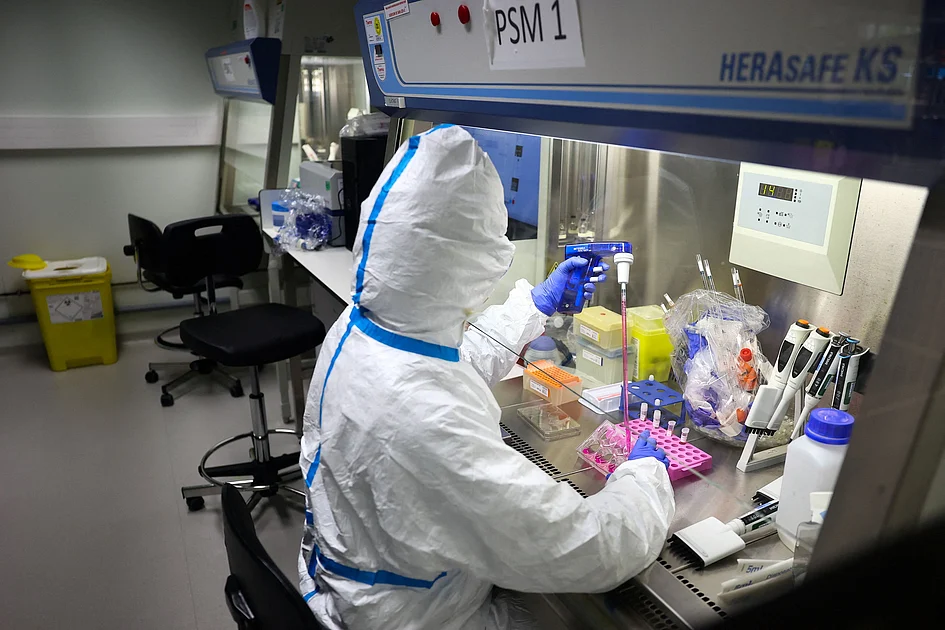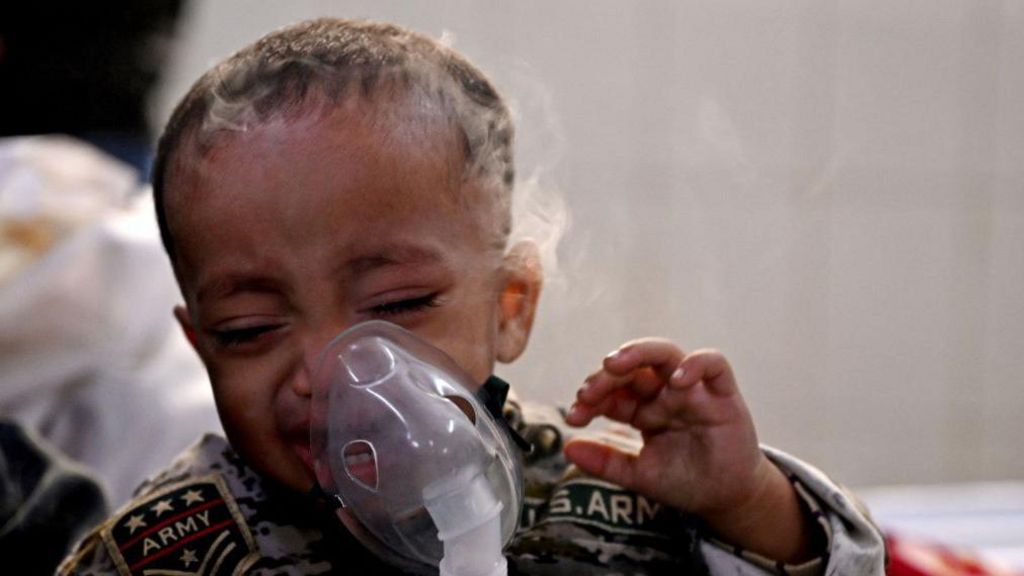
In a distressing recurrence of events, India is grappling with yet another wave of child fatalities linked to contaminated cough syrups. Recent reports from Jammu reveal the deaths of at least 12 children under five years old, allegedly caused by toxic ingredients in locally manufactured cough remedies. This tragedy echoes similar incidents in Madhya Pradesh and Rajasthan, where children succumbed to kidney failure after consuming syrups laced with diethylene glycol, a hazardous industrial solvent.
分类: health
-

Nigeria launches massive vaccination campaign for children
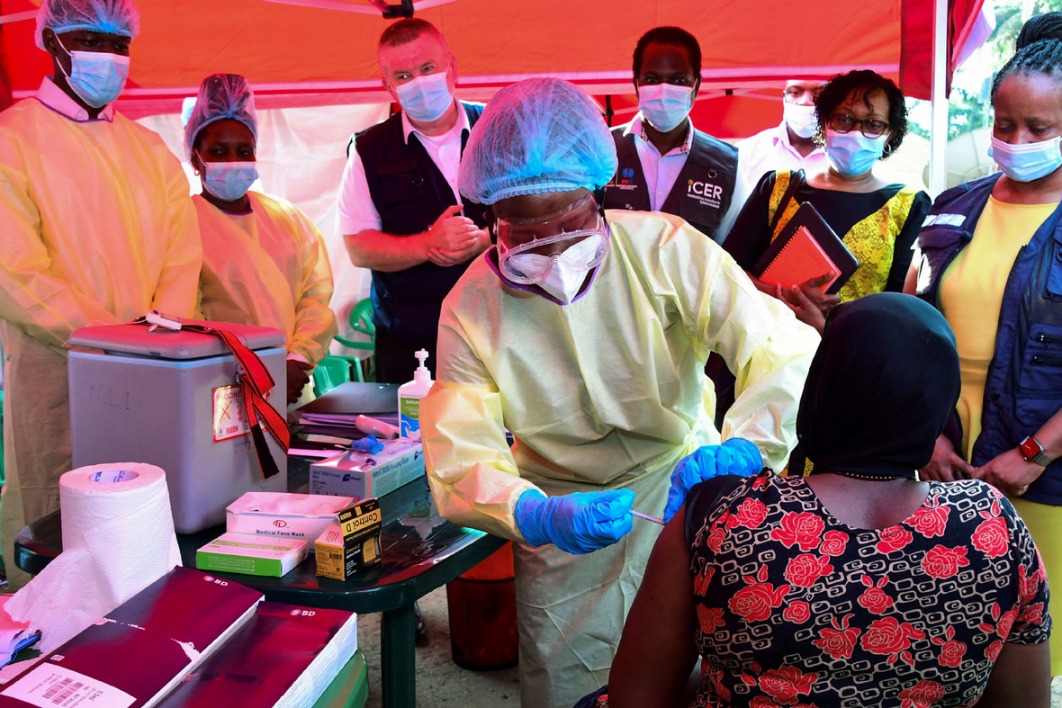
Nigeria has embarked on an unprecedented nationwide vaccination campaign, one of the largest in its history, aiming to safeguard approximately 106 million children against measles, rubella, and poliomyelitis. This integrated initiative combines multiple vaccines and essential child health services into a unified effort, ensuring efficient and comprehensive protection across the country. Children aged 14 and below will receive measles and rubella vaccines, while those under five will be immunized against polio. The campaign is being rolled out in two phases: the first, launched on October 7, 2025, targets 20 high-risk northern states and Oyo state in the southwest, while the second phase, scheduled for January 2026, will cover the remaining southern states. Gavi, a global health organization, is supporting the campaign with a $103 million investment, collaborating with federal and state governments to strengthen health systems, share expertise, and ensure long-term sustainability. The initiative leverages years of investment in Nigeria’s health infrastructure, including cold chain systems, workforce capacity, and digital tools, while also utilizing data and technology to enhance decision-making, track progress, and boost public engagement.
-

Third person dies from methanol poisoning in Brazil
A methanol poisoning crisis in Brazil’s São Paulo state has claimed its third victim, 30-year-old Bruna Araújo de Souza, who succumbed after consuming a vodka-based drink at a local bar. This tragic incident follows the deaths of two men, Marcos Antônio Jorge Júnior and Ricardo Lopes Mira, both of whom died after ingesting tainted alcohol. Health authorities have confirmed 225 cases of methanol poisoning nationwide, with the majority concentrated in São Paulo. In response, officials have shut down 11 businesses and seized over 10,000 bottles of alcohol suspected of contamination. The source of the methanol, a toxic substance commonly used in industrial products, remains under investigation. Authorities are urging the public to avoid unlabeled or unsealed alcoholic beverages. The crisis has sparked widespread concern, with Brazilian rapper Hungria among those hospitalized. Health Minister Alexandre Padilha has labeled the situation as unprecedented in the country’s history.
-

Six patients killed in a fire at an ICU ward of India hospital
A devastating fire at the intensive care unit (ICU) of Sawai Man Singh Hospital in Jaipur, Rajasthan, has resulted in the deaths of six critically ill patients. The blaze, believed to have been caused by a short circuit, erupted late on Sunday night in the ICU’s storage area. At the time of the incident, eleven patients were in the unit, with two women and four men among the victims. Relatives of the deceased have accused hospital staff of negligence, a claim vehemently denied by hospital authorities. Rajasthan Chief Minister Bhajanlal Sharma announced an investigation into the tragedy, emphasizing that all measures are being taken to ensure patient safety and care for those affected. The fire, which started in the hospital’s trauma center just before midnight, quickly spread, forcing the evacuation of fourteen patients from a nearby ICU ward. Firefighters battled the flames for nearly two hours before gaining control. Families of the victims have expressed outrage, alleging that staff ignored initial warnings and that the hospital lacked essential firefighting equipment. Hospital Deputy Superintendent Jagdish Modi refuted these claims, stating that staff members risked their lives to evacuate patients. Prime Minister Narendra Modi expressed his condolences on social media, wishing a speedy recovery to the injured. This incident is part of a troubling pattern of hospital fires in India, with a 2024 fire in Jhansi claiming the lives of ten newborns. A 2023 analysis by The Indian Express revealed that 11 major hospital fires since 2019 have claimed 107 lives, often due to safety lapses and inadequate firefighting systems.
-

‘They’re not just sharing needles, they’re sharing blood’: How HIV cases soared in Fiji
Fiji, a small South Pacific nation, is grappling with one of the world’s fastest-growing HIV epidemics, driven largely by intravenous drug use. Over the past decade, the number of HIV cases has surged from fewer than 500 in 2014 to nearly 5,900 by 2024, marking an elevenfold increase. In 2024 alone, Fiji recorded 1,583 new cases, with 41 of them involving individuals aged 15 or younger. The youngest known case, a ten-year-old boy, highlights the alarming spread of the virus among youth.
-

Four ill with sepsis after food poisoning outbreak at Stockholm restaurant
A suspected listeria outbreak linked to Coco & Carmen, a high-end restaurant in Stockholm’s Östermalm district, has resulted in multiple hospitalizations and widespread concern. Health authorities report that at least 15 individuals have been treated or are under observation, with four diagnosed with sepsis—a severe immune system reaction that can be life-threatening. While most of the affected individuals are not seriously ill, none have required intensive care so far. The outbreak has prompted an extensive infection tracing effort, initially focusing on diners from September 25 to 27 but later expanded to include those who visited the restaurant on September 23 and 24. Maria Rotzén Östlund, an infectious disease physician, advised anyone experiencing symptoms such as fever, vomiting, or diarrhea to seek immediate medical attention. Regional health officials have warned that a significant number of people may have been exposed, particularly vulnerable groups like pregnant women, older adults, and those with weakened immune systems. According to state broadcaster SVT, 80 people have reported food poisoning through a city tracking tool, and 400 have been contacted for infection tracing. Coco & Carmen has voluntarily closed its doors pending an investigation, emphasizing its commitment to guest safety and cooperation with authorities. The restaurant, which has a history of passing food safety inspections, hopes to reopen on October 7. Chef and co-owner Joakim Almquist expressed deep remorse, stating, ‘The only thing I can do is sincerely apologize, because I suffer with these people.’ Listeria, a bacterium found in soil, water, and animals, can contaminate food, especially when stored in cold conditions for extended periods. While most infections cause mild, flu-like symptoms, severe cases can lead to meningitis or sepsis, with an incubation period ranging from several days to three weeks.
-

When Beijing makes a climate pledge, the world should listen
In a revealing exchange at a climate conference, a Chinese delegate once explained why Beijing chose ‘carbon neutrality’ over more fashionable terms like ‘climate neutrality’ or ‘net zero’: ‘Because we know what it means.’ This response underscores China’s pragmatic approach to climate commitments—unlike many nations that set lofty goals without clear plans. China’s latest pledge, to cut greenhouse gas emissions by 7-to-10% by 2035 as part of its Paris Agreement commitments, is more significant than it might appear. While other countries often rely on aspirational targets to drive climate discussions, China’s track record suggests it only promises what it can deliver. Having pledged to peak emissions this decade, barely 50 years after industrialization, China is on track to achieve this and emerge as a global leader in renewable energy and electric vehicles. A recent study published in *Nature Communications* by climate scientists Junting Zhong and colleagues provides context for China’s announcement. Their ‘reality-aligned scenario’ outlines a plausible pathway for global emissions, with China’s carbon dioxide emissions peaking soon and nearing zero by 2060. The study highlights the importance of understanding China’s contributions to global temperature goals, particularly through methane reductions and land-use changes. Despite its relevance, the study received little attention, overshadowed by a controversial U.S. Department of Energy review. This oversight is a missed opportunity, as China’s targets are grounded in practicality and intent, setting a precedent for others to follow. President Xi’s call to ‘do better’ applies not just to nations but to scientists and policymakers worldwide, urging them to focus on actionable solutions rather than distractions.
-

No more scribbling: Indian court tells doctors to fix their handwriting
The Punjab and Haryana High Court in India has issued a landmark ruling emphasizing the critical importance of legible handwriting in medical prescriptions, declaring it a “fundamental right” that can mean the difference between life and death. This decision came during a case unrelated to handwriting, involving allegations of rape, cheating, and forgery. Justice Jasgurpreet Singh Puri, while reviewing a medico-legal report, expressed shock at the illegibility of the doctor’s handwriting, stating it “shook the conscience of the court.” The court has mandated that all doctors write prescriptions clearly in capital letters and has called for the integration of handwriting lessons into medical school curricula. Additionally, a two-year timeline has been set for the implementation of digitized prescriptions. While urban areas have largely transitioned to digital prescriptions, rural regions still face challenges. Dr. Dilip Bhanushali, president of the Indian Medical Association, acknowledged the issue, attributing poor handwriting to the overwhelming workload in overcrowded government hospitals. He urged doctors to adhere to guidelines ensuring prescriptions are readable. This is not the first time Indian courts have addressed the issue; previous rulings in Odisha and Allahabad have also criticized doctors’ handwriting. Studies have not conclusively proven that doctors’ handwriting is worse than others, but experts stress that ambiguous prescriptions can lead to severe, even fatal, consequences. A 1999 report by the Institute of Medicine highlighted that medical errors, including those caused by illegible handwriting, resulted in an estimated 44,000 preventable deaths annually in the U.S. In India, similar incidents have led to health emergencies and fatalities. Pharmacists continue to receive poorly written prescriptions, particularly in rural areas, underscoring the urgent need for systemic change.
-

Australia sunscreen scandal grows as more products pulled off shelves
A growing sunscreen scandal in Australia, the world’s largest skin cancer hotspot, has escalated with 18 products now withdrawn from shelves due to safety concerns. The issue came to light in June when a consumer advocacy group revealed that several popular and high-priced sunscreens failed to deliver the protection levels advertised by their manufacturers. One such product, Ultra Violette’s Lean Screen Skinscreen, marketed as SPF 50+, was found to offer only SPF 4 and was voluntarily recalled last month. Further investigations by the Therapeutic Goods Administration (TGA) have identified around 20 additional sunscreens from various brands that share a problematic base formula, raising serious doubts about the integrity of a US-based testing laboratory, Princeton Consumer Research Corp (PCR Corp). The TGA’s preliminary testing suggests that the base formula may not exceed SPF 21, with some products potentially as low as SPF 4. Wild Child Laboratories Pty Ltd, the manufacturer of the base formula, has ceased production. Of the 21 products flagged by the TGA, eight have been recalled or halted, ten have paused sales, and two are under review. One product, though made in Australia, is not sold domestically. The scandal has sparked significant consumer outrage in Australia, with experts warning of potential global repercussions. The TGA is now scrutinizing SPF testing standards, which it describes as ‘highly subjective,’ and has expressed concerns about PCR Corp’s testing practices. The BBC has reached out to PCR Corp and Wild Child Laboratories for comment. Australia, which has the highest skin cancer rates globally, enforces some of the strictest sunscreen regulations worldwide.
-

Gaza’s children face genetic harm ‘for generations to come’ from Israel’s genocide
In the war-torn Gaza Strip, 22-month-old Rewan Aldreini’s life is a stark illustration of the devastating impact of conflict and malnutrition. Born in November 2023, just a month after the Israeli siege began, Rewan has never tasted her mother’s milk. Her mother, grappling with depression and post-traumatic stress disorder (PTSD), stopped producing milk due to the trauma of relentless bombardment and displacement. The family fled their home in Beit Lahia, moving first to Gaza City and then to Khan Younis, where they now struggle to survive. Rewan’s father, Mohamed Aldreini, can only afford rice to feed his daughter, who suffers from severe malnutrition, a weak immune system, heart problems, and developmental delays. At just 7kg, her health continues to deteriorate under what her father describes as “engineered starvation.”
Rewan’s plight is not unique. Scientists warn that the ongoing crisis in Gaza is creating an epigenetic disaster, with long-term health consequences for future generations. Epigenetics, the study of how environmental factors like stress and malnutrition alter gene expression without changing the DNA sequence, has shown that such conditions can leave lasting genetic imprints. Research from historic famines, such as the Dutch Hunger Winter and the Rwandan genocide, reveals that trauma and starvation can lead to increased risks of chronic diseases, mental health disorders, and developmental issues in children and their descendants.
Professor Tessa Roseboom, a biologist at the University of Amsterdam, explains that stress hormones in mothers can affect babies’ bodies and brains. Similar findings were observed in Holocaust survivors and their children, where gene changes were directly linked to parental trauma. In Gaza, the combination of starvation, displacement, and ongoing violence is creating a perfect storm for epigenetic damage. Dr. Leon Mutesa of the University of Rwanda, who studied the epigenetic legacy of the 1994 genocide, warns that the symptoms in Gaza—fear, stress, and high cholesterol—are early indicators of epigenetic changes.
According to Palestinian health officials, at least 20,000 children have been killed since the war began, and over 50,000 have been injured or killed. In August alone, 12,800 children were identified as acutely malnourished, a condition the UN has confirmed as famine. Experts like Professor Hassan Khatib of the University of Wisconsin–Madison predict that the epigenetic damage in Gaza will be catastrophic, affecting not only current generations but also future ones. Khatib emphasizes that the crisis is particularly harmful to pregnant women and adolescent boys, whose developing bodies are more vulnerable to genetic alterations.
While the damage already inflicted may be irreversible, scientists agree that immediate action can mitigate further harm. Ending the war, providing access to food, healthcare, and safe living conditions, and offering psychological support are critical steps. “We need action from the international community to stop the suffering in Gaza,” says Roseboom. “This conflict isn’t just about the present moment; it’s creating life-long consequences for children like Rewan, and potentially for generations to come.”
For Mohamed Aldreini, the hope for a normal life remains. “I still dare to dream this genocide will end,” he says. “That we can return to a normal life—as human beings.”