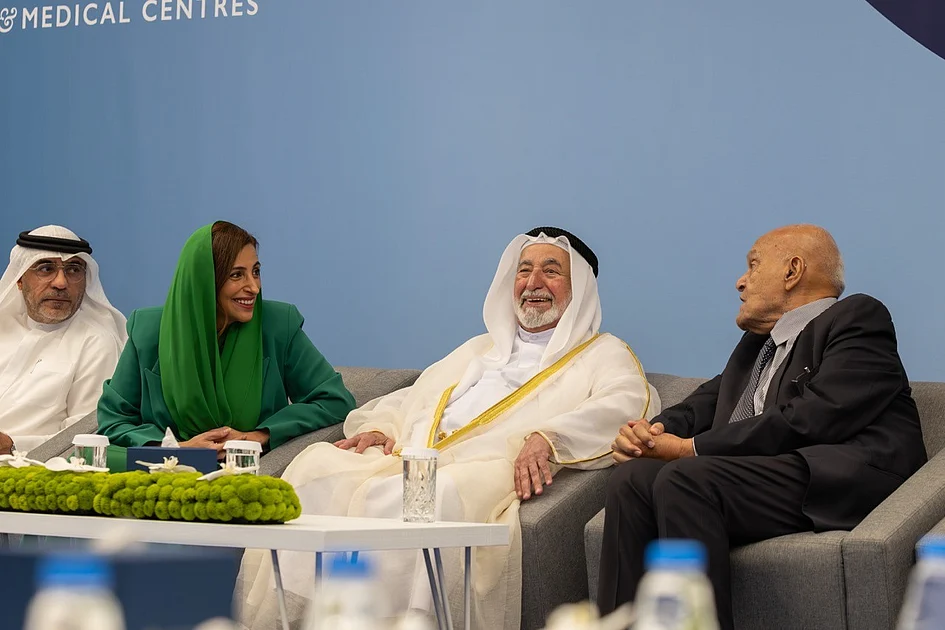
Sharjah has taken a bold step forward in healthcare innovation with the launch of ‘Sharjah Next,’ a groundbreaking global series initiated by the Sharjah Research, Technology and Innovation Park (SPARK). The inaugural event, titled ‘Sharjah Next: Healthcare,’ kicked off on October 29, 2025, with a two-day program dedicated to exploring cutting-edge advancements in the medical field. The event was graced by the presence of Sheikh Dr Sultan bin Muhammad Al Qasimi, Ruler of Sharjah, and Sheikha Bodour bint Sultan Al Qasimi, Chairperson of SPARK’s Board of Directors.
分类: health
-

Egg freezing before cancer treatment gives young women hope for future motherhood
As October marks Breast Cancer Awareness Month, Orchid Fertility highlights a crucial yet often overlooked aspect of cancer care: fertility preservation. For many young women and men, a cancer diagnosis during their reproductive years can jeopardize their dreams of parenthood due to the damaging effects of treatments like chemotherapy and radiation. Fertility preservation, or cryopreservation, offers a lifeline by enabling patients to freeze eggs, sperm, or embryos before undergoing cancer therapy, safeguarding their ability to have biological children in the future. Despite growing awareness of early cancer detection and treatment, fertility preservation remains underdiscussed, a gap Orchid Fertility aims to bridge. Dr. Partha Sarathi Das, Medical Director at Orchid Fertility, emphasizes that decisions made before treatment can profoundly impact a patient’s future family-building options. Modern cryopreservation techniques provide tangible hope for young patients, allowing them to preserve their fertility potential before life-saving therapies. For women, egg freezing (oocyte cryopreservation) is particularly valuable, as it can be initiated quickly without delaying cancer treatment. Men can opt for sperm freezing, a straightforward procedure, while couples may choose embryo cryopreservation. Advanced methods like ovarian tissue cryopreservation are also emerging for patients who cannot delay treatment or are prepubescent. A 33-year-old woman diagnosed with diffuse large B cell lymphoma exemplifies the transformative impact of fertility preservation. After freezing her eggs before chemotherapy, she later returned to undergo further fertility treatment, resulting in healthy embryos stored for future use. Her story underscores how timely fertility preservation empowers cancer survivors to pursue parenthood on their terms. With breast cancer survival rates improving, the ability to start a family post-treatment is increasingly recognized as a vital component of comprehensive care. Dr. Das advocates for integrating fertility preservation into every cancer care plan for young patients, offering hope, choice, and a sense of normalcy during challenging times.
-

Lasers to trigger rains? UAE lab tests show it’s possible
In a groundbreaking move to enhance public health accessibility, the Burjeel Cancer Institute has launched a mobile mammography unit aimed at bringing breast cancer screening to underserved communities. This innovative initiative seeks to address the critical gap in early detection, particularly in remote and economically disadvantaged areas where access to healthcare facilities is limited. The mobile unit is equipped with state-of-the-art diagnostic technology and staffed by a team of experienced healthcare professionals, ensuring that high-quality screening services are available to all, regardless of location or socioeconomic status. The program also includes educational outreach to raise awareness about the importance of early detection and to encourage more women to undergo regular screenings. By taking the screening process directly to the people, the Burjeel Cancer Institute is making significant strides in the fight against breast cancer, potentially saving countless lives through timely intervention.
-

2 nurses on first flight to UAE save passenger from cardiac arrest 35,000 ft in air
Two nurses from Kerala, Abhijith Jees and Ajeesh Nelson, embarked on their first international flight to the UAE on October 13, 2025, to begin their new careers with Response Plus Medical. Little did they know, their journey would turn into a life-saving mission before they even landed. During the flight, a 34-year-old passenger, Sameer (name changed), suffered a sudden cardiac arrest at 35,000 feet over the Arabian Sea. Abhijith, seated nearby, immediately noticed the distress and sprang into action, performing CPR in the narrow aisle. Ajeesh, seated a few rows away, joined him, and the two nurses worked seamlessly to revive the passenger. After two intense rounds of CPR, the man regained a faint pulse and began breathing again. Dr. Arif Abdul Khadir, another passenger, assisted in stabilizing the patient with IV fluids and monitoring his vitals for the remainder of the flight. Upon landing in Abu Dhabi, the passenger was transferred to airport medical teams and later reported to be in stable condition. The nurses, who had quietly continued to their new workplace without mentioning the incident, were later honored by Response Plus Medical for their professionalism and quick thinking. The passenger’s family expressed profound gratitude, stating that the nurses’ actions gave their loved one another chance at life. For Abhijith and Ajeesh, the experience reinforced their commitment to their profession and marked a memorable start to their new lives in the UAE.
-
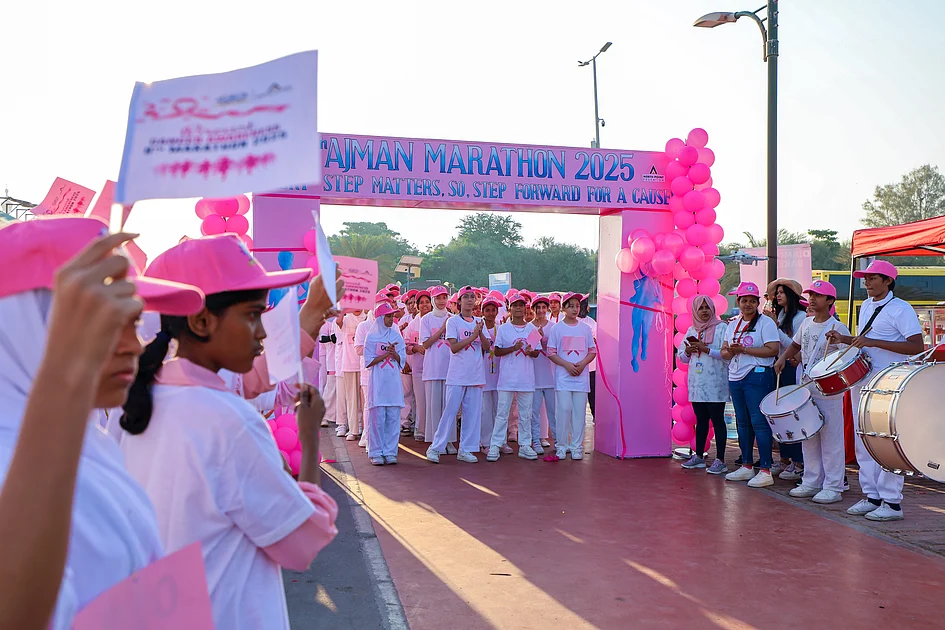
Royal Academy Ajman hosts breast cancer awareness campaign
In a vibrant display of unity and solidarity, the Royal Academy Ajman, under the auspices of North Point Education (NPE), hosted its 8th Annual Breast Cancer Awareness Marathon at Safia Park, Ajman. The event, held in alignment with the UAE’s National Year of Community 2025, drew hundreds of participants from over 36 nationalities, creating a sea of pink that symbolized hope and resilience in the fight against breast cancer. The marathon was inaugurated by Ajman Traffic Department officials, First Assistant Rashid Adel Hammadi and Assistant Saeed Al Shamsi, alongside School Principal Dr. Prema Muralidhar, marking a moment of collaborative pride for the Royal Academy community. Saif Ahmed Mohammed Alabdouli, Licensing & Permits Executive at the Ajman Private Education Authority (APEA), attended as Chief Guest, emphasizing APEA’s commitment to fostering social awareness and community engagement among students. The Office of Special Education Affairs, Ajman, also supported the initiative, reinforcing the event’s mission to promote health awareness and early detection. The marathon kicked off with the release of pink balloons, symbolizing courage and unity, followed by inspiring speeches from students Huda Mohamed (Grade 12B) and Rosy (Grade 7B). A lively flash mob performance energized the crowd, while Dr. Muralidhar highlighted the academy’s dedication to nurturing empathy and social responsibility. The event concluded with the recognition of winners across various categories, celebrating not only athletic achievement but also the collective spirit of compassion and perseverance.
-

Trump reveals he underwent MRI scan, says results were ‘perfect’
Former US President Donald Trump disclosed on Monday that he recently underwent an MRI scan, describing the results as ‘perfect.’ The 79-year-old Republican, who is the oldest person ever inaugurated as president, did not elaborate on the reasons for the medical screening, instead directing reporters to consult his physicians. This revelation follows an unexpected visit to Walter Reed Medical Center earlier in October, which had sparked widespread speculation about his health. Trump, who will turn 80 in June, has faced criticism for a perceived lack of transparency regarding his physical condition. During a conversation with reporters aboard Air Force One, Trump emphasized the positive outcome of the scan, stating, ‘I gave you the full results. We had an MRI, and the machine, you know, the whole thing, and it was perfect.’ MRI scans are commonly used to diagnose a variety of conditions, ranging from tumors and strokes to muscle tears and inflammation. The White House had not previously provided an explanation for the October 10 hospital visit, which was unusual given that presidents typically undergo only one comprehensive medical examination annually. Trump also addressed concerns about his health, asserting, ‘Nobody has ever given you reports like I gave you. And if I didn’t think it was going to be good, either, I would let you know negatively.’ His physician, Navy Captain Sean Barbabella, confirmed in a White House-released letter that Trump continues to exhibit ‘excellent overall health.’ The former president has been observed with bruising on his right hand during his second term, which the administration attributes to his use of aspirin as part of a cardiovascular health regimen. Additionally, Trump was diagnosed with chronic venous insufficiency earlier this year, a common vein condition that can cause swelling and cramping but is treatable with medication or medical procedures.
-
Dubai: Patient awarded Dh1 million after medical negligence left him disabled
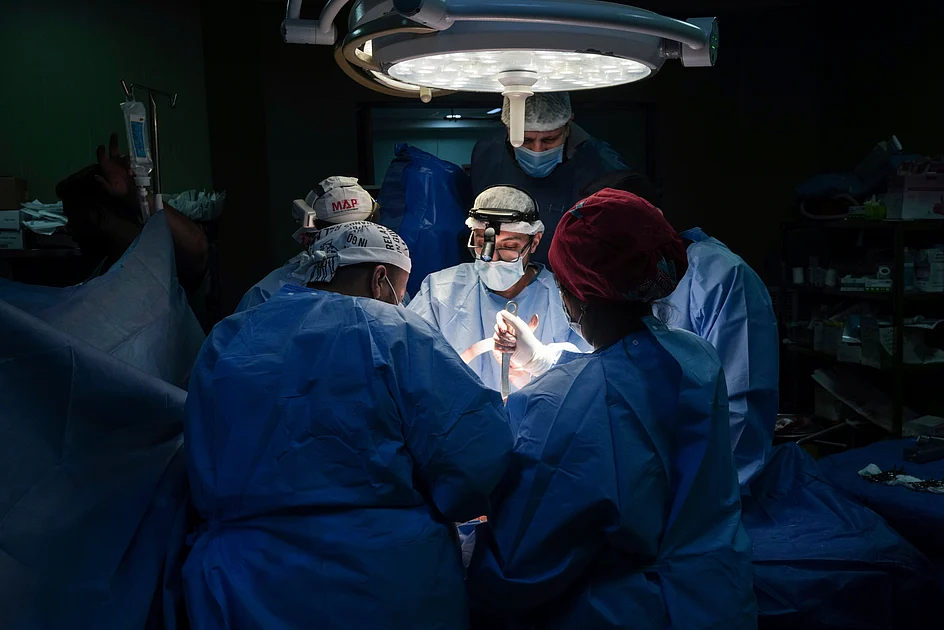
In a landmark ruling, the Dubai Courts have upheld a Dh1 million compensation award to a patient left permanently disabled due to medical negligence during a joint replacement surgery. The case, which has drawn significant attention, highlights the severe consequences of medical malpractice and the judiciary’s commitment to protecting patient rights. The patient underwent surgery on December 20, 2021, but soon after experienced excruciating pain and mobility issues. Despite corrective surgeries, including treatments abroad in Italy, the patient lost approximately 80% of the leg’s function. The Supreme Committee for Medical Liability concluded that the attending physician’s care deviated grossly from recognized standards, leading to permanent disability. The patient initially sought Dh20 million in damages, but the court awarded Dh1 million, dismissing appeals from both the hospital and the physician. The court emphasized the hospital’s joint liability, citing its supervisory authority over the physician. This ruling reinforces the importance of accountability in medical practices and sets a precedent for future cases of medical negligence in Dubai.
-
UAE: Breast cancer detected during pregnancy, early screening saves Emirati mother
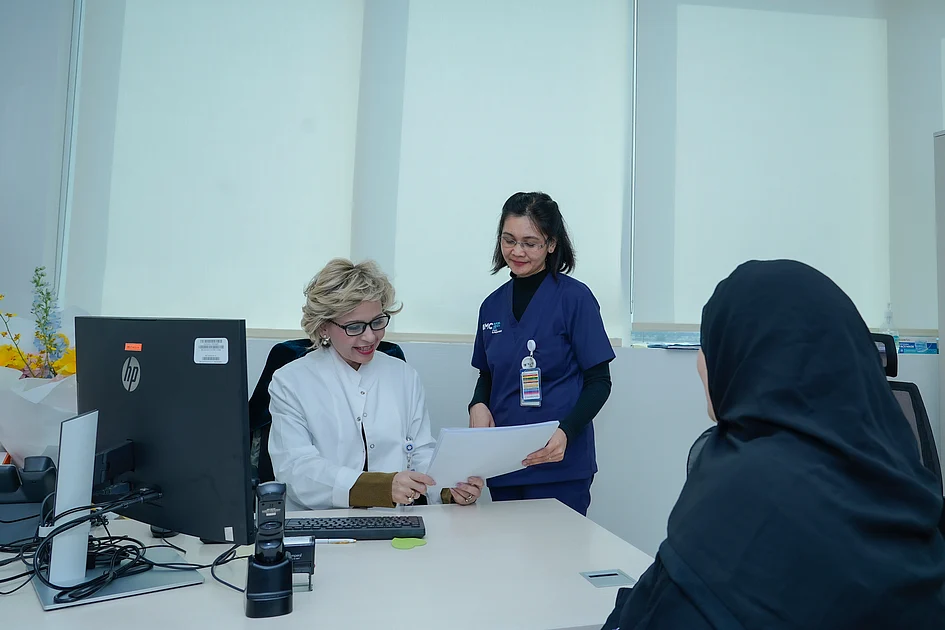
In a powerful testament to the importance of early detection, two Emirati mothers have shared their harrowing yet inspiring journeys of battling breast cancer during critical phases of their lives. Maryam Rashid Al Habsi, a mother of eight, was 29 weeks pregnant when she was diagnosed with an 8-centimeter invasive ductal carcinoma. Initially attributing the swelling to her pregnancy, Maryam’s diagnosis came as a shock. ‘It was devastating, but I put my trust in God,’ she recalled. A multidisciplinary team of specialists, including oncologists, obstetricians, and gynecologists, devised a treatment plan that prioritized both her health and her unborn child’s safety. Limited imaging options during pregnancy meant relying on ultrasounds and minimal radiation scans. Maryam began chemotherapy in her third trimester, delivering a healthy baby boy at 35 weeks. Post-delivery, she underwent a mastectomy, radiation therapy, and long-term hormone therapy to prevent recurrence. Despite battling depression and body image issues, Maryam credits counseling and faith for her recovery. ‘Early detection saved my life,’ she emphasized. For Moza Alshehi, a mother of six, the first sign of cancer was not a lump but severe knee pain. Initially dismissed as a muscle strain, further tests revealed HER2-positive invasive ductal carcinoma that had spread to her bones, lungs, and skull. ‘When the doctor said I needed surgery immediately, I realized the gravity of the situation,’ Moza shared. She chose to stay in the UAE for treatment, undergoing a combination of chemotherapy and targeted drugs. After seven months, scans showed no visible cancer, and Moza was declared cancer-free. Both women now advocate for regular screenings, stressing that early detection can save lives. ‘Don’t wait for symptoms,’ Moza urged. ‘Early detection gave me a second chance at life.’ As Breast Cancer Awareness Month concludes, their stories serve as a poignant reminder of the critical role of timely medical intervention.
-

Texas attorney general sues Tylenol makers over autism claims
Texas Attorney General Ken Paxton has filed a lawsuit against the manufacturers of Tylenol, accusing them of concealing potential risks the drug poses to children’s brain development. The legal action targets Johnson & Johnson, the former distributor of the drug, and Kenvue, its current producer. Paxton, a Republican and ally of former President Donald Trump, claims the companies prioritized profits over public safety, stating they ‘betrayed America by profiting off of pain and pushing pills regardless of the risks.’ The lawsuit follows Trump’s recent promotion of an unproven link between Tylenol use during pregnancy and autism in children. Kenvue has refuted these allegations, asserting there is no credible evidence connecting acetaminophen, the active ingredient in Tylenol, to autism. The company expressed concern over the spread of misinformation, which could impact the health of women and children. Medical organizations, including the American College of Obstetricians and Gynecologists, support the safety of acetaminophen, emphasizing its importance as one of the few pain relief options for pregnant women. The lawsuit seeks to compel the companies to cease marketing Tylenol as safe for pregnant women. This case mirrors a 2022 lawsuit by parents of children with autism and ADHD, which was dismissed due to inconclusive evidence. The controversy has sparked debate among public health officials, with the FDA clarifying that no causal relationship between Tylenol and autism has been established.
-
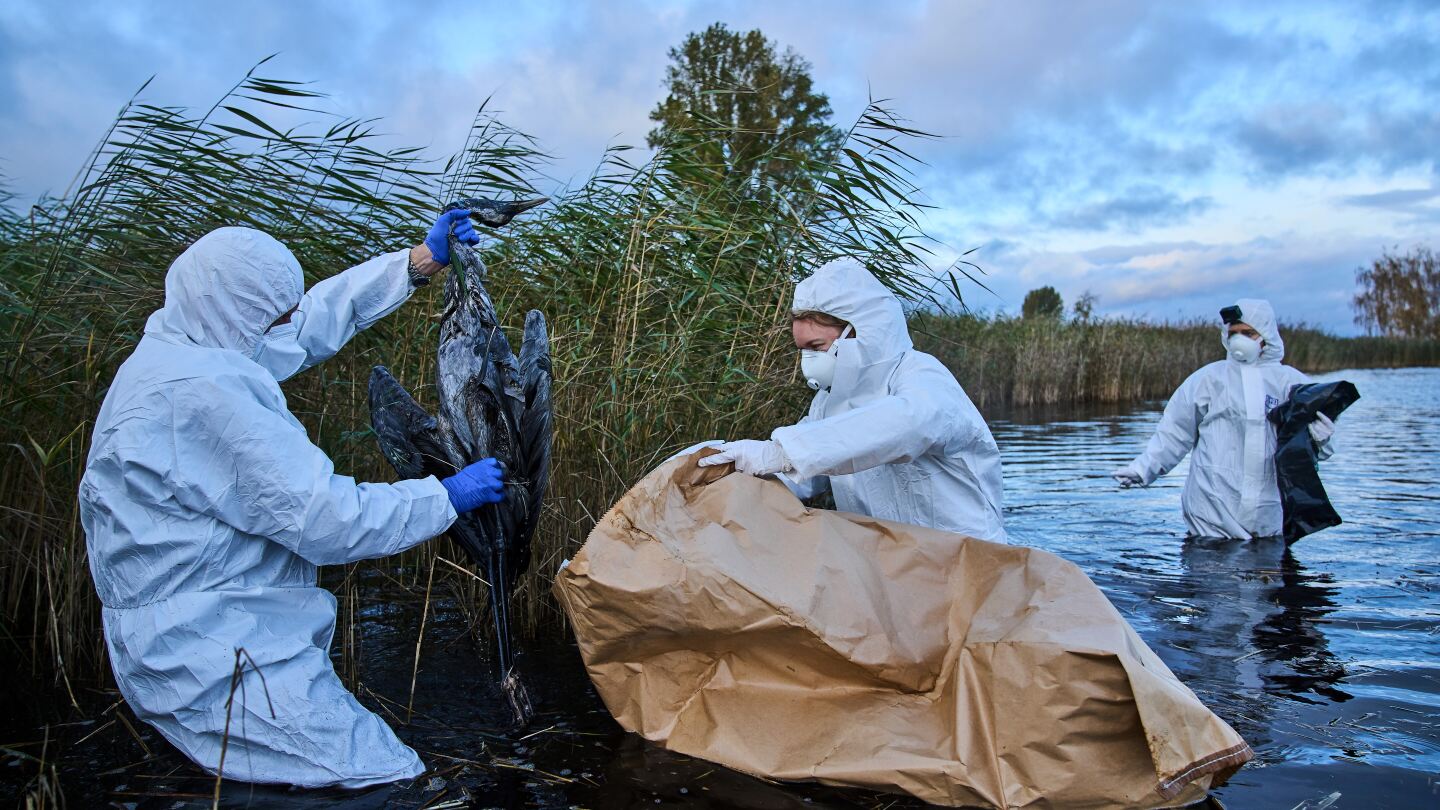
Bird flu hits migrating cranes hard in Germany as the virus flares up
In a tragic turn of events, the serene village of Linum, located just outside Berlin and renowned as a haven for birdwatchers, has become the epicenter of a devastating bird flu outbreak. Over the past week, volunteers have recovered nearly 2,000 dead cranes, marking a significant blow to the migrating bird population. Linum, typically a bustling rest stop for thousands of cranes migrating between the Baltic and Nordic regions and southern Europe, has seen its tranquil ponds and fields transformed into a grim scene of avian mortality.
The Friedrich Loeffler Institute, Germany’s national animal health authority, has reported 30 outbreaks of bird flu at poultry farms and among wild birds since early September. As a precautionary measure, over 500,000 chickens, ducks, geese, and turkeys have been culled. The current outbreak has particularly affected the majestic gray-and-white cranes, a species that has not previously experienced such severe impacts from bird flu on this migration route. Norbert Schneeweiss, an expert with Brandenburg state’s environment office, noted that while there was an outbreak among cranes in Hungary two years ago, the scale of the current crisis is unprecedented.
Volunteers, clad in full-body protective gear, have been tirelessly working to collect the lifeless bodies of the cranes from the water and reeds surrounding Linum. The task is both physically demanding and emotionally taxing. Lara Weinmann, one of the volunteers, expressed the emotional toll of the work, stating, ‘We try to convince ourselves that we’re doing something good for conservation and that it’s important. But of course, it does affect you.’
Efforts to mitigate the spread of the virus include reducing the attractiveness of the area to migrating birds by limiting water flow, thereby shrinking the resting area. However, Schneeweiss emphasized that resting places are scarce in Central Europe, making it challenging to deter the birds from stopping in Linum. The usual guided tours for bird enthusiasts have been canceled, further highlighting the severity of the situation.
While the outbreak appears to be under control locally, with the number of dead cranes slowing and no other wild birds yet showing symptoms, the broader implications of the virus are concerning. Although bird flu infections in humans are relatively rare, scientists fear that the virus could evolve to spread more easily among people, especially as it continues to affect other species, including some mammals.