Cardiovascular diseases (CVD) remain the leading cause of death among women worldwide, responsible for nearly 30% of female fatalities—twice the number caused by cancer. Despite this, heart disease in women is often under-recognized, under-diagnosed, and under-treated, largely due to the misconception that it predominantly affects men. In the UAE, medical experts are highlighting the atypical symptoms women may experience during a heart attack, urging greater awareness and timely intervention.
分类: health
-

China OKs world’s first functional cure for hepatitis B
China has made a groundbreaking advancement in the global fight against hepatitis B by approving the world’s first domestically developed drug designed to achieve a functional cure for the chronic liver infection. The drug, named Pegbing, was developed by Amoytop Biotech, a company based in Xiamen, Fujian province. According to a recent notice from the National Medical Products Administration, Pegbing is approved for use in combination with antiviral medication to achieve sustained clearance of the hepatitis B surface antigen in adults with chronic hepatitis B. This approval marks the first time a drug aimed at achieving a functional cure for hepatitis B has received market authorization globally, heralding a new era in the battle against the viral infection. Hepatitis B affects approximately 254 million people worldwide and is responsible for over 1 million deaths annually. In China alone, there are about 75 million chronic hepatitis B patients. A functional cure for hepatitis B is defined as the sustained loss of the hepatitis B surface antigen after treatment ends, contrasting with conventional therapies that suppress viral replication but do not eliminate the virus entirely. Data from the Chinese Foundation for Hepatitis Prevention and Control indicates that more than 92 percent of liver cancer cases in China are caused by hepatitis B infection. The incidence of liver cancer can be reduced to 10.7 percent among patients receiving antiviral treatment, compared with nearly 15 percent among those who do not. For those who achieve a clinical cure, the rate drops to just 1 percent. ‘Such a significant difference underscores the critical importance of achieving clinical cure for hepatitis B patients,’ the foundation stated. In a clinical trial evaluating the efficacy and safety of Pegbing combined with antiviral treatment, 31.4 percent of patients achieved a clinical cure 24 weeks after discontinuing all medications, a rate significantly higher than that observed in patients following conventional treatment regimens. According to an action plan released last month by the National Disease Control and Prevention Administration and eight other government departments, China aims to raise the antiviral treatment rate for newly reported cases to at least 80 percent by 2030. The plan also emphasized intensified efforts in innovative drug research and development and the exploration of new solutions for the functional cure of hepatitis B.
-

Rise of bio-aesthetics: How regenerative science is redefining health, beauty and dentistry
A groundbreaking shift is underway in the realms of health, beauty, and dentistry, as bio-aesthetics emerges as a transformative force. This science-driven movement emphasizes working in harmony with the body’s natural systems, moving beyond traditional reactive medicine to embrace regenerative and holistic approaches. Spearheaded by experts like David Roze, founder of ROZE BioHealth, bio-aesthetics is redefining what it means to achieve true wellness and beauty. Unlike conventional methods that focus on superficial fixes, bio-aesthetics delves deeper, prioritizing cellular health, tissue regeneration, and systemic balance. This philosophy is rooted in the belief that true health and beauty stem from within, where balanced systems and healthy cells lay the foundation for lasting vitality. Regenerative medicine is at the forefront of this movement, with stem-cell-based therapies leading the charge. Dental pulp stem cells, ethically sourced from deciduous and wisdom teeth, are particularly promising. These versatile cells can transform into bone, cartilage, nerve, and connective tissues, offering immense potential for both oral and systemic regeneration. Biological dentistry is also evolving, with biomimetic ceramics and bio-integrative compounds replacing traditional metals and synthetics. These materials mimic natural tissues, preserving tooth structure and promoting long-term biological harmony. Ozone therapy, myofunctional therapy, and energy-based treatments like red-light therapy and vagus nerve modulation are further enhancing patient outcomes. These therapies address root causes, improve cellular function, and support overall well-being. In Dubai, the demand for bio-aesthetic treatments is surging as individuals seek sustainable, health-aligned solutions. The future of bio-aesthetics is highly personalized, with advancements in AI diagnostics and cellular mapping enabling tailored treatments that offer precise, preventive, and regenerative results. Ultimately, bio-aesthetics is not just about enhancing appearance but about nurturing biology to achieve health and beauty that is both visible and deeply life-enhancing.
-

Brazil grants oil exploration licence in Amazon region
Brazilian President Luiz Inácio Lula da Silva has expressed his support for a future without fossil fuels but emphasized that the world is not yet ready to abandon them. This statement comes amid the approval of a controversial oil exploration project near the Amazon River. Brazil’s state-owned oil company, Petrobras, has been granted a license to conduct exploratory drilling in the Amapá region, approximately 500 kilometers from the Amazon River’s mouth on the Brazilian Equatorial Margin. The project has sparked significant environmental concerns, particularly regarding potential oil spills that could threaten the Amazon’s rich biodiversity, home to 10% of the world’s known species. Conservation groups, including Greenpeace, have warned that the project could undermine Brazil’s climate leadership, especially as the country prepares to host the COP30 climate summit in Belém in November 2025. The International Energy Agency has also reiterated that no new oil projects should be approved if the global goal of net-zero emissions by 2050 is to be achieved. Petrobras has defended the project, stating that it has robust environmental protection measures in place and that the drilling, set to begin immediately, will last five months. The company aims to assess the economic viability of oil and gas reserves in the area but has clarified that no commercial production will occur at this stage. Brazil’s Environment Minister, Marina Silva, has opposed the project, citing environmental risks. However, President Lula has supported it for economic reasons, arguing that Brazil must utilize its natural resources responsibly. Other international oil companies, including ExxonMobil and Chevron, have also acquired exploration blocks in the region and are awaiting licenses. Petrobras has emphasized its commitment to ensuring Brazil’s energy security and supporting a just energy transition while maintaining environmental safeguards.
-

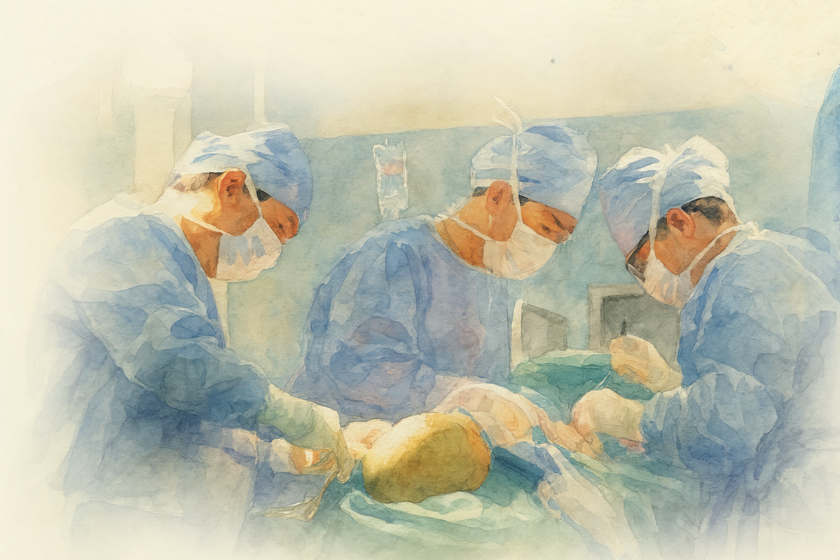
Abu Dhabi: 25-week-old foetus undergoes spine surgery in mother’s womb
In a remarkable medical breakthrough, a 25-week-old foetus weighing just 800 grams underwent a successful fetoscopic surgery to repair spina bifida while still in the mother’s womb. The procedure, performed at Sheikh Khalifa Medical City (SKMC) in Abu Dhabi, lasted 90 minutes and utilised a minimally invasive technique involving a tiny camera and miniature instruments inserted through three small incisions in the mother’s abdomen and uterus. Spina bifida, a congenital condition where the spine and spinal cord fail to develop properly, can lead to severe neurological complications and long-term disabilities if left untreated. The surgery, part of Abu Dhabi’s Visiting Physicians Programme, aimed to correct the defect prenatally, significantly improving the baby’s chances of walking independently and leading a healthier life. The procedure’s precision and minimal invasiveness ensured a faster recovery for the mother and preserved the uterine environment, allowing the pregnancy to continue safely until the planned delivery date. This milestone underscores Abu Dhabi’s growing reputation as a global healthcare hub, driven by innovation and collaboration with international medical experts. Dr Adel Ali Al Junaibi, Consultant Paediatric Surgeon at SKMC, emphasised the long-term benefits of prenatal repair, stating that early intervention reduces the risk of paralysis and the need for multiple surgeries post-birth. Dr Werner Gerhard Diehl, Consultant in Fetal Medicine at Seha Corniche Hospital, highlighted the complexity of the procedure, which requires meticulous planning, advanced training, and a multidisciplinary approach. The Foetal Medicine Centre at Seha Corniche Hospital has performed over 500 therapeutic interventions, achieving outcomes that meet global standards and positioning the UAE as a leader in foetal care.
-

Sichuan reports first case of HIV-2 infection
Sichuan Province has reported its first-ever case of HIV-2, a rare strain of the human immunodeficiency virus (HIV) that is uncommon in China. The case was identified in a 67-year-old woman from Meishan city, who initially tested positive for HIV in January 2025. Advanced confirmatory testing and genetic sequencing later revealed the infection to be caused by HIV-2, as detailed in a study published in the Chinese Journal of AIDS & STD. HIV is categorized into two types: HIV-1 and HIV-2. While HIV-1 is more globally prevalent and highly pathogenic, HIV-2 is less transmissible and progresses more slowly. This discovery underscores the importance of vigilant monitoring and advanced diagnostic techniques in identifying rare viral strains. Health authorities are now focusing on understanding the transmission pathways and implementing targeted prevention measures to curb the spread of this less common variant.
-

Japan allows over-the-counter ‘morning after’ pill
In a landmark decision, Japan has approved the over-the-counter (OTC) sale of an emergency contraceptive pill, marking a significant shift in the country’s approach to reproductive health. ASKA Pharmaceutical, the manufacturer of the pill, announced that the medication, branded as Norlevo, will now be accessible without a prescription, empowering women to take control of their reproductive choices. While a specific launch date remains undisclosed, the pill will be classified as ‘medicine requiring guidance,’ necessitating that women take it under the supervision of a pharmacist. This development aligns Japan with over 90 countries where such pills are already available without a prescription. The decision follows years of advocacy by rights groups, who argued that prescription requirements deterred younger women and rape victims from accessing timely contraception. A health ministry panel first discussed OTC sales in 2017, with public consultations revealing widespread support. However, concerns about potential misuse delayed approval until now. Norlevo, and its generic counterpart levonorgestrel, are most effective within 72 hours of unprotected intercourse, with an efficacy rate of 80%. This move is seen as a step forward in addressing Japan’s conservative views on abortion and women’s reproductive rights, rooted in traditional patriarchal norms.
-

How a dying patient’s wish to see female doctor led UAE woman to become cancer specialist
Dr. Aydah Alawadhi, a trailblazing Emirati oncologist, has transformed her career into a humanitarian mission, inspired by a poignant encounter with a young patient. Now the head of the Oncology and Hematology Department at Sheikh Shakhbout Medical City (SSMC) in Abu Dhabi, Dr. Alawadhi’s journey began with a moment that reshaped her life. During her training in the emergency department, she met a young woman who had delayed seeking medical care due to her discomfort with male doctors. The patient’s plea, ‘If only you were an oncologist,’ resonated deeply with Dr. Alawadhi, who vowed to dedicate her life to cancer care. This encounter not only defined her career but also instilled in her a profound belief that every cancer patient deserves compassion, support, and hope. Dr. Alawadhi’s achievements extend beyond her clinical role. She heads the Scientific Committee and the Breast Cancer Working Group at the Emirates Oncology Society and serves on the Gulf Oncology Society Committee. Despite the UAE’s advancements in breast cancer diagnosis and treatment, she emphasizes the ongoing need for awareness about early detection, as many women still hesitate to seek medical help. Dr. Alawadhi credits her family for their unwavering support, particularly her husband, who stood by her through the emotional and professional challenges of her career. Balancing her demanding profession with motherhood, she underscores the importance of work-life balance, finding solace in travel, nature, and time with loved ones. Dr. Alawadhi’s story is a testament to resilience, empathy, and the transformative power of a single moment.
-

UAE: Premature baby survives life-threatening condition seen in 0.1% cases worldwide
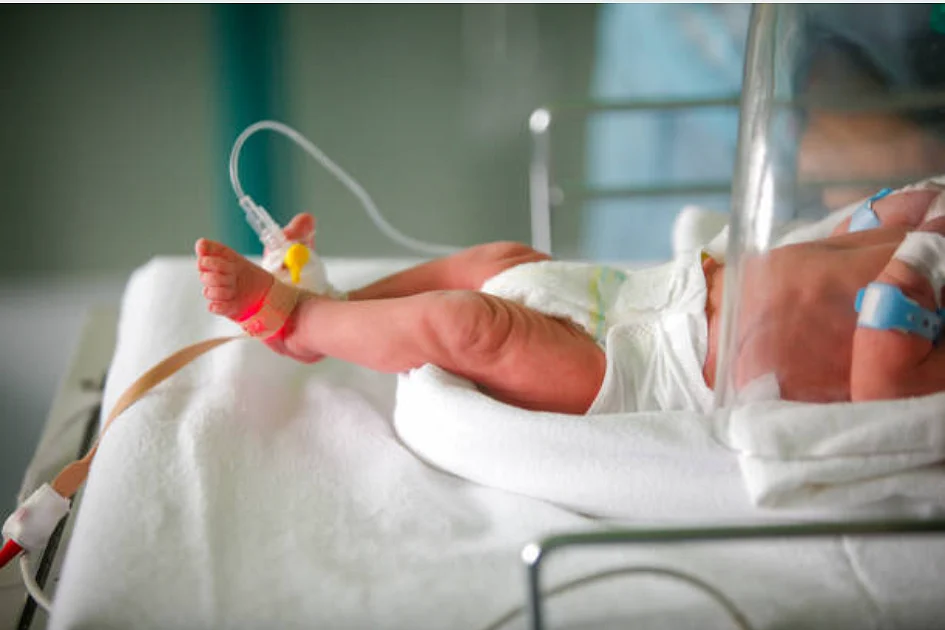
In a remarkable medical triumph, a premature baby born at just 27 weeks and weighing less than a kilogram has survived an extremely rare and life-threatening condition known as Amyand’s hernia. The infant, Sid Elian Mattheus Casino, underwent a complex surgery at Burjeel Hospital in Abu Dhabi, defying the odds to recover from a condition that occurs in only 0.1% of cases worldwide. Amyand’s hernia involves a perforated appendix trapped in the inguinal canal and extending into the scrotum, a condition almost unheard of in premature infants. For first-time parents Stewart John and Isabel Mari Casiño, Sid’s early arrival was both a joyous and terrifying experience. Isabel first met her baby 12 hours after delivery in the Neonatal Intensive Care Unit (NICU), surrounded by machines and wires. “My heart was breaking and overflowing at the same time,” she recalled. “I wished I could just hold him and protect him.” Three weeks later, when Sid developed swelling in his belly and scrotum, doctors diagnosed the hernia. Despite initial fears, Isabel placed her trust in Professor Dr. Amulya Saxena, a consultant pediatric surgeon at Burjeel Hospital, who assured her that Sid would survive. The emergency surgery, performed by Dr. Saxena and his team, involved removing the perforated appendix and preserving the tiny testicle while ensuring no contamination or infection. Sid’s recovery in the NICU was slow but steady, and after ten weeks of intensive care, the family finally took him home. At discharge, he weighed 1.8 kilograms, and a month later, his weight nearly doubled to 3.3 kilograms. “Every day is a win for us,” said Isabel. “My baby has shown me what true strength is.” Dr. Saxena attributed Sid’s recovery to prompt diagnosis, meticulous surgical work, and coordinated care. “Seeing him healthy and thriving today is the most rewarding outcome for our entire team,” he said.
-

‘It’s scary to think I could have died’: How Americans are coming back from fentanyl addiction
Kayla, a young woman from North Carolina, recalls her harrowing journey into fentanyl addiction, which began at the age of 18. ‘I felt amazing. The voices in my head just went silent. I got instantly addicted,’ she says. The blue pills she consumed, likely smuggled from Mexico, carried an unpredictable and deadly dose of fentanyl, a synthetic opioid 50 times more potent than heroin. ‘It’s scary to think I could have overdosed and died at any moment,’ she reflects. In 2023, the U.S. witnessed over 110,000 drug-related deaths, with fentanyl driving the crisis. However, 2024 marked a turning point, as fatal overdoses dropped by 25%, saving nearly 30,000 lives. North Carolina, Kayla’s home state, led this decline with a 35% reduction in overdose fatalities, thanks to innovative harm reduction strategies. These strategies prioritize health and recovery over criminalization, offering programs like Law Enforcement Assisted Diversion (LEAD), which redirects substance users toward treatment and support. Kayla, now a certified nurse assistant, credits LEAD and methadone treatment for her recovery. ‘This is the longest time I’ve been clean,’ she says. Across North Carolina, over 30,000 people are enrolled in similar programs, with clinics like the Morse Clinics providing medication-assisted treatment (MAT) to help patients stabilize their lives. Dr. Eric Morse, who runs nine MAT clinics, emphasizes harm reduction: ‘Even if patients still use street drugs occasionally, their survival rate increases significantly.’ However, not everyone supports this approach. Mark Pless, a Republican state representative, advocates for abstinence-based programs, arguing that medications like methadone merely replace one addiction with another. Despite such criticisms, naloxone, a life-saving overdose reversal drug, has been administered over 16,000 times in North Carolina, preventing countless deaths. Governor Josh Stein has also played a pivotal role, securing $1.5 billion from a $60 billion national opioid settlement to fund prevention, treatment, and harm reduction initiatives. Yet, challenges remain, particularly for marginalized communities and states like Nevada and Arizona, where overdose rates remain stubbornly high. Kayla’s story is one of hope and resilience, but the fight against the opioid epidemic is far from over.