分类: health

  • Bird flu hits migrating cranes hard in Germany as the virus flares up

    Bird flu hits migrating cranes hard in Germany as the virus flares up

    In a tragic turn of events, the serene village of Linum, located just outside Berlin and renowned as a haven for birdwatchers, has become the epicenter of a devastating bird flu outbreak. Over the past week, volunteers have recovered nearly 2,000 dead cranes, marking a significant blow to the migrating bird population. Linum, typically a bustling rest stop for thousands of cranes migrating between the Baltic and Nordic regions and southern Europe, has seen its tranquil ponds and fields transformed into a grim scene of avian mortality.

    The Friedrich Loeffler Institute, Germany’s national animal health authority, has reported 30 outbreaks of bird flu at poultry farms and among wild birds since early September. As a precautionary measure, over 500,000 chickens, ducks, geese, and turkeys have been culled. The current outbreak has particularly affected the majestic gray-and-white cranes, a species that has not previously experienced such severe impacts from bird flu on this migration route. Norbert Schneeweiss, an expert with Brandenburg state’s environment office, noted that while there was an outbreak among cranes in Hungary two years ago, the scale of the current crisis is unprecedented.

    Volunteers, clad in full-body protective gear, have been tirelessly working to collect the lifeless bodies of the cranes from the water and reeds surrounding Linum. The task is both physically demanding and emotionally taxing. Lara Weinmann, one of the volunteers, expressed the emotional toll of the work, stating, ‘We try to convince ourselves that we’re doing something good for conservation and that it’s important. But of course, it does affect you.’

    Efforts to mitigate the spread of the virus include reducing the attractiveness of the area to migrating birds by limiting water flow, thereby shrinking the resting area. However, Schneeweiss emphasized that resting places are scarce in Central Europe, making it challenging to deter the birds from stopping in Linum. The usual guided tours for bird enthusiasts have been canceled, further highlighting the severity of the situation.

    While the outbreak appears to be under control locally, with the number of dead cranes slowing and no other wild birds yet showing symptoms, the broader implications of the virus are concerning. Although bird flu infections in humans are relatively rare, scientists fear that the virus could evolve to spread more easily among people, especially as it continues to affect other species, including some mammals.

  • Pink About It: Starting conversations, changing lives

    Pink About It: Starting conversations, changing lives

    Breast cancer continues to be the most prevalent cancer among women globally, with projections indicating a staggering 40% increase in cases by 2050. This alarming trend underscores the critical importance of awareness, timely screening, and education in combating the disease. Early detection remains the cornerstone of effective treatment, offering the best chance for a cure and a healthy future. Medical experts emphasize the life-saving potential of regular screenings, such as mammograms and clinical breast exams, which can identify abnormalities before they escalate into serious conditions. Dr. Pranay Taori, a Specialist in Medical Oncology at Aster Hospital, Qusais, highlights that early-stage cancers are often more manageable, with better treatment outcomes. He urges individuals to prioritize routine screenings based on age and risk factors, encouraging friends and family to do the same. Beyond detection, modern surgical advancements provide hope and improved quality of life for patients. Dr. Afsal Muhammed, a Specialist in Surgical Oncology, explains that contemporary techniques focus on patient comfort and long-term health, offering options like breast-conserving surgery and reconstruction. Emotional and psychological support also plays a vital role in the journey. Dr. Pranab Karipody Prabhakaran, a Consultant in Medical Oncology, reassures patients that they are not alone, with access to support groups, counselling, and community resources. Lifestyle choices, such as a balanced diet, regular exercise, and stress management, further contribute to reducing risk. Dr. Nilusha Vadhwania, a Specialist in Obstetrics & Gynaecology, emphasizes the cumulative benefits of consistent healthy habits. Personalized screening plans, tailored to individual risk factors, are essential for proactive health management. Dr. Anitha Sophia Biju advises consulting healthcare providers for age and risk-based guidelines. Community support networks also offer strength and encouragement to patients and their families. Dr. Preetha Vinoj underscores the power of shared experiences in fostering hope and resilience. The journey through breast cancer is marked by courage, conversation, and connection, transforming fear into triumph. The colour pink symbolizes not just awareness but a promise of support, compassion, and renewal. Together, we can inspire new beginnings and celebrate every step forward.

  • How a Diwali cracker gun in India went from social media craze to blinding children

    How a Diwali cracker gun in India went from social media craze to blinding children

    In the aftermath of Diwali celebrations across northern India, a disturbing trend has emerged: a surge in severe eye injuries caused by improvised devices known as ‘carbide guns.’ These rudimentary contraptions, made from calcium carbide in plastic pipes, produce loud blasts and fiery sparks, mimicking gunfire. However, their unpredictable nature has led to devastating consequences, particularly among children and young adults. Aarish, a 15-year-old from Madhya Pradesh, is one of hundreds of victims. After a carbide gun exploded near his face, he lost vision in his left eye and underwent emergency surgery. Despite his physical pain, Aarish’s primary concern is missing work, as he repairs televisions to support his family. His story reflects a broader issue of child labor in India, where millions of children work despite legal restrictions. The carbide gun phenomenon gained traction after viral social media videos showcased their use as firecrackers. Priced at just 150-200 rupees ($1.70-$2), these devices became a popular yet dangerous Diwali novelty. Hospitals in states like Madhya Pradesh, Bihar, Chhattisgarh, Jharkhand, Uttar Pradesh, and Delhi have reported over 370 cases of eye injuries, with at least 55 requiring surgery. Dr. Kavitha Kumar of Hamidia Hospital in Bhopal described the injuries as ranging from mild chemical burns to severe corneal damage, with some patients facing temporary or permanent vision loss. Dr. Partha Biswas, president of the All India Ophthalmological Society, has called for an urgent nationwide ban on carbide guns, emphasizing their potential to cause permanent blindness and disability. Despite regulations on calcium carbide, its widespread use in fruit ripening and other activities has made it easily accessible. Authorities have arrested several sellers, and some states have banned the devices, but experts argue that stricter enforcement and public awareness are needed to prevent future tragedies. As families like Aarish’s and Alzain’s grapple with the aftermath, the incident underscores the urgent need for action to protect public health during festive celebrations.

  • Versetti Family Office advances discussion on longevity innovation at Global Summit

    Versetti Family Office advances discussion on longevity innovation at Global Summit

    The 6th Annual Timepie Longevity Summit, a premier global gathering of longevity experts, researchers, and investors, recently concluded with a focus on the intersection of science, technology, and entrepreneurship in advancing human lifespan and healthspan. Angel Versetti, Founder and CEO of the Versetti Family Office, emerged as a key voice at the event, addressing critical challenges and opportunities in the longevity industry. In his keynote speech, Versetti highlighted the structural and operational barriers hindering the scaling of early-stage longevity startups and underscored the necessity of fostering synergy between scientific innovation and commercial application. He introduced the Versetti Family Office’s venture-builder model, which aims to address these challenges by unlocking capital and supporting startups dedicated to lifespan-extending discoveries. Versetti also emphasized China’s growing role in the longevity ecosystem, citing its world-class life sciences IP and contract research organizations (CROs) as key drivers of global progress. He expressed enthusiasm for potential collaborations with Chinese universities and labs. During a media interaction, Versetti shared insights on promising longevity interventions while cautioning against unverified or marketing-driven treatments. He drew parallels between modern longevity pioneers like Bryan Johnson and historical figures such as Alexander Bogdanov, who tragically died from self-experimentation. Versetti also stressed the importance of global collaboration in longevity science, warning that geopolitical polarization could impede collective progress. He praised the Timepie Longevity Forum for fostering inclusive dialogue among experts from the United States, United Kingdom, Europe, Russia, Singapore, and China. The Versetti Family Office’s participation at the summit reaffirms its commitment to advancing longevity science through responsible innovation, strategic investments, and active engagement in global research discussions.

  • Trump says he had ‘perfect’ MRI at Walter Reed hospital

    Trump says he had ‘perfect’ MRI at Walter Reed hospital

    President Donald Trump recently disclosed that he underwent an MRI scan during a visit to Walter Reed National Military Medical Center earlier this month. Speaking to reporters aboard Air Force One en route to a week-long trip in Asia, Trump described the results as ‘perfect.’ The 79-year-old president, one of the oldest in U.S. history, did not specify the reason for the scan but emphasized the positive outcome. His physician, Dr. Sean Barbabella, stated that the MRI was part of a ‘scheduled follow-up evaluation’ within Trump’s ongoing health maintenance plan, which included advanced imaging, laboratory testing, and preventative assessments. Dr. Barbabella affirmed that Trump ‘continues to demonstrate excellent overall health.’ Earlier this year, Trump was diagnosed with chronic venous insufficiency, a benign condition common in older individuals, which causes blood to pool in the lower limbs due to impaired vein function. The White House clarified that recent bruising on Trump’s hands, visible in photographs, was unrelated to this condition and resulted from frequent handshaking. MRI scans, which use strong magnetic fields to create detailed images of soft tissues, are a standard diagnostic tool, according to the U.S. National Institutes of Health.

  • Longevity seekers are taking NAD+ supplements. Do they work?

    Longevity seekers are taking NAD+ supplements. Do they work?

    As the quest for longevity gains momentum, NAD+ supplements have emerged as a popular yet controversial therapy. Nicotinamide adenine dinucleotide (NAD+), a molecule crucial for cellular repair and energy production, naturally declines with age. Proponents argue that boosting NAD+ levels through infusions or supplements could slow aging, but scientists remain cautious, citing a lack of conclusive evidence in humans.

  • High-risk groups better protected against shingles

    High-risk groups better protected against shingles

    In a significant move to enhance public health, the China National Medical Products Administration (NMPA) has granted approval for Shingrix, a recombinant zoster vaccine developed by GSK, to prevent shingles in adults aged 18 and above who are at heightened risk due to immunodeficiency or immunosuppression. This decision addresses a critical gap in healthcare, as shingles affects approximately six million people annually in China, with severe cases leading to debilitating pain and long-term complications. Shingles, caused by the reactivation of the varicella zoster virus (VZV), manifests as a painful rash and can result in post-herpetic neuralgia (PHN), a condition that persists for weeks, months, or even years. The approval of Shingrix marks a pivotal step in safeguarding vulnerable populations, particularly those with compromised immune systems. Sanjay Gurunathan, GSK’s senior vice-president of Vaccines and Infectious Diseases R&D, emphasized the importance of this milestone in expanding access to preventive healthcare. Sherman Yu, vice-president and general manager of GSK China, highlighted the vaccine’s role in strengthening China’s adult immunization system and advancing public health literacy. GSK remains committed to its mission of disease prevention and treatment, aligning with the Healthy China 2030 initiative through collaborative efforts across sectors.

  • UAE: Fit, young adults may have hidden heart issues, doctors say

    UAE: Fit, young adults may have hidden heart issues, doctors say

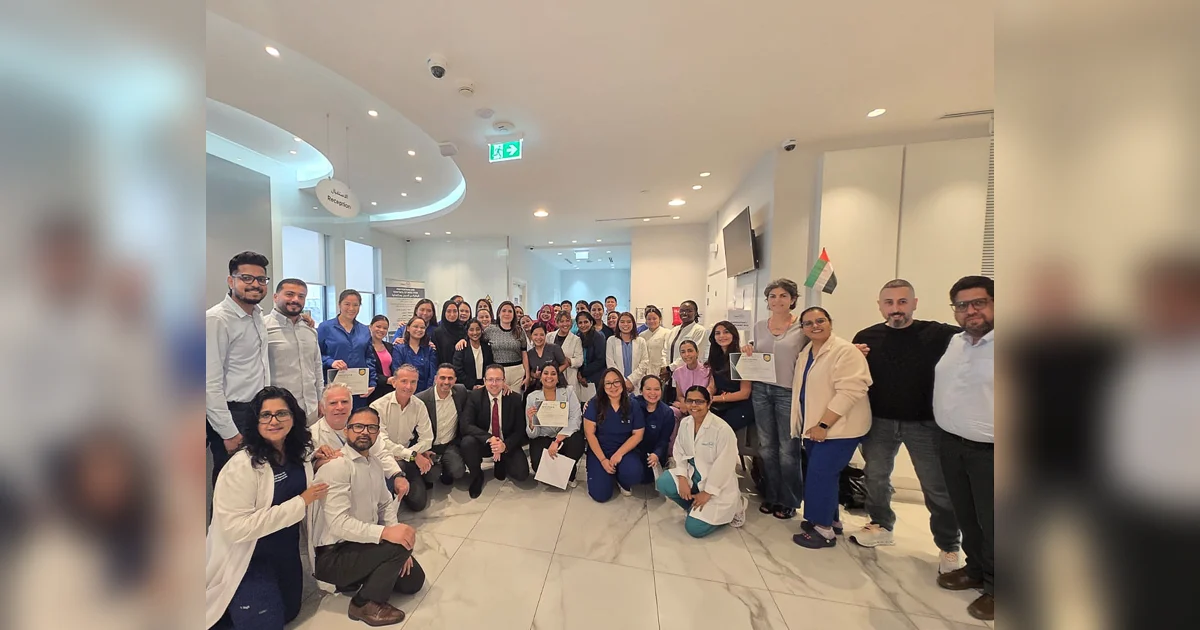
    The sudden death of 18-year-old Vaishnav Krishnakumar in Dubai has sparked widespread concern among families and medical professionals. While such cases are rare, doctors in the UAE are warning of a growing trend of cardiac arrests among young, seemingly healthy individuals. This alarming phenomenon is attributed to a combination of stress, poor lifestyle habits, and undiagnosed heart conditions.

  • ‘Nothing has changed’: Gaza health workers report almost no medical aid entering the strip

    ‘Nothing has changed’: Gaza health workers report almost no medical aid entering the strip

    The healthcare crisis in Gaza remains dire despite a fragile ceasefire, as Israeli restrictions continue to block the entry of essential medical supplies and equipment, aid groups have warned. Lena Dajani, a volunteer coordinating medical aid in Gaza, reported that healthcare conditions have seen no improvement since the ceasefire began on October 10. While health workers are no longer overwhelmed by casualties from bombardments, they face severe shortages of basic medical supplies and equipment. The World Health Organization revealed that only 10% of requested medical supplies have entered Gaza since the ceasefire. Dajani highlighted the prevalence of sepsis due to a lack of disinfectants, describing hospitals as breeding grounds for viruses and bacteria. Overcrowding persists, with patients forced to sleep on floors or in makeshift tents. Cases like Saab, a child evacuated from northern Gaza who lost half his skull, underscore the dire conditions. Medications for genetic disorders, such as Keppra syrup for epilepsy, are unavailable, and refrigeration-dependent drugs like insulin cannot be stored due to infrastructure and electricity shortages. Bahaa Zaqout, director of external relations at PARC, a Palestinian NGO, stated that almost no medical equipment or medicine has entered Gaza since the ceasefire. Items classified as ‘dual-use,’ including most medical equipment, are barred. Zaqout noted that the list of restricted items has expanded from 1,400 to around 4,000 since Israel’s military assault began. Only 90 trucks enter Gaza daily, far fewer than promised, with aid trucks comprising just 15% of deliveries. Zaqout emphasized the unavailability of even basic medications like paracetamol and assistive devices such as wheelchairs. A report by the Atfaluna Society for Deaf Children found that 58,000 people in Gaza are living with disabilities, with 22,500 requiring rehabilitation services. The NGO estimated that 35,000 people are at risk of temporary or permanent hearing loss. Medical delegations, including British plastic surgeon Victoria Rose, continue to face entry denials. Rose, part of a delegation denied entry on October 9, noted that medical workers are limited to five seats per month on convoys entering Gaza. Since October 2023, 17,000 Palestinian medical workers have been killed, with 95 still detained by Israel. The healthcare system remains critically understaffed, with urgent needs in orthopaedic and plastic surgery.

  • Chinese hospital achieves breakthrough in quadriplegia treatment

    Chinese hospital achieves breakthrough in quadriplegia treatment

    A groundbreaking advancement in the treatment of quadriplegia has been achieved at the Rehabilitation Medicine Center of the Second Norman Bethune Hospital at Jilin University in Changchun, Jilin province. Liu Boqi, a 35-year-old traffic officer who suffered severe injuries in a car accident in December 2024, is now relearning how to walk thanks to an innovative spinal cord interface technology. Initially, Liu was diagnosed with severe lung damage, fluid in his chest, and a fracture and dislocation of the third cervical vertebra. Although surgery saved his life, he was left paralyzed with no movement in his limbs. Professor Wu Minfei, a spinal surgery specialist, introduced Liu’s family to an experimental technology involving an implanted device that reconnects damaged nerve pathways and provides precise electrical stimulation to restore communication between the brain and the body. The device was implanted in January 2025, and within six hours, Liu’s fingers and toes began to twitch. Over the following months, his muscle strength and sensation gradually improved. By combining the interface therapy with an exoskeleton robot, Liu was able to take his first steps. After three months of intensive rehabilitation, he achieved the remarkable milestone of walking independently with a walker. This case represents a significant breakthrough in treating high-level quadriplegia, and the hospital has since applied the method to other patients with promising results. Professor Wu expressed optimism, stating, ‘I believe more paralyzed patients will have a chance of standing up and walking again in the future.’