分类: health

  • How Dubai may be only hope for 3-year-old boy born with spinal muscular atrophy

    How Dubai may be only hope for 3-year-old boy born with spinal muscular atrophy

    In a remarkable medical journey, a three-year-old Turkish boy named Hulus has arrived in Dubai with his family seeking groundbreaking gene therapy for Spinal Muscular Atrophy (SMA)—a rare genetic condition that progressively weakens muscles essential for movement, breathing, and swallowing. Left untreated, SMA often proves fatal for infants and can cause severe disability in older children.

    The United Arab Emirates made medical history earlier this year by becoming the second nation worldwide to approve a revolutionary gene therapy treatment for SMA in eligible patients aged two years and above. This medical advancement delivers a functional gene through a one-time surgical procedure to replace the faulty gene responsible for the condition, potentially halting disease progression and significantly improving quality of life.

    Hulus’s father, Mustafa Ser, a chef from Turkey, explained their desperate search for solutions: “We conducted extensive research through social media and connected with other families affected by SMA. Discovering Dubai’s gene therapy program became our beacon of hope.” The family exhausted their life savings and initiated fundraising campaigns to afford the travel and treatment expenses.

    Medcare Royal Speciality Hospital in Dubai is overseeing Hulus’s treatment, facilitating visa arrangements and providing comprehensive medical supervision. According to Dr. Vivek Mundada, Consultant Paediatric Neurologist at the hospital, “This treatment represents a genuine paradigm shift in SMA care. We’re not only discussing saving lives but preserving independence and functionality in older children and adults.”

    The treatment involves a approximately 30-minute surgical procedure under anesthesia, where the gene therapy is administered via spinal injection. Patients require careful monitoring afterward for potential side effects.

    Hulus’s daily life has centered around intensive therapy regimens, including physiotherapy six days weekly and hydrotherapy sessions. His family has adapted their home environment with specialized equipment to support his continuous physical development.

    Despite the promising treatment, Hulus faces lifelong medical monitoring, including regular assessments of liver enzymes, cardiac function, and respiratory health. His educational path will initially require specialized schooling accommodations.

    The family’s journey highlights both the extraordinary medical advancements emerging from the UAE and the ongoing challenges faced by families dealing with rare genetic disorders worldwide.
  • Lifesaving surgery for girl, 5, gives 2nd chance

    Lifesaving surgery for girl, 5, gives 2nd chance

    In a groundbreaking medical achievement, a five-year-old Chinese girl has been given a second chance at life following an unprecedented series of cardiac procedures. Xiaoni, weighing merely 12.2 kilograms and diagnosed with restrictive cardiomyopathy—an exceptionally rare heart condition representing just 2% of cardiomyopathy cases—has successfully recovered after 110 days of intensive treatment involving two high-risk surgeries.

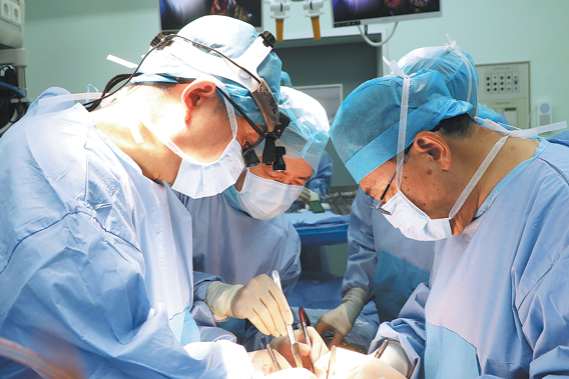
    The medical breakthrough occurred when a collaborative team led by Professor Liu Xiaocheng from TEDA International Cardiovascular Hospital in Tianjin and Professor Mo Xuming from Nanjing Children’s Hospital determined that conventional treatment options were exhausted. Facing end-stage heart failure without available donor hearts, the medical professionals pioneered a dual artificial heart implantation strategy—a procedure never before attempted on a patient of such low body weight.

    Xiaoni’s condition presented extraordinary challenges: her cardiac chambers were significantly undersized even for her age, and she suffered from simultaneous biventricular heart failure requiring biventricular assist device (BiVAD) support. Within a remarkable 13-day timeframe, engineers from Rocor Medical Technology Co collaborated with the medical team to modify their second-generation ‘Rocket Heart’ technology, creating fully magnetically levitated ventricular assist devices specifically tailored to Xiaoni’s anatomical requirements. Each pump weighed a mere 69 grams, with the sewing ring’s outer diameter reduced from 29 millimeters to 22.4 millimeters and its weight dramatically decreased from 6.4 grams to just 1.17 grams.

    Professor Liu highlighted the significance of this achievement, noting that pediatric heart failure devices in developed countries typically rely on bulky extracorporeal pneumatic systems that severely restrict mobility and carry elevated risks of infection and thrombosis. The successful implantation of these miniaturized devices marks China’s entry into the forefront of pediatric artificial heart research and development.

    Following forty days of BiVAD support, Xiaoni received a matching donor heart, enabling a successful transplant that completed her extraordinary medical journey. The achievement has attracted international attention, with several top cardiac centers in the United States, Canada, and Germany expressing interest in clinical collaboration for the innovative technology.

    This medical milestone not only saved a young life but has potentially created new therapeutic avenues for children worldwide suffering from end-stage heart failure, demonstrating how targeted innovation can overcome seemingly insurmountable medical challenges.

  • Ban on mercury thermometers to take effect soon

    Ban on mercury thermometers to take effect soon

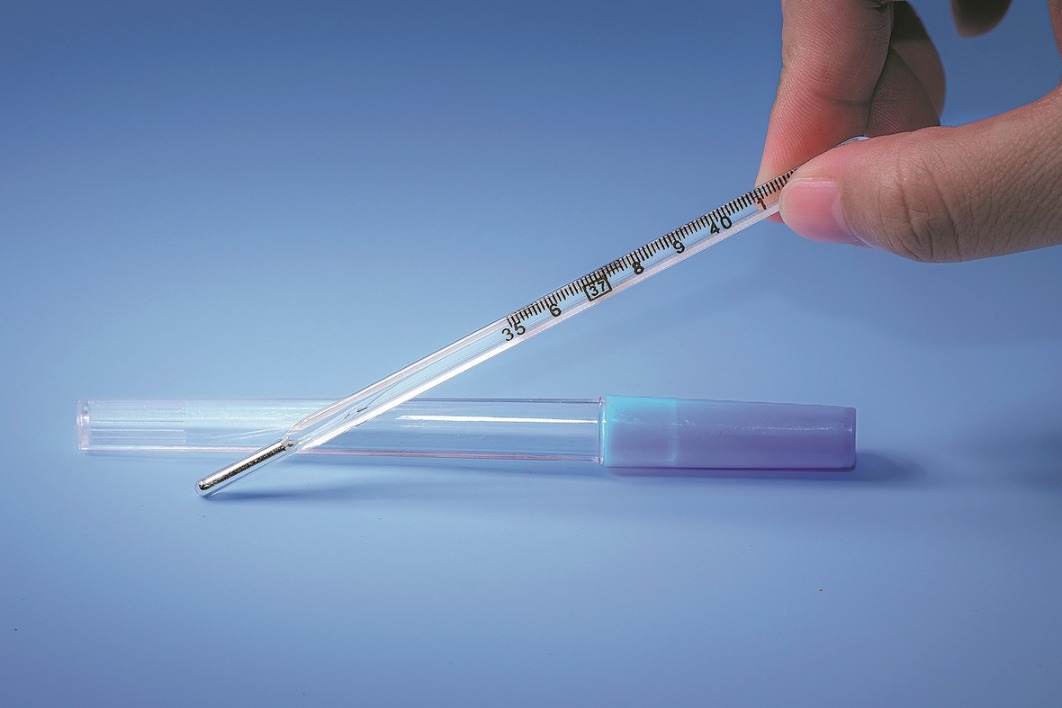
    China will enforce a comprehensive prohibition on mercury-containing thermometers and blood pressure monitoring devices effective January 1, 2026, marking a significant milestone in the nation’s environmental and public health protection efforts. The ban implements a 2017 interagency directive designed to fulfill China’s commitments under the Minamata Convention on Mercury, an international treaty ratified to safeguard human health and ecosystems from mercury’s detrimental effects.

    For generations, mercury thermometers have been ubiquitous in Chinese households due to their cost-effectiveness, operational simplicity, and reliable performance across diverse environmental conditions. However, each device contains approximately one gram of mercury—a potent neurotoxin classified by the World Health Organization among the top ten chemicals of major public health concern. The fragile glass construction of these instruments creates substantial spill risks, with evaporated mercury vapor posing severe threats to neurological, digestive, and immune systems through inhalation or dermal exposure.

    Health authorities emphasize that proper spill management can mitigate immediate dangers. Recommended protocols include immediate ventilation of affected areas, careful collection of mercury beads using stiff paper or cardboard, and proper disposal at designated hazardous waste facilities. Crucially, vacuum cleaners or brooms should never be employed as they disperse toxic particles and amplify exposure risks.

    Medical experts affirm that advanced alternatives offer safer and equally effective solutions. Dr. Li Tongzeng of Beijing Youan Hospital’s infectious disease department confirms that infrared forehead thermometers and tympanic (ear) thermometers provide accurate readings when used according to manufacturer guidelines. For traditional measurement preferences, mercury-free devices utilizing gallium-indium-tin alloys deliver precise temperature assessment without toxic hazards.

    This regulatory shift represents China’s proactive approach to transforming environmental challenges into public health opportunities, aligning global treaty obligations with domestic health protection initiatives while promoting technological innovation in medical devices.

  • Chinese researchers find new treatment path for high-risk breast cancer

    Chinese researchers find new treatment path for high-risk breast cancer

    Chinese medical researchers have achieved a groundbreaking advancement in treating triple-negative breast cancer, the most aggressive form of the disease, through a large-scale clinical trial demonstrating remarkable survival improvements. The study, conducted by Shanghai’s Fudan University Cancer Center and published in the prestigious BMJ journal, reveals that adding carboplatin chemotherapy to standard treatment protocols significantly enhances patient outcomes.

    The research focused on high-risk patients characterized by lymph node involvement or rapidly dividing tumor cells—cases typically resistant to conventional therapies due to the absence of three key receptors that most targeted drugs utilize. Involving over 800 participants, the trial documented a 36% reduction in cancer recurrence risk and achieved a 92.3% three-year event-free survival rate, substantially outperforming the control group’s 85.8%. Most impressively, the experimental group reached a 98% overall survival rate at the three-year mark.

    Lead researcher Professor Shao Zhimin emphasized the study’s departure from ‘one-size-fits-all’ approaches, highlighting its potential for personalized medicine in oncology. ‘The immediate post-surgical period represents the most vulnerable window for recurrence,’ Shao explained, ‘and carboplatin provides precisely the protective buffer these patients need.’

    Notably, the treatment protocol demonstrated no unexpected safety concerns, with Deputy Director Wang Zhonghua confirming its readiness for clinical adoption. Dubbed the ‘Citrine Trial’ after the yellow gemstone symbolizing hope, this research addresses a critical medical gap for the 25% of breast cancer patients diagnosed with triple-negative variants, who traditionally faced limited options beyond conventional chemotherapy.

    The findings offer a robust ‘China solution’ to a global health challenge, potentially transforming standard care protocols for high-risk breast cancer patients worldwide while demonstrating China’s growing leadership in innovative medical research.

  • UAE: Why do Mondays feel exhausting despite sleeping more on weekends?

    UAE: Why do Mondays feel exhausting despite sleeping more on weekends?

    Across UAE workplaces, a curious weekly pattern repeats itself: employees who theoretically should feel refreshed after extended weekend sleep instead report profound fatigue as the workweek begins. This phenomenon, characterized by heavy limbs, mental fog, and significant difficulty rising on Monday mornings, has become so widespread that sleep specialists are now explaining the biological mechanisms behind what they term ‘social jet lag.’

    Medical experts from leading UAE healthcare institutions reveal that the core issue isn’t sleep quantity but circadian rhythm disruption. Jasmine Ceus, sleep consultant at Medcare Royal Specialty Hospital, explains: ‘When individuals maintain drastically different sleep schedules on weekends versus weekdays, they effectively subject their bodies to weekly time zone shifts. The internal clock never stabilizes, making Monday awakenings feel like being roused in the middle of the biological night.’

    The weekend compensation approach—sleeping significantly longer than during the week—often backfires by delaying the body’s natural timing. When early alarms interrupt this shifted cycle, sleep quality diminishes regardless of duration, resulting in non-restorative sleep and persistent grogginess.

    Psychological dimensions compound the physical effects. Fedaa Hasan, clinical psychologist at Aspris by Alkalma Wellbeing Centre, notes: ‘The emotional weight of transitioning from weekend freedom to structured work routines creates anticipatory stress. Humans are creatures of habit, and this weekly rhythm disruption generates irritability, anxiety, and mistaken self-blame.’

    Wellness coach Njoud Majali observes tangible physical manifestations: ‘Monday workouts feel heavier, movement becomes effortful, and mental focus disperses. The body resists these drastic weekly pendulum swings between discipline and liberation.’

    Practical solutions emphasize gentle consistency rather than rigid perfection. Specialists recommend maintaining wake-up times within a one-hour window across all days, seeking morning sunlight exposure, establishing calming evening rituals, and avoiding late-day caffeine. These minor adjustments help stabilize circadian rhythms without sacrificing weekend relaxation.

    The consensus among experts offers reassurance: Monday exhaustion reflects biological adjustment processes, not personal failure. Understanding this physiological basis helps reduce guilt and enables more effective energy management throughout the weekly cycle.

  • Ultherapy PRIME arrives in Dubai, offering a new option for non-surgical skin lifting

    Ultherapy PRIME arrives in Dubai, offering a new option for non-surgical skin lifting

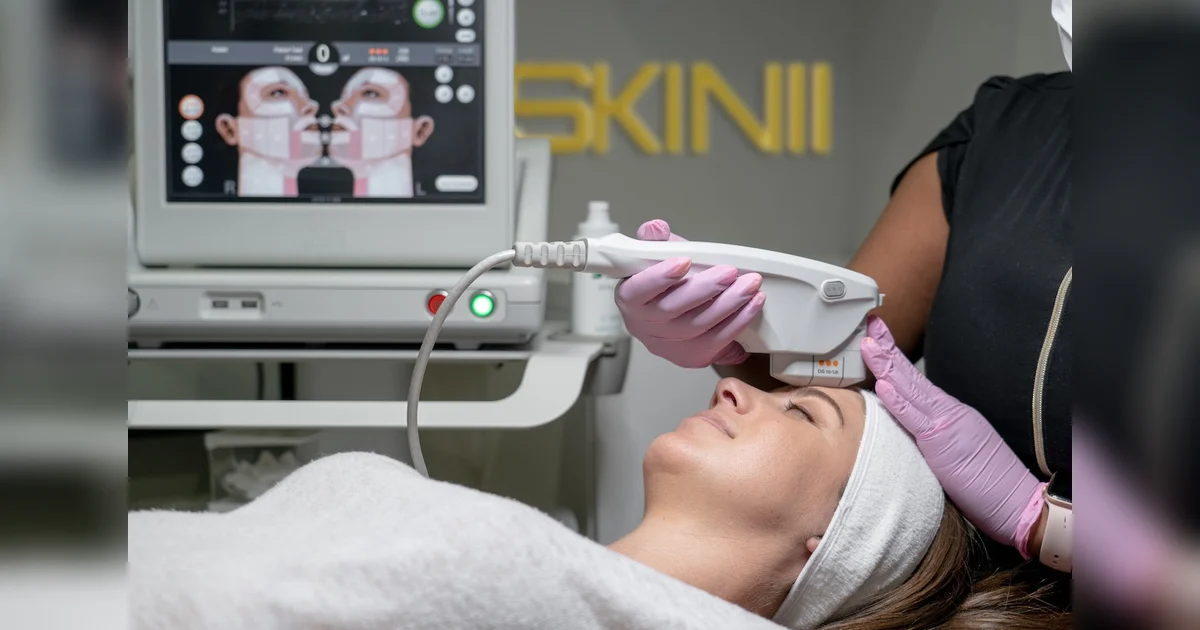
    Dubai’s aesthetic medicine landscape has advanced with the official UAE introduction of Ultherapy PRIME at SKIN111 clinic, responding to growing consumer demand for non-invasive cosmetic procedures. This cutting-edge ultrasound technology represents a significant evolution in non-surgical skin lifting and tightening, now accessible to Dubai residents seeking natural-looking results without surgical intervention or recovery periods.

    The globally recognized treatment utilizes focused ultrasound energy to target the skin’s deeper structural layers where collagen production naturally occurs. Unlike superficial treatments, Ultherapy PRIME addresses the same foundational tissues typically manipulated during surgical facelifts, but achieves this through entirely non-invasive methodology. The technology incorporates real-time ultrasound imaging, allowing physicians to visualize subcutaneous tissue during procedures and ensuring precise energy delivery at optimal depths for maximum efficacy and safety.

    Clinical outcomes demonstrate progressive improvement as the treatment stimulates the body’s innate collagen regeneration processes. Patients typically experience gradual skin firming and lifting effects that evolve naturally over time rather than creating abrupt changes. The treatment requires just a single session for most patients, with clinical studies reporting approximately 95% satisfaction rates and results lasting 12-18 months. Common application areas include eyebrow elevation, jawline definition, neck contouring, and décolleté rejuvenation.

    As an FDA-approved procedure, Ultherapy PRIME enables immediate return to normal activities, aligning perfectly with contemporary lifestyle preferences that prioritize minimal disruption. SKIN111 implements strict medical supervision throughout the treatment journey, beginning with comprehensive consultations to assess individual skin conditions and aesthetic objectives. Each treatment plan is personalized, with physicians utilizing ultrasound guidance to meticulously plan and execute procedures with precision.

    The clinic’s accreditation as one of the Top 6 Aesthetic Clinics in the GCC from 2021-2025 and recognition as the UAE’s Most Trusted Aesthetics Brand in 2025 reinforces its commitment to medical excellence. With over 4,000 Google reviews maintaining a 4.9-star average rating, SKIN111 has established itself as a premier destination for aesthetic treatments in the region, offering luxury clinic environments complemented by valet parking and complimentary consultations.

    This introduction reflects broader regional trends toward advanced non-surgical aesthetic technologies that deliver clinically proven results without downtime. Ultherapy PRIME’s arrival in Dubai provides patients with access to internationally trusted skin lifting technology supported by sophisticated ultrasound imaging and expert medical supervision, marking a new era in the Emirates’ aesthetic medicine offerings.

  • China sees marked rise in 5-year survival rate for pediatric, adolescent cancers

    China sees marked rise in 5-year survival rate for pediatric, adolescent cancers

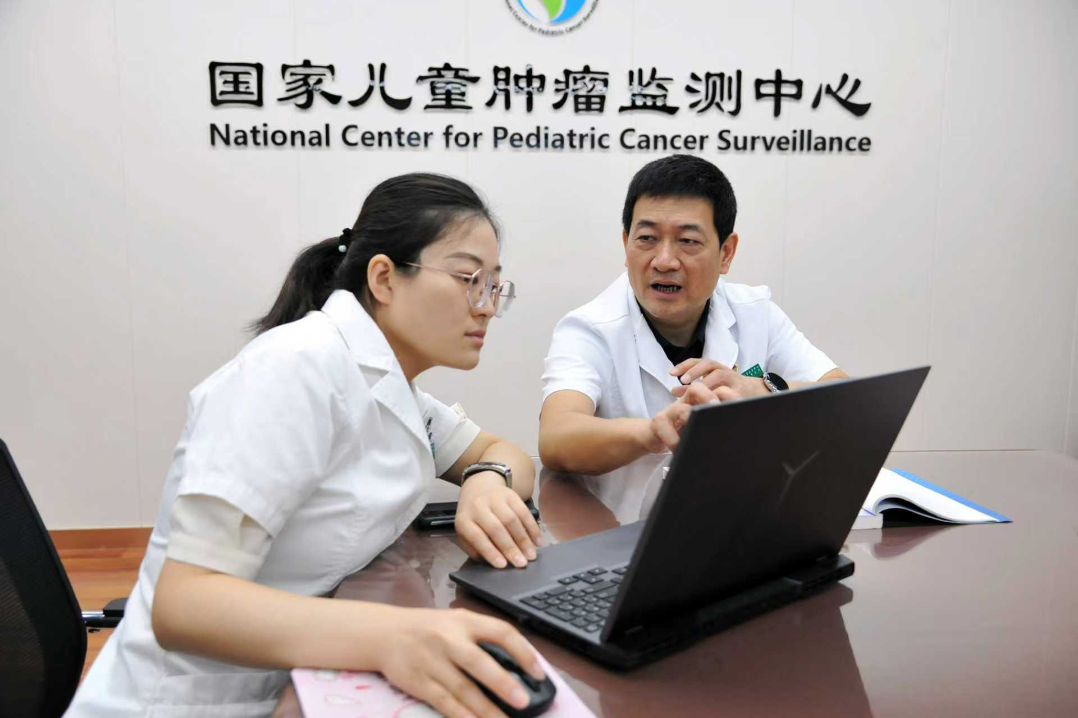
    China has achieved a remarkable breakthrough in pediatric oncology care, with the nation’s five-year survival rate for childhood and adolescent cancers reaching 77.2% according to groundbreaking research published in The Lancet. The comprehensive study conducted by the National Center for Pediatric Cancer Surveillance (NCPCS) reveals unprecedented progress in China’s healthcare capabilities, with certain cancer types now demonstrating world-class treatment outcomes.

    The extensive research, analyzing 95,189 cases diagnosed between 2018-2020, shows distinct variations across age groups and cancer types. Children under 14 years achieved a 77.8% survival rate, while adolescents aged 15-19 recorded 75.3%. Female patients showed marginally better outcomes than males across the study cohort.

    Retinoblastoma emerged as the most successfully treated cancer with a 91.2% survival rate, contrasting with malignant bone tumors which presented the greatest challenge at 60.4%. Most significantly, China exceeded all expectations for the six high-priority cancers identified by the WHO’s Global Initiative for Childhood Cancer, achieving survival rates above 80% across all categories—far surpassing the WHO’s 60% target. The exceptional 93.8% survival rate for certain prioritized cancers demonstrates China’s capacity to match treatment outcomes of high-income nations.

    Professor Ni Xin, director of NCPCS and president of Beijing Children’s Hospital, attributed this dramatic improvement to systemic healthcare reforms. “Compared with estimates from a decade ago, the five-year survival rate for cancer patients aged 0-19 in China has improved markedly,” Ni stated. “Particularly for common childhood cancers such as leukemia and lymphoma, progress has been significant. The survival rates for neuroblastoma, retinoblastoma, and Hodgkin lymphoma are now close to the levels seen in high-income countries.”

    The transformation stems from China’s strategic investments in healthcare infrastructure, including enhanced inter-provincial medical billing systems, specialized policies for major disease treatment, standardized treatment protocols, and the development of a multi-center collaborative network encompassing 1,760 medical institutions across all 31 provincial-level regions.

    This landmark study addresses a critical knowledge gap in China’s healthcare landscape, providing the first comprehensive nationwide data on pediatric cancer survival rates since the establishment of NCPCS in 2019. The findings not only demonstrate measurable progress in cancer care but also establish a new benchmark for ongoing monitoring and improvement of childhood cancer treatment outcomes in China.

  • What is ‘functional freeze’? Experts offer ways to break out of these feelings

    What is ‘functional freeze’? Experts offer ways to break out of these feelings

    A new term describing a pervasive state of emotional paralysis has gained significant traction across social media platforms. Known as ‘functional freeze,’ this concept captures the experience of individuals who maintain outward productivity while feeling internally numb, disconnected, and devoid of motivation. Despite lacking formal clinical recognition, the term has resonated deeply with millions, sparking widespread discussion about modern psychological stressors.

    The phenomenon typically emerges during periods of heightened pressure, such as holiday seasons, when individuals juggle increased social obligations, family complexities, and professional demands while combating seasonal illnesses. This perfect storm of stressors can create overwhelming mental exhaustion that manifests as emotional detachment despite maintained functionality.

    Clinical psychologists note that while ‘functional freeze’ isn’t an official diagnosis, its descriptive power provides valuable language for articulating experiences that might otherwise remain unexpressed. The condition shares characteristics with various established psychological states including seasonal affective disorder, depersonalization, and trauma responses. Social media content illustrating functional freeze often depicts individuals experiencing prolonged inertia—sitting motionless after showering, endless phone scrolling, or lying in bed for extended periods—despite maintaining essential responsibilities.

    Experts attribute this state to chronic stress exposure and constant information overload in the digital age. According to trauma specialist Dr. Janina Fisher, the term ‘gives people a language for describing what they’re experiencing that has a certain kind of dignity,’ moving beyond simplistic descriptions of lost motivation.

    Breaking free from functional freeze requires targeted strategies. Columbia University psychology professor George A. Bonanno recommends identifying specific stressors and addressing them systematically. For those experiencing emotional numbness, he suggests examining what specifically triggers the desire to disconnect. Dr. Fisher advocates for autonomic nervous system regulation through practices like meditation, yoga, tai chi, or running to restore physiological balance.

    For persistent symptoms, professional mental health consultation is advised to rule out diagnosable conditions. Ultimately, experts emphasize recognizing personal agency—the understanding that while functional freeze describes real experiences, it doesn’t define one’s capacity for adaptation and recovery.

  • Philippines records 7 firecracker-related injuries ahead of Christmas, New Year’s Eve

    Philippines records 7 firecracker-related injuries ahead of Christmas, New Year’s Eve

    Health authorities in the Philippines have documented a significant reduction in pyrotechnic-related injuries during the current holiday period, with only seven cases reported as of December 23, 2025. This figure represents a substantial 75 percent decrease compared to the 28 incidents recorded during the equivalent monitoring window in 2024.

    The Department of Health’s surveillance data, collected from 62 designated sentinel hospitals nationwide, indicates three new cases emerged between December 21 and the early hours of December 23. Concerningly, four of the seven injured individuals were aged 19 years or younger, with most injuries attributed to popular firecracker types known as ‘Boga’ and ‘5-Star’.

    Despite cultural traditions involving fireworks during New Year’s celebrations, improper handling continues to pose serious health risks. The health agency has intensified its safety campaign, urging immediate hospital treatment for victims and promoting the use of the National Emergency Hotline 911.

    Concurrent with these health initiatives, the Department of Labor and Employment has implemented enhanced safety oversight within the pyrotechnics industry. Manufacturers, distributors, and retailers now face stricter compliance requirements and potential penalties for safety protocol violations.

    The monitoring period for firecracker-related incidents will extend through January 5, 2026, as part of broader holiday safety efforts that also address increased risks of road accidents and seasonal health conditions like holiday heart syndrome.

  • US regulatory approves first GLP-1 pill for weight loss

    US regulatory approves first GLP-1 pill for weight loss

    In a landmark decision for obesity treatment, U.S. regulators have granted approval for the first oral formulation of a GLP-1 medication specifically for weight loss. Danish pharmaceutical leader Novo Nordisk announced the Food and Drug Administration’s endorsement of its Wegovy pill on Monday, marking a significant advancement in accessible obesity care.

    The newly approved medication provides an alternative delivery method to existing injectable treatments, offering a once-daily oral option that demonstrates comparable efficacy in weight reduction. This development expands treatment possibilities for adults struggling with obesity or those overweight with accompanying health complications such as cardiovascular conditions.

    Mike Doustdar, Chief Executive Officer of Novo Nordisk, emphasized the breakthrough’s significance: ‘This approval delivers a convenient, daily pill that enables patients to achieve weight loss results equivalent to our injectable Wegovy formulation.’

    The U.S. Obesity Care Advocacy Network welcomed the regulatory milestone, noting that ‘this represents a crucial advancement for individuals living with obesity, providing an alternative for those reluctant to initiate injectable therapy while potentially offering a more cost-effective solution.’

    This medical innovation arrives amid America’s substantial obesity challenge, with approximately 40% of adults affected according to Centers for Disease Control and Prevention statistics. The new oral medication joins a class of GLP-1 agonist treatments that have gained remarkable popularity for their appetite-suppressing properties and effectiveness in weight management.

    The political dimension emerged through President Donald Trump’s recent announcement of pricing agreements with pharmaceutical manufacturers, including Novo Nordisk and Eli Lilly. These arrangements aim to reduce consumer costs for weight-loss medications, with oral formulations potentially starting at $150 monthly compared to over $1,000 for some injectable alternatives.

    While Novo Nordisk has not disclosed specific pricing details, the company confirmed plans for a January U.S. market introduction. The development occurs within a broader context of renewed governmental efforts to address pharmaceutical pricing through potential tariff incentives for domestic manufacturing.