分类: health

  • A new lease of life: Providing dialysis access in rural China

    A new lease of life: Providing dialysis access in rural China

    In a remarkable advancement for rural healthcare, the Xiamaguan Township Health Center in Tongxin County, Ningxia Hui Autonomous Region, has established a state-of-the-art hemodialysis facility that is revolutionizing treatment for uremia patients. This critical medical infrastructure has eliminated the previously exhausting necessity for patients to undertake weekly journeys of hundreds of kilometers to receive life-sustaining dialysis treatments.

    The story of Ma Yongpeng, diagnosed with kidney disease in 2019 which progressed to uremia by 2023, exemplifies the transformative impact. He previously endured over 200 hospital trips annually, incurring transportation costs exceeding 100 yuan per trip—a burden that escalated to 400 yuan during harsh winter conditions when private vehicle hire became necessary.

    The year 2025 marked a turning point with the inauguration of Xiamaguan’s hemodialysis unit, notably the second such facility at the township health center level across Northwest China. The clinic operates with four advanced dialysis machines capable of serving eight patients daily, supported by a dedicated nine-member medical team including two specialized auxiliary experts providing comprehensive, full-time care.

    Medical professionals at the center deliver meticulous daily care guidance alongside flexible treatment scheduling, offering appointments throughout morning, afternoon, and evening sessions. With the substantial majority of treatment costs covered by medical insurance, patients experience significant financial relief alongside improved healthcare access.

    This pioneering initiative effectively addresses the dual challenges of medical access difficulty and high treatment costs previously faced by rural communities. The project stands as a testament to the government’s commitment to prioritizing citizen welfare and enhancing primary medical care infrastructure through people-centered development policies. As kidney disease represents a non-communicable but manageable condition, this grassroots medical innovation enables patients to resume normal, dignified lives within their communities.

  • TCM therapy gives students peace of mind

    TCM therapy gives students peace of mind

    In an innovative approach to student mental health, universities in China’s Shaanxi province are integrating Traditional Chinese Medicine (TCM) principles to address growing concerns about anxiety and depression on campus. This holistic methodology emphasizes physical wellness as the foundation for psychological stability, marking a significant shift from conventional Western counseling techniques.

    The program at Shaanxi University of Chinese Medicine advocates for regulated sleep patterns, recommending students retire before 11 pm and nap between 11 am and 1 pm to nourish internal organs and reduce anxiety. Associate Professor Tong Yajing explains that this ‘body-first’ philosophy recognizes the interdependence of physical and mental health, with improved physical condition naturally enhancing stress resistance.

    Students participate in diverse TCM practices including qigong breathing exercises, acupressure, seasonal dietary adjustments, and mindfulness activities. The university reports remarkable success, with 95.58% of participants reporting tangible benefits from these traditional therapies. Pre and post-program assessments specifically for mindfulness meditation showed significant reductions in anxiety levels.

    Personal testimonies reveal the program’s effectiveness. One junior student (identified as Xiao Si) who previously struggled with depression reported becoming more attuned to bodily needs through TCM practices. ‘I learned to be more careful with my body, which has been helpful in improving my mental state,’ she noted.

    Another student, Xiao Chen, found tai chi and baduanjin exercises particularly effective during exam periods. ‘After practice, my mind was in a state of calm emptiness, free from random thoughts,’ she described, adding that TCM’s avoidance of excessive emotional probing made it more comfortable than Western approaches.

    The initiative has expanded to Xi’an Shiyou University, which conducts daily baduanjin workshops and innovative mindfulness photography projects where participants document their emotional states through images over 21-day cycles. The university even integrates traditional poetry recitation and calligraphy with mindfulness practices.

    Psychological counselor Yan Gaobin observes that ‘anxiety comes from disordered thinking,’ while the structured movements and breathing techniques of baduanjin help restore mental order. colleague Hui Xiaoyin notes that the low barrier to participation contributes significantly to student adherence.

    With demonstrated success in addressing the primary psychological challenges faced by students—interpersonal relationships and academic pressure—these TCM programs are poised for expansion across provincial universities, offering a culturally-grounded, cost-effective alternative to conventional mental health interventions.

  • Efficient medical care draws foreigners

    Efficient medical care draws foreigners

    A growing number of international patients are bypassing lengthy wait times in their home countries by seeking medical treatment in China, where they report receiving high-quality, efficient care at significantly lower costs. This emerging trend, highlighted by the experience of a British content creator named Amie, demonstrates China’s evolving position in the global healthcare landscape.

    Amie’s case exemplifies this phenomenon. Facing a two-week wait for a general practitioner consultation in Britain for persistent stomach pain, she instead booked a flight to Beijing. Within five days of arrival, she consulted a gastroenterologist at Beijing Tsinghua Changgung Hospital, completed comprehensive diagnostic tests including a sedated endoscopy, and received a definitive diagnosis of chronic gastritis with prescribed medication. The entire process cost approximately £300 for medical services—just one-tenth of what she would have paid through Britain’s National Health Service.

    Even including £1,500 in travel expenses, Amie reported the overall experience remained cost-effective while providing exceptional efficiency. “It feels like a well-oiled machine here. The efficiency and quality of care are outstanding,” she noted in social media posts that garnered significant attention.

    This medical tourism trend primarily attracts expatriates and former long-term residents familiar with China’s healthcare system. While China’s visa-free policy doesn’t specifically cover medical visits, many foreigners arrange treatment during permitted stays for tourism or business. Currently, travelers from 55 countries can utilize China’s 240-hour visa-free transit policy at 65 entry ports.

    Medical experts attribute China’s healthcare efficiency to sophisticated interdepartmental coordination and digital integration. “When a gastroenterologist orders a procedure, the lab quickly runs blood tests, the cardiology department performs an electrocardiogram, and anesthesiology handles preoperative assessment. The whole process is seamlessly integrated,” explained Lin Siyong, head of medical affairs management at Beijing Tsinghua Changgung Hospital.

    Foreign patients typically seek care at either private hospitals or international medicine departments within public hospitals. Wang Yiqun, deputy director of Beijing Tsinghua Changgung Hospital’s international medicine department, emphasized that while public hospitals prioritize domestic patients’ basic healthcare needs, they’ve established international divisions to support Beijing’s development as a global exchange hub. National guidelines cap international medical services at approximately 10% of total capacity.

    The trend extends beyond Beijing to other major cities. Di Yue, an ophthalmologist at Shanghai Children’s Hospital, has noticed a significant increase in overseas patients, particularly overseas Chinese from Canada, Singapore, Malaysia, and Australia. Specializing in treating trachomatous trichiasis, he notes that even including travel and accommodation expenses, treatment in China often proves more cost-effective than abroad.

    This influx of international patients not only provides revenue for hospitals but also reflects China’s growing medical capabilities. With the expansion of telemedicine and social media, healthcare professionals anticipate continued growth in medical tourism to China.

  • UAE hospital performs first robotic breast cancer reconstruction surgery

    UAE hospital performs first robotic breast cancer reconstruction surgery

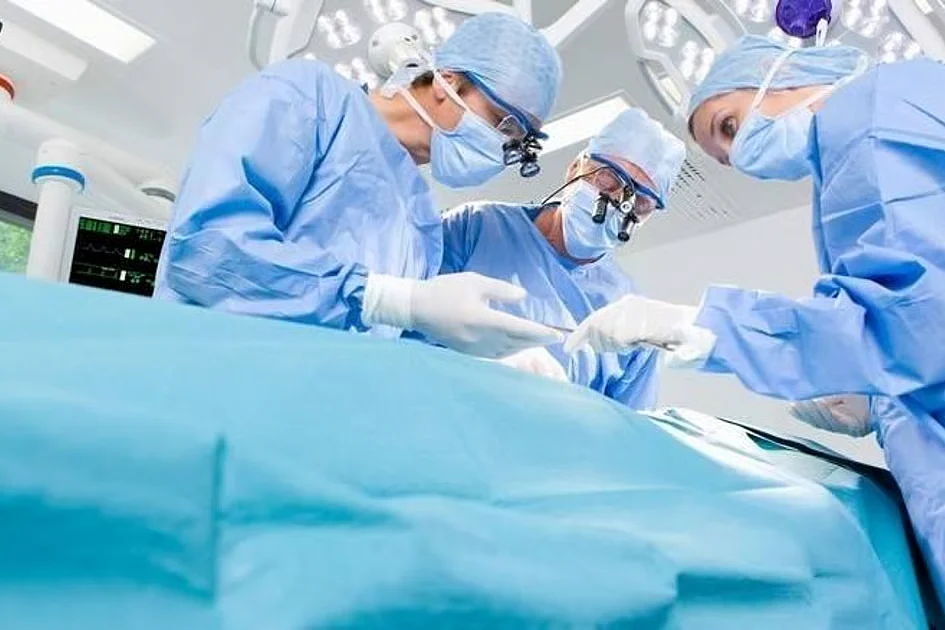
    Abu Dhabi’s Cleveland Clinic has achieved a medical breakthrough by performing the United Arab Emirates’ first robotic-assisted breast reconstruction surgery. This revolutionary procedure marks a significant advancement in women’s healthcare and reconstructive surgery techniques.

    The pioneering surgery was conducted on a breast cancer survivor by a multidisciplinary team led by Dr. Raffi Gurunian, Dr. Ahmad Matalkah, and Dr. Mario Cherubino. The surgical team utilized state-of-the-art robotic technology that provided three-dimensional visualization and ultra-precise instrumentation, enabling meticulous handling of blood vessels and minimal tissue trauma.

    Unlike traditional Deep Inferior Epigastric Perforator (DIEP) flap reconstruction—considered the current gold standard—this robotic approach allowed surgeons to harvest abdominal tissue through significantly smaller incisions while preserving muscle integrity. The harvested tissue was then successfully used to recreate a natural-looking breast with optimal aesthetic results.

    The patient experienced substantially reduced postoperative pain and accelerated recovery compared to conventional surgical methods. This breakthrough is particularly significant given breast cancer’s status as the most prevalent cancer among women in the UAE and worldwide.

    Dr. Gurunian emphasized the procedure’s transformative potential: ‘Robotic-assisted reconstruction represents the future of reconstructive surgery, providing minimally invasive solutions that reduce pain, abdominal complications, and recovery time. Completing this complex, high-precision surgery without complications demonstrates the tremendous potential of robotic technology in advancing patient care.’

    The successful implementation of this technique offers new hope for breast cancer survivors seeking natural reconstruction options while avoiding the abdominal weaknesses, hernia risks, and extended recovery periods associated with traditional methods.

  • Ramadan in UAE: How to get your body ready for month of fasting

    Ramadan in UAE: How to get your body ready for month of fasting

    Medical professionals across UAE healthcare institutions are advocating for strategic physiological preparation beginning weeks before Ramadan to mitigate common fasting-related challenges. According to specialists, the initial days of fasting frequently trigger headaches, fatigue, dehydration, and energy depletion as bodies adapt to altered nutritional patterns.

    Dr. Bhanuprakash Kadaba Bhaskar, Medical Director at Medeor Hospital Dubai, emphasizes that optimal preparation should commence six to eight weeks ahead for individuals with chronic conditions, while healthy individuals require two to four weeks of gradual adaptation. “Sudden dietary shifts adversely impact bodily functions, necessitating systematic nutritional transition rather than abrupt restriction,” he notes.

    Nutritional preparation should prioritize complex carbohydrates from whole grains, oats, and brown rice for sustained energy release, complemented by high-fiber vegetables, fruits, and legumes. Adequate protein intake is crucial for preventing muscle catabolism during extended fasting periods.

    Critical preparatory measures include reducing refined sugars and heavy fatty meals that destabilize metabolic equilibrium. Dr. Bhanuprakash cautions that “overconsumption during non-fasting hours exacerbates next-day fasting exhaustion through metabolic disruption.”

    Caffeine management represents another vital consideration. Abrupt cessation triggers severe withdrawal symptoms including headaches and irritability. Experts recommend gradual reduction one to two weeks pre-Ramadan, substituting refined sugars with complex carbohydrates to maintain glycemic stability.

    Chronobiological adaptation through meal timing adjustments helps synchronize digestive rhythms with suhoor-iftar schedules. Dr. Haseena N M, Consultant Internal Medicine at Lifecare Hospital Musaffah, explains that “gradual adjustment enables smoother hormonal and energy utilization transitions during fasting.”

    Hydration strategies require particular attention, with clinicians clarifying that tea, coffee, and soft drinks potentially exacerbate fluid loss. Optimal hydration involves distributing eight to twelve glasses of water between iftar and suhoor, avoiding excessive consumption at single sittings.

    Medical consultation remains imperative for chronic conditions patients, with physicians emphasizing that fasting should never compromise health integrity. Proper planning enables safe fasting practices while prioritizing physiological well-being.

  • Medical expert’s concern about AI sparks discussion

    Medical expert’s concern about AI sparks discussion

    A significant debate is unfolding within China’s medical community as the nation accelerates its artificial intelligence integration in healthcare. Dr. Zhang Wenhong, a renowned infectious disease expert from Fudan University who gained national prominence during the COVID-19 pandemic, has publicly expressed reservations about incorporating AI into critical medical systems.

    At a Hong Kong forum on January 10, Dr. Zhang stated his firm opposition to implementing AI in hospital medical record systems, emphasizing concerns about how machine-generated outputs might compromise clinical judgment. While acknowledging AI’s potential utility, the prominent physician insisted that human expertise must remain central to medical practice. “I can tell where AI is wrong,” Zhang asserted. “I won’t be misled by it.”

    The expert’s primary concern centers on medical education and training. He warned that if AI-generated conclusions become default “standard answers” in diagnosis and treatment, young physicians might never develop essential critical evaluation skills. “Without systematic training, doctors will lose the ability to judge whether AI’s conclusions are correct,” Zhang explained, advocating that future physicians must master assessing AI reliability and managing complex cases beyond algorithmic capabilities.

    Despite these concerns, AI adoption continues to expand across Chinese hospitals. At Ningbo University’s Affiliated People’s Hospital, an oncology tool called PANDA analyzes CT scans to identify pancreatic cancer risks, having already reviewed over 180,000 scans and detected more than 20 initially overlooked cancer cases. According to Dr. Zhu Kelei, director of hepatobiliary and pancreatic surgery, “AI entirely saved their lives in these cases.”

    Primary-level hospitals with physician shortages are particularly enthusiastic about AI assistance. At Beijing’s Chuiyangliu Hospital affiliated with Tsinghua University, the Agent Hospital system is undergoing testing to help doctors track medical histories, locate treatments, and receive clinical suggestions more efficiently.

    The global AI healthcare market, valued under $30 billion in 2024, is projected to reach $500 billion by 2033. In China, central and local governments are rolling out “AI+” initiatives, with over 100 medical device projects currently underway nationwide. Implementation typically begins in departments with standardized data, high workloads, and relatively low risks, with medical imaging, electrocardiography, and laboratory testing identified as priority areas.

    However, skepticism persists within the medical establishment. Dr. Gao Wen of Capital Medical University noted, “Not every medical problem requires AI. Some technologies appear advanced but offer limited real benefit to healthcare.” As AI systems penetrate deeper into diagnosis and treatment, regulatory challenges are becoming increasingly difficult to ignore, highlighting the ongoing tension between technological advancement and medical tradition.

  • Maggots discovered inside airconditioning vent at Newcastle hospital

    Maggots discovered inside airconditioning vent at Newcastle hospital

    A disturbing discovery of maggots emerging from air conditioning vents has triggered an emergency evacuation at Calvary Mater Hospital in Newcastle, New South Wales. The infestation occurred in the facility’s hematology ward, specializing in blood-related disorders and treatments.

    On Tuesday, hospital staff made the alarming finding when maggots reportedly fell from ventilation systems onto patient room floors. Hospital administration immediately sealed off the affected four-bed room and initiated patient relocations. Some hematology patients were transferred to alternative medical facilities while others were moved to different floors within the hospital complex.

    A hospital spokesperson emphasized that patient safety remained the highest priority, confirming that specialist pest controllers had been engaged to address the infestation. The incident marks the second recent environmental contamination issue at the facility, following previous discoveries of mold in cancer ward air conditioning systems between January 2024 and April 2025.

    The NSW Nurses and Midwives’ Association expressed serious concerns regarding the infestation. General Secretary Michael Whaites highlighted the need for urgent clarification regarding the source of the pest problem and whether it resulted from inadequate integrated pest management protocols within the hospital.

    Health Minister Ryan Park acknowledged the situation as unsatisfactory, noting that while short-term resolutions were implemented, a comprehensive long-term solution would be necessary. The minister has requested a full incident report and directed hospital leadership to expedite permanent corrective measures.

  • Measles cases surge in South Carolina as US risks losing elimination status

    Measles cases surge in South Carolina as US risks losing elimination status

    The United States faces a critical public health crisis as measles outbreaks surge across multiple states, threatening the nation’s hard-won elimination status achieved in 2000. Health officials report at least 88 new measles cases in South Carolina alone, bringing the state’s total to 646 infections since October, with over 500 individuals across 15 schools currently under quarantine orders.

    The outbreak epicenter lies in Spartanburg County, where approximately 90% of school-aged children have received measles vaccination—below the 95% threshold required for herd immunity. The highly contagious virus has now spread to two universities, Clemson and Anderson, prompting quarantine measures for dozens of students.

    This represents the most significant measles outbreak since Texas reported over 700 cases in 2025, with national totals exceeding 2,000 infections in the past twelve months—the worst in decades. The resurgence coincides with declining vaccination rates and increased anti-vaccine sentiment, particularly amplified by Health Secretary Robert F Kennedy Jr’s public messaging that minimizes both disease severity and vaccination importance.

    Measles, among the world’s most contagious diseases, spreads through airborne transmission via coughs and sneezes, infecting up to 90% of unvaccinated exposed individuals. The two-dose MMR vaccine, proven safe through extensive research, provides 97% protection against the virus. Complications from measles can include pneumonia, brain swelling, and in rare cases, death—three fatalities were recorded in Texas during recent outbreaks.

    Public health experts warn that without immediate intervention to increase vaccination coverage, the United States risks permanent loss of its measles elimination status, potentially leading to endemic transmission resumption.

  • Indonesian doctors train in Gansu

    Indonesian doctors train in Gansu

    In a significant bilateral health initiative, nine Indonesian medical professionals are currently immersed in an intensive one-year specialization program in interventional cardiology at Lanzhou University First Hospital in China’s Gansu province. This advanced training partnership, established through formal agreements between Chinese and Indonesian health authorities, addresses critical shortages in specialized cardiovascular expertise within the Southeast Asian nation.

    The comprehensive curriculum combines theoretical instruction with extensive clinical immersion, requiring participants to assist or independently complete a minimum of 300 interventional procedures. According to hospital vice-president Bai Ming, trainees typically exceed this requirement by participating in 400-500 procedures throughout the program. The institution’s cardiothoracic catheterization laboratory provides an ideal training environment, performing approximately 23,000 procedures annually—including 6,000-7,000 coronary interventions—and treating about 1,000 acute myocardial infarction cases each year.

    Muhammad Insani Ilman, who joined the program in March, reported substantial gains in coronary angiography and angioplasty techniques. ‘We’re exposed to advanced medical technologies, such as ultrasound-based instruments, that remain scarce in Indonesia,’ he noted. ‘Our objective is to master these methodologies and implement them within our domestic healthcare system to benefit broader patient populations.’

    Fellow participant Juang Zebua cited China’s robust medical education infrastructure and extensive clinical resources as primary motivators for choosing Lanzhou. Beyond technical training, the program fosters deep cultural connections—Indonesian doctors receive Chinese names from hospital staff, participate in regular and night shifts, and engage fully in emergency cases. Head nurse Gu Zhicong emphasized: ‘We integrate them as full colleagues within our clinical team, managing both their professional development and daily living arrangements.’

    The exchange extends beyond hospital walls with cultural excursions to destinations including Dunhuang, enhancing people-to-people diplomacy between the two nations. This initiative represents part of Lanzhou University First Hospital’s broader effort to build international medical exchange platforms, particularly with Belt and Road Initiative participant countries. As Bai Ming concluded: ‘This collaboration mutually enhances clinical capabilities, educational quality, and research innovation in cardiovascular interventional care while simultaneously elevating our hospital’s global profile.’

  • Guangzhou hospitals expand use of cell, gene therapies

    Guangzhou hospitals expand use of cell, gene therapies

    Medical institutions across Guangzhou are accelerating the clinical implementation of cutting-edge cell and gene therapies, demonstrating promising outcomes for patients battling chronic and degenerative conditions. This strategic expansion positions the southern Chinese metropolis at the forefront of regenerative medicine innovation.

    At Nansha Hospital of Guangzhou First People’s Hospital, physicians have pioneered novel therapeutic applications targeting three distinct medical challenges: acute-on-chronic liver failure, ischemic stroke, and knee osteoarthritis. The orthopedic department, under the direction of Chief Physician Wang Jianwei, has achieved breakthrough results using cell therapy injections administered directly to affected knee joints. This innovative approach modifies the local immune environment and facilitates cartilage regeneration. Clinical follow-ups conducted one month post-treatment revealed substantial symptom alleviation and enhanced quality of life for participating patients.

    Concurrently, the Guangzhou Institute of Biomedicine and Health, operating under the Chinese Academy of Sciences, is advancing stem cell research for oncological and neurological disorders. Senior Researcher Pan Guangjin explained their dual-focused initiative: “We’re engineering stem cells to generate specialized anti-tumor immune cells for cancer immunotherapy, while simultaneously developing stem cell-derived neural cells to combat Parkinson’s disease through clinical trials.” The researcher emphasized that Parkinson’s treatment via neuronal replacement therapy represents one of the most clinically advanced applications in the field.

    The transition from experimental research to practical medical application remains a priority for the scientific community. Sun Fei, Vice-President of the Guangzhou Institute of Biomedicine and Health, noted: “The entire biomedical sector has recognized cell therapy’s transformative potential. Recent years have witnessed unprecedented research activity and industrial development in this domain.” The institute’s commitment to quality assurance is demonstrated through its accredited standardized cell testing laboratory, established in 2019 and certified by the China National Accreditation Service for Conformity Assessment.