
The Emirates Drug Establishment (EDE) has announced an immediate recall of Hong Thai Herbal Inhaler (Yadom) from UAE markets due to confirmed microbial contamination in several batches. The decision follows laboratory tests that revealed contamination levels exceeding international safety standards for inhalation products. The affected batch, identified as 000332, was manufactured on December 9, 2024, and is set to expire on December 8, 2027. Approximately 200,000 units from this batch have been recalled in the UAE. The EDE has urged the public to cease using the product and safely dispose of any units they possess. Consumers experiencing symptoms such as shortness of breath, nasal irritation, or persistent dizziness after use are advised to seek medical attention. The recall is being coordinated with municipalities and regulatory authorities to ensure the product is removed from all points of sale, including online platforms. This action follows a similar recall in Thailand, where the product failed microbial contamination tests. Hong Thai, the manufacturer, has emphasized that customer safety remains their top priority.
分类: health
-
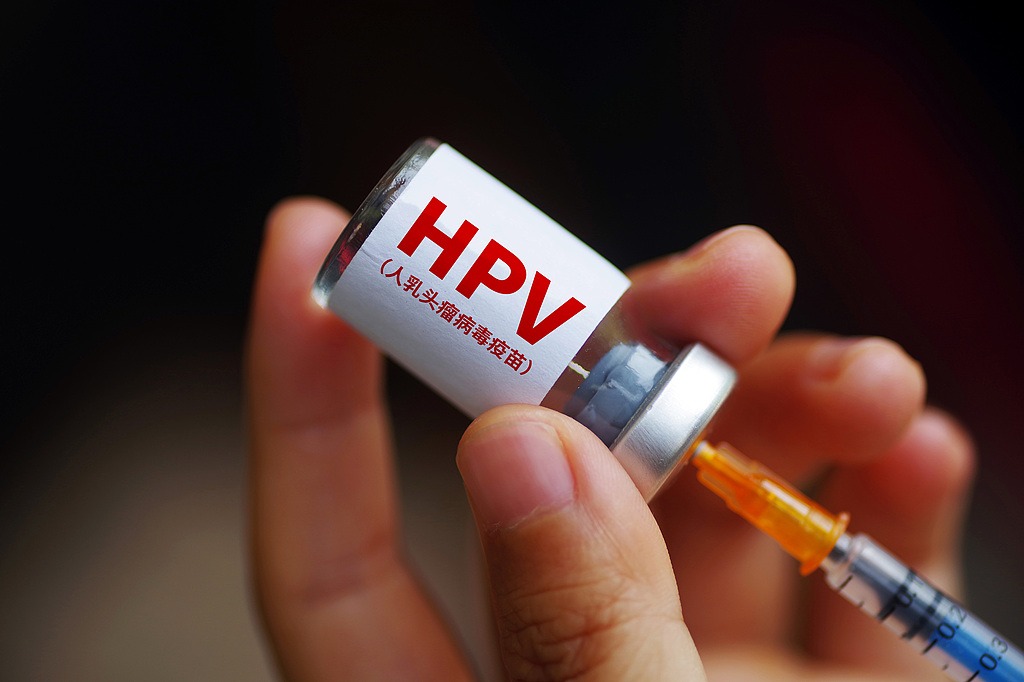
Experts urge disease prevention awareness to boost HPV vaccination
In a concerted effort to combat cervical cancer, health experts are emphasizing the need to increase public awareness and dispel misconceptions surrounding the Human Papillomavirus (HPV) vaccine. HPV, the primary cause of cervical cancer, claimed nearly 350,000 lives globally in 2022, with China accounting for 16% of these fatalities. Starting Monday, China will integrate the HPV vaccine into its national immunization program, offering free bivalent vaccines to 13-year-old girls, administered in two doses six months apart. This initiative, announced by seven government agencies on October 30, aims to bolster public health and reduce cervical cancer rates. As of June, 18 provincial-level regions in China have already provided free HPV vaccinations to eligible girls, benefiting approximately 5 million annually, according to a State Council white paper released on September 19. In Beijing, for instance, seventh-grade girls are eligible for free domestically developed bivalent vaccines targeting HPV strains 16 and 18, which are responsible for 70-80% of cervical cancer cases. Despite these efforts, some parents remain hesitant. Li Yun, a Beijing mother, opted for an imported nine-valent vaccine for her daughter, citing reliability concerns. However, she noted that some parents declined the vaccine, citing fears of adverse effects or the belief that their children were too young to need it. Health experts like Tan Xianjie from Peking Union Medical College Hospital stress the importance of early vaccination, particularly before sexual activity begins, to maximize protection. The World Health Organization has set a global target to ensure 90% of girls receive full HPV vaccination by age 15 by 2030, as part of its strategy to eliminate cervical cancer. In China, the free vaccination policy has already made significant strides, covering many eligible girls and promoting health equity across the nation. Experts like Qiao Youlin from Peking Union Medical College and Zhao Fanghui from the National Cancer Center highlight the long-term benefits of vaccination and the need for continued public education to overcome hesitancy and ensure widespread uptake.
-
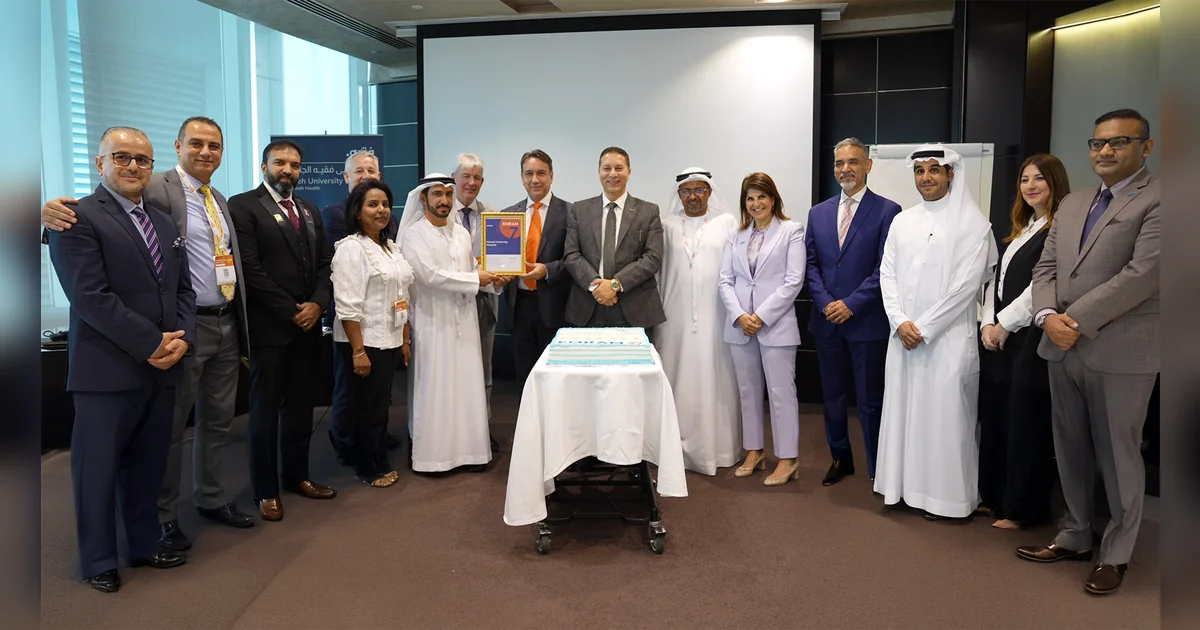
Fakeeh University Hospital achieves HIMSS EMRAM Stage 7 recognition
Fakeeh University Hospital, a prominent institution under Fakeeh Health, has made history by becoming the first hospital in the UAE to achieve the prestigious HIMSS EMRAM Stage 7 accreditation. This recognition, awarded by the Healthcare Information and Management Systems Society (HIMSS), signifies the highest global standard in digital healthcare transformation. It places Fakeeh University Hospital among an elite group of healthcare organizations worldwide that have attained full digital maturity, showcasing its dedication to innovation, technology-driven efficiency, and patient-centered care. The HIMSS EMRAM Stage 7 accreditation is granted to institutions that achieve complete digital integration, creating a paperless clinical environment where technology and healthcare converge seamlessly. At this level, hospitals utilize real-time data, predictive analytics, and artificial intelligence to enhance clinical decision-making, improve patient safety, and optimize operational performance. Dr. Mohaymen Abdelghany, Group CEO and Board Member of Fakeeh Health UAE, and CEO of Fakeeh University Hospital, emphasized that this achievement reflects the hospital’s commitment to integrating advanced digital solutions into patient care while ensuring that technology remains compassionate and patient-focused. This milestone aligns with Dubai’s vision for a fully digitized and sustainable healthcare ecosystem, reinforcing the emirate’s status as a regional hub for medical innovation. Fakeeh University Hospital, located in Dubai Silicon Oasis, continues to lead the way in quality, efficiency, and digital advancement, setting new standards in the global movement toward smarter, patient-centered healthcare.
-

Look: Dubai transforms DXB runway into cycling arena as flights soar overhead
Dubai International Airport (DXB) has once again transformed its runway into a vibrant cycling arena as part of the Dubai Fitness Challenge (DFC). This innovative event, held in collaboration with premium fitness studio Crank, provided participants with a unique workout experience set against the dramatic backdrop of departing aircraft. The DXB Runway Ride, now in its second year, featured five high-energy rhythm-cycling sessions tailored for cycling enthusiasts, Dubai Airports employees, and the broader oneDXB airport community. Participants enjoyed Crank’s signature workout, blending music and movement to create an immersive fitness experience that harmonized with the bustling airport environment. Michelle Lee, Vice President of Brand and Communications at Dubai Airports, emphasized the event’s alignment with Dubai’s vision for healthier, more active communities. She highlighted the initiative’s role in delivering unique DXB experiences that foster connection, create lasting memories, and contribute to the city’s culture of health and vitality. By repurposing its runway for wellness activities, DXB continues to champion innovative fitness initiatives and strengthen community engagement, solidifying its reputation as a hub for health-focused experiences. The DXB Runway Ride is part of Dubai Airports’ ongoing efforts to promote wellbeing within the airport community and support city-wide fitness programs.
-
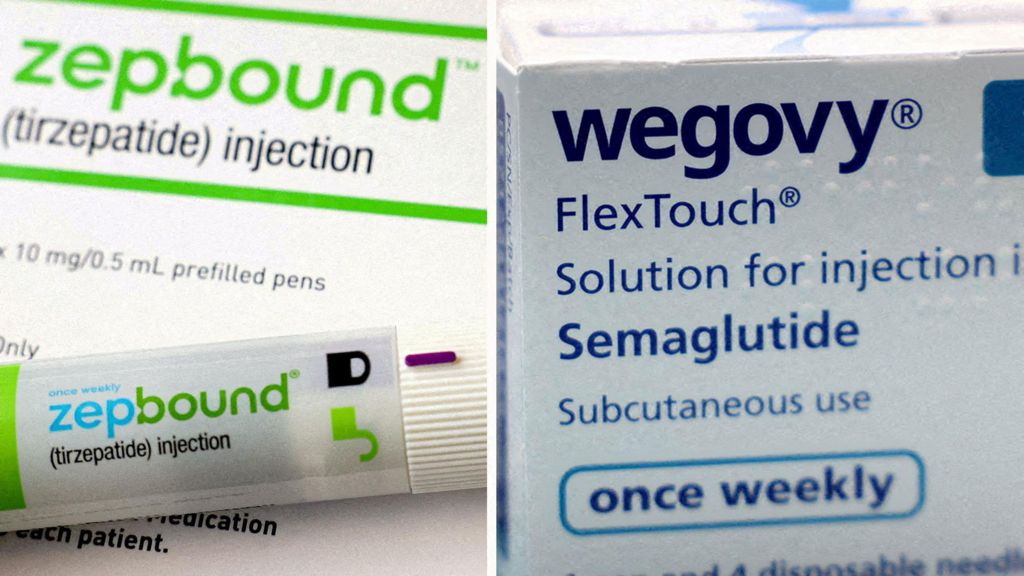
Trump unveils deals to lower US weight-loss drug prices
In a significant move to address the rising costs of pharmaceuticals, US President Donald Trump has announced agreements with major drug manufacturers Eli Lilly and Novo Nordisk to reduce the prices of popular weight-loss medications. The deals, unveiled at the White House, aim to make obesity treatments more affordable for Americans, particularly those enrolled in Medicare and Medicaid. Under the new arrangements, consumers will pay between $245 and $350 per month for drugs like Wegovy and Zepbound, which are part of the GLP-1 class of medications used to treat diabetes and obesity. Without insurance, these drugs often cost over $1,000 monthly. The agreements will expand access to these medications for Medicare beneficiaries, with an estimated 10% eligible to pay just $50 per month. Medicaid enrollees will see phased access based on state participation. Additionally, Eli Lilly will benefit from a three-year tariff exemption as part of the deal. The Trump administration has also launched TrumpRx, a government-run website set to debut by January, where these drugs will be sold at discounted prices. Wegovy and Zepbound will initially cost $350 per month on average, dropping to $250 within two years. Eli Lilly’s orforglipron will be priced at $149 for the lowest dose, while Zepbound will start at $299, pending FDA approval. Health Secretary Robert F. Kennedy Jr. emphasized the importance of these agreements in combating obesity, which he termed the leading driver of chronic disease in the US. However, he stressed that medication alone is not a cure-all, advocating for lifestyle changes like diet and exercise. This initiative follows months of negotiations and pressure from the Trump administration, which has already secured similar deals with Pfizer, AstraZeneca, and EMD Serono.
-

Philips highlights UAE’s shift toward smarter, more connected healthcare
The United Arab Emirates (UAE) is witnessing a paradigm shift in its healthcare sector, driven by technological advancements, patient empowerment, and a growing emphasis on sustainability. According to the latest Philips Health Trends Research UAE, residents are increasingly taking charge of their health, with 92% actively managing their wellbeing. This transformation is fueled by improved access to information, trust in telehealth, and confidence in AI-driven healthcare solutions. Tamer Said, General Manager for Health Systems at Philips West Africa, Gulf and Levant, highlighted the role of the UAE’s robust digital infrastructure and clear governance in fostering innovation. Philips is at the forefront of this evolution, co-creating solutions that integrate seamlessly into daily life, enabling better care for more people. AI is playing a pivotal role, with 77% of UAE residents expressing confidence in its ability to enhance care delivery. Philips’ AI-enabled tools, such as intelligent monitoring systems and precision-guided surgical navigation, are streamlining workflows and improving diagnostic accuracy. Virtual care is also gaining traction, with telehealth platforms like Philips eICU providing remote monitoring and expert oversight. Sustainability is another key focus, with 83% of patients favoring environmentally responsible providers. Philips is leading the charge by embedding sustainability into its operations, aiming for 75% renewable energy and zero waste to landfill by 2025. The research also reveals a shift in consumer behavior, with sustainability and data trust becoming core expectations. Philips is collaborating with the UAE government and healthcare providers to accelerate progress toward a connected, future-ready system. As the UAE strengthens its position as a global healthcare innovation hub, Philips remains committed to advancing patient-centered care, leveraging technology to create smarter, more inclusive, and sustainable healthcare systems.
-
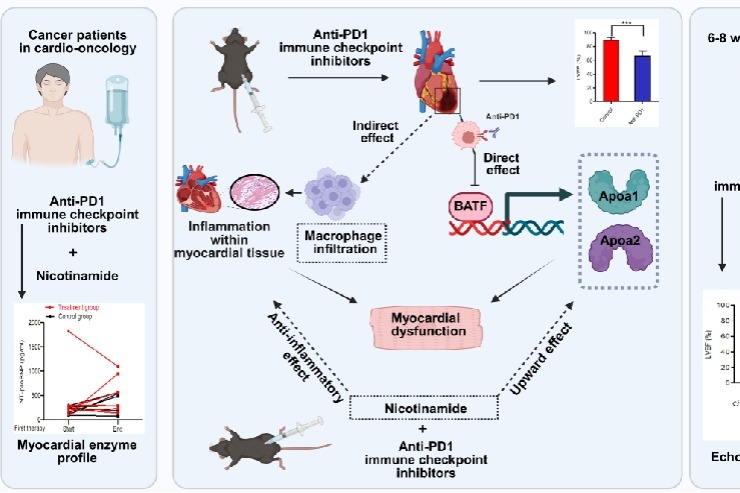
Chinese researchers reveal nicotinamide’s heart-protective effect in tumor treatment
In a groundbreaking study, researchers from Lanzhou University have unveiled the heart-protective properties of nicotinamide, a derivative of B vitamins, in the context of tumor treatment. Published in the journal *Science China: Life Sciences*, the research sheds light on the mechanisms behind early cardiotoxicity induced by immune checkpoint inhibitors, such as anti-programmed cell death protein 1 (PD-1), which are increasingly used in cancer immunotherapy. Led by Professor Bai Ming of Lanzhou University First Hospital, the study combined clinical data with experimental models to explore the role of PD-1 in cardiotoxicity and its underlying pathways. The team conducted randomized controlled trials to validate nicotinamide’s efficacy in preventing early cardiotoxicity linked to PD-1 therapy. Their findings revealed that nicotinamide, a clinically accessible drug, offers a safe and effective preventive strategy. This approach emphasizes early intervention, enabling the protection of heart function without compromising anti-tumor efficacy. Professor Bai highlighted the significance of the study in addressing safety concerns in cancer treatment, noting that nicotinamide could serve as a promising preventive measure against cardiac immune-related adverse events. The research underscores the potential for rapid clinical application, offering a synergistic treatment model that balances tumor control and heart health.
-
Safer winter: Protecting infants from respiratory syncytial virus
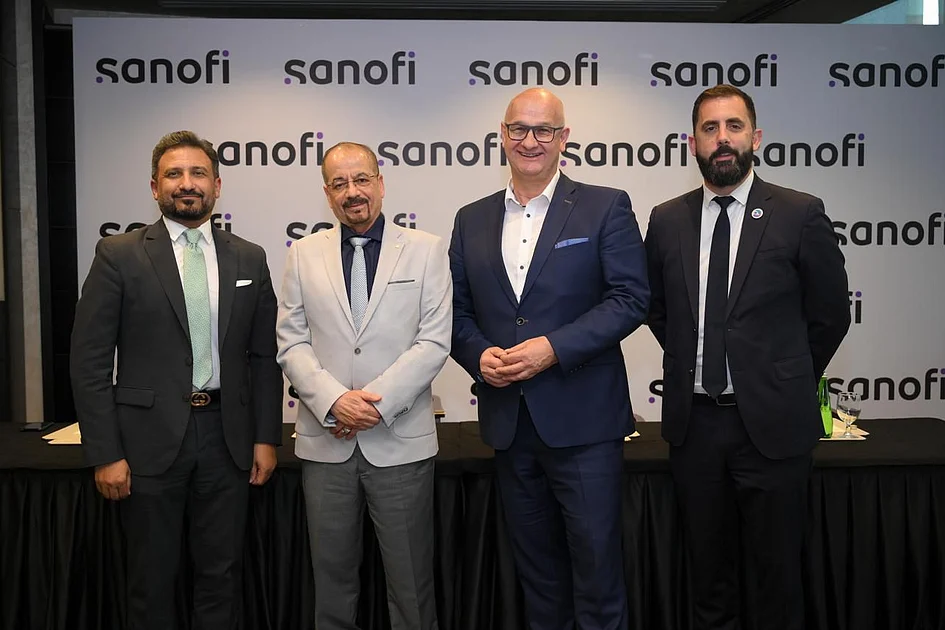
As winter approaches, healthcare institutions across the UAE are gearing up for an anticipated surge in respiratory syncytial virus (RSV) cases, particularly among infants. This seasonal spike highlights the critical need for coordinated efforts among families, communities, and healthcare providers to mitigate the spread of the virus and protect vulnerable populations. RSV, a leading cause of infant hospitalizations globally, demands proactive measures to prevent severe outcomes. Dr. Markus Knuf, Head of the Children’s Hospital in Worms, Germany, and a Paediatric Infectious Disease Consultant at the University of Mainz, emphasized the success of Germany’s strategy, which reduced RSV-related hospitalizations by 80% through public awareness campaigns, preventive measures, and early interventions. This remarkable achievement underscores the importance of education and timely action in safeguarding children’s health. In the UAE, experts like Dr. Walid Abu Hammour, Head of the Infectious Disease Department at Al Jalila Children’s Specialty Hospital, and Dr. Eslam El Baroudy, Professor and Paediatric Consultant at Cairo University and Sheikh Khalifa Medical City, have highlighted the ease of RSV transmission through respiratory droplets and contaminated surfaces. They advocate for consistent preventive practices in households and schools, emphasizing the role of community-wide collaboration in minimizing risks. Sanofi’s General Manager for the Greater Gulf, Baptiste de Clarens, reiterated the company’s partnership with UAE healthcare authorities to promote preventive measures and raise public awareness. These collective efforts aim to ensure a safe and healthy start to the winter season for every child, while also alleviating strain on the healthcare system and fostering a culture of health awareness and shared responsibility.
-
Experts promote raising awareness to boost HPV vaccination
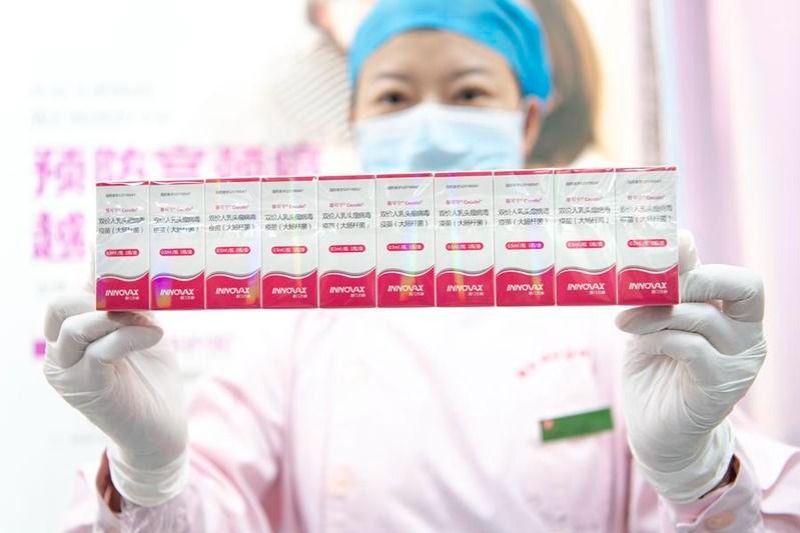
Health experts are urging for heightened public awareness and the dispelling of misconceptions to improve the coverage rate of the human papillomavirus (HPV) vaccine in China. HPV, a leading cause of cervical cancer, claimed 350,000 lives globally in 2022, with China accounting for 16% of these fatalities. Starting November 10, China will integrate the HPV vaccine into its national immunization program, offering free bivalent HPV vaccines to girls aged 13 and above born after November 10, 2011. This marks a significant shift from previous policies that targeted children under six, now extending to adolescents and focusing on preventing a malignant tumor caused by chronic infection, particularly in women. Du Heng of the Gates Foundation emphasized the long-term impact of this initiative, noting that full outcomes may take 20 to 30 years to manifest. As of June, 18 provincial-level regions in China have already provided free HPV vaccinations to about 5 million girls annually, targeting those aged 9 to 14. In Beijing, for instance, girls in the 7th grade and above can receive free domestically developed bivalent vaccines, which protect against the two most common HPV strains responsible for 70-80% of cervical cancers. Despite these efforts, some parents remain hesitant, citing concerns about the necessity and safety of the vaccine. However, experts like Qiao Youlin from Peking Union Medical College believe that these challenges are temporary and will improve with increased health awareness. The World Health Organization aims for 90% of girls globally to be fully vaccinated against HPV by the age of 15 by 2030, as part of its strategy to eliminate cervical cancer. In China, the free vaccination policy has already covered many eligible girls, showcasing significant progress. Experts also stress the importance of regular cervical cancer screenings and the role of men in HPV prevention, as their infection rate is as high as 45%, often without symptoms. Eliminating cervical cancer is seen as a shared societal responsibility, achievable through enhanced scientific awareness and collective action.
-
Adnoc Drilling expands regional footprint with major stake in MB Petroleum Services
NMC Royal Hospital located in Khalifa City has been honored with the esteemed Comprehensive Chest Pain Center Certification by the American Heart Association (AHA). This recognition underscores the hospital’s commitment to delivering exceptional cardiac care and its adherence to rigorous international standards in diagnosing and treating chest pain. The certification process involved a thorough evaluation of the hospital’s protocols, facilities, and medical expertise, ensuring that patients receive timely and effective care for cardiac emergencies. This achievement positions NMC Royal Hospital as a leader in cardiovascular health within the region, enhancing its reputation as a trusted healthcare provider. The certification also reflects the hospital’s dedication to continuous improvement and patient safety, aligning with global best practices in cardiac care.