
In a significant stride toward early detection of breast cancer, healthcare groups in the UAE report that 62% of women screened in 2024 were first-timers. This surge is attributed to widespread awareness campaigns, mobile screening units, and efforts to make the process more accessible and affordable. Dr. Nita Zaji, a Specialist General and Breast Surgeon at Medcare Women & Children Hospital, emphasized the role of national and private initiatives in transforming awareness into action. These campaigns, prominently featured during Breast Cancer Awareness Month in October, have reached women through social media, workplaces, and even petrol stations, making screenings a routine part of preventive healthcare. Emotional barriers such as fear of discomfort, denial, and misconceptions about cancer remain significant hurdles. However, healthcare providers are addressing these concerns by offering supportive environments, female medical staff, and discounted packages. Dr. Tariq Alhamid of Burjeel Cancer Institute highlighted the impact of mobile mammography units, which bring screenings to neighborhoods and workplaces, eliminating logistical and cultural obstacles. Social media and survivor stories have also played a crucial role in changing perceptions. Despite progress, myths persist, such as the belief that biopsies can spread cancer, which delays testing. Doctors are now dedicating more time to educating patients about the safety and necessity of biopsies for early diagnosis. Dr. Moustafa Aldaly of International Modern Hospital noted a cultural shift toward preventive care, driven by targeted campaigns, improved access to imaging services, and the increasing presence of female healthcare professionals. With mobile units, digital booking systems, and multilingual education programs, access to life-saving screenings has become easier than ever. Healthcare providers are focusing on empathy-driven education, using real-life examples to show how early detection leads to better outcomes, empowering women to take charge of their health.
分类: health
-

Jiangxi’s free lung screening saves lives
A groundbreaking initiative in Jiangxi province has transformed routine health checkups into life-saving interventions for thousands of residents. The province-wide lung cancer screening program, launched as part of the 14th Five-Year Plan (2021-25), has already made a significant impact by detecting early-stage lung cancer in numerous individuals who showed no symptoms. One such beneficiary is 68-year-old Wen Jianping from Nanchang, whose routine physical examination in May revealed a 22-millimeter nodule in his lung. Following a successful 14-hour surgery on June 30, Wen is now fully recovered and back at work. His case underscores the critical importance of early detection, as emphasized by Wang Hui, chief thoracic surgeon at the First Hospital of Nanchang. ‘Most early-stage lung cancers cause no symptoms,’ Wang noted. ‘Only through low-dose CT scans can they be detected early, significantly improving survival rates and quality of life.’ The program offers free low-dose CT scans to residents aged 50 to 74, whether they are natives or have lived in Jiangxi for at least six months. Another success story involves Tan, a resident of Duchang county, whose casual decision to undergo a scan revealed a high-risk 9-mm nodule. Prompt surgical intervention confirmed it as minimally invasive adenocarcinoma, an extremely early stage of lung cancer. Tan’s experience inspired five of his relatives and friends to get screened, with three discovering nodules and one diagnosed with early-stage lung cancer. By October, the program had conducted health questionnaires for 3.3 million people and low-dose CT scans for 506,600 residents, identifying over 60,000 positive nodules and 8,000 suspected lung cancer cases. Among 900 confirmed cases, more than 75% were early-stage, highlighting the program’s effectiveness. Funded entirely by the government, the initiative has mobilized community health service centers across Nanchang to identify high-risk groups through questionnaires and ensure free access to screenings. This proactive approach has not only saved lives but also raised awareness about the importance of early detection in combating lung cancer.
-

Schools go hybrid as Delhi’s air quality worsens
Delhi, the Indian capital, is grappling with a severe air pollution crisis, prompting authorities to implement stringent measures to mitigate the health risks. Schools have been directed to adopt hybrid learning models for primary students, while non-essential construction activities have been suspended. On Tuesday, stricter anti-pollution protocols were enforced, including restrictions on the movement of goods carriers in the city and its suburbs. The air quality in Delhi has plummeted to ‘severe’ levels, posing significant health hazards to both healthy individuals and those with pre-existing conditions. On Wednesday, the PM2.5 concentration soared to 438, a staggering 30 times higher than the World Health Organization’s (WHO) safe limit of 15 and eight times above India’s national average. Doctors have issued urgent advisories, urging residents, particularly children and the elderly, to avoid outdoor activities unless absolutely necessary and to wear protective masks when venturing outside. The recurring issue of toxic air quality in Delhi and northern India during winter is attributed to a combination of factors, including low wind speeds, industrial emissions, vehicle exhaust, dropping temperatures, and the seasonal burning of crop stubble in neighboring states. The Delhi government has activated Stage 3 of the Graded Response Action Plan (GRAP), which includes bans on mining, stone crushing, and the movement of vehicles carrying dust-generating materials. The worsening air quality has sparked public protests and political disputes, with opposition leader Saurabh Bhardwaj accusing the government of manipulating air quality data and failing to declare a public health emergency. The ruling Bharatiya Janata Party (BJP) has denied these allegations, asserting its commitment to pollution control. Delhi Environment Minister Manjinder Singh Sirsa emphasized that air quality data is publicly accessible and clarified that water sprinkling near monitors aims to reduce dust, not manipulate readings.
-

New research by Nankai University offers hope to women affected by infertility
A groundbreaking study by Nankai University in Tianjin has uncovered a new biological target linked to female infertility, providing a potential breakthrough for women struggling with age-related or unexplained infertility. Published in *Cell Reports Medicine*, the research identifies excessive ribosomal activity in oocytes and surrounding cumulus cells as a key factor in declining fertility after age 34. Ribosomes, often referred to as the ‘protein synthesis factories’ of cells, were found to disrupt normal cell function when overactive, accelerating ovarian aging and reducing embryonic quality. The study, led by Professor Liu Lin, highlights that this ribosomal hyperactivity not only affects oocytes but also causes degenerative changes in cumulus cells, further impairing fertility. To address this, the team tested rapamycin, a drug known to regulate cell growth, in mouse models. The treatment successfully restored protein balance, improved the ovarian microenvironment, and enhanced egg quality. Clinical trials confirmed that short-term, low-dose rapamycin administration enabled women with previous in vitro fertilization failures to achieve successful pregnancies and deliver healthy babies, with no observed negative effects on fetal or neonatal development. Wu Xueqing from Shanxi Children’s Hospital praised the findings as a significant step forward in understanding and treating age-related infertility. However, researchers emphasize the need for large-scale randomized controlled trials to validate the drug’s efficacy and optimize treatment protocols for individual patients.
-

China’s ‘living ginseng’ legends meet modern science
In Chinese folklore, ginseng is often depicted as a mystical entity capable of movement, sometimes even taking on the form of childlike spirits. Wang Defu, honorary president of the Fusong Ginseng Culture Research Association in Baishan, Jilin province, suggests that these legends may stem from misunderstood natural phenomena, such as ginseng plants retreating underground during dormancy. Despite scientific explanations for some occurrences, the ancient belief in ginseng’s ability to move independently continues to captivate and mystify people today. For centuries, ginseng has been revered as a life-saving remedy, with ancient palaces preserving formulas like Du Shen Tang (Single Ginseng Decoction) and Sheng Mai Yin (Pulse-Generating Drink) for emergency care. Modern science has refined our understanding of this herb, debunking myths such as the notion that young adults or children should avoid it. Wang emphasizes that individuals with suboptimal health can benefit from ginseng, recommending fresh ginseng for its pure taste and moisture retention. If fresh ginseng is unavailable, dried ginseng can be used in various preparations, including steeping, boiling, or steaming. This blend of ancient wisdom and contemporary science highlights the enduring significance of ginseng in Chinese health traditions.
-

Biovac starts trials on South Africa’s first domestically developed cholera vaccine
South Africa has taken a monumental step in public health by initiating clinical trials for its first locally developed oral cholera vaccine. The vaccine, created by Cape Town-based pharmaceutical company Biovac, is currently being tested for safety in adults. Subsequent trials will compare its efficacy to existing cholera vaccines already available globally. Health Minister Aaron Motsoaledi announced that, pending successful results, the vaccine could be approved and distributed across Africa by 2028. This development marks a significant milestone in enhancing vaccine accessibility and self-reliance on the continent. Motsoaledi emphasized that while South Africa has experienced relatively low cholera rates, many African nations frequently devastated by outbreaks stand to benefit immensely. The COVID-19 pandemic underscored Africa’s vulnerability to pandemics due to its reliance on imported vaccines. Cholera outbreaks in South Africa are often fueled by cross-border movements and inadequate access to clean water, particularly in regions like Hammanskraal, near Pretoria. The 2023 cholera outbreak resulted in 47 deaths and over 1,400 reported cases, with neighboring countries like Malawi, Mozambique, and Zimbabwe facing even higher tolls. Motsoaledi highlighted that local vaccine production reduces vulnerability to supply chain disruptions, geopolitical pressures, and vaccine nationalism, which were evident during the pandemic. Trials are being conducted in Gauteng, Eastern Cape, and KwaZulu-Natal, areas previously affected by cholera. Biovac CEO Morena Makhoana stressed that this initiative addresses a critical global need amid recurring cholera outbreaks and vaccine shortages. Participants like Lerato Maleka and Shadrack Makutu shared their motivations for joining the trials, citing water quality issues and personal experiences with cholera outbreaks. The World Health Organization estimates that cholera affects up to 4 million people annually, causing between 21,000 and 143,000 deaths worldwide.
-

Gulf Medical University’s Doctor of Veterinary Medicine Programme receives CAA approval
Thumbay Group has taken a significant leap forward in its mission to integrate human, animal, and environmental health by launching a comprehensive veterinary ecosystem under its One Health philosophy. This initiative, anchored by the newly approved Doctor of Veterinary Medicine (DVM) programme at Gulf Medical University (GMU), marks a pivotal moment in the UAE’s healthcare and education landscape. The programme, which has received initial accreditation from the Commission for Academic Accreditation (CAA), UAE, aims to address the region’s growing demand for veterinary expertise amid rising pet ownership, livestock health concerns, and food security challenges. The DVM programme will admit 60 students annually, offering a globally aligned curriculum supported by over 30 academic and industry partnerships. These collaborations include prestigious institutions such as the Royal Veterinary College in London and Don State Technical University in Russia, ensuring students gain access to advanced diagnostics, clinical rotations, and research opportunities. Thumbay Group’s broader veterinary ecosystem includes the Thumbay Veterinary Clinic in Sharjah, a forthcoming veterinary hospital in Thumbay Medicity, and additional clinics and labs across Dubai and Ras Al Khaimah. Professor Manda Venkatramana, Chancellor of GMU, emphasized the programme’s alignment with the One Health approach, which is increasingly recognized as a global necessity. The initiative not only prepares graduates for clinical practice but also supports the UAE’s development goals in public health, food security, and scientific innovation. With applications now open, the programme invites aspiring veterinarians to join this transformative journey towards a healthier, more interconnected world.
-

Average life expectancy in Beijing rises to 83.93 years
Beijing has reached a new milestone in public health, with the average life expectancy of its residents climbing to 83.93 years in 2024, up from 82.51 years in 2023, according to the Beijing Municipal Health Commission. This remarkable improvement underscores the city’s commitment to enhancing healthcare infrastructure and services. Key maternal and infant health indicators have also achieved international standards, with maternal mortality at 0.69 per 100,000 and infant mortality at 1.35 per 1,000. Wang Jianhui, deputy director of the commission, attributed these advancements to the expansion of high-quality medical resources and the strengthening of primary healthcare services. In recent years, Beijing has strategically allocated medical resources to underserved areas, increasing hospital beds per 1,000 residents in new urban districts by 14.6% since 2021. The city has also established 62 comprehensive medical alliances and 122 specialized consortia to promote tiered diagnosis and treatment. Pediatric services are now universally available in all secondary and higher-level hospitals, while community health centers provide comprehensive children’s medical care. Additionally, 162 medical institutions offer psychological clinics, and 94 provide treatments for sleep disorders. Beijing’s focus on critical care is evident with 12 national medical centers and 23 national clinical research centers, representing nearly half of the country’s total. Over 900 community health centers have been upgraded, and 763 specialized clinics have been established, with traditional Chinese medicine services now accessible in all community centers. Under the 15th Five-Year Plan (2026-30), Beijing aims to further enhance community healthcare capacity, ensuring residents have access to high-quality, convenient medical services close to home.
-
Energy drink overdose sends delivery worker to hospital
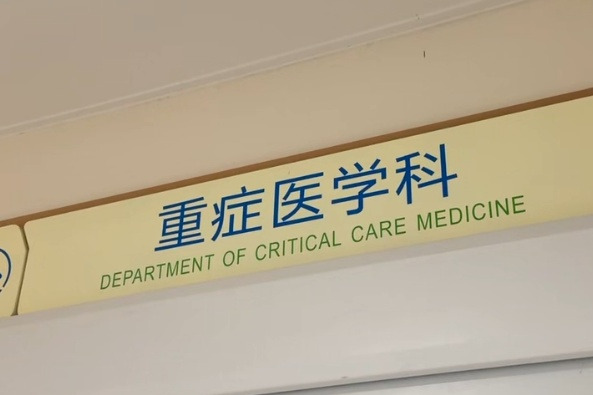
A 36-year-old food delivery worker in Shenzhen, Guangdong province, was hospitalized after consuming six bottles of energy drinks in a single day, leading to severe health complications. The man, surnamed Hu, was found unconscious by his family after attempting to stay alert during his evening shift. He experienced symptoms including a racing heartbeat, fever, sweating, and recurring seizures, with one episode lasting up to 30 minutes. Hu was rushed to the intensive care unit at the Third People’s Hospital of Shenzhen, where tests revealed caffeine intoxication. Despite medical interventions to promote excretion, such as hydration and diuretics, toxicology tests detected high levels of caffeine in his blood and urine 40 hours after consumption. Doctors estimated that Hu had ingested 300 to 350 milligrams of caffeine, far exceeding the European Food Safety Authority’s recommended daily limit of 400 milligrams. Caffeine poisoning can cause severe symptoms, including convulsions, impaired consciousness, and even death in extreme cases. After targeted treatment, Hu recovered and was discharged. Medical experts warn that excessive caffeine intake can overstimulate the central nervous system, leading to palpitations, anxiety, and toxic encephalopathy, and urge adherence to recommended consumption limits.
-
Bird flu outbreak confirmed near Northern Ireland border
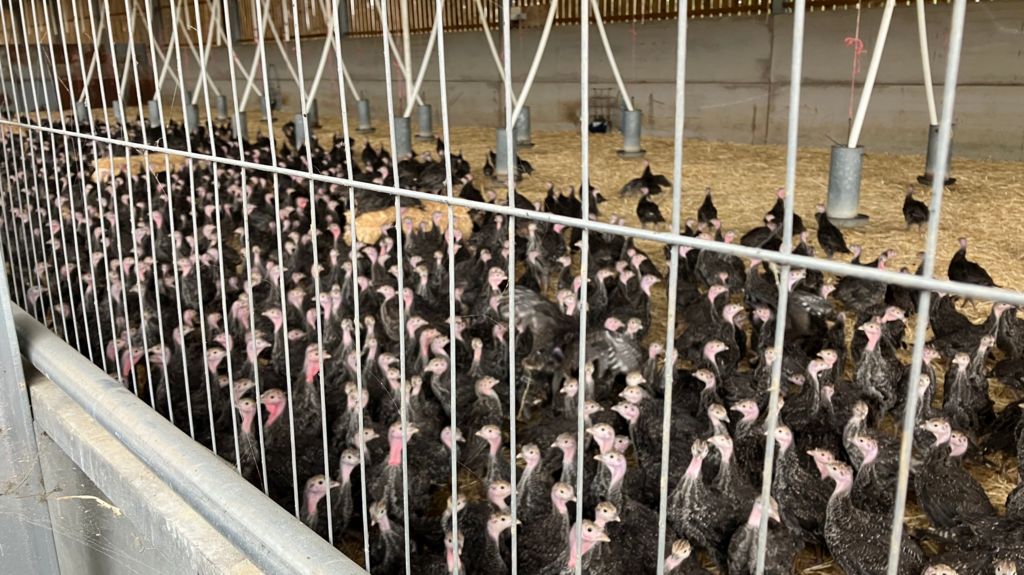
A fresh outbreak of avian influenza, commonly known as bird flu, has been detected on a commercial turkey farm in the Republic of Ireland, near the border with Northern Ireland. The announcement was made by Martin Heydon TD, the Republic’s Minister for Agriculture, Food, and the Marine, who confirmed the infection in a flock located near Clontibret, County Monaghan. This area lies just one mile from the border with County Armagh in Northern Ireland. In response to the outbreak, authorities have established restriction zones around the affected site, including a 3km (1.9 miles) protection zone and a 10km (6.2 miles) surveillance zone, in compliance with national and EU regulations. This marks the third confirmed case of bird flu on a commercial turkey farm in the Republic of Ireland within a week. Earlier this week, a mandatory housing order was enacted, requiring all poultry and captive birds to be kept indoors to prevent further spread. The situation has raised concerns across the region, particularly in Northern Ireland, where six outbreaks have been reported in commercial farms since the beginning of the year. Last week, a turkey flock in County Fermanagh was culled, and 12,000 chickens were reportedly being culled at a poultry facility in Pomeroy, County Tyrone. The repeated outbreaks highlight the ongoing challenges in controlling the spread of avian influenza in the region.