
The Chinese Medicine Industry Council of Australia (CMIC) has called for enhanced health cooperation between Australia and China, emphasizing the growing significance of Traditional Chinese Medicine (TCM) in community health. The appeal was made during the 15th anniversary celebration of CMIC in Sydney on November 15, where industry leaders and officials highlighted the potential for unity, innovation, and shared development in advancing TCM. Counsellor Jin Jianmin from the Chinese Consulate-General in Sydney noted that China’s latest Five-Year Plan prioritizes the modernization of healthcare, including the integration of TCM and Western medicine, which opens new avenues for bilateral collaboration. CMIC President Max Anyang Ma reflected on the organization’s 15-year journey, stressing its commitment to professionalism, quality, and industry cohesion. He highlighted the importance of high-quality herbal materials and practitioner expertise in achieving effective clinical outcomes. Ma also outlined CMIC’s efforts in policy engagement, standards development, and talent cultivation, as well as its role in addressing regulatory issues. The event also featured the presentation of the Australia Qihuang Awards, recognizing contributions to TCM research, education, and clinical practice. Pamela Longley, chair of the NSW Chinese Medicine Council, acknowledged the challenges of introducing TCM in Australia but expressed optimism about the gradual shift in public understanding through sustained cooperation between Chinese and Australian practitioners.
分类: health
-

Shanxi health authorities report spike in flu cases
Health officials in Shanxi Province have raised alarms over a significant increase in acute respiratory infections as the region enters the peak of the autumn-winter flu season. According to a report by China Central Television on Saturday, influenza activity has surged over the past three weeks, with the majority of cases reported among students. The Shanxi Provincial Health Commission anticipates that the number of infections will continue to rise in the coming weeks. Chen Jing, deputy director of the Shanxi Center for Disease Control and Prevention, highlighted that the dominant strain in the province is influenza A (H3N2), accounting for approximately 99% of cases. Minor cases of influenza A (H1N1) and influenza B have also been detected. The H3N2 strain, a subtype of influenza A, has undergone minor genetic changes but remains highly transmissible with no significant alterations in its infectiousness. Common symptoms include fever, cough, sore throat, muscle aches, headache, chills, and fatigue, with severe cases potentially leading to complications such as pneumonia and respiratory failure. Medical experts are urging the public to seek accurate diagnoses, as different respiratory pathogens require specific treatments. To manage the outbreak, the commission has activated a province-wide surveillance network for influenza and other respiratory pathogens to enhance trend analysis and risk assessment. Hospitals have been instructed to implement emergency mechanisms to reallocate staff and beds, ensuring uninterrupted medical services. Additionally, since late October, all public secondary and tertiary general hospitals in Shanxi have established pediatric outpatient services. A provincial pediatric care network and 15 municipal medical alliances have been formed to streamline referrals and provide timely treatment for critically ill children.
-

Move over açaí – the Amazon has more ‘superfoods’ to offer
In a renovated warehouse lab in Belém, Brazil, machines are processing exotic fruits like cupuaçu, taperebá, and bacaba, which could soon join açaí as the next global superfoods. These fruits, rich in antioxidants, fiber, and fatty acids, are part of Brazil’s ambitious plan to combat climate change, protect biodiversity, and alleviate regional poverty. The initiative aligns with the country’s hosting of the COP30 UN climate talks, emphasizing sustainable economic growth through the Amazon’s natural resources. Max Petrucci, founder of Mahta, a company specializing in Amazonian superfoods, highlights the dual benefits of these products: nutritional value and environmental sustainability. Mahta pays fair prices to farmers practicing sustainable agriculture, ensuring ethical sourcing. While scientific research on superfoods remains limited, Amazonian fruits are widely recognized for their health benefits. Companies like Mahta are freeze-drying these fruits into powders to preserve nutritional value and reduce transportation costs, a strategy that keeps economic value within Brazil. The Belém Bioeconomy Park supports small businesses in testing innovative preservation methods, tapping into the Amazon’s vast, untapped potential. The Amazon rainforest, spanning 6 million square kilometers, has long been a source of natural wealth but has suffered from deforestation for timber, cattle, and soy production. President Luiz Inácio Lula da Silva has pledged to halve deforestation by 2030, with recent rates hitting an 11-year low. Brazil’s bioeconomy strategy focuses on sustainable resource use, preserving nature while developing valuable products like fuels, pharmaceuticals, and foods. Sarah Sampaio, who runs a coffee company in the Apui region, exemplifies this approach by integrating coffee cultivation with native Amazonian trees, promoting agroforestry. Her efforts have earned her coffee national recognition, showcasing the potential of sustainable practices. Açaí, already a global health food sensation, remains a benchmark for Amazonian superfoods, with its high antioxidant content and popularity in Europe and the US. However, scaling up production poses challenges, as industrial plantations could replicate the environmental issues they aim to solve. The bioeconomy concept, central to the UN climate talks, offers a pathway to reduce fossil fuel dependency, though it requires careful regulation to avoid unintended consequences like deforestation or land exploitation. As Brazil pushes for a four-fold increase in biofuel use by 2035, experts like Ana Yang of Chatham House stress the importance of safeguards to ensure bio-based transitions are truly sustainable.
-
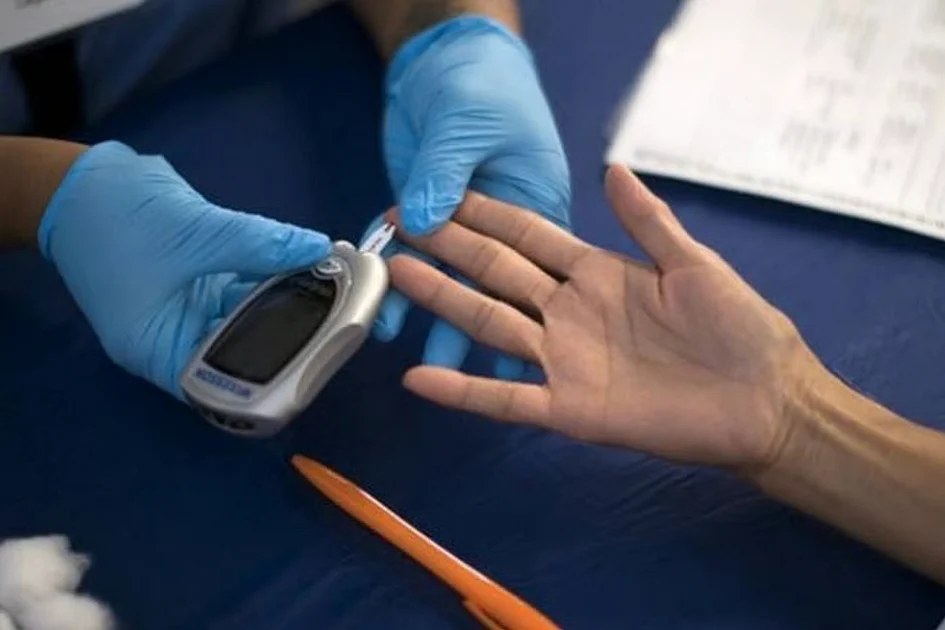
UAE: Think diabetes is expensive? Medical bills only 5% of real cost, study shows
A groundbreaking study conducted by the University of Birmingham Dubai in collaboration with the World Health Organisation (WHO) has unveiled the staggering hidden costs of diabetes in the UAE. While medical expenses account for a mere 5.7% of the total burden, the remaining 94.3% stems from indirect losses such as reduced productivity, missed workdays, early retirement, and premature deaths. These findings highlight the silent yet profound impact of diabetes on individuals, families, and the national economy. The study, led by Dr. Khalifa Elmusharaf, associate professor and director of the Public Health Programme at the University of Birmingham Dubai, projects a steady rise in diabetes cases over the next two decades. By 2050, over 1.3 million UAE residents are expected to be living with the disease, with annual deaths potentially reaching 5,920. The economic burden of diabetes in the UAE reached $19.5 billion in 2023, with projections soaring to $30.3 billion by 2050. The study also warns that across the Middle East and North Africa (MENA), the financial toll of diabetes could escalate to $1.5 trillion by 2050, driven primarily by lost productivity rather than medical costs. Dr. Elmusharaf emphasized the urgent need for increased investment in prevention and early diagnosis to mitigate the growing human and economic costs. ‘This study sends a clear message to policymakers that diabetes is silently draining our economies,’ he stated. The research underscores the necessity for comprehensive strategies to address this escalating public health crisis.
-
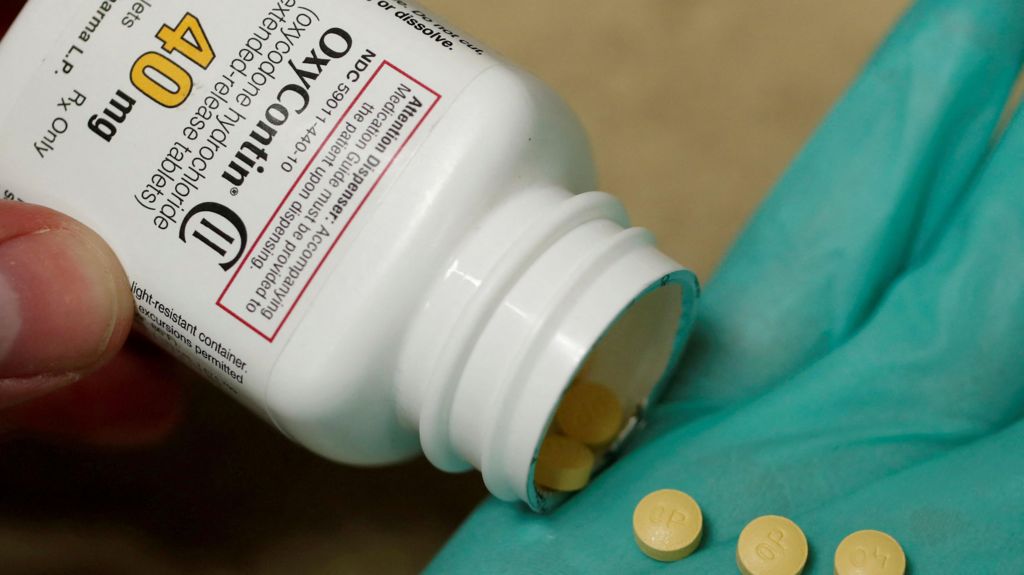
Bankruptcy judge clears $7.4bn Purdue Pharma opioid settlement
In a landmark decision, a bankruptcy judge has approved a $7.4 billion settlement against Purdue Pharma and its billionaire owners, the Sackler family, for their role in the U.S. opioid crisis. The deal, which was initially proposed in January, aims to conclude a protracted legal battle and provide much-needed funding for addiction treatment and prevention. This settlement represents an increase of over $1 billion from a previous agreement that was rejected by the U.S. Supreme Court last year. Purdue Pharma, the maker of OxyContin, filed for bankruptcy in 2019 amid thousands of lawsuits accusing the company of aggressively marketing the highly addictive painkiller while downplaying its risks. The Sackler family, who have denied any wrongdoing, will relinquish ownership of Purdue Pharma, which will be replaced by a nonprofit organization, Knoa Pharma, dedicated to addressing the opioid crisis. The settlement does not grant the Sacklers immunity from future lawsuits. Individual victims are expected to receive up to $865 million, while the majority of the funds will go to state and local governments to support addiction treatment and prevention programs. The opioid crisis, which has been linked to over 900,000 deaths since 1999, has been exacerbated by the widespread use of OxyContin, a drug that Purdue Pharma marketed as safe despite its addictive properties. The Sackler family is set to contribute between $6.5 billion and $7 billion as part of the agreement. The settlement has garnered overwhelming support, with more than 99% of creditors voting in favor of the bankruptcy restructuring plan. California Attorney General Rob Bonta emphasized the importance of holding Purdue Pharma and the Sacklers accountable, stating that the settlement will bring critical funding to those affected by the crisis.
-
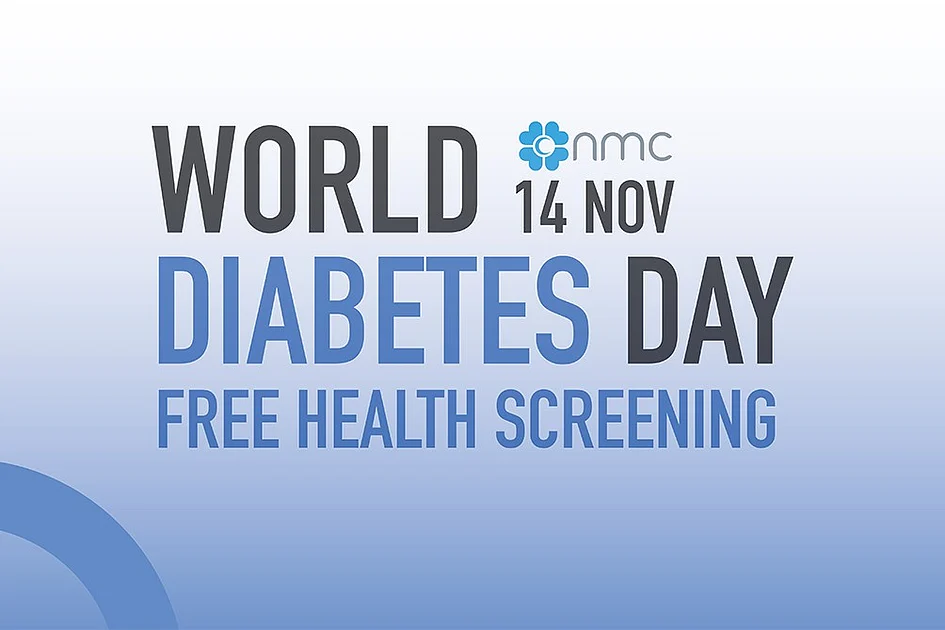
NMC Healthcare offers free health checks on World Diabetes Day
In a significant move to mark World Diabetes Day on November 14, 2025, NMC Healthcare, a leading private healthcare provider in the UAE, has announced the launch of free health screenings across various malls and community shopping centers in the country. The initiative aims to promote early detection and prevention of diabetes, a condition that affects millions globally. The screenings, available without prior appointments at designated NMC kiosks, will include essential tests such as blood cholesterol, blood glucose, blood pressure, and BMI measurements. These tests are crucial for identifying prediabetes and diabetes, enabling timely medical intervention and lifestyle adjustments. Dr. Zaka Ullah Khan, Chief Clinical Officer at NMC Healthcare, emphasized the importance of such initiatives, stating, ‘Diabetes is a pervasive health issue that transcends age and background. Early detection through screenings like these can significantly reduce the risk of severe complications such as heart disease, stroke, and kidney failure. NMC is dedicated to raising awareness about diabetes and empowering individuals to take preventive measures.’ The screenings will be held at multiple locations across the UAE, including Khalidiyah Mall and Yas Mall in Abu Dhabi, The Market Mall in Dubai, and Al Ramez Mall in Sharjah, among others. For further details, visit NMC Healthcare’s official website at https://nmc.ae/en.
-

Diabetes 360: From screening to daily wins
Diabetes remains a growing global health crisis, with over 540 million adults affected worldwide—a figure projected to surge to 780 million by 2045, according to the International Diabetes Federation. The condition, if left unmanaged, can lead to severe complications, including vision loss, nerve damage, and kidney failure. However, early detection, lifestyle adjustments, and proactive care can significantly mitigate these risks. In the UAE, the rise in diabetes among young adults is particularly concerning, attributed to stress, sedentary lifestyles, and poor dietary habits. Medical experts emphasize the importance of awareness, routine screenings, and consistent management to combat this escalating issue. Dr. Patanjali Panduranga, an endocrinologist at Aster Hospital, Qusais, highlights that small, steady changes—such as balanced diets, regular exercise, and health check-ups—can transform the trajectory of diabetes. Beyond blood sugar control, specialists like Dr. Nikulaa Parachuri stress the need for annual eye exams to prevent diabetic retinopathy, a condition that damages retinal blood vessels. Similarly, Dr. Qamar Bashir Mirza underscores the significance of managing diabetic neuropathy, which can cause numbness, tingling, and even foot ulcers if untreated. Preventive measures, including daily foot care and vascular assessments, are crucial in avoiding severe complications like amputations. Dr. Kingini Bhadran and Dr. Mohammed Ashwaque advocate for holistic approaches, combining glucose monitoring, medication adherence, and lifestyle modifications to foster long-term well-being. Additionally, Dr. Shahin Mohammed emphasizes the link between diabetes and kidney health, urging regular check-ups and hydration to maintain renal function. Clinical dietician Ms. Jaseera Maniparambil advises mindful eating habits, such as portion control and choosing whole grains, to stabilize blood sugar levels. To support individuals in their diabetes journey, Aster Hospitals & Clinics has introduced the Diabetes 360 Care Clinic in Qusais, offering personalized, multidisciplinary care. This initiative aims to simplify diabetes management by integrating internal medicine, endocrinology, and specialized care for eye, nerve, and kidney health. The clinic’s patient-centered approach focuses on achievable goals and steady progress, empowering individuals to take control of their health. With the right guidance and support, managing diabetes becomes less daunting, paving the way for healthier, more balanced lives.
-
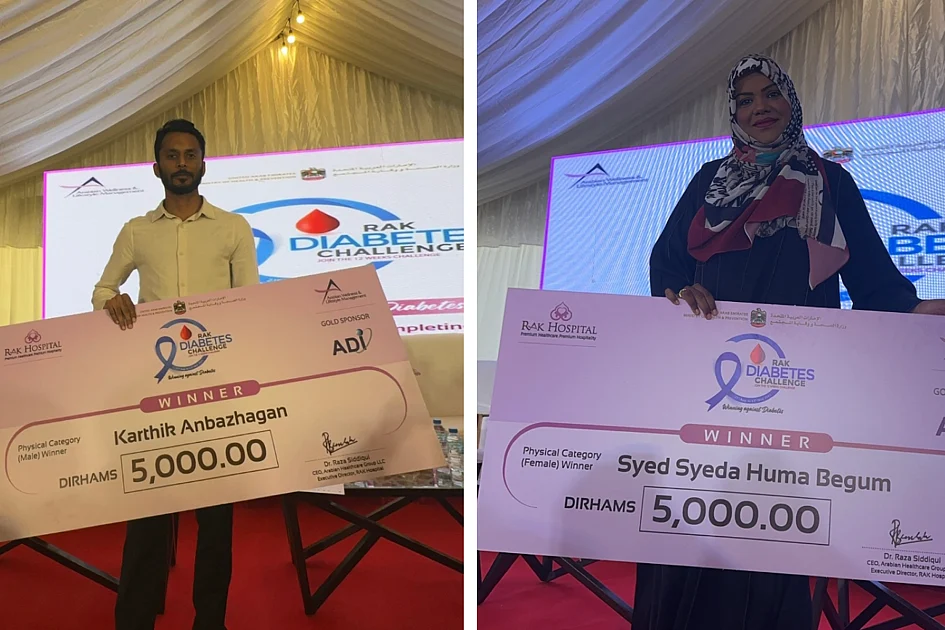
2 Indian expats from Dubai win Dh5,000 each in diabetes challenge
Two Indian expatriates in Dubai, Karthik Anbazhagan and Syeda Huma Begum, have emerged as winners in the 2025 RAK Diabetes Challenge, each receiving Dh5,000 for their remarkable health transformations. The challenge, which concluded on November 13, 2025, at RAK Hospital, saw participants compete to improve their HbA1c levels over a 12-week period. Karthik, a Dubai resident, reduced his levels from 9.6 to 6.94, while Syeda, from Ajman, achieved a drop from 7.8 to 6.47. Both winners attributed their success to consistency, lifestyle changes, and family support. Karthik emphasized the importance of a balanced diet, regular exercise, and the use of a continuous glucose monitor (CGM), which provided real-time insights into his glucose levels. Syeda, a teacher, highlighted her daily walking routine, balanced diet, and positive mindset as key factors. The challenge, which attracted over 5,500 participants across the UAE, aimed to promote diabetes management and healthier living. Sana Abbasi, a Pakistani resident in Dubai, secured second place with a Dh3,000 prize, improving her blood sugar levels from 7.61 to 6.96. The event concluded just ahead of World Diabetes Day, underscoring the importance of awareness and proactive health management.
-
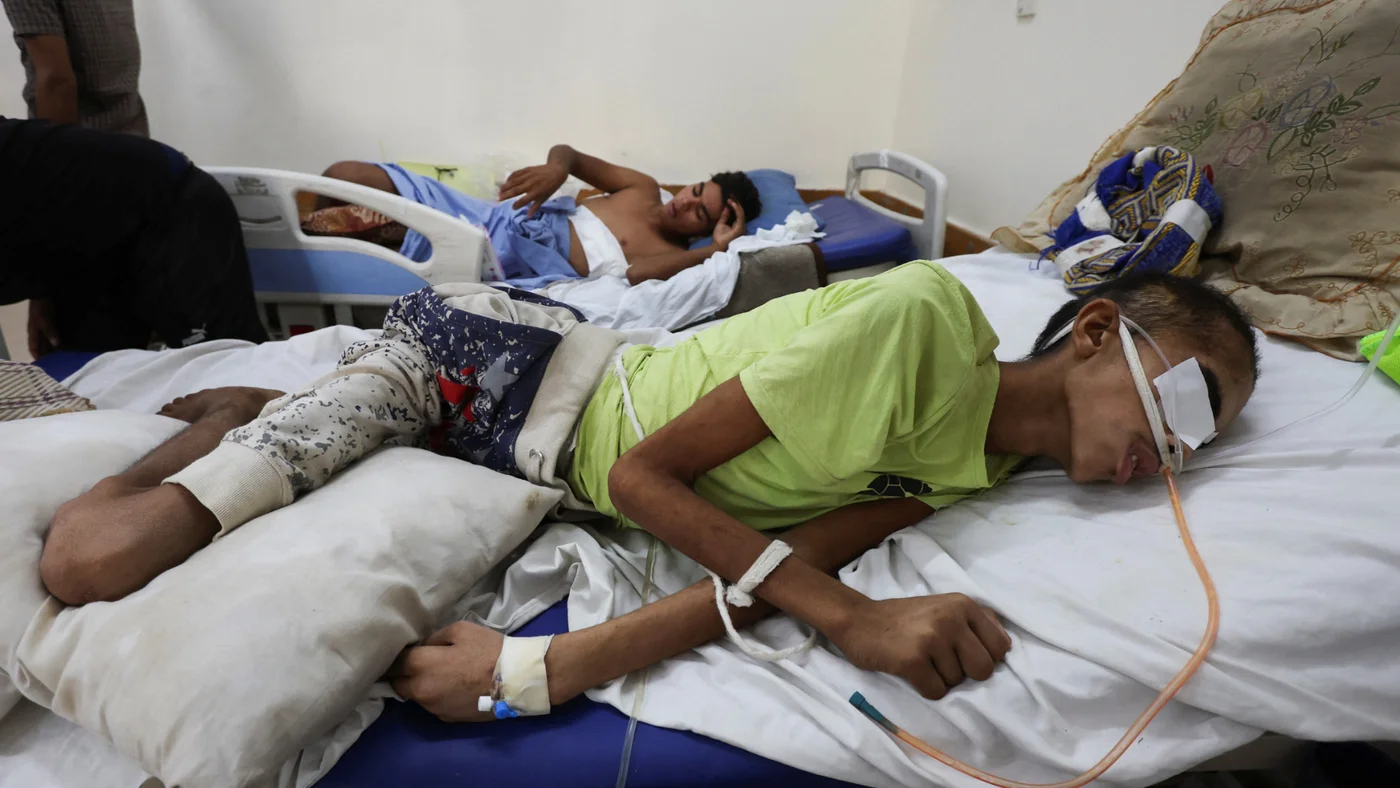
Dying while waiting: Gaza’s wounded trapped as Israel blocks medical evacuations
In the besieged enclave of Gaza, Baraa Abu Zaid lies in a hospital bed in Khan Younis, her days marked not by hope but by the grim reality of a collapsing healthcare system. Once a mother of three, Abu Zaid fled her home in Rafah during Israel’s ground invasion in mid-2024. Tragedy struck when a drone attack hit her family’s tent, killing two of her children and leaving her and her 13-year-old son, Obaida, critically wounded. Despite being rushed to the hospital, the dire state of Gaza’s medical infrastructure meant they received inadequate care. Obaida succumbed to his injuries within weeks, leaving Abu Zaid to face her own deteriorating condition alone.
-
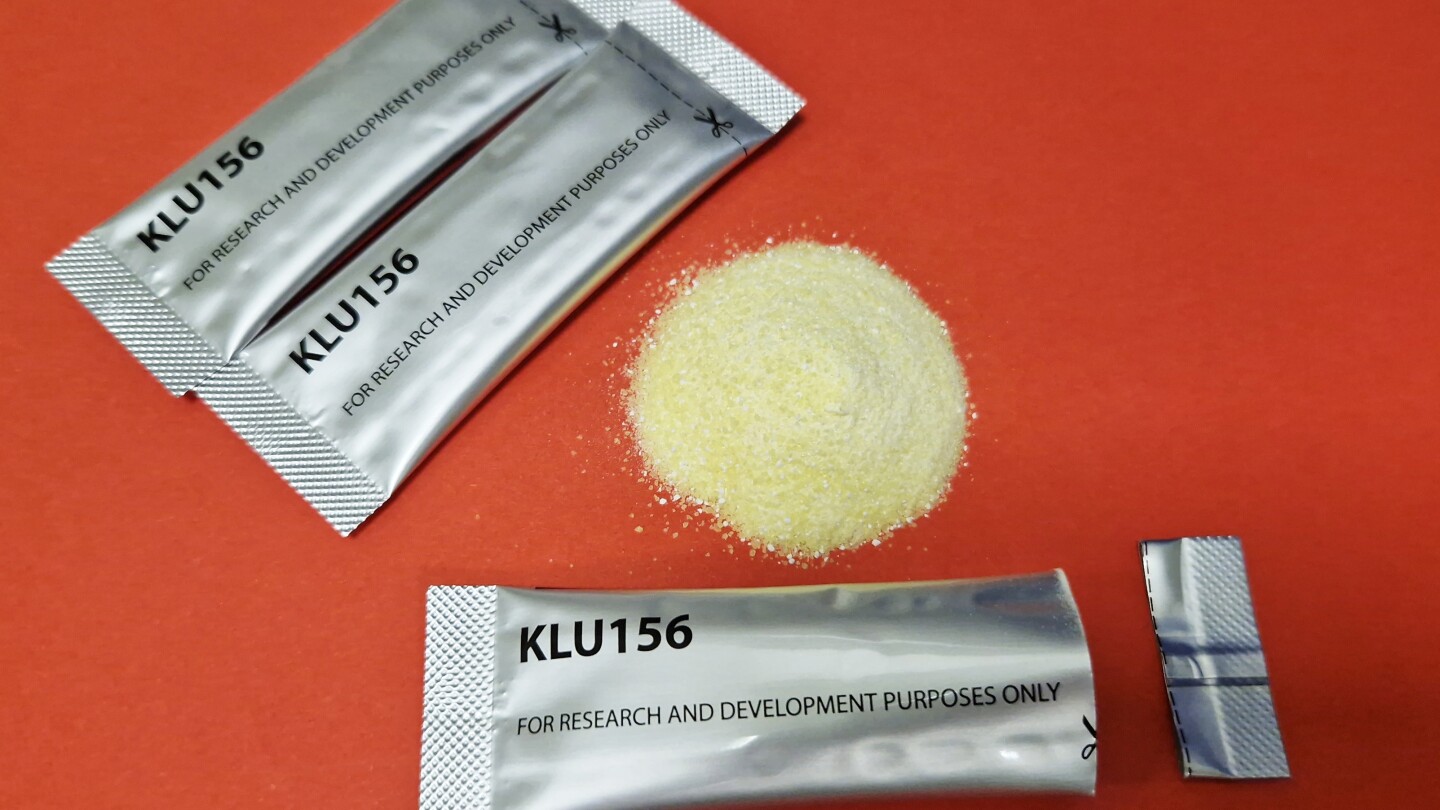
2 new malaria treatments announced as drug resistance grows
In a significant stride against malaria, researchers unveiled two innovative treatment strategies aimed at combating the parasite’s growing resistance to existing medications. The findings, presented at the American Society of Tropical Medicine and Hygiene conference in Toronto, highlight promising advancements in the fight against the mosquito-borne disease.