分类: health

  • Call My Doctor launches digital platform to strengthen UAE’s home healthcare ecosystem

    Call My Doctor launches digital platform to strengthen UAE’s home healthcare ecosystem

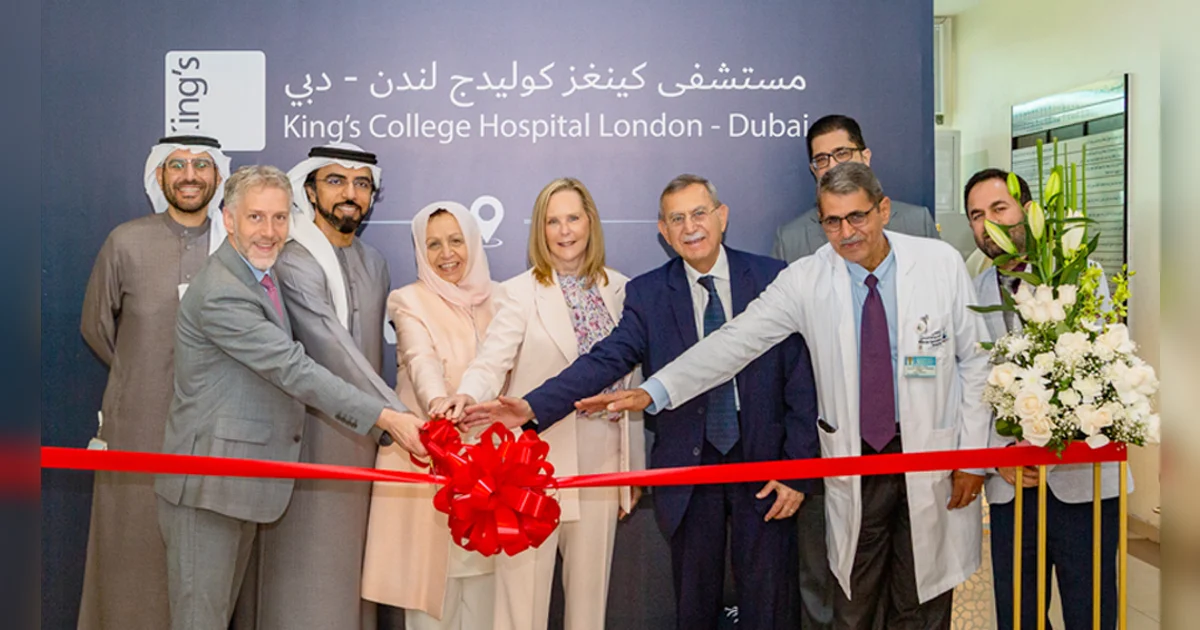
    Call My Doctor Health Care LLC, a prominent Dubai-based home healthcare provider, has unveiled a cutting-edge digital platform aimed at revolutionizing the home healthcare ecosystem in the UAE. The newly launched website is designed to streamline the booking of essential medical services, catering to residents and visitors across the Emirates. This initiative reflects the region’s shift towards fast, convenient, and patient-centric healthcare solutions.

    The platform enables users to request licensed doctors, nurses, and specialists for home visits, often within 30 minutes. It addresses the growing demand for home-based care among elderly individuals, children, working professionals, and those with mobility challenges, who benefit from receiving treatment in a familiar and comfortable environment. Since its establishment in 2022, Call My Doctor has conducted over 10,000 home visits, offering services such as Doctor on Call, IV Therapy, Lab Tests, Physiotherapy, Nursing, and Pediatric Care, all delivered by Dubai Health Authority (DHA)-licensed practitioners.

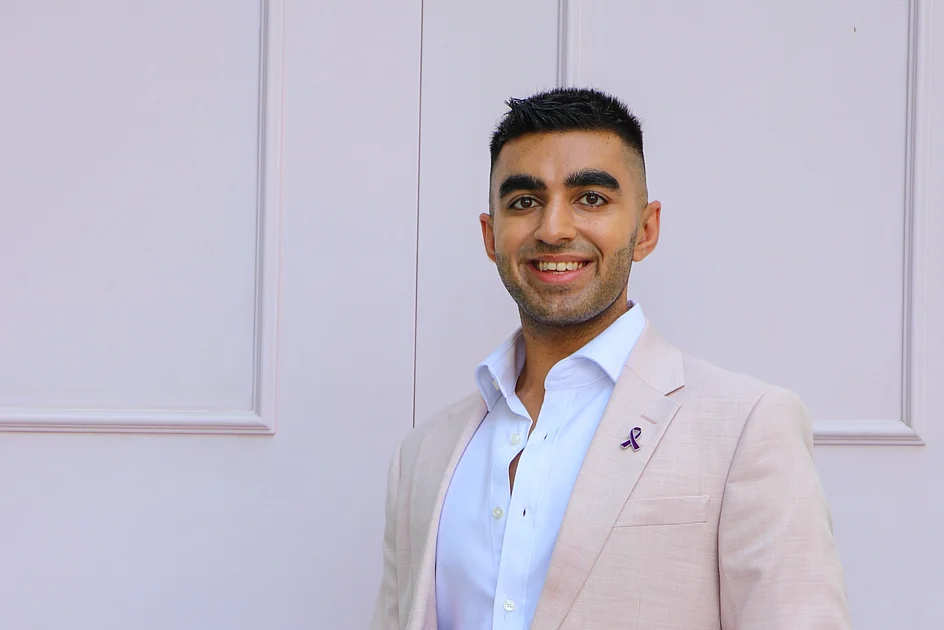
    Jay Aondhiya, founder and CEO of Call My Doctor, emphasized the company’s mission to make healthcare fast, personal, and professional. ‘Our new website empowers patients to connect with DHA-licensed experts within minutes, ensuring that healthcare in Dubai remains efficient, compassionate, and accessible,’ he stated. The platform allows users to browse services, book consultations, and receive timely updates, all while adhering to DHA guidelines and national health standards.

    Call My Doctor’s rapid-response model is tailored for cases requiring prompt but non-emergency medical attention, offering a viable alternative to traditional clinical visits. The company also prioritizes patient data protection, transparent communication, and ethical medical practices, fostering trust in home-care environments. This initiative aligns with Dubai’s broader vision of creating a connected healthcare ecosystem that emphasizes accessibility and clinical integrity.

    Residents can now explore services or schedule appointments directly through the Call My Doctor website. This development is expected to enhance the efficiency of home-based healthcare in Dubai, providing patients with greater flexibility in managing their medical needs.

  • MacArthur Foundation awards $100M to outbreak surveillance network, a boost amid global health cuts

    MacArthur Foundation awards $100M to outbreak surveillance network, a boost amid global health cuts

    The MacArthur Foundation has announced a $100 million grant to Sentinel, an African-led initiative focused on pandemic prevention and infectious disease surveillance. This significant investment comes at a critical time when global health funding is dwindling, particularly from major donor nations. Sentinel, a project that develops cost-effective pathogen detection tests, employs real-time outbreak tracking tools, and trains local scientists, has already trained over 3,000 public health workers across 53 African countries. The funding will enable Sentinel to expand its reach over the next five years, enhancing its ability to detect and respond to emerging diseases swiftly. Christian Happi, co-director of Sentinel, emphasized that this initiative demonstrates Africa’s leadership in addressing global health challenges through trust, collaboration, and community-driven systems. The MacArthur Foundation’s 100&Change competition, which aims to inspire bold philanthropic endeavors, selected Sentinel for its innovative and impactful approach. Chris Cardona, the foundation’s managing director, highlighted the importance of international funding, especially for projects like Sentinel that build cross-country capacity. However, global health programs face increasing challenges as donor countries reduce multilateral support. For instance, Gavi, a public-private vaccine alliance, faces funding shortfalls due to cuts by the U.S. government. Similarly, the U.S. Centers for Disease Control and Prevention has scaled back collaboration with the World Health Organization, potentially hindering outbreak responses. Sentinel’s work, rooted in community engagement and advanced diagnostics, aims to empower local responders to detect and mitigate disease threats. Dr. Pardis Sabeti, a collaborator on the project, described the grant as transformative, stressing the need for continuous pandemic surveillance. Former USAID official Nidhi Bouri underscored the global responsibility to support diverse funding streams for health initiatives, as disease outbreaks have far-reaching consequences. This grant not only bolsters Sentinel’s efforts but also sets a precedent for philanthropy to address global health challenges collaboratively.

  • China CDC urges precaution against peak season for acute infectious diarrhea

    China CDC urges precaution against peak season for acute infectious diarrhea

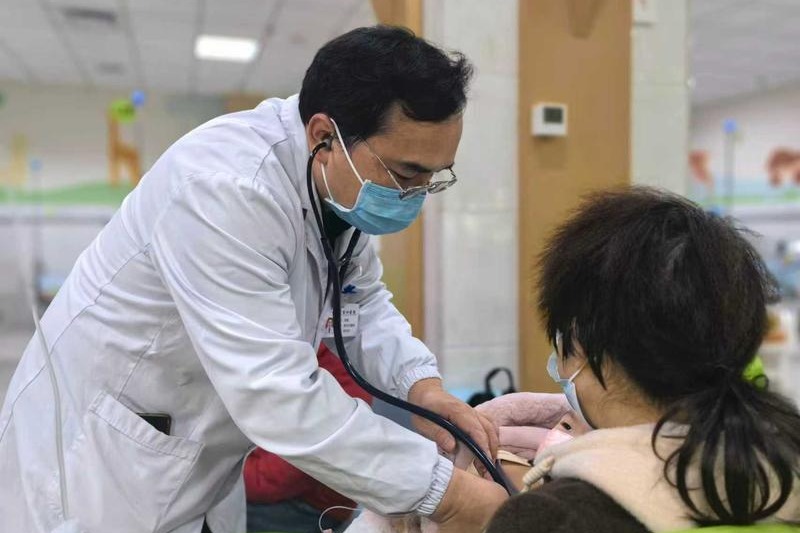
    As China enters the annual peak season for acute infectious diarrhea, the Chinese Center for Disease Control and Prevention (China CDC) has issued a public health advisory emphasizing the need for heightened precautions. The surge in cases, primarily driven by pathogens such as norovirus and rotavirus, poses significant risks, particularly to vulnerable populations like children and the elderly. Norovirus, which remains highly active from October through March, thrives in crowded environments such as schools, childcare centers, elderly care facilities, and hospitals. Symptoms of norovirus infection include nausea, vomiting, fever, abdominal pain, and diarrhea. While most patients recover within two to three days without specialized treatment, infants and elderly individuals with chronic conditions are at greater risk of severe complications. Rotavirus, which peaks around September, predominantly affects young children, causing symptoms such as diarrhea, vomiting, and fever. To mitigate these seasonal threats, health authorities recommend vaccinating children against rotavirus and maintaining rigorous hand hygiene practices. Additionally, nurseries and schools are advised to enforce strict health protocols for kitchen staff and caregivers, including wearing masks, practicing proper hand hygiene, and immediately stepping away from their duties if symptoms arise. These measures aim to curb the spread of these highly contagious viruses and protect public health during this critical period.

  • UAE to introduce nasal spray flu vaccine for first time: Emarat Al Youm

    UAE to introduce nasal spray flu vaccine for first time: Emarat Al Youm

    In a groundbreaking move, the United Arab Emirates (UAE) is set to introduce a nasal spray flu vaccine for the first time, as reported by Emarat Al Youm. This innovative needle-free option will be available in both public and private healthcare centers and hospitals across the country, marking a significant expansion in the nation’s immunization strategy. The vaccine, which covers the same flu strains as the traditional injectable version, is designed for healthy individuals aged 2 to 49 years old. It utilizes a live attenuated virus, making it an ideal choice for children and those who are apprehensive about needles. The Ministry of Health and Prevention emphasized that this new option aims to enhance vaccination coverage rates and provide safe, effective alternatives for the community. Dr. Nada Al Marzouqi, Director of the Public Health and Prevention Department, highlighted that the nasal spray vaccine first received U.S. FDA approval in 2003 for ages 5 to 49, with the age range later extended to include children as young as 2 in 2007. However, the vaccine is not recommended for certain groups, including children under 2, adults over 50, pregnant women, individuals with immune disorders, and those with specific chronic diseases. For these groups, the injectable vaccine or other physician-recommended options remain the preferred choice. The Ministry assured that the nasal spray vaccine is registered in the UAE and subject to rigorous pharmaceutical oversight, with approvals from global regulatory bodies such as the FDA, WHO, and EMA. Additionally, the UAE’s pharmacovigilance program will monitor the vaccine’s side effects and effectiveness to ensure the highest standards of safety and quality.

  • Eswatini is the first African country to get twice-yearly HIV prevention shot

    Eswatini is the first African country to get twice-yearly HIV prevention shot

    Eswatini has made history by becoming the first African nation to introduce lenacapavir, a revolutionary twice-yearly HIV prevention injection. Developed by Gilead Sciences, this groundbreaking drug has shown near-total protection in clinical trials and is hailed as a transformative tool in combating HIV, a virus that has claimed millions of lives across the continent. The rollout is part of the U.S. President’s Emergency Plan for AIDS Relief (PEPFAR), in collaboration with the Global Fund, aiming to benefit at least 2 million people in 10 high-risk African countries by 2027. Eswatini, with the world’s highest HIV incidence, received the drug in the same year as its U.S. approval, marking a significant milestone. Zambia also received its first shipment, while regulatory approvals are pending in Botswana, Kenya, Malawi, Namibia, Rwanda, Tanzania, Uganda, and Zimbabwe. The U.S. initially planned to distribute 250,000 doses in 2024 but increased this to 325,000 due to high demand. In Eswatini, approximately 6,000 high-risk individuals, particularly mothers and newborns, will benefit from the initial rollout. Despite its potential, concerns over limited supplies and manufacturing rights have sparked debates, with South Africa’s health minister highlighting the need for broader access. Gilead has significantly reduced the drug’s price for lower-income countries, making it more accessible. However, civil society groups in South Africa have criticized the exclusion of local manufacturers from licensing agreements, despite their contributions to clinical trials.

  • Transformation of healthcare in China’s Xizang region celebrated

    Transformation of healthcare in China’s Xizang region celebrated

    The Xizang Autonomous Region has witnessed a transformative leap in its healthcare system, thanks to a robust medical aid initiative launched by China’s central government. Since 2015, over 2,400 medical professionals have been dispatched in 11 groups to hospitals across the region, marking a significant milestone in improving healthcare delivery in one of the country’s most geographically challenging areas. The program, initially introduced at the sixth central symposium on Xizang-related work in August 2015, initially focused on supporting the Xizang Autonomous Region People’s Hospital and seven municipal-level hospitals. By August 2021, the initiative expanded to include 13 county-level hospitals, further amplifying its impact. Tan Xiangdong, deputy director of Xizang’s health commission, highlighted the program’s focus on cultivating medical disciplines, nurturing local talent, and advancing high-altitude medical research. The results have been profound: the maternal mortality rate dropped from 108.86 per 100,000 in 2014 to 48 per 100,000 by 2020, while the infant mortality rate fell from 16.81 per 1,000 to 7.6 per 1,000 over the same period. Additionally, the average life expectancy in Xizang rose to 72.19 years by the end of 2020, representing the highest growth rate nationwide. This initiative underscores the central government’s commitment to equitable healthcare development and has set a benchmark for medical aid programs in remote regions.

  • Less fruits, banned items: Many Dubai school canteens fail on nutrition, audit finds

    Less fruits, banned items: Many Dubai school canteens fail on nutrition, audit finds

    A recent audit conducted by Dubai Municipality has uncovered significant shortcomings in the nutritional quality of food offered in school canteens across the emirate. The audit, part of the My School Food campaign, examined over 7,000 food items across more than 200 schools, revealing a lack of fruit options and the use of banned ingredients in some cases. Hassa Al Sumaiti, Acting Head of the Applied Nutrition and Awareness Section, highlighted the disparity between schools offering healthy choices and those failing to meet basic nutritional standards. She emphasized the importance of fruits in daily nutrition and the need for stricter oversight to ensure compliance with dietary guidelines. The findings were discussed at the Dubai International Food Safety Conference, where Al Sumaiti stressed the long-term impact of school food on children’s health and academic performance. The audit is the first phase of a broader initiative to improve school food systems in Dubai, with pilot programs already underway in selected schools. The municipality plans to implement these improvements citywide, aiming to foster healthier eating habits and reduce the risk of obesity and chronic diseases among students. Additionally, the event honored students who participated in the school food hero competition, showcasing innovative ideas like AI-powered canteens to promote sustainability and nutrition.

  • Cervical cancer vaccine push has saved 1.4 million lives: Gavi

    Cervical cancer vaccine push has saved 1.4 million lives: Gavi

    A groundbreaking three-year campaign led by Gavi, the Vaccine Alliance, has successfully prevented an estimated 1.4 million cervical cancer deaths in low-income countries. The initiative, which focused on delivering human papillomavirus (HPV) vaccines, has protected 86 million girls against the leading cause of cervical cancer. Gavi announced this milestone on World Cervical Cancer Elimination Day, highlighting the disproportionate impact of HPV-related cancers in low-income regions, which accounted for 90% of the 350,000 cervical cancer deaths recorded in 2022. These areas often lack access to screening and treatment services, exacerbating the crisis. Gavi’s CEO, Sania Nishtar, praised the ‘incredible commitment’ of participating countries and organizations in achieving this life-saving goal. The vaccine coverage rate in Africa surged from 4% in 2014 to 44% by the end of 2024, surpassing Europe’s 38% rate. Gavi leveraged economies of scale to reduce vaccine costs, making doses available for as low as $2.90 to $5.18 in supported countries, compared to over $100 elsewhere. The World Health Organization’s 2022 endorsement of a single-dose HPV vaccination schedule further doubled the reach of existing vaccine stocks. Despite these advances, cervical cancer remains a critical threat, claiming a woman’s life every two minutes. Gavi’s efforts underscore the importance of global collaboration in combating this preventable disease.

  • How my on-air ‘brain fog’ moment sparked a big debate

    How my on-air ‘brain fog’ moment sparked a big debate

    Zoe Kleinman, BBC’s technology editor, recently made headlines not for her tech coverage but for her candid revelation about experiencing ‘brain fog’ during a live TV report. In a LinkedIn post that went viral, Kleinman shared her decision to hold notes during a broadcast, a move she initially viewed as a professional failure. However, the overwhelming response from women across the globe highlighted a shared struggle often tied to perimenopause and hormonal changes. ‘Brain fog,’ though not a medical term, describes moments of cognitive disarray—forgetting words, losing train of thought, or feeling mentally clouded. For women in their 40s, this symptom often coincides with perimenopause, a transitional phase marked by fluctuating hormone levels. The impact is profound, especially for those in public-facing roles. Janet Edgecombe, an internal communications expert, echoed Kleinman’s experience, recounting moments of forgetting basic words mid-conversation. Research underscores the severity of the issue: 10% of women leave their jobs due to menopause symptoms, while half consider quitting. Kleinman’s decision to hold notes, initially seen as a compromise, sparked a movement. The hashtag #HoldTheNotes emerged, encouraging women to embrace practical solutions without shame. Medical experts like Dr. Louise Newson emphasize the role of testosterone in brain function, advocating for its inclusion in Hormone Replacement Therapy (HRT). Meanwhile, innovative solutions like Niraxx’s red-light therapy headband offer hope for improving focus. Kleinman’s story has opened a crucial dialogue, urging society to take ‘brain fog’ seriously and support women navigating this challenging phase of life.

  • ‘Grey’s Anatomy’ actor James Pickens Jr reveals prostate cancer diagnosis

    ‘Grey’s Anatomy’ actor James Pickens Jr reveals prostate cancer diagnosis

    James Pickens Jr., renowned for his role as Dr. Richard Webber in the long-running medical drama ‘Grey’s Anatomy,’ has publicly shared his prostate cancer diagnosis. In a candid interview, the actor disclosed that his family has a significant history of the disease, which influenced his proactive approach to health screenings. ‘Prostate cancer has been prevalent in my family. My father and several of his brothers battled it. I wasn’t entirely surprised when I received the diagnosis,’ Pickens Jr. told Variety. He emphasized the importance of early detection, revealing that doctors identified the cancer during a routine checkup. ‘My PSA levels had increased slightly, but we caught it at an early stage. The medical team recommended a cautious approach, given the rare variant of the cancer I have,’ he explained to The Hollywood Reporter. Pickens Jr., who has portrayed Dr. Webber across all 22 seasons of ‘Grey’s Anatomy,’ reflected on the character’s evolution and its parallels to his personal journey. ‘Dr. Webber’s resilience and humanity resonate deeply with me. We’ve seen him triumph and struggle, much like life itself,’ he added. Beyond ‘Grey’s Anatomy,’ Pickens Jr. has appeared in notable shows such as ‘The Conners,’ ‘Roseanne,’ and ‘The X-Files.’ His openness about his diagnosis aims to raise awareness about prostate cancer and the critical role of regular health checkups.