分类: health

  • Drones could save vaccine wastage in rural Rwanda

    Drones could save vaccine wastage in rural Rwanda

    A groundbreaking initiative led by the University of Birmingham is transforming vaccine distribution in remote regions of Africa through innovative drone technology. Research indicates that approximately 25% of vaccine doses in certain African areas are currently discarded due to temperature control failures during storage and transportation.

    Professor Chris Green, who divides his time between the NHS and the University of Birmingham, alongside PhD researcher Gilbert Rokundo from the Rwanda Biomedical Centre, has pioneered a solution using Rwanda’s established drone delivery infrastructure. The country already utilizes commercial drone services for transporting blood and medical supplies to inaccessible regions.

    The research demonstrates how fixed-wing drone aircraft, launched via catapult systems, can deliver temperature-sensitive vaccines from centralized storage facilities to remote clinics within 45 minutes anywhere in Rwanda. Medical staff simply text or email requests as patients arrive for immunization, with vaccines arriving via parachute-dropped shoebox-sized packages before registration processes are complete.

    This approach has dramatically reduced on-site vaccine storage needs by up to 90% in participating clinics while maintaining uninterrupted immunization services. The drones complete their missions by returning to stations where they are captured by wires between two towers, refueled, and prepared for subsequent flights.

    Although still in early data analysis stages, the project shows significant promise for expanding vaccine accessibility while reducing waste across developing regions with challenging terrain and unreliable infrastructure.

  • Why new year doesn’t mean ‘new you’: Here’s what to do instead

    Why new year doesn’t mean ‘new you’: Here’s what to do instead

    As 2026 approaches, conventional New Year’s resolution strategies face rigorous scientific challenge from leading breathwork specialist Dr. Espen Wold-Jensen. The Norwegian researcher, who combines quantum physics with conscious business mentoring, argues that sustainable personal transformation requires nervous system mastery rather than superficial habit changes.

    Dr. Wold-Jensen’s methodology emerged from profound personal adversity. Growing up in traumatic circumstances in Norway, followed by a near-fatal 2006 motorcycle accident in Australia that nearly cost him his leg, he discovered breathwork’s transformative potential during medical crisis. His recovery, which he describes as “an emotional detox clearing decades of stored trauma in minutes,

    forms the foundation of his current practice.

    The specialist identifies chronic “sympathetic dominance” – the body’s fight-or-flight mode – as the primary obstacle to meaningful change. “Stress isn’t just a ‘feeling’, it’s a physiological state that suppresses immunity, digestion, cognition, and healing,” he explains. Modern lifestyles reinforce this through shallow mouth breathing, which activates stress responses, unlike nasal breathing that promotes parasympathetic activation for recovery and creativity.

    Dr. Wold-Jensen proposes three evidence-based practices for 2026:

    1. The 30-Day Nasal Breathing Challenge: Consciously replacing mouth breathing with nasal respiration to recalibrate autonomic nervous system function

    2. Emotional Auditing: Seven-day journaling to identify primary emotional states using Dr. David Hawkins’ Scale of Consciousness model

    3. Tech-Free Morning Practice: 60-90 minutes of device-free time upon waking to prevent cortisol spikes and establish intentional daily foundation

    With Generation Z reporting unprecedented anxiety levels and lifestyle-related chronic diseases increasing, Dr. Wold-Jensen emphasizes that breathwork serves as accessible biological technology. “We can be victims of our story, or we can choose to be masters of our destiny,” he concludes. “This doesn’t negate trauma’s pain, but allows transforming pain into power through the superpower hidden right underneath our noses.”

  • China sees continued improvement in women’s health in 2024: statistical report

    China sees continued improvement in women’s health in 2024: statistical report

    China has demonstrated substantial progress in women’s healthcare during 2024, according to the latest statistical monitoring report released by the National Bureau of Statistics. The comprehensive data reveals notable improvements across multiple health indicators, particularly in maternal care and preventive health services.

    The maternal mortality rate has reached a record low of 14.3 per 100,000, representing a significant 5.3 percent reduction compared to 2023 figures. This achievement forms part of the ongoing implementation progress of the China National Program for Women’s Development (2021-2030), which establishes comprehensive targets for women’s welfare enhancement.

    Preventive healthcare measures have similarly shown positive trends, with the premarital health checkup rate climbing to 77.1 percent—an increase of 0.5 percentage points year-on-year. This upward trajectory indicates growing public engagement with proactive health management practices.

    A pivotal development in 2024 has been the introduction of a nationwide evaluation framework designed to optimize medical institutions’ capabilities in managing high-risk pregnancies. This initiative has facilitated the establishment of a tiered, efficiently coordinated emergency response system specifically tailored for pregnant women requiring critical care. The enhanced medical infrastructure ensures rapid intervention capabilities and comprehensive treatment protocols for obstetric emergencies, substantially strengthening safety measures for expectant mothers throughout the country.

    The systematic improvements reflect China’s continued commitment to advancing women’s healthcare standards through policy implementation, infrastructure development, and preventive health initiatives aligned with national development goals.

  • More Chinese cities add artificial hearts to medical insurance coverage

    More Chinese cities add artificial hearts to medical insurance coverage

    Tianjin has joined a growing number of Chinese cities implementing groundbreaking healthcare coverage for artificial heart implantation procedures, marking a significant advancement in cardiovascular treatment accessibility. The policy shift follows national guidelines issued by China’s National Healthcare Security Administration (NHSA) in March that established standardized pricing and coverage for ventricular assist devices.

    The transformative impact of this policy is exemplified by 69-year-old Sun Jucai, who became Tianjin’s first beneficiary after receiving an artificial heart implant in November. Diagnosed with dilated cardiomyopathy, Sun had endured severe heart failure symptoms that left him breathless during simple conversation. Following successful surgery at TEDA International Cardiovascular Hospital using a domestically developed device, Sun has experienced remarkable recovery and now describes the procedure as ‘a second chance at life.’

    Financially, the coverage represents a dramatic reduction in patient burden. Previously costing over 1 million yuan ($142,150), artificial heart implantation now costs approximately 700,000 yuan after insurance reimbursement. ‘The medical insurance covered most of the consumables and surgical expenses, greatly easing my financial burden,’ Sun confirmed after his recent discharge.

    This expansion addresses a critical healthcare challenge: China’s estimated 16 million chronic heart failure patients, with numbers continuing to rise. For advanced-stage patients, conventional treatments offer limited relief, and heart transplantation remains constrained by donor shortages. Artificial hearts have emerged as a viable alternative, though cost previously placed them beyond reach for most citizens.

    Notably, Tianjin’s policy eliminates regional barriers, allowing patients from across China to seek treatment and receive reimbursement within the city. This development follows similar implementations in other major regions including Beijing and Guangdong Province.

    Healthcare experts anticipate broader implications from this policy shift. Dr. Liu Xiaocheng, President of TEDA International Cardiovascular Hospital, notes that ‘approving reimbursement for this life-saving but costly technology will help speed up the development and wider use of artificial hearts in China.’

    The expansion reflects China’s ongoing commitment to healthcare system development, maintaining approximately 95% enrollment in basic medical insurance with some 20 billion reimbursements processed between 2021 and 2024 according to NHSA statistics.

  • China records continued improvement in child health in 2024

    China records continued improvement in child health in 2024

    China demonstrated marked progress across multiple child welfare indicators throughout 2024, according to an official statistical monitoring report released by the National Bureau of Statistics. The comprehensive assessment reveals substantial improvements in pediatric healthcare infrastructure, food safety standards, and early childhood education accessibility.

    Critical mortality metrics showed consistent decline, with the neonatal mortality rate dropping to 2.5 per thousand—a reduction of 0.3 points from 2023 figures. Similarly, infant mortality decreased to 4.0 per thousand (down 0.5 points), while the under-five mortality rate fell to 5.6 per thousand, representing a 0.6-point improvement over the previous year.

    The nation’s healthcare infrastructure expanded significantly, with 3,073 maternal and child health institutions and 162 specialized children’s hospitals operational by year’s end. Food safety achieved exceptional standards with infant formula milk powder passing safety inspections at a remarkable 99.88% rate.

    Educational access widened as preschool enrollment reached 92.0%, a 0.9 percentage point increase from 2023. Concurrently, digital protection efforts intensified with the removal of over 5.485 million instances of illegal and harmful online content that endangered young users.

    These developments reflect China’s ongoing implementation of the National Program for Child Development (2021-2030), demonstrating coordinated progress across healthcare, nutrition, education, and digital safety sectors.

  • Pakistan’s polio cases fell by half in 2025 despite attacks on vaccination teams

    Pakistan’s polio cases fell by half in 2025 despite attacks on vaccination teams

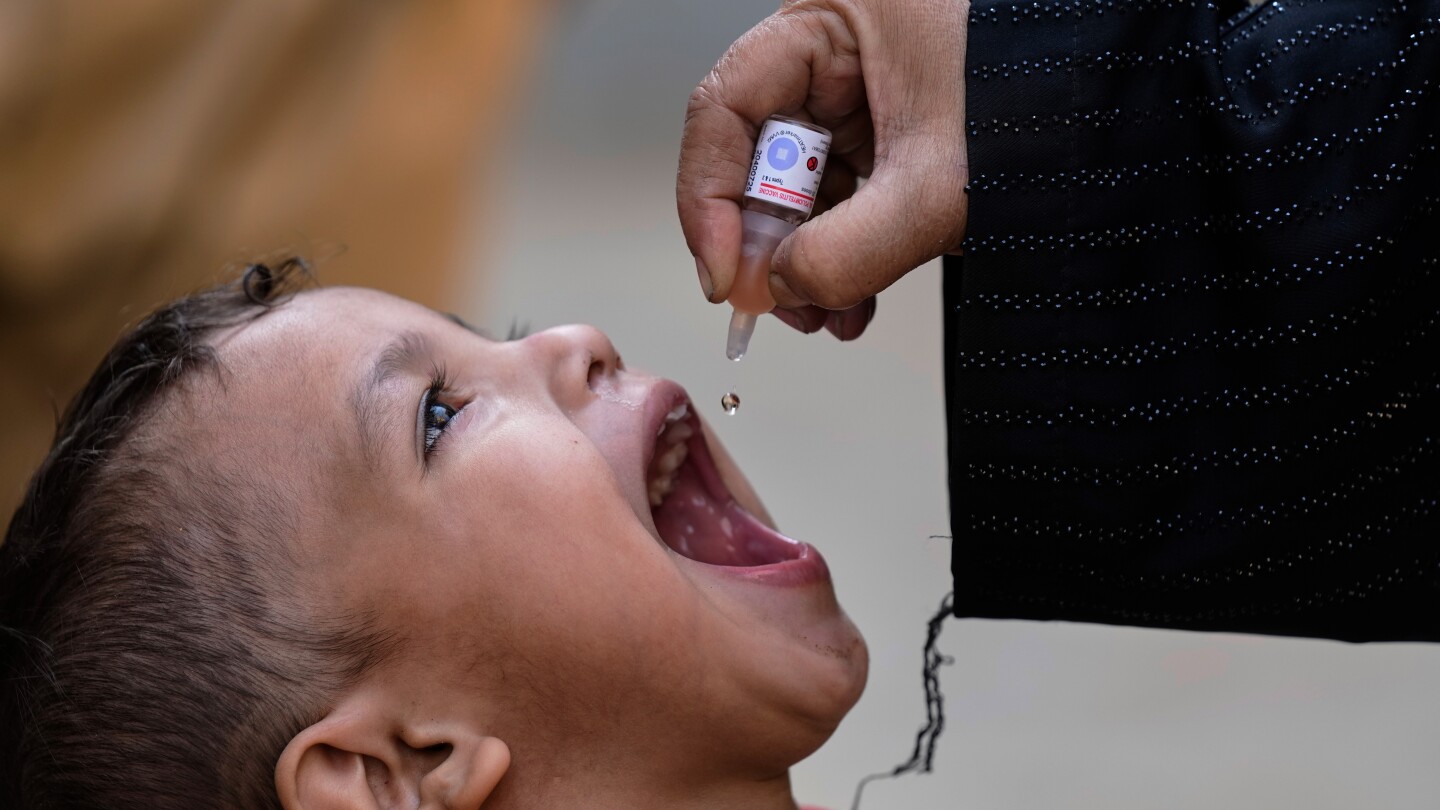
    ISLAMABAD — Pakistan’s national health authorities have announced a remarkable 59% reduction in polio cases for 2025, marking significant progress in the country’s prolonged eradication campaign. Official data reveals only 30 confirmed polio infections throughout the year, compared to 74 cases documented during the previous year’s reporting period.

    The encouraging statistics were released by the government-operated Polio Eradication Initiative following the conclusion of Pakistan’s final nationwide vaccination drive targeting approximately 45 million children. Anwarul Haq, Coordinator of the National Emergency Operations Centre for Polio Eradication, confirmed to international media that no fresh infections have been detected anywhere across the country since September 2025.

    This epidemiological achievement comes despite persistent security challenges that have plagued vaccination efforts for decades. Militant groups continue to target health workers and their security details based on conspiracy theories alleging vaccination campaigns represent Western plots to sterilize Muslim children. Since the 1990s, over 200 polio workers and protecting police officers have been killed in such attacks.

    Health authorities reported reaching over 98% of the target population during the most recent vaccination campaign. However, access limitations remain particularly acute in certain districts of the northwestern Khyber Pakhtunkhwa province, where security constraints and community resistance continue to hamper immunization activities.

    Pakistan and neighboring Afghanistan maintain the dubious distinction of being the world’s only remaining countries where wild poliovirus transmission persists. Health officials acknowledge both the substantial momentum gained and the lingering vulnerabilities in the decades-long eradication effort. While vaccination coverage has dramatically improved and case numbers have plummeted, low-level transmission in inaccessible regions continues to pose significant risks of resurgence.

    The government has announced plans to launch the first anti-polio campaign of the new year during February’s first week, maintaining continuous pressure on the virus through sustained immunization efforts.

  • China launches action plan on children’s health

    China launches action plan on children’s health

    China has initiated a comprehensive national strategy targeting the holistic wellbeing of its younger generation. On December 30, 2025, authorities unveiled a detailed five-year action plan specifically designed to confront the most pressing health concerns affecting children and adolescents across the nation.

    The ambitious initiative, jointly promulgated by the National Health Commission alongside twelve other governmental bodies, identifies five critical health domains requiring immediate intervention: childhood obesity, visual impairment from myopia, psychological health challenges, spinal development abnormalities, and dental caries.

    By the decade’s end in 2030, the program aims to achieve substantial reductions in pediatric obesity rates while simultaneously elevating the percentage of elementary and secondary students meeting national physical fitness benchmarks to a minimum of 60%. The strategy further prioritizes reversing the growing trend of myopia among youth while establishing robust mental health support systems, including mandating certified mental health professionals in all educational institutions.

    Educational establishments and guardians will receive specialized guidance to encourage physical activity, alleviate academic pressures, and promote proper physical posture. The program mandates universal spinal screening within school environments to safeguard musculoskeletal development.

    Concerning oral health, the initiative emphasizes preventive dental care education and establishes requirements for maternal and childcare centers to provide oral healthcare services for children under six years old. The plan institutes annual dental examinations for school attendees to combat tooth decay through early detection and intervention.

  • Controlling blood sugar cut heart disease risk in half, says study

    Controlling blood sugar cut heart disease risk in half, says study

    A groundbreaking medical study has demonstrated that individuals who successfully reverse prediabetes by achieving normal blood glucose levels can reduce their risk of cardiovascular mortality and heart failure hospitalization by approximately 50% over two decades. The research, published in The Lancet Diabetes & Endocrinology on December 12, 2025, provides compelling evidence that early intervention for prediabetes yields substantial long-term cardiovascular benefits.

    The investigation represents a comprehensive follow-up analysis of two major diabetes prevention trials—the U.S. Diabetes Prevention Program (1996-2001) and a parallel study conducted in China. Researchers tracked participants for 20-30 years post-intervention, revealing that those who attained blood glucose remission within the first year of intervention experienced dramatically better cardiovascular outcomes regardless of whether they achieved normalization through intensive lifestyle modifications or pharmaceutical intervention with metformin.

    Approximately 11% of participants in the U.S. trial and 13% in the Chinese trial successfully reached normal glucose levels. Both cohorts demonstrated remarkably similar risk reduction patterns—approximately 50% lower incidence of fatal heart disease and heart failure hospitalization compared to those who maintained elevated glucose levels. This protective effect persisted even after accounting for subsequent diabetes development and other confounding factors.

    Medical experts highlight the physiological mechanisms behind this protective effect: normalizing glucose levels reduces abdominal fat deposition, decreases systemic inflammation, and enhances insulin sensitivity—all critical factors in cardiovascular health. The findings challenge current clinical guidelines that primarily focus on delaying diabetes progression rather than actively pursuing glucose normalization.

    Despite the promising results, researchers acknowledge the practical challenges. The relatively low remission rates in both trials underscore the difficulty of achieving sustained glucose normalization. Contemporary experts speculate that newer therapeutic options, particularly GLP-1 receptor agonists that were unavailable during the original trials, might improve remission rates when combined with lifestyle interventions.

    The study reinforces that blood glucose management represents just one component of comprehensive cardiovascular risk reduction, emphasizing that maintaining healthy weight, proper nutrition, and regular physical activity remain essential complementary strategies.

  • From hospitals to health systems: How connected care will redefine GCC healthcare by 2026

    From hospitals to health systems: How connected care will redefine GCC healthcare by 2026

    The Gulf Cooperation Council (GCC) healthcare sector is undergoing a fundamental paradigm shift, moving from hospital-centric models toward integrated, digitally-connected care ecosystems. By 2026, regional healthcare excellence will be measured not by physical infrastructure alone, but through seamless connectivity between data systems, medical professionals, and patients.

    This transformation centers on operational excellence powered by digital integration. The ability to coordinate care across clinics, hospitals, diagnostic centers, pharmacies, insurers, and virtual platforms will determine overall healthcare outcomes, efficiency, and sustainability across the region.

    GCC nations are rapidly abandoning fragmented care models in favor of longitudinal patient data as the foundation of healthcare delivery. Electronic Medical Records (EMRs), interoperable health information exchanges, AI-driven clinical decision support systems, and digital diagnostics are converging to create comprehensive patient profiles. This technological integration enables physicians to transition from reactive treatment to proactive, evidence-based, and personalized care protocols.

    National platforms including Dubai’s NABIDH, Abu Dhabi’s Malaffi, and UAE-wide Riayati are already facilitating secure data exchange between public and private providers. These systems have evolved beyond pilot stages to become operational backbones of clinical infrastructure, enhancing care continuity while reducing duplication, errors, and treatment delays.

    Achieving connected care at scale demands significant operational maturity beyond technological implementation. This includes workforce optimization, capacity planning, insurance integration, and digitally-enabled workflows that minimize friction throughout patient journeys.

    The UAE demonstrates this operational shift through measurable progress. Dubai Health Authority reports indicate doctor numbers increased to 11,890 in 2022—a 10.2% year-on-year growth—with doctor density improving to 3.35 per 1,000 population. This expanded clinical capacity, combined with digital platforms, substantially improves specialist access and reduces waiting times.

    Hospital infrastructure management has also evolved, with providers maintaining optimal bed occupancy rates of 75% to balance utilization with surge capacity readiness—a critical capability given regional population growth and rising chronic disease prevalence.

    Mandatory health insurance has emerged as a crucial enabler of connected care ecosystems across the GCC. Near-universal insurance coverage in markets like the UAE has transformed healthcare access, affordability, and continuity. As systems mature, incorporating long-term residents including Golden Visa holders into comprehensive insurance frameworks will be essential for sustaining the shift from episodic treatment to preventive, value-based care.

    Uniform coverage enables healthcare systems to prioritize preventive measures and chronic disease management over acute interventions, strengthening risk pooling mechanisms and improving population health outcomes. By 2026, insurance data integrated with clinical systems will play a pivotal role in driving value-based care models where outcomes rather than volumes define success.

    In fully connected care models, operational efficiency directly enhances patient experience. Imagine cardiac patients whose wearable devices continuously transmit vital data to physicians, seamlessly integrated into EMRs. Virtual consultations supported by AI-driven trend analysis could lead to digital prescriptions fulfilled by online pharmacies within 30-60 minutes.

    This vision is already becoming reality across the UAE, supported by growing investments in telehealth, remote monitoring, AI diagnostics, and digital pharmacies. With GCC healthcare expenditure projected to grow from $109.1 billion in 2024 to $159 billion by 2029 at a 7.8% compound annual growth rate, innovation scale and pace will accelerate dramatically.

    Demographic changes make this transformation imperative. The UAE’s population is projected to reach 11.1 million by 2030, with residents aged 65 and above increasing from 1.1% to 4.4%. This aging population, combined with high non-communicable disease prevalence, demands continuous, coordinated, and cost-effective healthcare models.

    Connected care enables providers to manage chronic conditions more effectively, reduce hospital admissions, and support aging populations with dignity while maintaining system sustainability.

    By 2026, GCC healthcare leaders will be those who have mastered the operational choreography of connected care—where data flows seamlessly, clinicians collaborate effortlessly, and patients experience care as a continuous journey rather than isolated encounters. The region, led by the UAE, possesses both the vision and infrastructure to achieve this transformation, with execution refinement, stakeholder alignment, and digital-first clinical practice embedding representing the remaining challenges.

    The future of GCC healthcare will be built connection by connection rather than brick by brick—and that future is already taking shape.


  • Abu Dhabi becomes global first to administer Itvisma gene therapy

    Abu Dhabi becomes global first to administer Itvisma gene therapy

    Abu Dhabi has achieved a groundbreaking medical milestone by becoming the first global location to administer Itvisma (onasemnogene abeparvovec), an innovative gene therapy treatment for spinal muscular atrophy (SMA). The historic procedure was performed at Sheikh Khalifa Medical City (SKMC), operated by SEHA under PureHealth, with oversight from the Department of Health – Abu Dhabi (DoH).

    This revolutionary single-dose gene therapy, developed by pharmaceutical giant Novartis, received accelerated approval from UAE health authorities on November 25, 2025. The achievement positions the United Arab Emirates as the first country outside the United States to implement this cutting-edge treatment, demonstrating Abu Dhabi’s emerging leadership in advanced medical innovation.

    ITVISMA represents a significant advancement in genetic medicine, specifically designed to address the root genetic cause of SMA in patients aged two years and older with confirmed SMN1 gene mutations. Unlike conventional treatments that require ongoing management, this one-time therapy replaces the missing SMN1 gene to enhance motor function and potentially transform patient outcomes.

    Dr. Noura Khamis Al Ghaithi, Under-Secretary of DoH, emphasized the significance of this achievement: “By administering ITVISMA, we are proud to be among the first to provide this innovative treatment, further reinforcing our role as a leader and accelerator in advanced and innovative healthcare.”

    Bader Al Qubaisi, Chief Executive Officer at SKMC, highlighted the collaborative effort behind this medical breakthrough: “Delivering the world’s first ITVISMA treatment at SKMC is a testament to Abu Dhabi’s integrated healthcare ecosystem under the leadership of the Department of Health – Abu Dhabi.”

    This medical advancement signals a new era for regional healthcare accessibility, positioning Abu Dhabi as a emerging destination for cutting-edge medical treatments and establishing the UAE as a significant player in the global healthcare innovation landscape.