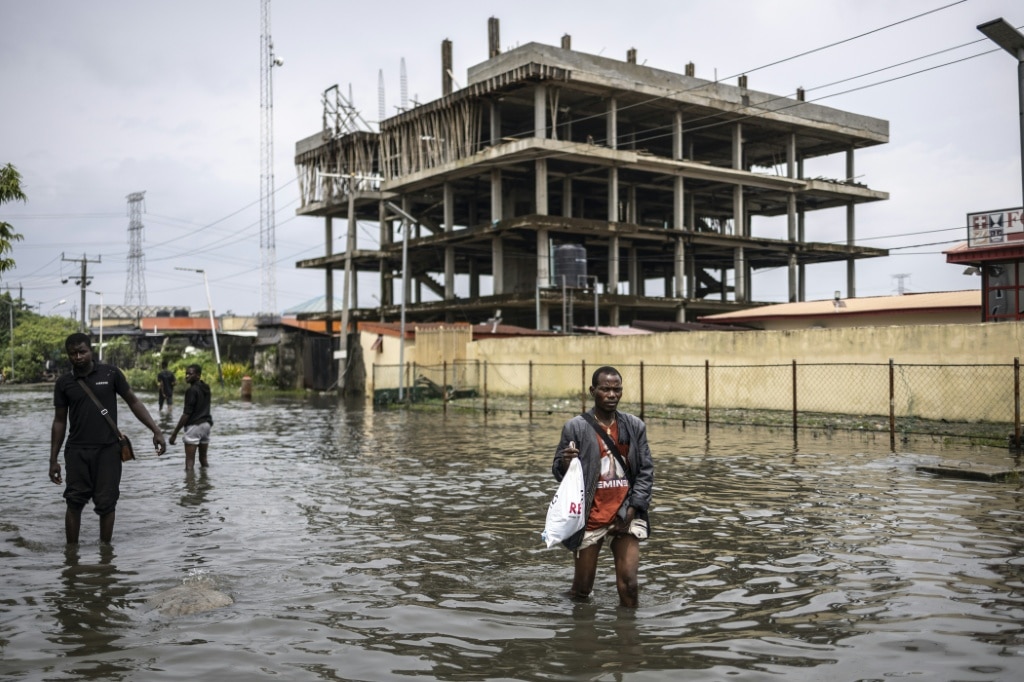
Nigeria’s bustling commercial hub Lagos, a low-lying coastal mega-city home to roughly 20 million people, is facing an escalating flood crisis driven by overlapping forces of climate change and uncontrolled rapid urbanization, experts and local residents confirm. The disaster, which has destroyed homes, religious spaces, and personal property across the city, has become an annual threat that grows more severe with each rainy season.\n\nThe crisis hit close to home for 42-year-old Samuel Akpan, a pastor at the Apostolic Church of Nigeria in Lagos’ upscale Lekki district. After hours of relentless overnight torrential rain swept through the region recently, Akpan spent the entire following day pumping floodwater out of his church parsonage. Inside the sanctuary, sodden chairs and waterlogged cushions sat piled in knee-high water that completely engulfed the building, while Akpan’s children’s ruined schoolbooks lay scattered across the waterlogged grounds. \n\nLagos’ natural geography already puts it at high risk: its entire coastal territory sits barely above sea level, with 180 kilometers of shoreline and a sprawling network of internal waterways. But scientists and environmental analysts say human-driven factors have turned periodic flood risk into a chronic emergency. The World Economic Forum lists Lagos as one of the world’s fastest sinking cities, dropping at a rate of up to 87 millimeters per year. This sinking is accelerated by two key urban trends: unregulated groundwater extraction to serve a booming population, and rising sea levels driven by global climate change.\n\nMore than half of Lagos’ households lack access to treated piped water, forcing most residents to drill private boreholes to access drinking water. This constant removal of groundwater disrupts the geological stability of the ground, worsening the city’s sinking rate. Meanwhile, Lagos draws thousands of new migrants from across Nigeria every day, all drawn by the promise of better economic opportunity. The United Nations estimates the city’s annual population growth rate at 6 percent, one of the fastest in the world. This rapid growth has spurred unplanned, widespread construction of residential, commercial, and industrial developments across previously undeveloped land — particularly in Lekki, which hosts a special free trade zone and is slated to host a new international airport. \n\nClimate data confirms that the risk is growing. Nigeria’s rainy season runs from May to November, and official forecasts show total annual rainfall has climbed well above the 2012–2022 average of 1,721 millimeters. Last year’s total rainfall hit 1,952 millimeters, and this year’s forecast projects between 1,650 millimeters and 3,030 millimeters. Scientific analysis also confirms that rainstorms hitting Lagos are now far more intense than they were just a decade ago. A late June extreme weather event that swept across West Africa, from Ivory Coast to Nigeria, killing roughly 100 people in flooding, was explicitly “supercharged” by human-caused climate change, according to World Weather Attribution, a global coalition of climate scientists.\n\nCompounding the natural and climate-driven risks are crippling infrastructure gaps and poor waste management. Indiscriminate dumping of plastic and solid waste clogs open drainage channels, preventing floodwater from draining into the Lagos Lagoon. It is common to see heaps of rotting garbage piling along sidewalks — garbage bins remain a rarity across most of the city — while discarded plastic bottles and bags float freely in waterways. Development has also destroyed much of Lagos’ natural flood defense: widespread destruction of coastal wetlands, unregulated land reclamation, and the replacement of permeable natural terrain with concrete and asphalt have drastically reduced the land’s ability to absorb excess rainwater during heavy storms. \n\n”Annual flooding in Lagos is caused by heavy rainfall, inadequate drainage, clogged gutters laden with debris, and fast urban growth that hinders natural water absorption,” explained independent environmentalist Olumide Idowu. Tokunbo Wahab, Lagos state’s top environmental official, echoed that assessment, noting that “illegal dredging and land reclamation” have created “significant environmental challenges” as the city struggles to accommodate its exploding population.\n\nThe crisis has sparked local controversy over the government’s flagship 700-kilometer Lagos-Calabar coastal highway project, which will connect Lagos to the city of Calabar near the Cameroon border. Many Lekki residents say construction of the highway has dramatically worsened flooding in their neighborhoods. “Water has never entered the house before,” said Babatunde Vaughn, a technology consultant whose apartment sits just 150 meters from the highway project. Vaughn noted the highway was the only major new development between last year’s rainy season and this year’s, adding “it didn’t flood this way” before construction began. \n\nBut Nigeria’s Minister of Works Dave Umahi and Hitech, the Nigerian construction firm building the highway, reject those claims. Umahi recently told residents that the highway actually acts as a buffer, protecting nearby communities from coastal flooding. \n\nEnvironmental advocates say many solutions to the crisis are readily achievable for the Lagos state government. Key recommendations include updating outdated building codes to reflect increasing rainfall risk, enforcing stricter regulation of unplanned urban development, and expanding and upgrading the city’s drainage network to handle heavier storms. For residents like Uche Adibua, a 46-year-old Okota resident whose apartment has flooded repeatedly since the start of this year’s rainy season, the new normal is untenable. “It is like we are under siege with the flood,” Adibua said. “It didn’t happen before.”
分类: environment
-
Living through sizzling temperatures in Banda, Indian town that is one of the world’s hottest
BANDA, India – In this small northern Indian town that has repeatedly claimed the title of the hottest place on Earth in 2024, heat does not fade when the sun sets. It lingers, thick and suffocating, through sweltering nights where temperatures rarely drop low enough to let residents recover from the day’s brutal warmth. Compounded by chronic, unreliable power outages that leave even basic ceiling fans useless for thousands of households, surviving each 24-hour cycle has become a daily test of endurance for Banda’s population, a stark example of how climate change is reshaping life for vulnerable communities across the globe.
Anthropogenic global warming, driven primarily by the burning of fossil fuels including coal, oil and gas, has supercharged heat waves across South Asia, making them more frequent, more intense and longer-lasting than historical averages. Banda, located in the populous northern state of Uttar Pradesh, sits among the regions most exposed to extreme heat risk. Just one year ago, a severe multi-day heat wave across the state claimed the lives of at least 119 people.
This year, the town has already hit 48.2°C (118.8°F) in May, marking one of dozens of occasions it recorded India’s highest daily temperature. According to Maximiliano Herrera, a climatologist and weather historian who specializes in tracking global extreme weather events, Banda ranked as the warmest location on the entire planet seven times in 2024, most of those instances falling in April. While temperatures have dipped slightly since the peak of pre-monsoon heat, the arrival of seasonal rains has pushed humidity to stifling levels, leaving little relief for local residents. In June, an Associated Press reporting team visited Banda to document how people navigate an average day of extreme heat across every hour.
### Early Morning: Working Through Sweltering Heat Before Temperatures Spike
When most of Banda is still asleep, 70-year-old vegetable market laborer Munni Devi and her four sons are already on the job loading and unloading produce. Even at 4 a.m., the thermometer already reads 30°C (86°F). Workers rush to transfer crates of tomatoes, jackfruit and other fresh produce from large delivery trucks to smaller carts for distribution to local neighborhood shops, moving quickly to finish the bulk of their work before midday heat becomes unmanageable.Devi says each year brings hotter conditions than the last, and 2024 has been the most severe she can remember. The physical labor of loading and unloading heavy crates is grueling in any weather, but during heat waves it becomes dangerous. Still, like most low-wage workers in the town, Devi and her family cannot afford to take a day off to avoid the heat. “Everyone feels the heat, but because of our circumstances, we have to bear it,” she explained.
Many local shoppers also wake early to finish their grocery runs before temperatures climb, keeping the market busy through the early morning. Devi and her sons work until lunchtime before returning home, but even there, relief is hard to find. Unreliable grid power means outages can stretch for hours at a time, leaving fans non-functional. To cool down her grandchildren, Devi sprays them down with a garden hose every single day. “If there is no power, even the ceiling fans don’t work. Sometimes there is no power for hours,” she said.
### Afternoon: A Local Activist Works to Shield Wildlife From Deadly Heat
By mid-afternoon, Banda’s paved streets bake under the relentless sun, and any resident who can afford to stay indoors remains inside to avoid exposure. Still, street vendors and auto rickshaw drivers remain out in the open, desperate to earn what extra income they can. For 70-year-old animal lover Shobharam Kashyap, this time of year brings non-stop work to protect local bird populations from the extreme conditions.Working out of a small home workshop, Kashyap builds handcrafted wooden birdhouses that he and a network of local volunteers install across the town. To date, the group has placed more than 15,000 birdhouses on tree trunks and building walls, giving wild birds a shaded, cool place to escape the midday sun. Kashyap paints most of the structures green, a color he says birds seem to prefer for nesting and resting. He also keeps full clay water bowls around his property and across nearby neighborhoods, giving birds access to fresh drinking water and a place to cool off.
The work, he says, carries on longstanding cultural traditions of caring for animals in Indian communities. “Our culture has long encouraged feeding birds. Women visiting temples traditionally offer rice. Neither the priest nor the deity consumes it — the birds do,” he explained.
### Evening: Surge in Heat-Related Illnesses Overwhelms Local Hospitals
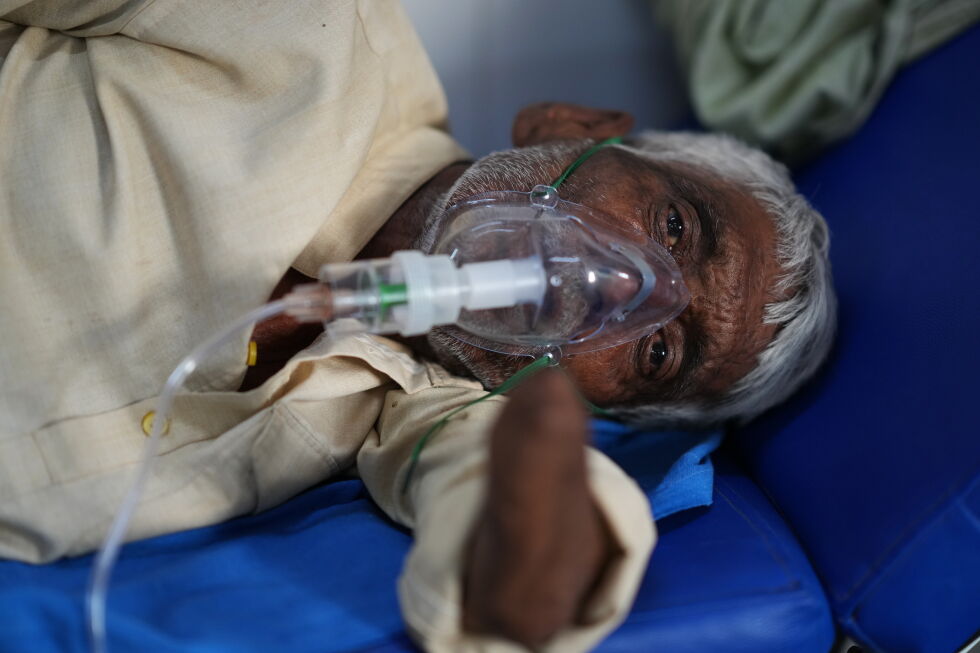
As day turns to evening, Banda’s main public hospital, one of the largest regional medical centers, sees a constant stream of patients suffering from heat-related illnesses. Cases ranging from minor heat exhaustion to life-threatening heatstroke fill waiting rooms and ward corridors, with patients packed shoulder-to-shoulder on benches while relatives fan sick family members with hand-cut paper. Medical staff move quickly between beds, delivering intravenous fluids to treat severe dehydration.Dr. Abhishek Pranayami, the hospital’s chief medical officer, says the facility sees a sharp uptick in heat-related patients every summer, and the caseload grows larger each year. Most patients are treated for dehydration, diarrhea, vomiting and abdominal pain — all conditions that become far more common as temperatures rise. While many patients recover within a few days, others require extended care, putting immense strain on the facility’s limited resources. “Pressure is quite high on us and the staff,” he said.
### Night: Residents Sleep in Public Spaces to Escape Stifling Indoor Heat
Even after the sun sets, Banda’s heat does not break. Young boys playing pickup cricket wrap their water bottles in old tattered cloth to keep the water cool for hours. For thousands of residents whose small homes have absorbed all day’s heat and lack consistent power for cooling, the only option to get any sleep is to seek refuge outdoors.Banda’s railway station has become a popular overnight spot for heat-weary residents. Its open concrete platforms and occasional passing breeze are far more comfortable than cramped, overheated homes. On any given hot night, dozens of people spread blankets across the station platforms to sleep, just feet from parked train cars. Some use backpacks or plastic bags as pillows, while flip-flops are piled inches from bare feet. Near the entrance, day laborers who cannot fit in the station spread blankets and even towels directly on the gravel shoulder, sleeping through the constant noise of passing vehicles and arriving passengers just for the chance at a cool breeze.
For parents with small children who cannot get comfortable enough to sleep, the station is a place to wait out the hottest part of the night, huddled around a smartphone to pass the time. This constant search for any bit of cool relief has become the defining experience of summer in Banda.
Climate experts explain that what Banda is experiencing is not just normal summer heat — it is a direct consequence of human-caused climate change shifting temperature norms across the globe. “While Banda has always been known for hot summers, what is changing right now is the intensity, the duration and the number of people exposed to dangerous heat conditions,” said Abhiyant Tiwari, a climate and health specialist with the New Delhi-based Natural Resources Defense Council (NRDC) India. He added that unrelenting overnight heat is particularly dangerous, as it prevents the human body from recovering from the stress of a full day of high temperatures.
Local government officials say they have taken steps to address the crisis: opening public cooling centers, distributing hundreds of thousands of oral rehydration salt kits to at-risk communities, and increasing monitoring of local hospitals during heat warnings. Banda District Magistrate Amit Aasery said authorities are also tracking groundwater levels, soil moisture and vegetation loss while working to expand access to clean water and raise public awareness of heat safety. But even with these interventions, Aasery acknowledged that local action can only go so much to counter a global crisis. “What is happening here is a global phenomenon,” he said. “It is because of climate change. We are the recipient of this.”
Reporting for this article was contributed by Sibi Arasu from Bengaluru, India, and Seth Borenstein from Washington, D.C. The Associated Press’ climate and environmental reporting receives funding from multiple private foundations, with AP retaining full editorial control over all content.
-
Orange haze from Canada wildfires seen in Ontario and northern US
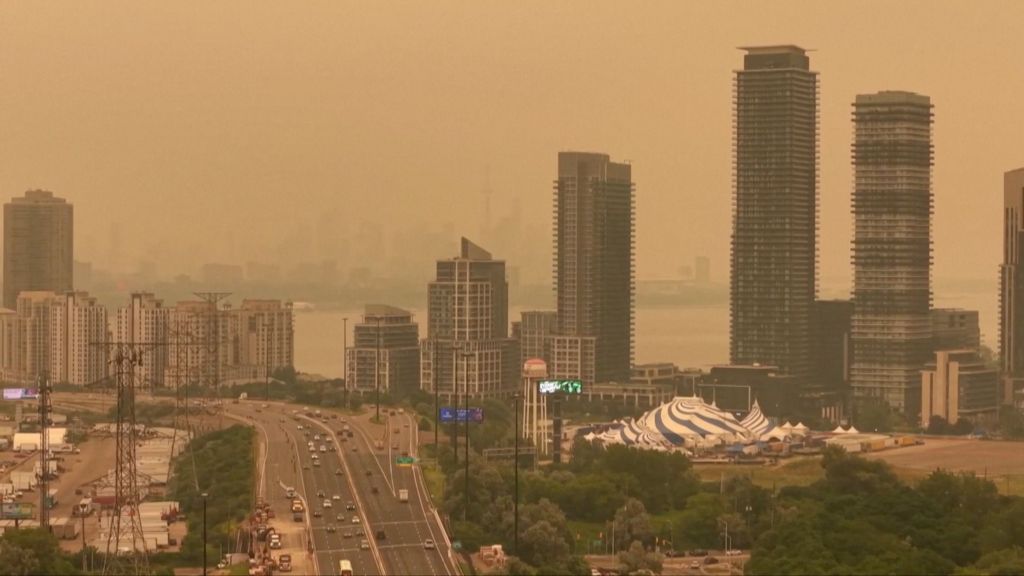
A thick, eerie orange haze has settled over populated areas of Ontario and swathes of the northern United States this week, carried by shifting wind patterns from a historic outbreak of wildfires burning across Canada. According to the latest official data from the Canadian Interagency Forest Fire Centre, a staggering 838 uncontrolled blazes are currently active across the North American nation, marking one of the most intense wildfire seasons recorded in recent decades. Many of these fires are burning deep in remote boreal forest regions, where rugged terrain and dry, windy conditions have made containment efforts extremely challenging for firefighting crews. The smoke plumes, propelled by upper-atmosphere wind currents, have drifted hundreds of miles south across the Canada-U.S. border, reducing air quality to unhealthy levels and turning daytime skies a dystopian orange in communities from Minnesota to upstate New York. Local health officials across affected regions have issued warnings urging vulnerable populations, including children, the elderly, and people with pre-existing respiratory conditions, to limit outdoor activity to avoid exposure to toxic fine particulate matter carried in the smoke. The widespread wildfire activity comes amid a longer-term trend of more frequent and severe fire seasons across Canada, linked to rising regional temperatures, prolonged drought conditions, and shifts in vegetation patterns that scientists have tied to human-caused climate change. While the current haze is the most visible impact for cross-border communities, the fires have already burned millions of acres of forest, forced thousands of Canadians from their homes, and caused significant disruptions to transportation and local economies across the country. Meteorologists note that wind patterns could shift in the coming days, potentially clearing the haze from some northern U.S. areas, but warn that as long as the hundreds of active fires continue to burn, smoke is likely to remain a recurring issue for both Canadian and American communities downwind.
-

Train ‘encased in flames’ in Canada wildfire
A shocking amateur video captured a harrowing moment this week, when a freight train and its crew became encircled by raging wildfire flames in rural northern Ontario, Canada. As the train pushed through a corridor of burning pine trees near the small community of Armstrong, one anxious crew member can be heard warning the situation was growing critical, saying “This could potentially overtake us here, this has gotten a little scary” as the team requested urgent emergency rescue. In a subsequent update, Canadian National Rail confirmed all crew members had been pulled to safety, though the company offered no additional details on the rescue operation, and has paused all rail traffic through the affected fire zone indefinitely.
This near-disaster is just one symptom of a far broader national wildfire crisis unfolding across Canada this season. Official data from the Canadian Interagency Forest Fire Centre puts the total number of active blazes nationwide at 838, with more than 100 of those burning just in Ontario, where multiple northwestern communities are already under immediate evacuation threat.
The scale of the fires has sent a thick plume of wildfire smoke drifting hundreds of miles south, turning skies an apocalyptic yellow across much of southern Ontario and triggering unprecedented air quality warnings. On Wednesday, Canada’s largest city Toronto woke to a thick haze that blotted out much of the sun, pushing the city to the top of IQAir’s ranking of the worst air quality among major global cities – outranking notoriously polluted centers including Kinshasa, Delhi, Dubai and Jerusalem. City officials responded by canceling all outdoor public viewing events for the Women’s World Cup semifinal between England and Argentina, and closing city-operated wading pools to prevent public exposure to toxic fumes. Toronto has also been grappling with a record-breaking extreme heat event this week, compounding public health risks for vulnerable residents.
Environment Canada has issued detailed public guidance on smoke-related health risks, noting that most people will experience mild symptoms including eye, nose and throat irritation, headaches and mild coughing, but that vulnerable groups including children, the elderly and people with pre-existing respiratory or cardiac conditions face a higher risk of severe reactions including chest pain, persistent wheezing and intense coughing. The agency urged anyone experiencing severe symptoms to seek emergency medical care immediately, and advised most residents to stay indoors with windows closed as much as possible.
Cross-border tensions are also rising as weather models forecast the smoke plume will continue drifting south into the United States over the coming days, raising concerns over air quality impacts for millions of Americans. The smoke will reach the Northeast as early as this weekend, prompting questions about how it will affect the Women’s World Cup final scheduled for Sunday in New Jersey. Already, 13 separate wildfires are burning in Minnesota, the U.S. state that shares a border with Ontario, sparked by a combination of record extreme heat, persistent drought and strong winds that have helped flames spread rapidly. Extreme heat warnings across Minnesota and neighboring Wisconsin are set to expire by Thursday night, but air quality issues are expected to linger for weeks.
U.S. emergency officials have moved to reassure the public that this event will not reach the scale of the 2023 Canadian wildfire event, when massive smoke plumes from Quebec blazes blanketed the entire U.S. East Coast for days, bringing air quality in major cities to hazardous levels. “At this time, current forecasts do not indicate a repeat of 2023 conditions,” New York City Emergency Management said in a public statement Tuesday. As a precaution, the city has announced it will distribute free KN95 masks at all public library branches across the city to help residents protect themselves from smoke exposure, should levels rise.
-

Dramatic video shows wildfire surround freight train in Canada
New dramatic video footage has emerged capturing a startling wildfire emergency in Canada, where an out-of-control blaze has completely surrounded a freight train traveling through the Canadian province of Ontario. The gripping visual content, which has spread rapidly across media platforms, offers a firsthand look at the growing danger of extreme wildfire events that are increasingly disrupting critical transportation infrastructure across North America.
In a statement issued to the British Broadcasting Corporation, Canadian National Railway (CN Rail), one of the largest rail operators in the country, confirmed that it has enacted an immediate pause to all rail services running through the fire-impacted region. The temporary suspension, implemented as a precautionary measure to protect both crew members and critical rail infrastructure from the advancing flames, remains in effect until wildfire management teams can confirm the area is safe for operations to resume.
This incident comes amid a rising trend of more intense and earlier-starting wildfire seasons across Canada, driven in part by rising temperatures and prolonged dry conditions that have turned large swathes of forested land into tinder. Wildfire officials have noted that this event highlights how unplanned natural disasters can quickly upend regular commercial activity, highlighting the growing need for infrastructure operators to adapt their emergency response protocols to a changing climate. As of the latest update, there have been no reports of injuries to rail personnel, though containment efforts for the surrounding wildfire are still ongoing.
-
Spanish authorities identify all 13 victims of deadly southern fire
Amid an ongoing extreme heat wave sweeping across Europe that has amplified wildfire risk across the continent, two major blazes have seen key updates in recent days: all 13 victims of a devastating wildfire that destroyed an expat community in southern Spain have now been formally identified by authorities, while French fire crews have successfully brought a major forest fire near Paris under control.
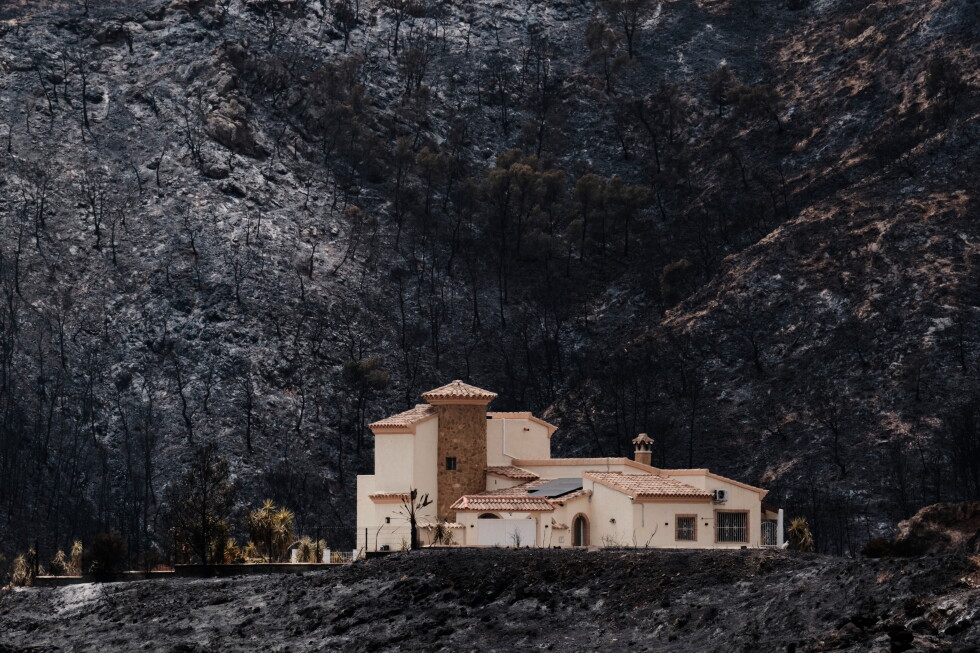
The fatal Los Gallardos fire, which tore through a remote residential area in southern Spain five days before the identification announcement, scorched roughly 70 square kilometers of mixed forest and agricultural land. Ranking among the deadliest wildfires to hit fire-prone Spain in recent years, the blaze left 13 people dead, all of whom were adults. Judicial authorities confirmed in an official statement on late Tuesday that DNA and biological testing had successfully matched remains to all missing people, closing the initial missing persons investigation.
Of the 13 victims, 12 were foreign nationals, spanning multiple countries: seven were British citizens (including a 93-year-old woman who succumbed to her injuries in a hospital after the blaze), three were Belgian, one was a French woman, and one was an American. The remaining fatality was a Spanish national. Demographically, eight of the victims were women and five were men. Initial official assessments had placed the number of missing people at 23, but all unaccounted-for residents have now been cleared, leaving no outstanding missing persons cases connected to the fire.
Across the border in France, another high-profile wildfire that broke out in the iconic, tourist-frequented Fontainebleau forest just south of the French capital has been fully contained by French firefighting teams, according to local officials. The blaze forced the evacuation of multiple nearby residential communities when it spread earlier, though crews managed to halt its expansion ahead of worsening heat. Firefighters are still working to extinguish small, isolated flare-ups across the burned area as of Wednesday.
The twin wildfire incidents come as Europe grapples with a dangerous combination of extreme heat, prolonged drought, and long-term climate warming. On Wednesday, temperatures across much of France hit exceptionally high levels, with local peaks reaching 39 degrees Celsius (102 degrees Fahrenheit). Météo-France, the country’s national weather service, has maintained warnings that the mix of record heat and parched, dry soil creates persistent severe wildfire risk across large swathes of the nation.
In Spain, the current extreme heat wave, paired with strong winds and near-absent rainfall over recent weeks, has created perfect tinder conditions that allow small ignitions to spread into large, out-of-control blazes rapidly. Long-term climate data underscores the growing risk facing the continent: the European Union’s Copernicus Climate Change Service confirms Europe is warming faster than any other continent on Earth, with average temperatures rising twice as quickly as the global average since the 1980s, a trend that is expected to continue increasing the frequency and severity of extreme heat and devastating wildfires across the region.
-

Record-smashing heat wave surges from West to eastern US, Canada
A historic, record-shattering heat wave driven by a persistent heat dome is pushing eastward across North America this week, placing more than 100 million people across the United States and Canada under official heat warnings and triggering dangerous wildfire and air quality risks across the continent. What began as an unprecedented heat event in the western U.S. has spilled over into densely populated regions of the East Coast, Mid-Atlantic and southern Canada, following a pattern scientists link directly to fossil fuel-driven climate change.
By Tuesday, the heat dome had already toppled long-standing all-time temperature records across western states. Billings, Montana hit 111 degrees Fahrenheit (44 degrees Celsius), breaking its previous record by three full degrees, while Salt Lake City, Utah reached 109 degrees Fahrenheit, topping its old benchmark by two degrees. While extreme heat and dry conditions remain locked in the Mountain West, the mass of high pressure is now moving toward populated eastern corridors that already saw deadly brutal heat earlier this month, stretching from Virginia up through New England and into Canada’s most populous regions including Ontario and Montreal.
The U.S. National Weather Service projects that above-average, dangerous heat will reach the Northeast by Tuesday, with peak high temperatures hitting the region on Wednesday before spreading into the Mid-Atlantic. Major cities from Richmond, Virginia to Boston, Massachusetts will see highs climb into the upper 90s to near 100 degrees Fahrenheit, putting daily and all-time temperature records at risk of being broken. In Canada, the country’s capital Ottawa and largest city Toronto are both forecast to hit 100.4 degrees Fahrenheit on Tuesday, with the real feel temperature climbing even higher due to oppressive humidity.
The combination of unseasonable heat, dry conditions and trapped hot air has already exacerbated wildfire risk across North America. Fierce wildfires are burning out of control in southwestern Ontario and northern Minnesota, while smoke from hundreds of miles away blazed in northern Quebec and northwestern Ontario turned the sky over Montreal a hazy yellow by Tuesday morning. Environment and Climate Change Canada warned that the hot, stagnant air will degrade air quality across much of the region, pushing the national Air Quality Health Index into high-risk categories that threaten vulnerable populations. While cooler temperatures are expected to reach eastern regions by the end of the week, the heat dome will remain anchored over the U.S. Mountain West for the entire remainder of July.
Meteorologists explain that heat domes form when large areas of high pressure trap sinking air near the surface, preventing cloud formation and precipitation and allowing heat to build steadily over days or even weeks. While heat domes are a naturally occurring climate phenomenon, climate scientists emphasize that modern extreme heat events like this are directly amplified by decades of fossil fuel emissions that have warmed the planet.
“We know that heat domes are, of course, a natural part of the climate system,” said Marc Alessi, a climate scientist at the Union of Concerned Scientists, during a recent briefing. “But the climate system now is fundamentally different due to fossil fuel-driven climate change. Our atmosphere is much warmer. Our oceans are much warmer. They’re releasing a lot more heat into the atmosphere, and this heat dome is an example of what fossil fuel-driven climate change looks like.”
A recent analysis from the international research group World Weather Attribution found that the extreme heat and humidity that hit the East Coast earlier this month, timed with the U.S. 250th Independence Day celebrations, would have been “virtually impossible” to occur without human-caused climate change.
Scientists also note that a developing “super” El Niño in the equatorial Pacific Ocean is adding additional pressure that is amplifying the current heat dome. Record-warm sea surface temperatures in the central Pacific are shifting the paths where tropical storms form and release energy, which in turn distorts the jet stream over the western U.S. and allows hot high-pressure air to become trapped near the surface. U.S. climate forecasters project that this El Niño will peak between October and December of this year at potentially record-breaking intensity, with the largest temperature impacts following in 2027. When combined with long-term human-caused climate change, the previous El Niño event helped make 2023 the second-hottest year on record globally, and 2024 the hottest year ever recorded.
-
Seven Britons among those killed in Spain wildfires
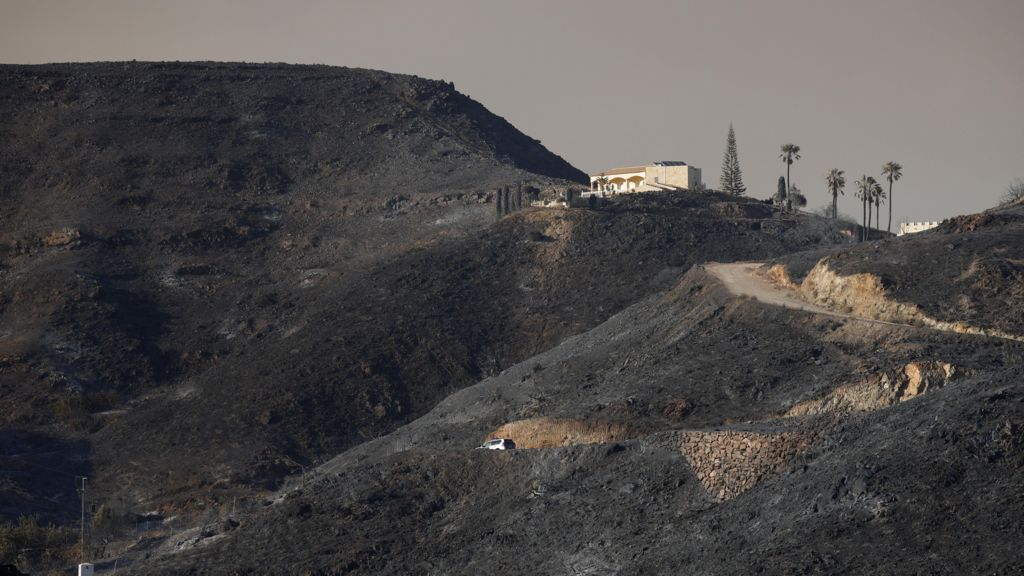
A devastating wildfire that swept through southern Spain’s Almería province last week has become one of the nation’s deadliest on record, with authorities confirming that 12 of the 13 people killed were foreign nationals. Following the completion of full post-mortem examinations on all victims on Tuesday, Spanish officials released the full breakdown of nationalities: seven of the deceased were from the United Kingdom, three were Belgian citizens, one was French, one was American, and the 13th victim was a local Spanish citizen. All 13 victims were adults, consisting of eight women and five men.
Among the British victims were Pete and Fran Gillam, a retired couple who resided in Bédar, the small village at the epicenter of the fire that bore the worst of its destruction. Their daughter Danielle Gillam-Kirton, based in Sheffield, confirmed the couple’s deaths in a heartbreaking Facebook post, writing that her family was “heartbroken to share that we have received confirmation from the police that Mum and Dad did not survive the fire.”
The blaze, which ignited last Thursday, has now been fully contained after scorching approximately 7,000 hectares — equal to 17,300 acres — of land across the province. Residents and first responders described the affected landscape as completely unrecognizable, with vegetation and property left entirely charred by the fast-moving fire.
The UK’s Foreign, Commonwealth & Development Office has confirmed it is providing consular support to the affected British families and remains in close coordination with Spanish law enforcement and emergency authorities to assist with next steps.
This deadly wildfire comes as Spain continues to face a growing pattern of extreme heat and catastrophic wildfire activity, driven by long-term climate shifts. In recent years, the country has been hit by increasingly frequent and severe heatwaves, with summer temperatures regularly climbing above 40 degrees Celsius, creating dry conditions that heighten wildfire risk across much of the Iberian Peninsula.
-

Authorities across country meet heat wave threat head-on
A relentless, extreme heat wave has descended across large swathes of central, western and northern China, prompting top national regulators to issue the country’s first national heat health risk warning of 2026 on Tuesday. The joint alert from the National Disease Control and Prevention Administration and the China Meteorological Administration has been matched by rapid, targeted action from local governments, which have rolled out comprehensive measures to mitigate heat-related public health risks, stabilize critical power infrastructure, and adjust tourism operations to protect visitor safety.
A broad group of regions have been classified as red alert zones, marking the highest level of heat-related health danger. These at-risk areas span central Hubei Province, north-central Hunan Province, central Guizhou Province, central and southeastern Chongqing, central and eastern Sichuan Province, southeastern Henan Province, southern Anhui Province, northwest Gansu Province, central Shaanxi Province, and sections of Inner Mongolia and the Xinjiang Uygur Autonomous Region.
Chongqing became one of the hardest-hit jurisdictions, with the city’s Meteorological Observatory issuing its first red heat warning of the year early Tuesday that covered all 31 of the city’s districts and counties. Forecasters project peak daily temperatures in the region will climb to between 40°C and 42°C. In response, Chongqing’s housing and urban-rural development commission has enacted strict mandatory safety rules for outdoor construction work: all exterior construction activities must be paused when daily high temperatures reach or exceed 40°C to prevent life-threatening heatstroke among workers. To expand free cooling access for local residents, 44 decommissioned civil air defense facilities across 11 Chongqing districts have been converted into public cooling shelters and opened at no cost.
Neighboring Hubei Province issued a provincial-level orange heat warning Tuesday morning, with forecasts calling for temperatures to surpass 40°C in parts of Shiyan, Enshi and Yichang on Wednesday. The sustained extreme heat has triggered a dramatic spike in electricity demand as residents run air conditioning and other cooling systems. By 2 p.m. Tuesday, the total load on Wuhan’s power grid hit an all-time record of more than 18.3 million kilowatts, though local power providers confirmed that supply remained stable and adequate to meet demand. State Grid Wuhan Power Supply Company projects the city’s peak summer power load could climb above 19 million kilowatts before the heat wave eases.
Anhui Province is bracing for a unique mix of extreme heat paired with intermittent heavy rainfall over the coming days, according to provincial meteorological forecasts. By 3 p.m. Tuesday, local weather agencies across Anhui had already issued 41 separate heat alerts, with Qingyang and Jingxian counties upgrading their warnings to orange level, signaling expected highs above 37°C within a 24-hour window.
Across all heat-affected regions, officials have put in place social safety and public health protections: mandatory heat allowances are being distributed to workers required to perform their duties in high temperatures, particularly outdoor laborers. Hospitals have established fast-track green channels specifically for heatstroke patients to speed up access to urgent care, while local community health centers are running targeted public education campaigns focused on high-risk groups: the elderly, children, and outdoor workers.
As rising temperatures drive increased demand for cool getaways, tourism authorities have also implemented new safety protocols to protect visitors. In Dunhuang, Gansu Province, the popular Mingsha Mountain and Crescent Spring Scenic Area has deployed a dedicated professional emergency rescue team that can reach any ailing visitor anywhere in the site within 10 minutes, according to Zhao Suling, manager of the scenic area’s tourist center. In Xi’an, Shaanxi Province, regional tourism officials have advised all scenic spots to adjust public visiting hours, launch early-morning and after-dark entry programs, and reschedule open-air performance events to avoid the hottest parts of the day.
-
Another heatwave hits parts of US and Canada
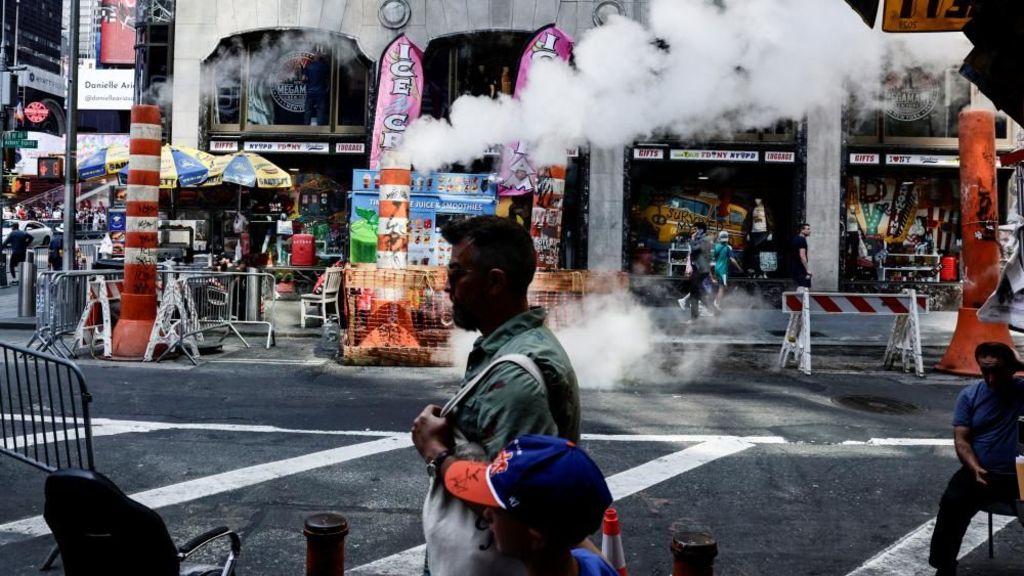
Millions of residents across the United States and Canada are grappling with a second consecutive extreme heatwave this month, bringing soaring temperatures, stifling humidity and hazardous air quality to vast swathes of North America.
The scorching conditions, which first settled over the region on Tuesday, are forecast to hold steady through Wednesday for major population centers in southern Canada, the U.S. Midwest and the U.S. Northeast. Millions of people across major cities including Boston, New York City, Philadelphia and Buffalo remain under official heat advisories through the end of the midweek period, while residents in western U.S. states have already endured multiple days of dangerous high temperatures.
Meteorologists trace the extreme heat to a sprawling upper-atmosphere high-pressure system, often referred to as a heat dome, that has been shifting steadily eastward across the North American continent. This dense mass of hot, moisture-heavy air has already shattered all-time temperature records across parts of Montana and Utah, and its eastward shift has now put the northern Plains, Midwest and Northeast in the path of the most intense conditions.
Forecasts call for Chicago to hit a high of 97 degrees Fahrenheit (36 degrees Celsius) on Wednesday, while New York City is expected to reach 100°F and Washington D.C. could see a high of 102°F. A handful of isolated locations are projected to climb even higher, with thick humidity pushing the “feels-like” temperature far above the actual air reading, amplifying health risks for sensitive groups.
In Canada, central and eastern regions have also baked under the heat, but an approaching cold front is expected to bring down temperatures over the coming days. However, this shift in weather will bring a new hazard: severe thunderstorms that will also impact parts of the U.S. New England region. By the weekend, these thunderstorms will spread across most of eastern North America, pushing the most dangerous peak heat out of the region, though most locations are still expected to see temperatures well above the seasonal average for mid-July.
This heatwave comes just two weeks after a historic, record-breaking heatwave coincided with the U.S. Fourth of July holiday, causing widespread disruption. Over 165 million Americans across the East Coast and Midwest endured dangerous high temperatures, the July 4 parade in Washington D.C. was canceled due to health risks, and official reports attribute at least 44 deaths across the country to that earlier heat event.
Climate experts emphasize that the increasing frequency of back-to-back extreme heatwaves is a direct consequence of human-caused climate change. Since the start of the industrial era, the global average temperature has already risen approximately 1.1 degrees Celsius, and scientists warn that temperatures will continue to climb unless major global economies implement steep, sustained cuts to greenhouse gas emissions.