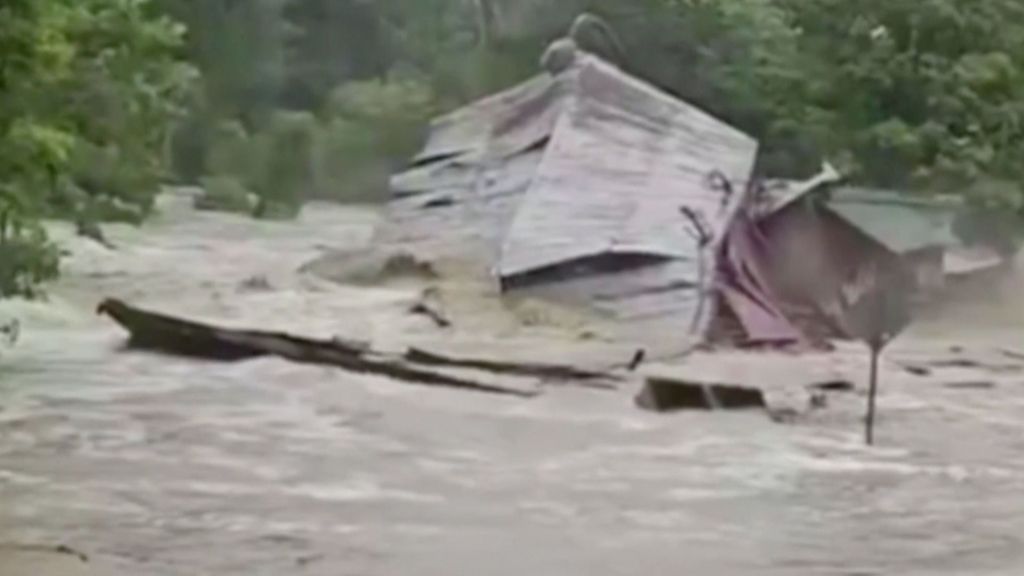
Destructive flash flooding has swept across multiple states in the U.S. Northeast, leaving a trail of damage in its wake. Whole structures have been destroyed by the surging, fast-moving floodwaters, while major and local roads have been completely submerged, bringing transportation across the region to a standstill. By Wednesday, official weather authorities had issued active flood alerts covering more than 10 million residents spanning the affected area. Emergency management teams have mobilized to conduct search and rescue operations, evacuate at-risk communities, and clear blocked transportation routes. Local officials have urged residents to avoid non-essential travel, heed evacuation orders, and stay updated on changing weather conditions as response teams work to assess the full scope of damage and begin recovery efforts.
分类: environment
-
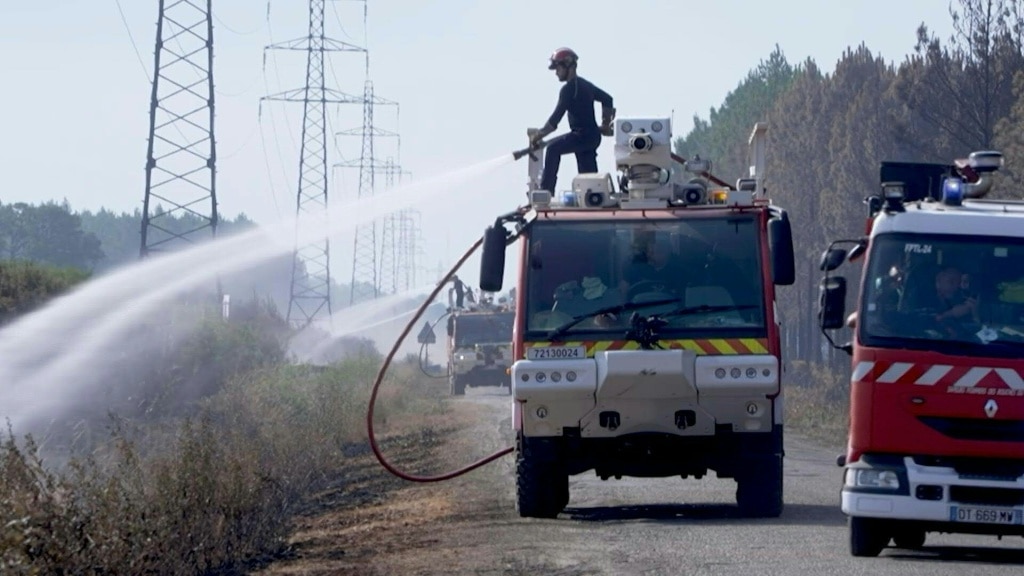
France, Spain eye wildfire reprieve as other blazes start up in Europe
As Europe enters one of its most devastating forest fire seasons in modern history, France and Spain reported tentative progress containing massive blazes on Thursday, even as new infernos ignited across the continent, bringing deadly consequences to Greece, Portugal, and Turkey.
Over the past week, extreme wildfire conditions have forced hundreds of thousands of people across the Mediterranean to flee their homes, among them A-list Hollywood actor George Clooney, his wife Amal Clooney, and their family, who were forced to evacuate their southern French estate earlier this week.
Climate scientists have repeatedly warned that this season’s unusually intense fire activity is directly tied to human-caused climate change. Rising regional temperatures have dried out vegetation across the continent, turning vast forested areas into tinderboxes that allow wildfires to spread faster and burn hotter than historical records indicate, drastically increasing the risk of extreme fire emergencies for European communities.In southwest France, more than 220,000 people have been evacuated from a massive wildfire burning west of Bordeaux that has burned more than 42,000 hectares of land — an area larger than the entire island of Malta. Fire officials reported Thursday that they are “reasonably optimistic” the massive blaze has stopped spreading, a boost from light overnight rain that dampened smoldering hotspots across the fire zone. Marc Vermeulen, chief of the regional firefighting service, noted that active hotspots had dropped from six to three since dawn, calling the development a “tipping point” in the week-long battle. However, crews remain on high alert for re-ignitions from embers that have persisted through previous lulls in fire activity.
To date, the Bordeaux fire has destroyed more than 200 homes and claimed the lives of two firefighters, who were trapped in their truck by rapidly spreading flames last week. For local residents, the disaster extends far beyond the active fire front. Nina Rosazza, who operates a metal factory in the Arcachon Basin near Bordeaux, called this the “start of the end of the fire” but warned it is only the “start of the crisis.” She added that the damage to local tourism, the natural environment, and the regional landscape will amount to a long-term catastrophe for the community.
Smaller active fires are still burning across other parts of southern France, including a blaze near Brignoles that forced the Clooney family to evacuate their property on Wednesday. In a letter shared with the Brignoles mayor, the couple shared that they did not yet know if their home would survive the fire, but emphasized that they are part of the local community and are committed to helping rebuild the area once the threat passes.Across the border in Spain, Prime Minister Pedro Sanchez announced Thursday he was lifting the state of emergency declared for a major wildfire that threatened communities near the capital, Madrid. Regional officials confirmed that the fire no longer has any active burning fronts, allowing most of the more than 60,000 people evacuated during the peak of the crisis to return to their homes. However, the country continues to face extreme fire risk: in the western Avila region, an inferno that has been burning since last week has already burned 50,000 hectares of land, making it the largest wildfire recorded in Spain since official record-keeping began in 1961. A new heatwave sweeping across Spain this week has prompted official warnings that dry conditions could reignite contained fire zones near Madrid. On Wednesday, a new wildfire broke out near the Spanish-Portuguese border in Fermoselle, forcing more than 600 local residents to evacuate immediately.
In Greece, the wildfire crisis has already turned deadly, with three firefighters killed while battling active blazes across the country. Two firefighters on the island of Crete were trapped when shifting wind patterns flipped the direction of a fast-moving fire, and a third collapsed and died while fighting a blaze on the Greek mainland near Gythelo. Prime Minister Kyriakos Mitsotakis warned that the country faces “difficult days” ahead as summer heat persists and the peak of the annual wildfire season gets underway. On Crete, a major overnight fire near the resort village of Agia Galini forced 8,000 residents and tourists to evacuate, with 300 firefighters deployed to contain two separate active blazes. Local mayor Maria Lioni said the fire is believed to have destroyed residential homes and killed livestock, but the full extent of the damage is still being assessed. Daniela Schmidt, an Austrian tourist on the island, told AFP she and her family were “quite scared” as flames swept across their part of the island overnight. The family was forced to evacuate straight from the beach, still wearing their bathing suits, because they could not return to their hotel to collect belongings.
In northern Portugal’s Valpacos region, nearly 800 firefighters are working to contain a rapidly spreading forest fire, according to the country’s civil protection service. Five people have suffered minor injuries in the fire, including three firefighters and one police officer.
In Turkey, firefighting crews are battling active blazes near some of the country’s most popular tourist destinations, including the coastal region of Antalya and the Dardanelles strait. Agriculture Minister Ibrahim Yumakli reported that 105 of the 110 wildfires that ignited across the country in recent days are now contained, with only five active blazes remaining. Turkey’s forestry agency said it is running intensive ground and air firefighting operations along the country’s fire-prone coastal corridor, stretching from Antalya to Alanya and from Mugla to Fethiye.
-

George and Amal Clooney flee French home due to wildfire
As record-breaking wildfires continue to sweep across France, forcing mass evacuations and burning thousands of hectares of forest, one of the country’s high-profile celebrity properties has found itself in the path of danger. Hollywood A-lister George Clooney and his wife, prominent human rights attorney Amal Clooney, have voluntarily evacuated their sprawling private estate near the southeastern French town of Brignoles after a fast-spreading wildfire ignited in the area Wednesday evening.
The evacuation comes amid a devastating week for French firefighting teams, who have been working around the clock to contain what are already being called the worst wildfires the nation has seen in modern history. The largest of the active blazes, located in southwest France, has already destroyed more than 42,000 hectares of land – a total area that exceeds the geographic size of the major U.S. city of Detroit. The Brignoles blaze, while smaller in scale, has already burned 130 hectares of land and forced more than 600 local residents to leave their homes, though most were permitted to return to their properties by Thursday.
The Clooney family, who share 9-year-old twins, own the 170-hectare Domaine du Canadel estate near Brignoles. The property includes a historic 18th-century manor house, a natural pond, a swimming pool, and working vineyards. Local authorities confirmed Thursday that the couple was not under a mandatory evacuation order, but chose to leave the estate as a proactive safety precaution as the fire advanced closer to their land.
In a statement shared with Brignoles mayor, which was later published by People magazine and verified as authentic by officials, the Clooneys shared their uncertainty about the fate of their home. “At this point we have no idea whether our beautiful home makes it through this terrible moment,” the couple wrote. They extended their primary concern to local residents, saying they hoped all of their neighbors remained unharmed and safe.
Reaffirming their ties to the local community, the pair added: “Amal and I are committed to making sure that whatever happens to our village, we are part of this community and we’ll be part of making it whole.”
As of Thursday, 270 firefighters remained on the ground battling the Brignoles blaze, supported by four water-bombing aircraft to slow the fire’s spread. Four firefighters have already sustained injuries while fighting the fire, according to official updates. Most of the 600 evacuated local residents have been allowed to return to their properties as containment efforts progress.
-

George and Amal Clooney evacuate French home amid wildfires
As sweeping wildfires tear through southern France, A-list actor George Clooney, his human rights attorney wife Amal Clooney, and their two young children have evacuated their countryside property in Brignoles, joining thousands of residents and tourists forced to flee advancing flames in the region.
The Clooney family purchased the sprawling Brignoles estate back in 2021, and just six months prior to the 2026 wildfire outbreak, the entire family officially became French citizens. In a heartfelt letter shared publicly with the BBC, George Clooney reached out to Brignoles mayor Didier Brémond to express the family’s concern for local residents and confirm their commitment to the community.
“As we evacuate Brignoles we want to emphasise two things: first we hope you and the people of our city are safe, and second that Amal and I are committed to making sure that whatever happens to our village, we are part of this community and we’ll be part of making it whole,” the letter read. “We have no idea whether our beautiful home makes it through this terrible moment, but we love Brignoles and our friends who live here.”
The Brignoles fire ignited in nearby forested areas this week, prompting local prefecture officials to order mandatory evacuation of at-risk neighborhoods by 8 p.m. local time Wednesday. While evacuated residents were permitted to return to their properties by 1 p.m. Thursday, local authorities maintained urgent warnings that dangerous conditions persist. Unseasonably high temperatures combined with forecasted afternoon wind gusts leave the landscape highly vulnerable to rapid fire spread, and officials have urged continuous vigilance across the region.
Long before the current wildfire crisis, George Clooney opened up about the family’s decision to relocate the bulk of their life to France from Los Angeles, explaining that the quieter rural lifestyle offered far more stability for their 12-year-old twins Ella and Alexander. “I don’t want them to be walking around worried about paparazzi. I don’t want them being compared to somebody else’s famous kids,” he told Esquire magazine in 2025. “We live on a farm in France. A good portion of my life growing up was on a farm, and as a kid, I hated the whole idea of it. But now, for them, it’s like – they’re not on their iPads, you know? They have dinner with grown-ups and have to take their dishes in. They have a much better life.”
This Brignoles evacuation is just one small part of a far broader wildfire emergency sweeping across Southern Europe. A record-breaking heat wave has turned large swathes of the continent into dry tinder, triggering hundreds of uncontrolled blazes across France, Greece, and Spain. To date, wildfires in France’s pine forest regions have forced more than 220,000 people to leave their homes and vacation properties. The largest blaze, burning in the Gironde region, has already destroyed more than 42,000 hectares (103,784 acres) of land, making it the most destructive wildfire in France since 1949. Officials reported this week that the Gironde fire has now been contained for three consecutive days, raising cautious optimism that its spread has been halted, with forecasted rain expected to further dampen hot spots on Thursday.
Neighboring countries are facing far deadlier conditions. On Crete, strong winds fanned an out-of-control blaze that forced thousands of residents to evacuate on Wednesday. Two Greek firefighters died after being trapped near the Crete town of Krya Vrysi, while a third firefighter was killed battling a separate blaze near the Peloponnese port of Gytheio. As European fire crews work around the clock to contain multiple outbreaks, officials across the continent have warned that climate change-driven heat waves will continue to increase the risk of catastrophic wildfires in coming years.
-
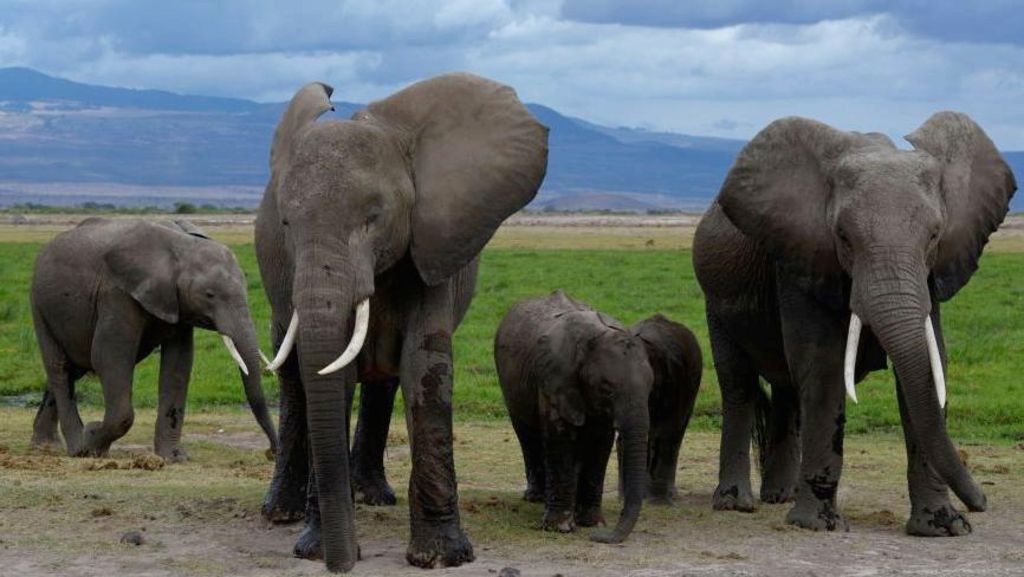
Pesticide-sprayed tomatoes suspected to have killed 15 elephants in Kenya
A tragic mass mortality event has sparked new conservation tensions in one of Africa’s most renowned elephant habitats, after 15 elephants were found dead outside Kenya’s Amboseli National Park in an incident linked to toxic pesticide contamination. Over a one-month period stretching from June 24 to July 24, 2026, all 15 animals succumbed after ingesting contaminated farm produce, according to preliminary findings from the Kenya Wildlife Service (KWS).
Early investigations revealed that the elephants, which wandered out of the protected park in search of food and water, likely consumed pesticide-sprayed tomatoes from nearby smallholder farms. Lab analysis of tissue samples taken from the elephant carcasses confirmed the presence of cyanide, matching the theory that the toxin came from agricultural chemicals. Ten of the elephants showed clear signs of paralysis before dying within 48 hours of first showing symptoms, while the remaining five were already deceased when rangers and local observers discovered their remains.
Surprisingly, wildlife officials have ruled out targeted foul play such as intentional poaching or deliberate poisoning at this stage of the inquiry, which remains ongoing. To calm public anxiety, KWS has also emphasized that the toxic substances found in the elephants do not pose an immediate public health threat to nearby human communities.
This incident has reignited long-simmering concerns about the steady expansion of agricultural activity into the Amboseli ecosystem, the 20,000-square-kilometer transboundary wildlife habitat that stretches across the Kenya-Tanzania border. The region, famous for its large elephant population coexisting with Maasai pastoral and farming communities, has seen growing human-wildlife conflict as farmland expands into traditional elephant migration routes. Elephants frequently wander out of the protected national park to access crops and scarce water resources, especially during dry seasons when natural food and water supplies within the park dwindle.
Conservation officials note this event marks the first time in decades that such a large number of elephants have died in a single incident in the Amboseli region, a area that has celebrated major successes in cracking down on elephant poaching in recent years. The 15 deceased elephants include individuals of multiple ages and both sexes, meaning the loss affects multiple family groups rather than being isolated to a single herd demographic.
As of 2025, population monitoring data from the non-profit Amboseli Trust for Elephants puts the total elephant population in the Amboseli ecosystem at over 2,000 individuals, a number that has stabilized after years of conservation investment. This mass mortality event has underscored the growing need for long-term solutions to reduce human-elephant conflict as human settlement and agriculture continue to encroach on critical wildlife habitat across southern Kenya.
-

Prague zoo keeps polar bears cool with ice cubes as European summer heatwave hits
As a record-breaking early heat wave bakes much of Central Europe, keepers at Prague’s leading zoological park have turned to a simple but effective solution: massive quantities of ice to protect their animal residents from dangerous extreme temperatures. On Thursday, as forecasts predicted peak temperatures would climb to 38 degrees Celsius (100.4 degrees Fahrenheit) by mid-afternoon, zoo teams rolled out ice beds across outdoor enclosures, giving heat-sensitive animals a much-needed escape from the sweltering conditions.
Among the first to take advantage of the cooling treat were 16-year-old polar bear twin brothers Aleut and Gregor. Born in Germany’s Nuremberg Zoo and now long-term residents of Prague, the pair immediately began rolling and playing in the beds of ice cubes, combining essential heat relief with an entertaining enrichment activity. “The bears cool off with it and at the same time it’s an enrichment of their life in the zoo,” explained Filip Mašek, the official spokesperson for Prague Zoo.
The ice cooling program is not a new initiative for the facility. Mašek noted that the zoo first launched the practice two years ago, a proactive adjustment to the growing impacts of climate change, which has steadily increased the number of extreme heat days across Central Europe each summer.
Of all the zoo’s residents, the polar bears have proven to be the biggest fans of the ice protocol. Though they have adapted to the region’s temperate European climate over their 16 years in the region, they still benefit greatly from the chance to mimic the cold Arctic conditions their species evolved to inhabit.
This year, the zoo’s original scheduling aligned with long-term seasonal patterns: the ice delivery and distribution plan was set to launch in July and August, the months historically marked by the highest summer temperatures in the Czech Republic. But shifting weather patterns driven by climate change upended that timeline. An unprecedented early heat wave hit Central Europe in late June, bringing the Czech Republic its hottest recorded temperature in history: 41.9 degrees Celsius (107.4 degrees Fahrenheit) on June 28.
The unseasonal extreme heat forced the zoo to roll out its ice program weeks earlier than planned, and officials say they will adjust their timeline for future years to account for the new normal of earlier heat waves. “The weather keeps surprising us,” Mašek said. “We’ve been taught a lesson,” he added, confirming ice will be prepped and ready for deployment much sooner in 2025.
While polar bears are the most enthusiastic users of the ice cooling program, they are far from the only animals that benefit. In previous years, the zoo has distributed ice treats to a range of species, including otters, elephants, and parrots. Gorillas have even received special blocks of ice with frozen fruit hidden inside, combining cooling relief with a foraging enrichment activity. For other species better adapted to warm temperatures, the zoo provides additional cooling options including access to shaded enclosures, indoor climate-controlled habitats, and shallow pools for swimming.
-
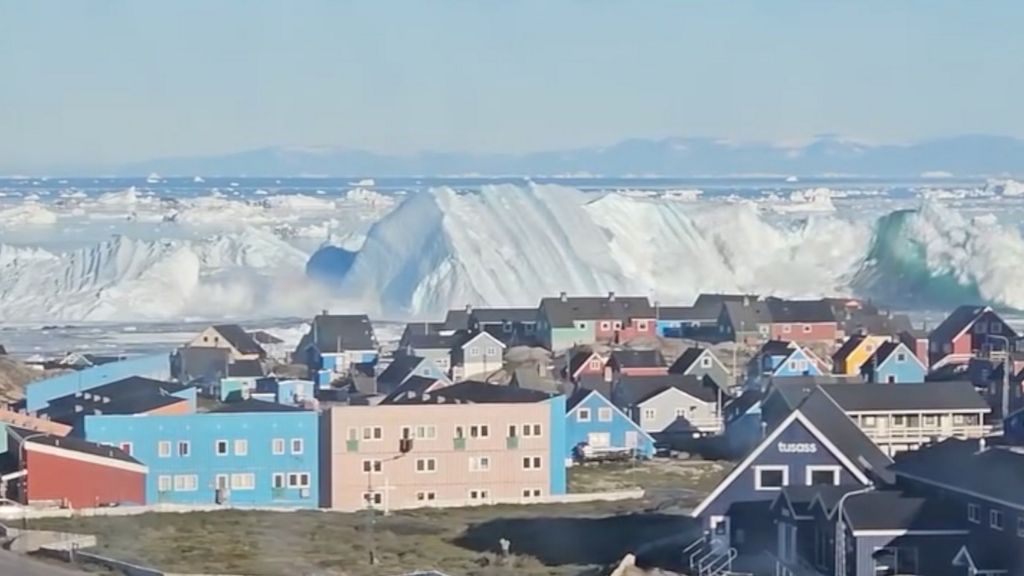
Watch: Giant iceberg turns over near Greenland’s coast
A stunning and alarming moment of climate change in action has been caught on camera, as a colossal iceberg flipped completely over in coastal waters near Greenland. The raw, eye-opening footage was recorded by a casual observer in the area, who happened to be in position to document the rare, dramatic event when the massive frozen structure shifted and collapsed. As the iceberg rolled, the sudden movement displaced enormous volumes of seawater, sending a large, churning wave surging across the nearby fjord. The video quickly spread across social media platforms after being shared, drawing widespread attention to the ongoing, rapid changes occurring to Greenland’s ice sheet amid rising global temperatures. Glaciologists note that iceberg calving and overturning are not entirely unusual events, but the increasing frequency of large iceberg break-offs in the region serves as a visible, tangible indicator of accelerating ice melt driven by anthropogenic climate change. Unlike steady glacier melt that occurs gradually and is often harder for the public to observe, a full flip of a giant iceberg creates an immediate, dramatic visual of how dramatically Arctic ice systems are shifting in response to a warming planet.
-
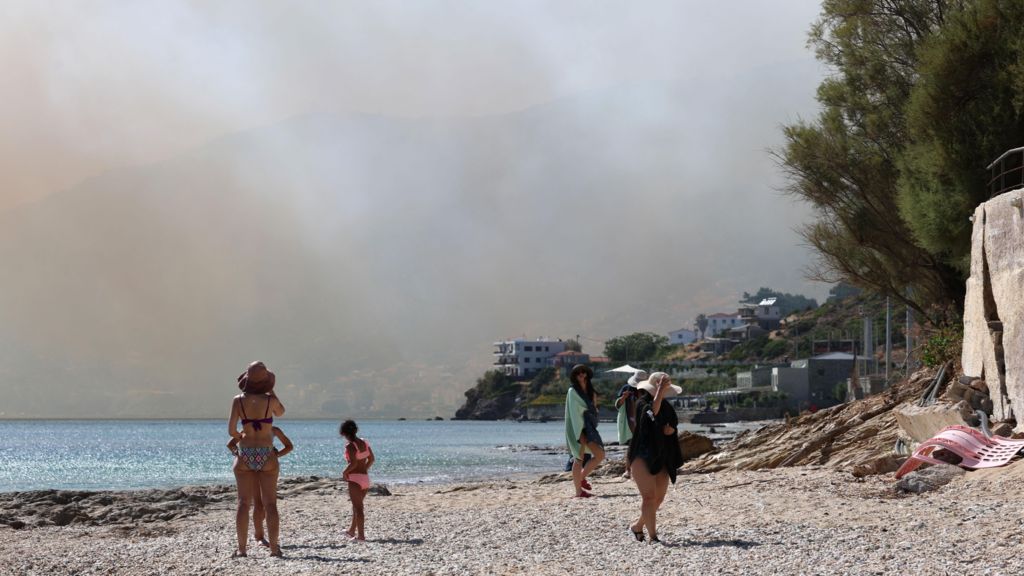
Thousands evacuated in Crete as European wildfires continue to rage
A devastating wave of wildfires fanned by hurricane-force winds has torn through Southern Europe, leaving three firefighters dead and forcing mass evacuations across multiple countries, with the popular Greek tourist island of Crete among the hardest-hit regions.
On the Greek island of Crete, roughly 8,000 residents and tourists were evacuated overnight from the Rethymno region, where an out-of-control wildfire that ignited Wednesday has expanded to a 15-kilometer active front. Wind gusts in the area have peaked at 125 kilometers per hour, reaching level 11 on the Beaufort scale, classified as violent wind. These extreme conditions have hampered suppression efforts, grounding aerial firefighting aircraft on Thursday morning and preventing crews from gaining the upper hand.
The disaster has already claimed three lives: two Crete-based firefighters, 58-year-old Emmanouil Stratidakis and 25-year-old Pantelis Diamantakis, who became trapped and died near Krya Vrysi, and a third firefighter killed near the Peloponnese port of Gytheio. The Greek Fire Service has issued official condolences, and the two fallen Crete firefighters are scheduled for burial Thursday.
As of Thursday, the full scale of property damage remains unconfirmed, though multiple residential structures and large swathes of agricultural land have already been destroyed by the blaze. Roughly 224 firefighters, supported by 53 ground engines, 11 specialized response units and two aircraft, have been deployed to contain the Rethymno fire. Evacuated civilians have been relocated to temporary emergency shelters in neighboring municipalities, with dedicated provisions arranged for visiting tourists who make up a large share of Crete’s mid-summer population.
Crete’s wildfire crisis is part of a broader outbreak of extreme heat and wildfire activity across the European continent, driven by long-term warming that has made the region the fastest-warming continent on Earth, according to data from the Copernicus Climate Change Service. Europe has warmed twice as fast as the global average, fueling more frequent, intense heatwaves, severe drought conditions, and catastrophic wildfire seasons.
The crisis extends far beyond Greece. In Spain, 600 people have been evacuated from a wildfire burning near the Portuguese border in Zamora, while a separate blaze in Ávila province has burned more than 43,000 hectares over the past week, making it the largest recorded wildfire in Spanish history. Fires near Madrid have stopped spreading, allowing thousands of displaced residents to return to their homes. Neighboring Portugal has reported five injuries from a fire in the eastern town of Valpaços.
In Turkey, hundreds of homeowners have been evacuated as wildfires spread across the region, but authorities report most blazes there have now been brought under control. In France, the country’s largest wildfire since 1949, which has destroyed 42,000 hectares of land in the Gironde region, has not spread for three consecutive days. Cooler temperatures and forecast rain for Thursday are expected to further help suppression efforts, though several southeastern French regions have been placed under orange heatwave alerts starting at midday local time.
Meteorological forecasts warn that the high-risk fire conditions currently concentrated in Southern Europe will shift toward central Europe over the coming week, with Greece and Turkey expected to remain among the most severely impacted regions.
-
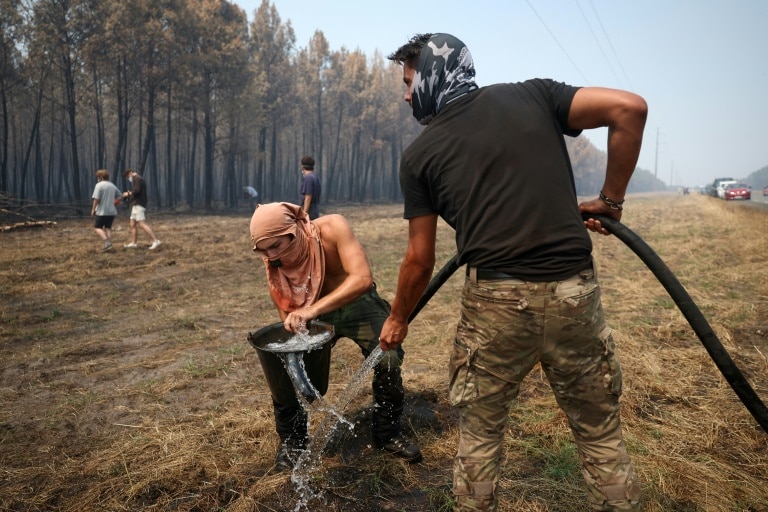
Rain dampens France fire, as Spain reports ‘almost no flames’
A week of catastrophic, record-breaking wildfires across Western and Southern Europe has entered a new phase this week, with favorable weather finally bringing relief to hard-hit regions in France and Spain, while emergency crews continue to battle out-of-control blazes in Greece and Turkey.
In southwestern France, near the iconic wine capital of Bordeaux, firefighters are breathing a tentative sigh of relief after days of raging flames that have already become the country’s worst wildfire event since 1949. Cooler temperatures and long-awaited rainfall reached the affected coastal pine forest region on Thursday, halting the spread of the massive blaze that has already consumed more than 42,000 hectares of land — an area larger than the entire U.S. city of Detroit. Thunder rumbled over the coastal town of Lege-Cap-Ferret on Thursday, with scattered raindrops falling across the fire zone, a sight welcomed by first responders stationed at the local command post set up in the town’s sports hall.
Regional firefighting authorities report they are “reasonably optimistic” that the worst of the emergency has passed, noting the blaze has not expanded beyond its existing boundaries since the weekend. Still, regional fire chief Marc Vermeulen emphasized that the battle is far from over: crews will need multiple days of sustained work dousing smoldering hot spots deep within the forest and along the fire’s perimeter to prevent the flames from flaring up again once drier, warmer conditions return. So far, the French blaze has forced more than 220,000 people — including vacationers staying at campsites and coastal bungalows, and permanent residents of the region — to evacuate, and destroyed roughly 240 residential properties.
For many local residents, the repeated trauma of climate-fueled wildfires has prompted permanent changes of plans. Kevin Montmartre, an Uber driver based in inland Bordeaux who has already been evacuated three times in recent days from his second home in the beach town of Andernos-les-Bains, told Agence France-Presse that growing wildfire frequency tied to climate change has made him rethink his property investment. “Honestly, I’ve talked it over with my wife, and if there’s another one in the coming years, we’ll sell the house,” he said as rain began to fall in Bordeaux.
Neighboring Spain, which has also faced some of the most extreme wildfire conditions in modern history, is also reporting major progress in containing its blazes. Authorities in the Madrid region announced Thursday that the large wildfire burning on the capital’s outskirts has not spread for several days, with only a small number of smoldering hot spots remaining and “almost no flames” left active. Since the fire began last Wednesday, it has burned 27,000 hectares of land and destroyed at least 100 homes, a toll that officials expect to rise as full assessments begin. By Wednesday, thousands of evacuees had already been allowed to return to their homes, with only around 1,000 people still displaced as of Thursday morning.
Further west in Spain, the Avila wildfire has already made history as the largest wildfire the country has recorded since national fire tracking began in 1961, having burned approximately 50,000 hectares of land to date.
While France and Spain see progress, emergency responders across other parts of Southern Europe are still working to contain fast-moving blazes. On the Greek island of Crete, a popular Mediterranean tourist destination, thousands of residents and visitors were evacuated late Wednesday as high winds pushed flames toward resort areas. The fire continued to rage on Thursday, and local official Maria Lioni confirmed that early reports indicate homes, agricultural infrastructure, and livestock have been lost, though full damage counts remain unavailable while the fire is still active.
In Turkey, officials report the country is currently battling at least 115 active wildfires across its territory, though crews have managed to bring 110 of those blazes under control. Thousands of volunteers have joined professional firefighting crews across the continent to support evacuation efforts, supply logistics, and fire suppression work.
-
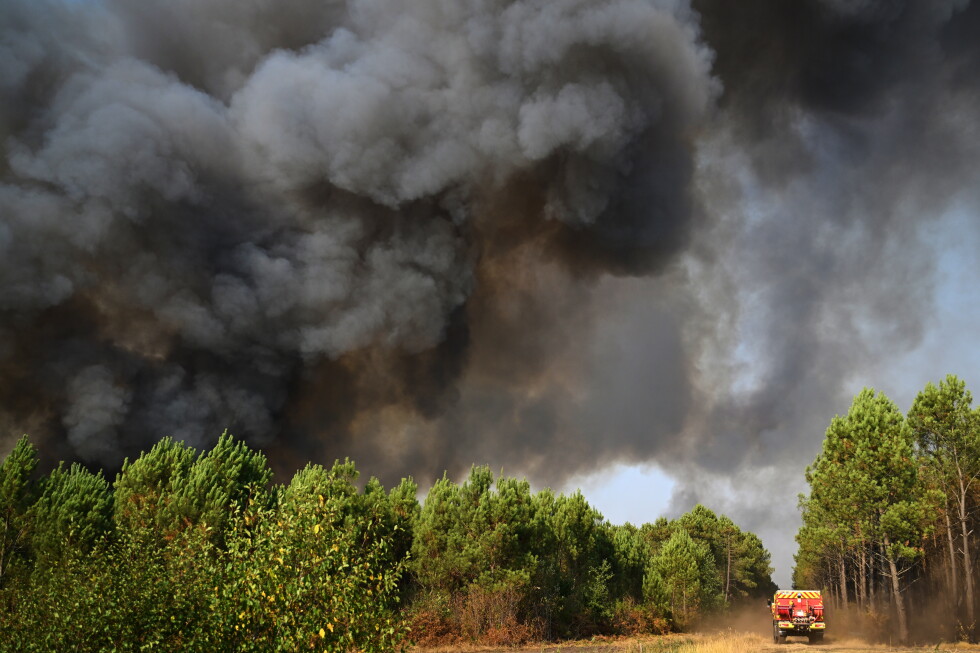
Cooler weather and potential rain move into the French region torched by wildfires
LEGE-CAP FERRET, France — A weeks-long wildfire crisis that has scorched more than 42,000 hectares of land in southwestern France’s Gironde region — an area four times larger than the entire city of Paris — may finally see some relief as shifting meteorological conditions bring cooler air, elevated humidity and predicted rain to the fire-ravaged Atlantic coast.