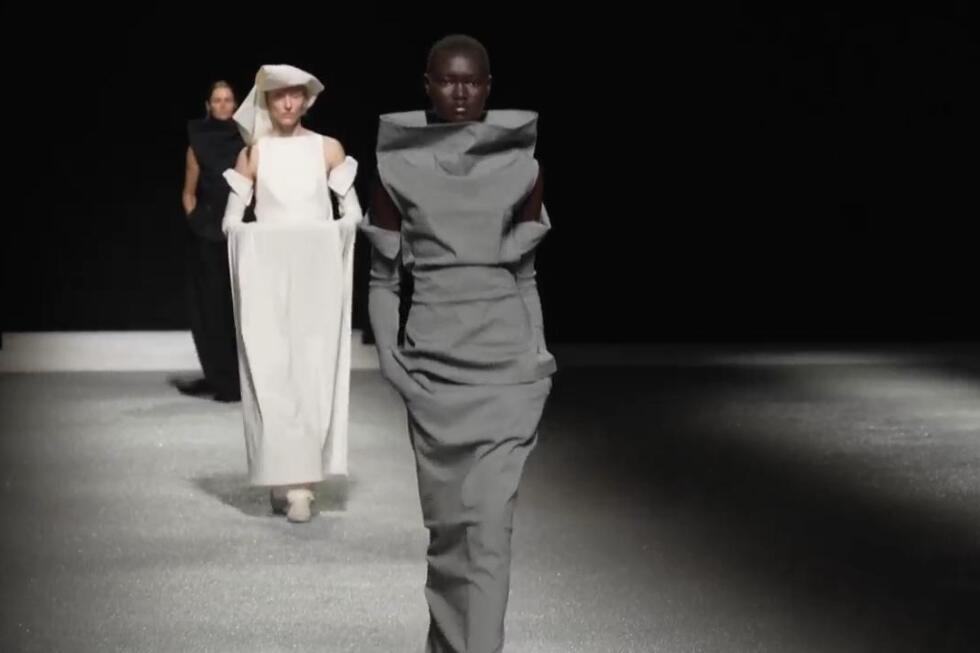
PARIS — Paris Fashion Week’s Fall 2026 collections have emphatically reinforced the city’s status as the global fashion capital, presenting a compelling fusion of celebrity power, innovative design, and substantive conceptual narratives. The event has become a dynamic platform where designers are exploring profound themes of empowerment, artistry, and bodily expression through their creations.
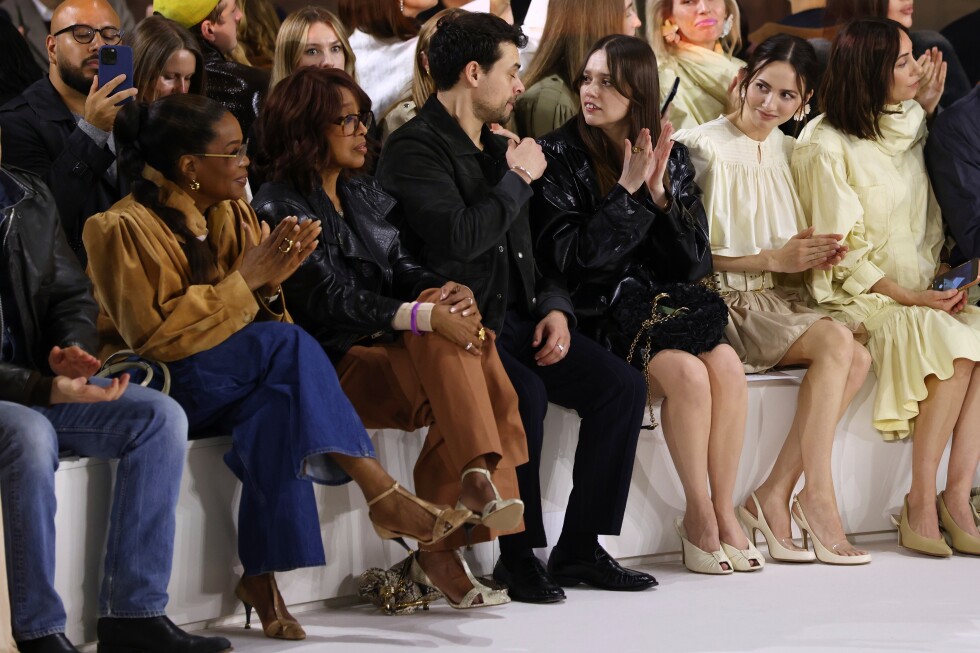
Celebrity presence reached extraordinary levels with Oprah Winfrey making notable appearances at both Stella McCartney and Chloé shows, while Sissy Spacek, Julia Garner, and Lil Yachty commanded attention in Loewe’s front row. This star power perfectly complemented the exceptional creative ambition displayed throughout the week.
Several dominant themes have emerged from the runways at the halfway point: intentional dressing, sartorial pleasure, and fearless self-presentation. These concepts are being expressed through six distinctive trend directions that are defining the season.
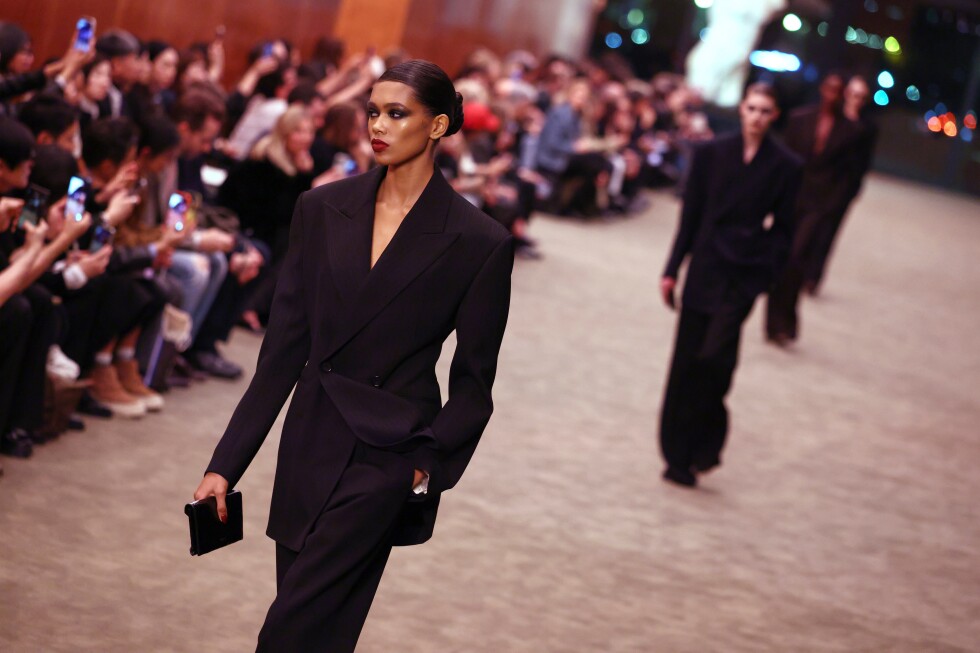
The tuxedo celebrates its 60th anniversary in women’s fashion with particular significance at Saint Laurent. Creative director Anthony Vaccarello, marking his tenth anniversary leading the house, presented a spectacular array of razor-sharp ‘Smokings’—the brand’s term for its iconic women’s tuxedo. These designs featured plunging necklines and elongated silhouettes that captured the same revolutionary spirit Yves Saint Laurent originally unleashed in the 1960s.
Vaccarello’s vision extended beyond eveningwear, incorporating the same sensual, body-skimming tailoring into daytime suits crafted from fluid pinstripe fabrics with minimal interlining. This approach championed the tuxedo silhouette as appropriate for all aspects of a woman’s daily life. While numerous Milanese brands presented strong black pantsuits this season, Saint Laurent’s interpretation remains uniquely positioned—sleeker, more precise, and richer in symbolic meaning.
The complementary element in Vaccarello’s collection was latex-stiffened lace, meticulously tailored into structured cardigan-like jackets and straight skirts. This was lace reimagined with structural integrity—assertive rather than delicate. Combined with smoky eye makeup, substantial gold jewelry, and slingback heels, the collection demonstrated the enduring potency of Saint Laurent’s design codes.
Body consciousness emerged as a major theme across multiple collections. Design collective Vaquera, led by Bryn Taubensee and Patric DiCaprio, staged a provocative presentation within a Paris church featuring strategically exposed skin through hip-cut trousers, leather pieces with intentional zipper placement, and references to fashion’s most boundary-pushing historical moments.
At Courrèges, Nicolas Di Felice developed his collection around a day-to-night narrative, tracing a woman’s journey from bedroom to nightclub with body-conscious cuts and geometric cutouts on pinafore dresses. Isabel Marant’s designer Kim Bekker embraced brevity and form-fitting silhouettes with micro-shorts, miniskirts, and slim leather pencil skirts.
Loewe’s creative directors Jack McCollough and Lazaro Hernandez continued their redefinition of luxury craftsmanship with their sophomore collection. The presentation delivered a sensory explosion featuring inflatable channels integrated into outerwear, sculpted shearling resembling prize-winning poodle fur, and latex cast in 3D-printed molds reimagining boudoir essentials. The venue was saturated in taxi yellow accompanied by pounding techno music, while stuffed sea creatures shared front-row space with Hollywood celebrities.
Inspired by artist Cosima von Bonin, the collection incorporated gingham accents and hand-painted floral prints. McCollough and Hernandez’s approach to craftsmanship deliberately diverges from designers who celebrate imperfection or visible handiwork. Instead, they pursue techniques so refined they eliminate any evidence of human intervention—leather jackets skived to feather-like thinness and fused so seamlessly they appear industrially manufactured. This represents a provocative inversion: exceptional skill masquerading as effortless production.
Fringe and textural elements emerged as significant trends across multiple presentations. At Carven, designer Mark Thomas established fringe as a signature element in his confident sophomore collection, incorporating fringed gloves, shaggy textures, and delicate mille-feuille panels that added movement and dimensionality to skirts and dresses. He layered gauzy organza with lace in wine and chocolate tones, creating a romantic yet purposeful wardrobe. Fringe manifestations have become one of the season’s most persistent subtle trends.
Courrèges under Di Felice has established itself as one of the week’s most consistent performers. His fifth-anniversary collection featured slim flared coats, A-line skirts, and vinyl knife-pleated into dresses—presenting a polished Parisian minimalism that has captivated both younger consumers and fashion critics simultaneously, a rare achievement in contemporary fashion.
Isabel Marant’s Bekker sent models racing down the runway in distressed denim, reversible statement jackets, and sparkling knitted minidresses paired with curved-heel pumps. The collection conveyed a rapid, social, and unabashedly fun atmosphere—evoking a woman moving between shows and parties at full intensity. Rich reds, cobalt blue, and Mondrian-style color blocking punctuated the denim-heavy color palette. Eveningwear incorporated disco influences through fluid sparkling dresses and high-slit satin skirts.