分类: entertainment

  • Oscar goes missing after Academy Award winner is blocked from taking it on flight

    Oscar goes missing after Academy Award winner is blocked from taking it on flight

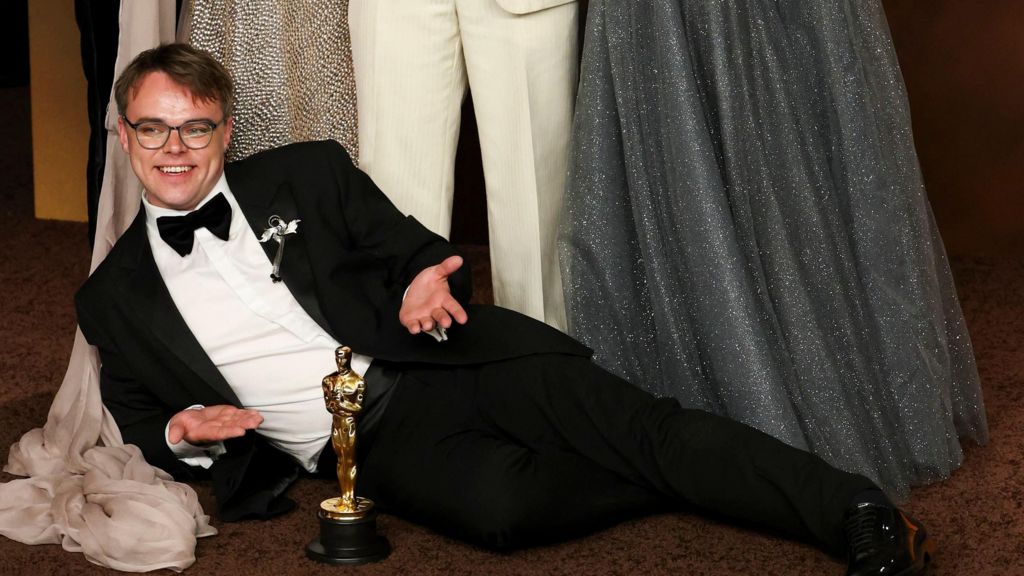
    A bizarre and worrying incident has unfolded in international aviation and entertainment, after Oscar-winning Russian dissident filmmaker Pavel Talankin lost his coveted Academy Award shortly after New York security officials barred him from bringing the statuette onto his flight as carry-on luggage.

    Talankin, who took home the 2026 Oscar for Best Feature Documentary for his work *Mr Nobody Against Putin* — a hard-hitting exposé of growing war propaganda in Russian state schools following the 2022 full-scale invasion of Ukraine — often travels with his award to bring it to public screenings and outreach events. Just before his fateful flight, he brought the golden statuette to a New York university event, where he let students view the award up close during a post-screening question-and-answer session.

    The filmmaker, who currently lives in exile in Europe for his safety after Russia banned his documentary and labeled it extremist propaganda, was traveling through John F. Kennedy International Airport on Wednesday for a Lufthansa flight to Germany. He kept his Oscar stored in his carry-on bag, as he had done on multiple previous domestic and international trips with both his Oscar and his recently won BAFTA award without incident. This time, however, Transportation Security Administration (TSA) officers stopped him, arguing that the solid 8.5-pound, 13.5-inch statuette could be repurposed as a dangerous weapon.

    Because Talankin did not bring any checked luggage for his trip, Lufthansa staff stepped in to pack the award securely in a box, using bubble wrap and packing tape, to be loaded into the aircraft’s cargo hold as checked baggage. But when Talankin touched down in Germany, the box holding his Oscar was nowhere to be found.

    In an official statement released after the incident, Lufthansa confirmed that its team is prioritizing the search for the missing statuette. “We deeply regret this situation,” the airline said. “Our team is treating this matter with the utmost care and urgency, and we are conducting a comprehensive internal search to ensure the Oscar is found and returned as quickly as possible.”

    Robin Hessman, executive producer of the BBC-backed documentary, told reporters that she assisted Talankin during the airport standoff over a speakerphone, as the filmmaker does not speak fluent English. She also pushed back on the TSA’s decision to bar the statuette from the cabin, saying in a pointed critique: “This wouldn’t have happened to Leonardo DiCaprio.”

    As of Thursday, neither the Academy of Motion Picture Arts and Sciences nor the TSA has issued an official comment on the incident. While each Oscar statuette only costs between $400 and $1,000 to manufacture, the award carries irreplaceable personal and professional significance for Talankin, whose work has already been censored and banned in his home country for its criticism of the Russian government’s war efforts.
  • Eurovision: 70 years of geopolitics, patriotism, music and glitter

    Eurovision: 70 years of geopolitics, patriotism, music and glitter

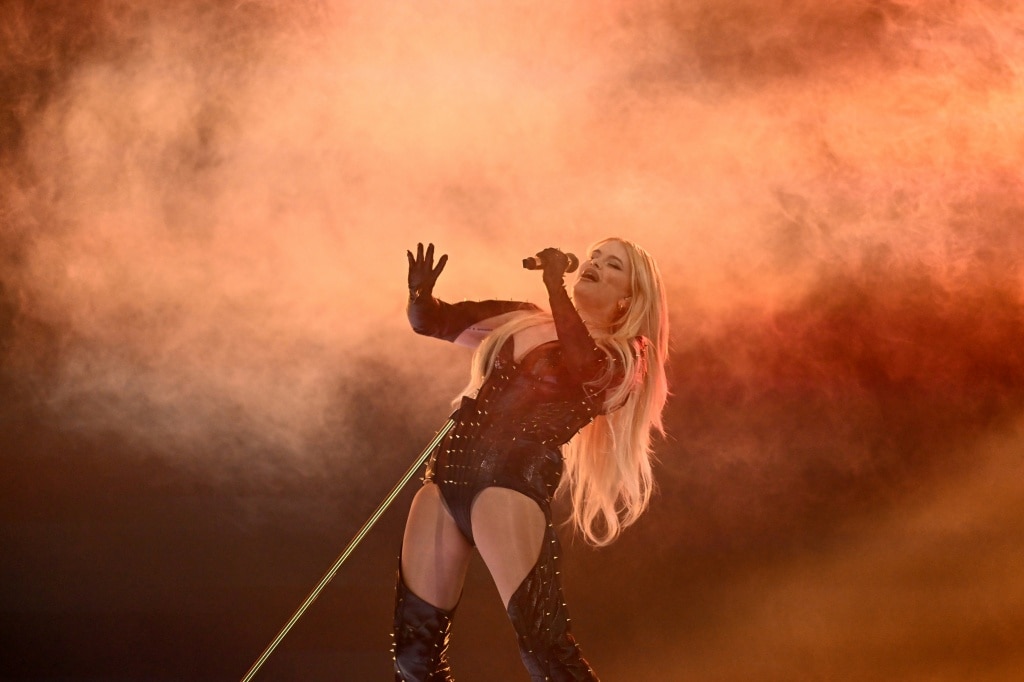
    For seven decades, the Eurovision Song Contest has stood as one of Europe’s most unpredictable and culturally resonant institutions, launching the careers of global superstars from ABBA to Celine Dion, embodying the dream of pan-European unity, and becoming an unlikely lightning rod for global geopolitical friction. Organized through public broadcasters across the continent and beyond, the annual competition has spent 70 years alternately captivating and confounding audiences around the world.

    As the contest prepares to host its 70th anniversary final in 2026 in Vienna, it faces ongoing tensions that threaten to overshadow the event’s signature flashy performances and celebration of national pride: multiple countries have already announced withdrawals in protest of Israel’s inclusion in the competition amid its ongoing military campaign in Gaza, continuing a pattern of geopolitical disruption that has shaped the event for decades.

    Geopolitical division has been woven into Eurovision’s identity from its earliest years. During the Cold War, the absence of Eastern Bloc nations mirrored the iron curtain that split the continent. In the 1960s, widespread protests erupted over the participation of fascist-ruled Spain under Francisco Franco and authoritarian Portugal under Antonio de Oliveira Salazar. The 1974 Turkish invasion of Cyprus led Greece to withdraw from the contest entirely, while modern tensions between Georgia and Russia, and the decades-long Nagorno-Karabakh conflict between Armenia and Azerbaijan, have repeatedly spilled over onto the Eurovision stage. Most recently, Russia was fully expelled from the competition in 2022 following its full-scale invasion of Ukraine — a year that ended with Ukrainian artist Kalush Orchestra taking home the grand prize.

    Beyond friction, the contest has also long served as a powerful force for European integration, particularly after it expanded to include former Eastern Bloc nations in the 2000s, according to Paul Jordan, a Eurovision expert at the University of Glasgow. Jordan notes that for former Soviet republics such as Estonia and Ukraine, participating in Eurovision has been a deliberate strategy to cement their national identities as part of modern Europe. ‘Certainly for Ukraine, it was all about showing themselves as an independent Western, European country’ while pushing back against Russian influence, Jordan explained in an interview with AFP.

    Galina Miazhevich, a researcher at Cardiff University, added that while countries often lean into distinct cultural, ethnic and linguistic markers to assert their national identity on the Eurovision stage, the competition has also fostered a unique blending of creative influences, seen in the rise of bilingual tracks and cross-cultural stylistic fusion.

    Eurovision has also emerged as a groundbreaking platform for progressive social change, decades before many mainstream cultural institutions embraced marginalized groups. In 1961, Jean-Claude Pascal took home the top prize with *Nous les amoureux*, a track widely interpreted as a coded ode to same-sex love at a time when homosexuality was criminalized across much of Europe. The contest continued to break barriers in 1998, when transgender Israeli artist Dana International won the whole competition, making history as one of the first trans artists to claim a major global cultural stage. In the years since, it has centered disabled artists, anti-colonial activism, and women’s rights advocacy through its performance lineup, even when those messages sparked controversy in participating countries.

    Beyond politics and social change, Eurovision has functioned as a one-of-a-kind launchpad for global music stardom. Ever since Swedish pop icons ABBA catapulted to international fame after their 1974 Eurovision win, the competition has kickstarted the careers of household names from Celine Dion to Italian rock band Måneskin. In the age of social media, artists do not even need to win to break through: Armenian singer Rosa Linn finished 20th in the 2022 contest, but her track *Snap* went viral on TikTok and Instagram, eventually climbing charts around the world.

    Today, Eurovision is firmly entrenched as a global cultural touchstone, with decades of performance archives racking up hundreds of millions of views on YouTube, and its reach extending even to the United States via the 2020 Netflix comedy *Eurovision Song Contest: The Story of Fire Saga*, led by Will Ferrell. This mainstream acceptance is a relatively new shift, however: Jordan noted that the contest was widely dismissed as uncool kitsch in Western Europe through the 1980s and 1990s, particularly after eastern European nations joined the competition. The turning point came in 2014, when Austrian bearded drag queen Conchita Wurst’s viral victory catapulted the contest back into global mainstream consciousness.

    While some performances still divide audiences — drawing criticism for being overly niche, vulgar, or baffling to casual viewers — the competition’s broad programming, which spans everything from pop and opera to rock, rap, folk and chanson, caters to a vast range of tastes. Even for viewers who do not enjoy the show, Eurovision remains an unavoidable shared cultural reference point, Jordan argues. ‘It’s a kind of cultural reference point that everyone has,’ he said. ‘We’re growing up with this television show. And I think there’s maybe this nostalgia in a way that there isn’t for other things.’

  • Venice Biennale jury resigns days before start of exhibition

    Venice Biennale jury resigns days before start of exhibition

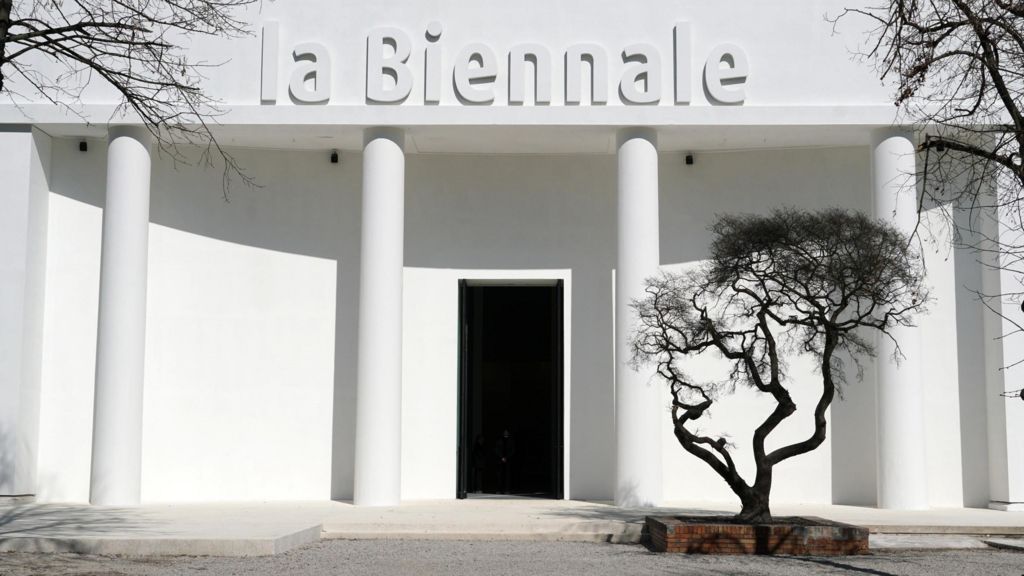
    Nine days before the launch of one of the global art world’s most prestigious annual events, the Venice Biennale has been thrown into unprecedented chaos after its entire five-person jury stepped down in protest over the decision to allow Russia and Israel to participate in the 2026 exhibition. The sudden mass resignation caps weeks of escalating tension sparked by the Biennale’s choice to welcome Russia back to the event for the first time since Moscow launched its full-scale invasion of Ukraine in 2022.

    In a short public statement announcing their departure, the jury clarified that their resignation aligned with a prior position they had taken: they would refuse to award any official prizes to participating nations whose leaders face active charges of crimes against humanity before the International Criminal Court (ICC). That standard covers both Russia, whose President Vladimir Putin has an open ICC arrest warrant alleging responsibility for war crimes in Ukraine, and Israel, whose Prime Minister Benjamin Netanyahu and former Defense Minister Yoav Gallant are also the subject of ICC arrest warrants connected to alleged crimes against humanity in the ongoing Gaza conflict. Moscow and Jerusalem have both uniformly rejected the ICC’s charges as illegitimate and baseless.

    The controversy over Russia’s return has roiled European political and cultural circles for months. Italy’s right-wing Prime Minister Giorgia Meloni acknowledged publicly that her government does not support the decision to allow Russia to participate, but stopped short of forcing a reversal, noting the Venice Biennale operates as an autonomous cultural institution with an independent leadership. A day before the jury’s resignation, a delegation from Italy’s culture ministry traveled to Venice to conduct an on-site review of arrangements for the reactivated Russian pavilion. Culture Minister Alessandro Giuli had already announced he would boycott the entire Biennale opening in protest of Russia’s participation, and Italian authorities are currently investigating whether the country’s readmission violates existing EU sanctions against Moscow.

    The European Union had already pulled a €2 million grant earmarked for the Biennale in April over the Russian participation decision, calling the move morally unacceptable at a time when Russia continues to target and erase Ukrainian cultural heritage amid its ongoing invasion. Over the course of the full-scale war, Ukrainian authorities have documented the destruction of more than 1,000 cultural sites, including hundreds of museums and galleries, the looting of tens of thousands of artworks, and the deaths of nearly 100 Ukrainian artists amid combat operations. For the Kremlin, returning to the Venice Biennale is viewed as a key step toward rebuilding the international diplomatic and cultural normalization it has actively pursued since 2022, even as daily fighting continues to claim civilian and military lives in Ukraine.

    The Biennale’s leadership has defended its decision to keep Russia in the line-up on two core grounds. The institution has long framed itself as an open space for global art that rejects censorship and exclusion of any participant. It has also noted that Russia holds full legal ownership of its dedicated pavilion in the Biennale Gardens, the main exhibition site, giving the institution no legal mechanism to bar the country from using the space. This is not the first time the Russian pavilion has seen disruption since the invasion: in 2022, the appointed Russian curator and all participating artists withdrew in protest of Putin’s war, leaving the space empty. For the 2024 edition, Russia allowed Bolivia to host its exhibition in the pavilion instead.

    This year’s Russian exhibition is scheduled to be a sound-based performance work titled *The Tree is Rooted in the Sky*, though multiple unconfirmed reports have suggested Italian authorities may restrict public access to the pavilion once the Biennale opens. Israel’s foreign ministry has already condemned the jury’s initial position excluding it from prizes, calling the move an example of dangerous political contamination of the international art community.

    In the wake of the jury’s mass resignation, Biennale organizers have canceled the traditional prize awarding ceremony scheduled for the May 9 inauguration. Instead of a jury-selected set of awards, the public will now get the opportunity to vote for their favorite national pavilions to receive popular recognition for the 2026 edition.

  • Britney Spears charged in California with driving under influence

    Britney Spears charged in California with driving under influence

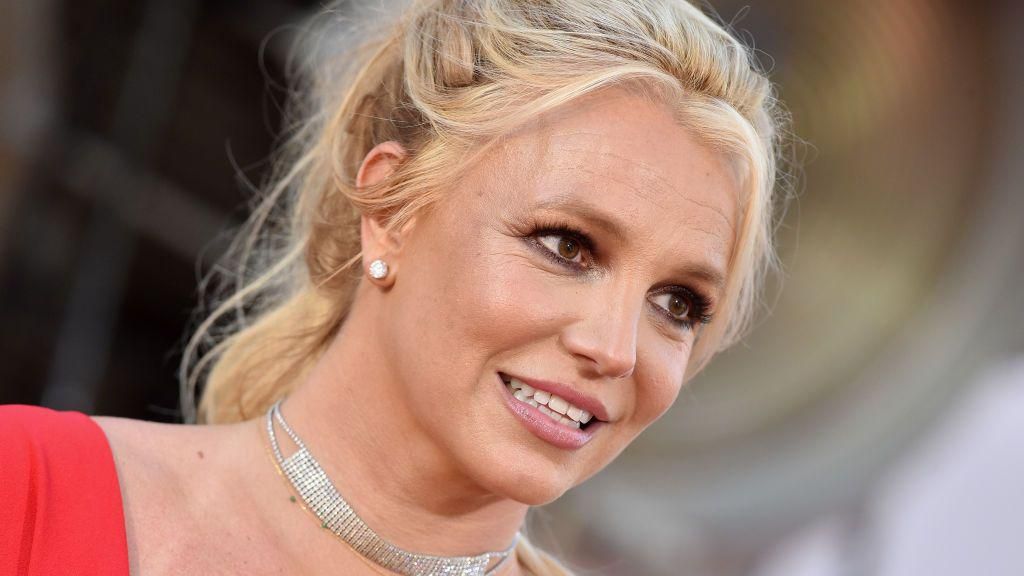
    Nearly two months after pop star Britney Spears was taken into custody on suspicion of impaired driving in Southern California, Ventura County prosecutors have formally filed a criminal misdemeanor charge against the 44-year-old entertainer.

    The charge accuses Spears of operating a motor vehicle while under the influence of alcohol or drugs, a offense classified as a low-level misdemeanor under California state law. The incident that led to the charge dates back to March 4, when law enforcement pulled Spears over on a Southern California highway. Authorities confirmed at the time that officers observed her BMW moving erratically at excessive speeds before initiating the traffic stop that ended in her arrest.

    In the wake of the arrest, multiple reports confirmed that Spears voluntarily admitted herself to a rehabilitation facility to seek treatment. Representatives for the singer quickly issued a statement acknowledging the seriousness of the incident, calling the star’s decision to drive while impaired “completely inexcusable.”

    Prosecutors officially lodged the single charge with the court on Thursday this week. Spears’ first court appearance, an arraignment, has been scheduled for next Monday morning. Because the offense is categorized as a minor misdemeanor, California court rules do not require Spears to attend the hearing in person. A spokesperson for the Ventura County District Attorney’s Office noted that any decision about whether Spears will appear in court will be a private matter between the singer and her legal counsel.

    The case marks the latest high-profile legal entanglement for the pop star, who has been open in the past about her struggles with personal well-being and public scrutiny in the years following her widely publicized conservatorship battle.

  • Banksy confirms behind new London statue of man blinded by flag

    Banksy confirms behind new London statue of man blinded by flag

    The notoriously anonymous British street artist Banksy has officially stepped forward to confirm he is the creator of a provocative new public sculpture that has sparked widespread public intrigue and media buzz in the heart of London this week.

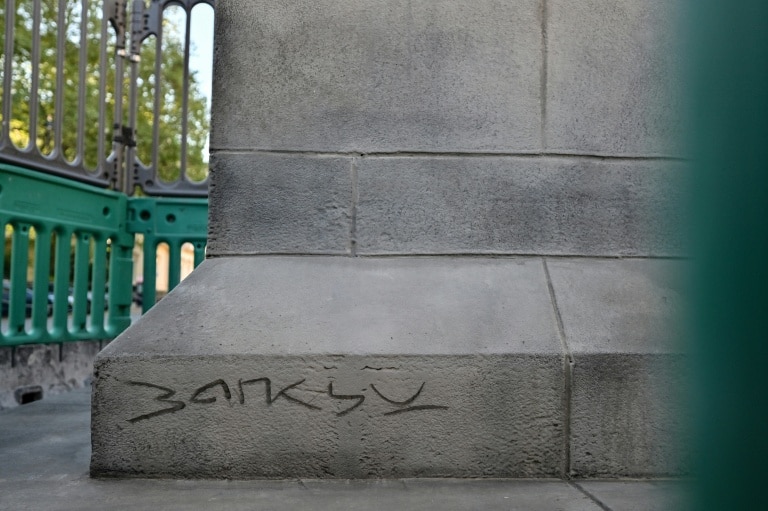
    The life-sized bronze-style work first appeared unexpectedly under cover of darkness in the early hours of Wednesday morning on a vacant traffic island on Pall Mall, a historic central thoroughfare located in London’s prestigious Waterloo Place. The piece depicts a formally dressed man in a business suit mid-stride, stepping off the edge of a stone plinth into empty space. A flag wrapped completely around his head obscures his vision, leaving him unaware of the drop looming ahead. Banksy’s signature is hand-scrawled directly onto the base of the plinth, an early clue to the work’s origins that sent street art fans and passersby speculating within hours of its discovery.

    In a brief official comment to Agence France-Presse, a spokesperson for Banksy confirmed the uncommissioned monument was installed by the artist’s team, noting Banksy himself selected the specific site because “there was a bit of a gap” on the traffic island. To document the surprise installation, Banksy shared behind-the-scenes footage on his official Instagram account — the platform the artist regularly uses to authenticate his new works — showing the piece being lifted into place overnight by heavy construction machinery.

    The new sculpture comes just over a month after a Reuters investigation claimed to definitively unmask Banksy’s long-hidden identity, supporting a 20-year-old claim from Britain’s Mail on Sunday that the artist is 52-year-old British native Robin Gunningham, who has since changed his legal name to David Jones. The report drew on a 2000 New York arrest record and witness testimony from Banksy’s high-profile 2022 trip to war-torn Ukraine, where he painted a series of murals supporting the Ukrainian people. Banksy himself has never commented publicly on the identity claims, maintaining his long-standing commitment to anonymity as part of his artistic persona.

    As word of the new sculpture spread, dozens of art enthusiasts and curious Londoners flocked to Waterloo Place to see the work for themselves, joining long lines for photos and debating its possible meaning. The site is no accident: the traffic island sits steps from existing iconic memorials, including monuments to King Edward VII, pioneering nurse Florence Nightingale, and the British soldiers killed in the Crimean War, placing Banksy’s provocative contemporary work in direct conversation with London’s traditional public memorial culture.

    Visitors to the sculpture have offered a wide range of reactions. 23-year-old student Ollie Isaac, who traveled across London to see the piece, called it “brilliant” and offered his own interpretation of the work’s political subtext, suggesting it critiques the rising tide of nationalism across the globe and within the UK. “That suit screams politician,” Isaac noted, echoing the observations of many other onlookers. Other visitors, like 55-year-old teacher Lynette Cloraleigh, who made the trip after seeing the work shared on Instagram, praised the piece for its quiet audacity. “It’s intriguing how it got here,” she said. Not all feedback was positive, however: the behind-the-scenes video shared by Banksy included a clip of an elderly passerby rejecting the work outright, saying he preferred the traditional historic monuments standing nearby.

    This is not Banksy’s first unsanctioned public statue in London. Back in 2004, the artist installed *The Drinker*, a satirical reimagining of Auguste Rodin’s iconic *The Thinker* that showed the famous figure leaning on a public toilet instead of his knee, just a few blocks away on Shaftesbury Avenue. That work was stolen within days of its unveiling and became the subject of a years-long legal battle over ownership that continues to this day.

    Unlike many of Banksy’s temporary street works, the new sculpture looks set to remain in place for the foreseeable future. Officials from Westminster City Council, which manages public spaces in central London, released a statement welcoming the unexpected addition to the city’s public art scene. “We’re excited to see Banksy’s latest sculpture… making a striking addition to the city’s vibrant public art scene,” the council said, adding that officials have already taken preliminary steps to protect the work while keeping it open and accessible for the public to visit and enjoy. Many visitors noted that Banksy’s public works are almost always temporary, with many removed or destroyed within weeks of their unveiling, making the council’s decision to preserve the piece a rare and welcome outcome for fans.

  • Tupac’s family files wrongful death lawsuit in LA

    Tupac’s family files wrongful death lawsuit in LA

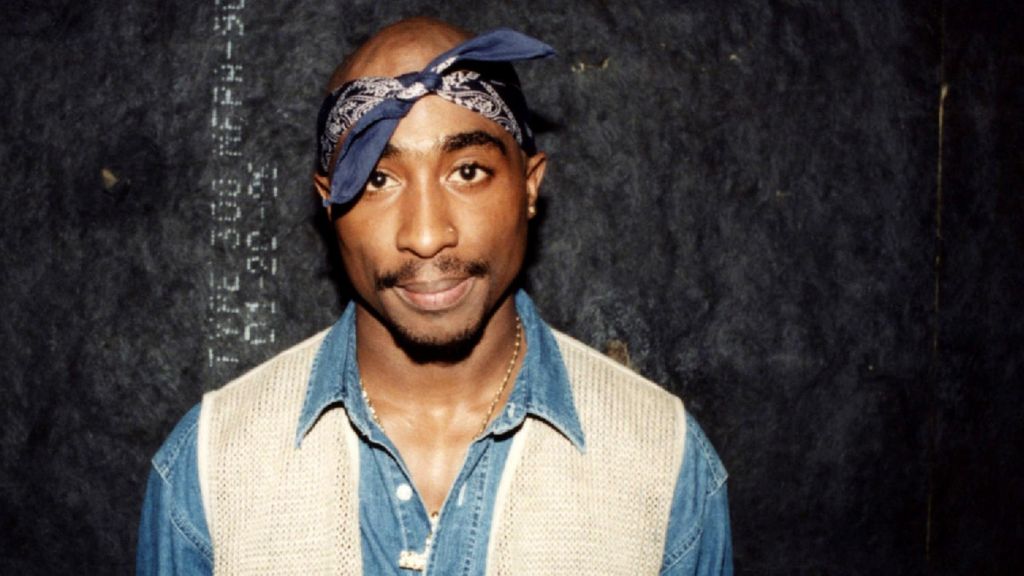
    It has been almost three decades since iconic hip-hop trailblazer Tupac Shakur was gunned down in a 1996 Las Vegas drive-by shooting, and the legendary rapper’s family has taken a new legal step to uncover the full truth behind his killing. On Tuesday, Tupac’s brother Maurice Shakur, acting on behalf of the estate of Tupac’s late stepfather Mutulu Shakur, filed a wrongful death lawsuit in a Los Angeles court. The suit seeks unspecified damages and names the only person ever criminally charged in the case, former South Side Compton Crips leader Duane “Keefe D” Davis, as its primary defendant, alongside multiple unnamed co-conspirators.

    Davis, who has maintained his innocence, is currently scheduled to stand trial on a single criminal murder charge this coming August, more than two years after his 2023 indictment. Law enforcement investigators allege that Davis orchestrated the fatal shooting in retaliation for a casino altercation between Shakur and Davis’ nephew, who has since passed away. Prosecutors have described Davis as the “on-ground, on-site commander” who ordered Tupac’s death, noting that Davis has publicly admitted he was in the vehicle from which the shots were fired. All three other people who were in that car the night of the murder, including Davis’ nephew, have since died, leaving Davis as the only surviving person of that group. For nearly 27 years after Tupac’s death, no charges were filed against anyone connected to the killing, making Davis’ 2023 arrest a landmark turning point in the high-profile cold case.

    What sets this new civil lawsuit apart from the ongoing criminal proceedings is its focus on unmasking a broader conspiracy that the family claims has been hidden for decades. Court documents argue that newly released evidence — including sealed grand jury transcripts from Davis’ criminal case and testimony featured in a recent Netflix documentary — confirms the plot to kill Shakur was far more complex than a simple street gang retaliation. The lawsuit specifically references the 2024 Netflix documentary *Sean Combs: The Reckoning*, which included recorded police interview excerpts where Davis claimed entertainment mogul Sean Combs offered him $1 million to carry out the assassination of Tupac. Combs has repeatedly and forcefully denied any involvement in the 1996 murder, dismissing the documentary as a “shameful hit piece” that spreads false accusations. The BBC has reached out to both Combs’ legal team and Davis’ representatives for comment on the new civil suit, and no additional statements have been released publicly as of this reporting.

    For the music industry and hip-hop fans worldwide, Tupac Shakur remains one of the most influential and celebrated artists of all time. Rising to global fame in the early 1990s as a leading voice of West Coast rap, Shakur sold more than 75 million records worldwide during his short career, with timeless hits including *Hit ‘Em Up* and *California Love* that still top streaming charts decades after his death. Beyond music, he also built a promising acting career, earning critical acclaim for roles in iconic 1990s films such as *Juice*, *Above The Rim*, and *Poetic Justice* opposite Janet Jackson. His life and career were cut shockingly short at just 25 years old, when he succumbed to gunshot wounds six days after the September 1996 drive-by attack in Las Vegas. The family says their goal in filing the wrongful death suit is to use the civil court discovery process to finally drag all co-conspirators into the light, closing a nearly 30-year chapter of unanswered questions for the Shakur family and the global hip-hop community.

  • ‘Nightmare situation’: Rebel Wilson denies making up narrative to divide young actor and producer after alleged complaint, defamation trial told

    ‘Nightmare situation’: Rebel Wilson denies making up narrative to divide young actor and producer after alleged complaint, defamation trial told

    Hollywood star Rebel Wilson has pushed back against allegations that she manufactured a false sexual harassment narrative to create conflict, describing the ongoing defamation lawsuit against her as an unforeseen ‘nightmare situation’ that derailed preparations for her first directorial project. The Pitch Perfect and Bridesmaids actor took the witness stand for a second consecutive day on Wednesday at Sydney’s Federal Court, where she is being sued by Charlotte MacInnes, a co-star in Wilson’s upcoming coming-of-age female-led comedy *The Deb*.

    At the heart of the legal dispute are a series of social media posts Wilson published that MacInnes argues falsely implied the young performer had initially made a sexual harassment complaint against the film’s producer, Lauren Ghost, then withdrew the claim to advance her career. The incident in question centers on a September 2023 shared bath at Ghost’s Bondi penthouse, where both Ghost and MacInnes wore swimsuits while warming up after Ghost experienced a medical episode during a sunset swim at Bondi Beach. MacInnes has repeatedly denied ever making any formal or informal sexual harassment complaint connected to the incident.

    During cross-examination from MacInnes’ barrister Sue Chrysanthou SC, Wilson was accused of creating the chaotic ‘nightmare situation’ through a sequence of deliberate lies, just five weeks before *The Deb* was scheduled to begin principal photography. The actor forcefully rejected this characterization, calling the claim completely nonsensical. She told the court that when she was first allegedly told about the incident, it came as a devastating shock that dropped into her lap at the worst possible moment.

    As a first-time director who spent years developing *The Deb* as a project rooted in female empowerment, Wilson stated it would never have served her own interests to invent a sexual harassment allegation involving two key production team and cast members. She told the court: ‘This is an absolute nightmare situation for me, who’s a first time director, making a movie that is essentially a girl power movie. It would not at all be in my interest to make up a sexual harassment complaint between those two very important people.’

    Wilson also pushed back against claims that she mistreated female cast and crew during the production of the film, reaffirming that she has long viewed herself as a champion for women in the entertainment industry. Entering the Sydney courthouse Wednesday morning, the actor publicly thanked the cast and crew of *The Deb* for their ongoing support throughout the legal process, noting that she could not discuss the details of the ongoing trial out of respect for the Australian legal system. The blockbuster defamation trial is ongoing, with further testimony and developments expected in the coming days.

  • Watch: Jimmy Kimmel defends ‘expectant widow’ joke after first lady criticism

    Watch: Jimmy Kimmel defends ‘expectant widow’ joke after first lady criticism

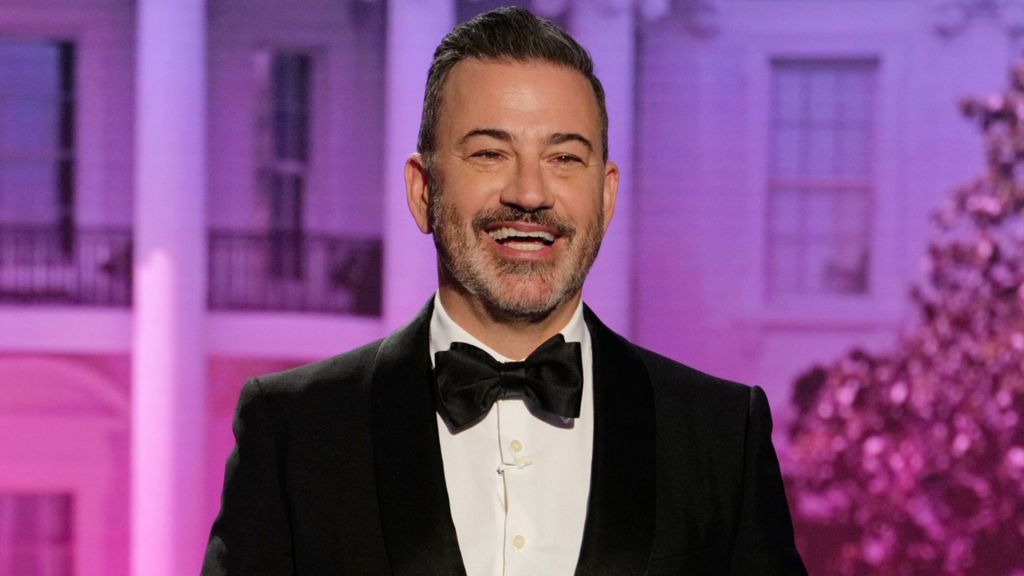
    A major firestorm has erupted in American late-night television after comedian Jimmy Kimmel refused to back down from a controversial joke he made that drew sharp condemnation from First Lady Melania Trump. The jab in question, which labeled an individual an “expectant widow”, prompted scathing pushback from the White House, which publicly called on ABC, the network that airs Kimmel’s long-running talk show, to terminate the comedian’s contract immediately. In her public rebuke, Melania Trump characterized the quip as nothing short of hateful and violent language, marking one of the most high-profile clashes between a sitting White House administration and a mainstream entertainment personality in recent memory. Since the controversy broke, Kimmel has doubled down on his position, defending the joke as a legitimate piece of comedic commentary rather than the harmful attack the first lady has decried. The standoff has sparked widespread debate across media and political circles about the boundaries of political comedy, the role of late-night hosts in criticizing public figures, and whether major media outlets should cave to political pressure to punish performers for controversial jokes. Industry observers have noted that the situation puts ABC in an uncomfortable position, caught between pressures from the nation’s highest office and the network’s long-standing commitments to free expression and its on-air talent.

  • Anthony Albanese make surprise appearance on The Hundred with Andy Lee

    Anthony Albanese make surprise appearance on The Hundred with Andy Lee

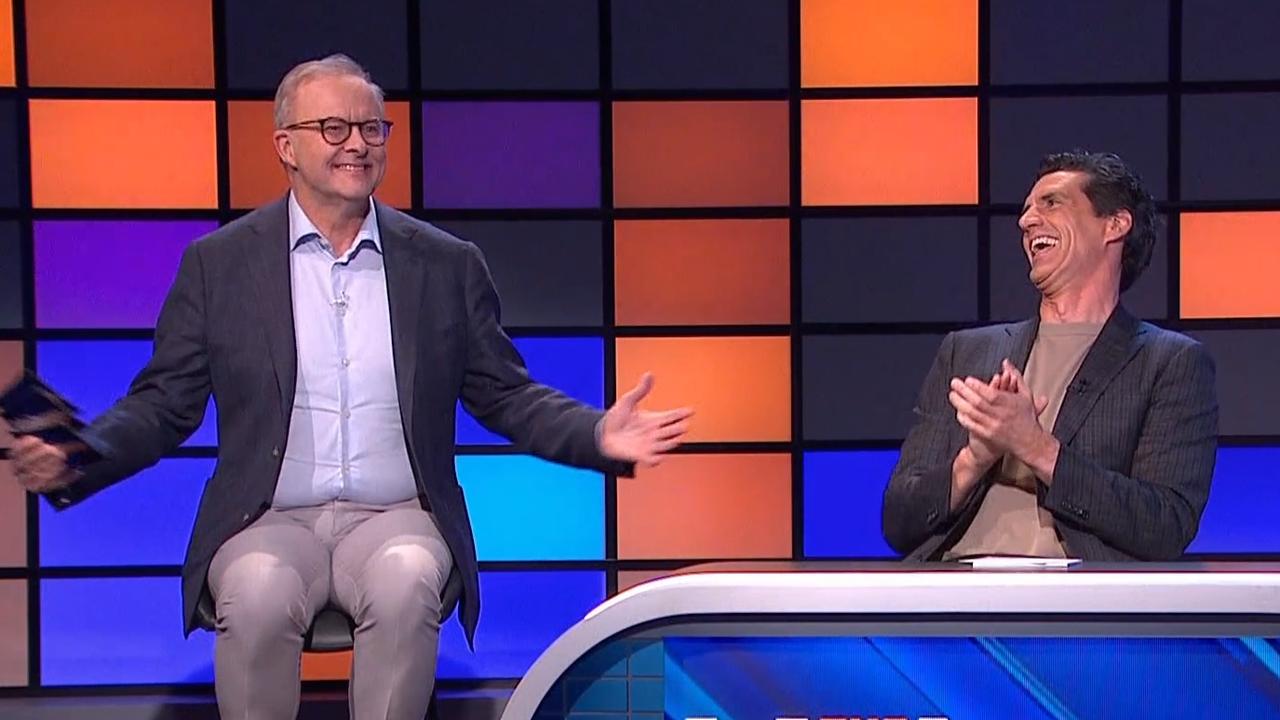
    Australian Prime Minister Anthony Albanese made an unanticipated, memorable appearance on the ninth-season premiere of the hit Channel 9 comedy game show *The Hundred*, where he delivered a series of sharp, playful roasts of fellow panel guests and opened up about little-known personal anecdotes from his life before entering the nation’s top office.

    Hosted by beloved Australian comedian Andy Lee, *The Hundred* structures its episodes around 100 everyday Australians from across the country, who join the show remotely via Zoom to participate in on-air polls and interactive segments. For the opening episode of the new season, Albanese stepped into the program’s signature “hot seat” for a fun segment testing how many of the 100 participants could recognize the country’s sitting Prime Minister. Impressively, 98% of the respondents correctly identified Albanese – a result that prompted the Prime Minister to fire off a quick-witted quip, asking, “Who are the two people who are leaving Australia at this point in time?” The joke landed instantly with the studio audience and viewers watching at home alike.

    Beyond the recognition segment, Albanese leaned into the lighthearted tone of the night, sharing a throwback to a lesser-known gig he held years before entering politics: part-time event DJ. Going by the playful stage name “DJ Albo”, Albanese explained he spent many years spinning tracks for charity fundraisers hosted by Reclink, an Australian organization that uses sport and the arts to support community members facing disadvantage. “I haven’t done it for a while because I’m busy with other things,” he told the panel, adding a joking note about crowd reactions to his sets that drew more laughs from the room.

    Albanese also showcased one of his most well-known (and previously private) personal mannerisms during the appearance: his so-called “everything is fine face”. He told the audience this is the neutral, polite expression he pulls when greeting fellow politicians he does not agree with politically. To demonstrate the trick, host Andy Lee stepped into the role of a disagreeable political colleague, with Albanese greeting him with a firm handshake and a wide, unflappable grin – a performance that brought roars of laughter from the crowd.

    A long-running staple of Australian comedy television, *The Hundred* welcomes back regular panellists Mike Goldstein and Sophie Monk for its ninth season, alongside a rotating lineup of popular Australian comedians including Joel Creasey, Kate Langbroek, Pete Helliar, Denise Scott, Hamish Blake, Glenn Robbins and Dave Hughes. Albanese’s surprise opening-night guest spot kicks off a season packed with A-list celebrity guests, with upcoming appearances scheduled for Olympic swimmer and musician Cody Simpson, Boost Juice founder Janine Allis, Melbourne AFL captain Max Gawn and Australian actor-activist Samuel Johnson, according to entertainment outlet TV Blackbox.

  • Hot Chocolate founder and You Sexy Thing co-writer Tony Wilson dies

    Hot Chocolate founder and You Sexy Thing co-writer Tony Wilson dies

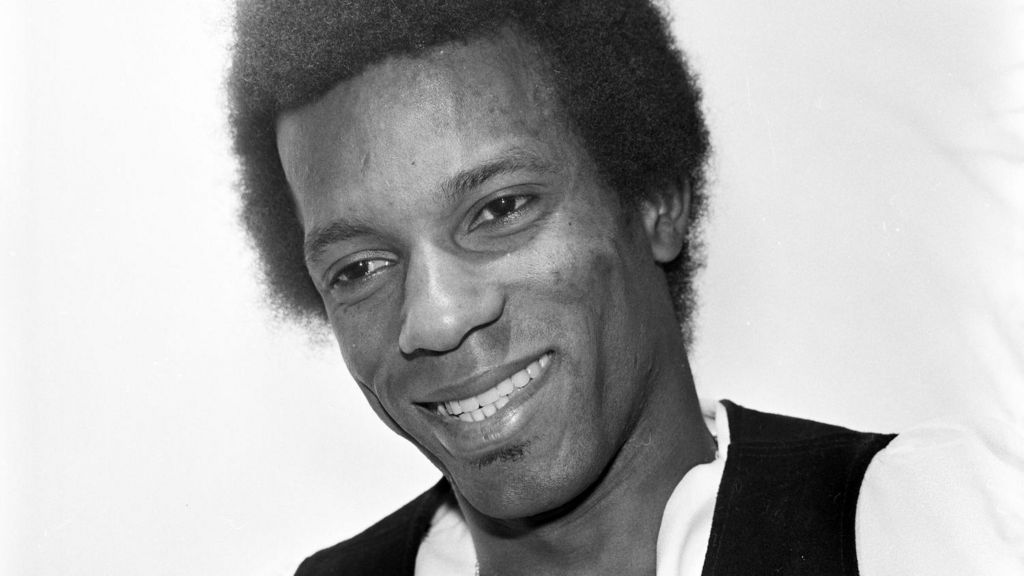
    The global music community is mourning the loss of Tony Wilson, the bassist, core songwriter and co-founding member of pioneering British soul band Hot Chocolate, who passed away at 89 at his home in Trinidad.

    Wilson’s family confirmed the news of his death on social media over the weekend, sharing heartfelt tributes and memories of the legendary musician. “Dad left us today. He left a lot of music behind… forever and ever,” his daughter wrote on Facebook, adding that Wilson had faced his final days with calm faith, surrounded by his loved ones. His son Danny Wilson opened up about the late musician’s relentless drive to bring his work to audiences, recalling recently discovered 1970s diaries that laid bare the grueling work and repeated setbacks Wilson endured amid the cutthroat 1970s music industry. “It wasn’t until my mum dug out some old diaries of his from 1970 and ’71 that I realised just how hard he had to work to achieve this dream,” Danny said. “Trust me, it is truly staggering. The knock backs, the interviews, the touring, the radio shows, the meticulous documenting of record sales. All the pressures of what was a cut throat music industry in the 70s. It’s all in those diaries.”

    Born in Trinidad, Wilson cut his teeth performing with a string of regional groups including The Flames, The Souvenirs, and The Corduroys before teaming up with friend Errol Brown to found Hot Chocolate in the late 1960s. The band’s first big break came in 1969, when they sent a reggae reimagining of John Lennon’s “Give Peace a Chance” directly to the Beatle himself. As Brown recalled in a 2009 BBC Breakfast interview: “Amazingly, a week later I got a call to say John Lennon approved it and wanted to sign the band to the Apple record label. And that’s how we began.”

    The group soon built a working relationship with iconic hitmaker Mickie Most, and honed their craft penning tracks for other prominent acts including Mary Hopkin, Julie Felix and Herman’s Hermits before stepping into the spotlight as headliners. Their genre-blending sound, which wove together soul, rock, reggae and disco influences, resonated with audiences around the world, turning them into one of the most consistent hitmaking acts of the 1970s.

    Wilson co-wrote many of the band’s most enduring hits alongside frontman Brown, including the chart-topping classics “Emma” and “You Sexy Thing” that cemented Hot Chocolate’s place in pop history. The band made history as the first majority-Black British group to score major mainstream chart success in the United States, where “Emma” became their first breakthrough top 10 hit in 1975. The following year, “You Sexy Thing” became the band’s career-defining hit, reaching platinum status in the UK and spending multiple weeks in the US top 10; the track even returned to the charts more than two decades later after being featured in the hit 1997 comedy film *The Full Monty*. Across 15 consecutive years starting in 1970, Hot Chocolate landed at least one hit single on the UK charts every year – a record-breaking milestone that made them the first act ever to achieve this feat in British chart history, and earned the band multiple platinum certifications in their home country.

    Shortly after the band’s commercial peak in the mid-1970s, Wilson departed Hot Chocolate to revive his solo career, which had first begun with a string of singles released via Decca Records in the 1960s. While his two full-length solo albums – 1976’s *I Like Your Style* and 1979’s *Catch One* – failed to make a major commercial splash, Wilson earned posthumous acclaim for his 1983 experimental track “Hangin’ Out In Space”, which is now recognized as a pioneering precursor to the 1980s electro-soul movement. After releasing a career-spanning compilation, *Sweet ‘N’ Soulful – The Tony Wilson Story*, in 1988, Wilson stepped back from releasing new music, though he remained a beloved figure among fans, who followed updates shared by his family on social media in recent years, including celebrations of his 88th birthday in 2024. In 2022, one of Wilson’s beloved bass guitars even got a star turn on the popular BBC series *The Repair Shop*, where it was restored for the musician.

    After Brown’s death in 2015, Wilson shared a public tribute to his former bandmate on his Facebook page, writing: “Rest in peace Errol Brown. Heartfelt condolences to your family, friends, and all fans.” Brown had previously reflected on his partnership with Wilson in a 1998 interview with *The Independent*, saying that while the two had lost touch in later years, he would always be grateful for Wilson’s early role in launching his career: “However, I will always be grateful to him for planting the seed and helping me find myself.”

    In the days following the Wilson family’s announcement of his death, Wilson’s public Facebook page was flooded with tributes from fans, fellow musicians and admirers across the globe. No cause of death has been publicly disclosed at this time.