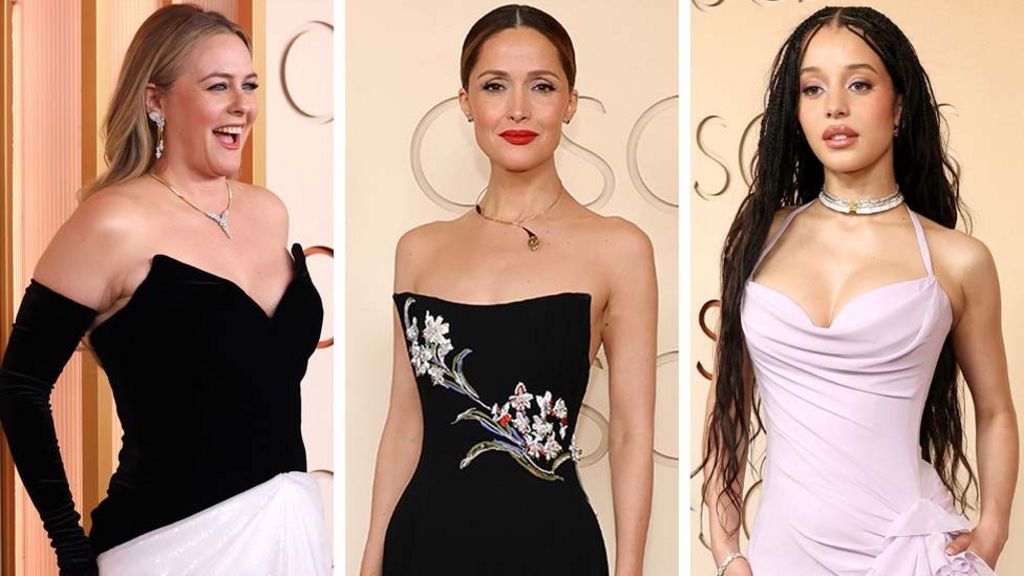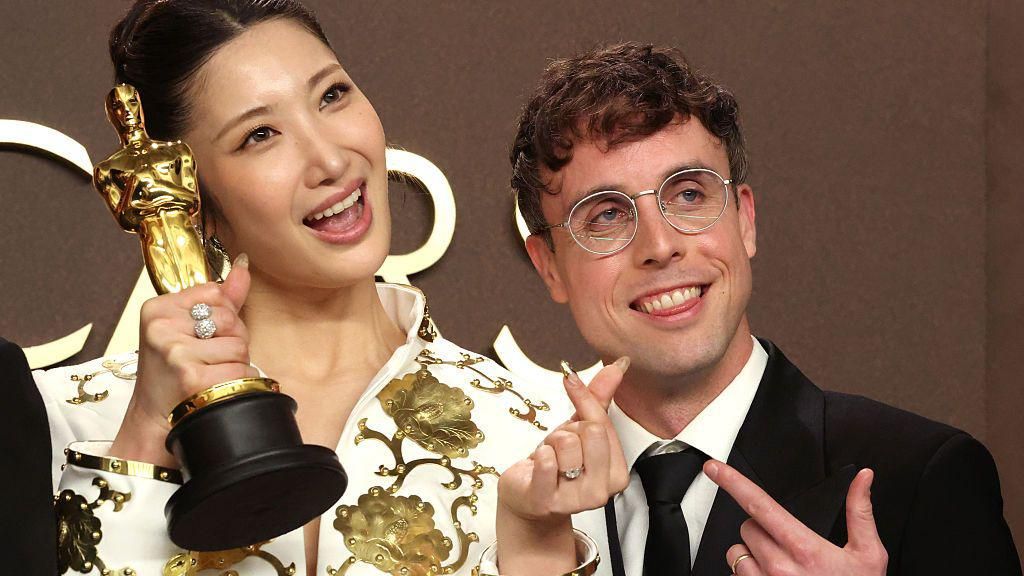
The 98th Academy Awards ceremony unfolded as a spectacle of cinematic celebration, marked by unprecedented security measures and historic achievements that extended far beyond the television broadcast. Held at Hollywood’s Dolby Theatre, the event showcased both the glamour visible to viewers and numerous behind-the-scenes moments that revealed the true essence of Hollywood’s biggest night.
Enhanced Security and Ceremonial Transformation
Los Angeles authorities implemented exceptionally robust security protocols in response to geopolitical tensions stemming from the US-Israel conflict with Iran. The Hollywood area featured layered security perimeters, strategic traffic management, and a conspicuous police presence throughout the venue. SWAT vehicles and protective fencing lined the streets surrounding the typically vibrant Dolby Theatre, creating a fortress-like atmosphere. Media personnel underwent rigorous screening processes, including dual metal detector checks and canine inspections, before accessing the interview rooms where winners would later celebrate.
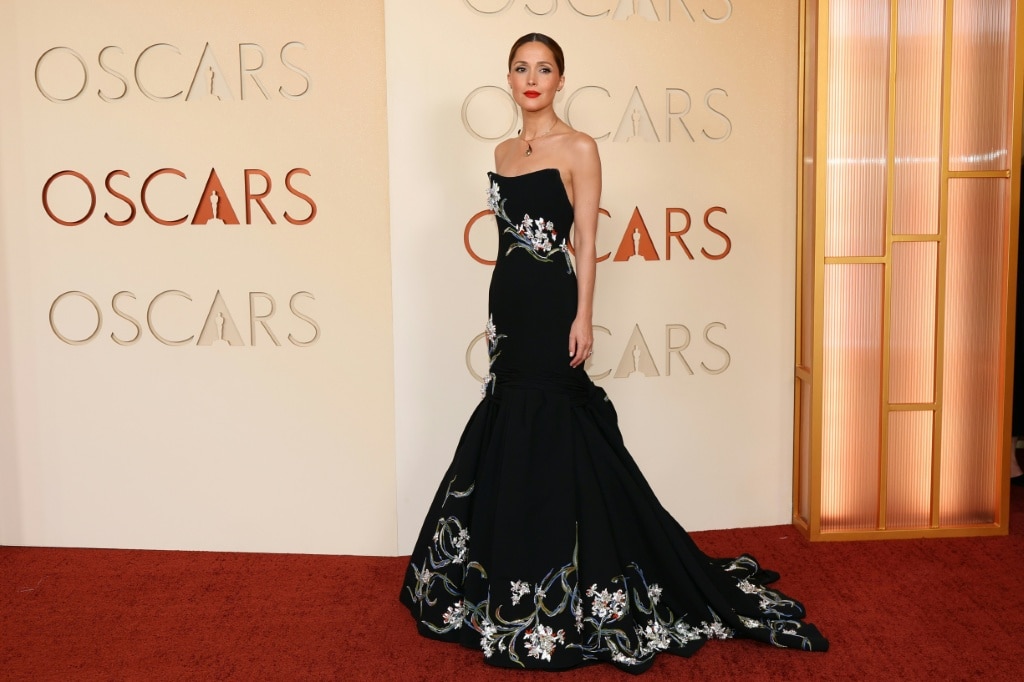
The entire Ovation Hollywood shopping center underwent a magical transformation, with large curtains concealing ordinary storefronts to accommodate the extensive red carpet. The pathway to the Dolby Theatre featured towering poles displaying names of previous Best Picture winners, creating a tangible connection to Oscar history.
Historic Tie and Fact-Checking Tradition
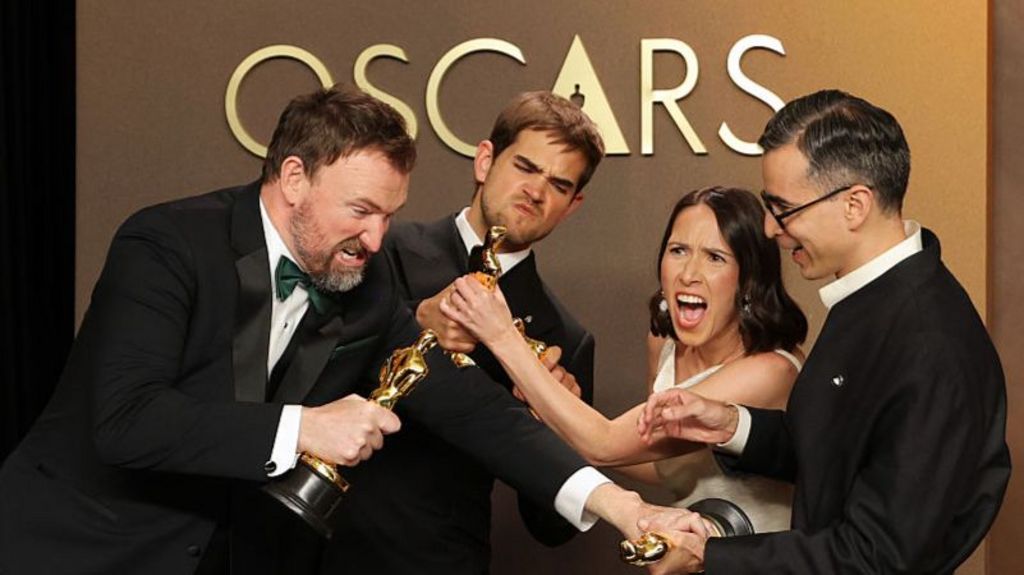
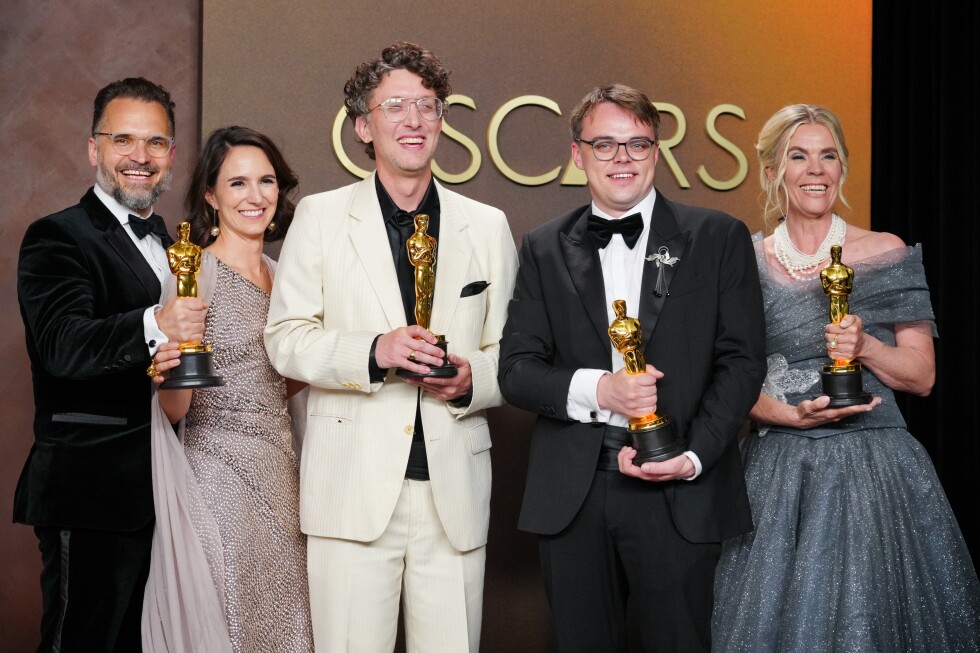
In a rare occurrence that highlighted the competitive nature of the awards, the Best Short Action Film category resulted in a historic tie—only the sixth in Academy Awards history. Both “The Singers” and “Two People Exchanging Saliva” received the honor, prompting immediate fact-checking by Academy librarians who confirmed the last tie occurred in 2013 for Best Sound Editing (“Skyfall” and “Zero Dark Thirty”).
Host’s Personal Touch and Speech Moments
Comedian Conan O’Brien, hosting for the second consecutive year, personalized the experience by placing handwritten notes and snack packages beneath every seat in the Dolby Theatre. His message welcomed nominees and guests with characteristic humor: “These snacks may not look like much but in any movie theater they would run you $85. Good luck tonight, have fun, and remember that loud, enthusiastic laughter is good for your health and my ego.”
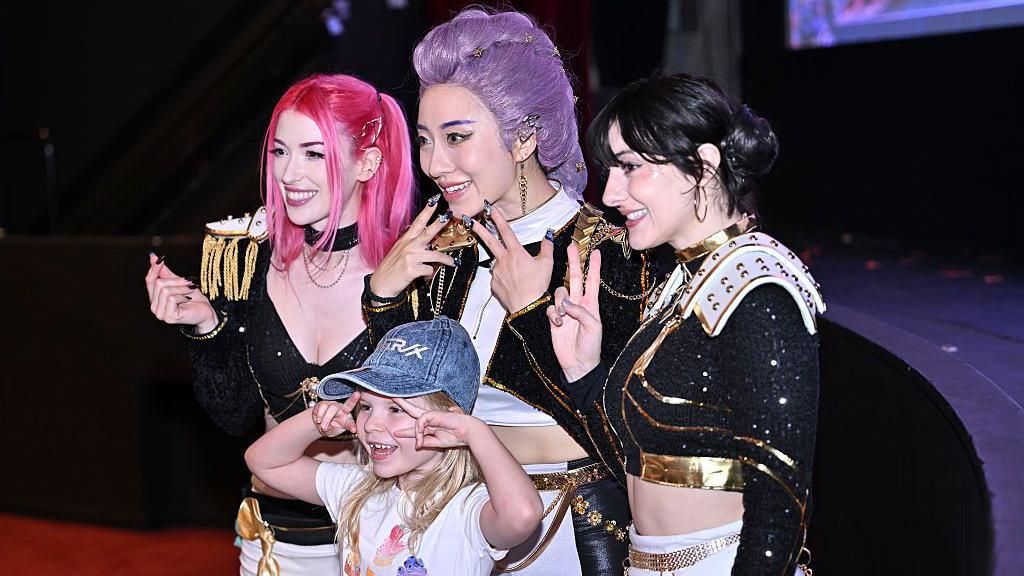
The ceremony maintained its tradition of limiting acceptance speech durations, particularly affecting the creators of “Golden” from the animated film “KPop Demon Hunters.” Despite making history as the first K-pop song to win Best Original Song, the team had to complete their thank-yous backstage, where they expressed gratitude to collaborators including singers Audry Nuna and Rei Ami, IDO members, and producer Teddy Park.
Groundbreaking Achievements and Representation
Several winners used their platform to highlight significant milestones in representation and inclusion. Autumn Durald Arkapaw, becoming the first woman to win for Best Cinematography, emphasized the importance of her achievement: “A lot of little girls that look like me will sleep really well tonight because they want to become cinematographers. I know that just being on stage, getting this award, that will change so many girls’ lives because they’ll be inspired when they weren’t before.”
Meanwhile, Best Supporting Actress winner Amy Madigan (“Weapons”) discussed potential prequel developments for her character Aunt Gladys, noting that while writer-director Zach Cregger had expressed interest, “nothing’s real till it is” in the entertainment industry.
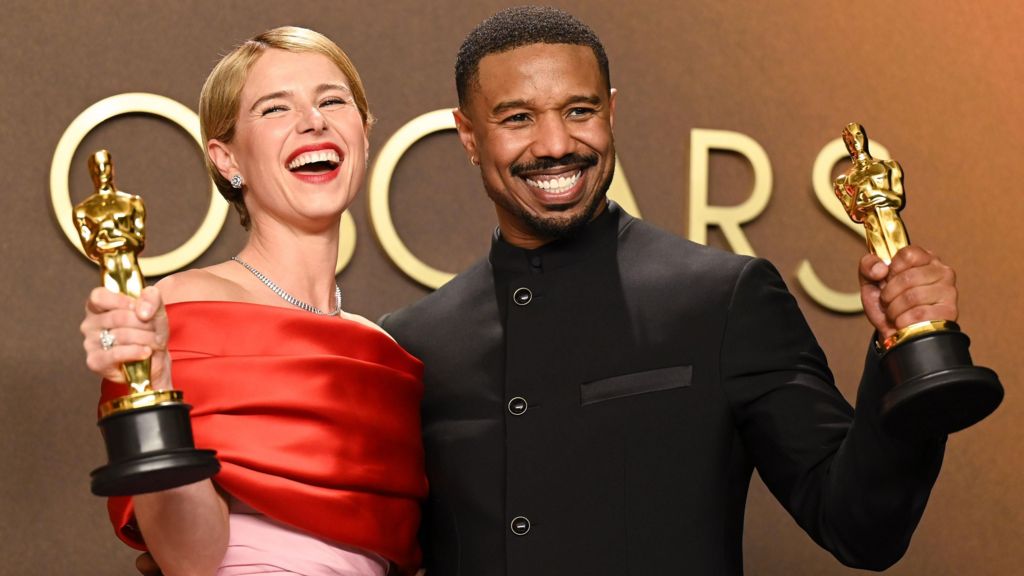
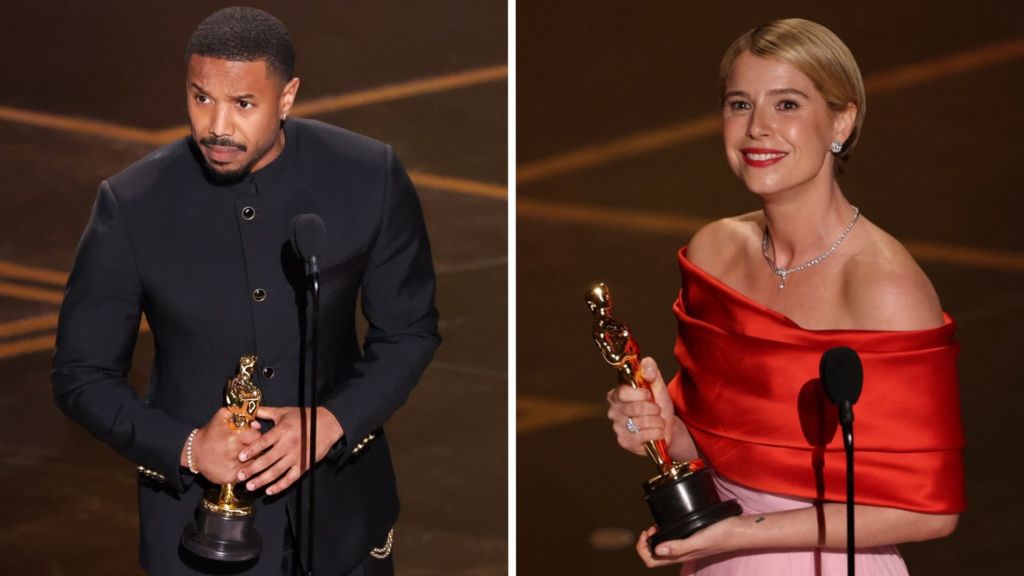
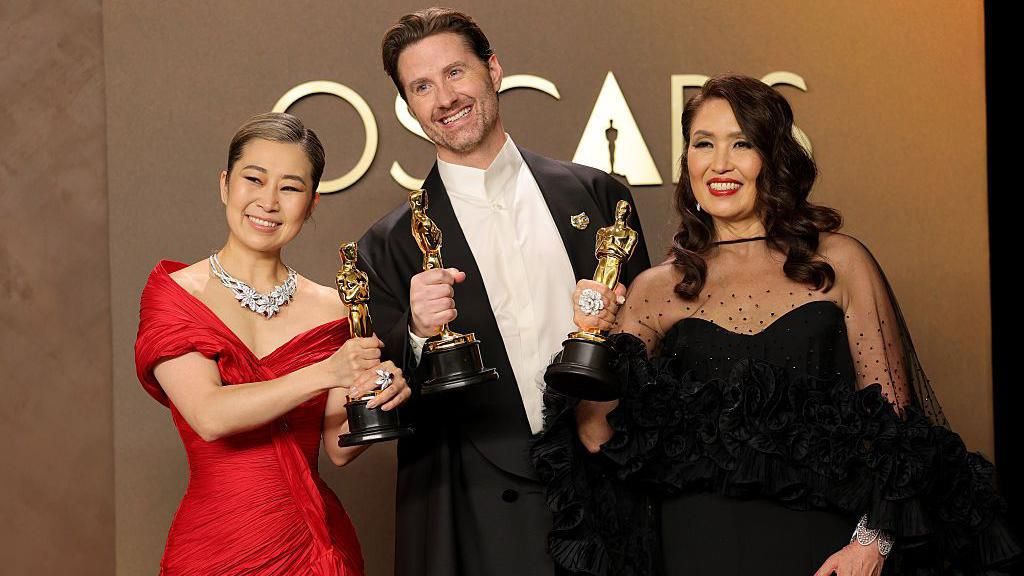
The backstage atmosphere captured the authentic emotions of winners, from “Frankenstein” production designers celebrating with Oscar statuettes in hand to “Mr Nobody Against Putin” filmmaker Pasha Talankin reliving his documentary feature win by repeatedly reading the announcement envelope. These untelevised moments collectively revealed the human dimension behind the cinematic achievements celebrated throughout the evening.