分类: entertainment

  • AI helped a musician with Parkinson’s finish his new album when he could no longer play guitar

    AI helped a musician with Parkinson’s finish his new album when he could no longer play guitar

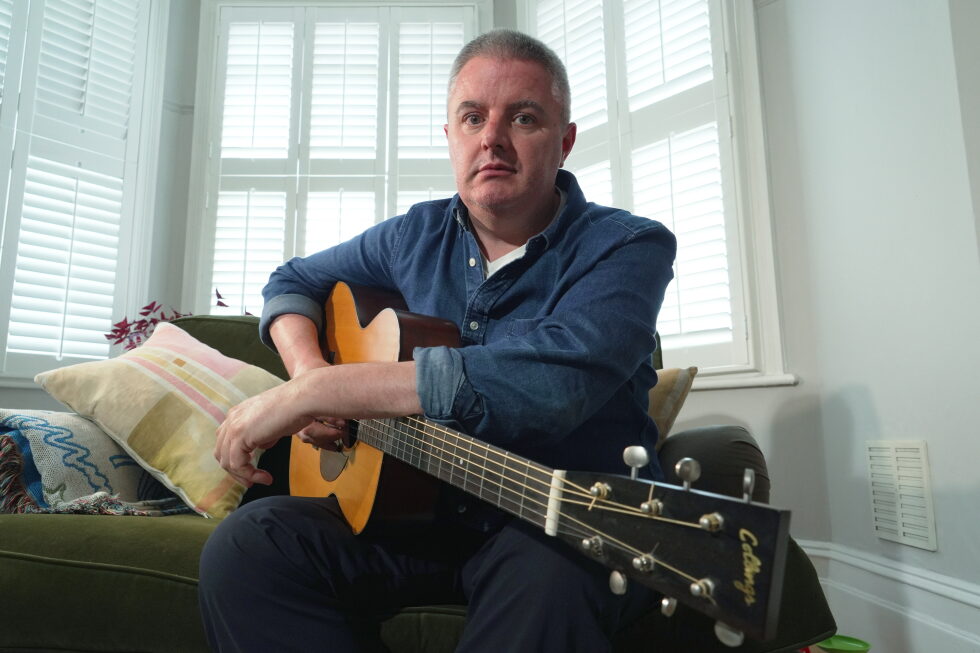
    For years, British singer-songwriter Samuel Smith crafted original Americana music with a guitar permanently in his hands. But after a 2020 Parkinson’s disease diagnosis left him unable to play his instrument consistently due to the neurological disorder’s progressive symptoms, he turned to a surprising tool: generative artificial intelligence, to keep his creative practice alive. Now, with the release of his second full-length album *The Art of Letting Go*, Smith is opening up about how AI has unlocked new possibilities for artists living with disabilities — even as it remains one of the most divisive issues in the modern music industry.

    Parkinson’s disease, which causes progressive nerve damage, commonly leads to muscle tremors, stiffness and chronic fatigue that erode fine motor control, skills critical for playing string instruments like guitar. By the time Smith began work on his 8-track album more than a year before its release, his ability to play had deteriorated significantly. Faced with the choice of abandoning songwriting entirely or adapting to his new physical limitations, he chose to adapt.

    For his instrumental track *Horizon*, Smith leaned on popular AI music generation platforms Suno and Udio to translate his creative vision into shareable demos for the session musicians recording the final studio track. His process begins with humming rough melodic ideas into his smartphone, then uploading those recordings to the AI tools alongside text prompts that detail the track’s desired instrumentation, mood and musical style. He stressed that the AI-generated demos are never used in the final master of his songs; instead, they act as a communication tool to show professional players exactly what he hears in his head, when he can no longer demonstrate it on guitar. Producing a demo that matches his distinct artistic voice often takes dozens of attempts and extensive manual editing, Smith explained.

    Unlike the narrative of AI replacing human creators that dominates much industry debate, Smith frames the technology as an enabling tool, not a replacement. “AI is not replacing anything for me. It’s unlocking, it’s enabling. It’s allowing me to keep writing. I upload my lyrics; AI doesn’t create my lyrics. I upload my music; AI does not create my music,” he said. “It then brings it to life in a way that I can play to session players and say, ‘Here, that’s what I’m thinking, that is what I’m hearing.’”

    The album, recorded in Nashville with a roster of award-winning roots and bluegrass musicians including 16-time Grammy winner Jerry Douglas, banjo artist Alison Brown and Grammy-nominated guitarist Julian Lage, includes one particularly poignant moment: a guitar duet between Smith and Lage on *Horizon*. After months of being unable to play, Smith had a 10-minute window of reduced symptoms in the studio that let him record his part, a moment he calls the “last breath of my guitar playing.” Working alongside musicians he has admired for decades, he said, was an extraordinary, career-defining experience. Smith released his debut album *In the Springtime* in 2023, in part to create a tangible musical legacy for his two young sons that would preserve his creative voice even as his disease progresses.

    Generative AI has split the global music industry in recent years. Major record labels including Sony Music Entertainment, Universal Music Group and Warner Records sued Suno and Udio in June 2024, arguing the platforms illegally used copyrighted recorded music to train their AI models. Since the lawsuit, Universal has reached a settlement and partnership deal with Udio, and Warner has done the same with Suno. Much of the public debate has centered on copyright disputes and artist displacement, but experts say Smith’s experience highlights a less discussed, potentially transformative use case for the technology: expanding creative access for musicians living with disabilities and chronic illness.

    Ruaidhri Mannion, a composer and music technology scholar at Brunel University of London, noted that affordable digital recording tools democratized music creation over the past few decades, and AI could follow the same path by lowering barriers for creators with physical limitations. “If these tools are able to enable people to be able to participate with other creative groups and encourage more people to feel confident to be able to reach out to an ensemble or an orchestra or something, then I think that is all for the better,” Mannion said. He added a caveat, however: overreliance on AI could erase the messy, iterative process of trial, error and collaborative synergy that shapes artistic development. “What makes a lot of music-making meaningful is the collaborative element. There’s a lot of experimentation and development and failure that’s part of musical discovery,” he explained.

    Critics of unregulated generative AI in music, including a group of independent artists who signed an open letter titled “Say no to Suno” earlier this year, argue that the technology erodes artist royalties and enables creative fraud when it scrapes existing copyrighted work without permission. The letter acknowledged that responsible AI use can benefit creators, but called for clearer protections for working artists. Both Suno and Udio have denied copyright infringement claims and stated they are committed to collaborating with the music industry, rather than operating against it.

    Smith believes his experience makes the case for responsible, targeted AI development that benefits marginalized creators. His message to AI music platforms is clear: “if these companies want to show they’ve got a place, a role in society, then step up. Engage with health professionals, engage with music therapists, engage with society and show us what you can do.” In May 2024, Smith partnered with the Berklee Music and Health Institute for a New York event bringing together industry leaders, clinicians and researchers to explore how music and technology can support people living with neurological conditions. For Smith, continuing to create music is about more than art: it is about refusing to let Parkinson’s define his identity or the legacy he leaves for his children. “My 4-year-old is probably never going to remember me playing, and it’s heartbreaking,” he said. “But I’ve been able to pull this into something and refuse to be defined by this disease.”
  • Move over, Heated Rivalry – there’s a new ice hockey romance obsession

    Move over, Heated Rivalry – there’s a new ice hockey romance obsession

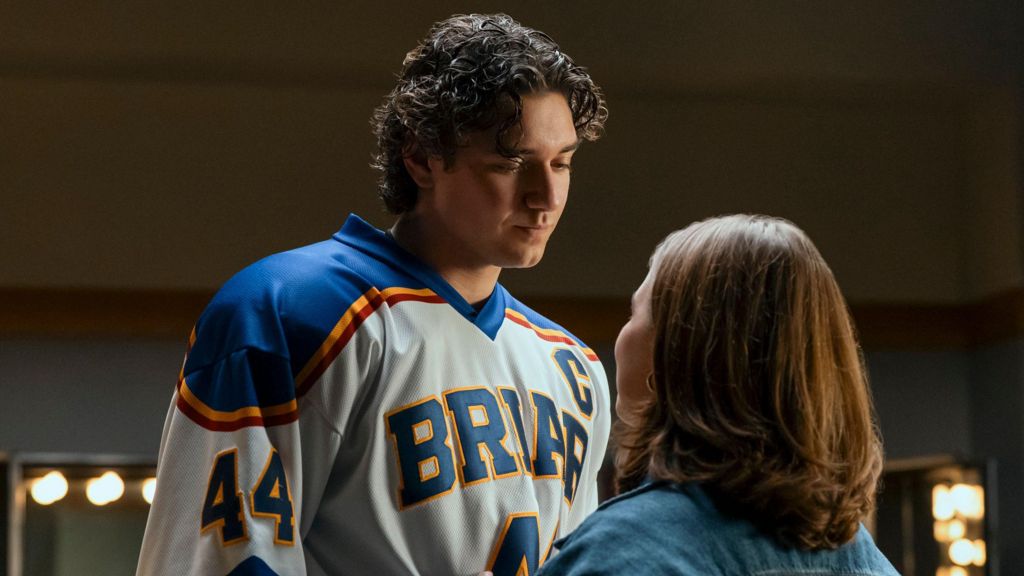
    For audiences who thought they had already consumed their full share of ice hockey-centered romantic content this year, a new streaming hit is here to upend that expectation. Earlier this year, the Canadian drama *Heated Rivalry* took the global streaming world by storm after its January UK release, catapulting leads Hudson Williams and Connor Storrie to international fame. Now, just months later, Amazon Prime Video has dropped *Off Campus* — a second ice hockey romance adapted from a hit book franchise — and the streamer confirms it has already claimed the number one spot as its most-watched series worldwide.

    Based on the massively popular book series by Canadian author Elle Kennedy, which has sold more than 25 million copies globally, *Off Campus* has earned widespread acclaim from fans for its thoughtful storytelling. Set on the campus of a fictional Boston university, the series tracks the romantic entanglements and personal lives of the school’s college ice hockey team, centering the core relationship between star forward Garrett Graham (played by Belmont Cameli) and student Hannah Wells (portrayed by Ella Bright of CBBC’s *Malory Towers* fame). Unlike the one-note, hyper-masculine jock stereotypes that have long dominated sports media, *Off Campus* redefines its male leads as emotionally intelligent, respectful partners who reject outdated tropes.

    Fans and content creators point to the natural synergy between ice hockey as a sport and the romance genre to explain the current boom in these stories. Meagan Carioti, a 27-year-old book content creator, notes that hockey’s reputation as an intense, high-stakes, passionate sport translates seamlessly to romantic storytelling. Sophie Bonser, a 30-year-old British ice hockey fan and social media manager, adds that for audiences outside of North America, the sport carries an inherent novelty that drives curiosity — and its typical low-scoring, tight match structure means every game carries constant tension, perfect for television drama.

    What truly sets *Off Campus* apart from many traditional romance and sports dramas, however, is its unapologetic female-centric perspective. The series doesn’t shy away from exploring topics like female sexual desire, and it has drawn particular praise from women viewers for centering women’s pleasure, comfort, and autonomy. The first season adapts Kennedy’s 2015 and 2016 novels *The Deal* and *The Score*, and handles heavy, real-world themes with nuance: Hannah’s core storyline follows her healing from sexual trauma suffered in high school, with Garrett depicted as a sensitive, patient partner who prioritizes her boundaries and trauma. The show also addresses other serious issues including domestic violence, addiction, and economic insecurity, weaving these narratives into its central romantic arcs rather than sidelining them.

    The series even pushes back against harmful stereotypes, addressing the derogatory term “puck bunny” — used to dismiss female fans as only interested in players, not the sport — while emphasizing its male characters’ commitment to respecting women and upholding consent. For Carioti, the focus on the female gaze, and well-written male characters crafted by a female creator, is unmatched. “I love men written by women, the yearning is just unmatched and it’s the female gaze — what women want — I think is different to what men think women want,” she explains. She also highlights the thoughtful juxtaposition of hockey’s public bravado with the hidden vulnerability of the team’s players, as well as the warm depiction of found family through the teammates’ close bond.

    Even viewers outside the show’s core demographic have been won over. 25-year-old content creator Oliver Zane, whose reaction videos to *Off Campus* have racked up hundreds of thousands of views on TikTok, says he is “not the primary audience” but still a huge fan. He praises female writers for their nuanced character development that makes characters feel more grounded and realistic, and notes that the show’s focus on prioritizing women gave him new insight into women’s lived experiences. Zane adds that the emotionally aware, accountable portrayal of male leads is especially refreshing at a moment when toxic hypermasculinity is increasingly promoted to young men.

    Despite its critical and commercial success, the hockey romance genre is often unfairly dismissed as trivial, “girly,” or overly explicit, dismissed with the derogatory label “hockey smut.” But fans like Carioti and Zane are pushing back against that characterization, pointing out that *Off Campus* weaves important themes of female empowerment and survivor healing into its engaging romantic and sports story. For viewers craving fresh, thoughtful storytelling that balances high-stakes sports action with heartfelt, modern romance, *Off Campus* has already cemented its place as the must-watch streaming hit of the season.

  • Multiple artists drop out of US Freedom 250 concert

    Multiple artists drop out of US Freedom 250 concert

    A growing wave of high-profile musical artists have pulled out of the Great American State Fair, a 16-day national celebration planned for Washington D.C.’s National Mall to mark the United States’ 250th birthday, after multiple performers claimed event organizers misled them about the festival’s conservative political origins. The event, scheduled to run from June 25 to July 10, is being organized by Freedom 250, a non-profit group that formally launched last year under the oversight of the former Trump administration, with its chief executive Keith Krach directly appointed by ex-President Donald Trump.

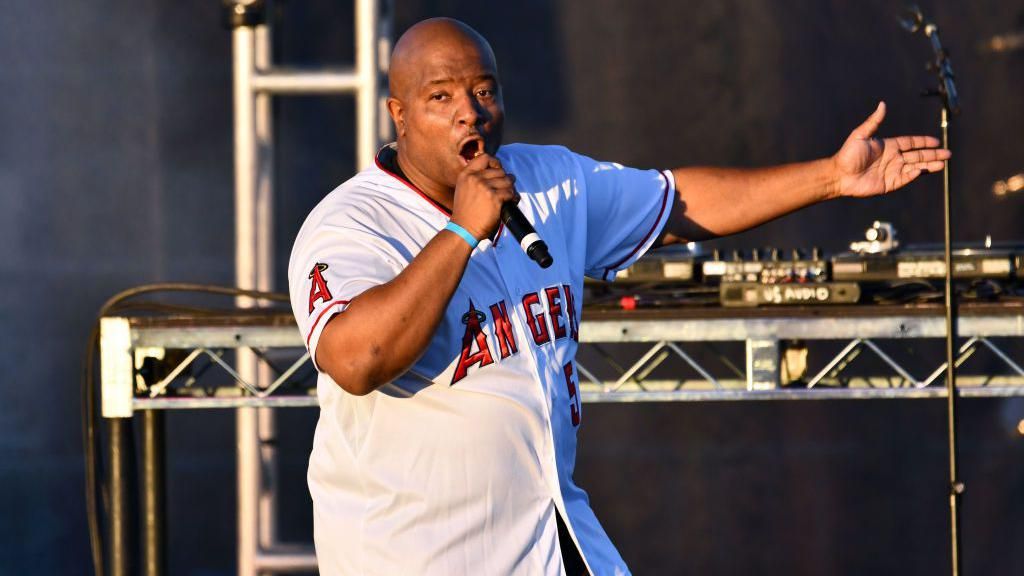
    When Freedom 250 publicly unveiled its full performer lineup Wednesday, artists quickly began severing ties with the event over allegations that they had signed on under false pretenses of a non-partisan national celebration. 1980s hip-hop star Young MC, best known for his chart-topping hit *Bust a Move*, was among the first artists to announce his withdrawal. In a social media post, he explained that performers were never informed of the event’s political connections, adding that he would only perform in the nation’s capital for an event that is not overly politically charged.

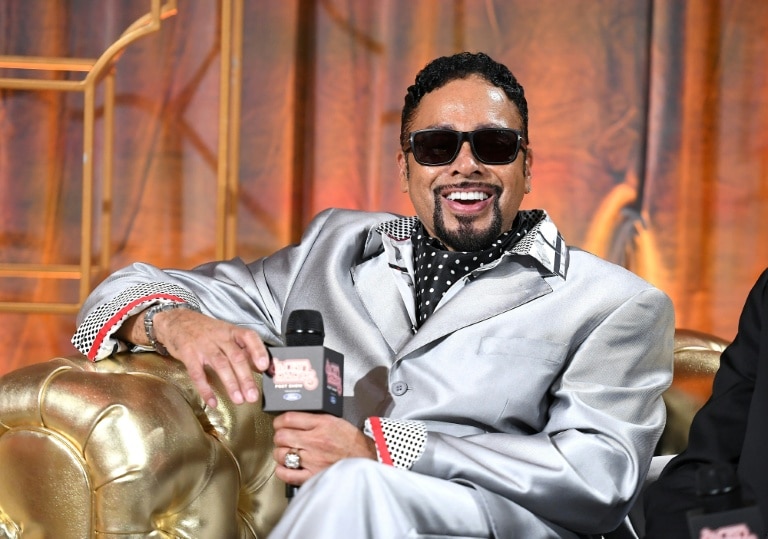
    He was soon joined by fellow R&B legend Morris Day, who shared a clear statement on Instagram writing, “Contrary To Rumor, Morris Day & The Time Will Not Be Performing At The ‘GREAT AMERICAN STATE FAIR’” with the simple caption, “It’s A No For Me.” By the following day, more big names had followed suit. Iconic funk group The Commodores announced their exit in a social media post, noting that their music has always stood above partisan politics, and they choose not to formally align with any single political party, adding that their core commitment remains to advancing the well-being of all Americans.

    Country star Martina McBride echoed those concerns, writing on X that she had been offered a spot at what was described as a non-partisan gathering, only to learn that framing was misleading. Rock vocalist Bret Michaels, frontman of 1980s hair metal band Poison, also pulled out, releasing a lengthy statement explaining that what was initially presented as a unifying celebration of the nation had shifted into something far more divisive than what he agreed to join. Michaels also cited unaddressed safety concerns as an additional factor in his decision to withdraw.

    Despite the mass exodus, a handful of artists still plan to take the stage as originally scheduled. Rapper Vanilla Ice, famous for his breakout hit *Ice Ice Baby*, defended his decision to perform in an Instagram video caption, arguing that the event is not a political platform and exists solely to celebrate America’s anniversary. Fab Morvan, one of the original public faces of 1980s pop group Milli Vanilli, will also keep his performance slot – though the act’s original vocalists quickly clarified that they would not appear, noting that any performance under the Milli Vanilli name without them would qualify as a tribute act, a reference to the infamous 1990s lip-synching scandal that brought down the original group. 1990s dance collective C+C Music Factory member Freedom Williams also confirmed he will still perform, even as he made clear he does not support Donald Trump.

    Event organizers Freedom 250 have pushed back on claims of partisan alignment, insisting the non-profit is exclusively dedicated to uniting Americans around the 250th anniversary of the nation’s founding. In a formal statement, the group said it respects the decisions of artists who choose to withdraw, and reaffirmed that it remains strictly non-partisan. As of press time, the organization has not yet announced any updates or changes to the public lineup. Spokeswoman Rachel Reisner said in a statement that the U.S. has too much history and progress worth celebrating to allow political noise and division to overshadow the milestone event, adding that the group is still looking forward to welcoming millions of visitors from across the country to a festival that belongs to all Americans.

    The Great American State Fair is one of several high-profile 250th anniversary events backed by the current White House to mark the 250th anniversary of the signing of the Declaration of Independence this July. Other planned events include a professional UFC fight hosted on the White House South Lawn, a Grand Prix motor race set to take place in Washington D.C. this coming August, and the release of a limited-edition series of commemorative U.S. passports that feature a formal portrait of Donald Trump on the cover.

  • When Sue Tilley met Lucian Freud, it changed her life. Now a painting of her could fetch $47 million

    When Sue Tilley met Lucian Freud, it changed her life. Now a painting of her could fetch $47 million

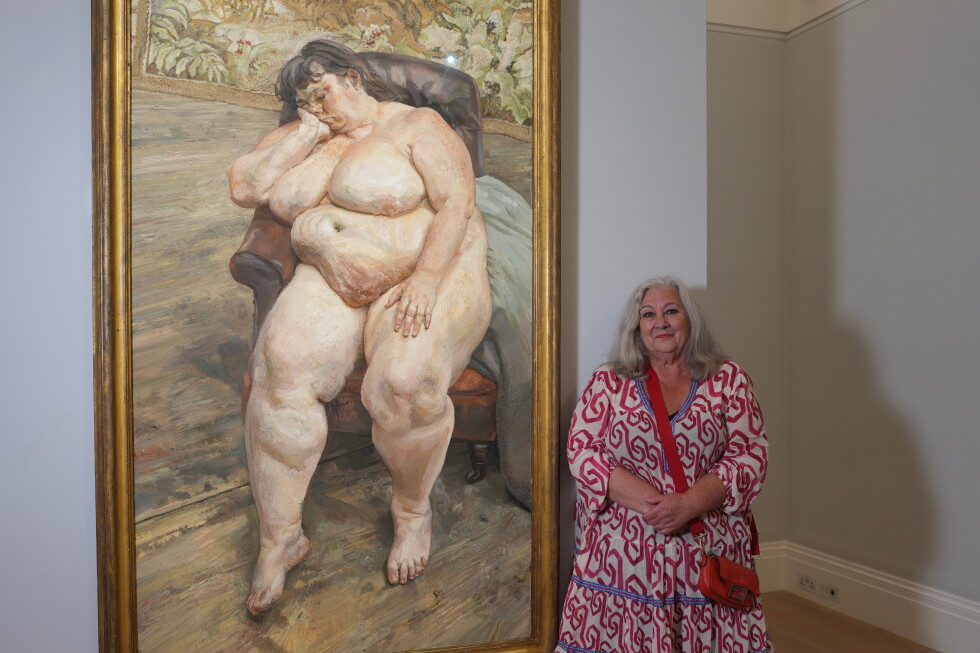
    In a quiet unemployment office in 1990s London, a chance encounter between civil servant Sue Tilley and legendary portrait painter Lucian Freud reshaped the course of both art history and Tilley’s life. This June, one of the most celebrated works born from that collaboration is set to hit the auction block, carrying a staggering pre-sale valuation that could cement its place among the most valuable modern art pieces ever sold.

    Titled *Sleeping by the Lion Carpet*, the 1996 work is the final of four large-scale reclining portraits Freud painted of Tilley. Sotheby’s will offer the 2.3-meter-tall nude piece at auction on June 24, with experts projecting it will sell for between £25 million and £35 million (equal to $33 million to $47 million). For 69-year-old Tilley, who never profited from the multi-million-dollar auction sales of the other portraits Freud made of her, the moment is not about regret—it is about the quiet thrill of earning an unplanned place in art history.

    Grandson of pioneering psychoanalyst Sigmund Freud, Lucian Freud built his legacy as the 20th century’s most acclaimed British portrait painter, celebrated for his thick, textured application of oil paint that captured unflinching, yet warm, depictions of his subjects’ textured skin tones. Over a decades-long career, he painted everyone from Queen Elizabeth II to close friends, family, and fellow creatives, favoring intimate, revealing portraits of people in his personal circle. His reputation has only grown in the years following his 2011 death at age 88, with his works consistently breaking auction records. In 2008, an earlier Freud portrait of Tilley, *Benefits Supervisor Sleeping*, sold for $33.6 million—a then-record price for a work by a living artist. A second Tilley portrait, *Benefits Supervisor Resting*, fetched $56.2 million at auction in 2015, and another of Freud’s works sold for $86 million in 2022.

    Tilley first crossed paths with Freud through her friend, the late Australian performance artist Leigh Bowery, who already modeled regularly for the painter. She recalled the casual rhythm of the sitting process in Freud’s cluttered London studio: long sessions stretched over months, punctuated by endless cups of tea, lively chitchat about the artist’s wild bohemian youth, and leisurely midday lunches. Even Freud’s unorthodox habit of stirring drinks with a used paintbrush, which left flecks of oil on Tilley’s clothes and skin, became a beloved part of the experience.

    Of the four portraits, *Sleeping by the Lion Carpet* holds a special place for Tilley: unlike the other works that required her to lie flat for hours (a position that grew increasingly painful over time), this piece saw her seated upright in a chair, making for a far more comfortable sitting experience. The unapologetically raw depiction of her body has never troubled her, either. “I’m not really vain,” Tilley shared during an interview at Sotheby’s showroom, standing before the towering canvas. “Sometimes I get out of bed in the morning, and I look at my legs and go, ‘Oh, they look just like that painting.’”

    Today, the portrait is part of the collection of British billionaire Joe Lewis, majority owner of Premier League club Tottenham Hotspur, and it is one of dozens of high-value works in Lewis’ collection going up for sale. The entire auction of Lewis’ collection, which also includes iconic pieces by Henri Matisse, Gustav Klimt, and Egon Schiele, is valued at more than £150 million ($201 million). Oliver Barker, chairman of Sotheby’s Europe, calls *Sleeping by the Lion Carpet* Freud’s magnum opus, noting the artist himself viewed the work as the peak of his creative achievement. “The market knows, and it’s very savvy, it wants to go for the best of the best — and this is it,” Barker said.

    While Tilley never received a share of the millions these portraits have generated at auction, and Freud only gifted her a small set of etchings (which she sold to fund a holiday), she holds no resentment. Now retired and living on England’s south coast, she says the greatest reward is the permanent place she has earned in art history. As a young woman, she spent hours poring over art books, fascinated by the interconnected bohemian circles of pre-Raphaelites and Impressionists. Only recently has she realized she now belongs to that same world. “That’s thrilling for me that I’ve achieved my ambition without really knowing it,” she said.

  • ‘Robots need clothes’: humanoids hit catwalk in Seoul

    ‘Robots need clothes’: humanoids hit catwalk in Seoul

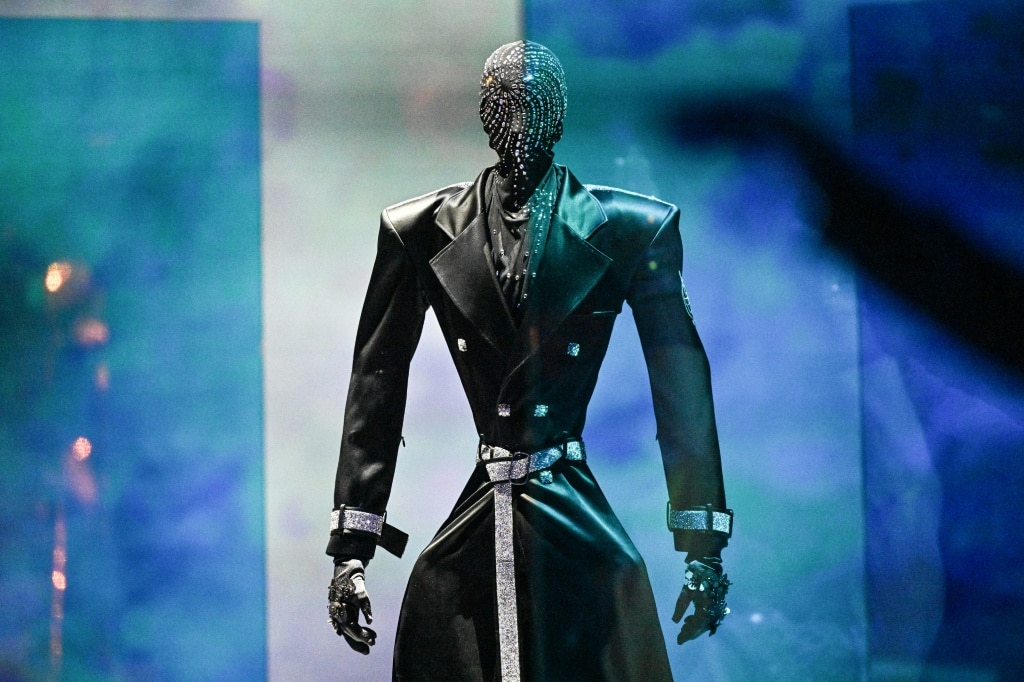
    South Korea’s capital Seoul has hosted one of the fashion world’s most innovative shows to date, merging cutting-edge robotics technology with high-end apparel design in an experimental display that explores the future of human-robot coexistence. Unlike traditional fashion presentations that center solely on human talent, this unique event paired every human model with a humanoid robot companion, both clad in matching custom-designed outfits, bringing the creative concept “Robots need clothes” to vibrant life on the runway.

    The showcased designs spanned a wide range of bold aesthetic directions. Standout pieces included a blue tasseled Texas-inspired ensemble fitted with a mini cowboy hat for the robot counterpart, a retro metallic silver puffer jacket, flowing silky gowns, and voluminous 1970s-inspired black space-age trousers echoing the iconic stage style of rock legend David Bowie. Every garment was carefully tailored to fit the unique skeletal structures of the robot models, ensuring a polished, intentional look as pairs took turns strutting down the catwalk in synchronized movement.

    The event was organized by Seoul-based entertainment firm Galaxy Corporation, which designed all of the garments featured in the show. In an interview after the presentation, Galaxy Corporation CEO Choi Yong-ho explained the core idea driving the concept: the team came to recognize that just as humans rely on clothing for expression and function, robots will also need garments as they become more integrated into daily life. “Just as every human being is unique, we believe that every single robot should also be distinct,” Choi noted. The company plans to commercially launch its robot apparel line under the brand name “MACH 33” by the end of this year.

    The humanoid models that walked the runway were produced by Unitree, a Chinese robotics startup that has grown in popularity thanks to the relatively affordable pricing of its humanoid products. This display comes as advancements in robotic engineering have unlocked new capabilities for humanoids: modern models can already perform choreographed dance routines, compete in athletic races, and even execute complex acrobatic moves like backflips.

    Industry forecasts point to explosive growth in humanoid adoption in the coming decades. Leading global financial services firm Morgan Stanley projects that the total global humanoid population could surpass one billion units by 2050, as the machines become more integrated into sectors ranging from manufacturing to service work and entertainment. Even so, fully autonomous humanoids powered by advanced embodied artificial intelligence remain rare today, with most high-profile robotic demonstrations relying on either pre-programmed movements or remote human operation.

  • Artists back out of concerts for US 250th anniversary

    Artists back out of concerts for US 250th anniversary

    Just 24 hours after organizers unveiled the full performer lineup for Freedom 250, the multi-week concert series marking the United States’ 250th anniversary in Washington D.C., two of the nine announced headlining acts have publicly pulled out of the event, sparking widespread criticism and online mockery across social media platforms.

    Unveiled on Wednesday, the initial lineup leaned heavily on acts that reached the peak of their mainstream popularity decades ago. The roster included 1990s dance group C+C Music Factory, 1990s rap figure Vanilla Ice, and a surviving member of Milli Vanilli – the infamous lip-syncing duo, whose other founding member passed away in 1998. The announcement immediately drew backlash from online commentators, who questioned how a celebration of the nation’s 250-year history could feature a lineup full of dated, faded acts rather than contemporary, chart-topping American music stars.

    The first high-profile drop-out came from Grammy-nominated rapper Young MC, best known for his 1989 breakout hit *Bust a Move*. In an official Instagram post, the rapper confirmed he would not take the stage at the Freedom 250 event. He explained that while industry outlet SPIN had publicly labeled the celebration as a Trump-backed initiative, none of the contracted artists were ever informed of any political affiliations or ties to the former president tied to the event.

    Though Freedom 250 organizers have repeatedly emphasized that the event is officially nonpartisan, former president Donald Trump has moved ahead with a series of high-profile, politically charged plans tied to the summer 2026 anniversary celebration, seeking to tie his own political brand to the national milestone. The most prominent of these is a planned UFC fight card scheduled to be held on the White House South Lawn in June, timed to coincide with Trump’s 80th birthday.

    Shortly after Young MC’s announcement, veteran funk and R&B artist Morris Day – who rose to fame collaborating with the legendary Prince and appeared as Prince’s on-screen musical rival in the iconic 1984 film *Purple Rain* – also confirmed he was withdrawing from the celebration. In an Instagram statement, Day clarified that “Contrary to rumor, Morris Day and the Time will not be performing at the ‘Great American State Fair,’” a related component of the 250th anniversary events.

    The White House has declined to comment on the lineup changes and the growing controversy surrounding the celebration. While most remaining acts have stayed quiet on their political ties, Freedom Williams, lead vocalist for C+C Music Factory, pushed back hard against claims he supported Trump in a profanity-laced Instagram video – though he confirmed the group would still honor their booking and perform at the event.

    The lackluster lineup and unfolding drama have drawn widespread mockery from social media users, many of whom have pointed to the contrast between the historic milestone and the underwhelming celebration plans. One viral post on X from user @cturnbull1968 summed up popular frustration, writing: “We fought a Revolutionary War, a Civil War, two World Wars, defeated fascism and communism while establishing an indomitable Democracy that’s the envy of the world. And how are we going to celebrate 250 years of American exceptionalism? A UFC fight and Milli Vanilli.”

    The awkward timing of the Freedom 250 announcement only amplified the criticism, coming the same day that a high-profile progressive-leaning all-star concert was announced for Washington D.C. this fall. On Wednesday night, legendary rock singer Bruce Springsteen – a longstanding outspoken opponent of Trump – announced he would bring his tour back to the Washington area for the Power to the People Festival on October 3. He will be joined by other top-tier headliners including Foo Fighters, Dave Matthews, and iconic folk activist Joan Baez, a lineup that has been widely contrasted with the Freedom 250 roster online.

  • The Golden Trailer Awards: Hollywood’s ‘Oscars’ for movie previews

    The Golden Trailer Awards: Hollywood’s ‘Oscars’ for movie previews

    Every year, thousands of moviegoers around the world are drawn to cinemas by snappy, emotionally resonant previews that stick with them long before the feature film starts. This Thursday, the unsung creators behind these unforgettable clips step into the spotlight as the 26th annual Golden Trailer Awards gets underway in Los Angeles — an event widely hailed as the ‘Oscars of movie previews’ that honors the often-overlooked craft of trailer production.

    The awards ceremony traces its origins back to 1999, when co-founders Monica Brady and Evelyn Watters encountered a surprising gap in the entertainment industry while searching for a specialized team to produce a trailer. At the time, the editors and designers who shaped movie previews operated almost entirely in anonymity. As Brady told AFP in a recent interview, the professionals responsible for crafting some of the most memorable moments of the entire moviegoing experience received zero formal recognition for their work. They were not credited either on the trailers themselves or in the final film’s credits, and there was not even a centralized directory to connect productions with skilled trailer creators.

    What began as a small New York-based inaugural event, handing out just 19 awards, has grown dramatically over the past 26 years. Now based in Los Angeles, the heart of the global film industry, the Golden Trailer Awards now recognize outstanding work across more than 100 distinct categories, covering everything from big-budget blockbusters to independent features and streaming content.

    When it comes to what makes a standout trailer, co-founder Evelyn Watters says a powerful, unforgettable hook always comes first. Beyond that, a prizewinning preview typically offers audiences a fresh narrative thread, compelling characters, and an unexpected emotional beat that has not been seen in previous marketing. She frames a great trailer as a carefully balanced act of storytelling: ‘A winning trailer is a tempting appetizer, it is not the whole meal’ — enough to leave viewers hungry for the full feature without spoiling the entire plot.

    Taylor Engel, creative director at Create Advertising Group, which earned an impressive 16 nominations this year for its work on previews for *Sinners*, *Tron: Ares*, and *Only Murders in the Building*, compares the process of editing a trailer to assembling a complex puzzle. Teams often receive a scattered set of raw materials at the start of a project, ranging from the full completed cut of a film to only unedited dailies of individual scenes. The core challenge, Engel explains, lies in weaving together audio, visuals, and editing effects to craft a cohesive narrative that may reframe the film or highlight its most compelling unique elements, rather than just repeating the full movie.

    As the film marketing landscape has grown increasingly crowded, with hundreds of new releases vying for audience attention each year, competition among trailer creators has grown exponentially. One of the ceremony’s most popular categories even caters to a well-known industry quirk: the preview that ends up being more compelling than the film itself. Named the ‘Golden Fleece’ award, this year’s nominees include previews for the Elisabeth Moss-led horror film *Shell* and *The Strangers: Chapter 3*.

    Against a backdrop of widespread AI adoption across other sectors of Hollywood, from script writing to visual effects, trailer creation remains a distinctly human craft. Engel notes that unlike other entertainment roles, trailer editors do not face the same industry pressure to integrate artificial intelligence tools into their workflow. Every creative choice — from pairing a specific shot with a particular track of music to adjusting pacing to build tension — is rooted in original, intentional decision-making. While AI may eventually get better at replicating the structure of past successful trailers, Engel argues that the most exciting, memorable previews are those that bring entirely new concepts and styles to audiences, something that artificial tools cannot replicate.

    As the 26th ceremony kicks off, the event continues to fill its original mission: shining a long-overdue spotlight on the talented creators who shape first impressions of the films audiences love.

  • How did this novel about food win a Booker Prize this year?

    How did this novel about food win a Booker Prize this year?

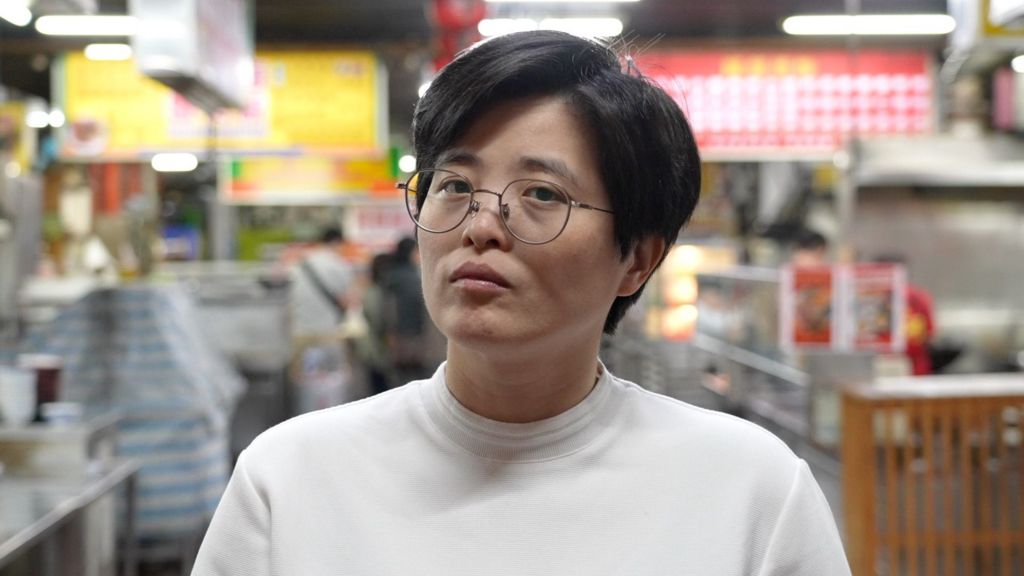
    The 2024 Booker Prize has marked an unprecedented milestone in global literary circles, as *Taiwan Travelogue* has etched its name into the award’s history books as the first work originally written in Mandarin Chinese to take home the prestigious honor after being translated into English. For decades, the Booker Prize has celebrated the most exceptional English-language fiction from across the globe, but this win opens a new chapter for the award by breaking long-standing linguistic barriers that have often marginalized translated works from East Asian literary traditions.

    Industry observers and literary critics have been quick to note the significance of this outcome, pointing to the novel’s rich, sensory exploration of food, culture, and personal memory as the core of its widespread acclaim. Centered on intimate stories woven around local Taiwanese cuisine, the book connects everyday culinary experiences to broader themes of identity, heritage, and cross-generational connection, creating a narrative that resonates with both English-speaking readers and critics familiar with the global literary landscape. Translator of the work also shared credit for the novel’s success, emphasizing the careful work required to preserve the nuance of cultural context and emotional texture when shifting between Mandarin and English.

    This historic win is expected to reshape future Booker Prize selections, drawing greater attention to translated fiction from underrepresented linguistic regions and opening new doors for Chinese-language literature to reach a global mainstream audience. It also sparks broader conversations about the role of major literary awards in fostering cross-cultural exchange through storytelling.

  • As the United States turns 250, Americans still can’t get enough of French luxury

    As the United States turns 250, Americans still can’t get enough of French luxury

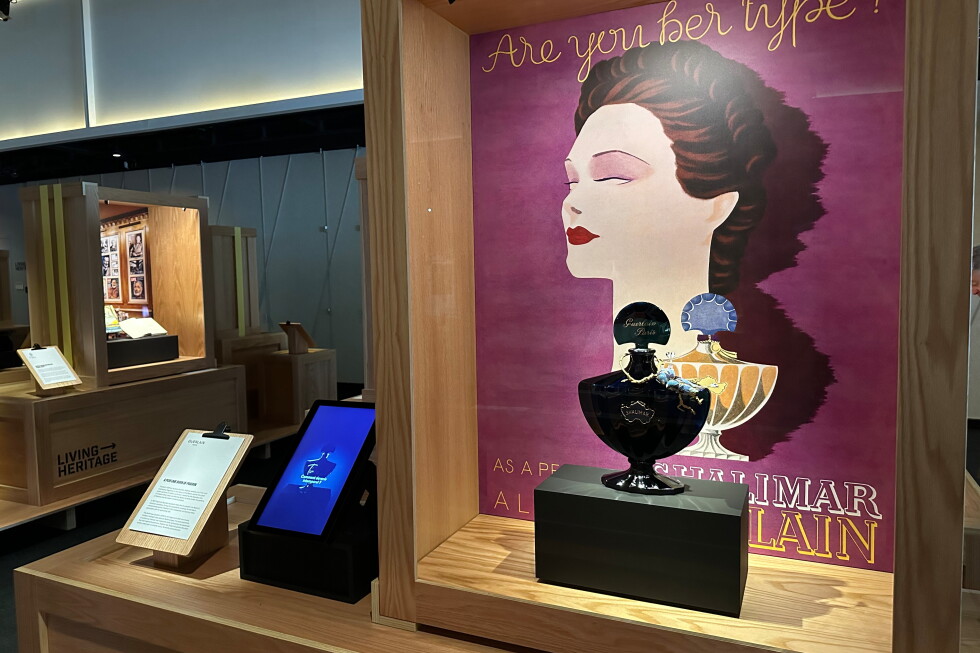
    For more than two centuries, France has stood as one of the most enduring cultural influences on the United States, weaving a complicated yet deeply connected bond marked by shared history, creative exchange and, at times, gentle rivalry. As both nations mark major milestones – 250 years of formal diplomatic relations and the U.S. semiquincentennial of its founding – a new curated exhibition at Manhattan’s The Shed titled “Hidden Treasures” pulls back the curtain on this long-running relationship through the lens of iconic French luxury craftsmanship.

    Organized by Comité Colbert, the governing body that unites France’s most prestigious luxury maisons spanning fashion, fragrance, jewelry, hospitality and spirits, the exhibition brings together one-of-a-kind archival pieces sourced directly from the collections of 65 member houses and partner cultural institutions. Each artifact was carefully selected to tell a different chapter of the cross-Atlantic connection that has shaped tastes on both sides for generations. To honor the trans-Atlantic journey that brought these pieces to American audiences, every item is displayed inside repurposed shipping containers, a subtle nod to the centuries of exchange that underpin the exhibit’s narrative.

    Among the most high-profile standouts on display is the soft pink brushed cashmere Givenchy coat worn by former first lady Jacqueline Kennedy during her landmark 1961 official visit to Paris. Also featured is Madonna’s iconic revealing pinstriped gown from Jean Paul Gaultier’s 1992 AIDS charity benefit runway, a replica of Cartier’s custom lunar module created to commemorate the 1969 Apollo 11 mission, and the 1782 Libertas Americana medal commissioned by Benjamin Franklin from French artisans and the Paris Mint to thank France for its support during the American Revolutionary War.

    Other notable pieces include a recreated Belle Époque diamond necklace from Boucheron, originally crafted in 1899 for wealthy Irish-American silver magnate John William Mackay and his wife Marie-Louise, who commissioned 50 custom pieces from the French brand. A 1964 Veuve Clicquot advertisement is also on display, showcasing the champagne house’s clever early marketing strategy that paired its product with classic American hamburgers to reposition Champagne from a drink reserved exclusively for rare special occasions to an accessible luxury for everyday U.S. consumers.

    The exhibition, which runs through the end of May, opens at a moment when American consumers now drive a significant share of global demand for French luxury goods, prompting brands to rapidly expand their footprint across the United States beyond the traditional luxury hubs of the East and West coasts and Las Vegas. In recent months, leading maisons including Dior, Louis Vuitton and Chanel have all hosted high-profile runway shows on U.S. soil, while smaller and heritage brands are also growing their domestic presence: Hermès opened a new boutique in Nashville in 2023, and Boucheron, which launched its U.S. flagship on Madison Avenue in 2024, already plans to open a fourth American location before the end of the year.

    Industry analysts note that the strategic expansion into middle America follows the same playbook that drove massive growth among Chinese consumers over the past two decades. New York University luxury marketing professor Thomaï Serdari explains that over the last 15 years, French brands have successfully adjusted their product ranges to cater to a broader cross-section of American consumers, unlocking mass-market demand while retaining their elite cultural cachet.

    Scholars point out that the American reverence for French cultural taste dates back to the earliest days of the U.S. as an independent nation. When the U.S. was still a young, modest global economy, established European cultures like France dominated global standards of elegance and style – a dynamic that endures today. Even before the Statue of Liberty arrived as a gift from France in 1886, and long before Alexis de Tocqueville published his groundbreaking 1830s analysis of American democracy, Americans already looked to France as the global arbiter of cultural refinement.

    “American people love French elegance — the ‘je ne sais quoi’ of French luxury,” said Bénédicte Épinay, president and CEO of Comité Colbert. “It’s a deep link starting at the 18th century and still alive.”

    While the global luxury sector has faced headwinds in recent years, including post-pandemic demand shifts, economic uncertainty and past tariff disputes between the U.S. and European Union, Épinay emphasized that political and economic fluctuations are temporary, and the core cultural bond between the two nations remains unshaken. “Politics and economics, it’s up and down,” she said. “We’re here to celebrate this strong cultural link between us.”

  • Matthew Perry’s assistant sentenced to 41 months for role in the actor’s death

    Matthew Perry’s assistant sentenced to 41 months for role in the actor’s death

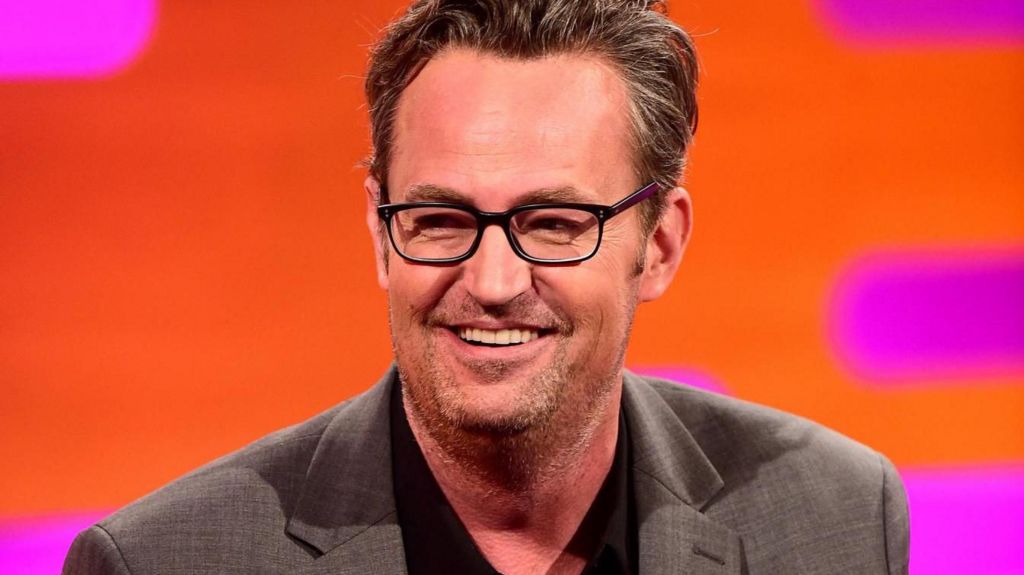
    The years-long legal process following the 2023 death of beloved *Friends* star Matthew Perry has reached its final chapter, with the actor’s live-in personal assistant receiving a 41-month federal prison sentence for his role in the overdose that killed Perry.

    Sixty-year-old Kenneth Iwamasa, who had no formal medical training, admitted to conspiring with two licensed doctors to supply Perry with more than $50,000 worth of ketamine in the weeks leading up to the actor’s death. Court records confirm Iwamasa personally injected Perry with the dissociative drug multiple times, including several doses on the day Perry died.

    Perry, who spoke publicly for decades about his long-running battle with substance addiction, was found unresponsive in the hot tub at his Los Angeles home in October 2023. Medical examiners later ruled his death an acute ketamine overdose, with drowning listed as a contributing cause.

    Iwamasa entered a guilty plea in August 2024 on one count of conspiracy to distribute ketamine resulting in death, a charge that carried a maximum penalty of 15 years behind bars. In addition to his 41-month prison term, he was ordered to serve two years of supervised release following incarceration and pay a $10,000 fine.

    During Wednesday’s sentencing hearing in a downtown Los Angeles courtroom, Iwamasa addressed Perry’s family directly from the witness stand, issuing a public apology for his actions. “I’m so sorry to all of you. I’m just so sorry to have done illegal acts that I will forever regret. I will take it to my grave,” he said, adding that he hoped his case would serve as a warning to others in similar positions to choose differently.

    In her sentencing remarks, U.S. District Judge Sherilyn Peace Garnett highlighted two key aggravating factors: Iwamasa’s full knowledge of Perry’s history of addiction, and his choice to conceal evidence related to his role after the actor’s death.

    Members of Perry’s family submitted pre-sentencing letters to the judge outlining their position on the case, with many expressing harsh condemnation of Iwamasa’s breach of trust. Perry’s mother, Suzanne Morrison, noted that Iwamasa’s core responsibility was to support Perry’s recovery and keep him free of drugs, with clear protocols in place to call for help if he felt overwhelmed. Instead, she wrote, Iwamasa facilitated repeated illegal drug use and arranged for multiple drug suppliers. “We trusted a man without a conscience, and my son paid the price,” she wrote.

    Perry’s sister Caitlin Morrison added that on the night of the actor’s death, Iwamasa either fled the scene knowing he had caused harm or intentionally abandoned a vulnerable person in a life-threatening situation, writing she had no sympathy for Iwamasa. Another sister, Madeline Morrison, argued that Iwamasa bore greater responsibility for Perry’s death than ketamine supplier Jasveen Sangha.

    Prosecutors had requested the 41-month sentence that the judge ultimately handed down. Iwamasa was the first of five defendants charged in the case to reach a plea deal, and the last to receive his sentence.

    All five co-defendants have now pleaded guilty to their respective charges and been sentenced. Sangha, the Los Angeles-based supplier known as the “Ketamine Queen”, was sentenced to 15 years in prison in April 2024. Dr. Salvador Plasencia, one of the doctors who supplied Perry with ketamine, received a 30-month prison sentence last December. A second doctor involved, Dr. Mark Chavez, was sentenced to eight months of home detention and three years of supervised release the same month. Erik Fleming, who sourced ketamine from Sangha, was sentenced to two years in prison earlier this month, along with three years of supervised release and a $200 fine.

    Federal prosecutors have alleged that the entire network exploited Perry’s well-documented addiction for profit, knowingly supplying him with large quantities of ketamine that directly led to his fatal overdose.