分类: business

  • Dubai’s commercial property market heading for major reset

    Dubai’s commercial property market heading for major reset

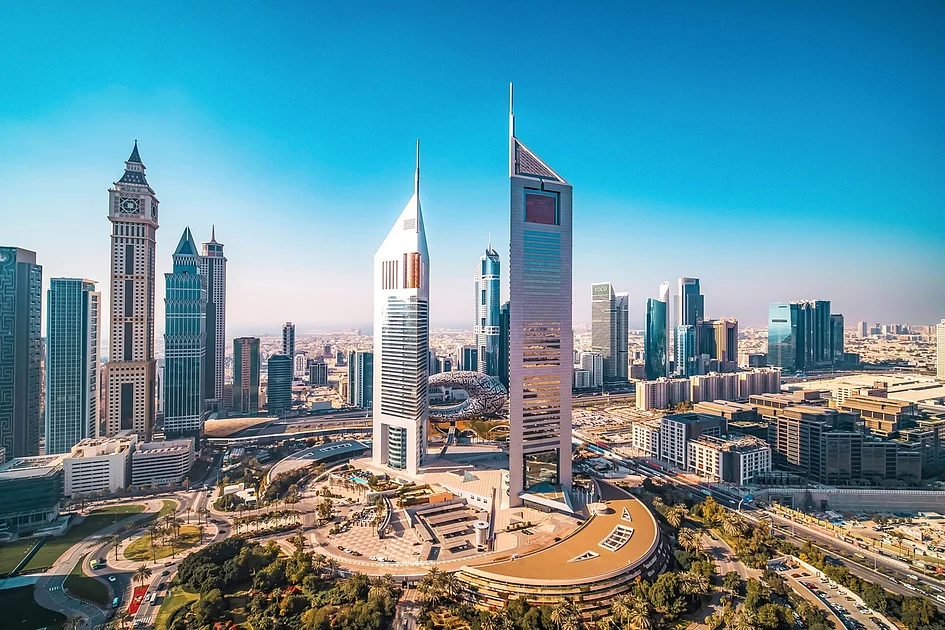
    Dubai’s commercial property landscape is undergoing a fundamental structural transformation that will culminate in a distinct two-tier market system by 2028, according to real estate experts. This market reset will see premium next-generation Grade A office spaces commanding substantial price premiums while older commercial buildings face increasing competitive pressures.

    The transformation comes despite impressive short-term performance metrics. Commercial real estate transactions have demonstrated remarkable growth throughout the current year, with sales value surging by 77.9 percent to reach AED 15.5 billion during the first eleven months, while transaction volume increased by 35.1 percent to 5,364 deals compared to the same period last year.

    According to Firs Al Msaddi, CEO of fäm Properties, the commercial sector has lagged significantly behind Dubai’s residential market in architectural innovation and quality standards for over fifteen years. “Since 2008, Dubai has not witnessed a genuine new generation of office developments,” Al Msaddi noted. “The residential segment underwent comprehensive transformation with new design languages, architectural standards, and construction codes, while the commercial sector awaited its reset moment.”

    The market shift will accelerate as the first wave of next-generation Grade A office buildings begins delivery in 2028. This influx of modern, efficient, and architecturally relevant office spaces will provide tenants with superior alternatives, fundamentally reshaping market dynamics and pricing structures across Dubai’s commercial landscape.

    Al Msaddi cited Vision Tower in Business Bay as a precursor to this trend, noting its consistent market outperformance due to its appeal to established corporate tenants. The building’s minimum half-floor requirement naturally filters for serious companies, demonstrating the substantial latent demand for genuine Grade A office space in Dubai.

    The emerging two-tier system will see commercial properties repricing according to quality benchmarks, creating distinct market segments with varying valuation models and tenant profiles.

  • BP names new boss as current CEO leaves after less than two years

    BP names new boss as current CEO leaves after less than two years

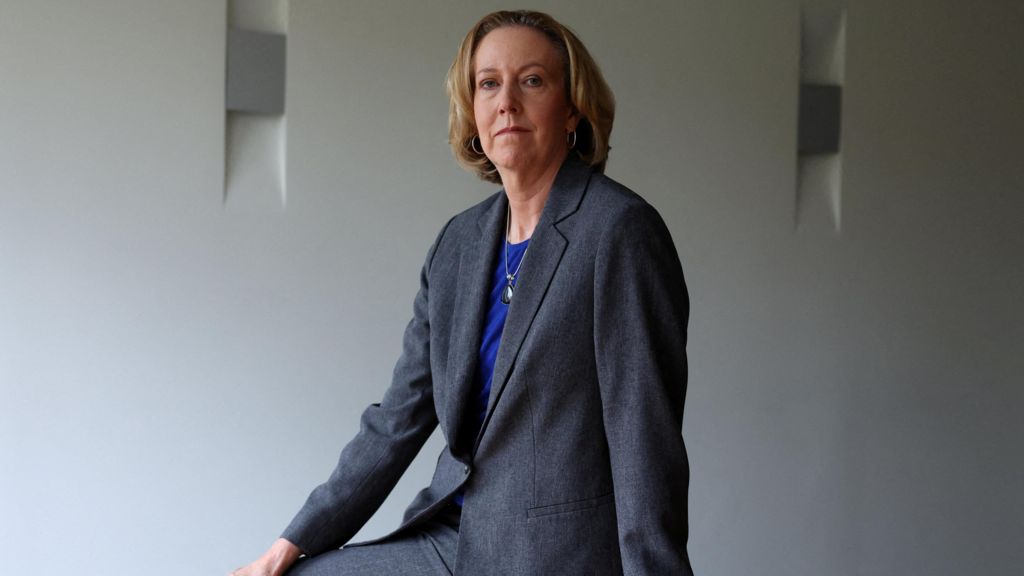
    In a historic move for the energy sector, BP has named Meg O’Neill as its new chief executive, marking the first time a woman will lead a major global oil corporation. The appointment comes amid significant leadership turbulence at the London-based energy giant.

    O’Neill, who currently serves as CEO of Australian energy firm Woodside Energy, will assume her new role on April 1st. She succeeds Murray Auchincloss, who is stepping down after less than two years at the helm. Auchincloss had replaced Bernard Looney in September 2024 following Looney’s dismissal for serious misconduct related to undisclosed relationships with colleagues.

    BP executive vice president Carol Howle will serve as interim chief executive during the transition period. Auchincloss will remain in an advisory capacity until December 2026, ensuring continuity during the leadership change.

    O’Neill brings extensive industry experience to BP, having spent 23 years in various technical, operational and leadership roles at ExxonMobil before leading Woodside Energy since 2021. Under her leadership, Woodside completed its significant acquisition of BHP Petroleum International in 2022 and grew into the largest energy company listed on the Australian Securities Exchange.

    In her first comments as CEO-designate, O’Neill emphasized her commitment to helping BP ‘meet the world’s energy needs’ while prioritizing market leadership, safety innovation, and sustainability initiatives.

    The leadership transition occurs as BP undergoes strategic shifts, including reducing renewable energy investments in favor of increased oil and gas production. This pivot follows pressure from investors concerned about profitability and share performance relative to competitors.

    The appointment reflects broader industry trends, with rivals Shell and Equinor similarly scaling back green energy investments amid favorable market conditions for fossil fuels and supportive political environments, including former President Trump’s pro-drilling stance.

  • DMCC partners with Crypto.com to drive global push for commodities tokenisation

    DMCC partners with Crypto.com to drive global push for commodities tokenisation

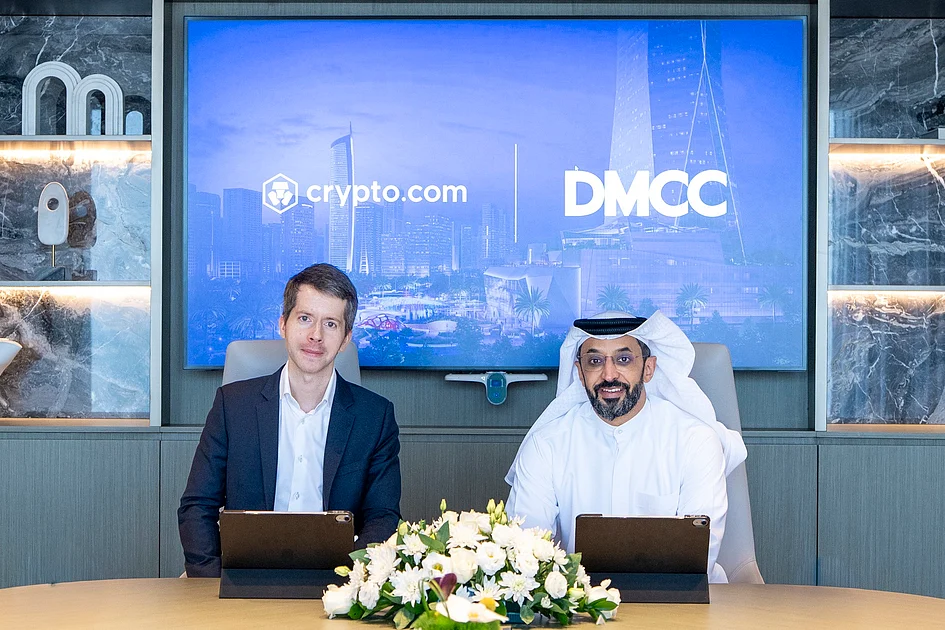
    In a landmark move that signals Dubai’s accelerating embrace of digital asset innovation, the Dubai Multi Commodities Centre (DMCC) has entered into a strategic partnership with cryptocurrency exchange giant Crypto.com. This collaboration, formalized through a Memorandum of Understanding, aims to revolutionize global commodities trading through blockchain-enabled tokenization of physical assets.

    The partnership brings together the world’s largest free zone and commodities trading hub with one of the most prominent digital asset platforms to explore transformative solutions for tokenizing real-world commodities. The initiative specifically targets precious metals, diamonds, energy products, and agricultural goods—seeking to modernize how these assets are financed, traded, and settled across international markets.

    Key objectives include reducing settlement friction, enhancing price transparency, and expanding access to broader pools of market participants. The alliance will assess the potential listing of tokenized commodities on the Crypto.com Exchange, contingent upon regulatory approvals and existing listing requirements. Additionally, both organizations will jointly investigate digital asset custody models, liquidity-facilitation mechanisms, and digital-asset payment solutions across DMCC’s digital platforms.

    Ahmed Bin Sulayem, Executive Chairman and CEO of DMCC, characterized tokenization as a structural opportunity to modernize commodities markets that still rely heavily on legacy systems. “The ability to move real assets on-chain could significantly enhance transparency and efficiency,” he stated, emphasizing Dubai’s positioning at the forefront of blockchain-enabled trade transformation.

    The collaboration extends beyond market infrastructure to include educational initiatives through the DMCC Crypto Centre. These will feature workshops, hackathons, and capability-building programs designed to strengthen institutional understanding of tokenized asset models and foster responsible innovation within Dubai’s rapidly expanding Web3 ecosystem.

    Crypto.com President Eric Anziani highlighted the significance of tokenized real-world assets as “one of the most significant advancements in the digital economy,” noting that the partnership provides an exceptional platform to explore these opportunities responsibly and at scale.

    This agreement builds upon DMCC’s earlier partnership with Dubai’s Virtual Assets Regulatory Authority (VARA), forming part of a comprehensive strategy to develop secure, compliant frameworks for integrating physical assets into the digital economy. With over 26,000 member companies across various sectors, DMCC provides a diversified commercial environment for testing and implementing blockchain applications within global supply chains.

  • Zen launches digital finance platform to advance real-world asset tokenisation

    Zen launches digital finance platform to advance real-world asset tokenisation

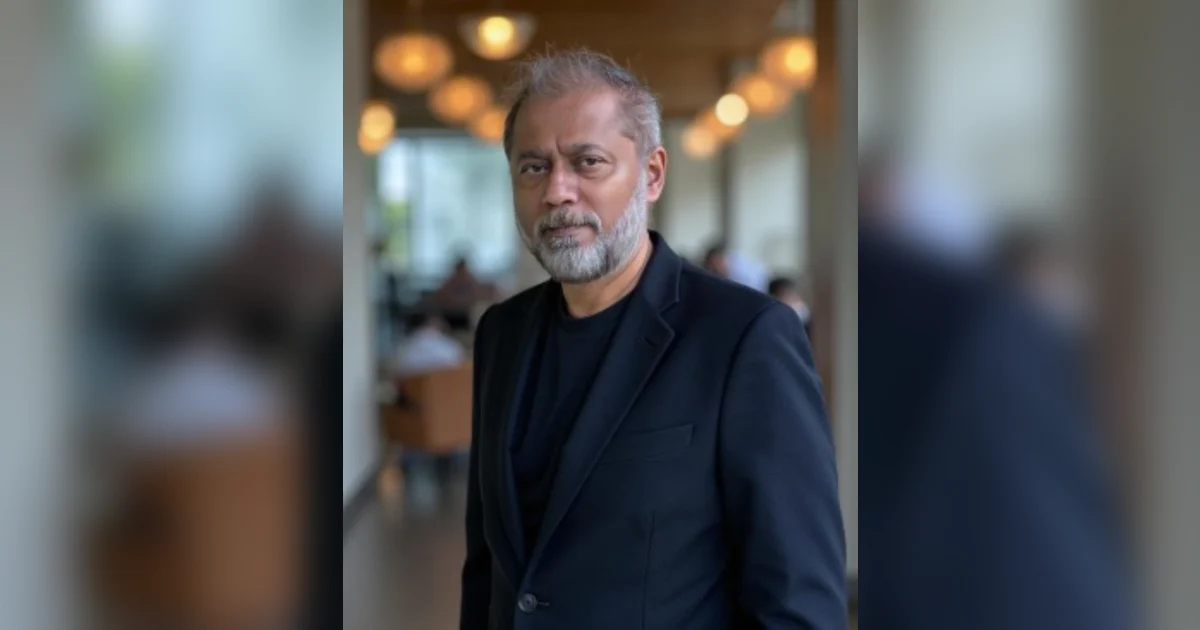
    In a significant development for digital finance, Zen has officially launched its innovative platform dedicated to transforming real-world assets into compliant digital tokens. Founded by seasoned entrepreneur Aniket Warty, whose career spans over four decades, the platform emerges as a sophisticated ecosystem prioritizing value creation, operational transparency, and long-term market resilience.

    The core of Zen’s infrastructure is Atlas Rails, a robust transaction system that seamlessly integrates the platform’s various verticals—ZenX, ZenTokenize, ZenPay, and ZenOTC—into a unified, programmable settlement layer. This architecture supports the entire lifecycle of asset tokenization, facilitating the conversion of tangible and intangible assets—including real estate, private equity, debt instruments, art, and intellectual property—into liquid digital positions.

    Atlas Rails is engineered to manage onboarding, risk assessment, payment routing, foreign exchange, settlement, and post-trade reconciliation. Its modular design allows integration with card issuance systems, digital wallets, and liquidity management tools, ensuring both operational flexibility and regulatory compliance.

    Zen distinguishes itself by addressing longstanding barriers to the adoption of tokenized assets within traditional finance, such as regulatory uncertainty and market volatility. The platform is built to endure different market cycles, offering institutional-grade security and stability that appeal to investors and asset owners alike.

    Aniket Warty, leveraging his extensive background in venture capital, private equity, and digital finance, applied first-principles thinking to develop Zen. His approach ensures the platform treats liquidity and tokenization as operational rather than speculative functions, aligning with the practical needs of institutions and creators.

    By bridging conventional asset markets with programmable digital finance rails, Zen provides a streamlined environment for asset issuance, trading, payments, and custody, marking a pivotal step toward the future of finance.

  • How Japan built a rare-earth supply chain without China

    How Japan built a rare-earth supply chain without China

    In the global race to secure critical mineral supplies beyond China’s dominance, Japan emerges as a pioneering case study in strategic supply chain resilience. The nation’s comprehensive approach to reducing dependency on Chinese rare-earth elements—vital components in automotive manufacturing, advanced electronics, and defense technologies—offers valuable lessons for Western nations currently facing similar challenges.

    Japan’s awakening to supply chain vulnerabilities occurred dramatically in 2010 when China implemented an unannounced two-month embargo during a territorial dispute. This economic retaliation, triggered by a maritime incident near disputed islands, exposed Japan’s critical dependence as Chinese rare earths constituted over 90% of its imports at the time. Tatsuya Terazawa, then economic policy chief at Japan’s trade ministry, recounted the moment industry officials warned that automotive supply chains faced imminent suspension due to the sudden cutoff.

    The government responded with a decisive $1 billion strategic package designed to diversify sources and build structural resilience. This initiative supported Japanese conglomerates in developing alternative supply channels, with particular focus on Australia’s Lynas Corporation—the only company attempting to establish a fully integrated rare-earth supply chain outside China.

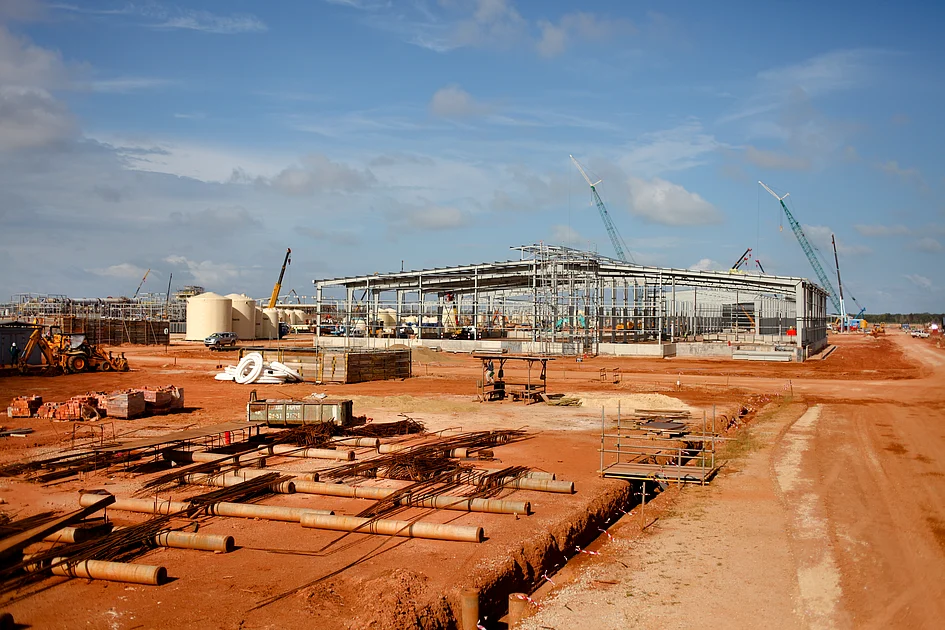
    Through strategic partnerships between government entity Jogmec and trading giant Sojitz, Japan provided $250 million in financing to Lynas, securing long-term access to Australian-mined rare earths processed in Malaysia. This complex operation involves mining at Mount Weld in Western Australia, chemical separation at Lynas’s Malaysian facility (until recently the only large-scale processing plant outside China), and final distribution to Japanese magnet manufacturers serving automotive giants like Toyota.

    The transition proved challenging, confronting technical obstacles, environmental concerns regarding radioactive waste management, and significant local opposition in Malaysia. Despite these hurdles, Japan successfully reduced its Chinese rare-earth dependency from over 90% to approximately 60-70% today while expanding its portfolio of specialized magnet ingredients.

    As China recently implemented new waves of export controls targeting both materials and processing technology, the United States and European nations are accelerating their own supply chain initiatives. While the Trump administration has committed to developing domestic capabilities within a year—supporting operations at California’s Mountain Pass mine and processing facilities in Texas and North Carolina—Japan’s experience demonstrates that genuine supply chain independence requires sustained government commitment, international cooperation, and long-term strategic vision.

    According to Naoki Kobayashi of Japan’s trade ministry, current efforts should focus on multinational coordination to achieve economies of scale and cost competitiveness. Terazawa, now leading an energy think tank, emphasizes that recent international agreements represent merely preliminary steps, with the true test lying in sustained allied commitment to confronting China’s mineral dominance collectively rather than individually.

  • OQ commissions the Ladayn polymer programme at Suhar Industrial City, Oman

    OQ commissions the Ladayn polymer programme at Suhar Industrial City, Oman

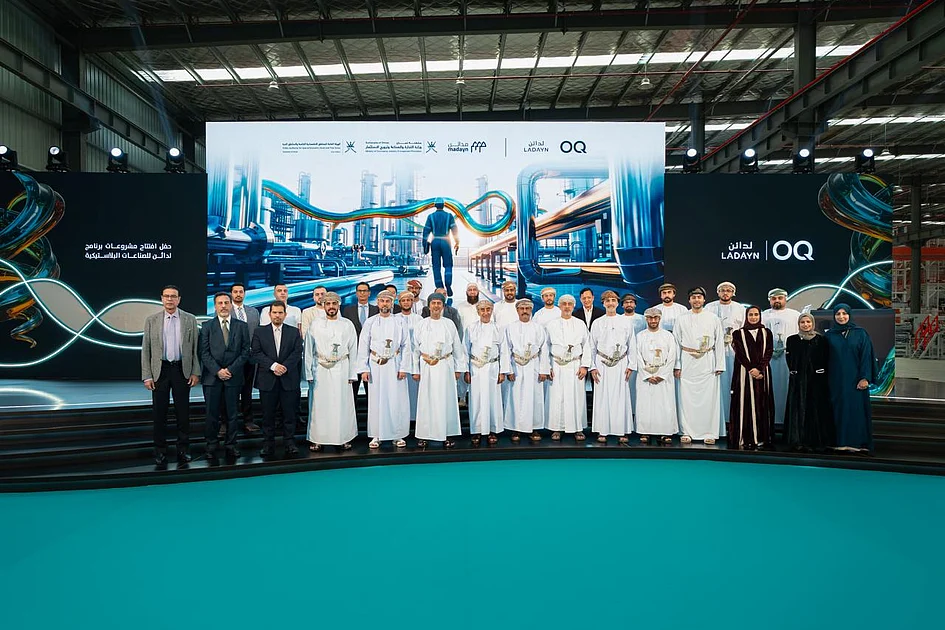
    Oman’s integrated energy group OQ has officially inaugurated the groundbreaking Ladayn Polymer Programme at Suhar Industrial City, marking a significant advancement in the nation’s industrial diversification strategy. The ceremony, held under the patronage of Sheikh Dr. Ali bin Masoud Al Sunaidy, Chairman of the Public Authority for Special Economic Zones and Free Zones, celebrated the transition of nine manufacturing plants into commercial operation.

    This pioneering initiative represents Oman’s first national industrial framework specifically designed to connect polymer production from OQ’s industrial complexes with downstream manufacturing across various economic zones. With a total investment of approximately 40 million Omani riyals in its current operational phase (21 million local investment and 19 million in foreign direct investment), the programme aims to transform locally produced polymers into high-value finished products.

    The programme’s strategic importance lies in its alignment with Oman Vision 2040 objectives, particularly in developing a competitive industrial base with regional and international reach. Once fully operational, Ladayn is projected to generate approximately 435 direct employment opportunities alongside hundreds of indirect jobs across supporting supply chains and industrial services.

    Ashraf Hamed Al Mamari, Group CEO of OQ, emphasized that “Ladayn represents a practical embodiment of Oman’s Vision 2040 ambitions for economic diversification and the development of a value-driven industrial sector. Through this programme, we connect Oman’s polymer resources with a downstream manufacturing ecosystem capable of generating sustainable employment, empowering SMEs, and attracting long-term capital and investment.”

    The manufacturing portfolio showcases international collaboration with investments from China, India, Germany, Saudi Arabia, Palestine, and Turkey, alongside Omani companies expanding their production capacity. Notable projects include Multibond Metal (Chinese-Indian investment specializing in heat-resistant polymer solutions), Madayn Plastic Company (first industrial-scale producer of Form-Fill-Seal packaging bags in Oman), and M.A.K Sohar for Chemical Industries (German firm producing high-performance engineering polymers).

    Ladayn benefits from Suhar’s integrated industrial ecosystem, leveraging the strategic advantages of Sohar Port, Sohar Freezone, and advanced infrastructure. OQ plays a central role by supplying high-quality polymer feedstock at competitive terms while establishing long-term purchasing arrangements for finished products, creating commercial stability for investors.

    The programme’s diverse manufacturing output spans high-performance polymer solutions, engineering compounds, industrial packaging, medical products, food packaging, and woven polypropylene applications, serving key sectors including healthcare, food production, logistics, and automotive manufacturing.

    This initiative positions Oman as an advanced downstream manufacturing platform while supporting national self-sufficiency and creating new export opportunities through the localization of downstream industries and value maximization from locally produced polymers.

  • Vedanta Resources reports second-highest ever revenue and EBITDA in H1FY26

    Vedanta Resources reports second-highest ever revenue and EBITDA in H1FY26

    Vedanta Resources Limited (VRL), a global powerhouse in transition metals, critical minerals, energy, and technology, has announced exceptional financial results for the first half of fiscal year 2026. The company posted its second-highest revenue in history at $9.367 billion, representing an 8% year-over-year growth, driven by favorable commodity market conditions and sustained operational excellence.

    Financial metrics demonstrated remarkable strength with EBITDA reaching $2.752 billion, also ranking as the company’s second-highest performance, showing a 6% annual increase. The company maintained an industry-leading EBITDA margin of 36%, improving by 7 basis points year-over-year. Profit After Tax before special items grew 7% to $738 million, reflecting efficient operational management.

    The company significantly strengthened its financial position, reducing its Net Debt-to-EBITDA ratio to 2.0x while maintaining cash reserves of $2.628 billion. Return on capital employed remained robust at approximately 23%, highlighting disciplined capital allocation strategies. Vedanta successfully refinanced $550 million of high-cost debt, lowering overall interest costs to around 10% and extending average debt maturity to 4.5 years.

    Credit rating agencies recognized these improvements with S&P Global and Moody’s upgrading Vedanta’s outlook to Positive, while Fitch maintained its B+/Stable rating, acknowledging the company’s stable operational performance and prudent financial management.

    Operational achievements included substantial capital investments of approximately $900 million, resulting in record production across multiple segments. Aluminum production reached 1,222 kilotons (+1%), alumina output increased to 1,240 kilotons (+19%), while Zinc India’s mined metal production grew to 523 kilotons (+1%). Zinc International reported exceptional growth with production surging 44% to 117 kilotons.

    The company expanded its strategic mineral portfolio, securing three additional high-value critical mineral blocks, bringing its total allocated blocks to 11. Significant operational milestones included Konkola Copper Mines ramping up production to deliver 41 kilotons of metal in concentrate and 51 kilotons of finished goods. BALCO commissioned India’s most powerful 525 kA smelter, while the Lanjigarh refinery produced its first alumina from expanded facilities. Merchant power capacity increased to 4.2 GW with new asset commissions, and Hindustan Zinc enhanced production efficiency through the Debari Roaster commissioning.

  • Madagascar deepens its investment ties with the UAE

    Madagascar deepens its investment ties with the UAE

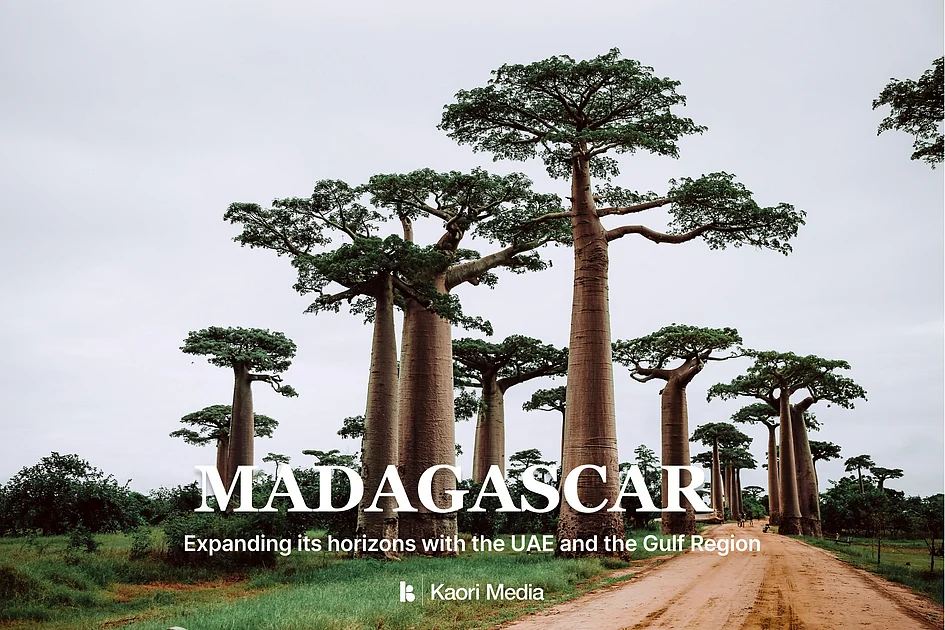
    Madagascar is rapidly emerging as a strategic investment destination in the Indian Ocean region, with the United Arab Emirates playing a pivotal role in its economic transformation. The island nation has identified the UAE as a crucial partner in its ambitious development agenda, creating one of Africa’s most dynamic economic corridors that is reshaping trade patterns and stimulating unprecedented investment flows.

    Recent economic indicators demonstrate Madagascar’s remarkable progress. According to the latest EDB Madagascar report, foreign direct investment reached a historic peak of $602 million in 2024, driven by vigorous activity across multiple sectors including agriculture, energy, telecommunications, and infrastructure development. The nation’s economic growth rate of 4.4% significantly outpaces regional averages, signaling its emergence as a promising market with substantial potential.

    The commercial relationship with the UAE has experienced extraordinary expansion. Non-oil trade between the two nations surged by 90% year-on-year, climbing from $188 million in 2023 to $354 million in 2024. Overall bilateral trade reached $386.7 million, representing a 75% increase that firmly establishes the Emirates as one of Madagascar’s most vigorous trading partners. Enhanced air connectivity has been instrumental in this growth, with Emirates alone transporting 53,000 passengers annually, facilitating both business exchanges and tourism development.

    The momentum accelerated during the Dubai Madagascar Business Forum in May 2025, which convened over 60 Malagasy enterprises and more than 100 Emirati business leaders. The event showcased Madagascar’s competitive advantages across multiple sectors including agro-industry, renewable energy, mining, tourism, digital services, and logistics. Participants emphasized the nation’s ambition to achieve emerging economy status by 2030 and solidify its position as a rising star in the Indian Ocean region.

    Madagascar’s unique comparative advantages continue to attract global investors. The nation boasts world-renowned vanilla production, rare mineral deposits, exceptionally fertile agricultural land, rich fisheries, and unparalleled biodiversity. To leverage these assets, the government is implementing comprehensive investment incentives, modernized legal frameworks, public-private partnership models, and special economic zones. A strong emphasis on local value addition ensures that natural resource development translates into sustainable job creation and long-term prosperity.

    Infrastructure modernization constitutes a central pillar of Madagascar’s development strategy. Major initiatives are underway to upgrade port and airport facilities while enhancing regional and international connectivity. The country has established itself as one of the most digitally advanced nations in its region, with expanding broadband and mobile coverage supporting innovation, entrepreneurship, and digital inclusion.

    Energy security represents another strategic priority, with Madagascar targeting doubled electricity access by 2030 through expanded solar, hydro, and wind power generation. Solar mini-grids are already delivering electricity to remote communities, supporting educational institutions, healthcare facilities, and small businesses. Large-scale solar parks capable of producing up to 100MW annually support the national objective of achieving 70% clean energy by 2028. Between 2020 and 2024, renewable energy’s share in the national mix increased from 16% to 28%, backed by international financial institutions and private sector partners.

    Tourism remains a powerful economic engine, ranking as the third-largest source of foreign exchange. The sector contributes 14.9% of GDP and sustains over 350,000 direct jobs. In 2024, Madagascar welcomed 308,275 international visitors, generating revenues exceeding $780 million. Robust flight connectivity, including seven weekly Emirates flights, 17 Ethiopian Airlines routes, and 17 weekly connections to Nosy Be, is positioning Madagascar among Africa’s most attractive destinations. Upcoming projects such as the Artisanal Village at Ivato International Airport and growing investments in eco-resorts and luxury hospitality underscore the commitment to sustainable tourism development.

    The deepening Madagascar-UAE partnership is unlocking new opportunities in renewable energy, logistics, infrastructure, tourism, and high-value agriculture. As global investors seek new frontiers, Madagascar distinguishes itself as a land of opportunity abundant in natural resources, populated by a dynamic workforce, and committed to a future shaped by innovation, sustainability, and shared prosperity.
  • MoEngage raises $180 million in extended series F, boosts AI innovation

    MoEngage raises $180 million in extended series F, boosts AI innovation

    In a significant development for the marketing technology sector, MoEngage has successfully closed an extended Series F funding round, securing an additional $180 million. This latest injection of capital, led by ChrysCapital and Dragon Funds with participation from Schroders Capital, TR Capital, and B Capital, brings the total Series F funding to $280 million following an initial $100 million raised in November.

    The substantial investment represents a powerful endorsement of MoEngage’s AI-driven customer engagement platform as enterprises across North America, Europe, and the Middle East increasingly transition from legacy marketing systems to intelligent, insights-led solutions. The funding will primarily accelerate the scaling of MoEngage’s Merlin AI suite, expand go-to-market operations in key regions, and facilitate strategic acquisitions to enhance platform capabilities.

    A notable aspect of this funding round includes a $15 million liquidity event benefiting 259 current and former employees, demonstrating the company’s commitment to shared ownership and wealth creation among its workforce. Early investors also participated in secondary transactions, further validating the company’s growth trajectory.

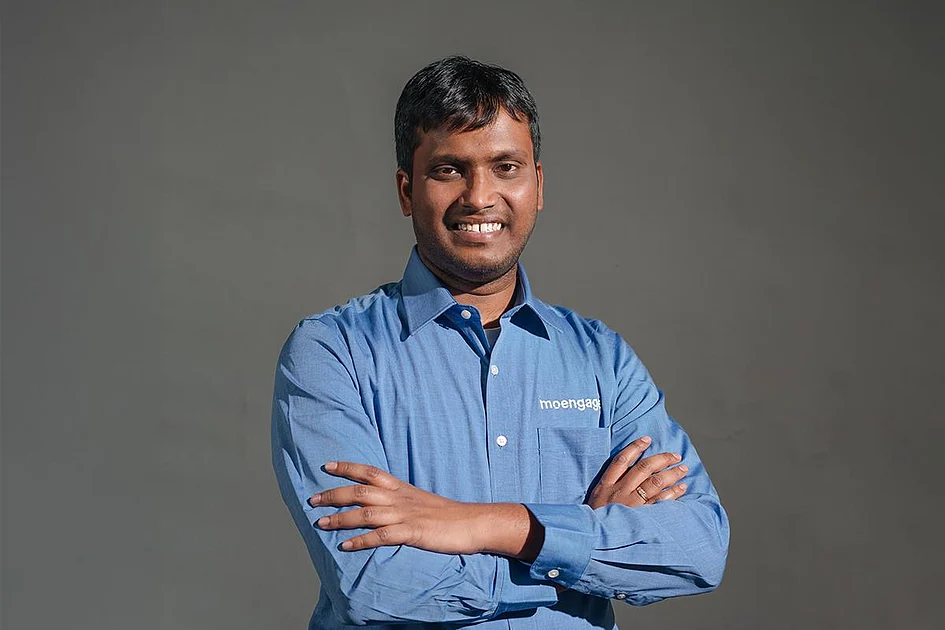
    Raviteja Dodda, Co-founder and CEO of MoEngage, emphasized that this investment recognizes both the company’s disciplined execution and its philosophy of collective ownership. “It is vital that we recognize the people who brought us to this stage,” Dodda stated, highlighting the liquidity program as a reflection of this commitment.

    The platform’s expanding capabilities are receiving validation from major enterprise clients. Bhavin Turakhia, CEO of Zeta, noted that MoEngage’s analytics and messaging capabilities have significantly improved key banking journeys, while Charu Pujari of Loblaw Digital highlighted the platform’s effectiveness in strengthening real-time updates for delivery and pickup orders.

    Investors specifically cited MoEngage’s disciplined operating model and strong execution in the US market as differentiating factors. Rishabh Iyer of ChrysCapital expressed anticipation for “helping the team become the world’s leading marketing technology platform,” while Dragon Funds’ Managing Director Aakash Tulsani praised MoEngage for “setting the bar for innovation by leveraging AI on first-party data.”

    With this funding milestone, MoEngage is positioned to extend its presence across the Middle East, where digital-first brands are rapidly adopting AI-led engagement strategies to serve mobile-first consumers. Avendus Capital acted as the exclusive financial advisor for this transaction.

  • Yubi Group debuts mortgage in the UAE, transforming how consumers secure mortgages with unprecedented simplicity

    Yubi Group debuts mortgage in the UAE, transforming how consumers secure mortgages with unprecedented simplicity

    Yubi Group has dramatically transformed the UAE mortgage landscape with the introduction of Yubi Mortgage, marking the technology company’s inaugural B2C product in the region. This groundbreaking digital platform establishes an entirely new paradigm for home financing by addressing persistent market challenges through advanced technological solutions.

    The innovative platform emerges as a comprehensive solution to longstanding industry pain points including limited lender access, procedural complexity, opaque pricing structures, repetitive documentation requirements, and insufficient application transparency. These traditional barriers frequently resulted in prolonged processing times, borrower uncertainty, and unnecessary stress throughout the mortgage acquisition process.

    Yubi Mortgage’s sophisticated architecture leverages artificial intelligence and machine learning technologies to streamline the entire mortgage journey. The system automatically classifies documents, verifies applicant information, assesses eligibility criteria, and facilitates accelerated decision-making processes for lending institutions. A proprietary business rule engine intelligently matches borrowers with optimal lenders, preventing costly mismatches and eliminating the need to restart applications with alternative institutions.

    The platform’s extensive network already encompasses partnerships with over 25 financial institutions across retail, SME, and corporate financing sectors. This expansive connectivity provides users with unprecedented access to diverse lending options including retail banks, Islamic financial institutions, commercial banks, private banks, and digital banking services through a single digital application.

    Sivakumar Rajakkannu, Chief Business Officer of Yubi MENA, emphasized the transformative nature of the launch: ‘Home ownership represents one of life’s most significant decisions. Our mission centers on simplifying this journey while ensuring complete transparency throughout the process. We empower every mortgage seeker with comprehensive access to prominent lenders while providing full support from initial inquiry to final approval.’

    The UAE launch builds upon Yubi’s established presence in the debt market, where the company has facilitated over $36 billion in total debt volumes while supporting more than 17,000 enterprises and 6,200 lenders globally. Backed by renowned investors including Peak XV, Lightspeed, and B Capital Group, the $1.5 billion valued fintech recently received ‘Fintech Startup of the Year’ honors at Global Fintech Fest 2025.

    Prospective mortgage applicants can initiate their digital journey through the dedicated portal at https://mortgage.go-yubi.ae/, where they will receive personalized guidance from Yubi’s specialist team throughout the application process.