分类: business

  • Dubai real estate evolution: Building for a changing future

    Dubai real estate evolution: Building for a changing future

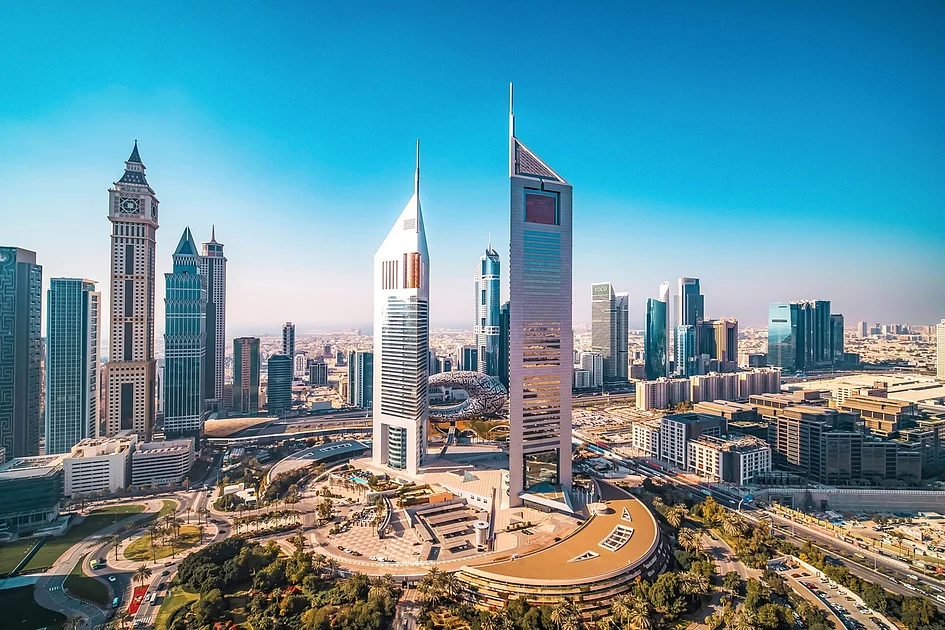
    Dubai’s property sector represents one of the world’s most dynamic and rapidly evolving markets, continuously transformed by visionary policies, technological innovation, and strategic national planning. Manuel Gallo, Associate Director at AQUA Properties, has built his career on interpreting these changes since his first encounter with the emirate in 2005.

    Gallo’s entrepreneurial journey began when he witnessed Dubai’s extraordinary transformation, recognizing that iconic projects like the Burj Khalifa symbolized much more than architectural achievements—they represented the nation’s future trajectory. This perspective has shaped his business philosophy: anticipating trends, adapting swiftly, and aligning with the UAE’s long-term vision.

    The UAE’s business environment, characterized by transformative policies such as freehold ownership and 100% foreign business ownership, has fundamentally influenced Gallo’s approach. He describes these measures not merely as regulatory changes but as intentional signals of the nation’s direction. This has cultivated an operational style that is decisive, globally connected, and deeply attuned to the underlying narratives behind governmental decisions.

    Addressing market challenges, Gallo emphasizes the necessity of synchronization with Dubai’s rapid evolution. He references Marshall McLuhan’s ‘extension effect’ concept, explaining how his business grows in harmony with the city rather than resisting change. Early recognition of transformations, he notes, often proves more valuable than perfect execution in response.

    Sustainability and social responsibility form integral components of Gallo’s business model, reflecting Dubai’s regulatory framework where environmental consciousness is embedded in infrastructure and national strategy. His company prioritizes transparency, responsible growth, and solutions that actively contribute to the UAE’s ecological and social objectives.

    Technology represents another critical dimension of Gallo’s strategy. He observes that technological integration has moved beyond accessory status to fundamentally reshape urban functionality. Emerging trends include AI-driven irrigation systems, climate-adaptive vegetation, smart shading solutions, and bio-engineered green corridors—all designed to create healthier, human-centric communities.

    Gallo also identifies a significant shift toward ‘Made in Dubai’ and ‘Made in the UAE’ initiatives, indicating reduced import reliance and growing capabilities in manufacturing, sustainable materials, and advanced production. These developments are positioning Emirati products to compete with, and potentially surpass, traditional global standards.

    Networking and partnerships have played architectural roles in Gallo’s journey, connecting diverse people, capital, and ideas within the UAE’s multicultural ecosystem. For emerging entrepreneurs, he offers decisive advice: build with intentionality, interpret the signals embedded in Dubai’s development, and align business strategies with the nation’s visionary trajectory for sustainable success.
  • The elusive dream of rock-bottom US interest rates

    The elusive dream of rock-bottom US interest rates

    As President Donald Trump prepares to appoint a new Federal Reserve Chair to succeed Jerome Powell in the coming months, expectations of dramatically lower interest rates for agricultural and business borrowers may prove overly optimistic. Despite Trump’s well-documented preference for substantially reduced rates—having previously suggested the federal funds rate should sit between 1% and 2%—structural and institutional constraints within the Federal Reserve system present significant obstacles.

    The Federal Open Market Committee (FOMC), which determines interest rate policy, comprises 12 voting members. Only six are presidential appointees subject to Senate confirmation, serving protected 14-year terms removable only ‘for cause.’ The remaining five voting members are regional Federal Reserve bank presidents selected by their respective boards, with voting privileges rotating annually among all 12 regional presidents.

    Recent FOMC deliberations reveal substantial resistance to aggressive rate cuts. The December meeting saw a 9-3 vote approving merely a quarter-point reduction, with dissents coming from both directions—one member advocating for a half-point cut while two others preferred maintaining current rates. The Fed’s latest ‘dot plot’ projections indicate that 11 of 19 committee members anticipate no further cuts in the coming year, while four foresee no more than one additional reduction.

    Market analysts note that current rates appear to be approaching what economists call R-star—the neutral interest rate that neither stimulates nor restrains economic growth. While estimates vary between 2% and 3%, most FOMC members project the federal funds rate will remain near or above the current 3.25%-3.5% range through 2026. Even if Trump appoints a chair sympathetic to his views, that individual would need to persuade a majority of committee members whose longer terms insulate them from presidential pressure.

    Attempts to dramatically reshape the Fed’s composition through legislation or executive action could backfire, potentially spooking bond markets and driving up long-term rates precisely opposite to Trump’s objectives. Historical precedent also suggests appointed chairs may not automatically align with presidential preferences, as demonstrated by Trump’s ongoing dissatisfaction with his own appointee Jerome Powell.

  • Modest but steady economic growth lets Europe get by without an interest rate cut

    Modest but steady economic growth lets Europe get by without an interest rate cut

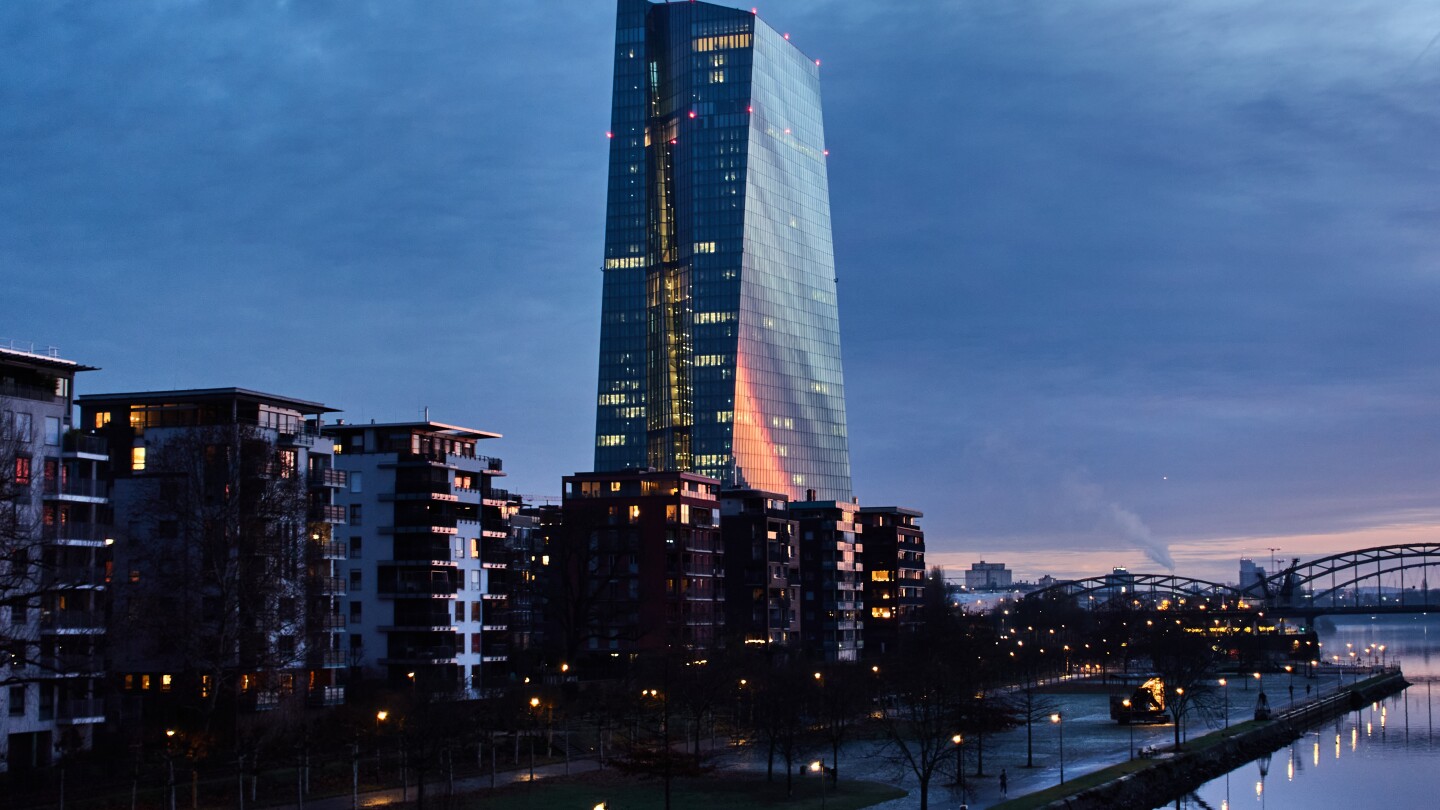
    FRANKFURT, Germany — The European Central Bank (ECB) maintained its benchmark interest rates for the fourth consecutive meeting on Thursday, signaling confidence in current monetary policy amid emerging signs of economic stabilization across the eurozone.

    ECB President Christine Lagarde reiterated that policy remains ‘in a good place’ with the key deposit rate holding at 2%, reflecting the governing council’s assessment that the economy requires no additional stimulus through rate cuts. This stance comes despite previous market expectations for more accommodative measures.

    Recent economic indicators support the ECB’s cautious optimism. S&P Global’s purchasing managers’ surveys, while showing a slight December dip, continue to indicate expanding business activity as 2023 concludes. Capital Economics analyst Adrian Prettejohn projects sustained quarterly growth of approximately 0.3% for the euro area’s twenty nations.

    The economic landscape has improved notably since summer trade tensions with the United States, which culminated in a 15% tariff on European goods imposed by the Trump administration. While challenging for exporters, the resolution provided greater certainty than initially feared, removing the threat of even higher tariffs and enabling businesses to make more confident investment decisions.

    Economist Lorenzo Codogno observed that ‘the haze of economic uncertainty has somewhat lifted, particularly regarding trade,’ giving ECB policymakers increased confidence in their current positioning.

    Inflation dynamics further justify the ECB’s steady approach. While November’s headline inflation rate of 2.1% nears the bank’s target—partly due to declining energy prices—services sector inflation remains elevated at 3.5%, encompassing everything from hospitality and entertainment to healthcare services.

    The ECB’s rate decisions significantly influence borrowing costs throughout the economy, affecting consumer purchases and business investments. By maintaining current rates, the bank continues its balancing act between supporting growth and containing persistent inflationary pressures in key economic sectors.

  • Taiwan enterprises enthused by mainland’s development

    Taiwan enterprises enthused by mainland’s development

    NANJING—Business leaders from across the Taiwan Strait gathered at the 2025 Cross-Strait CEO Summit this week, expressing robust confidence in mainland China’s economic future and committing to deepened industrial integration. Held in Nanjing, Jiangsu province, the annual conference served as a platform for entrepreneurs to align strategies with China’s forthcoming 15th Five-Year Plan (2026-2030).

    Guo Jinlong, the mainland chairman of the summit, outlined how the next development blueprint emphasizes high-quality growth, comprehensive reform, and expanded openness. “A complete industrial chain will strengthen our foundation, while our vast market unleashes tremendous momentum,” Guo stated. He emphasized resilience against external challenges, urging collaborative effort: “The higher the waves, the more we need to work together in the same boat.”

    Zhu Fenglian, spokeswoman for the State Council Taiwan Affairs Office, noted that discussions centered on how Taiwanese firms can integrate into China’s new development paradigm and participate in high-quality advancement. Attendees from Taiwan reportedly voiced strong belief in the mainland’s direction and pledged to sustain active economic engagement.

    Testimonials from Taiwanese executives highlighted tangible benefits. Wah Chin, vice-president of Suyin KGI Consumer Finance, credited summit support for helping secure a consumer finance license between 2017 and 2019. “The mainland market has vast prospects,” he said, revealing that investment had already tripled and would continue growing. He called for further openness in cross-strait financial cooperation.

    Poon Chung-kwong, chairman of Nanjing Lumicore Technology, urged young Taiwanese entrepreneurs to explore opportunities on the mainland, contrasting its dynamic environment with what he described as Taiwan’s “stagnant market.” His company has leveraged Taiwan’s hardware prowess alongside mainland algorithms to develop world-leading silicon-based OLED displays—a success he attributed to strait-spanning synergy.

    Lei Hong-yi of the Council for Industrial and Commercial Development voiced a simple hope: “Less argument, fewer disputes, more money for everyone.”

    Since its inception in Nanjing, the summit has catalyzed over 50 large-scale economic, cultural, and youth exchanges across 15 regions in the past year alone.

  • Asian shares follow Wall Street lower as AI worries drag tech stocks lower

    Asian shares follow Wall Street lower as AI worries drag tech stocks lower

    Asian financial markets experienced significant downward pressure on Thursday, extending a global trend of declines triggered by a substantial sell-off in artificial intelligence stocks across U.S. markets. The technology sector’s weakness produced the worst trading day for American markets in nearly four weeks, creating ripple effects across Asian exchanges.

    Japan’s Nikkei 225 index dropped 1.2% to settle at 48,929.95, with technology companies leading the downward movement. Semiconductor equipment manufacturer Tokyo Electron witnessed a 3.5% decline, while Advantest, specializing in chip testing equipment, saw a more pronounced 4.1% decrease. The automotive sector also faced challenges, as Honda Motor Corporation’s shares fell 2.9% following reports of production suspensions at multiple facilities in Japan and China due to ongoing semiconductor shortages.

    South Korea’s Kospi index experienced a more substantial contraction, declining 1.8% to 3,989.06. The sell-off particularly affected electronics manufacturers and automobile companies, with LG Electronics dropping 4.3% and Samsung Electronics decreasing 1.6%.

    Chinese markets presented a mixed performance landscape. Hong Kong’s Hang Seng index retreated 0.4% to 25,357.64, while mainland China’s Shanghai Composite index demonstrated resilience with a modest 0.2% gain, closing at 3,876.40. Australia’s S&P/ASX 200 registered a minimal 0.1% decline, finishing at 8,575.50.

    Market participants worldwide are closely monitoring two critical developments: the impending U.S. inflation data release and the Bank of Japan’s interest rate decision scheduled for Friday. Economists anticipate that Japan’s central bank will implement a 0.25 percentage point rate increase to address persistent price pressures, despite economic contraction during the July-September quarter.

    The technology sector’s decline stems from growing investor concerns regarding excessive valuations among major tech corporations. Questions are emerging about whether substantial investments in artificial intelligence will generate sufficient profitability and productivity to justify current expenditure levels. Additional worries center on the alarming debt levels some companies are accumulating to finance their AI initiatives.

    Wednesday’s trading session in the United States saw the S&P 500 decline 1.2% to 6,721.43, while the Dow Jones Industrial Average decreased 0.5% to 47,885.97. The technology-heavy Nasdaq Composite experienced the most significant drop, falling 1.8% to 22,693.32. Notable decliners included Broadcom (4.5% decrease), Oracle (5.4% drop), and CoreWeave (7.1% plunge). Nvidia, whose market influence has grown substantially due to its massive valuation, declined 3.8%, exerting considerable downward pressure on the S&P 500.

    Energy companies emerged as notable exceptions to the broader market weakness, benefiting from President Donald Trump’s executive order blocking sanctioned oil tankers from entering Venezuela. This geopolitical development pushed benchmark U.S. crude prices upward by 1.2% to $55.94 per barrel, following a recent decline to multi-year lows. Early Thursday trading showed U.S. crude advancing by 43 cents to $56.24 per barrel, while Brent crude, the international standard, gained 40 cents to reach $60.08 per barrel.

    The energy sector’s strength translated to share price gains for several major oil producers. ConocoPhillips increased 4.6%, Devon Energy rallied 5.3%, and Exxon Mobil climbed 2.4%. These gains occurred against a backdrop of generally declining oil prices throughout most of the year, driven by expectations of adequate global supply meeting demand.

    In corporate developments, Netflix shares edged 0.2% higher after Warner Bros. Discovery’s board recommended shareholders accept the streaming company’s acquisition offer for its Warner Bros. business unit, rather than a competing hostile bid from Paramount Skydance for the entire corporation. Warner Bros. Discovery shares declined 2.4%, while Paramount Skydance dropped 5.4%.

    Currency markets showed minimal movement in early Thursday trading, with the U.S. dollar strengthening slightly to 155.75 Japanese yen from 155.70 yen. The euro experienced a marginal decrease against the dollar, trading at $1.1740 compared to $1.1743.

  • India accelerates free trade agreements to counter US tariffs and expand exports

    India accelerates free trade agreements to counter US tariffs and expand exports

    In a strategic move to mitigate the impact of escalating U.S. import tariffs and navigate mounting global trade volatilities, India has intensified efforts to conclude multiple free trade agreements within coming months. This accelerated diplomatic push aims to diversify export markets and reinforce the nation’s position within international supply chains.

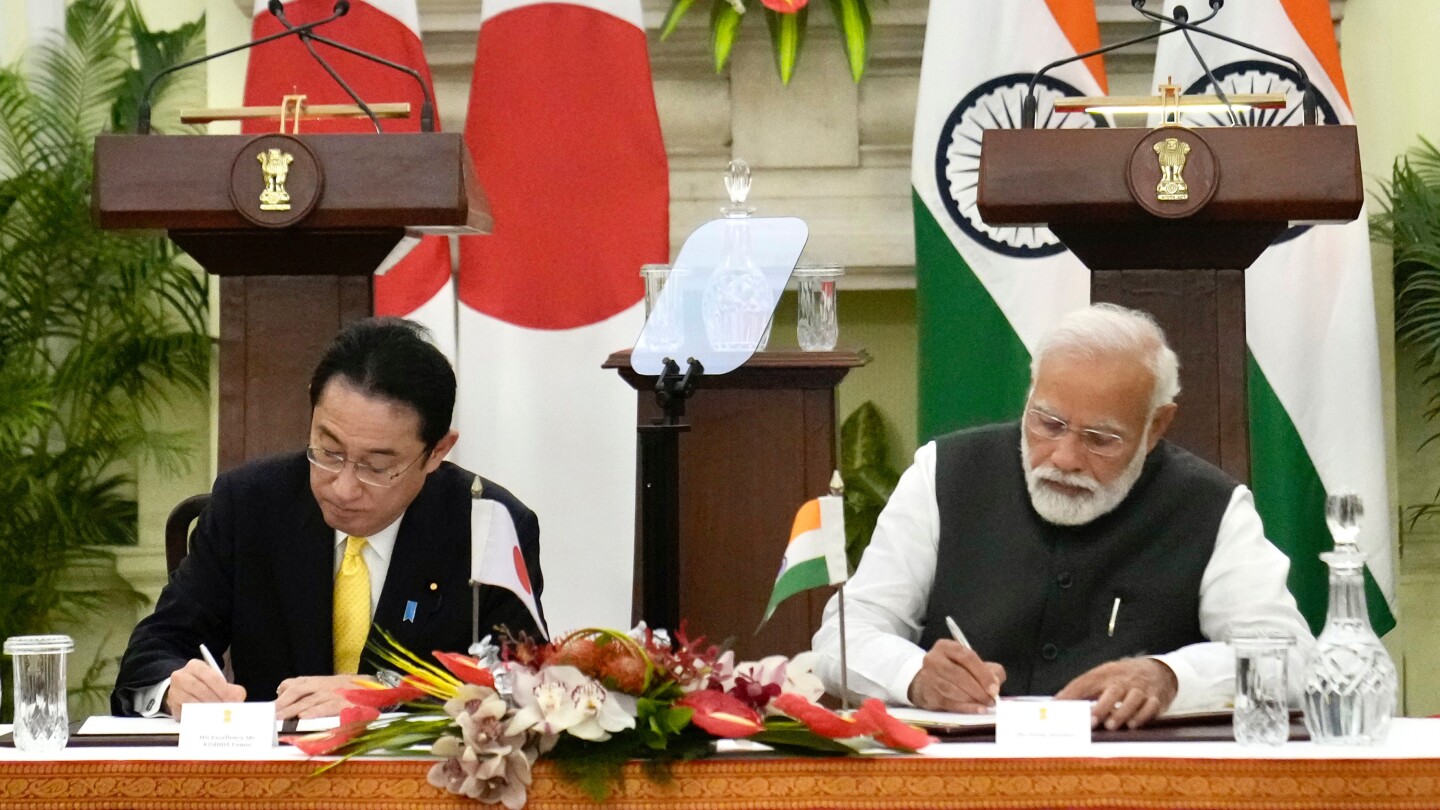
    Government officials, speaking anonymously due to the sensitive nature of ongoing negotiations, revealed that New Delhi is in advanced discussions with the European Union, New Zealand, and Chile. The first tangible outcome of this renewed initiative will materialize this Thursday with the anticipated signing of a comprehensive FTA with Oman. Prime Minister Narendra Modi is scheduled to be present in Muscat for the ceremonial signing event.

    The India-Oman pact specifically targets enhanced bilateral trade flows, with particular focus on boosting Indian exports across several key sectors including engineering goods, textiles, pharmaceuticals, and agricultural products. This agreement represents a critical component of India’s broader economic strategy seeking deeper global supply chain integration, sustained export growth, and substantial job creation.

    Trade analyst Ajay Srivastava notes that India is strategically deploying FTAs as instruments to counterbalance the disruptive effects of steep and unpredictable U.S. tariffs, which reached 50% in August. These tariffs have particularly pressured Indian exporters in textiles, auto components, metals, and labor-intensive manufacturing sectors.

    India’s existing trade architecture already encompasses 15 FTAs covering 26 nations plus six preferential agreements with another 26 countries. Current negotiations involve over 50 additional partners. Once finalized, this network will essentially connect India with virtually all major global economies except China.

    Recent successes include comprehensive agreements with the UAE and Australia that have demonstrably boosted bilateral trade volumes. Additionally, May witnessed a hard-negotiated FTA with Britain that will significantly reduce tariffs on products ranging from Scotch whisky to Indian spices.

    Despite this momentum, challenges persist as Indian negotiators must balance protecting domestic industries and small farmers against trading partners’ demands for greater market access. The anticipated trade agreement with the United States has encountered delays amid strained relations following India’s continued purchases of discounted Russian crude oil.

    Recent diplomatic engagements, however, suggest improving relations. Prime Minister Modi recently endorsed former President Trump’s peace proposal for the Russia-Ukraine conflict, and the two leaders have conducted telephone discussions addressing mutual interests including trade. These developments were followed by last week’s visit of U.S. negotiators led by Deputy Trade Representative Rick Switzer to New Delhi.

    Parallel negotiations continue with other partners: New Zealand’s Trade Minister Todd McClay recently met Indian counterpart Piyush Goyal to advance FTA discussions, while EU Commissioner Maros Sefcovic similarly engaged with Goyal to resolve outstanding issues in the India-EU trade negotiations.

  • Israel approves natural gas deal with Egypt, Netanyahu says

    Israel approves natural gas deal with Egypt, Netanyahu says

    Israeli Prime Minister Benjamin Netanyahu has formally approved a historic natural gas export agreement with Egypt, marking the largest energy deal in Israel’s history. The monumental arrangement, valued at 112 billion shekels ($34.67 billion), will facilitate substantial gas shipments from Israel’s Leviathan offshore field to address Egypt’s growing energy requirements.

    The agreement, finalized in August but delayed due to unresolved negotiation points, involves American energy giant Chevron Corporation alongside Israeli partners. Netanyahu emphasized the strategic importance of this partnership during a televised address, highlighting its potential to bolster regional stability through strengthened economic cooperation.

    Egypt’s energy landscape has undergone significant transformation since 2022, when declining domestic production forced the nation to abandon its aspirations as a regional energy hub. The country has increasingly relied on imported liquefied natural gas, spending billions to meet domestic demand. This agreement represents a strategic pivot toward Israeli resources to compensate for production shortfalls.

    The Leviathan field, located in the Mediterranean Sea, has emerged as a crucial energy asset for Israel since its discovery. This export arrangement not only solidifies Israel’s position as an emerging energy exporter but also creates an unprecedented economic partnership between the two nations despite their complex historical relations.

    Energy analysts suggest this agreement could reshape Eastern Mediterranean energy dynamics while providing Egypt with a stable, cost-effective alternative to more expensive spot market purchases. The deal is expected to undergo gradual implementation with careful monitoring of export volumes and pricing mechanisms.

  • Gulf nations push to the front of global sustainability race as ESG becomes economic engine

    Gulf nations push to the front of global sustainability race as ESG becomes economic engine

    The Gulf Cooperation Council (GCC) nations, particularly the United Arab Emirates, are undergoing a remarkable transformation from hydrocarbon-dependent economies to global sustainability pioneers. This strategic pivot positions Environmental, Social, and Governance (ESG) principles as central drivers of economic diversification and long-term growth rather than mere corporate social responsibility initiatives.

    This paradigm shift finds its most concrete expression in the UAE’s groundbreaking Federal Decree-Law No. 11 of 2024, which became effective in May 2025. This legislation establishes the world’s first legally enforceable ESG compliance framework, mandating that all entities across sectors and free zones measure, report, and reduce greenhouse gas emissions by May 30, 2026. Non-compliant organizations face substantial penalties ranging from Dh50,000 to Dh2 million, signaling a decisive transition from voluntary commitments to mandatory accountability.

    The regulatory framework requires businesses to maintain comprehensive annual emissions inventories, preserve GHG data for five years, and develop detailed decarbonization plans aligned with the national Net Zero 2050 strategy. This approach transcends environmental regulation, representing a comprehensive economic vision projected to generate 200,000 new jobs in clean energy sectors and contribute 3% to national GDP.

    According to the PROI Worldwide’s Global ESG Report 2025, this transformation extends across the Gulf region, with national development frameworks such as Saudi Vision 2030 and Qatar National Vision 2030 integrating sustainability objectives into their core economic planning. Unlike the politically charged ESG debates occurring in Western nations, GCC policymakers approach sustainability as a practical economic transformation tool rather than an ideological battleground.

    The regulatory evolution is fundamentally altering corporate communication strategies, with companies increasingly emphasizing tangible outcomes through terminology such as ‘sustainability,’ ‘resilience,’ and ‘nationalization’ rather than acronyms like ESG or DEI. Organizations including Spinneys, Ecolab, and EQUATE Petrochemicals are embedding sustainability KPIs into executive performance metrics and aligning local initiatives with global climate frameworks.

    As mandatory reporting requirements take effect, businesses must advance beyond narrative-driven sustainability reporting to provide verified, evidence-based progress updates, third-party validated data, and demonstrable emission reduction achievements. Media outlets across the region are expected to intensify scrutiny of corporate compliance as the 2026 deadline approaches.

    Marianna Wisden, Associate Partner at Mojo Communications Consultancy, notes: ‘Sustainability in the region is driven by outcomes that genuinely matter to people. It shapes how companies create jobs, build skills and support a future that relies on a broader base than oil alone. The frameworks are in place and businesses are getting on with the work.’

    The Gulf’s sustainability transformation establishes not merely regional standards but provides an implementable model for emerging economies worldwide, demonstrating how environmental responsibility and economic growth can be strategically aligned for long-term prosperity.

  • Silver soars past $66 an ounce, will it hit $70 soon?

    Silver soars past $66 an ounce, will it hit $70 soon?

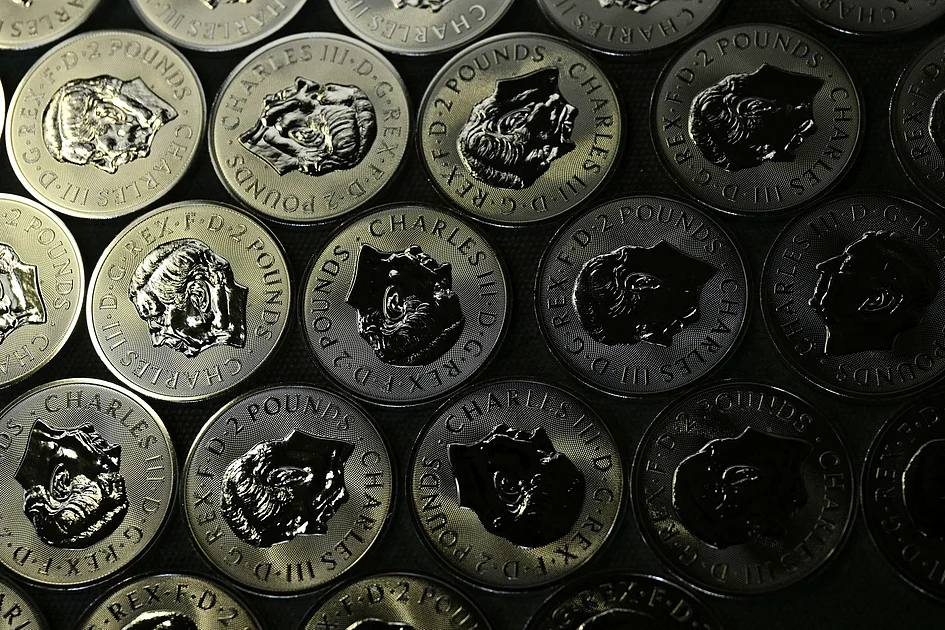
    Silver prices shattered historical records on Wednesday, catapulting beyond $66 per ounce as a convergence of monetary, structural, and physical market forces created unprecedented momentum in precious metals trading. The white metal’s remarkable ascent—more than doubling in value throughout 2025—represents one of the most dramatic revaluations in modern commodity history.

    The rally accelerated following weaker-than-anticipated U.S. employment data, which signaled a cooling labor market and strengthened expectations for additional interest rate cuts in 2026. Spot silver reached $66.52 per ounce during the session before settling at $66.30 by 9:25 PM UAE time, marking a 4% single-day increase according to Reuters data.

    Market analysts identify three primary drivers behind silver’s extraordinary performance: critically constrained physical supplies, price-inelastic industrial demand, and policy-driven market dislocations. Ole Hansen, Head of Commodity Strategy at Saxo Bank, observed that silver has fundamentally resolved its long-standing identity crisis by simultaneously functioning as both a monetary metal and industrial commodity while facing severe supply limitations.

    The rally originated from gold’s momentum earlier in the year, with the gold-silver ratio reaching above 105 in April—an extreme valuation gap that attracted both speculative and long-term investors. Once technical resistance levels collapsed beginning in August, momentum buying accelerated dramatically, transforming relative value opportunities into outright price discovery.

    Beyond technical factors, broader macroeconomic conditions have strongly favored hard assets amid eroding confidence in fiat currencies. Persistent inflation pressures, expanding fiscal deficits, and debt sustainability concerns have driven robust central bank gold purchasing, with silver benefiting as a higher-beta, more accessible alternative.

    India has emerged as a crucial source of incremental demand, driven primarily by retail investment and jewelry consumption rather than seasonal factors alone. Simultaneously, silver-backed ETFs have absorbed approximately 130 million ounces this year, increasing total holdings by 18% to roughly 844 million ounces—overwhelmingly led by retail participation while institutions predominantly favored gold.

    Vijay Valecha, CIO at Century Financial, noted that physical markets remain extremely tight, with London lease rates elevated near 6%, Shanghai inventories at decade lows, and backwardation signaling immediate scarcity. Industrial demand linked to solar energy, electrification initiatives, data centers, and AI infrastructure continues to accelerate, reinforcing silver’s dual role in both financial and industrial applications.

    Despite the powerful bullish momentum, analysts caution that the rally shows signs of overheating. Momentum indicators reside firmly in overbought territory, and historical patterns suggest such aggressive moves typically precede sharp, short-term corrections. Nevertheless, near-term extensions toward $70-75 per ounce remain plausible given persistent physical tightness and gold’s underlying strength. While volatility will likely continue, the fundamental case for silver’s structural bull market remains intact for now.

  • Dubai’s commercial property market heading for major reset

    Dubai’s commercial property market heading for major reset

    Dubai’s commercial property landscape is undergoing a fundamental structural transformation that will culminate in a distinct two-tier market system by 2028, according to real estate experts. This market reset will see premium next-generation Grade A office spaces commanding substantial price premiums while older commercial buildings face increasing competitive pressures.

    The transformation comes despite impressive short-term performance metrics. Commercial real estate transactions have demonstrated remarkable growth throughout the current year, with sales value surging by 77.9 percent to reach AED 15.5 billion during the first eleven months, while transaction volume increased by 35.1 percent to 5,364 deals compared to the same period last year.

    According to Firs Al Msaddi, CEO of fäm Properties, the commercial sector has lagged significantly behind Dubai’s residential market in architectural innovation and quality standards for over fifteen years. “Since 2008, Dubai has not witnessed a genuine new generation of office developments,” Al Msaddi noted. “The residential segment underwent comprehensive transformation with new design languages, architectural standards, and construction codes, while the commercial sector awaited its reset moment.”

    The market shift will accelerate as the first wave of next-generation Grade A office buildings begins delivery in 2028. This influx of modern, efficient, and architecturally relevant office spaces will provide tenants with superior alternatives, fundamentally reshaping market dynamics and pricing structures across Dubai’s commercial landscape.

    Al Msaddi cited Vision Tower in Business Bay as a precursor to this trend, noting its consistent market outperformance due to its appeal to established corporate tenants. The building’s minimum half-floor requirement naturally filters for serious companies, demonstrating the substantial latent demand for genuine Grade A office space in Dubai.

    The emerging two-tier system will see commercial properties repricing according to quality benchmarks, creating distinct market segments with varying valuation models and tenant profiles.