分类: business

  • China reports major gains in circular economy

    China reports major gains in circular economy

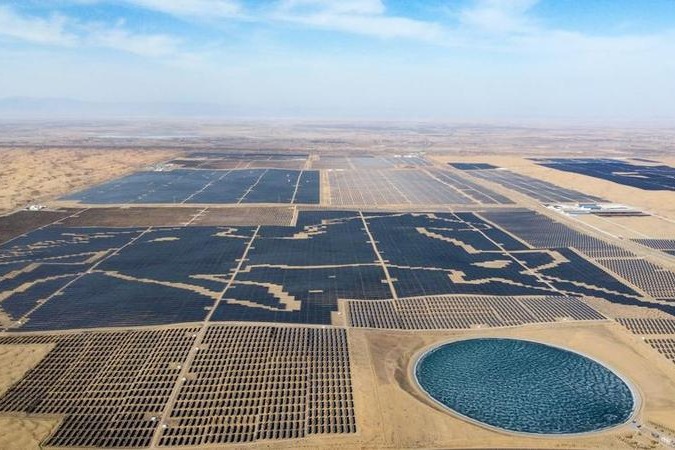
    China has achieved remarkable progress in building a circular economy since enacting its Circular Economy Promotion Law in 2009, according to Wang Dongming, Vice-Chairman of the National People’s Congress Standing Committee. The announcement came during a legislative session reviewing the implementation of the landmark environmental legislation.

    Inspections conducted from July to October across 16 cities in six provinces revealed substantial advancements in resource efficiency and ecological civilization construction. The comprehensive review demonstrated how circular economy principles have become integral to China’s green transformation of socioeconomic development.

    Statistical highlights from 2024 reveal the scale of China’s recycling achievements: over 400 million metric tons of ten major renewable resource categories were recycled nationwide. Waste paper constituted 70% of this total, while scrap steel accounted for 21%. Additionally, China utilized 3.97 billion tons of bulk solid waste, representing 59% of the total waste generated.

    The resource recycling industry has emerged as both an economic powerhouse and employment generator, with total output exceeding 4 trillion yuan ($550 billion) in 2024 while providing jobs for more than 35 million people.

    Financial mechanisms have played a crucial role in this transition. During the 14th Five-Year Plan period (2021-2025), China allocated more than 117 billion yuan to support resource recycling initiatives. The government has established specialized funds targeting waste electrical equipment, manufacturing transformation, and green finance mechanisms to bolster waste recycling systems and green industries.

    Government procurement practices have further reinforced these efforts, with energy-saving and environmentally friendly products now comprising over 85% of government purchases within their respective categories. Wang emphasized that recycled resources are playing an increasingly vital role in safeguarding national resource security, marking a significant shift toward sustainable development models.

  • Netflix refinances part of $59 billion bridge loan tied to Warner Bros deal

    Netflix refinances part of $59 billion bridge loan tied to Warner Bros deal

    In a strategic move to solidify one of the largest media acquisitions in history, Netflix has successfully refinanced a significant portion of its $59 billion bridge loan originally secured for the Warner Bros Discovery takeover. According to Monday’s regulatory filing, the streaming pioneer has arranged a comprehensive $25 billion financing package consisting of a $5 billion revolving credit facility and two separate $10 billion delayed-draw term loans.

    The remaining $34 billion of the bridge facility will undergo syndication in the coming months. These financial instruments are specifically designated to cover the cash portion of the landmark transaction, associated fees, and various expenses. Additionally, the proceeds may be allocated toward refinancing existing obligations and general corporate purposes.

    Netflix emerged victorious from a highly competitive bidding war that included an unsolicited all-cash offer of $108.4 billion from Paramount Skydance. Despite Paramount’s proposal offering $30 per share and presenting higher immediate valuation, Warner Bros Discovery’s board maintained their endorsement of Netflix’s bid, emphasizing superior strategic alignment and financing reliability.

    The sweeping acquisition encompasses Warner Bros Discovery’s extensive portfolio, including its renowned film and television studios, streaming assets, and the prestigious HBO and HBO Max platforms. The transaction timeline anticipates finalization in the third quarter of 2026, following the planned spin-off of Warner Bros’ Global Networks unit.

    This corporate separation, announced in mid-2025, strategically isolates high-growth streaming and studio operations from legacy network assets, enabling each entity to pursue specialized business strategies and maximize shareholder value. The initial bridge loan, secured on December 4th, provided Netflix with the financial certainty required during the competitive bidding process, with bridge loans typically serving as interim financing solutions for major transactions before being replaced by more permanent debt structures.

  • What Trump’s embrace of cryptocurrencies has unleashed

    What Trump’s embrace of cryptocurrencies has unleashed

    The cryptocurrency landscape has undergone a seismic transformation under former President Donald Trump’s unprecedented endorsement, creating both unprecedented opportunities and systemic vulnerabilities within global financial markets. Trump’s self-proclaimed status as the ‘first crypto president’ has catalyzed a regulatory overhaul, prompted aggressive pro-crypto legislation, and inspired the creation of his official ‘memecoin’ $TRUMP.

    This political shift has unleashed a wave of financial innovation with far-reaching consequences. More than 250 publicly traded companies have incorporated substantial cryptocurrency holdings into their balance sheets, while new investment products have democratized access to digital assets through conventional brokerage accounts and retirement plans. The most ambitious proposals even envision a crypto-powered alternative stock market where tokenized company shares would trade continuously on blockchain networks.

    The euphoric expansion, however, carries significant risks. This autumn’s dramatic crypto market collapse exposed the fragility of this new financial ecosystem, with numerous companies experiencing catastrophic losses. Particularly concerning is the massive leveraging occurring within the sector—public companies have accumulated over $20 billion in debt to finance crypto acquisitions, while investors have placed more than $200 billion in leveraged bets on future coin prices.

    The situation exemplifies what experts describe as the dangerous blurring of lines between speculative betting and legitimate investing. Timothy Massad, former Treasury Department assistant secretary for financial stability, expressed grave concerns: ‘It’s very worrisome to me. The line between betting, speculating and investing has largely disappeared.’

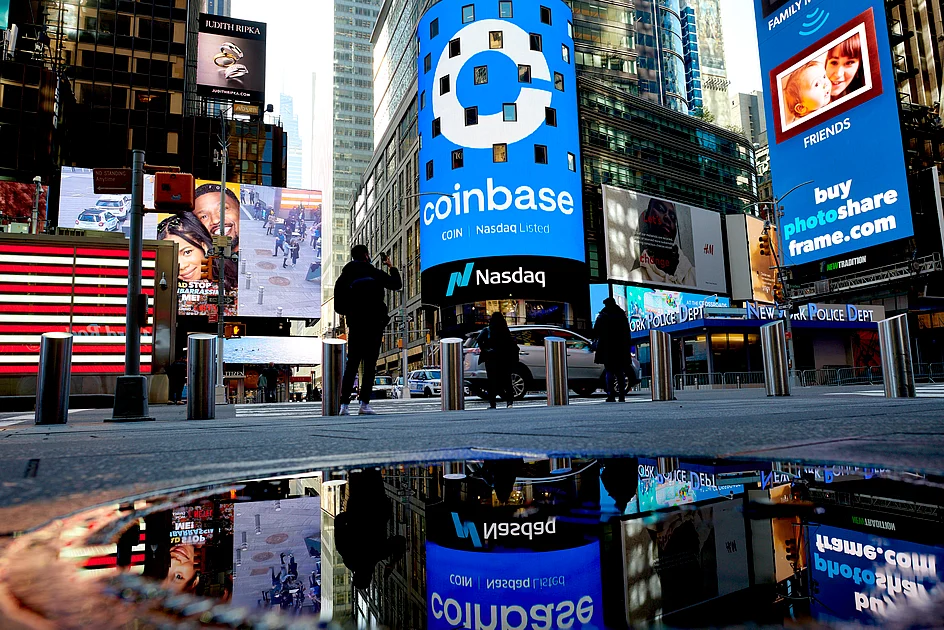
    The October flash crash demonstrated how quickly leveraged positions can unravel, with $19 billion in crypto bets liquidated in a single day affecting 1.6 million traders worldwide. Technical failures at major exchanges like Coinbase and Binance during the crisis prevented investors from managing their positions, exacerbating losses.

    Despite these warning signs, industry leaders continue pushing boundaries. Companies like Plume and Kraken are actively developing tokenization platforms that would represent real-world assets as digital coins, arguing blockchain technology creates more transparent and efficient markets. Their efforts have received serious consideration from regulators, including SEC Chair Paul Atkins who has expressed enthusiasm for tokenized securities.

    The Trump family’s deepening involvement in crypto ventures—particularly through World Liberty Financial and its connections to publicly-traded DAT companies—has further complicated the regulatory landscape. These developments raise questions about appropriate boundaries between commercial interests and public policy in this rapidly evolving sector.

    As the crypto industry continues its integration with traditional finance, economists at the Federal Reserve have warned that tokenization could transmit financial shocks from crypto markets into the broader economy, potentially undermining the stability of payment systems during periods of market stress.

  • Abu Dhabi, Dubai to see simplified yacht travel starting January 2026

    Abu Dhabi, Dubai to see simplified yacht travel starting January 2026

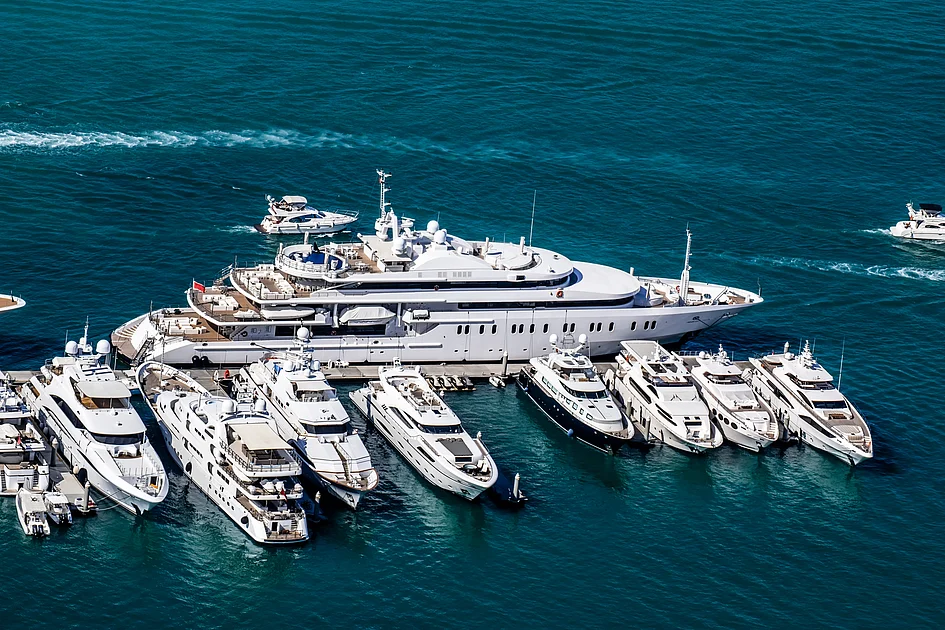
    The United Arab Emirates is set to revolutionize maritime travel between its two largest emirates with a groundbreaking reciprocal yacht permit system launching in January 2026. This strategic initiative will eliminate redundant administrative procedures for foreign vessels moving between Abu Dhabi and Dubai, creating a seamless navigation experience across emirate boundaries.

    Under the newly established framework, sailing permits issued by either emirate’s maritime authorities will receive automatic mutual recognition. This bilateral agreement effectively removes the requirement for duplicate entry and exit formalities that previously complicated inter-emirate yacht travel. The streamlined protocol represents a significant advancement in maritime regulatory cooperation within the UAE federation.

    The comprehensive agreement emerged from coordinated efforts between Abu Dhabi Maritime and the Dubai Maritime Authority under the Ports, Customs and Free Zone Corporation. These entities collaborated with multiple federal and local stakeholders including the National Guard, Federal Authority for Identity, Citizenship, Customs and Port Security, and Dubai Customs to create a unified approach to maritime mobility.

    Technological integration plays a crucial role in the new system. Authorities will implement an Early Inquiry System Application Programming Interface (API) to efficiently collect and share vessel, crew, and passenger data between emirates. This digital infrastructure prevents procedural duplication while maintaining necessary security and oversight protocols.

    Sheikh Dr. Saeed bin Ahmed bin Khalifa Al Maktoum, CEO of Dubai Maritime Authority, emphasized the strategic importance of this initiative: ‘Dubai is proud to share its successful experience in facilitating yacht visits. We are fully committed to supporting this unified approach, which will undoubtedly strengthen the UAE’s position as a leading world-class maritime destination.’

    Captain Saif Al Mheiri, CEO of Abu Dhabi Maritime and Chief Sustainability Officer at AD Ports Group, added: ‘This initiative reflects our shared commitment to simplifying maritime mobility and enhancing our emirates’ competitiveness as global yachting hubs. We are making it easier than ever for visitors to enjoy our waters.’

    The implementation timeline confirms full activation beginning January 2026, with shipping agents already receiving notifications to align their operations with the new provisions. This cooperation marks a new phase of maritime integration within the UAE and supports the development of a more unified regulatory environment for international yachting enthusiasts.

  • B1 Properties brokers landmark Dh88 million Palm Jumeirah plot sale

    B1 Properties brokers landmark Dh88 million Palm Jumeirah plot sale

    Dubai’s luxury property sector has witnessed a landmark transaction as B1 Properties brokered the sale of a premium signature plot on Palm Jumeirah for Dh88 million (approximately $24 million). The 13,579-square-foot plot achieved the highest price per square foot recorded on the artificial archipelago in 2025, signaling robust investor confidence in Dubai’s high-end real estate market.

    The transaction, representing both buyer and seller, was remarkably completed within just one week from initial engagement to final transfer. This expedited process demonstrates both the market’s dynamism and B1 Properties’ operational efficiency in handling premium real estate deals.

    Market analysis indicates surging demand for Palm Jumeirah plots throughout 2025, driven by discerning investors and homeowners seeking rare opportunities to develop custom luxury villas tailored to their personal vision and lifestyle preferences. This transaction exemplifies the intense competition for premium development land in one of Dubai’s most exclusive residential destinations.

    Babak Jafari, CEO and Founder of B1 Properties, commented on the market dynamics: ‘The appetite for premium plots on Palm Jumeirah remains insatiable. Clients who act decisively to secure these rare parcels are well positioned to benefit from long-term exclusivity and strong capital appreciation.’

    The sale reinforces B1 Properties’ position as a leading authority in Dubai’s luxury real estate sector, with the company noting that several clients are already progressing with construction on newly acquired plots. This indicates a market characterized by immediate action and strategic investment timing rather than speculative holding.

    As 2025 concludes, this transaction sets new benchmarks across Dubai’s most coveted luxury locations, highlighting the continued attractiveness of signature properties for high-net-worth individuals seeking both lifestyle investments and capital growth opportunities in the emirate’s premium real estate market.

  • Finanshels updates client portal to streamline financial and compliance information

    Finanshels updates client portal to streamline financial and compliance information

    UAE-based financial operations specialist Finanshels has unveiled a comprehensive upgrade to its Client Portal, creating an integrated digital ecosystem for financial and compliance management. The enhanced platform represents a significant leap in operational efficiency by consolidating disparate financial functions into a single dashboard interface.

    The newly deployed system offers clients a unified view of their financial ecosystem through several innovative features. A centralized dashboard provides real-time access to financial reports, compliance deadlines, document repositories, and communication channels. The platform’s automated notification system alerts users when new documents are uploaded or critical deadlines approach, ensuring nothing falls through the bureaucratic cracks.

    Financial reporting capabilities have been substantially enhanced with system-generated analyses that spotlight key performance indicators and temporal trends. These intelligent summaries transform raw financial data into actionable business intelligence, presented in structured formats conducive to strategic decision-making.

    The portal’s document management system organizes financial, legal, and compliance records according to UAE Federal Tax Authority requirements, featuring categorized folders for streamlined retrieval and maintenance. A specialized compliance module actively monitors regulatory obligations including VAT submissions, license renewals, and document expiration dates, with customizable deadline tracking and calendar visualization.

    Client interaction has been reimagined through an integrated ticketing system for service requests and status monitoring, complemented by a referral tracking mechanism for internal use. According to CEO Muhammed Shafeekh, ‘Growing businesses typically struggle with financial data fragmentation across emails, spreadsheets, and multiple systems. Our solution creates a structured, single-point access to financial and compliance intelligence, significantly reducing operational friction.’

    The upgraded portal has been deployed to existing clients with complete historical data migration. Finanshels will analyze user feedback from this initial phase before expanding implementation, marking another step in the company’s ongoing mission to transform financial information management.

  • Elon Musk becomes first person worth $700 billion after Tesla pay package ruling

    Elon Musk becomes first person worth $700 billion after Tesla pay package ruling

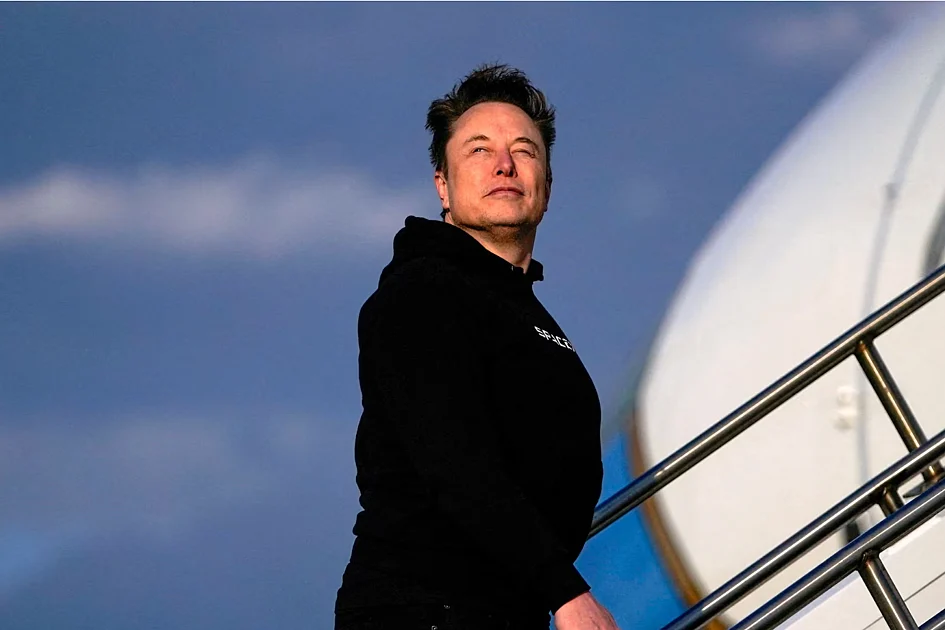
    In an unprecedented financial milestone, Elon Musk has become the first individual in history to achieve a net worth exceeding $700 billion, reaching an estimated $749 billion following a landmark Delaware Supreme Court decision. The ruling reinstated Tesla stock options valued at approximately $139 billion that were previously invalidated.

    The judicial reversal concerns Musk’s controversial 2018 compensation package, originally valued at $56 billion, which a lower court had previously nullified by describing it as ‘unfathomable.’ The Supreme Court determined that the 2024 ruling which rescinded this package was both improper and inequitable to the Tesla CEO.

    This legal victory compounds an already remarkable period of wealth accumulation for Musk. Earlier in the same week, he surpassed the $600 billion net worth threshold, largely driven by speculation about a potential public offering for his aerospace venture, SpaceX. Furthermore, Tesla shareholders separately endorsed a monumental $1 trillion compensation plan in November—the largest corporate pay package in recorded history—signaling strong investor confidence in Musk’s strategic vision to transform the electric vehicle manufacturer into a dominant force in artificial intelligence and robotics.

    According to the latest Forbes billionaires index, Musk’s revitalized fortune now surpasses that of Google co-founder Larry Page, currently ranked as the world’s second-richest person, by a staggering margin of nearly $500 billion, cementing an unparalleled financial lead in global wealth rankings.

  • Gold prices hit record high on Fed rate-cut bets; silver scales fresh peak

    Gold prices hit record high on Fed rate-cut bets; silver scales fresh peak

    Global precious metals markets witnessed historic breakthroughs on Monday as gold and silver prices shattered all-time records, fueled by anticipations of forthcoming U.S. interest rate reductions and intensified safe-haven demand. Spot gold escalated by 1.2% to reach an unprecedented $4,391.92 per ounce, while silver demonstrated even more vigorous growth, surging 2.7% to achieve a landmark $69.23 per ounce during early trading hours.

    This remarkable rally represents the culmination of an extraordinary year for bullion, which has appreciated by 67% year-to-date, successively breaking through the psychologically significant $3,000 and $4,000 thresholds for the first time in market history. Silver has dramatically outperformed its counterpart with a staggering 138% annual gain, driven by substantial investment inflows and persistent supply limitations in the industrial metals sector.

    Market analysts attribute this sustained upward trajectory to multiple converging factors. Matt Simpson, Senior Analyst at StoneX, noted that seasonal patterns typically favor precious metals during December, though he cautioned that diminishing trading volumes toward year-end could potentially trigger profit-taking activities. The metals complex has benefited from a combination of geopolitical uncertainties, sustained central bank acquisitions, and expectations of a more accommodative monetary policy stance from the Federal Reserve in the coming year.

    The weakening U.S. dollar has provided additional momentum, enhancing the attractiveness of dollar-denominated assets for international investors. Current market pricing reflects expectations of two rate cuts in 2026, despite the Federal Reserve’s maintained cautious positioning. This anticipation has created ideal conditions for non-yielding assets like gold and silver to thrive.

    The bullish sentiment extended across the precious metals spectrum, with platinum jumping 4.1% to $2,054.25—reaching its highest valuation in over seventeen years—while palladium advanced 4% to $1,781.32, achieving a near three-year peak. This broad-based rally underscores the robust investor confidence in precious metals as both strategic hedges and value preservation instruments amid evolving global economic conditions.

  • Racing for the rich

    Racing for the rich

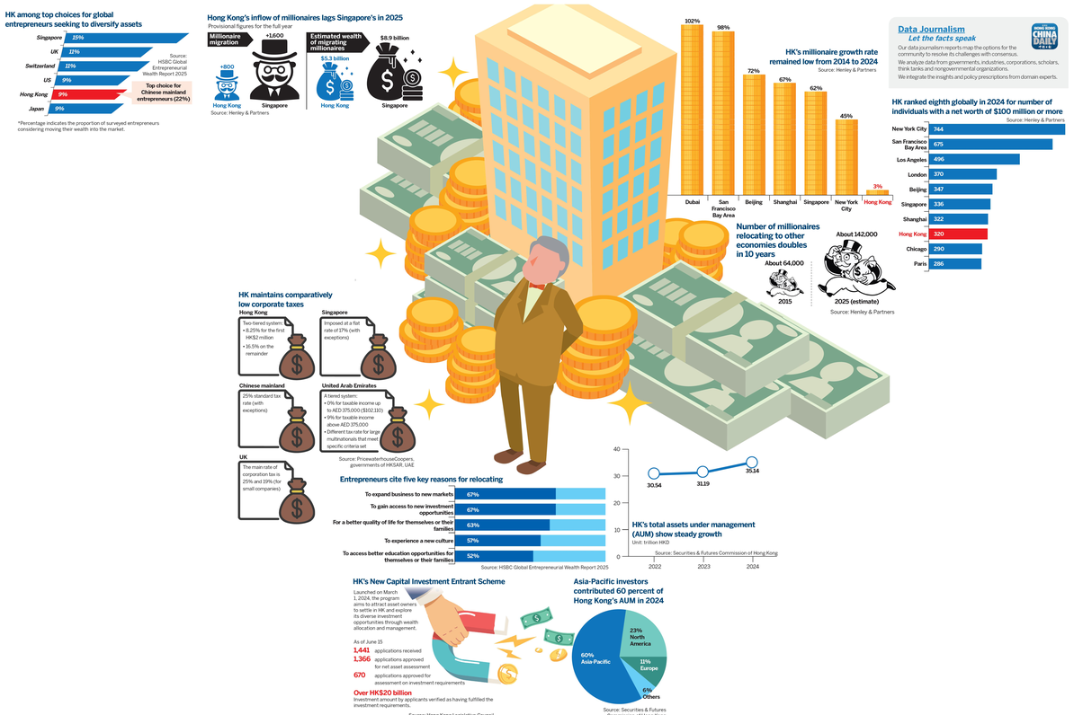
    In the intensifying global competition for high-net-worth individuals and entrepreneurial talent, Hong Kong occupies a uniquely nuanced position. While numerically trailing destinations like the UAE (9,800 millionaires) and Singapore (1,600) in sheer volume, the Special Administrative Region is experiencing a fundamental recalibration rather than decline in its wealth migration patterns, according to the Henley & Partners Private Wealth Migration Report 2025.

    Global jurisdictions have escalated policy competition through attractive residency-by-investment programs, creating what experts describe as a ‘gold-mining zero-sum game.’ Among Asia’s six prominent investment migration destinations—Hong Kong, Singapore, Malaysia, Thailand, Japan, and Kazakhstan—Hong Kong distinguishes itself through superior tax structures, processing efficiency, and established financial systems. The city anticipates a net inflow exceeding 800 high-net-worth individuals this year, ranking 11th globally.

    The narrative of Hong Kong’s perceived shortfall requires contextual examination. Parag Khanna, CEO of AlphaGeo and migration authority, emphasizes that current metrics reflect ‘relative shifts’ rather than absolute decline. ‘Hong Kong has been at the top and remains in the top tier. That’s what matters,’ Khanna asserts, noting that ultra-rich density rankings show negligible practical differences between top-tier wealth hubs.

    Critical to understanding Hong Kong’s evolution is its deepening integration with mainland China’s economy and the Greater Bay Area initiative. This connection generates substantial new wealth streams, with studies indicating significant migration from top-earning executives of Shenzhen’s high-tech corporations. A Deloitte study commissioned by InvestHK revealed over 2,700 single-family offices in Hong Kong by late 2023, predominantly backed by mainland families.

    Immigration specialists Magdalene Tennant and Kitty Lo of Fragomen note Hong Kong’s enduring appeal lies in its strategic positioning: ‘The SAR’s position within the Greater Bay Area gives direct access to one of the region’s most dynamic economic clusters.’ The city maintains competitive advantages through its robust legal system, transparent regulations, simple tax structure, and status as China’s primary offshore capital-raising hub.

    While Singapore leads in pathways to citizenship and quality-of-life metrics, Hong Kong’s unique value proposition remains its unparalleled connectivity to mainland markets. The city’s evolution reflects what Khanna terms the ‘Asianization’ of its financial identity, increasingly integrating with regional networks including Tokyo, Singapore, Sydney, and New Delhi.

    Looking forward, experts identify areas for enhancement including policy flexibility expansion, entrepreneur immigration pathway diversification, and reinforced investor confidence through transparent regulations. These developments will determine Hong Kong’s continued position as a premier destination for global wealth and talent in an increasingly competitive landscape.

  • China to impose up to 42.7% provisional tariffs on EU dairy products

    China to impose up to 42.7% provisional tariffs on EU dairy products

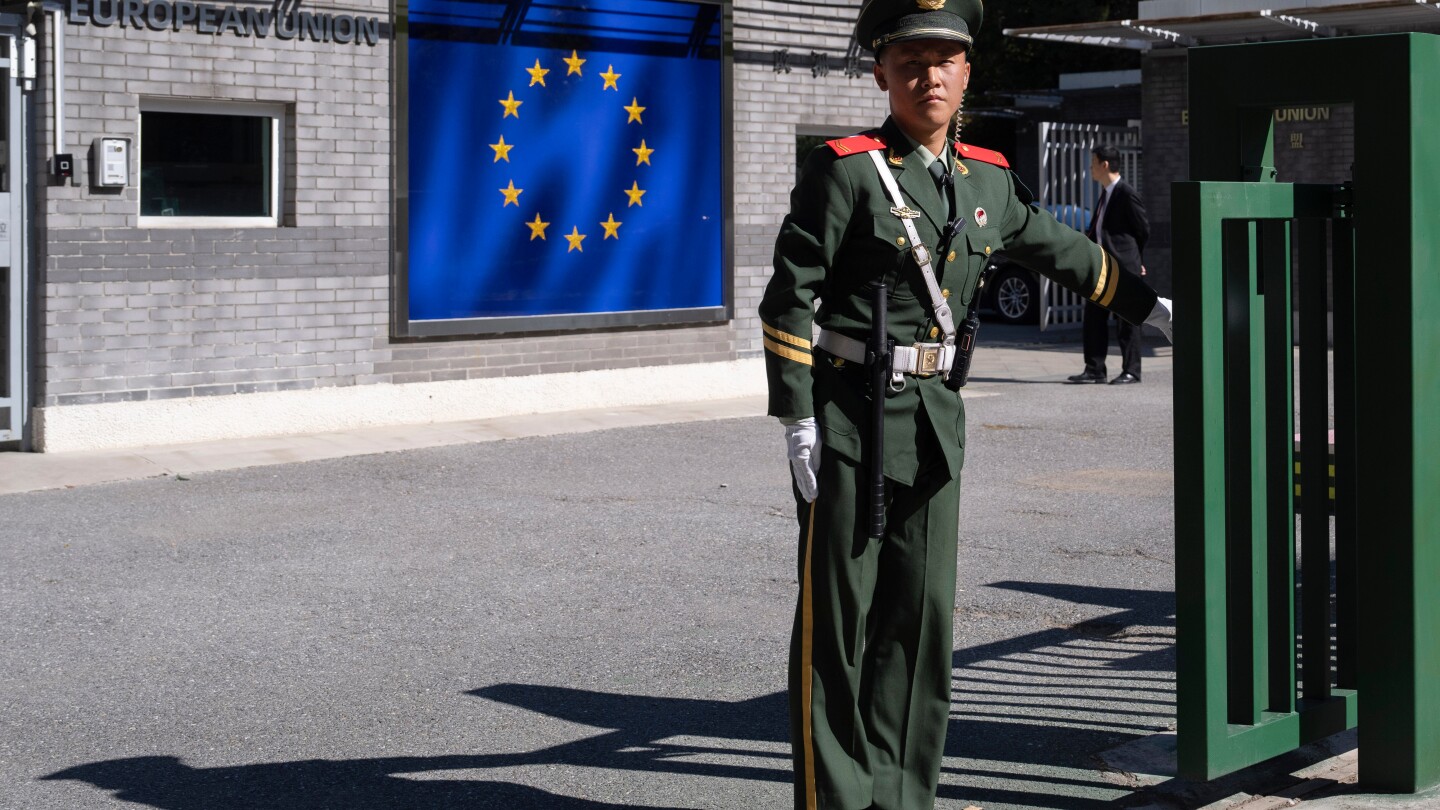
    China has announced substantial provisional tariffs reaching 42.7% on European Union dairy imports, marking a significant escalation in the ongoing trade tensions between Beijing and Brussels. The measures, effective immediately, target a comprehensive range of dairy commodities including fresh and processed cheeses, blue cheese, milk, and cream with fat content exceeding 10%.

    The Ministry of Commerce clarified that these punitive duties stem from preliminary findings of an investigation initiated in August 2024, which examined subsidies provided by EU member states under the Common Agricultural Policy and national programs in countries including Italy, Ireland, and Finland. Chinese authorities determined these subsidies had caused material damage to China’s domestic dairy industry.

    This development represents the latest chapter in a series of reciprocal trade measures between the economic powers. The dairy tariffs directly respond to the EU’s earlier imposition of tariffs up to 45.3% on Chinese-manufactured electric vehicles. Beijing has concurrently pursued investigations into European brandy and pork imports as complementary countermeasures.

    The trade relationship between China and the EU remains increasingly strained, with the EU’s substantial trade deficit exceeding €300 billion ($352 billion) with China becoming a focal point of economic discussions. Just last week, Beijing implemented tariffs up to 19.8% on EU pork imports—significantly reduced from initially proposed rates of 62.4%—citing dumping practices that harmed domestic producers.

    In July, China had previously announced tariffs up to 34.9% on EU brandy imports, though several major cognac producers received exemptions. Throughout these developments, Chinese officials have consistently urged the EU to rescind its electric vehicle tariffs, positioning Beijing’s actions as necessary responses rather than escalatory measures.