分类: business

  • Indonesia tightens control on nickel as the US and China scramble for critical minerals

    Indonesia tightens control on nickel as the US and China scramble for critical minerals

    Indonesia is intensifying state control over global nickel supplies, implementing sweeping nationalization measures that could significantly impact electric vehicle supply chains worldwide. This strategic move comes as the nation grapples with evolving battery technologies and increasing geopolitical tensions between the United States and China.

    The Southeast Asian nation has dramatically expanded its dominance in nickel production, now controlling approximately 60% of global supply according to S&P Global Market Intelligence data. This remarkable growth from 31.5% in 2020 follows former President Joko Widodo’s export ban on raw ore, which triggered massive Chinese-backed investment in refining infrastructure.

    In 2025, Indonesian authorities launched an extensive crackdown on what they identified as illegal natural resource exploitation, seizing over 4 million hectares of mining and plantation operations while imposing $1.7 billion in fines. Government officials cited widespread corruption in licensing procedures as justification for these aggressive measures.

    Environmental analysts reveal the substantial ecological cost of Indonesia’s nickel expansion. Between 2001 and 2020, mining activities drove the loss of approximately 370,000 hectares of forests—more than any other country—with over one-third comprising ancient rainforests crucial for carbon sequestration. The coal-dependent nickel smelting industry further exacerbated environmental concerns, emitting an estimated 15 million metric tons of greenhouse gases in 2023 according to IEEFA analysis.

    The nationalization initiative coincides with a pivotal market shift as electric vehicle manufacturers increasingly adopt lithium iron phosphate (LFP) batteries, significantly reducing nickel dependency. This technological transition undermines Indonesia’s ambitious plan to establish a comprehensive domestic EV industry from mining to manufacturing.

    Geopolitical experts note Indonesia’s delicate positioning between superpower rivals. The country faces complex negotiations with the Trump administration regarding critical minerals trade, potentially including concessions on raw nickel exports to the United States. This situation places Indonesia in a challenging diplomatic position as it attempts to balance relationships with both Washington and Beijing while maximizing leverage over its natural resources.

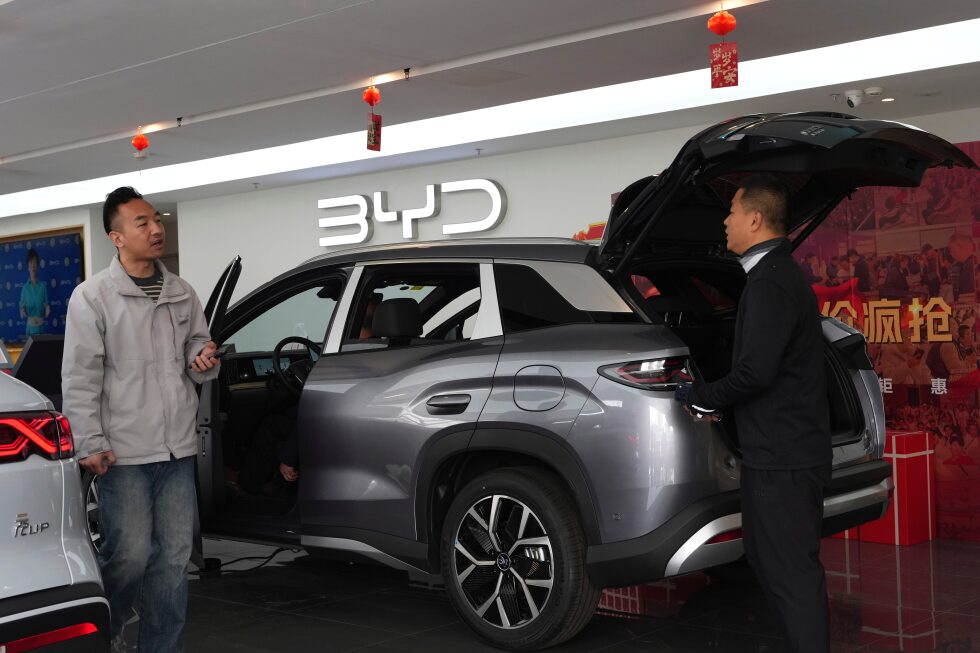
    Investment uncertainty grows as foreign companies monitor the nationalization campaign. Recent developments include LG Energy Solution’s withdrawal from an $8.4 billion battery investment, though Chinese firms BYD and CATL continue developing manufacturing facilities. Indonesia’s domestic EV market remains nascent, with 43,000 vehicles sold in 2024 representing just 5% of total automobile sales.

  • The UAE to help develop Dholera region in India’s Gujarat

    The UAE to help develop Dholera region in India’s Gujarat

    In a significant move to strengthen economic ties, the United Arab Emirates has entered into a strategic partnership with India to develop the Dholera special investment region in Gujarat. This collaboration, formalized through a letter of intent between the UAE Ministry of Investment and the Gujarat Government, represents one of the most substantial foreign investments in India’s infrastructure landscape.

    The ambitious Dholera development project will encompass the establishment of an international airport complemented by pilot training facilities and maintenance, repair, and overhaul (MRO) operations. The blueprint further includes creating a smart urban township, enhancing railway connectivity, developing energy infrastructure, and eventually constructing a Greenfield seaport to maximize the region’s logistical advantages.

    Concurrently, both nations have committed to an ambitious target of doubling bilateral trade to $200 billion by 2032. This economic expansion will be supported by a newly concluded food security agreement and enhanced MSME connectivity through initiatives including Bharat Mart, the Virtual Trade Corridor, and Bharat-Africa Setu platforms. These mechanisms are designed to extend market access across West Asia, Africa, and Eurasia.

    The partnership extends into advanced technological domains with agreements to collaborate on nuclear energy development, including large reactors and Small Modular Reactors (SMRs), alongside cooperation in nuclear power plant operations and safety protocols. Both countries have also pledged to strengthen joint efforts in artificial intelligence and other emerging technologies.

    Separately, India’s export momentum is receiving substantial boosts through reduced US tariffs and strategic government interventions. The recently launched Market Access Support scheme, with an allocation of Rs. 45.3 billion, aims to alleviate trade finance constraints, expand global market reach, and support micro, small, and medium enterprises. This initiative provides financial assistance for international fair participation and partially reimburses compliance costs such as testing and certification.

    With a total budgetary outlay of approximately Rs. 140 billion for export promotion, India anticipates reaching $950 billion in exports by 2026-27, driven by forthcoming free trade agreements with the UK and European Union that are expected to significantly boost textiles, apparel, electronics, and automobile sectors.

    Complementing these developments, Maharashtra State has secured several mega-deals at the recent World Economic Forum in Davos, including commitments for foreign direct investment in artificial intelligence, data centers, quantum processing, renewable energy, and digital infrastructure. Notably, the state will host the world’s first AI Global Capability Centre Hub in Mumbai’s Bandra-Kurla Complex and pioneer commercial small modular reactors for electricity generation, with the Tata Group committing $11 billion to develop the necessary ecosystem. These initiatives collectively promise to generate approximately 3 million technology sector jobs.

  • Takeover bid for Unikai fails after weak shareholder response

    Takeover bid for Unikai fails after weak shareholder response

    A significant corporate acquisition attempt in the Gulf food sector has concluded unsuccessfully as Kuwait’s Al Wafir for Marketing Services failed to secure adequate shareholder approval for its proposed takeover of Dubai-listed Unikai Foods PJSC. The voluntary conditional cash offer, which sought to obtain controlling interest in the prominent dairy and food producer, officially lapsed after falling substantially short of mandatory acceptance thresholds established under UAE securities regulations.

    Initiated in January 2026, Al Wafir’s acquisition strategy targeted between 50% plus one share and 51% of Unikai’s outstanding ordinary shares at an offering price of AED 6.60 per share. This ambitious move would have positioned the Kuwait-based marketing firm as the majority stakeholder in the established UAE food manufacturer. However, by the February 16th closing deadline, the bid had garnered acceptances representing merely 24.22% of Unikai’s total issued share capital—significantly below the minimum 50% plus one share requirement mandated for transaction completion.

    Notably, Al Wafir maintained no pre-existing equity position in Unikai and acquired no additional shares outside the formal offer mechanism during the specified period. Consequently, the total shares tendered remained unchanged at the closure of the offering window.

    According to regulations enforced by the UAE Securities and Commodities Authority, conditional offers automatically become void when minimum acceptance conditions remain unfulfilled. Unikai Foods confirmed the formal cancellation of the proposed acquisition, clarifying that no share transfers would occur and participating shareholders would not receive the proposed cash consideration.

    The unsuccessful takeover bid ensures Unikai’s continued operation as an independent publicly-traded entity with its current ownership structure intact. Industry analysts interpret this development as indicative of either shareholder dissatisfaction with the valuation offered or substantial confidence in Unikai’s autonomous growth trajectory within the competitive regional food market.

    Market observers note this outcome underscores the considerable challenges regional acquirers face when attempting to secure controlling positions in publicly-listed corporations without robust shareholder consensus. The failure simultaneously signals Unikai investors’ apparent preference for maintaining control amid current valuations or their anticipation of enhanced future performance.

    While terminating this specific acquisition attempt, financial experts suggest the outcome doesn’t preclude future strategic interest in Unikai, particularly given the expanding UAE food processing sector and increasing regional demand for branded consumer staples that continue to make established food producers attractive investment targets.

  • Dubailand Residence Complex emerges as Dubai’s fastest‑rising mid‑market magnet

    Dubailand Residence Complex emerges as Dubai’s fastest‑rising mid‑market magnet

    Dubailand Residence Complex (DLRC) has rapidly ascended as Dubai’s most dynamic mid-market real estate destination, demonstrating remarkable growth through surging transaction volumes and competitively priced offerings. Recent data from the Dubai Land Department reveals 50 daily sales transactions within the community, accompanied by consistent absorption of newly launched off-plan developments.

    The complex’s success stems from three fundamental pillars: affordability, expanding infrastructure, and strategic geographical positioning. Situated at the intersection of Dubai-Al Ain Road (E66) and Emirates Road (E611), DLRC provides direct connectivity to Academic City, Dubai Outlet Mall, Global Village, and the broader Dubailand district. Property Finder’s comprehensive analysis identifies DLRC as a 14-million-square-foot mixed-use development featuring mid-rise residential towers, retail corridors, and hospitality establishments—a combination that continues to attract both first-time homeowners and yield-seeking investors.

    Market confidence reached new heights following a specialized DLRC-focused event organized by Prowin Properties, which generated Dh50 million in bookings within 48 hours. The event attracted over 250 buyers and investors, demonstrating how targeted, hyper-local marketing initiatives can dramatically accelerate transaction velocity. Participating developers hailed it as “one of the most effectively organized and productive micro-market events we’ve ever experienced.” CEO Praveen Aradhya encapsulated the market sentiment with his observation: “Dubai doesn’t face an oversupply issue—it faces a shortage of appropriately positioned inventory that meets buyer expectations.”

    Underlying these developments, DLRC’s market performance shows impressive appreciation trends. A comprehensive six-month market analysis recorded 3,721 transactions between April and October 2025, with average property values increasing by 8.9% to Dh871,085. The price per square foot surged 11.9% to Dh1,332, positioning DLRC among Dubai’s top emerging districts for long-term capital growth. This appreciation is fueled by ongoing project handovers, expanding retail and recreational infrastructure, and increasing owner-occupier migration.

    DLRC’s expansion mirrors broader market patterns across Dubai, where the first half of 2025 witnessed 125,538 property transactions totaling Dh431 billion—representing a 25% year-on-year increase. This sustained growth reinforces Dubai’s status as one of the world’s most liquid real estate markets. With developers introducing new mid-market inventory and implementing significant road and lifestyle enhancements throughout the Dubailand corridor, DLRC is positioned to remain a dominant value proposition for investors seeking both rental yields and capital appreciation through 2026 and beyond.

  • Personal branding emerges as a strategic priority for leaders in a trust‑driven global economy

    Personal branding emerges as a strategic priority for leaders in a trust‑driven global economy

    In an era defined by digital transparency and heightened global competition, personal branding has evolved from a peripheral consideration to a fundamental leadership competency. Across rapidly developing economies including the UAE and Saudi Arabia, executives are recognizing that their individual reputation, visibility, and authenticity now directly influence commercial outcomes alongside corporate strategy.

    According to Jürgen Salenbacher, personal branding strategist and founder of CPB LAB in Barcelona, “Trust has become the new currency of leadership.” This shift reflects broader market transformations where accelerated decision-making, globalized operations, and diverse stakeholder ecosystems demand greater transparency about who drives organizations, not just what they do.

    The strategic importance of executive visibility manifests in concrete business interactions. Investment discussions, partnership formations, and talent acquisition increasingly center on the public profile of founders and CEOs. This trend proves particularly significant in Middle Eastern markets where long-term relationships form the foundation of commercial culture. Leaders with well-developed personal brands experience accelerated access, enhanced credibility, and greater strategic influence.

    Contrary to superficial self-promotion, effective personal branding represents strategic clarity. Salenbacher emphasizes that “Leadership visibility is no longer optional. It is strategic infrastructure.” As organizations navigate transformations driven by artificial intelligence, generational succession, and regional expansion, consistent leadership communication reduces uncertainty for teams, markets, and stakeholders.

    This evolution demands a new approach to sustainability—not environmental, but reputational. “A sustainable personal brand is built on coherence, clarity and long-term consistency,” Salenbacher notes. “It is not about being loud. It is about being aligned.” In high-growth economies, executives must demonstrate alignment between their stated values and decisions, between their communication style and character, and between their ambitions and tangible contributions.

    The personal branding movement parallels broader shifts in global brand strategy. Just as successful corporations have transitioned from rigid messaging to ecosystem thinking, leaders must move beyond traditional corporate communications. Salenbacher describes this new reality: “Strategy is no longer projection. It is presence… It is dialogue… It is cultural intelligence.” In multicultural hubs like Dubai, where diverse markets intersect, executives must communicate across contexts while maintaining distinctive identity.

    Personal branding also integrates directly with business networking, which remains particularly crucial in Gulf economies where relationships operate as functional currency. Robust professional networks “reduce friction, accelerate opportunity and amplify credibility,” according to Salenbacher, who emphasizes that genuine influence stems from contribution rather than extraction. While difficult to quantify precisely, the impact is systemic: “A strong personal brand does not just increase visibility. It increases leverage. And leverage drives growth.”

    As the Middle East positions itself as a global laboratory for next-generation leadership, personal branding emerges as an essential component of business competitiveness—built not on superficial image, but on authentic identity, earned trust, and sustained credibility.

  • Halved tariffs should benefit Scotch whisky exports to China

    Halved tariffs should benefit Scotch whisky exports to China

    For over ten years, China has served as a pivotal growth catalyst for Western luxury brands, driving demand across fashion, timepieces, and premium beverages. Rising disposable incomes and increased global connectivity fueled an exceptional appetite for high-end products during this period.

    Scotch whisky emerged as a significant beneficiary of this trend. Export values to China skyrocketed from under £90 million in 2019 to exceeding £235 million by 2023. However, the sector has faced three consecutive years of declining sales, compounded by inflationary pressures, escalating costs, and trade tensions that have substantially compressed profit margins. A recent development offers potential relief: China has implemented a 50% tariff reduction on Scotch whisky, lowering rates from 10% to 5%.

    This sales contraction reflects a market entering maturity, where Chinese consumers demonstrate heightened selectivity, sophistication, and demanding standards. The market is undergoing a fundamental transformation—shifting from volume-driven to value-oriented consumption, from older to younger demographic dominance, and from conspicuous displays to considered purchasing decisions. These evolving patterns explain both the recent market adjustment and the sector’s underlying resilience.

    Post-pandemic economic uncertainties prompted a recalibration of luxury spending patterns. Chinese consumers began purchasing fewer items while making more deliberate investment choices in their acquisitions. This behavioral shift is particularly evident in the whisky category, where overall volumes have declined despite sustained interest in premium offerings including aged single malts, limited editions, and iconic distilleries.

    China’s whisky consumption demographic differs markedly from Western markets. Rather than appealing primarily to older drinkers, Scotch whisky has found its core audience among Generation Z consumers—urban, affluent, well-educated, and internationally experienced individuals. This new generation has reinterpreted whisky as cultural capital, embracing tasting rituals, collectible acquisitions, and cask investments as sophisticated pursuits.

    Brands such as Glenfiddich and The Macallan have capitalized on this trend, tripling their market share since 2019. The United Kingdom dominates China’s whisky import market, accounting for 85.6% of import value in 2024, with China ranking as the ninth largest market for UK whisky exports.

    The luxury valuation framework in China remains deeply connected to authenticity and provenance. Western luxury brands derive their appeal from historical legacy, craftsmanship, and distinctive cultural narratives. For premium spirits, ‘country of origin’ functions as a crucial authenticity marker—particularly for Scotch whisky, which embodies Scotland’s landscape, climate, and production traditions. Stringent regulatory frameworks governing production, maturation, and bottling processes provide Chinese consumers with symbolic reassurance regarding quality and legitimacy.

    Despite international investments in Chinese distilleries, domestic whisky production has not diminished demand for imported Scotch. Instead, it has accentuated distinctions between ‘original’ and ‘localized’ products. In business and social contexts, prestigious Scotch continues to function as social currency, signaling trust, respect, and global sophistication.

    China’s broader luxury market has softened since 2023, with certain categories experiencing up to 20% sales declines. Economic uncertainties influenced by geopolitical factors, real estate market adjustments, and subdued consumer confidence have reshaped spending priorities. Concurrently, value systems are evolving among younger consumers who favor subtle taste expressions over overt wealth displays, prioritizing experiences and cultural capital.

    The tariff reduction agreement emerged during UK Prime Minister Keir Starmer’s state visit to Beijing, marking a significant diplomatic engagement after nearly eight years of strained relations. Beyond economic implications, this diplomatic re-engagement carries substantial symbolic importance for British heritage brands, whose appeal rests partially on emotional and cognitive appreciation of British traditions, aesthetics, and lifestyle—a manifestation of UK soft power.

    This diplomatic reconnection symbolizes renewed mutual interest and long-term commitment, potentially reinforcing perceptions of openness, legitimacy, and stability among Chinese consumers. For British luxury brands, this symbolic reassurance may prove nearly as valuable as tariff reductions in maintaining consumer trust and loyalty.

    The agreement underscores the importance of constructive UK-China relations for the Scotch industry, which supports distilling, agriculture, packaging, logistics, tourism, and rural employment throughout the United Kingdom. Maintaining access to China’s premium market segment remains vital for sustaining investment and specialized skills.

    As China’s relationship with Western luxury brands transitions from explosive growth to stabilized maturity, Scotch whisky’s emphasis on rarity, provenance, and authenticity positions it favorably. Provided producers adapt to China’s increasingly discerning consumers and benefit from constructive trade relations, the long-term outlook remains promising. In an environment characterized by oversupply and contracting margins, China’s cautious connoisseurs may ultimately emerge as Scotch whisky’s most valuable allies.

  • Botim Money launches digital silver investing from Dh10

    Botim Money launches digital silver investing from Dh10

    In a significant expansion of its digital wealth ecosystem, UAE-based fintech platform Botim Money has launched fractional silver investing, enabling users to trade the precious metal with investments as low as Dh10. The new feature, accessible through the Botim app, allows eligible users to purchase, sell, and manage digital silver holdings without the traditional barriers associated with physical precious metals.

    This strategic move follows the remarkable success of Botim Money’s gold investment service, introduced in partnership with OGold in 2025, which has processed over 128,000 trades totaling more than Dh100 million in transaction value. The platform’s latest offering eliminates conventional obstacles such as high minimum purchase requirements, storage costs, and handling concerns that have historically limited retail participation in precious metals markets.

    Sacha Haider, Chief Operating Officer of Astra Tech and Botim, emphasized that fractional investing has removed traditional investment thresholds, creating accessible pathways for portfolio diversification. The initiative strengthens Botim’s partnership with OGold, an Emirati precious metals platform dedicated to digitizing gold and silver ownership.

    Bandar Alothman, Chairman and Founder of OGold, highlighted that the collaboration enables digital silver holdings to generate returns through structured investment solutions rather than remaining idle assets. The launch comes at a pivotal time for silver markets, with industry forecasts projecting a sixth consecutive annual supply deficit in 2026 of approximately 67 million ounces, alongside growing retail investment demand despite softer industrial consumption in certain segments.

    This development reflects the broader transformation toward digital-first financial services in the UAE, where fintech platforms are increasingly integrating accessible investment tools within everyday payment and remittance applications, particularly appealing to younger and first-time investors seeking inflation hedges and portfolio diversification options.

  • Food prices are surging in Russia. Is the war hitting Russians in the pocket?

    Food prices are surging in Russia. Is the war hitting Russians in the pocket?

    Russia’s economy is exhibiting clear signs of distress as persistent inflation, directly linked to the nation’s military engagement in Ukraine, severely impacts the cost of living for ordinary citizens. Comprehensive analysis reveals a troubling economic trajectory characterized by soaring prices for essential goods, diminishing household budgets, and growing financial uncertainty.

    Economic pressures have become increasingly palpable since the beginning of 2026, with official statistics from Rosstat, Russia’s federal statistics service, indicating a sharp 2.3% surge in supermarket prices within just one month. This acceleration follows a pattern of steady price increases that began with the full-scale invasion of Ukraine nearly four years ago, though the effects remained somewhat masked until recently by substantial government spending and wartime economic activity.

    The BBC’s longitudinal price monitoring study, tracking an identical basket of 59 basic goods in Moscow since 2019, demonstrates the cumulative impact: the cost has escalated by 18.6% since 2024, rising from 7,358 roubles to 8,724 roubles. This aligns closely with Rosstat’s documented food inflation rate of 18.1% over the same two-year period.

    Particularly affected are fruit and vegetables, which have increased nearly 15% since 2024 due to Russia’s dependence on imports and vulnerability to rouble fluctuations and supply chain disruptions. More dramatically, dairy products—typically domestically produced—have skyrocketed by 41% over two years, reflecting critical challenges within Russia’s agricultural sector including rising farm costs, expensive credit, and labor shortages.

    The recent implementation of a value-added tax increase from 20% to 22% on January 1, 2026, explicitly intended to finance defense and security expenditures, has further exacerbated price pressures. This fiscal measure directly links consumer price inflation to military funding priorities.

    Personal accounts from Moscow residents illustrate the tangible consequences. Alexander, an advertising professional, witnessed his monthly food budget jump 22% in one month. Nadezhda, a 68-year-old pensioner, now allocates her entire monthly pension of 32,000 roubles exclusively to food, forcing the postponement of other essential expenses. Kristina, a marketing specialist, reports that her home-cooked dinner costs have more than doubled, compelling her family to rely on savings for basic groceries.

    Despite Central Bank Governor Elvira Nabiullina’s previous assertions about approaching balanced economic growth, independent economists express concern. The convergence of falling oil prices—a critical revenue source for the federal budget—and stringent US sanctions disrupting energy exports to key markets like India threatens to widen Russia’s budget deficit beyond planned levels.

    With limited borrowing options due to high interest rates and international reluctance to finance a nation engaged in active conflict, Russian authorities face difficult choices between further tax increases or spending cuts. Economic experts including Tatiana Mikhailova, an economist at Penn State University, warn of impending economic stagnation and potential GDP decline, noting that oil price volatility consistently poses recession risks for Russia’s commodity-dependent economy.

    The collective evidence points to a deteriorating economic environment where military priorities continue to dictate fiscal policy at the expense of household financial stability, with no immediate relief in sight for consumers bearing the brunt of wartime economic management.

  • Warren Buffett’s company invests in the New York Times six years after he sold all his newspapers

    Warren Buffett’s company invests in the New York Times six years after he sold all his newspapers

    In a striking reversal of his previously bearish stance on print media, Warren Buffett’s Berkshire Hathaway has unveiled a substantial $350 million investment in The New York Times Company. The move, disclosed in Berkshire’s quarterly SEC filing covering Buffett’s final quarter as CEO, signals a notable shift in perspective toward media enterprises with successful digital transformation strategies.

    The investment comes precisely five years after Buffett liquidated Berkshire’s entire newspaper portfolio, famously declaring the traditional industry “toast” in 2020. At that time, however, he had acknowledged that nationally recognized brands like The New York Times or Wall Street Journal might still thrive through digital adaptation.

    Northwestern University’s Medill School of Journalism Chair Tim Franklin described the investment as “a full circle moment for Berkshire Hathaway in reinvesting in news and a huge vote of confidence in the business strategy of the New York Times.” Franklin emphasized that the Times has evolved beyond its print origins into a multifaceted digital enterprise, boasting popular assets like Wordle, The Athletic sports platform, and over 12 million digital subscribers.

    The filing also revealed Berkshire’s continued positioning in energy markets, adding approximately 8 million Chevron shares to reach over 130 million shares total. This expansion preceded President Trump’s order for the arrest of Venezuela’s president, which subsequently boosted oil stocks. Chevron, as the only major U.S. oil company with significant Venezuelan operations producing roughly 250,000 barrels daily, has seen its stock surge nearly 19% since early 2026.

    Meanwhile, Berkshire continued reducing positions in previously favored holdings, selling approximately 50 million Bank of America shares while maintaining 81 million, and trimming its massive Apple stake by about 10 million shares while retaining nearly 228 million.

    The quarterly filing doesn’t specify whether Buffett personally authorized the Times investment or if it was executed by one of Berkshire’s other investment managers. Given the $350 million size falls below Buffett’s typical $1 billion threshold for personal oversight, the decision may have originated from his successors. Nonetheless, the move has already influenced market behavior, with Times shares jumping nearly 3% in after-hours trading following the disclosure.

  • Israel’s largest cargo firm acquired by Saudi and Qatari-owned German shipping giant

    Israel’s largest cargo firm acquired by Saudi and Qatari-owned German shipping giant

    In a landmark maritime industry consolidation, German shipping conglomerate Hapag-Lloyd has formalized a $4.2 billion agreement to acquire Israel’s flagship cargo carrier ZIM. The transaction, pending final approval from Israeli authorities, represents one of the most significant developments in global shipping this year.

    The acquisition structure reveals complex international ownership ties. Hapag-Lloyd, ranked as the world’s fifth-largest container shipping line, counts Middle Eastern sovereign wealth funds among its principal stakeholders. Qatar Investment Authority maintains a 12.3% ownership stake while Saudi Arabia’s Public Investment Fund controls 10.2% of the German company.

    ZIM Integrated Shipping Services, established in 1945 following Israel’s founding, represents the nation’s largest maritime transport operator. Though privatized in the early 2000s, the Israeli government retains partial ownership through state-held shares. The Government Companies Authority has requested additional documentation before granting final approval.

    The acquisition framework includes notable operational provisions. Israeli private equity firm FIMI will partner with Hapag-Lloyd to manage ZIM’s domestic operations, with CEO Ishay Davidi emphasizing the strategic importance of maintaining “a strong independent Israeli shipping company.” The German carrier has committed to sustaining ZIM’s development center in Haifa with planned investments in cybersecurity infrastructure.

    Labor tensions have emerged as a significant complication. ZIM’s unionized workforce initiated immediate strike action following the announcement, halting all loading and unloading operations. Union chairman Oren Casspi declared vehement opposition, stating workers would “burn the company down” rather than accept the acquisition under current terms. Approximately 880 Israeli employees face potential job losses despite Hapag-Lloyd’s commitment to guarantee all positions for at least one year post-acquisition.

    The transaction’s completion timeline extends through 2026 due to regulatory processes, with Hapag-Lloyd representative Samer Haj-Yehia characterizing the acquisition as recognizing “national interest of the State of Israel” while ensuring financial resilience.