分类: business

  • Japan’s Kashiwazaki-Kariwa nuclear plant resumes power transmission

    Japan’s Kashiwazaki-Kariwa nuclear plant resumes power transmission

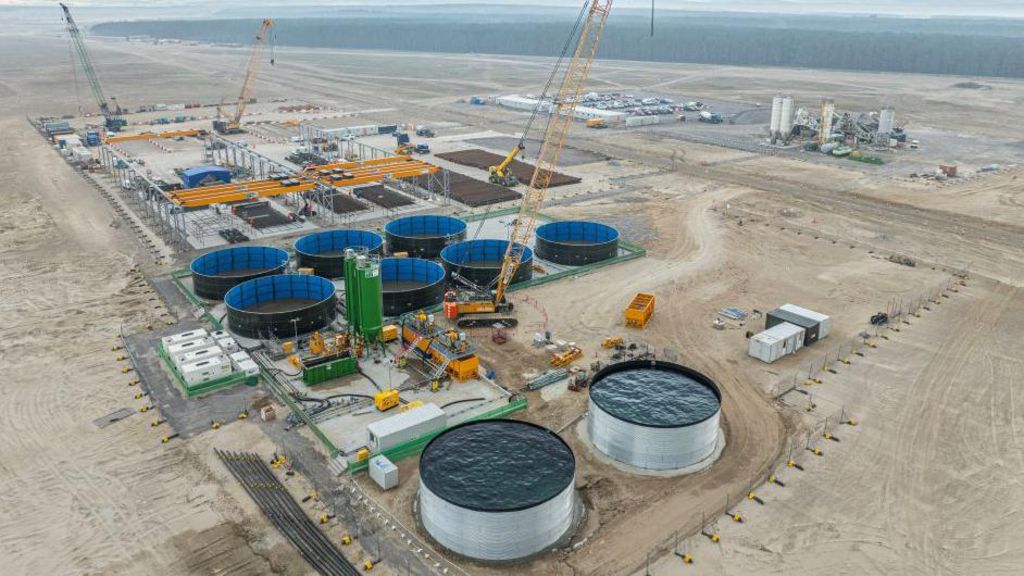
    In a landmark development for Japan’s energy sector, Tokyo Electric Power Company (TEPCO) has successfully recommenced electricity generation and transmission from its Kashiwazaki-Kariwa nuclear facility in Niigata prefecture. This reactivation marks the first operational resumption of a TEPCO-controlled nuclear unit since the catastrophic Fukushima Daiichi incident in March 2011.

    The Number 6 reactor at the plant initiated power delivery to the Tokyo metropolitan grid at 10:00 PM local time on Monday, ending an approximate 14-year suspension of nuclear energy distribution. The restart follows extensive safety evaluations and represents a pivotal moment in Japan’s gradual return to nuclear power generation.

    According to the operational timeline, TEPCO will incrementally increase the reactor’s output capacity to 50% of its maximum 1.35-million-kilowatt potential before implementing a temporary shutdown later this week. This planned pause will facilitate comprehensive testing of the power-generation infrastructure. Provided all systems perform within expected parameters, the utility company anticipates elevating output to full capacity and initiating commercial operations by March 18.

    The Kashiwazaki-Kariwa facility, situated approximately 220 kilometers northwest of Tokyo, holds distinction as the world’s largest nuclear power plant by potential generation capacity. Despite its technical significance, the reactor’s reactivation has encountered substantial opposition from local communities and seismic experts who contend the plant resides above an active geological fault line, raising ongoing safety concerns.

  • Shein faces EU investigation over illegal products and addictive design features

    Shein faces EU investigation over illegal products and addictive design features

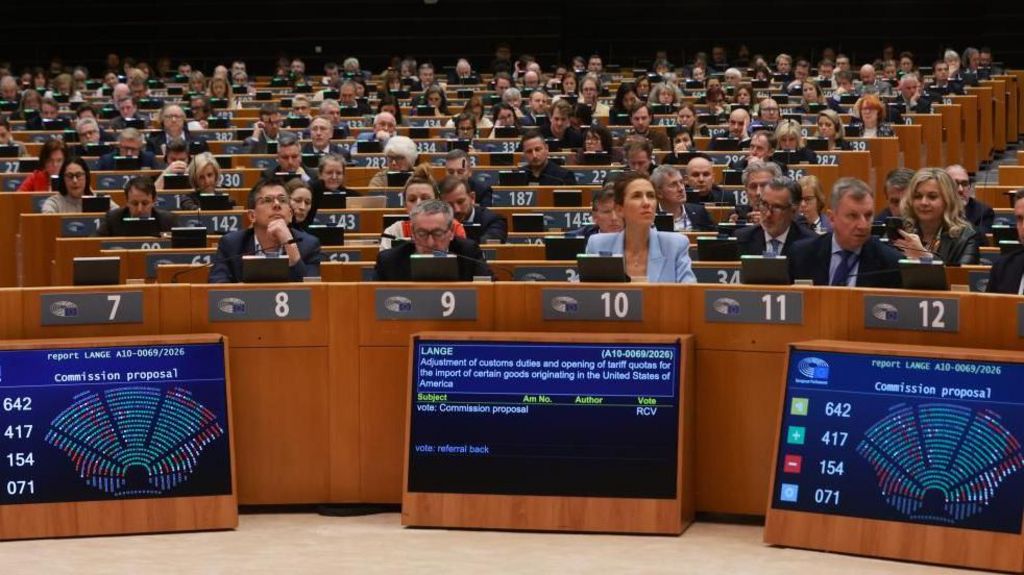
    The European Commission has initiated formal proceedings against fast-fashion retailer Shein under the Digital Services Act (DSA), marking a significant escalation in regulatory scrutiny of the online marketplace. European regulators are examining whether the platform has adequately prevented the sale of unlawful merchandise and protected consumers from potentially addictive interface designs.

    This investigation follows previous enforcement actions in France, where authorities discovered prohibited items including firearms, knives, machetes, and child-like sex dolls available through Shein’s platform. Although French attempts to restrict access to the website were previously blocked by judicial authorities, the matter has now been elevated to EU-level scrutiny.

    The probe will specifically assess Shein’s compliance mechanisms regarding three critical areas: prevention of illegal product sales, mitigation of addictive platform features that employ reward systems for user engagement, and transparency of algorithmic recommendation systems that suggest products to consumers without adequate explanation.

    Shein faces potential substantial financial penalties or mandatory operational modifications should the investigation conclude with a non-compliance determination. The company has publicly committed to cooperating with regulators, emphasizing substantial investments in DSA compliance measures including enhanced youth protection protocols and comprehensive risk assessment frameworks.

  • Nigeria and Kenya lead Africa’s push for electric vans assembled from Chinese EV kits

    Nigeria and Kenya lead Africa’s push for electric vans assembled from Chinese EV kits

    Across Africa’s largest economies, a transformative shift in transportation is underway as e-mobility companies establish local assembly operations for electric vehicles through strategic Chinese partnerships and innovative financing models. Nigeria and Kenya are emerging as continental leaders in this green transportation revolution, leveraging imported Chinese kits to build electric vans and taxis tailored for African markets.

    In Nigeria, Saglev—a joint venture between Stallion Group and China’s Sokon Motor—has commenced assembly of 18-seater electric passenger vans using components from Dongfeng Motor Corp. The Lagos-based manufacturer aims to produce up to 2,500 vehicles annually, with plans to expand to 17 electric models for West African markets. CEO Olu Falaye heralded this development as “a major step in Nigeria’s transition toward clean, fossil-free transportation,” marking the first mass transit EV assembled locally in sub-Saharan Africa.

    Simultaneously in Kenya, Rideence Africa has invested $2.46 million in a partnership with Associated Vehicle Assemblers (AVA) to produce electric taxis and minibuses using kits from Jiangsu Joylong Automobile and Beijing Henrey Automobile Technology. Managing Director Minnan Yu emphasized the company’s evolution “from operator to manufacturer,” with ambitions to create a “Kenya-rooted new-energy mobility company serving Africa.”

    The economic advantages are substantial: EV charging costs average approximately $3 for 200 kilometers compared to over $15 for petrol equivalent distances. However, the transition faces infrastructure challenges, particularly regarding reliable power sources. Saglev addresses this by planning solar-powered charging stations to ensure consistent energy supply.

    Innovative financing models are crucial to adoption. Rideence leases taxis to drivers for about $18 daily, while BasiGo-Kenya Vehicle Manufacturer requires a deposit plus 20 cents per kilometer driven. These pay-as-you-drive and lease-to-own options overcome financial barriers in markets where credit access is limited and upfront vehicle costs are prohibitive.

    Despite progress, EVs remain a tiny fraction of Africa’s vehicle population—approximately 30,000 compared to millions of fossil-fuel vehicles. The continent produced just 1.1 million vehicles total in the previous year, with 90% manufactured in Morocco and South Africa. Nevertheless, industry experts like Dennis Wakaba of Kenya’s Electric Mobility Association note that scaling local assembly has already reduced costs, making EVs increasingly accessible to transport operators across the continent.

  • Shares fall in Japan, while most of Asia’s markets are shut for the Lunar New Year holiday

    Shares fall in Japan, while most of Asia’s markets are shut for the Lunar New Year holiday

    Tokyo’s financial markets experienced a notable downturn on Tuesday, with the benchmark Nikkei 225 index declining approximately 1% to settle at 56,237.65 by midday. This pullback occurred against a backdrop of limited regional trading activity, as numerous Asian markets remained closed in observance of Lunar New Year celebrations.

    The market retreat appears driven by multiple factors, including profit-taking activities following the Nikkei’s recent record-breaking performance. Investor sentiment was further dampened by disappointing economic indicators released Monday and a substantial 6.2% decline in shares of technology conglomerate SoftBank Group, which exerted significant downward pressure on the overall index.

    This market correction follows a substantial rally triggered by Prime Minister Sanae Takaichi’s decisive electoral victory on February 8. However, recent polling data indicates diminishing public enthusiasm for the administration’s economic revitalization strategy, which centers on increased government expenditure and tax reduction measures.

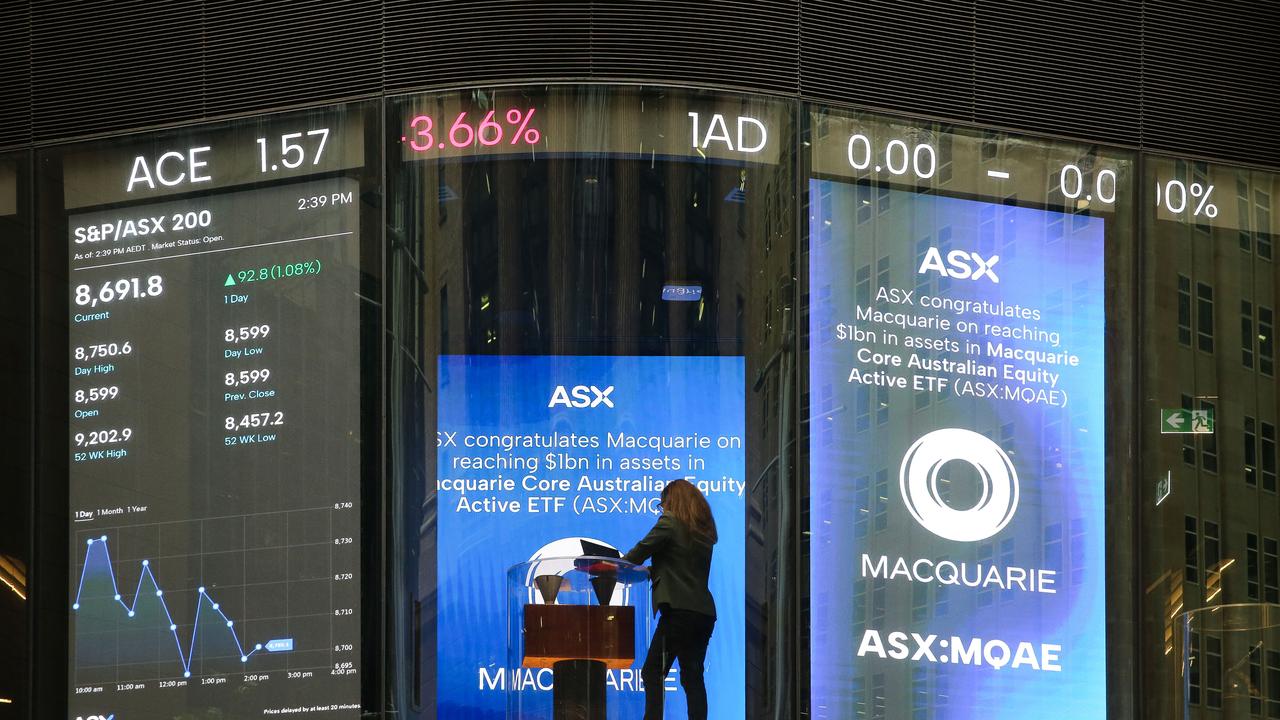
    Meanwhile, Australia’s S&P/ASX 200 demonstrated modest growth, advancing 0.3% to reach 8,964.10. Conversely, India’s Sensex experienced a slight 0.1% decrease, while Thailand’s SET index registered a marginal decline of less than 0.2%.

    Commodity markets presented a mixed landscape, with benchmark U.S. crude oil gaining 65 cents to $63.54 per barrel, while Brent crude, the international standard, declined 29 cents to $68.36. Precious metals faced substantial selling pressure, with gold prices falling 1.4% and silver experiencing a more pronounced 3.4% decrease. Cryptocurrency markets also saw declines, with Bitcoin dropping 0.6% to approximately $68,500.

    Currency markets witnessed the U.S. dollar weakening slightly against the Japanese yen, trading at 153.17 yen compared to 153.51 yen previously. The euro also softened against the dollar, declining to $1.1841 from $1.1852.

    This market activity follows mixed European trading on Monday and a closure of U.S. markets for the Presidents Day holiday, with American exchanges scheduled to resume operations on Tuesday.

  • UAE in pole position as global wealth migration surges

    UAE in pole position as global wealth migration surges

    A significant structural shift in global wealth distribution is underway as high-net-worth individuals increasingly seek jurisdictions offering fiscal predictability and political stability. According to fresh data from financial advisory firm deVere Group, approximately 35% of affluent investors are actively considering relocation to lower-tax, policy-stable environments, signaling a fundamental transformation in international wealth management strategies.

    The United Arab Emirates has positioned itself as the primary beneficiary of this capital migration trend, attracting entrepreneurs, investors, and ultra-high-net-worth families through its zero personal income tax regime, robust legal framework, and world-class infrastructure. The country’s Golden Visa program and long-term residency options have further enhanced its appeal as a secure base for internationally mobile capital.

    Industry analysts confirm the acceleration of what has been termed the ‘Great Wealth Migration,’ with defensive wealth preservation strategies now driving relocation decisions rather than purely expansion-oriented motives. Nigel Green, CEO of deVere Group, emphasizes that wealthy individuals are systematically reassessing their geographic bases in response to tax changes, geopolitical tensions, and policy unpredictability in traditional wealth centers.

    Property markets in Dubai and Abu Dhabi have played a crucial role in attracting global capital, with luxury real estate transactions reaching record levels over the past three years. Knight Frank’s research indicates that Dubai has firmly established itself as a leading destination for private capital and family offices, offering a unique combination of tax efficiency, regulatory transparency, and lifestyle advantages.

    Henley & Partners’ Private Wealth Migration Report consistently ranks the UAE as the world’s leading destination for millionaire inflows, a trend expected to continue through 2026. The country’s strategic location between East and West, coupled with its status as a global aviation and financial hub, provides unparalleled connectivity for internationally mobile families and businesses.

    Wealth managers note that clustering around policy-stable jurisdictions is becoming more pronounced, with the UAE standing out for its regulatory clarity and consistency. Full foreign ownership provisions, streamlined business setup processes, and sophisticated financial services infrastructure are encouraging entrepreneurs to shift both personal and corporate bases to the country.

    As geopolitical and fiscal uncertainties persist across traditional wealth centers, the UAE’s rise as a global magnet for capital and talent is projected to accelerate further, reshaping the landscape of international wealth management for years to come.

  • Overseas Filipinos send home record  Dh130.76 billion ($35.63 billion) in 2025

    Overseas Filipinos send home record Dh130.76 billion ($35.63 billion) in 2025

    The Philippine economy received a substantial boost as remittances from overseas workers reached unprecedented levels in 2025, according to the Bangko Sentral ng Pilipinas (BSP). The central bank reported that cash transfers from Filipinos working abroad surged to $35.63 billion (Dh130.76 billion), marking a significant 3.3% increase from the $34.49 billion recorded in 2024.

    These financial inflows represent far more than personal support mechanisms—they constitute a critical economic foundation for the nation. Accounting for approximately 7.3% of the country’s gross domestic product, remittances have evolved into both a household income stabilizer and a reinforcement for the Philippines’ foreign currency reserves.

    Geographic analysis reveals the United States as the predominant source of these transfers, contributing 39.7% of total remittances. Singapore followed with 7.3%, while Saudi Arabia and Japan accounted for 6.6% and 5% respectively. The United Arab Emirates and United Kingdom jointly occupied the fifth position, each contributing 4.6% to the overall remittance volume.

    The year-end period demonstrated particularly robust activity, with December 2025 witnessing a 4.2% year-on-year increase, reaching $3.52 billion in single-month transfers. This surge followed the $2.91 billion recorded in November, indicating strengthened financial support during the holiday season.

    This sustained growth pattern underscores the deepening economic interdependence between the Philippine diaspora and their home nation, highlighting how overseas employment continues to function as both individual livelihood strategy and national economic stabilizer.

  • UAE’s Careem launches feature to double tips for drivers during Ramadan

    UAE’s Careem launches feature to double tips for drivers during Ramadan

    In a significant corporate social responsibility initiative during the holy month of Ramadan, UAE-based mobility platforms Careem and Hala have unveiled a comprehensive support program for their workforce. The companies have introduced a limited-time ‘tip matching’ feature that will effectively double gratuities for all delivery riders and taxi drivers operating across the Emirates.

    The innovative program, active from February 18 through March 19, 2026, will match all customer tips of Dh10 or higher, substantially increasing earnings for the platform’s contracted workers. To access this benefit, customers must utilize the latest version of the Careem application when booking rides through Careem or Hala Taxi services, or when placing orders via Careem Food, Quik, Shops, or Box.

    Beyond the financial component, the initiative includes a substantial meal program that will provide daily Iftar provisions to all drivers and delivery personnel throughout Ramadan. This ensures that those breaking their fast while working can enjoy nutritious meals during this sacred period.

    The technological infrastructure guarantees that 100% of tips—including the matched amounts—are immediately transferred to the workers’ Careem Pay accounts, enabling instant access to funds and seamless bank transfers.

    Testimonials from long-serving drivers highlight the transformative impact of gratuities. Muhammad Shahbaz, a five-year veteran from Gujarat, Pakistan, emphasized how tips directly contribute to family welfare, including housing construction and children’s education. Similarly, Adeel Muhammad, with seven years of service from Punjab, Pakistan, noted how accumulated tips have enabled him to build a two-story home, educate his four children, and support his mother’s medical needs.

    This initiative represents one of the most substantial driver support programs launched in the UAE’s gig economy during Ramadan, combining immediate financial benefits with essential sustenance support.

  • Y A S Developers launches boutique residence project, Casa Altia, in Al Furjan, plans projects worth Dh1 billion in 2026

    Y A S Developers launches boutique residence project, Casa Altia, in Al Furjan, plans projects worth Dh1 billion in 2026

    Dubai’s real estate sector witnesses a significant expansion as Y A S Developers, an established international property group with a portfolio spanning North and Latin America, announces its strategic Dh1 billion investment plan for 2026. The company has officially launched Casa Altia, its newest boutique luxury residential project in Dubai’s thriving Al Furjan district, with enabling works already underway for a scheduled Q1 2028 completion.

    This marks the developer’s third residential venture following the successful handover of both Altia Residence and Altia One in Dubai Silicon Oasis. The expansion strategy is strategically aligned with Dubai’s Real Estate Sector Strategy 2033, responding to substantial population growth, increasing foreign direct investment, and the UAE’s unique lifestyle appeal.

    According to Muneer Kutty, COO of Y A S Developers, the company’s growth strategy leverages Dubai’s status as a prime investment destination. “Dubai’s property market achieved record growth in 2025 with transactions exceeding Dh686 billion, representing a 30% year-on-year increase,” Kutty stated, referencing data from DXB Interact.

    Casa Altia will feature an exclusive collection of 72 residences, including 12 one-bedroom units (approximately 1,000 sqft), 48 two-bedroom apartments (1,400-1,465 sqft), and 12 three-bedroom residences (1,900 sqft). Prices will begin from Dh1.7 million. The development will dedicate an entire floor to six ultra-luxury homes complete with private pools, landscaped gardens, BBQ areas, and bespoke amenities designed to replicate villa-style living.

    The project’s strategic location offers exceptional connectivity, with access to Al Furjan Metro Station, Discovery Gardens Metro Station, Ibn Battuta Mall, Al Maktoum International Airport, and Expo City Dubai within a 7-30 minute drive. Residents will enjoy comprehensive amenities including retail spaces, a fitness center, infinity pool, clubhouse, and children’s play area.

    Kutty emphasized Al Furjan’s emergence as one of Dubai’s top-performing residential communities, noting 8-10% property value growth in 2025 driven by metro connectivity and proximity to major transportation corridors. The COO further revealed that Casa Altia will be followed within months by another luxury Al Furjan project as part of the company’s continued expansion in Dubai’s dynamic property market.

  • UAE banks to stay resilient despite real estate slowdown, says report

    UAE banks to stay resilient despite real estate slowdown, says report

    The UAE banking system maintains robust stability despite emerging headwinds in the property sector, according to a comprehensive assessment by Moody’s Ratings. While financial institutions maintain significant exposure to real estate through corporate lending and mortgage portfolios, multiple protective mechanisms have effectively contained systemic risks.

    Regulatory interventions have played a pivotal role in safeguarding the financial ecosystem. The Central Bank of the UAE’s 2022 mandate capping construction and real estate exposure at 30% of credit risk-weighted assets has proven particularly effective. Current aggregate exposure remains comfortably below this threshold at approximately 18.3%, providing substantial capacity for additional sector financing if required.

    The composition of bank lending has undergone notable transformation since 2021. Real estate and construction financing declined consistently through 2024 before experiencing a modest 4% year-on-year increase by September 2025, largely attributable to declining interest rates. This sector now constitutes 12% of total loans, significantly reduced from 19% in December 2021.

    Concurrently, personal consumption loans have expanded substantially, growing approximately 18% year-on-year by December 2024 and maintaining similar momentum through September 2025. These loans, representing 23% of total gross lending, include mortgage components that maintain indirect property market exposure.

    Developer financing patterns have evolved considerably, with increased diversification away from project-specific bank loans. Since 2023, real estate entities have issued nearly $12 billion in sukuk, bonds, and hybrid debt instruments, with maturities averaging around $2 billion annually between 2027 and 2030.

    Financial metrics indicate strong fundamental health across the banking sector. Core liquidity ratios stood at 23% of total assets by June 2025, while non-performing loans reached a record low of 2.9% during the same period. Provision coverage remains robust at well above 100%, providing additional buffers against potential market softening.

    Although net interest margins may face pressure as monetary policy eases, solid non-interest income and cost discipline are expected to mitigate impacts on overall profitability. The return on assets, while potentially moderating from the record 1.9% achieved between December 2023 and June 2025, is projected to remain at solid levels.

  • OMNIYAT awards main works contract for ENARA as construction enters next phase in Marasi Bay

    OMNIYAT awards main works contract for ENARA as construction enters next phase in Marasi Bay

    Dubai’s premium real estate developer OMNIYAT has reached a pivotal construction phase for its ultra-luxury commercial project ENARA, located in the prestigious Marasi Bay area within the Burj Khalifa District. The developer has officially appointed Dutco as the main works contractor following the successful completion of all enabling works and piling operations.

    The ENARA tower, which has achieved complete sell-out status prior to completion, represents OMNIYAT’s strategic vision to redefine premium workspace environments in Dubai. The project has garnered remarkable market response, demonstrating robust demand for Prime Grade A office spaces in one of the city’s most desirable business locations.

    Construction progress indicates significant milestones for 2026, with the superstructure scheduled to reach Level 10 while mechanical, electrical, and plumbing (MEP) systems advance to Level 5. Façade installation is planned to commence later this year, accelerating the transformation of the architectural vision into physical reality.

    Peter Stephenson, Co-Managing Director of OMNIYAT, emphasized the project’s significance: “ENARA marks a transformative moment in our commercial real estate strategy and the evolution of Marasi Bay as a global business destination. The appointment of Dutco as main contractor reinforces our commitment to delivering a world-class commercial tower that embodies design excellence and sustainable value creation.”

    ENARA distinguishes itself through hospitality-inspired amenities integrated with future-ready sustainable design. The development will feature exclusive single-tenant floorplates, private elevator access, landscaped terraces, and cutting-edge digital infrastructure. The project has already secured triple Platinum pre-certifications—LEED Platinum, WiredScore Platinum, and SmartScore Platinum—making it the UAE’s first office building to achieve this recognition. Additional WELL Building Standard Platinum certification is being pursued, highlighting OMNIYAT’s dedication to occupant health and wellbeing.

    As part of OMNIYAT’s comprehensive vision for Marasi Bay, ENARA joins other landmark developments including The Lana, VELA, and VELA Viento in establishing the district as Dubai’s premier ultra-luxury waterfront destination. With construction progressing according to schedule and strong on-site momentum, ENARA is positioned to establish new benchmarks for luxury commercial spaces in the region.