分类: business

  • Indian luxury wedding brand “The Wedding Trunk” enters UAE’s growing destination wedding market

    Indian luxury wedding brand “The Wedding Trunk” enters UAE’s growing destination wedding market

    The United Arab Emirates has solidified its position as a premier global destination for luxury weddings with the strategic expansion of Indian high-end wedding planning company The Wedding Trunk into Dubai and Abu Dhabi. This development signals growing international demand, particularly from South Asian couples, for culturally authentic yet globally sophisticated wedding experiences in the Emirates.

    Founded in Mumbai, The Wedding Trunk has established an exceptional reputation throughout India for orchestrating elaborate celebrations that prioritize cultural authenticity, superior hospitality, and flawless event execution. The company’s entry into the UAE market coincides with increasing cross-border partnerships within the luxury events sector, facilitated by the country’s world-class infrastructure, exceptional connectivity, and diverse portfolio of premium venues.

    The UAE has become a particularly attractive wedding destination for Indian families due to its combination of luxury hotels, stunning desert landscapes, pristine beachfront properties, and streamlined logistics for international guests. Industry analysts note that destination weddings contribute substantially to the local economy, generating significant revenue for hotels, event spaces, décor specialists, catering services, and tourism-related businesses.

    The Wedding Trunk’s expansion strategy focuses on adapting traditional Indian wedding ceremonies to UAE settings while maintaining the elevated standards expected in the local luxury market. Their services cater to celebrations ranging from intimate gatherings to large-scale, multi-day events that often host guests traveling from numerous countries.

    Siddharth Bavishi, Founder and CEO of The Wedding Trunk, explained the strategic move: “The UAE provides an environment where cultural traditions and contemporary hospitality merge seamlessly. Modern couples increasingly seek meaningful, well-orchestrated experiences rather than merely grandiose events. Our planning philosophy emphasizes thoughtful coordination and guest experience, which aligns perfectly with the UAE’s offerings.”

    Unlike conventional destination wedding models that prioritize scale, The Wedding Trunk emphasizes meticulous coordination, cultural sensitivity, and guest comfort. This approach reflects a broader industry shift toward experience-driven celebrations where attention to detail and emotional resonance take precedence.

    As destination weddings continue gaining popularity among Indian and international families, market analysts anticipate further growth in specialized wedding planning services throughout the UAE. The Wedding Trunk’s expansion demonstrates how the Emirates is attracting global industry players seeking to serve an increasingly sophisticated and international clientele.


  • UAE gold prices up more than 60% in 2025; residents see investments nearly double

    UAE gold prices up more than 60% in 2025; residents see investments nearly double

    The United Arab Emirates has witnessed an extraordinary bull run in gold markets throughout 2025, with prices surging more than 60 percent in a single year and delivering nearly doubled returns for investors who entered the market earlier. This remarkable performance has transformed gold from a traditional safe-haven asset into one of the year’s top-performing investments.

    Abu Dhabi resident Zeba Mohammed exemplifies this trend, having purchased 10 grams of gold jewelry in December 2024 for approximately Dh3,000. Just twelve months later, her investment has appreciated to nearly Dh5,000 in value. ‘I keep advising my friends and family to do the same,’ Mohammed stated, highlighting gold’s growing popularity as both an accessible investment vehicle and meaningful gift.

    According to Ole Hansen, Head of Commodity Strategy at Saxo Bank, the foundations for this rally were established years ago, reflecting ‘a profound shift in the macro, geopolitical, and institutional backdrop for gold.’ The numbers speak volumes: 24K gold opened the year at Dh318.0 per gram before climbing to unprecedented heights of Dh540.0 per gram by year’s end.

    The soaring prices have democratized gold investment, attracting first-time and small-scale investors. UAE expat Sana Ashraf began her investment journey with gold and silver ETFs earlier this year, already witnessing a 30 percent portfolio growth within months. Similarly, Dubai resident Ashraf Khan participates in a jewelry shop scheme that allows him to systematically invest Dh2,000 annually while acquiring pieces without making charges.

    Despite the overwhelming optimism, analysts caution that 2026 may bring volatility. Hansen notes that January’s commodity index rebalancing could trigger significant selling in futures markets, potentially creating short-term price disruptions. Additionally, questions remain about the sustainability of central bank demand as rising prices automatically increase the value of existing reserves.

    Looking ahead, scenarios including sticky inflation combined with rate cuts could create stagflation-like conditions historically favorable for gold. Some analysts maintain long-term targets as high as $5,000 per ounce by late 2026, suggesting the golden run might have further to go despite anticipated bumps along the way.

  • The US economy survived 2025, but many Americans are reeling

    The US economy survived 2025, but many Americans are reeling

    As 2025 concludes, the United States economy has demonstrated remarkable durability through a year marked by significant challenges including trade conflicts, market volatility, and an unprecedented government shutdown. However, this resilience has not translated into widespread prosperity, leaving many Americans apprehensive about their financial security heading into 2026.

    The resumption of economic data flow following the government shutdown reveals a complex and contradictory landscape. November employment figures showed reasonable job creation alongside rising unemployment rates. Similarly, retail sales maintained strength while wage growth decelerated, and inflation moderated yet remained above target levels.

    Gross domestic product data anticipated for release is expected to reveal robust third-quarter expansion. Projections indicate approximately 1.5% inflation-adjusted growth for 2025, representing a moderation from 2024 performance but far from recessionary conditions.

    The economic benefits have been disproportionately distributed, with affluent households driving consumer spending through stock market gains while lower-income families face increasing financial strain. This disparity is evidenced by rising auto repossessions and delinquency rates among economically vulnerable populations.

    Particularly concerning are deteriorating conditions for recent college graduates and Black workers, whose unemployment rate reached 8.3% in November—double that of white workers and representing what experts describe as crisis-level conditions for that demographic.

    Policy responses including tax cuts and Federal Reserve interest rate reductions aim to stimulate economic activity in 2026. Many economists anticipate reduced policy uncertainty may encourage business investment and improve labor market conditions.

    However, underlying structural challenges persist—including housing affordability crises, childcare costs, rising utility expenses, and impending health insurance premium increases—creating significant headwinds for household economic security regardless of macroeconomic indicators.

  • SEF 2026 hosts masterclasses across business, technology, and creative growth

    SEF 2026 hosts masterclasses across business, technology, and creative growth

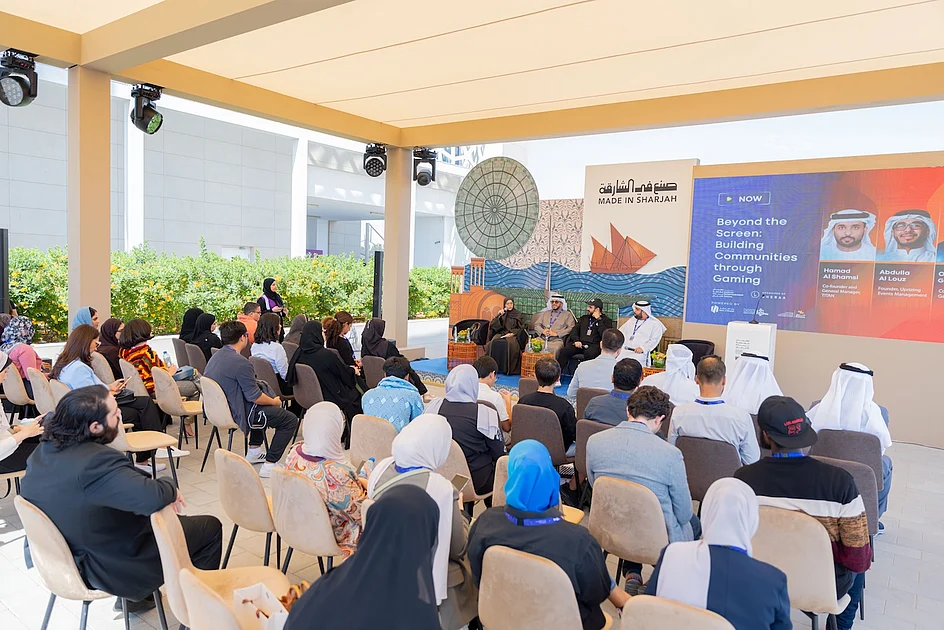
    The Sharjah Entrepreneurship Festival (SEF 2026) is set to elevate entrepreneurial education through an extensive program of applied masterclasses scheduled for January 31 to February 1 at the Sharjah Research Technology and Innovation Park (SRTIP). Now in its ninth edition, the festival anticipates welcoming over 14,000 global participants, including founders, investors, and ecosystem leaders from across the region and beyond.

    Organized by the Sharjah Entrepreneurship Center (Sheraa) under the theme ‘Where We Belong,’ SEF 2026 establishes the SEF Academy as a cornerstone initiative designed to provide practical, skill-driven learning experiences. These masterclasses address critical entrepreneurial challenges through instruction from regional and international experts across three primary domains: venture fundamentals, technological implementation, and creative growth strategies.

    The financial literacy curriculum includes ‘Demystifying the Mechanics of Equity Fundraising,’ which offers practical guidance on capital tables and investor readiness, while ‘Money Mastery 101’ focuses on personal and business financial management. Additional sessions analyze consumer spending patterns to enhance commercial decision-making capabilities.

    Technology-focused modules feature ‘Artificial Intelligence Automation for Businesses,’ exploring AI applications for customer engagement and operational efficiency, alongside ‘Building Your AI Workflow for Storytelling and Creativity,’ which demonstrates AI integration into content production processes. These sessions emphasize practical implementation rather than theoretical experimentation.

    The program also addresses personal development through ‘Personal Branding for Founders,’ which assists entrepreneurs in crafting authentic narratives, and ‘From Fear to Confidence: The 90-Minute Speaking Transformation,’ designed to enhance high-stakes communication skills.

    Creative professionals benefit from specialized offerings including hands-on photowalk sessions using both DSLR cameras and mobile devices, alongside ‘AI Prompt Engineering for Creatives’ and ‘How to Make a Full-Time Income with a Part-Time Audience,’ which reframes audience development as sustainable business growth.

    This comprehensive educational initiative reflects Sharjah’s ongoing commitment to fostering entrepreneurship through practical skill development, technological adoption, and creative innovation within the regional startup ecosystem.

  • myAster partners with Checkout.com to introduce smooth global payments

    myAster partners with Checkout.com to introduce smooth global payments

    In a significant digital healthcare advancement, Aster DM Healthcare’s myAster application has established a strategic partnership with global payments platform Checkout.com to transform financial transactions within its ecosystem. This collaboration, announced on December 23, 2025, represents a major step in enhancing the digital payment infrastructure for healthcare consumers across the Gulf Cooperation Council (GCC) region.

    The integration leverages Checkout.com’s extensive payments network, which accommodates over 145 currencies and numerous localized payment methods. This technological synergy delivers substantially improved payment approval rates, sophisticated fraud prevention mechanisms, and an optimized checkout process designed specifically for healthcare consumers. The system particularly benefits patients seeking cross-border medical services who require seamless international payment capabilities.

    Nalla Karunanithy, CEO of Aster Digital Health & Omnichannel, emphasized the strategic importance of this collaboration: “Our alliance with Checkout.com represents a pivotal advancement in making healthcare more accessible and convenient. Patients can now seamlessly book appointments, purchase healthcare packages, and acquire medical products through myAster with unprecedented ease and security. This initiative underscores our commitment to delivering a world-class, digital-first healthcare experience.”

    Remo Giovanni Abbondandolo, General Manager for MENA at Checkout.com, highlighted the growing intersection between healthcare and digital payments: “Healthcare represents a strategic priority for Checkout.com, and our partnership with myAster demonstrates our continued investment in building robust digital economies. By integrating our payment capabilities with myAster’s digital ecosystem, we’re enhancing their operational performance while facilitating rapid, frictionless healthcare experiences.”

    This partnership marks another milestone in Aster’s comprehensive digital transformation journey. The myAster platform has evolved into an integrated digital health ecosystem that connects patients with medical professionals, Aster Pharmacies, home care services, and diagnostic facilities through a unified platform. The collaboration with Checkout.com enables Aster to establish a cohesive, globally-oriented payment infrastructure across its network of hospitals, clinics, and pharmacies, serving both regional and international patient demographics.

  • The 1% promise smart affordability or silent risk?

    The 1% promise smart affordability or silent risk?

    Dubai’s real estate market is experiencing a transformative shift as ultra-low monthly payment plans revolutionize property accessibility. These innovative financing structures, requiring just 1% monthly installments, are dismantling traditional barriers to homeownership by eliminating substantial upfront deposits that previously deterred potential buyers.

    Developers across the UAE are aggressively promoting these schemes as accessible entry points into property investment, particularly appealing to expatriate entrepreneurs, freelancers, and salaried professionals seeking long-term roots in the Emirates. The fundamental appeal lies in preserving liquidity—buyers can maintain capital for business expansion and avoid personal loans while gradually building property equity.

    However, financial analysts caution that beneath the surface of these attractive payment arrangements lurk potential complexities. Many plans conclude with substantial balloon payments or require mortgage conversions at completion, exposing buyers to interest rate fluctuations. The critical period occurs post-handover when investors must transition from development-phase payments to potentially heavier financial obligations.

    Industry leaders present contrasting perspectives on this emerging trend. Rizwan Sajan, Founder of Danube Group, champions these plans as empowering tools that enable disciplined investors to participate in Dubai’s growth story without immobilizing capital. Conversely, Jumana Al Gaddah of MAG Group Holding emphasizes that true affordability extends beyond initial payments to encompass entire ownership journeys, warning against structures that merely defer financial pressure.

    The proliferation of 1% plans has democratized market access, attracting non-traditional borrowers who might not qualify for conventional mortgages. While this expansion fosters inclusivity, it simultaneously raises concerns about potential over-leveraging among buyers with unconventional income profiles.

    As competition intensifies among mid-market developers, these payment plans have evolved into powerful marketing instruments. Prospective purchasers must scrutinize total cost structures, service charges, post-handover conditions, and developer track records rather than focusing solely on the attractive monthly percentage.

    The ultimate viability of these arrangements hinges on transparent terms, realistic financial planning, and alignment with long-term stability objectives. When properly structured and thoroughly understood, 1% payment plans can serve as legitimate pathways to property ownership—but they demand comprehensive due diligence to avoid future financial strain.

  • Duty-free sales in Sanya boom after customs operations begin

    Duty-free sales in Sanya boom after customs operations begin

    Sanya’s duty-free sector has experienced an extraordinary surge in consumer activity, recording four consecutive days of sales exceeding 100 million yuan ($14.2 million) following the implementation of Hainan’s island-wide special customs operations. According to the Sanya Municipal Bureau of Commerce, Sunday’s sales alone reached 102 million yuan, representing a remarkable 37.3 percent year-on-year increase that began on December 18.

    The newly implemented trade policies have transformed Hainan into an increasingly attractive winter destination and shopping paradise, particularly as the New Year and Spring Festival holidays approach. Industry analysts confirm that these regulatory changes have fundamentally enhanced the region’s appeal to both domestic and international visitors.

    Travel data from online platform Qunar reveals substantial growth in tourism demand, with flight bookings to Sanya for the upcoming January 1-3 New Year holiday period increasing by 51 percent year-on-year. Haikou, another major Hainan destination, experienced a 19 percent rise in flight reservations during the same period.

    International interest has shown particularly dramatic growth, with flight bookings to Haikou for the New Year period surging over 40 percent. Spring Festival bookings more than doubled, demonstrating overwhelming international demand. Travelers from Russia, Singapore, Australia, Malaysia, South Korea, and Thailand are leading this remarkable influx, signaling Hainan’s growing status as a global shopping and tourism destination.

  • AVS Lewis & Pecker’s masterclass on E-invoicing, transfer pricing attracts gold traders

    AVS Lewis & Pecker’s masterclass on E-invoicing, transfer pricing attracts gold traders

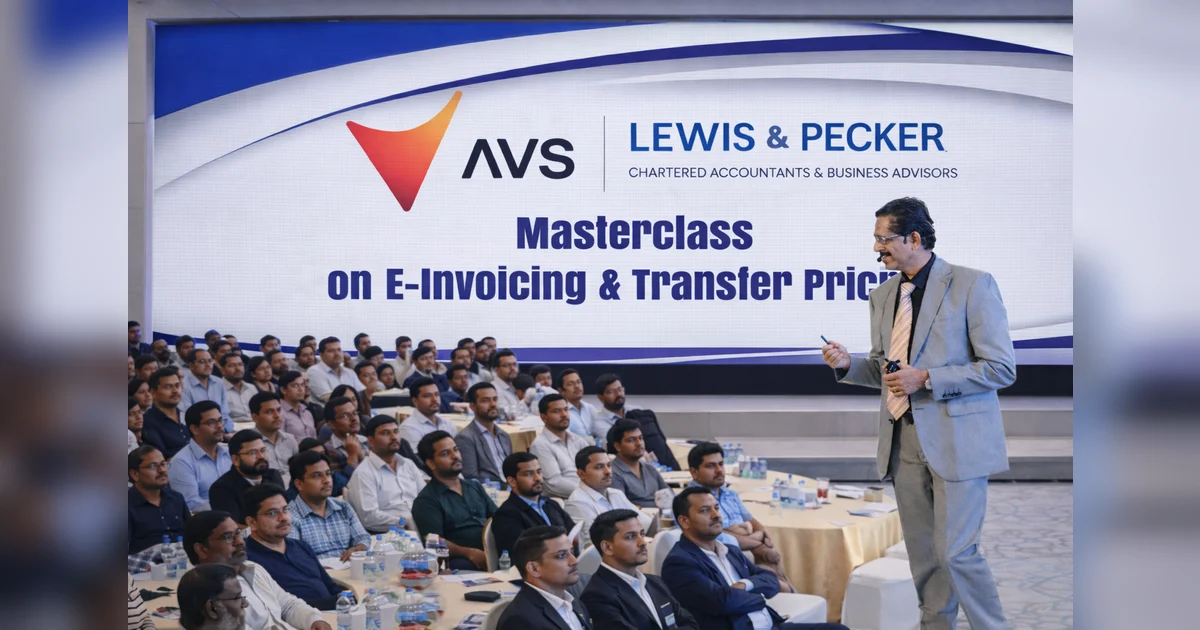
    In a strategic move to prepare the UAE’s precious metals sector for upcoming regulatory shifts, leading financial consultancy AVS Lewis & Pecker convened a specialized masterclass focusing on e-invoicing and transfer pricing protocols. The December 2025 event attracted over 170 senior representatives from gold trading enterprises anticipating the Federal Tax Authority’s mandate implementation.

    The comprehensive session addressed critical compliance deadlines, particularly the July 31, 2026 requirement for businesses exceeding Dh50 million annual revenue to appoint Accredited Service Providers (ASPs). Digital compliance specialist Venkata Sai Vaddepally guided participants through e-invoicing implementation frameworks, while tax expert Payakkal Satheesan clarified complexities surrounding transfer pricing documentation under UAE Corporate Law.

    Concurrently, the firm announced two significant developments: the imminent release of a comprehensive UAE Corporate Tax Guide and the launch of AVS Gold—an artificial intelligence-driven ERP platform specifically engineered for gold traders, jewelers, and bullion dealers. This specialized software aims to streamline operations while ensuring regulatory adherence.

    Company principals Mohammed Sharaf and Akilesh N Sankaran emphasized the masterclass’s role in empowering market participants to navigate evolving tax landscapes while maintaining competitive operational efficiency. The overwhelming response has prompted plans for additional educational sessions exploring various aspects of the UAE’s Corporate Tax Law framework.

    Industry attendees demonstrated particular concern regarding penalty structures outlined in UAE Cabinet Resolutions, including potential tax benefit revocation and financial adjustments for non-compliance with transfer pricing regulations requiring arm’s length principles in related-party transactions.

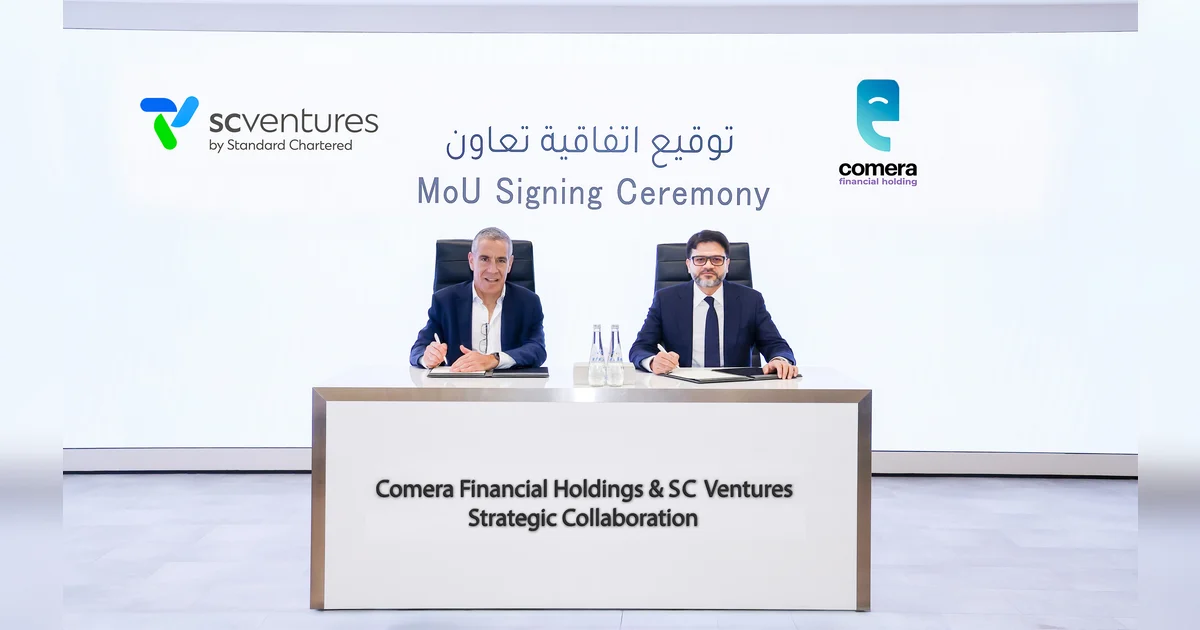
  • Comera Financial Holdings, SC Ventures announce strategic collaboration to explore innovation in SME and beyond

    Comera Financial Holdings, SC Ventures announce strategic collaboration to explore innovation in SME and beyond

    In a significant development for the UAE’s financial sector, Comera Financial Holdings—a subsidiary of Abu Dhabi’s Royal Group—and SC Ventures have formalized a strategic partnership through a memorandum of understanding (MoU) signed on December 23, 2025. This collaboration represents a concerted effort to address the financing challenges faced by small and medium enterprises (SMEs) while driving technological innovation across the Emirates’ evolving economic landscape.

    The partnership will leverage Comera’s expanding fintech platforms alongside SC Ventures’ expertise in venture-building and credit intelligence to co-create data-driven financial solutions. Primary focus areas include developing innovative supply chain finance mechanisms, optimizing working capital management, and establishing sector-specific financing frameworks tailored for corporations with extensive SME networks.

    Akhtar Saeed Hashmi, Managing Director and Group CEO of Comera Financial Holdings, emphasized the strategic importance of this initiative: ‘This collaboration marks an important milestone in our mission to build forward-looking financial infrastructure for the UAE. By combining forces with SC Ventures, we intend to introduce digitally-powered financing models that support growth ambitions across both SMEs and large corporations.’

    Alex Manson, CEO of Standard Chartered Ventures, echoed this sentiment: ‘At SC Ventures, we focus on building businesses that solve genuine market problems. Our partnership with Comera enables us to co-create digital infrastructure that provides SMEs with essential tools, insights, and access needed to thrive in an innovation-driven economy.’

    The organizations will explore additional strategic opportunities including potential investments, development of novel financial models, and enhanced coordination across selective business initiatives. This comprehensive approach aims to drive sustainable innovation, foster aligned growth trajectories, and deliver scalable financial solutions that strengthen business resilience and competitive positioning within the market.

    Both entities have committed to ongoing evaluation of identified opportunities with the objective of establishing a long-term collaborative framework. Further developments will be announced as the partnership progresses, with additional information available through SC Ventures’ official digital channels.

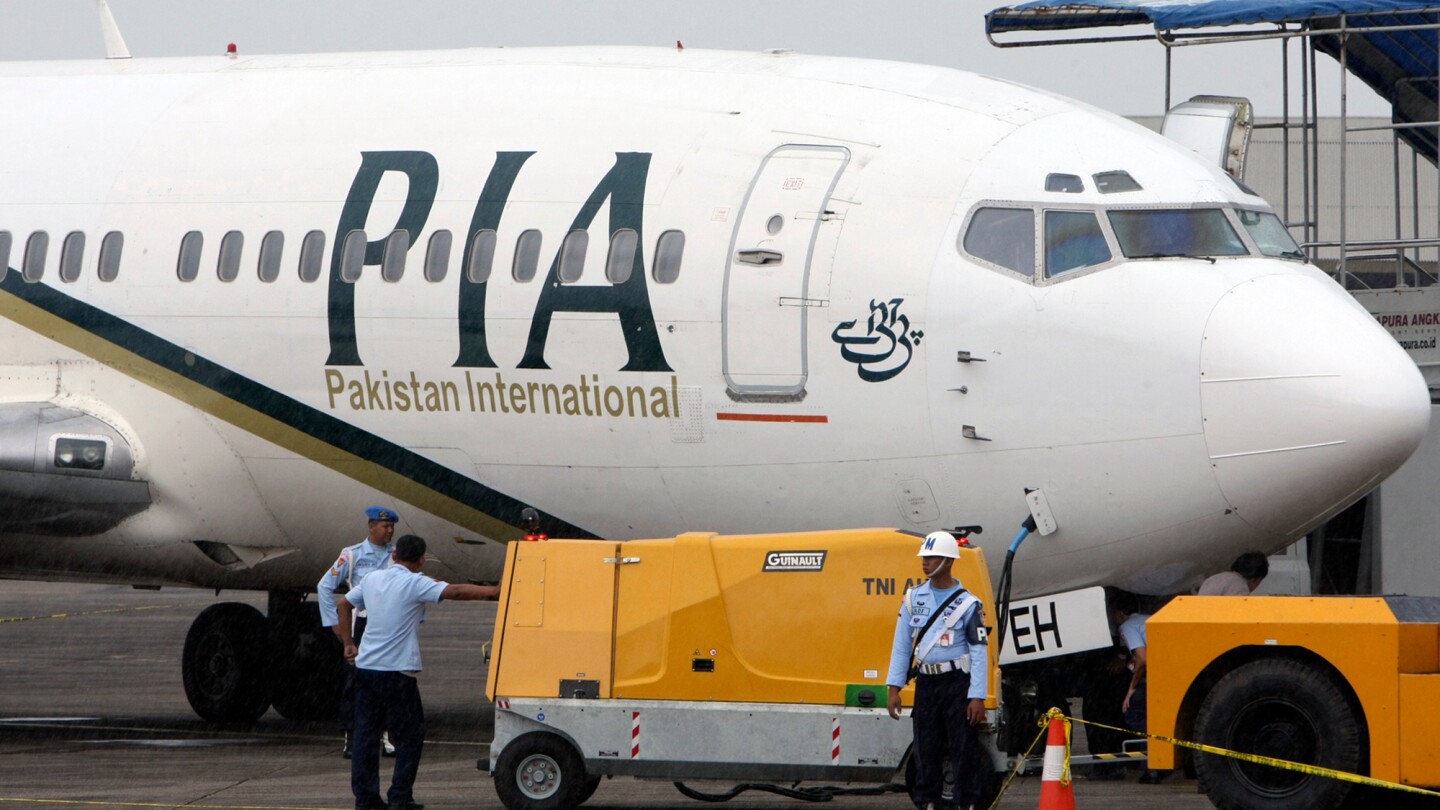
  • Pakistani consortium acquires 75% stake in PIA in major privatization move

    Pakistani consortium acquires 75% stake in PIA in major privatization move

    In a landmark transaction marking Pakistan’s most significant privatization initiative in decades, a consortium headed by Arif Habib Group has successfully acquired a 75% controlling interest in Pakistan International Airlines (PIA). The winning bid of 135 billion rupees ($482 million) was announced during a nationally televised auction ceremony on Tuesday, representing a crucial milestone in the government’s protracted effort to divest the chronically unprofitable national carrier.

    The acquisition fulfills a key condition set by the International Monetary Fund (IMF), which has consistently advocated for PIA’s privatization as a central component of Pakistan’s economic reform agenda connected to international bailout packages. Finance Minister Muhammad Aurangzeb characterized the bidding process as thoroughly transparent and competitive, expressing confidence that the new ownership would spearhead the airline’s operational revitalization.

    This development occurs against a backdrop of tentative recovery for PIA, which recently resumed direct European flights just two months ago following the European Union Aviation Safety Agency’s decision to revoke a four-year suspension imposed over safety violations. The prohibition originated after the tragic 2020 Karachi crash that claimed 97 lives.

    Once celebrated as a regional aviation leader, PIA’s operational efficiency has dramatically deteriorated through decades of political interference and severe overstaffing. The carrier currently maintains approximately 300 employees per aircraft across its 32-plane fleet—substantially exceeding the industry standard of fewer than 200 workers per aircraft—reflecting profound structural challenges that the new ownership must address.