
As military tensions and ongoing conflict in Iran continue to roil global markets, American agricultural producers across the country are confronting mounting financial strain that threatens their bottom lines and long-term operational stability. One of the most immediate and visible impacts of the geopolitical unrest has been a sharp upward swing in global energy prices, a development that hits farming operations particularly hard. Fuel for tractors, irrigation equipment and transport trucks, along with petroleum-based inputs like fertilizers and pesticides, have all jumped in cost in lockstep with rising crude oil prices tied to the Middle Eastern instability. \n\nDuring on-the-ground reporting from rural Alabama, BBC correspondent Gary O’Donoghue sat down with one local farmer to discuss how the conflict’s ripple effects are reshaping his day-to-day operations and financial outlook. Despite facing significant growing cost pressures that have eaten into his expected annual profits, the agricultural producer confirmed he remains a staunch supporter of former President Donald Trump’s foreign and domestic policy agenda, aligning himself with the administration’s approach to Middle Eastern relations even as it creates direct financial hardship for his operation. \n\nAgricultural economists note that U.S. farmers are already navigating a host of interconnected challenges, from volatile commodity prices to ongoing trade disputes and extreme weather events linked to climate change. The added cost shock from the continuing Iran conflict has created an extra layer of uncertainty for an industry already operating on thin profit margins, with many small-scale independent producers particularly vulnerable to sudden input price swings. While larger agribusiness operations may have more financial buffer to absorb the short-term costs, small family farms like the one interviewed in Alabama often lack the capital reserves to offset sustained price increases, raising concerns about potential long-term consolidation in the U.S. farming sector if the conflict in Iran drags on.
分类: business
-
South Africa hit by record diesel price hikes despite fuel levy cut
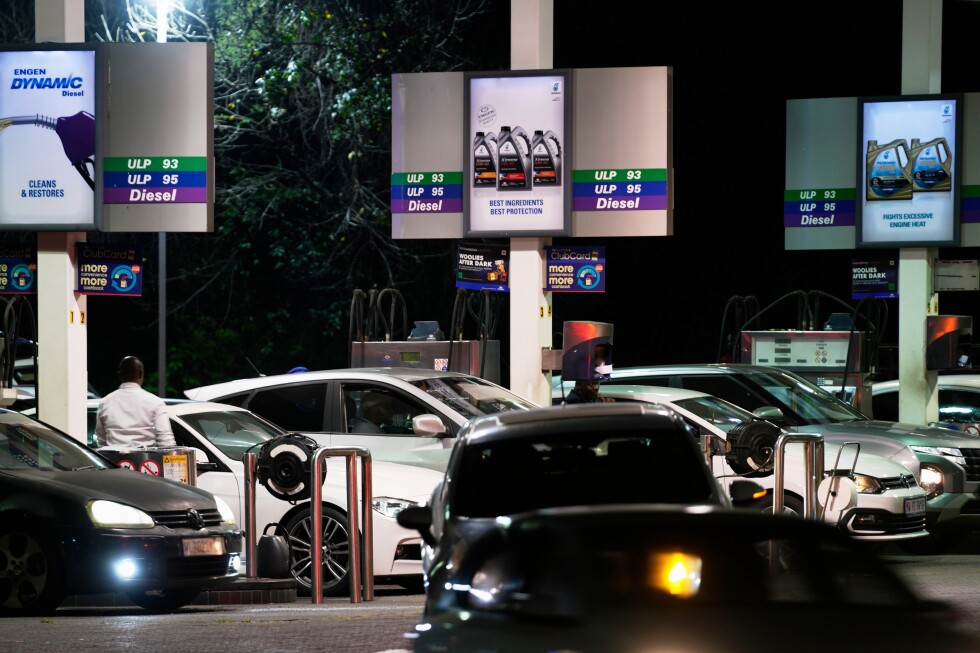
JOHANNESBURG – Chaos unfolded at fuel stations across South Africa on Tuesday, as tens of thousands of motorists rushed to fill their tanks ahead of midnight, when historic, record-breaking fuel price increases were set to take effect. The skyrocketing prices have been traced directly to ongoing global market volatility sparked by the Iran conflict, which has sent international oil prices swinging sharply upward in recent weeks.
In a last-minute effort to soften the blow for consumers, South African Finance Minister Enoch Godongwana announced a 3 rand ($0.18) per liter cut to the national fuel levy earlier the same day. Even with this government intervention, the planned price adjustments remain the steepest in the country’s modern history: diesel prices will jump by 7.51 rand ($0.44) per liter, while gasoline prices will rise by 3.06 rand ($0.18) per liter. The unprecedented diesel hike, the largest single increase ever recorded in South Africa, has already sent ripples of anxiety through the southern African economy.
By Tuesday evening, the panic buying had already drained supplies at multiple outlets. Numerous stations in eastern Johannesburg had already sold out of both diesel and gasoline, turning away waiting motorists. Other locations only had limited gasoline stocks left, forcing drivers searching for diesel to leave empty-handed. Long, visible queues formed at any station that still had fuel available for sale. Some stations across the country have already introduced rationing measures, limiting individual motorists to purchases of between 30 and 50 liters per vehicle to stretch dwindling supplies, while broader distribution network delays and operational bottlenecks have worsened the existing shortage.
Godongwana acknowledged that the ongoing Middle East conflict has created significant instability in global energy markets, which has directly translated to upward pressure on domestic fuel prices in South Africa. The temporary one-month fuel levy cut, implemented for April, will cost the national government an estimated 6 billion rand (more than $351 million) in lost tax revenue, as the country looks to absorb some of the shock that would otherwise fall fully on consumers.
Economic analysts warn that even with the government’s intervention, the price hikes will carry severe consequences for households and the broader economy. “Even after the fuel levy reduction, these are the largest increases in recent history, and they would be devastating for consumers,” explained Theuns Du Buisson, an economic researcher at the Solidarity Research Institute. Du Buisson noted that the massive diesel increase in particular will send logistics and transportation costs soaring, which will in turn push overall inflation higher in the coming months.
Low-income households are expected to bear the brunt of these increases, Du Buisson added, since the vast majority of South Africans rely on public transit – primarily minibus taxis and buses – which will almost certainly raise fares to offset higher fuel costs. The impact was already visible on Tuesday, when the Pretoria city municipality confirmed that local bus service had been disrupted after fuel shortages emptied storage tanks at the city’s bus depots.
The Iran conflict has already rippled across global energy and financial markets, with multiple other countries facing similar fallout. Haiti has implemented new austerity measures in response to Iran conflict-driven oil price surges and supply chain disruptions, and the European Union has warned that global oil and gas prices are unlikely to return to pre-conflict levels even if hostilities end in the near term.
-
Oil and gas prices won’t immediately return to normal even if the Iran war ends, the EU warns
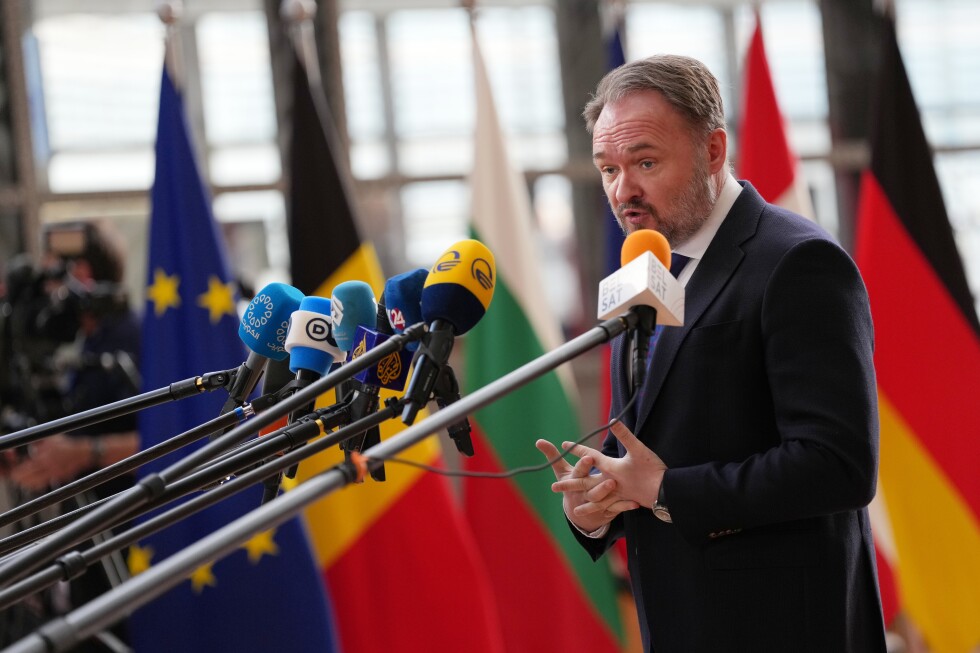
NICOSIA, Cyprus – The European Union’s top energy official issued a stark warning Tuesday that the crippling surge in European oil and gas prices driven by the ongoing Iran conflict will not return to pre-war levels in the near term, even if a peace agreement is reached immediately.
Speaking to reporters following a gathering of EU energy ministers, Commissioner Dan Jørgensen clarified that while the 27-nation bloc currently faces no immediate shortfall in crude oil or natural gas supplies, critical bottlenecks have emerged for diesel and jet fuel. Persistent tightening constraints across global natural gas markets are also pushing electricity prices sharply higher across the continent.
“It is extremely important that I state this as clearly as possible: even if peace is achieved tomorrow, we will not see a return to normal energy prices in the foreseeable future,” Jørgensen emphasized.
The ongoing war has sent energy costs soaring across Europe, with natural gas prices jumping roughly 70% and crude oil prices rising around 60% since hostilities began. Jørgensen noted that the EU’s total import bill for fossil fuels has ballooned by an extra 14 billion euros since the conflict started.
To buffer households and businesses from these unprecedented cost spikes, Jørgensen revealed that the European Commission, the EU’s executive branch, is currently finalizing a broad package of targeted support measures. Coordinated action across all member states is critical, he stressed, to avoid fragmented national policies that could send confusing and destabilizing signals to global energy markets.
The full set of policy tools, which Jørgensen said will be released publicly “quite soon,” includes provisions to make it easier for national governments to decouple retail electricity prices from volatile natural gas market rates. The commission is also actively evaluating a proposal from Commission President Ursula von der Leyen to cut taxes on electricity for consumers.
While Jørgensen said he does not expect a repeat of the 2022 European natural gas crisis, when energy firms recorded extraordinary windfall profits from skyrocketing prices, he confirmed that a one-time windfall profit tax on energy sector companies remains on the table as a policy option.
Jørgensen added that the commission is working to expand and simplify existing avenues for member states to provide direct financial support to vulnerable households and energy-intensive industries that are facing extraordinary financial pressure from rising costs.
In addition to structural support measures, Jørgensen encouraged EU countries to adopt the International Energy Agency’s 10-point energy reduction plan, which includes policy measures like expanded work-from-home arrangements, lowered highway speed limits to cut fuel consumption, expanded subsidies for public transit, and incentives for carpooling.
Turning to the bloc’s long-term energy transition strategy, Jørgensen reaffirmed the EU’s commitment to its ban on Russian natural gas imports, a policy implemented to cut Moscow’s revenue for its ongoing invasion of Ukraine and reduce European dependence on Russian fossil fuels. He reported that the bloc’s reliance on Russian gas has already fallen sharply from 45% before the Ukraine war to just 10% today, and will drop to zero as import infrastructure for alternative suppliers is scaled up, most notably from the United States. The EU is also pursuing expanded energy imports from Azerbaijan, Algeria, Canada, and smaller producing nations across the globe.
Jørgensen concluded by stressing that the bloc must not repeat the overreliance on Russian energy that allowed President Vladimir Putin to weaponize energy exports as a political tool against European nations. “It would be totally unacceptable for the EU to continue purchasing energy that indirectly helps finance the terrible war that Putin is conducting in Ukraine,” he said.
-
Guangzhou Shipyard International begins testing of 10,000-vehicle PCTC
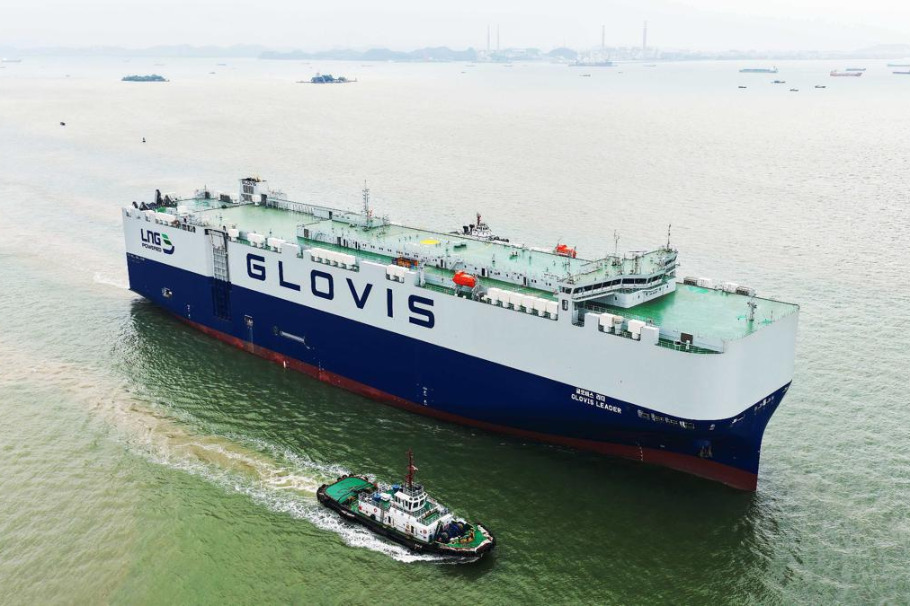
Guangzhou Shipyard International (GSI) has commenced landmark sea trials for the world’s first pure car truck carrier (PCTC) capable of transporting over 10,000 vehicles. The vessel departed from Guangzhou, Guangdong province, marking a significant milestone in maritime transportation technology.
Measuring 230 meters in length with a molded breadth of 40 meters and structural draft of 10.5 meters, this pioneering vessel represents cutting-edge shipbuilding achievement. The PCTC features an innovative 14-deck garage design that provides exceptional flexibility for carrying diverse vehicle types, including electric vehicles, hydrogen fuel cell vehicles, and heavy-duty trucks, with a maximum capacity of 10,800 vehicles.
Propelled by an advanced diesel and LNG dual-fuel system equipped with shaft generators, the vessel achieves speeds up to 19 knots (approximately 36 kilometers per hour) while generating power during navigation for enhanced energy efficiency. This sophisticated propulsion technology enables significant emission reductions, allowing the vessel to comply with stringent IMO Tier III environmental standards.
The development underscores China’s growing leadership in specialized maritime transport solutions and green shipping technologies. This breakthrough in PCTC capacity and efficiency sets new benchmarks for the global automotive logistics industry, potentially transforming how vehicles are transported internationally while addressing environmental concerns through cleaner propulsion systems.
-
Guizhou’s tourism development spotlighted at Guiyang conference
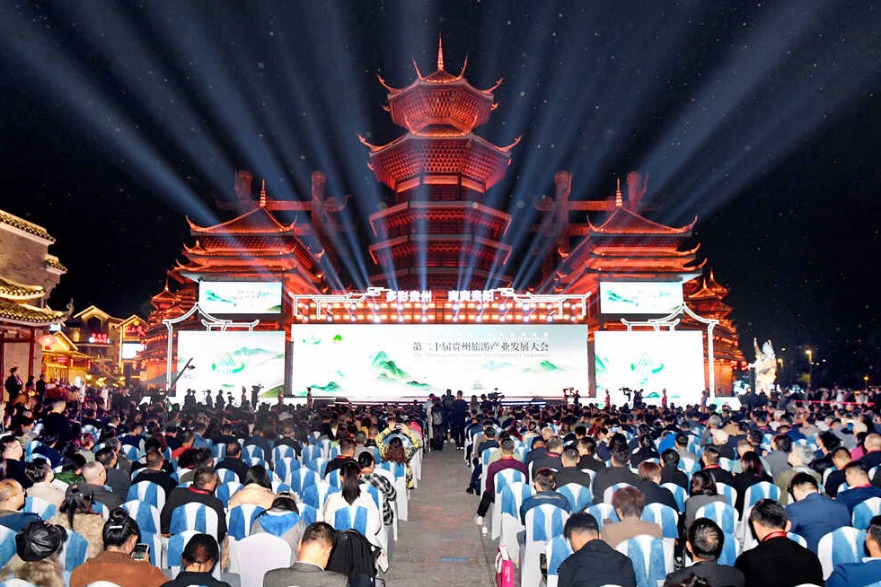
The 20th Guizhou Tourism Development Conference commenced Monday in Guiyang, marking a significant milestone in the province’s ambitious plans to transform its tourism sector. The event brought together government officials, industry leaders, and international organizations to showcase innovative approaches to integrated tourism development.
Governor Li Bingjun opened the conference by emphasizing Guizhou’s strategic pivot toward wellness tourism, highlighting the province’s unique natural advantages including its temperate summer climate, breathtaking landscapes, diverse culinary offerings, and rich cultural heritage. “Wellness travel represents the future of tourism and modern lifestyle preferences,” Governor Li stated, outlining plans to position Guizhou as a premier destination for health-conscious travelers.
The conference featured the unveiling of ten newly designated scenic spots across Guiyang, selected through a rigorous process combining public voting and expert evaluation. These destinations range from historical towns to social media-friendly attractions, collectively forming a new network of tourism landmarks designed to enhance visitor experiences.
Industry participation demonstrated strong corporate confidence in Guizhou’s tourism vision. Representatives from major Chinese companies including Wanda Group and H World Group joined international organizations in exploring investment opportunities. Notably, Amap Chairman Liu Zhenfei announced ambitious plans to integrate artificial intelligence throughout Guizhou’s tourism infrastructure, promising to enhance the convergence of lifestyle services, transportation, and tourism experiences while elevating the technological sophistication of the province’s tourism offerings.
The conference served as both a showcase for Guizhou’s existing tourism assets and a forward-looking platform for introducing next-generation travel experiences that blend cultural immersion, physical activity, and wellness rejuvenation.
-
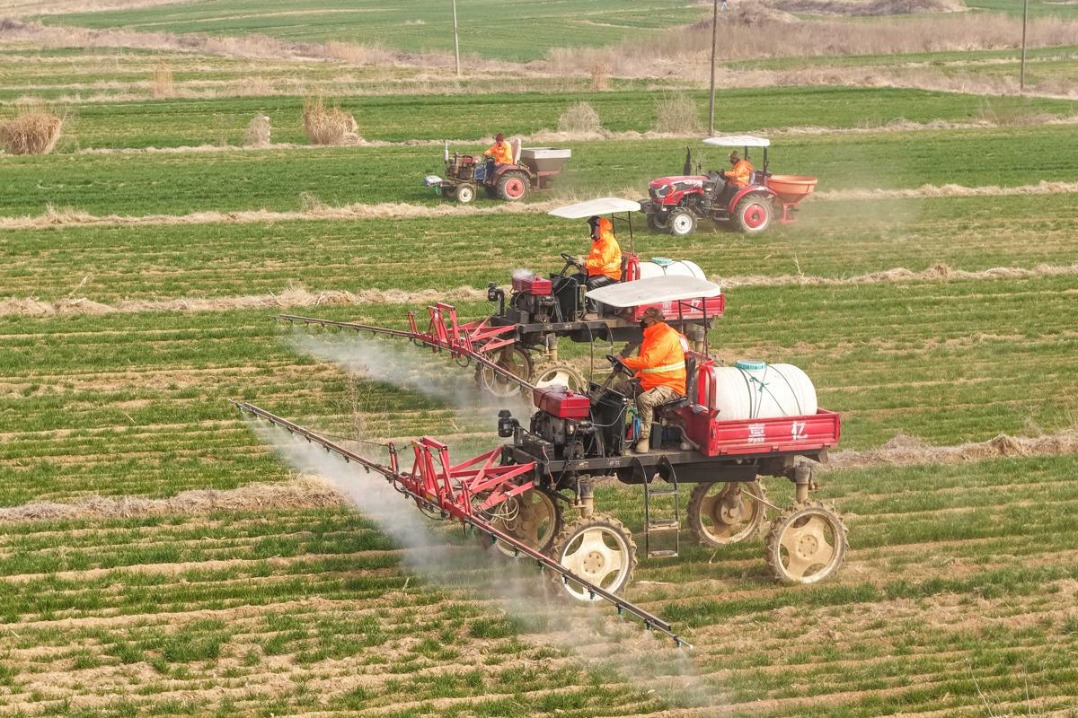
Shandong doubles down on modern grain production base development
Agricultural powerhouse Shandong province is accelerating the development of a modern, resilient grain production system as part of its comprehensive agricultural modernization strategy. The eastern Chinese province has demonstrated remarkable consistency in grain output, maintaining annual production exceeding 55 million metric tons over the past five years while simultaneously achieving steady growth across multiple agricultural sectors including vegetables, meat, eggs, dairy, fruits, and seafood.
The provincial government has announced ambitious targets for the current year, planning to develop approximately 4.5 million mu (300,000 hectares) of high-yield farmland capable of producing 1.5 tons of grain per mu. This initiative forms part of a broader strategy to stabilize existing grain farms while significantly boosting per-unit yields through technological innovation.
According to Zhou Tuanjie, Deputy Director of Shandong Provincial Department of Agriculture and Rural Affairs, the modernization effort will concentrate on four key areas: cultivating high-yield crop varieties, enhancing farmland quality, innovating agricultural equipment, and implementing smart farming technologies incorporating artificial intelligence and big data applications. The province is additionally exploring innovative agricultural approaches through marine fisheries development and utilization of saline-alkali lands.
The substantial investment in agricultural modernization has yielded significant economic returns, with the province’s total agricultural, forestry, animal husbandry, and fishery output value surpassing 1.3 trillion yuan. The sector’s added value reached 677.5 billion yuan in 2025, representing a 4 percent year-on-year increase and demonstrating the continued vitality of Shandong’s agricultural economy.
-
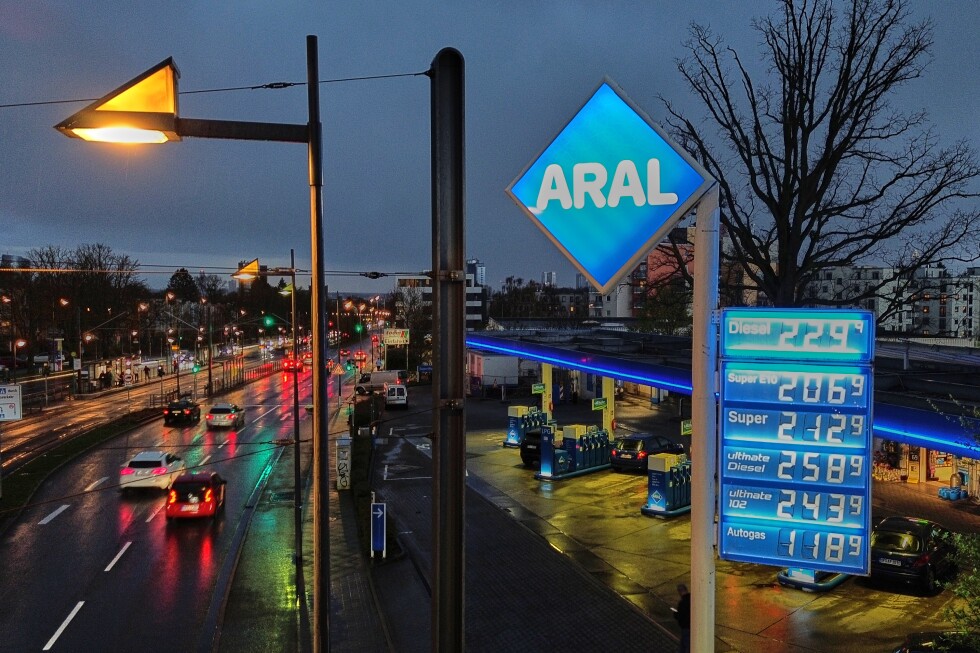
Inflation increases to 2.5% in Europe as Iran war boosts energy prices
FRANKFURT, Germany — Escalating geopolitical tensions in the Middle East have triggered a significant surge in European inflation, with official data revealing a jump to 2.5% in March from February’s 1.9%. The conflict involving Iran has severely disrupted energy supplies, precipitating a sharp increase in fuel costs that is now permeating the broader economy.
The statistical office of the European Union, Eurostat, reported a dramatic reversal in energy price trends, with March witnessing a 4.9% increase compared to February’s 3.1% decline. This energy shock has created immediate ripple effects across consumer markets, particularly affecting transportation and agricultural sectors.
At Rome’s Trionfale market, vendors are experiencing firsthand the economic consequences of the conflict. Anna Caruso, a vegetable stand operator, explained the direct correlation between fuel costs and produce pricing. “When transportation expenses rise, these increases are inevitably passed along to consumers through higher prices for vegetables like zucchini, eggplant, and seasonal fruits,” she noted, adding that customers are increasingly opting for more affordable alternatives.
Market merchant Paola Ianzi confirmed that while seasonal factors contribute to some price increases, the conflict has significantly exacerbated the situation through its impact on diesel and transportation costs that suppliers must recoup.
Beyond energy, the inflation picture shows varied sector performance with food prices rising at a relatively moderate 2.4% while services—encompassing healthcare to personal services—increased by 3.2%.
European Central Bank President Christine Lagarde has expressed concern that businesses might be quicker to implement price increases during this inflationary episode, drawing from recent memories of the 2022 inflation crisis when prices reached double digits following Russia’s energy supply reductions.
The current crisis stems from Iran’s obstruction of tanker traffic through the Strait of Hormuz, a critical maritime passage for approximately 20% of global oil and gas shipments. This blockade has created expectations of substantially tighter fuel markets in the coming months.
Financial analysts are now anticipating monetary policy responses, with many predicting the ECB will implement interest rate increases to prevent inflationary expectations from becoming entrenched in the economy. ABM AMRO’s Head of Macro Research Bill Diviney stated: “We expect the ECB to raise rates already at the April and June governing council meetings to pre-empt any de-anchoring of inflation expectations.” This sentiment is echoed by Oxford Economics analysts, who similarly forecast two rate increases this year. The ECB maintained its key rate at 2% during its most recent meeting on March 19, with rate hikes remaining the central bank’s primary anti-inflation instrument.
-

‘China chic’ growing cooler by design
International corporations are increasingly adopting China-chic designs to capture the lucrative Chinese consumer market, marking a significant shift from traditional manufacturing approaches to culturally-informed product innovation. The phenomenon represents a strategic evolution from ‘Made in China’ to ‘Created for China’ that is reshaping global business strategies.
Adidas has emerged as a prominent case study in this trend with its Chinese-style jacket series, which features distinctive traditional elements including knot buttons and upright collars. Initially launched in 2022 as an exclusive product for the Chinese market, the design has achieved remarkable commercial success, attracting diverse consumer demographics across age groups and nationalities.
The brand’s Shanghai Creation Center (CCS) has become the innovation engine behind this strategy, responsible for developing over 60% of Adidas products targeted specifically at Chinese consumers. The center maintains a dedicated focus on incorporating authentic Chinese cultural motifs and responding to the growing guochao (China-chic) movement that has gained substantial traction among domestic consumers.
Market response has exceeded expectations, with recent product launches generating unprecedented consumer demand. During a New Year’s Day sales event, approximately 1,000 units of the Chinese-inspired jacket were sold at a single Shanghai location, establishing a new sales record for the special collection. Notably, international visitors comprised a significant portion of consumers, demonstrating the global appeal of these culturally-grounded designs.
This strategic pivot reflects broader changes in China’s consumer landscape, where production capabilities have evolved into innovation capacities. Multinational companies now recognize that success in the Chinese market requires deep cultural understanding rather than mere market presence, leading to increased investment in localized design and development facilities.
The trend signifies China’s transformation from manufacturing hub to innovation incubator, with consumer preferences driving product development that subsequently influences global market strategies. This approach has proven mutually beneficial, allowing international brands to strengthen their position in China while simultaneously developing products with potential global appeal.
-

ASX suffers worst month since 2022 despite late Trump-inspired rally
Australia’s financial markets experienced their most severe monthly downturn in four years during March, with the benchmark ASX 200 plummeting 7.9% amid mounting concerns over potential interest rate increases. Despite a modest recovery rally on Tuesday that saw the index gain 20.80 points (0.25%) to close at 8481.80, the market registered its most substantial monthly decline since June 2022.
The partial market recovery emerged following reports that former US President Donald Trump had indicated willingness to de-escalate military operations against Iran, even if the strategic Strait of Hormuz remains partially closed. This geopolitical development triggered a significant drop in oil prices, which fell over $4 to approximately $107 per barrel.
Market analysts highlighted concerning concentration risks within the Australian equities landscape. Arian Neiron, CEO and Managing Director of VanEck, noted that “a relatively small group of large companies can do an outsized amount of damage when sentiment turns,” particularly evident during the recent sell-off linked to Middle Eastern tensions.
Sector performance revealed mixed results, with eight of eleven sectors finishing higher. Information technology led the gains, followed by telecommunications and consumer discretionary stocks. Notable performers included WiseTech Global (+4.08%), Xero (+6.55%), and Technology One Limited (+1.40%).
The Reserve Bank’s monetary policy minutes introduced additional uncertainty, with officials acknowledging limited predictability regarding future rate movements due to ongoing Middle Eastern conflicts. eToro market analyst Josh Gilbert characterized this admission as “a rare level of frankness from the RBA,” suggesting the central bank is “flying somewhat blind” amid current uncertainties. Markets are currently pricing in three additional rate hikes by year’s end.
Individual companies faced diverse fortunes: ARN shares plunged 18.97% following legal disputes involving prominent media personality Jackie O, while Koala, an online mattress retailer, enjoyed an 11.80% surge during its ASX debut.
-

Aussie Taco Bell stores thrown lifeline after current owner planned to close stores within weeks
In a significant restructuring of its Australian operations, Taco Bell has received a crucial reprieve from potential market exit through an emergency acquisition deal. Current franchise operator Collins Foods Limited announced plans to transfer 20 of its 27 Australian Taco Bell locations to Restaurant Brands Australia (RBA), an established global partner of parent company Yum! Brands.
The transition comes as Collins Foods reported declining performance in its Taco Bell portfolio, with earnings decreasing 3% to $23.6 million in the first half of the financial year, yielding only a modest $500,000 profit. The remaining seven underperforming stores will cease operations permanently within weeks, though specific closure locations across NSW, Victoria, Queensland, and Western Australia remain undisclosed.
Restaurant Brands Australia, which already operates Taco Bell restaurants in New South Wales and international markets, has proposed assuming control under a new partnership agreement. The acquisition is pending formal approval from the Australian Competition and Consumer Commission, with anticipated completion by August 2024.
Xavier Simonet, Chief Executive Officer of Collins Foods, emphasized the strategic rationale behind the divestment: “This transition enables Collins Foods to concentrate resources on our core KFC business in Australia and Europe, particularly accelerating profitable development in the German market.” Simonet confirmed that all employees at the transitioning locations would receive employment continuity offers from RBA.
David Mantellini, Taco Bell Australia General Manager, characterized the partnership as a long-term commitment to the Australian market: “We maintain strong belief in this market and anticipate future growth opportunities. This new alliance with RBA reinforces our dedication to expanding Taco Bell’s presence across Australia.”