分类: business

  • China-Mongolia border port sees rise in cross-border traffic

    China-Mongolia border port sees rise in cross-border traffic

    Erenhot, the primary land port along the China-Mongolia border, has reported substantial increases in both passenger and freight traffic through December 22, 2025, demonstrating growing economic connectivity between the nations. Official statistics reveal inbound and outbound passenger volumes reached 2.753 million, marking an 8.8% year-on-year increase, while vehicle crossings surged to 741,000, representing a 12.1% growth compared to the same period last year.

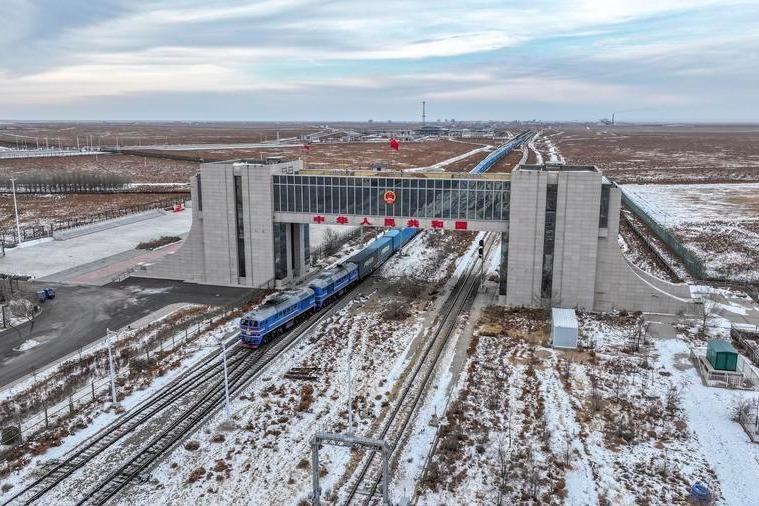
    Strategically positioned as a crucial node within the China-Mongolia-Russia Economic Corridor, Erenhot serves as a vital conduit for transcontinental trade and transportation. Recent aerial photography captured on December 22, 2025, visually documents the steady movement of China-Europe freight trains traversing through this bustling border crossing in China’s Inner Mongolia Autonomous Region.

    The rising traffic metrics underscore Erenhot’s expanding role in facilitating international commerce and regional integration. This growth trajectory reflects strengthened economic ties between China and Mongolia, with the border port evolving into an increasingly significant hub for cross-border exchange and cooperation. The transportation infrastructure continues to support the flow of goods and people, contributing to the economic development of both nations and enhancing regional connectivity across the broader Eurasian corridor.

  • Transport sector on track to fulfill goals, forge ahead

    Transport sector on track to fulfill goals, forge ahead

    China’s transportation infrastructure has demonstrated remarkable expansion and technological advancement throughout 2025, with officials from the Ministry of Transport announcing unprecedented growth across multiple sectors. With fixed-asset investments projected to exceed 3.6 trillion yuan ($512.2 billion), the nation has strengthened its position as a global leader in transport infrastructure development.

    Vice-Minister of Transport Li Yang confirmed the sector’s exceptional performance during a year-end press briefing in Beijing, highlighting the addition of approximately 2,000 kilometers of high-speed rail and 8,000 kilometers of expressways. These developments occurred despite complex operational challenges, with all major annual targets successfully met.

    The statistical overview reveals substantial increases in transport activity: cross-regional passenger journeys are expected to surpass 66 billion, while commercial freight volume approaches 58 billion metric tons—both reflecting a 3.5 percent year-on-year growth that aligns with national economic expansion. Port operations showed particularly strong performance, with foreign trade container throughput rising by 9.6 percent and international air cargo surging by 20 percent.

    Peak travel periods set new benchmarks, with the 40-day Spring Festival travel rush recording 9 billion passenger trips and the National Day holiday witnessing over 2.4 billion journeys within eight days. Urban transit networks now serve 54 cities with more than 11,000 kilometers of metro lines, facilitating over 90 million daily passenger trips.

    Technological innovation emerged as a central theme, with the implementation of national guidelines for artificial intelligence integration in transport systems and the launch of a large-model initiative. Digital transformation has upgraded approximately 1,700 kilometers of expressways and 2,200 road and waterway facilities, while 60 automated container and bulk cargo terminals became operational nationwide.

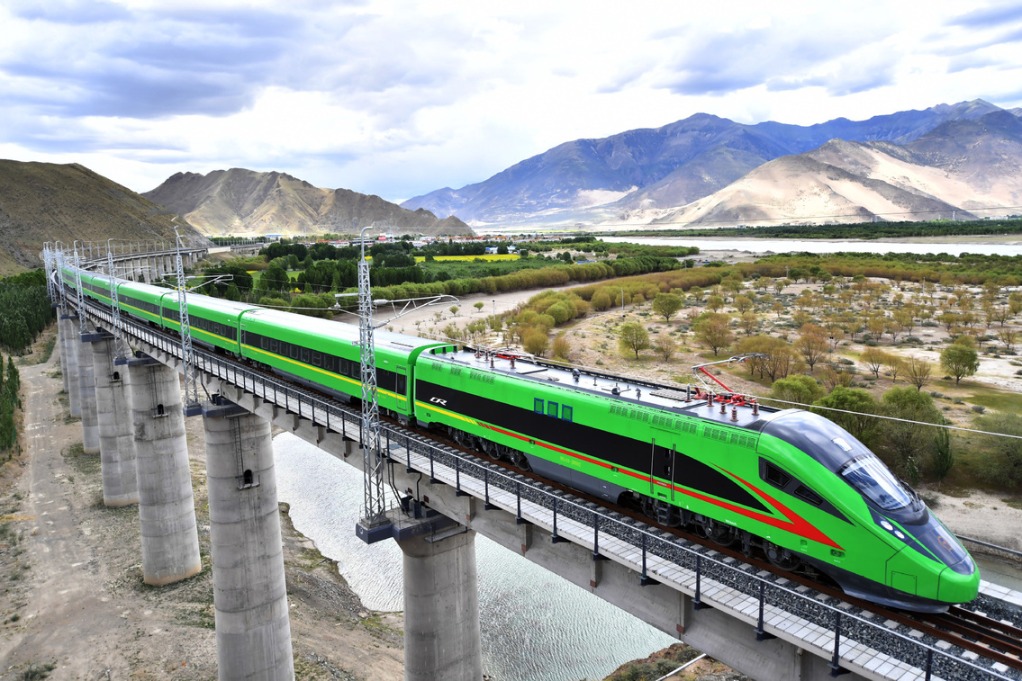
    Reflecting on the 14th Five-Year Plan period (2021-2025), officials noted total transport investments reached 18.8 trillion yuan, enabling landmark projects including the Shenzhen-Zhongshan Link and major Yangtze River crossings. The period also saw enhanced international connectivity through the China-Laos Railway, Heihe cross-border bridge, and Chancay Port in Peru.

    Looking forward to the 15th Five-Year Plan period (2026-2030), the ministry plans to accelerate development of an integrated modern transport system with emphasis on digitalization, green transition, and safety. Major projects including the Shiziyang Link, Zhangjinggao Yangtze River Bridge, and Shanghai East Railway Station are scheduled for completion during this period.

  • Holiday trading: Why late-December markets demand a different playbook

    Holiday trading: Why late-December markets demand a different playbook

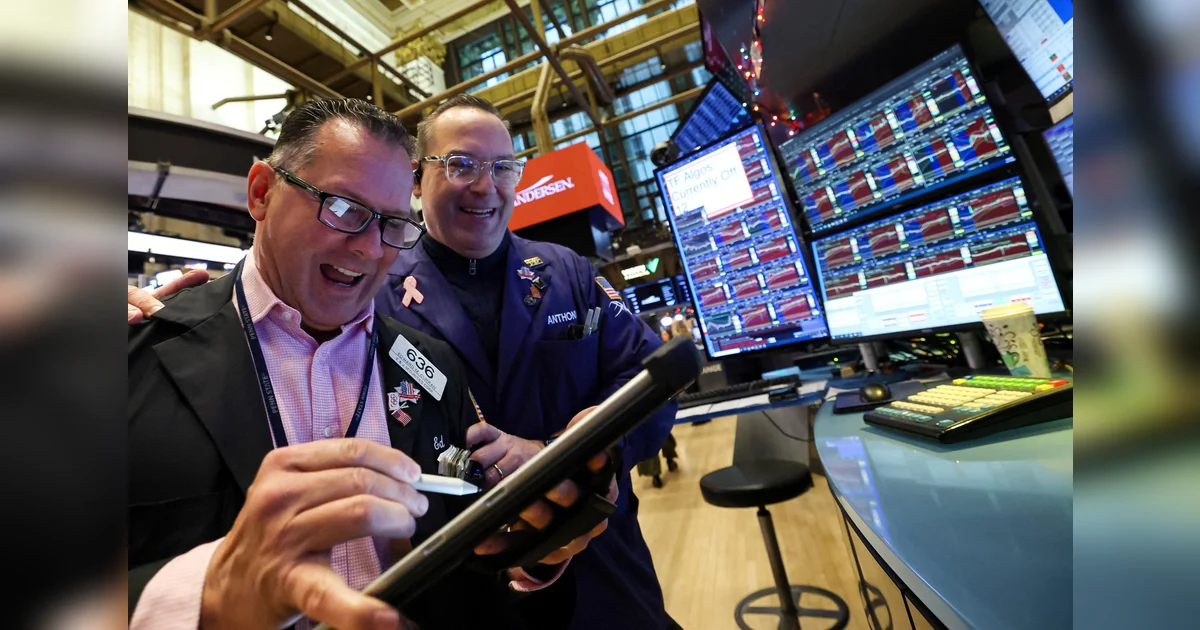
    As financial markets enter the Christmas-New Year transition period, they undergo a fundamental transformation characterized by diminished trading activity and amplified volatility. This seasonal shift creates a uniquely fragile trading environment where traditional market behaviors become less reliable.

    The convergence of multiple factors drives this annual phenomenon: institutional investors conducting year-end portfolio rebalancing, foreign exchange exposure adjustments, and significantly reduced participation across major markets. The resulting liquidity vacuum leads to wider bid-ask spreads and creates conditions where even routine data releases or isolated transactions can trigger disproportionate price movements.

    Historical patterns have often referenced the so-called “Santa Claus Rally”—a tendency for U.S. equity indices to strengthen during late December. However, this seasonal expectation remains contingent on broader macroeconomic conditions, valuation pressures, and evolving policy expectations. The 2025 market trajectory toward 2026 appears particularly dependent on Federal Reserve policy signals, global growth prospects, and investor interpretation of emerging economic indicators.

    Market analysts emphasize that technical discipline becomes paramount during this period. Traders should prioritize higher-timeframe analysis to filter out liquidity-driven distortions, await confirmed breakouts supported by volume, and maintain strict risk management protocols. Position sizing, stop-loss orders, and disciplined profit targets take on increased importance when market depth diminishes.

    Across major asset classes, distinct dynamics emerge. U.S. equities maintain a broadly bullish bias but face potential consolidation risks around stretched valuations and policy uncertainty. Precious metals continue consolidating below their 2025 peaks, awaiting catalyst events to establish new support levels. The U.S. dollar approaches critical multi-year support zones that will likely determine its longer-term trajectory, while crude oil remains sensitive to geopolitical developments and winter demand patterns.

    The consensus among trading professionals suggests that the most effective strategy involves treating holiday market movements as noise rather than meaningful trend developments. Preserving capital and maintaining strategic clarity outweighs pursuing short-term gains in unpredictable conditions. As central banks approach a potentially pivotal policy year, the cautious approach adopted during these final weeks of 2025 may well position investors more advantageously for the opportunities and challenges of 2026.

  • UAE President receives banking delegation supporting Emirati debt relief initiative

    UAE President receives banking delegation supporting Emirati debt relief initiative

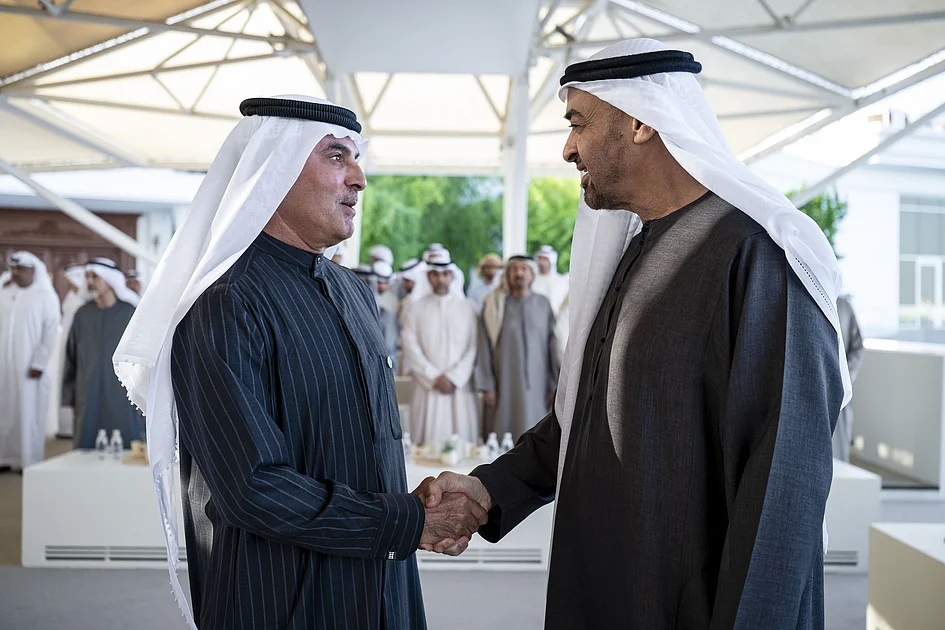
    In a significant demonstration of public-private partnership, UAE President Sheikh Mohamed bin Zayed Al Nahyan hosted senior banking representatives on Tuesday at Qasr Al Bahr in Abu Dhabi to acknowledge their pivotal role in a nationwide debt relief program for financially struggling Emirati citizens.

    The presidential reception honored financial institutions collaborating with the Defaulted Debts Settlement Fund, a comprehensive initiative designed to alleviate financial burdens for UAE nationals facing economic challenges. The meeting underscored the deepening culture of corporate social responsibility within the Emirates’ financial sector.

    President Sheikh Mohamed characterized the debt waiver program as instrumental in restoring hope to numerous families while contributing substantially to national social stability objectives. He emphasized that such collaborative efforts between government entities and private institutions form the cornerstone of successful developmental models observed globally.

    ‘When institutions actively fulfill their societal roles, they significantly advance the UAE’s comprehensive development vision,’ Sheikh Mohamed stated during the engagement. He further noted that strengthened social responsibility mechanisms directly correlate with enhanced national resilience and societal cohesion.

    Banking delegates reaffirmed their commitment to supporting national initiatives that promote familial and social stability. Representatives expressed ongoing dedication to the leadership’s efforts in reducing citizens’ financial pressures while simultaneously improving quality of life indicators for Emirati households.

    The dialogue highlighted the evolving paradigm of cooperative governance in the UAE, where economic development and social welfare objectives are increasingly achieved through synergistic partnerships between governmental bodies and private sector organizations.

  • Rivalries and rumours: How the new order of the Murdoch dynasty is playing out

    Rivalries and rumours: How the new order of the Murdoch dynasty is playing out

    The Murdoch media dynasty, long considered one of the world’s most powerful family empires, has reached a watershed moment in its corporate history. Following a contentious closed-court battle in Nevada, three of Rupert Murdoch’s children—Elisabeth, James, and Prudence Murdoch—have been permanently excluded from the family business, receiving substantial financial settlements in exchange for relinquishing their stakes in Fox Corp and News Corp.

    The settlement, which emerged from a legal challenge to a 1999 trust agreement established during Rupert’s divorce from second wife Anna Murdoch, represents a dramatic restructuring of the media conglomerate’s leadership future. Lachlan Murdoch, Rupert’s eldest son from his second marriage, now stands as the unequivocal successor to the 94-year-old media magnate’s empire.

    This familial schism reflects deeper ideological divisions within the family. James Murdoch, who publicly characterized his father as a ‘misogynist’ during the proceedings, expressed feeling betrayed by Rupert’s decision to force the separation. The move was reportedly motivated by Rupert’s concerns that his more liberal-leaning children might steer the companies in a different political direction after his death.

    Despite Lachlan’s successful tenure as CEO of Fox Corp—during which the company’s share price doubled and streaming service Tubi reached profitability—the resolution came at significant financial cost. The company’s improved performance under Lachlan’s leadership increased the valuation of the siblings’ shares, resulting in a substantially larger payout requirement.

    Media analysts characterize this development as potentially permanent, with biographer Claire Atkinson describing it as ‘a sad ending’ for children who had grown up within the business. The Murdoch saga continues to draw comparisons to the acclaimed television drama ‘Succession,’ though reality has proven more complex and enduring than fiction.

    While Elisabeth and Prudence are said to be focusing on moving forward and potentially reconciling with their aging father, James’s relationship with both Rupert and Lachlan appears irreparably damaged. The settlement includes provisions preventing the excluded siblings from purchasing equity in the family companies in perpetuity.

    As Lachlan Murdoch consolidates control, industry observers note his distinct leadership style—more focused on business fundamentals and digital expansion than political kingmaking. However, the substantial debt incurred through the settlement may pressure the company to maintain profitable but politically divisive programming strategies that have characterized Fox News’s success.

  • Pakistani firm wins auction with $482 million bid for state airline PIA

    Pakistani firm wins auction with $482 million bid for state airline PIA

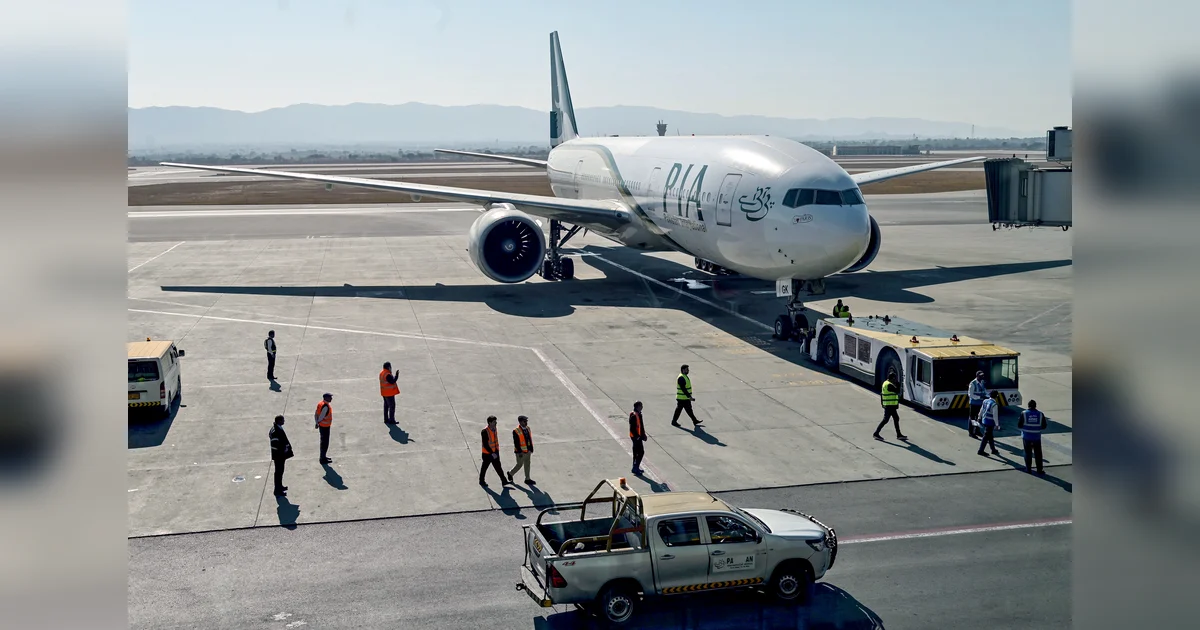
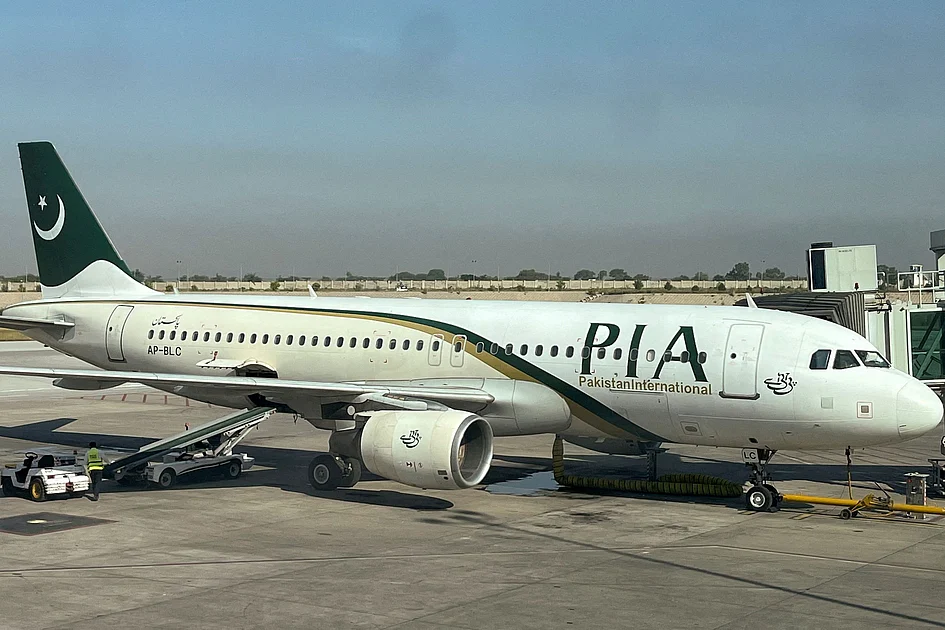
    In a landmark transaction for Pakistan’s privatization efforts, the Arif Habib investment consortium has prevailed in a competitive auction to acquire a controlling 75% stake in Pakistan International Airlines (PIA) with a bid of 135 billion rupees ($482 million). The high-stakes bidding process, broadcast live on state television on Tuesday, featured three domestic contenders vying for the national carrier.

    The transparent auction procedure saw the Arif Habib group outperform rival bids from a Lucky Cement-led consortium offering 134 billion rupees and private carrier Air Blue’s substantially lower 26.5 billion rupee proposal. The successful bidder retains an option to purchase the remaining 25% government stake within coming months.

    Prime Minister Shehbaz Sharif characterized the event as historically significant, emphasizing the government’s commitment to transparency in what represents Pakistan’s largest corporate transaction to date. The acquisition marks a critical turning point for the financially troubled airline, which reported a $437 million net loss on $854 million revenue in 2022 before being delisted from the stock exchange.

    This successful divestiture follows last year’s failed privatization attempt when a solitary $36 million bid fell dramatically short of the government’s $300 million valuation expectations. PIA’s operational challenges have included substantial financial losses, safety concerns that resulted in extended flight bans to Western destinations, and ongoing management issues that required repeated government bailouts.

    The transaction serves as a crucial test case for Pakistan’s broader commitment to privatizing dozens of state-owned enterprises across multiple sectors by 2029, a key condition of the nation’s $7 billion International Monetary Fund loan program. Founded in 1955 as a symbol of national prestige with designer uniforms by Pierre Cardin, PIA’s decline exemplifies the challenges facing many government-owned entities struggling with inefficiency and financial sustainability.

  • IMF strikes initial deal, unlocks $2.5 billion for Egypt’s economic reform

    IMF strikes initial deal, unlocks $2.5 billion for Egypt’s economic reform

    The International Monetary Fund has reached a pivotal staff-level agreement with Egyptian authorities, clearing the path for the disbursement of approximately $2.5 billion in critical funding. This development marks the successful completion of the fifth and sixth reviews under Egypt’s Extended Fund Facility arrangement alongside the first review under the Resilience and Sustainability Facility.

    This financial injection represents the latest phase in Egypt’s comprehensive economic reform program, which began with an expanded $8 billion support package negotiated in March 2024. The North African nation has been grappling with one of its most severe economic crises in modern history, prompting aggressive stabilization measures and structural adjustments.

    Ivanna Vladkova Hollar, the IMF’s mission chief for Egypt, confirmed that these stabilization initiatives have yielded substantial gains, with the Egyptian economy demonstrating signs of robust expansion. “The Egyptian economy is showing signs of strong growth,” Hollar stated, while emphasizing that “efforts to reduce the role of the state need to be accelerated” moving forward.

    The funding package combines resources from both the expanded $8 billion loan facility and an additional $1.3 billion financing arrangement approved earlier this year. The final approval rests with the IMF’s executive board, which will conduct a comprehensive evaluation before formally releasing the funds.

    Egypt’s reform agenda has centered on economic liberalization policies designed to address macroeconomic imbalances and attract foreign investment. The country’s commitment to these reforms has positioned it to access continued international financial support during its economic transition.

  • AI adoption surges across Middle East workforce as employees embrace tech-driven future

    AI adoption surges across Middle East workforce as employees embrace tech-driven future

    The Middle East has emerged as a global frontrunner in workplace artificial intelligence integration, with a remarkable 75% of regional employees actively utilizing AI tools in their professional roles over the past year. This adoption rate significantly surpasses the global average of 69%, according to PwC’s comprehensive Middle East Workforce Hopes and Fears Survey 2025.

    The comprehensive study reveals that AI has transitioned from theoretical concept to practical reality across Middle Eastern organizations. An impressive 79% of employees report substantial productivity improvements through AI implementation, while 87% note enhanced output quality and 84% experience heightened creative capabilities. This technological embrace reflects a fundamental cultural shift where AI is increasingly perceived as an empowering tool rather than occupational threat.

    Regional enthusiasm markedly contrasts with global apprehensions regarding AI’s workplace impact. Approximately 61% of Middle Eastern office workers express excitement about AI’s potential, compared to just 47% worldwide. This optimistic outlook is bolstered by cohesive national digital strategies, including the UAE’s National Strategy for AI 2031 and Saudi Arabia’s National Strategy for Data & AI, which provide clear frameworks for technological advancement.

    Generational analysis indicates Millennials and Gen Z employees are leading this transformation, demonstrating greater familiarity with generative AI tools like ChatGPT compared to senior colleagues. Their technological fluency positions them advantageously for evolving entry-level positions, though organizational leadership remains divided on whether these roles will expand (34%) or contract (43%) due to automation.

    Randa Bahsoun, Partner at PwC Middle East, emphasizes: “While employees demonstrate remarkable adaptability with AI, they seek security and support. Organizations providing role evolution clarity, learning access, and wellbeing protection will excel in retaining talent within this dynamic labor market.”

    The research further identifies a strong emphasis on skills development, with 69% of regional employees pursuing new competencies annually—substantially above global averages. Notably, 81% now prioritize positions offering transferable skill development, indicating learning opportunities have become fundamental career expectations. Companies are responding positively, with 63% of employees reporting managerial support for capability building and 68% acknowledging adequate learning resource access.

    Despite technological optimism, workforce challenges persist. Approximately 45% of employees report fatigue symptoms while 48% feel overwhelmed by increasing workloads. Concurrently, job security has become paramount for 82% of professionals amid ongoing economic uncertainties.

    The report ultimately depicts a region balancing technological ambition with human needs, suggesting organizations combining transparency with substantive upskilling and wellbeing initiatives will best sustain the Middle East’s accelerating AI momentum.
  • Pakistan gets 3 bids for privatisation of national carrier PIA

    Pakistan gets 3 bids for privatisation of national carrier PIA

    Pakistan’s ambitious privatization initiative for its national carrier reached a critical juncture on Tuesday as three prominent consortiums submitted formal bids for a controlling 75% stake in Pakistan International Airlines (PIA). The bidding process, conducted with unprecedented transparency and broadcast live nationwide, represents a watershed moment in Islamabad’s efforts to reform its state-owned enterprises.

    The consortiums, led by private carrier Air Blue, industrial giant Lucky Cement, and investment firm Arif Habib Corporation, formally deposited their proposals in a transparent container during a ceremony overseen by government officials. Prime Minister Shehbaz Sharif characterized the event as “essential transparency” for what he described as “the biggest transaction in Pakistan’s history.”

    This privatization attempt follows a failed 2024 effort that attracted merely one bid worth $36 million—dramatically below the government’s $300 million valuation threshold. The airline’s financial distress is substantial, having reported a $437 million net loss against $854 million revenue in 2022 before its delisting from the stock exchange.

    The government will establish a reference price on Wednesday, with the winning bidder to be announced pending minimum price fulfillment. This divestment forms part of Pakistan’s broader commitment under its $7 billion International Monetary Fund program to privatize dozens of loss-making state enterprises by 2029.

    PIA’s operational challenges remain significant. Currently, only 18 of its 34 aircraft remain active, and despite recent reinstatement of European and British flight permissions, the carrier remains excluded from US routes. The airline’s reputation has been severely damaged by financial mismanagement and safety concerns, notably the May 2020 Airbus A-320 crash in Karachi that claimed 98 lives and triggered international flight bans.

    Founded in 1955 as a symbol of national progress, PIA’s potential privatization marks a historic shift in Pakistan’s approach to state-owned enterprise reform and economic stabilization.

  • Dubai Shopping Festival announces discounts up to 90%, 12-hour sale

    Dubai Shopping Festival announces discounts up to 90%, 12-hour sale

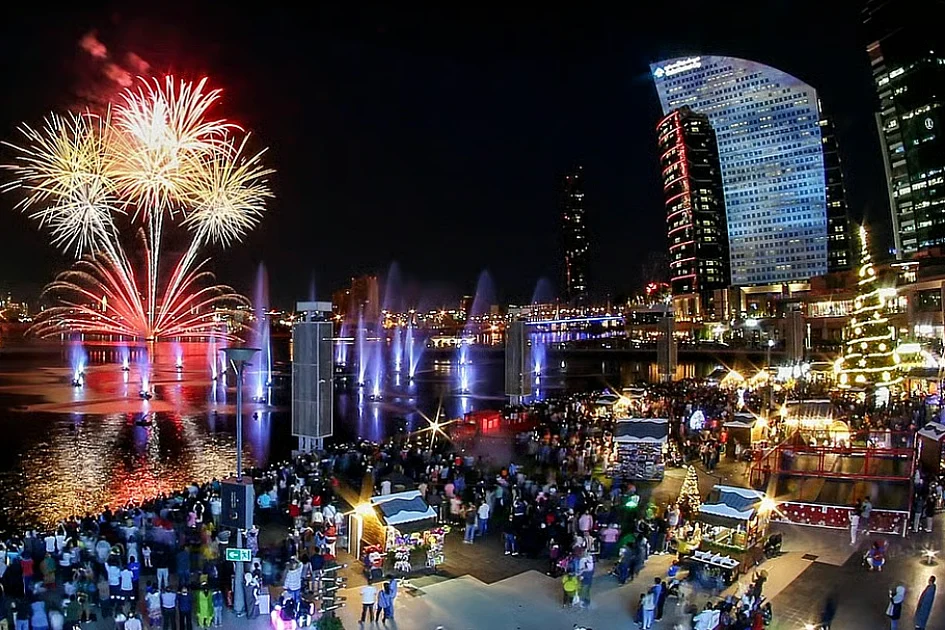
    Dubai has launched its annual retail extravaganza, the Dubai Shopping Festival (DSF), promising unprecedented shopping experiences from December 26, 2025, through February 1, 2026. The citywide event features over 1,000 international and local brands across 3,500 retail outlets offering discounts ranging from 25% to an extraordinary 90% on diverse product categories including fashion, electronics, home goods, beauty products, and children’s items.

    The festival’s opening day will feature a special 12-hour sale event exclusively at Majid Al Futtaim shopping centers, including Mall of the Emirates, City Centre Mirdif, City Centre Deira, and three additional locations. From 10:00 AM to 10:00 PM on December 26, shoppers can access the deepest discounts of the festival at participating retailers.

    Beyond the substantial savings, DSF introduces multiple high-value prize opportunities. The centerpiece ‘Shop, Scan & Win’ promotion offers shoppers who spend Dh300 or more at participating stores the chance to win one of five Nissan Patrol SE T2 2026 vehicles in weekly drawings. Participants simply scan QR codes at point-of-sale and upload receipts through the designated digital platform.

    Additional premium promotions include Majid Al Futtaim Malls’ ‘Biggest Prize of the Year’ offering Dh1 million in cash for shoppers spending over Dh300 at selected locations. Dubai Festival City Mall presents the ‘Modesh and Blue Rewards Millionaire’ campaign, awarding one million Blue Points to lucky winners. Meanwhile, Dubai Holding’s ‘DSF Golden Tickit’ program will designate 38 winners to receive Dh10,000 in Tickit points each.

    Mercato Mall enhances the shopping experience with an exclusive mall-specific prize campaign running through January 12, providing additional winning opportunities during the post-Christmas shopping period. The comprehensive five-week festival represents Dubai’s continued commitment to establishing itself as a global retail destination while providing significant value to residents and visitors alike.