分类: business

  • Why millionaires are moving to Dubai: Reality TV stars reveal what buyers really want

    Why millionaires are moving to Dubai: Reality TV stars reveal what buyers really want

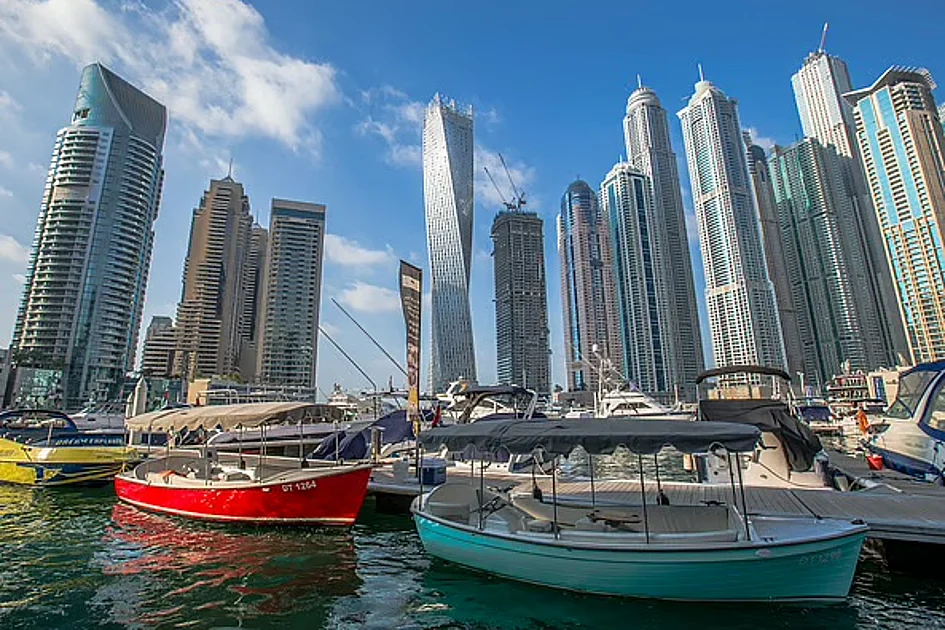
    Dubai’s luxury property market continues to attract unprecedented global wealth, with reality television series ‘Million Dollar Listing UAE’ providing unprecedented insight into this high-stakes world. The show’s second season, now streaming on STARZPLAY, has emerged as a platform revealing the sophisticated mechanics behind the emirate’s multi-million dollar transactions.

    Ben Bandari and Rami Wahood, the breakout stars of the series, explain that today’s ultra-wealthy buyers demonstrate fundamentally different motivations compared to just three years ago. Rather than opportunistic investments driven by global uncertainty, current purchasers exhibit strategic, long-term commitment—relocating families, moving businesses, and building legacy portfolios with genuine conviction about Dubai’s maturity as a market.

    The scale of transactions has reached unprecedented levels, with Season 2 featuring a headline-making Dh61.5 million sale. Behind these record-breaking deals lies immense pressure and responsibility that cameras cannot fully capture. Brokers manage complex negotiations spanning weeks or months across multiple jurisdictions, where a single misjudgment could cost millions or damage longstanding professional relationships.

    According to Bandari, the fundamental shift represents a move from curiosity-driven purchasing to strategic acquisition. “Today’s ultra-wealthy buyers understand Dubai as a mature market and are buying with conviction rather than curiosity,” he notes. This transformation reflects Dubai’s evolution into a global decision-making hub rather than merely a property investment destination.

    The city recorded 435 homes sold above $10 million in 2024, with nearly 9,800 millionaires reportedly relocating to Dubai in 2025. While tax efficiency and luxury lifestyle remain important factors, Bandari emphasizes that buyers are primarily purchasing “security and optionality”—a combination of stability, infrastructure, governance, and global connectivity that few cities can match.

    The reality series has significantly impacted the brokers’ professional lives, simultaneously opening doors while raising client expectations to unprecedented levels. Wahood acknowledges that visibility creates both opportunity and pressure: “Clients come in expecting you to know your stuff and move fast. There’s nowhere to hide.”

    As Dubai expands its global influence, the show features an international crossover with London, highlighting how Dubai-based clients approach foreign markets with distinctive speed and determination. This international dimension underscores Dubai’s growing status as a source of global capital rather than merely a destination for investment.

    Both brokers emphasize that beneath the glamorous exterior portrayed on social media lies a highly efficient, professional, and regulated market environment. The reality series ultimately reveals Dubai’s maturation beyond spectacle and record-breaking sales into a sophisticated ecosystem where global wealth operates with strategic purpose.

  • Oil stocks sharply higher after US action in Venezuela

    Oil stocks sharply higher after US action in Venezuela

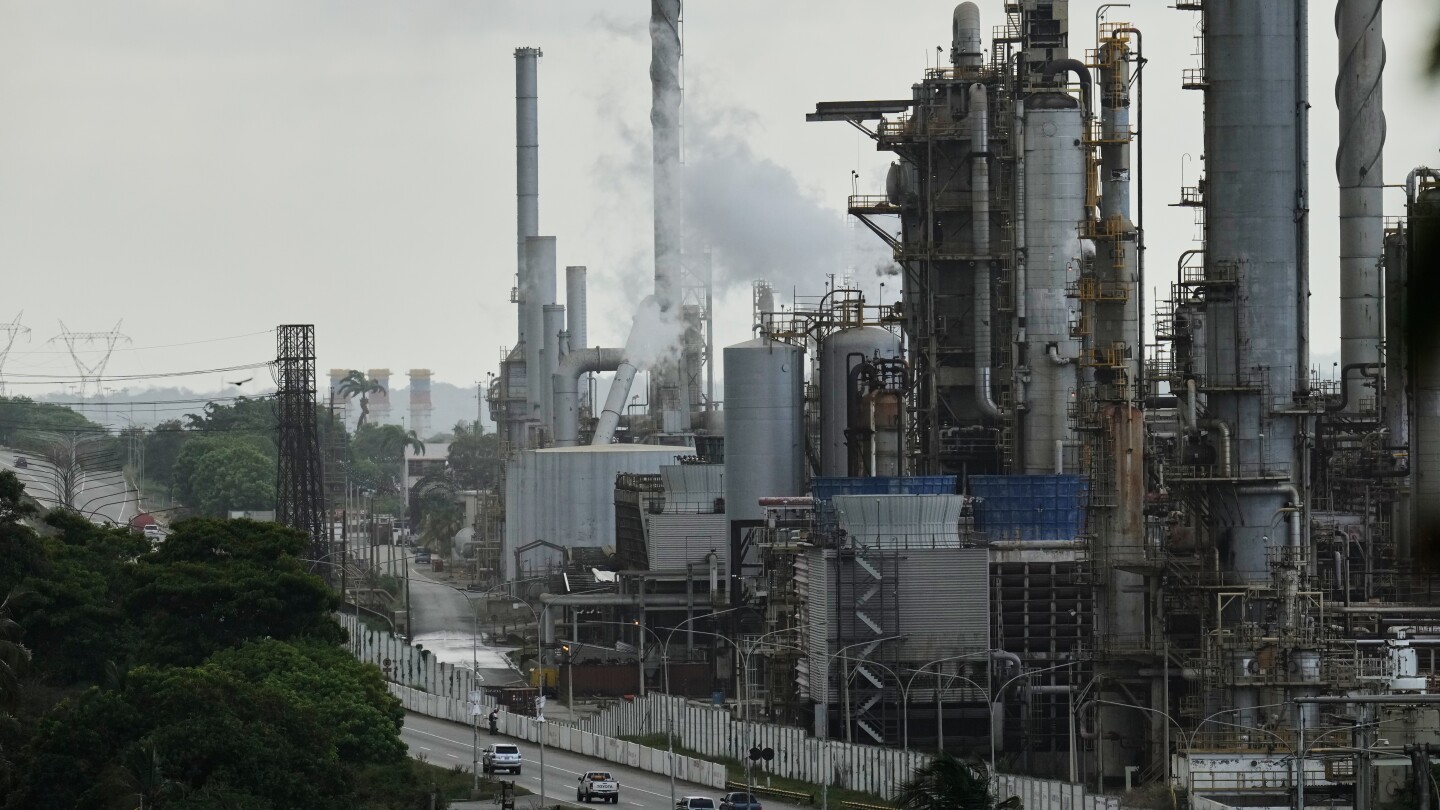
    Financial markets witnessed a significant rally across the U.S. energy sector Monday, propelled by President Donald Trump’s announcement of American intentions to seize control of Venezuela’s oil industry. The declaration, which included plans for U.S. corporations to revitalize the nation’s crippled energy infrastructure following the capture of President Nicolás Maduro, triggered immediate investor optimism.

    The immediate market response saw substantial gains for companies positioned to benefit from renewed Venezuelan production. Refining giants Valero, Marathon Petroleum, and Phillips 66 saw shares climb between 5% and 6% at the opening bell. Even more dramatic surges were observed in oilfield service corporations, with SLB and Halliburton jumping 7% to 8%. Major exploration firms including ExxonMobil, Chevron, and ConocoPhillips posted more modest gains of 2% to 4%.

    This bullish sentiment stems from Venezuela’s potential to address a critical global shortage. The nation produces heavy crude oil, essential for manufacturing diesel fuel, asphalt, and other specialized industrial products. Current global sanctions on Venezuela and Russia have created a pronounced deficit in these materials, which cannot be easily substituted with America’s lighter crude varieties.

    However, beneath the market euphoria lies a complex reality. Venezuela’s oil industry, currently producing approximately 1.1 million barrels per day, lies in profound disrepair after years of mismanagement and international sanctions. Analyst outlooks on recovery timelines diverge sharply. JPMorgan projects a relatively swift rebound, anticipating production could reach 1.3-1.4 million barrels daily within two years of a political transition, potentially expanding to 2.5 million over a decade with substantial investment and reform.

    Conversely, other analysts express deep skepticism. Neal Dingmann of William Blair cautioned that political instability, inherent risks, and currently depressed global oil prices could deter the massive infrastructure investments required. He emphasized that material change would demand considerable time and millions of dollars, unlikely to occur imminently. This assessment is supported by current market conditions; U.S. crude prices remain down 20% year-over-year, struggling to surpass $70 per barrel and far from the $80 mark last seen in mid-2024.

    The ultimate trajectory of Venezuelan oil production hinges on several unpredictable factors: the stability of a governmental transition, the speed and willingness of multinational oil companies to re-enter the high-risk environment, and the long-term outlook for global energy prices. While the Trump administration’s move ignited a market rally, the path to revitalizing Venezuela’s oil sector appears fraught with operational and economic challenges.

  • UAE: Gold prices soar to record high after US attack on Venezuela

    UAE: Gold prices soar to record high after US attack on Venezuela

    Dubai’s gold market witnessed unprecedented surges on Monday as investors flocked to safe-haven assets following escalating geopolitical tensions in South America. The precious metal reached historic price levels across all categories, with 24K gold trading at Dh530.5 per gram at market opening – the highest recorded value in UAE history.

    The dramatic price movement comes directly after United States military operations in Venezuela that resulted in the capture of President Nicolas Maduro. President Donald Trump subsequently announced American administration of the South American nation, creating immediate global market uncertainty.

    Market data at 9:25 AM UAE time showed spot gold climbing to $4,408.65 per ounce, representing a significant 1.76 percent increase. The broader gold market demonstrated consistent gains across varieties: 22K gold reached Dh491.25 per gram, while 21K, 18K and 14K categories traded at Dh471, Dh403.75 and Dh315.0 per gram respectively.

    Financial analysts attribute this surge to investors seeking stability amid the new geopolitical crisis. The Venezuela conflict represents the latest in a series of factors driving gold’s remarkable performance throughout 2025, including ongoing Middle Eastern and European tensions, coordinated interest rate reductions by the US Federal Reserve, and substantial central bank acquisitions of bullion.

    Market indicators suggest the current geopolitical climate will continue influencing gold prices, with many experts predicting further record-breaking performances in the coming trading sessions as uncertainty persists.

  • UAE: Insurance claims surge 20% after December 19 rains

    UAE: Insurance claims surge 20% after December 19 rains

    The UAE insurance industry has demonstrated marked operational resilience following the December 19, 2025 rainfall event, reporting a controlled 20% increase in claims notifications compared to normal periods. Industry executives attribute this manageable surge to comprehensive preparedness measures implemented after the unprecedented April 2024 floods.

    According to Anas Mistareehi, CEO of eSanad, the December event primarily tested operational readiness rather than insurers’ financial stability. “All stakeholders, including insurers, brokers, and policyholders, were notably better prepared both technically and procedurally,” Mistareehi stated, highlighting improved customer awareness and more efficient claims processing systems.

    The nature of claims revealed distinct patterns across sectors. Motor insurance generated the highest volume of claims, with repair facilities operating near capacity due to water-related vehicle damage. Hitesh Motwani, Deputy CEO of InsuranceMarket.ae, noted these primarily involved vehicles stalled in floodwaters or suffering water ingress. Conversely, property claims were fewer in number but higher in severity per incident, with no widespread structural damage reported.

    Ralph J. Kabban, CEO of United Insurance Brokers, emphasized that international reinsurance arrangements would help mitigate financial exposure for local insurers. The industry’s improved response capabilities were bolstered by enhanced drainage infrastructure, swift municipal action, and greater public awareness of emergency procedures.

    The December event stood in stark contrast to the catastrophic April 2024 rains, which represented a once-in-decades weather phenomenon. Industry leaders unanimously agreed the recent rainfall was shorter in duration, more geographically contained, and better anticipated, resulting in only a fraction of the losses experienced during the previous extreme weather event.

  • No major rent increases at renewal as Dubai’s Smart Rental Index guides hikes

    No major rent increases at renewal as Dubai’s Smart Rental Index guides hikes

    Dubai’s residential rental market is undergoing a significant transformation as the government’s Smart Rental Index reshapes renewal negotiations between landlords and tenants. The digital tool, launched by the Dubai Land Department last year, provides building-specific data that is creating unprecedented transparency in the rental process.

    The system’s impact is demonstrated through cases like Jasim Mohammed, an Al Quoz resident who successfully challenged a proposed rent increase from Dh56,700 to Dh63,000. After consulting the official index, which showed his building was ineligible for any increase, his real estate office immediately retracted the hike, maintaining his current rate.

    Real estate experts confirm this represents a growing trend. Niral Jhaveri, Director of Property Management at Better Homes, observes that tenants are actively leveraging the index to ensure fair evaluations. ‘In many leasehold buildings, there have been no significant increases, or rents have remained the same for certain unit types,’ Jhaveri noted.

    The index employs an advanced classification methodology that evaluates properties based on technical characteristics, structural quality, finishing standards, maintenance levels, location value, and service provisions including cleanliness and parking management. Permissible increases are calculated according to the disparity between current rents and average market rates, ranging from 0% to a maximum of 20%.

    Karamfila Jaknouz, Head of Commercial at A1 Properties, emphasized the shift from speculative pricing to transaction-based valuations. ‘Pricing is no longer driven by asking rents or assumptions but by real, registered transactions,’ Jaknouz explained. This data-driven approach benefits both parties: tenants gain negotiation clarity while landlords achieve occupancy stability, with many opting to maintain existing rates rather than risk vacancies.

    Despite projections of continued rental growth in Dubai’s high-demand areas—estimated at 4-6% for select locations in 2026—the index is moderating renewal increases for existing tenants. Property managers report tenants increasingly responding to increase notices with official index screenshots, demonstrating heightened awareness of rental rights.

    The tool has also enhanced the role of real estate agents, who can now advise both parties using authoritative data, managing expectations more effectively and contributing to long-term market stability.

  • Bluefin tuna fetches record $3.2m at Tokyo auction

    Bluefin tuna fetches record $3.2m at Tokyo auction

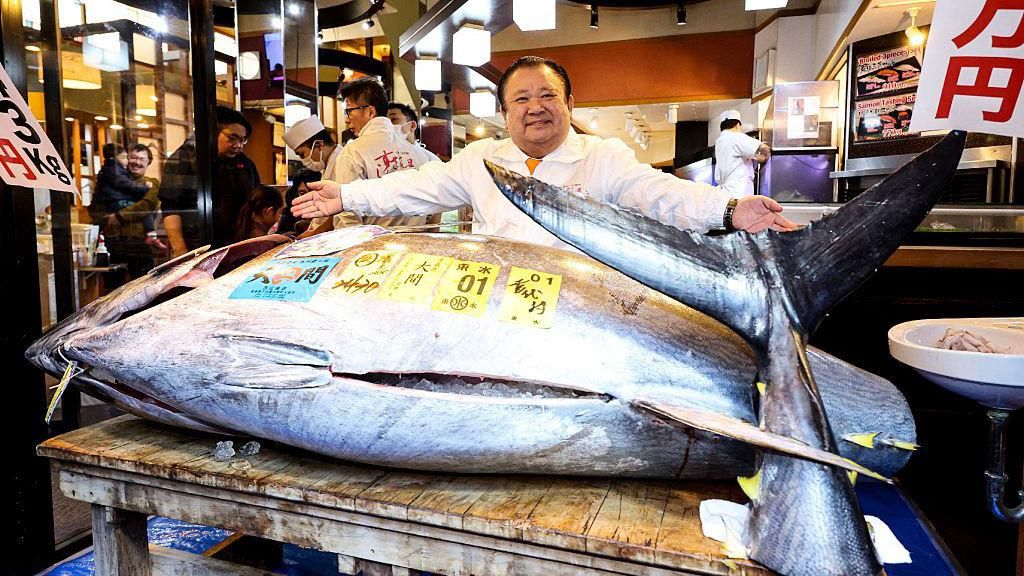
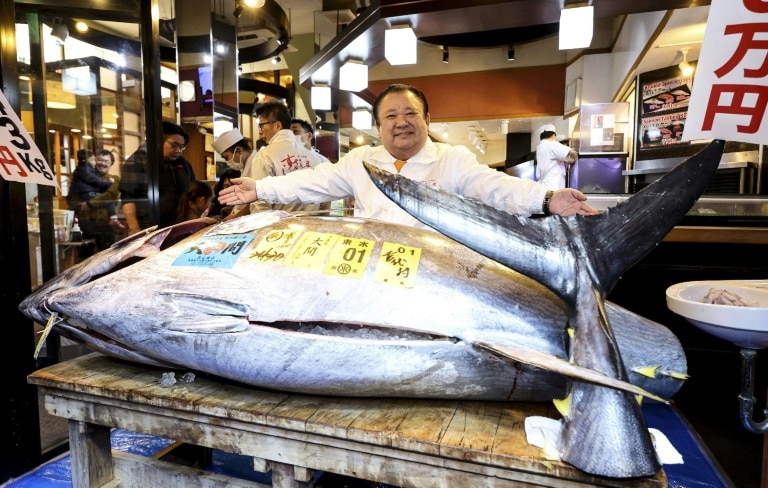
    Tokyo’s Toyosu fish market witnessed an extraordinary start to the new year as a massive 243kg bluefin tuna commanded a staggering 510.3 million yen ($3.2 million) during Monday’s inaugural auction, setting an unprecedented price record. The winning bid came from Kiyomura Corp, the parent company of renowned sushi restaurant chain Sushi Zanmai with both domestic and international locations.

    Kiyoshi Kimura, the corporation’s president and a perennial participant in these ceremonial auctions, secured the prized specimen through his aggressive bidding strategy. Known throughout the industry as the ‘Tuna King,’ Kimura has established a pattern of breaking his own records during these symbolic January events. Despite expressing surprise at the final price, telling reporters he had anticipated a more moderate outcome, the entrepreneur continued his tradition of premium acquisitions.

    This transaction surpasses Kimura’s previous benchmark of 333.6 million yen ($2.1 million) set in 2019, which itself broke his earlier records of 155 million yen in 2013 and 56.5 million yen in 2012. The auction commenced at approximately 05:00 local time, maintaining the tradition of pre-dawn bidding that has become a significant tourist attraction in Tokyo.

    Following the acquisition, the bluefin tuna was promptly transported to Kimura’s sushi establishments where master chefs prepared it for immediate consumption. Patrons expressed delight at participating in the auspicious tradition, with one customer telling reporters that consuming the year’s first premium tuna felt like an ideal way to commence the new year.

    The Toyosu market’s first auction consistently generates premium prices for bluefin tuna, with last year’s opening specimen fetching 207 million yen from competitor Onodera Group. These ceremonial purchases combine business strategy with cultural tradition, as restaurant chains leverage the publicity while honoring Japan’s deep-rooted seafood heritage.

  • This Vietnamese town boomed as factories left China. Now it’s asking what’s next?

    This Vietnamese town boomed as factories left China. Now it’s asking what’s next?

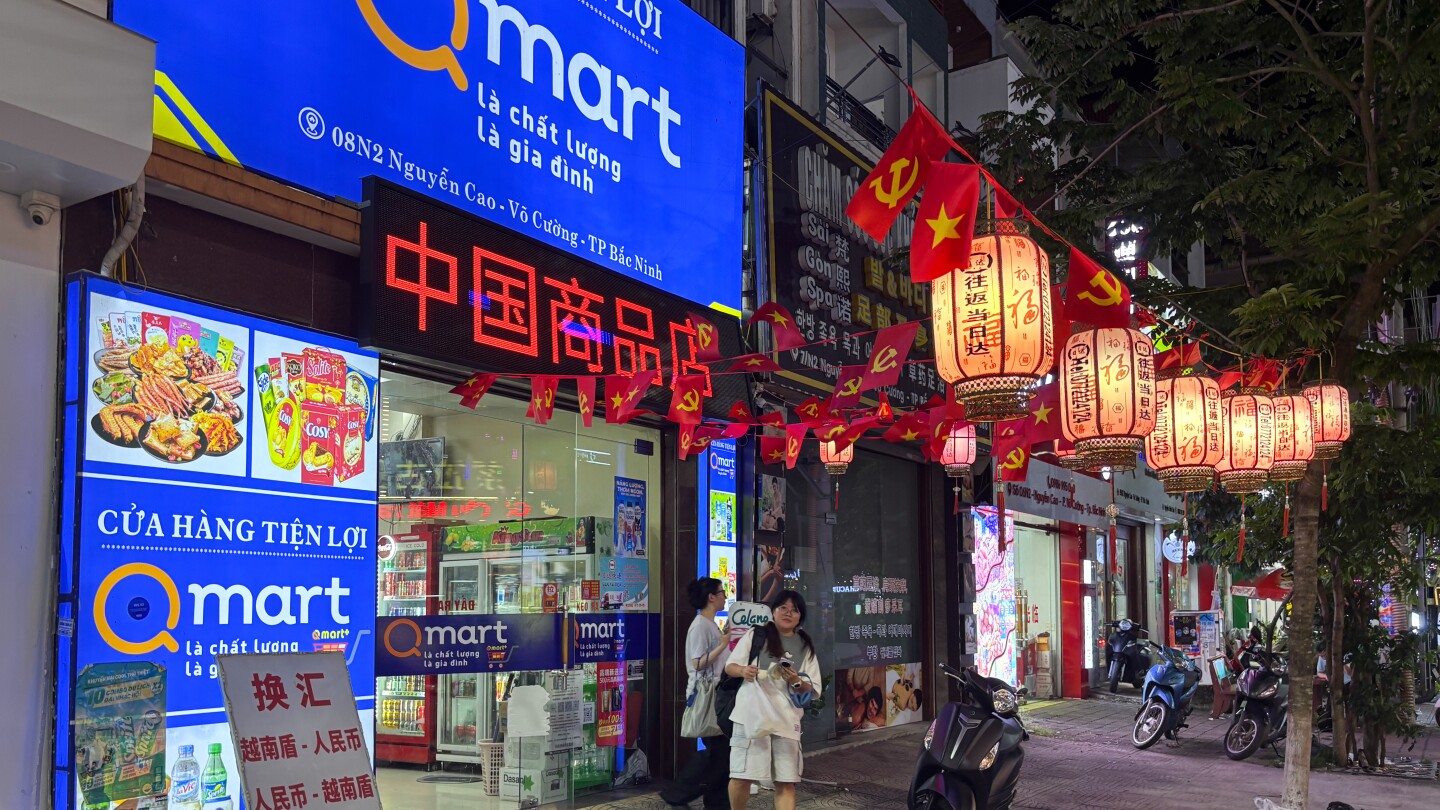
    BAC NINH, Vietnam — The northern Vietnamese city of Bac Ninh embodies both the remarkable opportunities and mounting challenges facing the nation’s manufacturing sector. Once celebrated for its rice paddies and traditional Quan Ho folk music, this urban center has transformed into one of Vietnam’s most dynamic industrial zones, driven by foreign investment accelerated by U.S.-China trade tensions.

    The city’s evolution began with Samsung’s landmark 2008 phone factory establishment, which positioned Vietnam as the tech giant’s largest offshore production base. More recently, Chinese manufacturers have flooded into Bac Ninh, diversifying their operations to circumvent U.S. tariffs and trade restrictions. These companies leverage Vietnam’s established electronics supply chains, competitive labor market, and supportive local governance, often facilitated by Chinese-speaking intermediaries who streamline administrative processes.

    However, Vietnam’s manufacturing miracle faces significant headwinds. Labor costs have surged 10-15% since 2024, creating recruitment challenges that threaten the ‘China plus one’ diversification strategy embraced by global corporations. Infrastructure limitations and rising operational expenses are exposing the constraints of Vietnam’s rapid industrial expansion.

    The nation confronts intensifying competition from regional rivals including Indonesia and the Philippines, both aggressively promoting themselves as alternative manufacturing hubs. The Philippines recently enacted legislation allowing foreign investors 99-year land leases to attract long-term industrial commitments.

    Despite these challenges, Vietnam continues to attract substantial foreign investment, with cumulative inflows reaching $28.5 billion by September, representing a 15% year-over-year increase. The country is pursuing an ambitious economic transformation, aiming to evolve from low-cost assembly operations to high-value manufacturing in electronics, pharmaceuticals, and clean energy equipment.

    National development strategies include significant infrastructure enhancements, such as new highways reducing travel time to the Chinese border and railway connections linking Hanoi to Haiphong port. In December, Bac Ninh initiated expansion of a high-tech industrial zone, part of a synchronized nationwide push involving 234 major projects valued at over $129 billion.

    Vietnam simultaneously seeks to diversify its export markets beyond the United States, targeting expanded trade with the Middle East, Latin America, Africa, and India. The country aims to achieve developed nation status by 2045, though this ambition will require navigating complex global supply chain dynamics, technological upgrading, and intensifying regional competition.

  • Australian sharemarket ends flat as uranium, rare earth stocks surge amid Venezuela tensions

    Australian sharemarket ends flat as uranium, rare earth stocks surge amid Venezuela tensions

    The Australian equities market commenced its first full trading week of the year with notable inertia, closing essentially flat amid a session of contrasting sector performances. While geopolitical tensions involving Venezuela initially spurred rallies in strategically significant commodities, broader market momentum remained subdued as investors adopted a cautious stance.

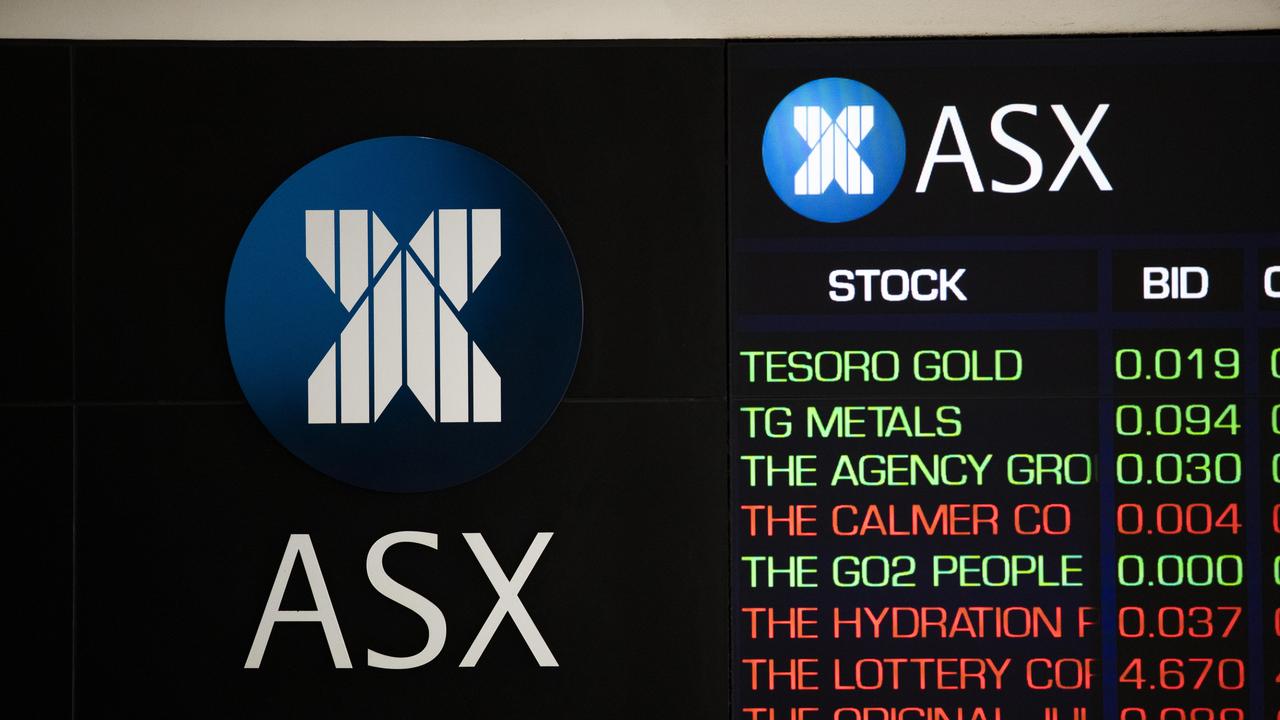
    The benchmark S&P/ASX 200 registered a marginal gain of just 0.8 points to settle at 8728.6, following a volatile trading session that saw early advances gradually diminish throughout the afternoon. The broader All Ordinaries index similarly reflected this market indecision, remaining virtually unchanged and continuing to trade approximately 4.24% below its annual peak.

    Market analysis from Kyle Rodda, Senior Financial Market Analyst at capital.com, indicated that the restrained closing alignment was largely anticipated despite heightened geopolitical attention. ‘We observed an initial uptick during early trading hours, but market sentiment quickly normalized into a notably subdued pattern,’ Rodda commented, emphasizing that the most significant movements occurred beneath the surface rather than at the index level.

    The resources sector demonstrated exceptional vigor, particularly within uranium and rare earths segments, where stocks experienced substantial appreciation. Silex Systems emerged as the standout performer with a remarkable 10.44% surge, while NexGen Energy and Paladin Energy advanced 8.25% and 7.5% respectively. IperionX and Lynas Rare Earths similarly posted impressive gains of 7.43% and 6.67% as investors strategically repositioned into commodities perceived as critical resources.

    Conversely, consumer discretionary and technology stocks exerted downward pressure on the index as market participants continued to exhibit risk aversion. Temple & Webster witnessed a significant decline of 6.04%, while Magellan Financial Group retreated 5.55%. The Buy Now, Pay Later sector faced substantial headwinds with Zip declining 5.37%, accompanied by Aristocrat Leisure dropping 4.04% and Superloop decreasing 3.92%.

    Major financial institutions presented a mixed performance, with Commonwealth Bank edging 0.12% lower while Westpac, NAB, and ANZ recorded modest gains between 0.47% and 0.85%.

    Energy markets displayed limited reaction to Venezuelan developments, with crude oil prices experiencing a brief spike before retreating to previous levels. Rodda noted that traders appeared to balance short-term supply disruption risks against longer-term prospects of Venezuelan oil eventually re-entering global markets, suggesting any significant price impact would require months or years to materialize.

    The Australian dollar maintained relative stability around US66.7 cents, further indicating limited investor concern regarding prolonged geopolitical implications. Market attention has now decisively shifted toward upcoming inflation data releases from both Australia and the United States, which analysts anticipate will serve as the next significant catalyst for market direction.

  • That’s some pricey fish: A glimpse into Japan’s New Year’s tuna auction

    That’s some pricey fish: A glimpse into Japan’s New Year’s tuna auction

    TOKYO — The predawn hours at Tokyo’s Toyosu fish market witnessed an extraordinary spectacle on Monday as a colossal bluefin tuna weighing 535 pounds (243 kilograms) commanded a historic $3.2 million (510 million yen) at the annual New Year’s auction. This unprecedented transaction shattered previous records, establishing a new pinnacle in the luxury seafood market.

    The prized specimen, harvested from the waters off Oma in northern Japan—a region renowned for producing supreme-quality tuna—was secured by Kiyomura Corp., led by owner Kiyoshi Kimura, who operates the acclaimed Sushi Zanmai restaurant chain. While hundreds of tuna are typically auctioned daily at the market, the celebratory nature of the New Year event and the exceptional quality of Oma tuna drive prices to significantly elevated levels.

    Associated Press photographer Louise Delmotte documented the event, capturing images of bidders navigating through rows of massive tuna during the traditional auction. The acquisition of such a premium catch symbolizes both status and commitment to culinary excellence within Japan’s competitive sushi industry, where premium ingredients command premium prices.

  • ‘Tuna King’ pays record $3.2 mn for bluefin at Tokyo auction

    ‘Tuna King’ pays record $3.2 mn for bluefin at Tokyo auction

    Japanese sushi magnate Kiyoshi Kimura shattered auction records Monday by purchasing a 243-kilogram bluefin tuna for ¥510.3 million ($3.2 million) at Tokyo’s annual New Year fish market auction. The self-proclaimed ‘Tuna King’ acquired the premium specimen caught off Japan’s northern coast for his nationwide sushi restaurant chain, surpassing the previous 2019 record of ¥333.6 million.

    Kimura expressed surprise at the final price, noting ‘the price soared before you knew it’ during the pre-dawn bidding competition. He stated his hope that the auspicious tuna would ‘energize as many people as possible’ through his restaurants’ offerings.

    The extraordinary price marks a strong recovery from pandemic-era auctions when restaurant closures drove prices to fractions of normal levels. Fisheries experts view the record bid as an indicator of both market confidence and ecological progress.

    Dave Gershman of the Pew Charitable Trusts’ international fisheries team emphasized that Pacific bluefin stocks are demonstrating significant improvement after nearing collapse. He credited the 2017 recovery plan’s effectiveness while calling for international stakeholders to establish a long-term sustainable management strategy in 2026. Representatives from Japan, the United States, Korea, and other Pacific fishing nations are expected to collaborate on ensuring the species never again faces historical overfishing levels.