分类: business

  • Warning as festive spending leaves shoppers with $87bn credit card bill

    Warning as festive spending leaves shoppers with $87bn credit card bill

    Australian consumers are projected to confront a substantial financial burden in early 2026 as unprecedented holiday spending culminates in what analysts term a “national debt hangover.

    According to comprehensive analysis by financial comparison platform Canstar, which examined Reserve Bank of Australia credit card data, shoppers are estimated to have accumulated approximately $86.8 billion in credit card debt throughout November, December, and January. This projection assumes seasonal spending patterns align with previous years’ trends.

    The situation appears particularly concerning for January alone, where consumers are expected to add an additional $28.9 billion to their existing credit card balances if recent five-year spending patterns persist.

    The compounding effect of interest charges presents a significant challenge to debt reduction efforts. Financial institutions are currently receiving an estimated $9.4 million daily in credit card interest payments from Australian consumers, creating additional barriers to achieving financial stability in the new year.

    Canstar’s Data Insights Director Sally Tindall emphasized the urgency for affected consumers: “For those confronting persistent debt, make 2026 the year to regain financial control. Initiate contact with your banking institution to negotiate reduced interest rates or consider transitioning to credit products offering more favorable terms.”

    The analysis reveals that credit card debt has consistently increased every January since 2015, indicating a systemic pattern of consumers struggling to clear balances within interest-free periods. This persistent challenge stems partially from consumers either overlooking critical terms and conditions or experiencing difficulty comprehending credit card repayment mechanisms.

    Consumers who made purchases on Christmas Eve may face repayment deadlines as early as this week. While most credit cards advertise 44-55 day interest-free periods, the actual repayment window varies significantly depending on individual billing cycle timing. Purchases made on the final day of a billing cycle may allow as little as 13 days for interest-free repayment.

    Tindall characterizes the post-Christmas debt phenomenon as “a decade-long certainty” resulting from consumers’ inability to optimize interest-free periods. She recommends practical strategies including utilizing reward points for essential expenses, substituting expensive vacations with local staycations, and generating additional income through selling unused possessions.
  • Dubai property market caps record‑shattering 2025 with powerful December finish

    Dubai property market caps record‑shattering 2025 with powerful December finish

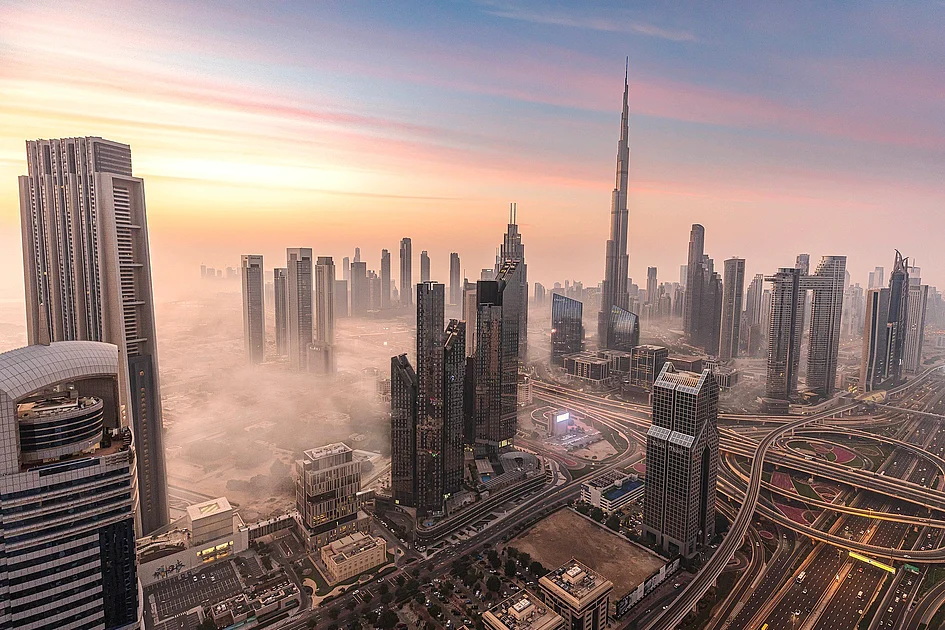
    Dubai’s property market concluded 2025 with unprecedented performance, establishing new benchmarks for global real estate markets. According to data released by fäm Properties utilizing DXBInteract statistics, the emirate recorded 215,700 property transactions valued at Dh686.8 billion ($187 billion), representing the most robust performance in its history.

    The market demonstrated extraordinary growth throughout the year, with transaction volume increasing by 18.7% and sales value surging by 30.9% compared to 2024 figures. December alone witnessed remarkable momentum with a 46.4% year-on-year increase in sales value reaching Dh63.1 billion and a 21.3% rise in transaction volume totaling 18,587 deals.

    Firas Al Msaddi, CEO of fäm Properties, characterized this growth as fundamentally different from previous market cycles. “We’re observing several powerful trends converging: a significantly more diverse investor base with substantial inflows from Asia, Europe, and the Americas, coupled with a supply pipeline that’s strategically aligned with market demand after years of disciplined development,” he stated.

    The market expansion was comprehensive across all segments. Primary market transactions dominated with 149,230 first-sale deals worth Dh448.1 billion, reflecting a 33.6% annual increase. The secondary market remained vigorous with 66,400 resale transactions valued at Dh238.8 billion, up 26.2% from 2024.

    Price appreciation was evident throughout the market, with primary market prices rising 6.7% to Dh1,700 per square foot and secondary market prices climbing 11.2% to Dh1,500 per square foot. The development sector responded vigorously to market demand, delivering 42,784 residential units—a 45% increase from 2024—while launching 177,624 new units for future development.

    Apartments constituted the majority of market activity with 170,448 sales worth Dh332.9 billion, while villa transactions increased 11.1% to 34,671 units totaling Dh206.9 billion. Commercial real estate emerged as particularly strong, surging 41.1% to 6,086 transactions valued at Dh18.2 billion.

    Geographically, Jumeirah Village Circle led with 18,755 transactions worth Dh24.5 billion, followed by Business Bay with 13,844 deals totaling Dh39.9 billion. Emaar led developers with 7,321 completed units, representing 17% of all new supply.

    The market’s transformation over five years has been dramatic, growing from Dh71.5 billion in sales value in 2020 to nearly ten times that amount in 2025. Analysts project sustained momentum into 2026, supported by continued global investor confidence, disciplined development practices, and Dubai’s positioning as a secure global investment hub.

  • Air India looks for new CEO to replace Campbell Wilson, sources say

    Air India looks for new CEO to replace Campbell Wilson, sources say

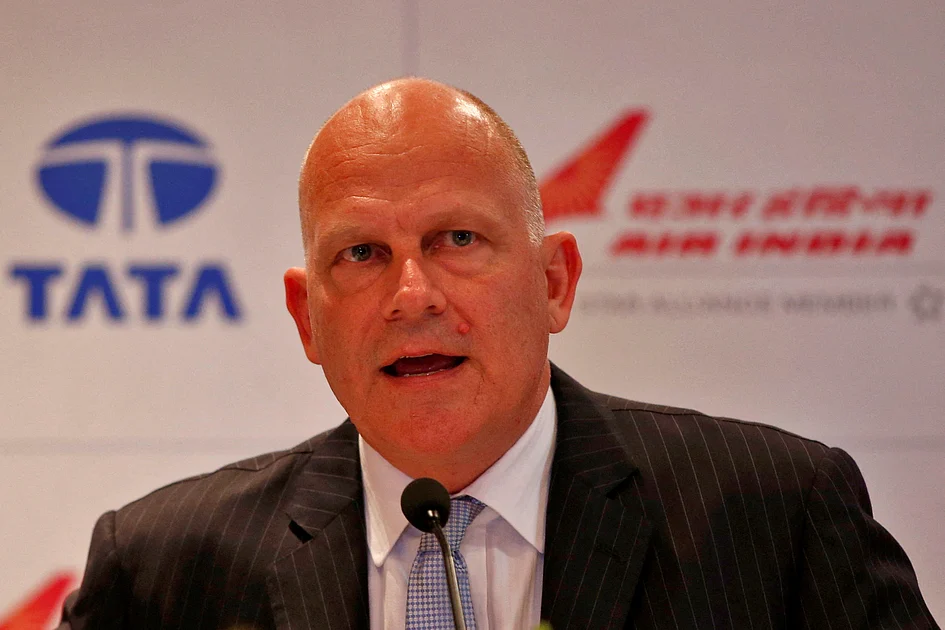
    Air India’s board has commenced an executive search to replace current CEO Campbell Wilson, according to sources familiar with the matter. The leadership transition comes as the airline faces mounting pressure regarding operational performance and safety protocols following last year’s catastrophic aviation incident that resulted in 260 fatalities.

    Wilson, who assumed leadership in July 2022 following Air India’s privatization, brought 26 years of experience from Singapore Airlines where he held senior positions across both the flagship carrier and its budget subsidiary Scoot. Despite his contract extending through mid-2027, industry insiders indicate that majority owner Tata Group has expressed dissatisfaction with the airline’s performance under his stewardship.

    The aviation regulatory authorities have identified multiple operational deficiencies in recent months, including aircraft operating without proper emergency equipment verification, delayed engine part replacements, maintenance record irregularities, and inadequate crew fatigue management systems. These findings emerged during investigations into what became the deadliest aviation disaster witnessed globally in the past decade.

    N. Chandrasekaran, who chairs both Air India and parent company Tata Group, has reportedly initiated discussions with chief executives from at least two major international carriers based in the United Kingdom and United States as potential successors. The Economic Times first reported these developments, noting that similar leadership changes may extend to Air India Express, the group’s low-cost carrier division.

    Tata Group acquired the previously state-owned, loss-making airline in 2022 through a privatization initiative aimed at revitalizing the carrier. Despite substantial investments toward fleet modernization and route expansion, the transformation effort has encountered significant challenges including aircraft delivery delays, refurbishment setbacks, and persistent operational complications.

    Neither Tata Group, Singapore Airlines (which maintains a 25% stake in Air India), Air India management, nor Wilson have provided official comments regarding the leadership transition proceedings.

  • Trump’s Venezuela gambit tests investor appetite for geopolitical risk

    Trump’s Venezuela gambit tests investor appetite for geopolitical risk

    Financial markets are navigating a complex landscape of geopolitical uncertainty following the unprecedented U.S. military intervention in Venezuela that resulted in the capture of President Nicolas Maduro. While initial market reactions remained remarkably subdued, analysts warn that investors might be underestimating the broader implications of President Trump’s aggressive foreign policy shift across Latin America.

    The relative market calmness following Maduro’s capture stems primarily from Venezuela’s diminished role in global oil markets, with current production representing a negligible portion of worldwide output. Energy analysts note that restoring Venezuela’s oil industry would require substantial investment and several years of development, limiting immediate impact on global energy supplies.

    However, the strategic implications extend far beyond oil markets. Trump’s subsequent threats toward five additional countries within a 72-hour period—including Colombia and Mexico—signal a fundamental transformation in U.S. foreign policy approach. This represents the most direct military intervention in Latin America since the 1989 invasion of Panama, marking a dramatic escalation in geopolitical risk assessment.

    Market strategists observe that while defense sector stocks are likely to benefit from increased military spending expectations, the U.S. dollar’s status as a safe-haven currency faces challenges amid heightened policy uncertainty. The dollar index, coming off its worst annual performance since 2017, showed only modest strengthening despite the geopolitical developments.

    The Venezuela intervention has prompted serious concerns among international investors regarding potential parallel actions toward China’s stance on Taiwan and possible regime change initiatives in Iran. Nevertheless, regional analysts note that current circumstances differ significantly, with no immediate indications of comparable escalation patterns in Asian geopolitical tensions.

    Investment experts suggest that markets have gradually adapted to geopolitical volatility as a persistent feature rather than an exceptional circumstance. The focus remains on fundamental drivers including interest rates, corporate earnings, and portfolio positioning, unless supply chain disruptions emerge from broader regional instability.

    This event represents the first significant geopolitical test for financial markets in 2026, following a year characterized by substantial gains despite ongoing trade tensions, central bank policy uncertainties, and simmering international conflicts.

  • A young entrepreneur redefining access to education

    A young entrepreneur redefining access to education

    At just 24 years old, Muhammad Anas Ali has emerged as a transformative figure in the educational technology sector, challenging conventional academic pathways through his innovative platform, Wealth University. This digital initiative provides completely free access to high-value financial and business education, focusing on practical skills including e-commerce, digital marketing, and trading strategies.

    Wealth University has demonstrated remarkable global reach, attracting over 200,000 learners worldwide who prioritize skill acquisition and practical implementation over traditional credentials. The platform has evolved into a comprehensive digital ecosystem emphasizing accountability, peer-supported learning, and measurable outcomes—addressing a critical gap in accessible financial education.

    Anas’s entrepreneurial journey began with limited resources and considerable skepticism regarding his non-profit educational model. Despite these challenges, he has developed a sustainable framework that emphasizes long-term impact rather than short-term gains. Beyond platform development, Anas actively mentors emerging entrepreneurs, discussing realistic challenges in business development and scaling.

    His personal achievements have garnered significant attention, including his status as one of the world’s youngest owners of luxury performance vehicles like the Bugatti Chiron. Anas frames these accomplishments not as status symbols but as tangible results of disciplined execution and unconventional career choices.

    Future expansion plans include scaling Wealth University to reach one million students globally, establishing physical learning centers in underserved regions, launching investment initiatives for disadvantaged founders, and publishing a comprehensive guide to financial independence based on his methodologies.

    This initiative reflects broader shifts in educational accessibility, demonstrating how digital platforms can create equitable learning opportunities outside traditional institutions and reshape economic mobility for future generations.

  • The ‘magical’ blue flower changing farmers’ fortunes in India

    The ‘magical’ blue flower changing farmers’ fortunes in India

    A quiet agricultural revolution is unfolding across rural India as the vibrant blue butterfly pea flower transforms from a common wild vine into a valuable commercial commodity. This botanical species, scientifically known as Clitoria ternatea and locally called aparajita, has become the foundation of an emerging natural dye industry that empowers farmers and entrepreneurs alike.

    In the northeastern state of Assam, Nilam Brahma represents this transformation. What began as casual flower harvesting has evolved into a formal enterprise. ‘My initial earnings of $50 from dried flowers delivered an electric shock of possibility,’ Brahma recounts. Her subsequent investment in solar drying technology enabled quality preservation and business expansion, demonstrating how traditional knowledge can merge with modern agricultural practices.

    This botanical renaissance responds to growing international demand for natural colorants. Varshika Reddy, founder of THS Impex export company, observes: ‘The global appetite for natural ingredients is exploding, driven by regulatory shifts and consumer preferences.’ The 2021 FDA approval of butterfly pea as a food additive in the United States created significant market opportunity, though European authorities maintain caution regarding its novel food status.

    Despite regulatory variations, Indian entrepreneurs recognize the flower’s potential. Nitesh Singh, founder of Blue Tea near Delhi, describes his seven-year journey developing supply chains: ‘Initially, we imported superior varieties because domestic flowers lacked sufficient pigment retention.’ Through persistent farmer education and quality control implementation, Singh now collaborates with 600 growers nationwide.

    The production process reveals why this crop particularly benefits rural women. Singh explains: ‘Women possess naturally softer hands and intuitive understanding of delicate harvesting techniques.’ Their dominance in flower plucking creates meaningful employment opportunities in agricultural communities.

    Post-harvest handling requires precise temperature control during drying. ‘One error destroys both medicinal properties and color value,’ Singh emphasizes. The technical complexity necessitates close collaboration between farmers and processing experts.

    Emerging research suggests potential health benefits that could further boost market prospects. Dr. V Supriya of Sri Ramachandra Institute reports promising findings: ‘Our preliminary study on pre-diabetic subjects showed improved sugar control with butterfly pea consumption.’ While acknowledging need for more comprehensive human trials, researchers note the flower’s rich antioxidant properties.

    West Bengal farmer Pushpal Biswas exemplifies the crop’s transformative impact: ‘From struggling with traditional crops, I’ve expanded my land holdings through butterfly pea cultivation.’ His production increased 60% using scientific methods, creating ripple effects through local economies. ‘This has evolved beyond farming into a community business network,’ Biswas concludes.

    The butterfly pea’s journey from backyard ornamental to commercial commodity demonstrates how global trends in natural products can create sustainable livelihoods while preserving agricultural heritage.

  • Fact check: ‘Maduro tracksuit’ goes viral after US captures President; has it sold out?

    Fact check: ‘Maduro tracksuit’ goes viral after US captures President; has it sold out?

    In a significant move to expedite its construction timelines, Canadian real estate developer BNW Developments has entered into a strategic alliance with the global engineering powerhouse China Railway No. 4 Engineering Group (CREC4). This partnership marks a pivotal shift in strategy for the North American firm, leveraging the immense resources and expertise of a state-owned enterprise from China.

    The collaboration is designed to streamline the development process for BNW’s extensive portfolio of residential and commercial projects. CREC4, renowned for its rapid construction capabilities and experience with large-scale infrastructure projects worldwide, will bring its sophisticated project management techniques and substantial workforce to the table. This alliance is expected to mitigate common industry challenges such as labor shortages and project delays, which have plagued the construction sector in recent years.

    Analysts view this partnership as a strategic masterstroke that transcends a typical contractor relationship. By integrating CREC4’s engineering prowess directly into its operational framework, BNW gains a competitive advantage in bringing properties to market faster without compromising on quality. The move also reflects a growing trend of cross-Pacific collaboration in the real estate development sector, where North American companies are increasingly partnering with Asian firms to enhance efficiency and capitalize on global expertise.

    The financial structure of the partnership involves a joint investment mechanism, ensuring both parties are deeply invested in the timely and successful completion of projects. This model is anticipated to set a new benchmark for international cooperation in the construction industry, potentially influencing how other development firms structure their operations in an increasingly globalized market.

  • China reports economic growth and ecological gains in Yangtze River Economic Belt

    China reports economic growth and ecological gains in Yangtze River Economic Belt

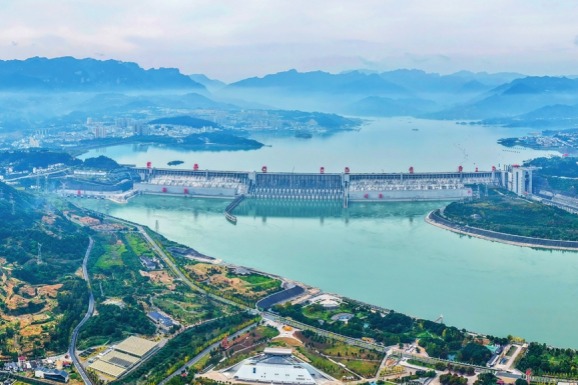
    China’s Yangtze River Economic Belt has demonstrated remarkable progress in both economic expansion and environmental restoration over the past decade, according to official reports. National Development and Reform Commission Vice Chairman Wang Changlin revealed at a State Council Information Office briefing that the region’s economic output has more than doubled since 2015 while simultaneously achieving dramatic improvements in water quality.

    The comprehensive data shows water quality rated ‘fairly good’ (Grade III or above) surged from 67% in 2015 to an impressive 96.5% by 2025. This ecological transformation occurred alongside substantial economic growth, with the belt’s contribution to national GDP expanding from 42.2% to 47.3% during the same period.

    This progress coincides with the tenth anniversary of President Xi Jinping’s landmark 2016 Chongqing conference, where he established the principle of “prioritizing well-coordinated environmental protection and avoiding excessive development” along the vital waterway. President Xi emphasized the Yangtze’s unique ecosystem requires careful stewardship, stating that ecological restoration must take precedence over large-scale development projects.

    The economic belt encompasses nine of the eleven regions through which the Yangtze flows, plus additional provinces containing its tributaries. Through concerted efforts addressing industrial, agricultural, and shipping pollution, officials have essentially eliminated black and odorous water bodies in prefecture-level cities along the river.

    Most notably, the main stream of the Yangtze has undergone a complete transformation from containing sections of Grade V (lowest quality) water to maintaining consistent Grade II quality throughout its entire course—a testament to China’s successful integration of economic development and environmental conservation.

  • China’s Xinjiang nears full e-commerce coverage in rural areas

    China’s Xinjiang nears full e-commerce coverage in rural areas

    Northwest China’s Xinjiang Uygur Autonomous Region has achieved a groundbreaking milestone in digital inclusion, with e-commerce services now reaching approximately 99% of rural communities. This accomplishment stems from a comprehensive infrastructure network featuring fully operational county-level commercial service centers, logistics distribution hubs, and township-level logistics stations.

    According to official data from the regional commerce department, coverage rates have reached unprecedented levels with 96.56% of townships equipped with commercial centers and 98.92% of villages benefiting from convenience stores. This extensive network has effectively bridged the urban-rural divide, facilitating seamless movement of industrial goods to countryside areas while enabling efficient distribution of agricultural products to urban markets.

    The transformation follows China’s 2023 three-year national action plan for county-level commerce development, initiated by the Ministry of Commerce and eight supporting government agencies. From 2021 to 2025, Xinjiang secured 548 million yuan (approximately $78 million) in central government funding, supporting nearly 400 development projects. This investment resulted in the construction or modernization of 255 county-level comprehensive commercial service centers, representing a 45.7% increase compared to 2021 infrastructure levels.

    Li Xuan, Deputy Director of Xinjiang’s Regional Department of Commerce, emphasized the region’s commitment to further activating county-level markets and unlocking rural consumption potential. “Through continued policy guidance and financial support, we will enhance the county commercial system to boost integrated urban-rural development and comprehensive rural revitalization,” Li stated, highlighting the strategic importance of e-commerce infrastructure in regional economic planning.

  • BNW Developments accelerates construction through a strategic partnership with China Railway No. 4 Engineering Group

    BNW Developments accelerates construction through a strategic partnership with China Railway No. 4 Engineering Group

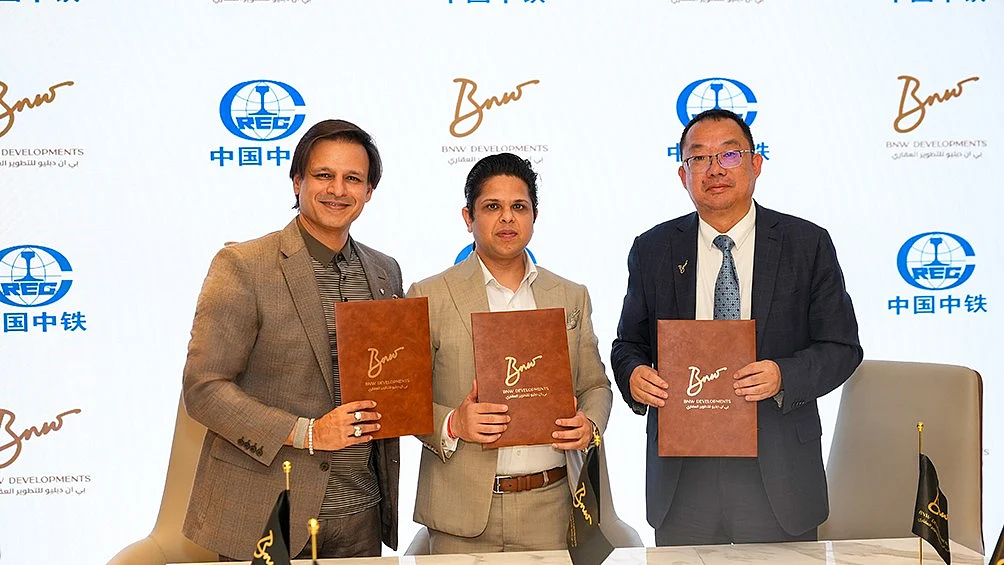
    In a significant move to accelerate its luxury real estate portfolio, Ras Al Khaimah-based developer BNW Developments has entered into a strategic construction partnership valued at approximately one billion dirhams ($272 million) with China Railway No. 4 Engineering Group (CREC4), a subsidiary of Fortune 500 infrastructure giant China Railway Group Limited.

    The collaboration marks BNW’s latest initiative to strengthen its execution capabilities following previous construction agreements and rapid mobilization of on-ground teams across its development pipeline. With enabling works and foundational activities on earlier projects nearing completion, the partnership positions BNW to leverage CREC4’s global engineering expertise and disciplined delivery frameworks to scale upcoming waterfront developments to international standards.

    BNW Chairman Ankur Aggarwal emphasized the strategic importance of the alliance, stating: “We are in an execution-driven phase with singular focus on disciplined, on-time delivery. China Railway Group brings deep engineering capabilities, robust governance systems, and proven international experience, including established operations in the UAE. This partnership represents one of several global construction alliances we are activating to support our growth with speed, quality, and credibility.”

    Managing Director Dr. Vivek Anand Oberoi reinforced the company’s commitment to quality, noting: “We consciously collaborate with globally recognized contractors whose track records demonstrate engineering integrity and adherence to international standards. CREC4’s capabilities align closely with our vision of developing enduring, design-led projects.”

    CREC4 Middle East & Eastern Europe General Manager Gang Li commented: “This partnership enables us to apply our global project management expertise and advanced construction methodologies to BNW’s luxury developments. We are committed to ensuring efficient implementation, rigorous quality control, and delivery that meets investor and end-user expectations.”

    China Railway No. 4 Engineering Group brings extensive experience from large-scale infrastructure projects across China and more than 30 international markets. BNW Developments currently manages a development pipeline exceeding 32 billion dirhams in Gross Development Value, with a portfolio that includes Aqua Arc, Taj Wellington Mews, Pelagia, FashionTV Acacia, Aquino, and Tonino Lamborghini Residences Ras Al Khaimah. The company is evaluating additional global construction alliances as part of its long-term execution strategy.