分类: business

  • Private developer to revive Dubai’s ‘Big Ben’ tower, but without clock

    Private developer to revive Dubai’s ‘Big Ben’ tower, but without clock

    Dubai’s skyline is set to gain a revitalized landmark as private developer AHS Group moves forward with the transformation of the formerly nicknamed ‘Big Ben’ tower. Acquired from the Commercial Bank of Dubai in July 2025 for approximately $120 million (Dh440.4 million), the 70-floor structure is undergoing comprehensive redevelopment with an anticipated opening in Q1 2027.

    Abbas Sajwani, Founder and CEO of AHS Group and board member of Damac Group, revealed that the project’s strategy evolved significantly following Dubai’s regulatory changes. Initially conceived as a leasehold property acquisition for the company’s rental portfolio, the introduction of new freehold regulations on Sheikh Zayed Road prompted a shift to strata sales. The development witnessed remarkable market reception, with 95% of units selling within weeks of launch.

    The architectural redesign will notably exclude the clock feature that originally inspired the tower’s colloquial name. Sajwani explained this decision stems from a comprehensive facade renovation intended to establish a distinct identity for the newly christened AHS Tower. Despite standing over 200 meters tall, the building will forego its London-inspired timekeeping element in favor of a contemporary glass exterior.

    Strategic location advantages played a pivotal role in the acquisition decision. The tower offers panoramic views of Dubai’s most prominent landmarks including the Dubai International Financial Centre (DIFC), Museum of the Future, Burj Khalifa, and coastal vistas. The existing structural completeness provides significant time advantages compared to ground-up construction projects.

    The redevelopment specifically targets Dubai’s shortage of premium office spaces. AHS Tower will incorporate extensive luxury amenities including a private members club, comprehensive business center, two-story spa facility with sauna and steam rooms, indoor swimming pool, cigar lounge, indoor garden, full-floor fitness center, and a triple-height lobby area.

    Sajwani additionally disclosed AHS Group’s substantial expansion plans, with multiple projects totaling over $12 billion (Dh44 billion) in gross development value scheduled for launch throughout 2026.
  • ASX falls as inflation fears outweigh massive $13bn BlueScope takeover bid

    ASX falls as inflation fears outweigh massive $13bn BlueScope takeover bid

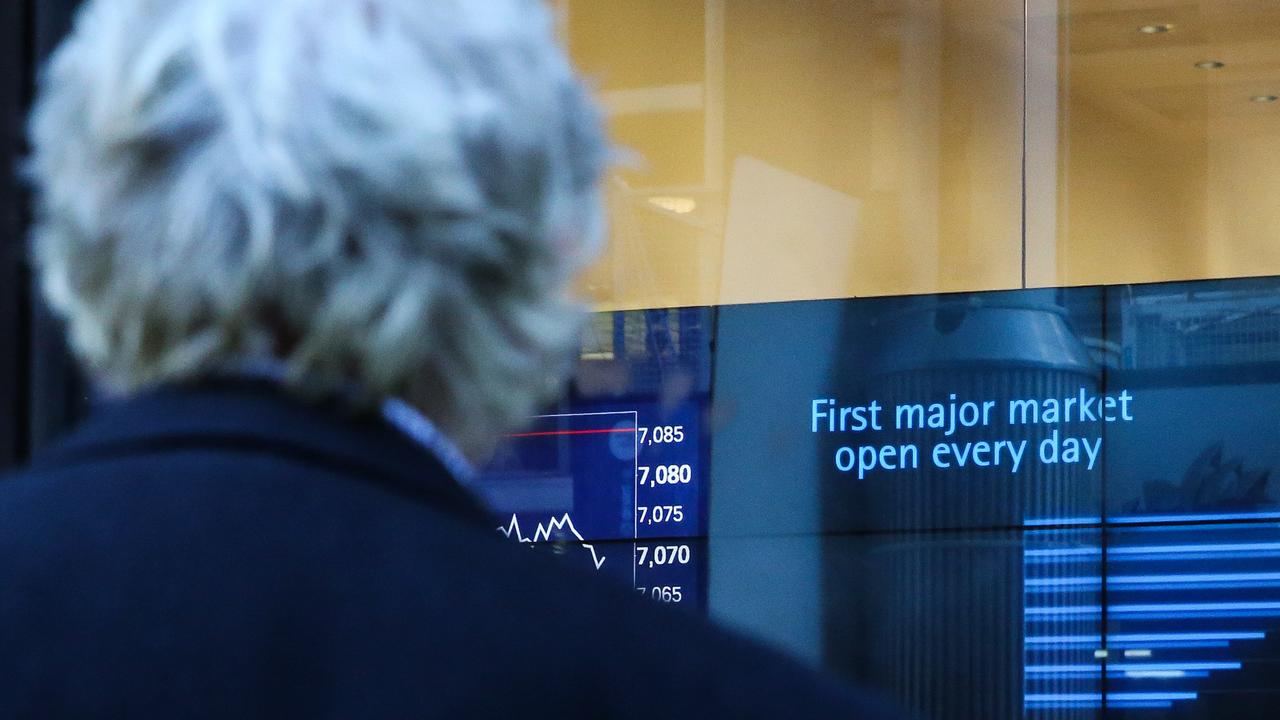
    Australian financial markets experienced a notable downturn on Tuesday as investor apprehension over impending inflation data overshadowed significant corporate developments and record-breaking commodity performances. Despite a monumental $13 billion acquisition proposal for BlueScope Steel and unprecedented copper prices, the benchmark ASX 200 declined 45.80 points (0.52%) to close at 8682.80, with the All Ordinaries index dropping 37.80 points (0.42%) to 8996.90.

    The materials sector emerged as the sole bright spot, climbing 2.01% amid the broader market retreat. BlueScope Steel witnessed extraordinary trading activity, soaring 20.82% to $29.54 following SGH Limited’s substantial takeover bid. Mining giants BHP, Fortescue, and Rio Tinto all recorded gains between 1.56% and 1.79%, bolstered by copper’s historic ascent to $13,210 per tonne—a 1.69% increase driven by mounting supply concerns.

    Financial institutions bore the brunt of market pessimism, with all four major banks experiencing significant declines. Commonwealth Bank led the downturn with a 2.95% drop, while Westpac, NAB, and ANZ fell between 1.96% and 2.37%. Consumer discretionary stocks similarly retreated, with Wesfarmers, JB Hi-Fi, and Harvey Norman all closing lower.

    The defensive sector demonstrated resilience amid geopolitical tensions, particularly between the United States and Venezuela. Counter-drone specialist DroneShield surged 18.43%, and shipbuilder Austal advanced 8.30%. Meanwhile, Life360 shares declined 3.03% despite announcing both a $120 million acquisition of Nativo and surpassing 50 million monthly active users.

    Market analysts highlighted the complex inflation landscape, with VanEck Asia Pacific CEO Arian Neiron noting ongoing debate regarding whether recent price increases represent genuine economic pressures or temporary seasonal anomalies. The Australian dollar continued its upward trajectory against the US dollar, reaching 67.29 US cents.

  • Asian shares and US futures advance, as Tokyo’s Nikkei 225 hits a record high

    Asian shares and US futures advance, as Tokyo’s Nikkei 225 hits a record high

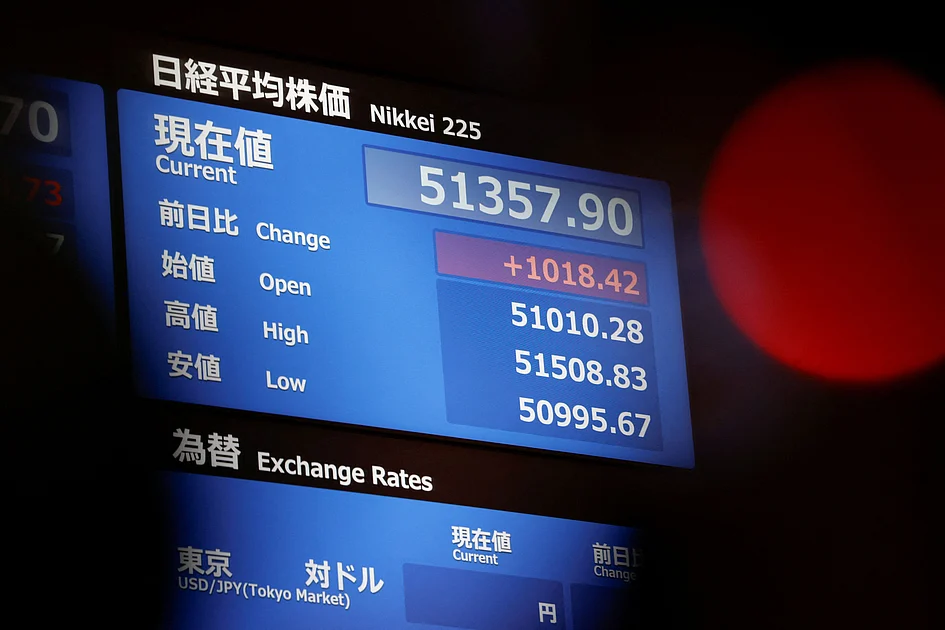
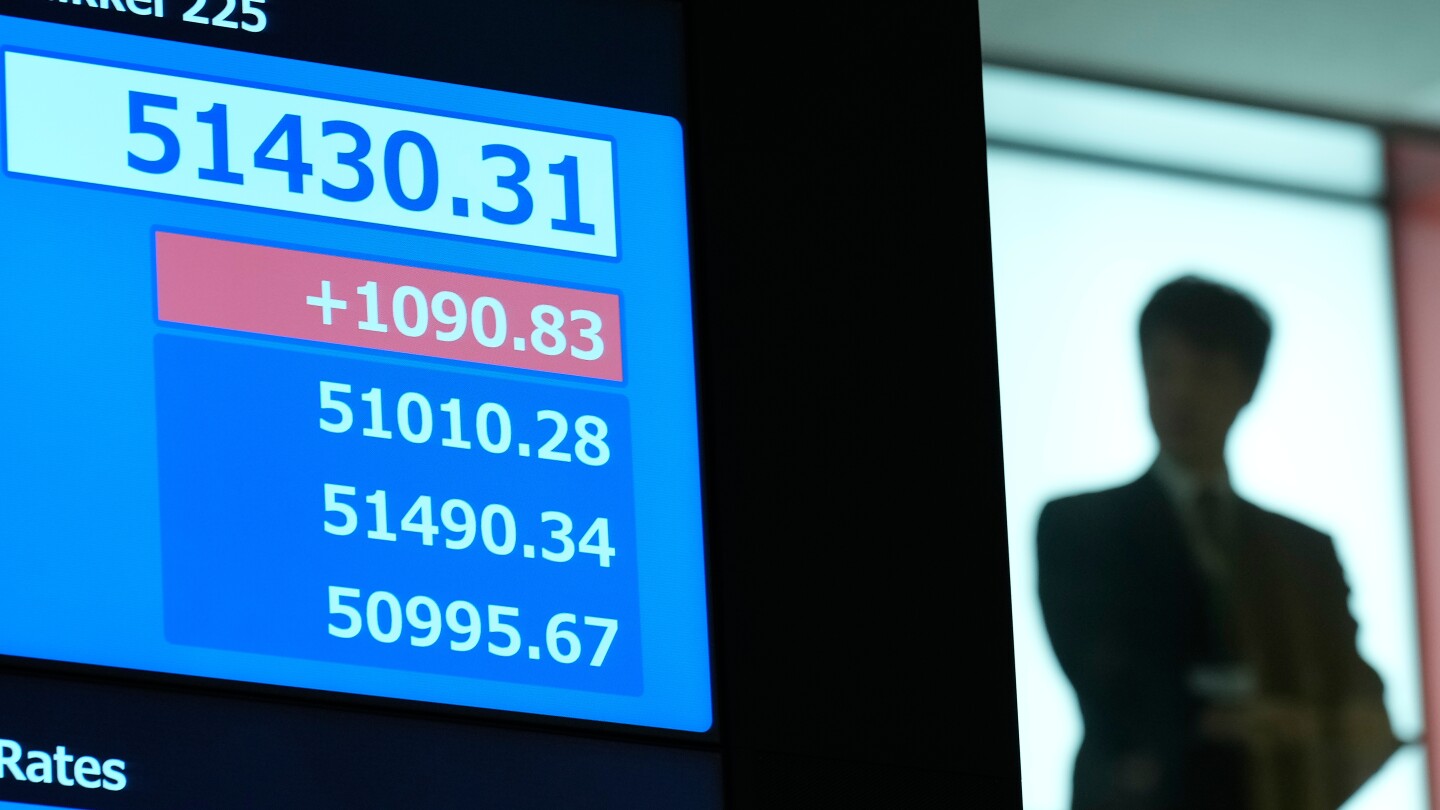
    Asian equity markets experienced substantial gains on Tuesday, with multiple benchmarks reaching historic levels in the wake of a powerful Wall Street rally and significant geopolitical developments involving Venezuela. Tokyo’s Nikkei 225 shattered previous records by climbing 1.3% to close at 52,518.08, propelled by robust buying in technology-related shares including precision tools manufacturer Disco Corp., which surged 6.1%. South Korea’s Kospi advanced 1.5% to 4,525.98, establishing new record territory supported by automotive and electronics manufacturers. Hong Kong’s Hang Seng index jumped 1.5% to 26,748.80, while mainland China’s Shanghai Composite rose 1.5% to 4,082.36, marking its highest position in four years. Taiwan’s Taiex climbed 1.6%, though Australia’s S&P/ASX 200 retreated 0.5% and India’s Sensex declined 0.5%. The broad Asian rally followed Monday’s substantial gains on Wall Street where energy corporations and financial institutions led advances. The S&P 500 increased 0.6%, approaching its December record, while the Dow Jones Industrial Average achieved a new historic high by adding 1.2% to 48,977.18. The technology-focused Nasdaq composite rose 0.7%, and small-cap stocks demonstrated particular strength with the Russell 2000 jumping 1.6%, indicating widespread investor confidence. Energy markets remained volatile following the capture of Venezuelan President Nicolás Maduro by U.S. forces. While crude prices surged Monday with U.S. crude reaching $58.32 per barrel and Brent crude climbing to $61.76, both benchmarks retreated slightly in early Tuesday trading. Major oil companies including Chevron (up 5.1%), Exxon Mobil (up 2.2%), and Halliburton (surging 7.8%) recorded substantial gains after former President Trump proposed involving U.S. energy firms in rebuilding Venezuela’s decimated petroleum industry. Market participants are anticipating several key economic indicators this week, including Wednesday’s services sector report from the Institute for Supply Management and upcoming employment data. The Federal Reserve continues monitoring labor market conditions against inflation concerns as it deliberates interest rate policy. Meanwhile, technology shares remained in focus as the CES trade show commenced in Las Vegas, with artificial intelligence investments continuing to drive market optimism despite valuation concerns. Precious metals maintained their upward trajectory with gold adding 0.5% and silver advancing 2.9% following Monday’s significant gains, reflecting ongoing safe-haven demand amid geopolitical uncertainties. Bitcoin retreated 1.3% to approximately $93,700 after recently reaching its highest level since mid-November.

  • ‘New normal’: Australian households warned essential living costs will continue to rise into 2026

    ‘New normal’: Australian households warned essential living costs will continue to rise into 2026

    Australian families are confronting a severe financial strain as essential living costs are projected to escalate dramatically throughout 2026. This troubling outlook emerges from a comprehensive analysis by Proxima Australia, highlighting a deepening cost-of-living crisis characterized by rising necessities alongside falling discretionary item prices.

    The impending surge will affect fundamental household expenditures including electricity, water services, and insurance premiums. Additionally, staple commodities such as coffee, tea, and cocoa face upward price pressures due to international supply chain disruptions and increased import expenses. Furniture and other household essentials will similarly experience cost increases.

    This financial pressure intensifies following the discontinuation of government relief measures, particularly the Energy Bill Relief Fund which previously provided quarterly electricity bill reductions of up to $150 throughout the 2024-25 financial year. With these subsidies expiring, households already witnessed a dramatic 37.1 percent year-on-year electricity price increase through October.

    Proxima Australia principal consultant Gemma Thompson clarified that these price hikes predominantly reflect genuine economic factors rather than corporate price gouging. “Electricity increases mirror infrastructure cost recovery and energy transition investments. Insurance premiums respond to authentic catastrophe risks, while coffee prices reflect real supply constraints from drought and extreme weather in producing regions,” Thompson explained.

    The convergence of multiple factors including changing government policies, regulatory determinations, climate-related risks, and agricultural market volatility creates persistent challenges for both households and businesses. Thompson emphasized that these structural cost drivers represent a permanent shift rather than temporary fluctuations.

    Amid these challenges, a silver lining emerges for discretionary spending. Consumers can anticipate price reductions for computer equipment, televisions, imported homeware, cleaning products, and personal care items. Thompson notes that households can exercise significant purchasing power in these categories by seeking promotions, switching to private labels, or delaying non-essential purchases.

  • Halliburton, hedge funds and Chevron: Big winners from Trump’s vow to ‘rule’ Venezuela

    Halliburton, hedge funds and Chevron: Big winners from Trump’s vow to ‘rule’ Venezuela

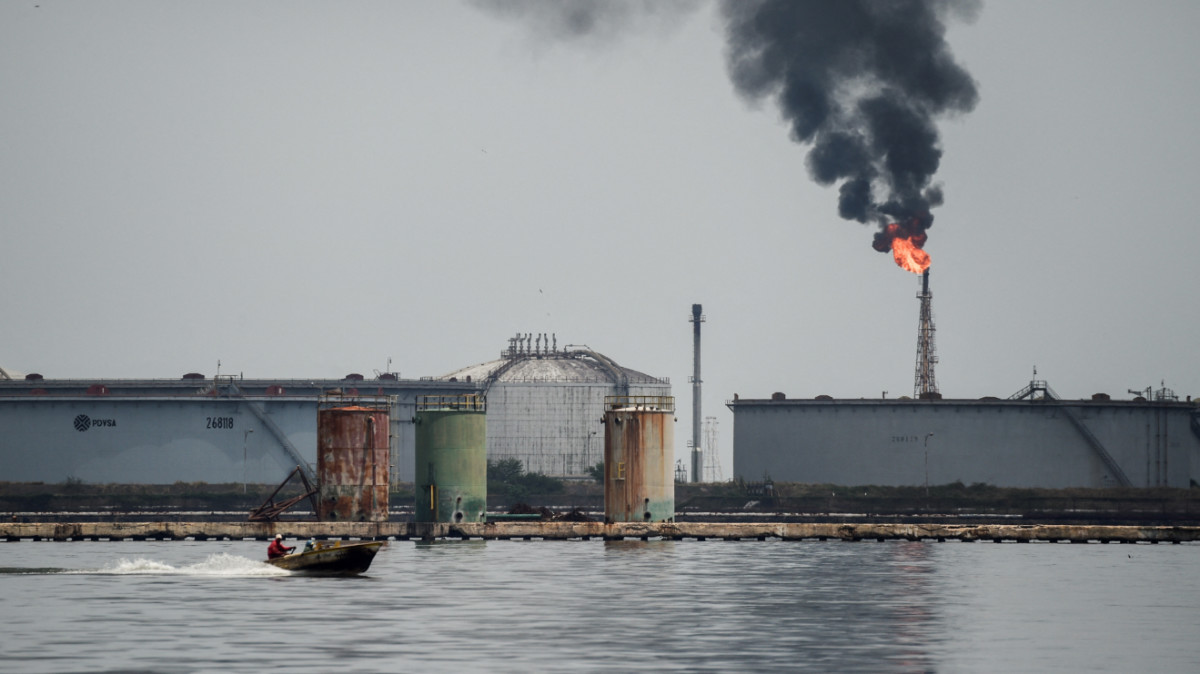
    Financial markets responded decisively to the weekend’s geopolitical developments in Venezuela, with US energy equities and specialized hedge funds recording substantial gains at Monday’s opening bell. The dramatic shift followed military operations that resulted in the detention of Venezuelan President Nicolas Maduro and the installation of a US-aligned interim leadership under Delcy Rodriguez.

    The MSCI US Energy index demonstrated remarkable strength, climbing 2.8 percent and significantly outperforming both the broader S&P 500 and international energy benchmarks. This market movement reflects investor anticipation that American corporations and financial institutions will capitalize extensively on President Trump’s commitment to restructuring Venezuela’s energy sector—a nation possessing 17 percent of global crude reserves yet crippled by prolonged sanctions.

    Chevron emerged as the standout performer among oil producers, with shares surging approximately six percent. The company maintains unique operational privileges in Venezuela through special licensing arrangements established during the Trump administration. Other major beneficiaries included ConocoPhillips (up 3.3 percent), Exxon Mobil (up 2.4 percent), and Halliburton, which witnessed an extraordinary 10 percent leap due to its oilfield services expertise.

    The market enthusiasm extends beyond mere production advantages, signaling expectations of massive capital inflows toward American companies providing critical infrastructure support, maintenance, and technical services. This transition from sanction enforcement to resource exploitation marks a fundamental policy shift that could generate tens of billions in revenue for US corporations.

    This development reverses a decades-long absence of American energy dominance in Venezuela. US firms controlled the country’s oil industry until the 1998 election of Hugo Chavez, who initiated partial nationalization around 2007, compelling numerous American companies to abandon substantial investments while pursuing financial compensation ever since.

    The US energy rally contrasted sharply with muted performance among European counterparts. British multinationals BP and Shell recorded minimal movement (up and down 0.5 percent respectively), while Saudi Arabia’s Aramco experienced slight declines in domestic trading.

    Concurrently, Venezuelan debt instruments staged a remarkable recovery. Bonds that traded at 31 cents on the dollar before Maduro’s detention skyrocketed to 41 cents, continuing an upward trend from their 16-cent nadir as US military presence expanded in the Caribbean. This debt appreciation benefits specialized asset managers including London’s Broad Reach Investments, Germany’s Allianz Global Investors, and US-based Elliot Management—the latter having previously secured legal victory to control a PDVSA-owned refinery.

    Market analysts note Venezuela’s current production represents nearly one percent of global oil supply, with potential to triple if international investment resumes. This prospect introduces substantial competition for OPEC+ allies Russia and Saudi Arabia, according to MST Financial energy expert Saul Kavonic, who warned of market disruption balancing near-term instability against medium-term supply increases.

    The geopolitical transformation unfolded through rapid rhetorical shifts. After initially condemning US actions, interim leader Rodriguez adopted a conciliatory stance following presidential threats, ultimately inviting Washington to ‘work together on an agenda of cooperation’—effectively cementing US influence over Venezuela’s political and economic future.

  • Warning as festive spending leaves shoppers with $87bn credit card bill

    Warning as festive spending leaves shoppers with $87bn credit card bill

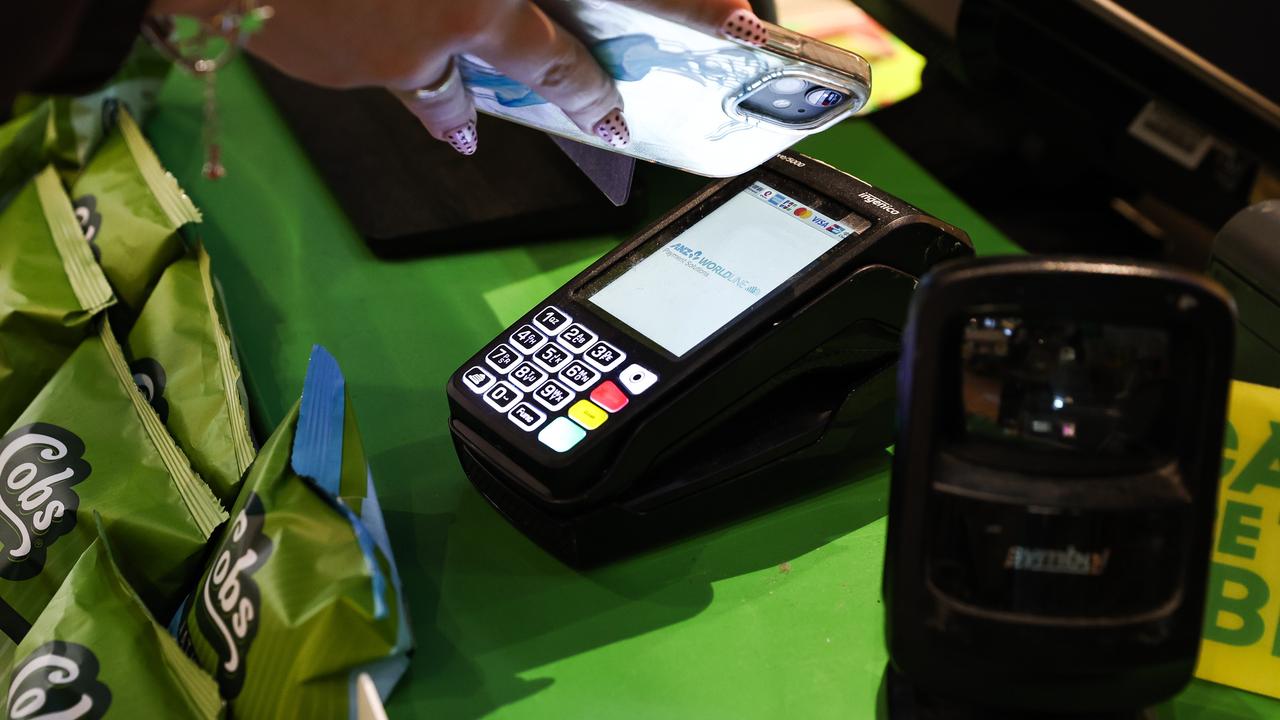
    Australian consumers are projected to confront a substantial financial burden in early 2026 as unprecedented holiday spending culminates in what analysts term a “national debt hangover.

    According to comprehensive analysis by financial comparison platform Canstar, which examined Reserve Bank of Australia credit card data, shoppers are estimated to have accumulated approximately $86.8 billion in credit card debt throughout November, December, and January. This projection assumes seasonal spending patterns align with previous years’ trends.

    The situation appears particularly concerning for January alone, where consumers are expected to add an additional $28.9 billion to their existing credit card balances if recent five-year spending patterns persist.

    The compounding effect of interest charges presents a significant challenge to debt reduction efforts. Financial institutions are currently receiving an estimated $9.4 million daily in credit card interest payments from Australian consumers, creating additional barriers to achieving financial stability in the new year.

    Canstar’s Data Insights Director Sally Tindall emphasized the urgency for affected consumers: “For those confronting persistent debt, make 2026 the year to regain financial control. Initiate contact with your banking institution to negotiate reduced interest rates or consider transitioning to credit products offering more favorable terms.”

    The analysis reveals that credit card debt has consistently increased every January since 2015, indicating a systemic pattern of consumers struggling to clear balances within interest-free periods. This persistent challenge stems partially from consumers either overlooking critical terms and conditions or experiencing difficulty comprehending credit card repayment mechanisms.

    Consumers who made purchases on Christmas Eve may face repayment deadlines as early as this week. While most credit cards advertise 44-55 day interest-free periods, the actual repayment window varies significantly depending on individual billing cycle timing. Purchases made on the final day of a billing cycle may allow as little as 13 days for interest-free repayment.

    Tindall characterizes the post-Christmas debt phenomenon as “a decade-long certainty” resulting from consumers’ inability to optimize interest-free periods. She recommends practical strategies including utilizing reward points for essential expenses, substituting expensive vacations with local staycations, and generating additional income through selling unused possessions.

  • Dubai property market caps record‑shattering 2025 with powerful December finish

    Dubai property market caps record‑shattering 2025 with powerful December finish

    Dubai’s property market concluded 2025 with unprecedented performance, establishing new benchmarks for global real estate markets. According to data released by fäm Properties utilizing DXBInteract statistics, the emirate recorded 215,700 property transactions valued at Dh686.8 billion ($187 billion), representing the most robust performance in its history.

    The market demonstrated extraordinary growth throughout the year, with transaction volume increasing by 18.7% and sales value surging by 30.9% compared to 2024 figures. December alone witnessed remarkable momentum with a 46.4% year-on-year increase in sales value reaching Dh63.1 billion and a 21.3% rise in transaction volume totaling 18,587 deals.

    Firas Al Msaddi, CEO of fäm Properties, characterized this growth as fundamentally different from previous market cycles. “We’re observing several powerful trends converging: a significantly more diverse investor base with substantial inflows from Asia, Europe, and the Americas, coupled with a supply pipeline that’s strategically aligned with market demand after years of disciplined development,” he stated.

    The market expansion was comprehensive across all segments. Primary market transactions dominated with 149,230 first-sale deals worth Dh448.1 billion, reflecting a 33.6% annual increase. The secondary market remained vigorous with 66,400 resale transactions valued at Dh238.8 billion, up 26.2% from 2024.

    Price appreciation was evident throughout the market, with primary market prices rising 6.7% to Dh1,700 per square foot and secondary market prices climbing 11.2% to Dh1,500 per square foot. The development sector responded vigorously to market demand, delivering 42,784 residential units—a 45% increase from 2024—while launching 177,624 new units for future development.

    Apartments constituted the majority of market activity with 170,448 sales worth Dh332.9 billion, while villa transactions increased 11.1% to 34,671 units totaling Dh206.9 billion. Commercial real estate emerged as particularly strong, surging 41.1% to 6,086 transactions valued at Dh18.2 billion.

    Geographically, Jumeirah Village Circle led with 18,755 transactions worth Dh24.5 billion, followed by Business Bay with 13,844 deals totaling Dh39.9 billion. Emaar led developers with 7,321 completed units, representing 17% of all new supply.

    The market’s transformation over five years has been dramatic, growing from Dh71.5 billion in sales value in 2020 to nearly ten times that amount in 2025. Analysts project sustained momentum into 2026, supported by continued global investor confidence, disciplined development practices, and Dubai’s positioning as a secure global investment hub.

  • Air India looks for new CEO to replace Campbell Wilson, sources say

    Air India looks for new CEO to replace Campbell Wilson, sources say

    Air India’s board has commenced an executive search to replace current CEO Campbell Wilson, according to sources familiar with the matter. The leadership transition comes as the airline faces mounting pressure regarding operational performance and safety protocols following last year’s catastrophic aviation incident that resulted in 260 fatalities.

    Wilson, who assumed leadership in July 2022 following Air India’s privatization, brought 26 years of experience from Singapore Airlines where he held senior positions across both the flagship carrier and its budget subsidiary Scoot. Despite his contract extending through mid-2027, industry insiders indicate that majority owner Tata Group has expressed dissatisfaction with the airline’s performance under his stewardship.

    The aviation regulatory authorities have identified multiple operational deficiencies in recent months, including aircraft operating without proper emergency equipment verification, delayed engine part replacements, maintenance record irregularities, and inadequate crew fatigue management systems. These findings emerged during investigations into what became the deadliest aviation disaster witnessed globally in the past decade.

    N. Chandrasekaran, who chairs both Air India and parent company Tata Group, has reportedly initiated discussions with chief executives from at least two major international carriers based in the United Kingdom and United States as potential successors. The Economic Times first reported these developments, noting that similar leadership changes may extend to Air India Express, the group’s low-cost carrier division.

    Tata Group acquired the previously state-owned, loss-making airline in 2022 through a privatization initiative aimed at revitalizing the carrier. Despite substantial investments toward fleet modernization and route expansion, the transformation effort has encountered significant challenges including aircraft delivery delays, refurbishment setbacks, and persistent operational complications.

    Neither Tata Group, Singapore Airlines (which maintains a 25% stake in Air India), Air India management, nor Wilson have provided official comments regarding the leadership transition proceedings.

  • Trump’s Venezuela gambit tests investor appetite for geopolitical risk

    Trump’s Venezuela gambit tests investor appetite for geopolitical risk

    Financial markets are navigating a complex landscape of geopolitical uncertainty following the unprecedented U.S. military intervention in Venezuela that resulted in the capture of President Nicolas Maduro. While initial market reactions remained remarkably subdued, analysts warn that investors might be underestimating the broader implications of President Trump’s aggressive foreign policy shift across Latin America.

    The relative market calmness following Maduro’s capture stems primarily from Venezuela’s diminished role in global oil markets, with current production representing a negligible portion of worldwide output. Energy analysts note that restoring Venezuela’s oil industry would require substantial investment and several years of development, limiting immediate impact on global energy supplies.

    However, the strategic implications extend far beyond oil markets. Trump’s subsequent threats toward five additional countries within a 72-hour period—including Colombia and Mexico—signal a fundamental transformation in U.S. foreign policy approach. This represents the most direct military intervention in Latin America since the 1989 invasion of Panama, marking a dramatic escalation in geopolitical risk assessment.

    Market strategists observe that while defense sector stocks are likely to benefit from increased military spending expectations, the U.S. dollar’s status as a safe-haven currency faces challenges amid heightened policy uncertainty. The dollar index, coming off its worst annual performance since 2017, showed only modest strengthening despite the geopolitical developments.

    The Venezuela intervention has prompted serious concerns among international investors regarding potential parallel actions toward China’s stance on Taiwan and possible regime change initiatives in Iran. Nevertheless, regional analysts note that current circumstances differ significantly, with no immediate indications of comparable escalation patterns in Asian geopolitical tensions.

    Investment experts suggest that markets have gradually adapted to geopolitical volatility as a persistent feature rather than an exceptional circumstance. The focus remains on fundamental drivers including interest rates, corporate earnings, and portfolio positioning, unless supply chain disruptions emerge from broader regional instability.

    This event represents the first significant geopolitical test for financial markets in 2026, following a year characterized by substantial gains despite ongoing trade tensions, central bank policy uncertainties, and simmering international conflicts.

  • A young entrepreneur redefining access to education

    A young entrepreneur redefining access to education

    At just 24 years old, Muhammad Anas Ali has emerged as a transformative figure in the educational technology sector, challenging conventional academic pathways through his innovative platform, Wealth University. This digital initiative provides completely free access to high-value financial and business education, focusing on practical skills including e-commerce, digital marketing, and trading strategies.

    Wealth University has demonstrated remarkable global reach, attracting over 200,000 learners worldwide who prioritize skill acquisition and practical implementation over traditional credentials. The platform has evolved into a comprehensive digital ecosystem emphasizing accountability, peer-supported learning, and measurable outcomes—addressing a critical gap in accessible financial education.

    Anas’s entrepreneurial journey began with limited resources and considerable skepticism regarding his non-profit educational model. Despite these challenges, he has developed a sustainable framework that emphasizes long-term impact rather than short-term gains. Beyond platform development, Anas actively mentors emerging entrepreneurs, discussing realistic challenges in business development and scaling.

    His personal achievements have garnered significant attention, including his status as one of the world’s youngest owners of luxury performance vehicles like the Bugatti Chiron. Anas frames these accomplishments not as status symbols but as tangible results of disciplined execution and unconventional career choices.

    Future expansion plans include scaling Wealth University to reach one million students globally, establishing physical learning centers in underserved regions, launching investment initiatives for disadvantaged founders, and publishing a comprehensive guide to financial independence based on his methodologies.

    This initiative reflects broader shifts in educational accessibility, demonstrating how digital platforms can create equitable learning opportunities outside traditional institutions and reshape economic mobility for future generations.