分类: business

  • Indian rupee slips past 90 US dollar mark, central bank intervenes

    Indian rupee slips past 90 US dollar mark, central bank intervenes

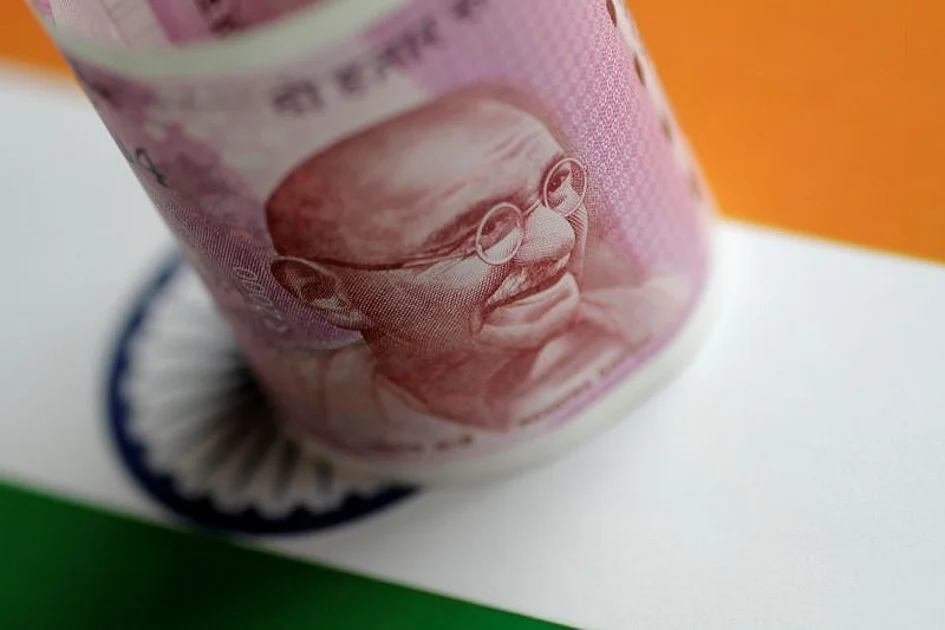
    The Reserve Bank of India executed significant market intervention on Wednesday to stabilize the national currency after the rupee weakened beyond the psychologically significant 90-per-US dollar barrier. According to six market traders, the central bank deployed aggressive measures reminiscent of its 2025 strategy to counteract one-way currency movements.

    The rupee opened trading at 90.2250 against the US dollar (24.5844 versus UAE dirham) before the RBI’s intervention propelled it to 89.9325 (24.5047 against UAE dirham), representing a 0.26 percent daily gain. During the session, the currency reached an intraday peak of 89.7550 (24.4564 against UAE dirham) on the interbank order-matching platform.

    Market analysts identified two primary pressures driving the rupee’s depreciation: sustained foreign capital outflows from Indian equity markets that have continued from 2025 into the new year, and ongoing uncertainties regarding US-India trade negotiations. These factors have created consistent downward pressure on the currency.

    Traders noted that the rapid reversal following the market open left little doubt about central bank involvement, contrasting with Tuesday’s session where market participants were divided on whether the RBI had intervened. “The velocity of today’s recovery unmistakably signals official action,” commented a private sector bank trader. “The movement was too abrupt to attribute to ordinary market dynamics.”

    Banking sector experts monitoring foreign exchange markets observed that the RBI typically intervenes when speculative long dollar positions accumulate and market expectations lean heavily toward consistent rupee depreciation. Prior to Wednesday’s engineered recovery, the rupee had declined approximately 1 percent over the preceding fortnight.

  • UAE sugar tax impact: Price hike leads consumers to choose healthier options

    UAE sugar tax impact: Price hike leads consumers to choose healthier options

    The United Arab Emirates has witnessed a significant consumer behavior transformation following the implementation of its revised excise tax structure on sweetened beverages effective January 1, 2026. Retail industry leaders report a substantial market shift as price-sensitive consumers increasingly opt for healthier alternatives in response to the new tiered taxation model.

    The Federal Tax Authority’s progressive excise framework calculates levies based on sugar content rather than applying a blanket tax rate. Beverages containing less than five grams of added sugar per 100ml remain tax-exempt, while those with 5-8 grams incur AED 0.79 per liter, and drinks exceeding 8 grams face AED 1.09 per liter. Notably, products containing exclusively natural sugars or artificial sweeteners without added sugar maintain their tax-free status.

    Dr. Dhananjay Datar, Chairman of Adil Group of Supermarkets, observed that “customer purchasing patterns have demonstrably shifted since the tax implementation. Consumers are actively seeking low-sugar and zero-sugar alternatives due to both economic considerations and growing health awareness.” This behavioral change has prompted beverage manufacturers to reformulate products and expand healthier offerings to align with market demand.

    Industry executives emphasize that the new system represents a more logical approach to public health taxation. Tom Harvey, General Manager for Commercial at Spinneys Dubai, noted that the previous flat 50% excise tax has been replaced with a structure that “makes drinks with less sugar substantially more affordable for consumers,” effectively incentivizing healthier choices.

    Beyond consumer impact, the tax overhaul introduces new compliance requirements for businesses. Anurag Chaturvedi, CEO of Andersen UAE, highlighted that manufacturers must obtain certified laboratory reports to validate sugar content classifications and update product registrations within the excise framework. Robust documentation practices have become essential for maintaining regulatory compliance and avoiding audit complications.

    Market analysts anticipate sustained growth in the low-sugar beverage segment as both consumer preferences and economic incentives continue to drive the UAE’s health-conscious consumption trend.

  • Ningxia’s rooftop solar panel project enriches residents

    Ningxia’s rooftop solar panel project enriches residents

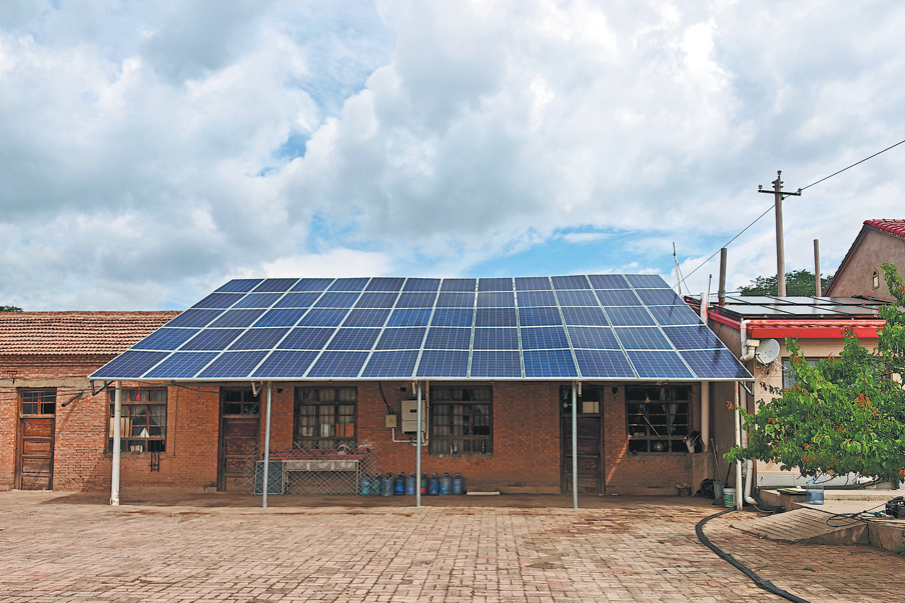
    The Ningxia Hui Autonomous Region in northwest China has emerged as a national leader in renewable energy adoption through its innovative rooftop solar program, transforming ordinary households into clean power producers. With approximately 3,000 annual sunlight hours—among China’s highest solar exposure rates—Ningxia has created an economic model where residents generate income by selling surplus electricity back to the national grid.

    This pioneering initiative has reached significant scale in Tongxin County, where grid-connected distributed photovoltaic systems have achieved an installed capacity of 125.62 megawatts as of December. These installations collectively generate approximately 226 million kilowatt-hours annually, sufficient to power around 90,000 Chinese households for a full year. The program has generated roughly 40 million yuan ($5.7 million) in annual power sales revenue for local participants.

    According to Tongxin Party Secretary Chen Hua, the project delivers dual benefits of environmental sustainability and poverty alleviation. ‘Residents now wake each morning hoping to see sunshine,’ Chen noted. ‘When the sun shines, income flows directly into their households.’

    The economic impact is exemplified by farmer Ma Zhanhai from Yuhai township, who invested 200,000 yuan in rooftop panels. With an annual generation capacity of approximately 150,000 kWh, Ma is projected to recover his initial investment within five years and continue earning profits throughout the system’s expected 25-year operational lifespan. This program represents a significant advancement in China’s renewable energy strategy while simultaneously addressing rural economic development goals.

  • Polished inbound tourism sector sparkles brightly again

    Polished inbound tourism sector sparkles brightly again

    China’s inbound tourism sector is experiencing a remarkable resurgence in 2025, driven by comprehensive policy reforms and technological innovations that are reshaping the travel experience for international visitors. The industry’s revitalization represents a significant economic recovery story, combining streamlined entry procedures with enhanced digital infrastructure to create a more accessible and appealing destination for global travelers.

    The transformation is particularly evident in Shanxi province, where Singapore-based travel expert Jiang Huijun recently conducted a scouting mission. As president of Jun-Air Travel, Jiang discovered what she describes as ‘sleeping cultural gems’ including the ancient Yingxian Wooden Pagoda, Yungang Grottoes with their 50,000 Buddhist statues, and the breathtaking Xuankong Hanging Temple. ‘One glance, and you understand you’re witnessing a masterpiece of human ingenuity,’ she remarked about the wooden pagoda, highlighting how China’s cultural treasures are captivating a new generation of experience-seeking travelers.

    Policy changes have been instrumental in this tourism renaissance. China expanded its visa-free access to 48 countries in 2025, adding major tourist sources including Brazil, Argentina, Saudi Arabia, and Russia. The visa-free policy extension through December 2026 provides long-term certainty for both travelers and tour operators. Additionally, mutual visa-exemption agreements now exist with 29 countries, including recent additions Malaysia and Uzbekistan.

    Digital accessibility has undergone revolutionary improvements. The development of specialized platforms like UnionPay’s Nihao China app and Travelsky Mobile Technology’s HiChina platform has created English-friendly ecosystems for payments, transportation, ticketing, and translation services. China Eastern Airlines has further enhanced convenience with integrated air-rail booking services, allowing seamless combination of flight and high-speed train tickets.

    The civil aviation sector has achieved substantial recovery, with international passenger flights reaching over 7,000 weekly—approximately 93% of pre-pandemic levels and representing a 20% year-on-year increase. The expanded network now connects to 83 countries, with new routes to Argentina, Morocco, Seychelles, Vanuatu, and Malta, while explorations continue for services to Iceland, Chile, and Eastern European nations.

    Shopping patterns among international visitors have evolved significantly, reflecting changing perceptions of Chinese products. While traditional souvenirs remain popular, tourists are increasingly purchasing high-tech items including drones, Xiaomi phones, and Huawei gadgets. The enhanced instant tax refund service has contributed to this shift, with Hainan’s upgraded offshore duty-free policy generating measurable gains—international shopper traffic increased 3-5% following its November implementation.

    Iconic destinations have embraced technological innovation to enhance visitor experiences. The Badaling section of the Great Wall reported inbound visitor numbers surpassing 500,000 in 2025—a 33.29% year-on-year increase and a decade high. The site has transformed into what deputy general manager Yue Junfang calls ‘a living cultural salon,’ offering dawn and night tourism experiences alongside NFC smart tickets, AI guides, augmented reality interactivity, and immersive role-playing activities.

    Emerging attractions like Pop Land theme park in Beijing demonstrate China’s growing soft power appeal, with over half of visitors coming from non-family groups and international travelers comprising a significant portion. The park’s success with original Chinese IPs like the Labubu doll illustrates the cross-generational and cross-border attraction of contemporary Chinese creativity.

    Despite these positive developments, industry professionals identify challenges that require attention. A shortage of skilled, multilingual tour guides represents what China International Travel Service assistant general manager Wang Bo describes as ‘a generational gap in our talent pipeline.’ The industry is addressing this through training initiatives and competitions aimed at attracting younger professionals who can articulate China’s cultural depth to international audiences.

    As Jiang Huijun prepares marketing campaigns to introduce Singaporean travelers to Shanxi’s cultural treasures, she emphasizes the importance of creating cohesive travel experiences and year-round promotion. ‘China has become the top destination for many Singaporeans,’ she notes, particularly citing growing interest among younger generations. Her mission encapsulates the sector’s broader transformation: encouraging repeat visitors to see China anew while inspiring first-time travelers to begin their journey of discovery.

  • Record commodity prices lift Australian sharemarket

    Record commodity prices lift Australian sharemarket

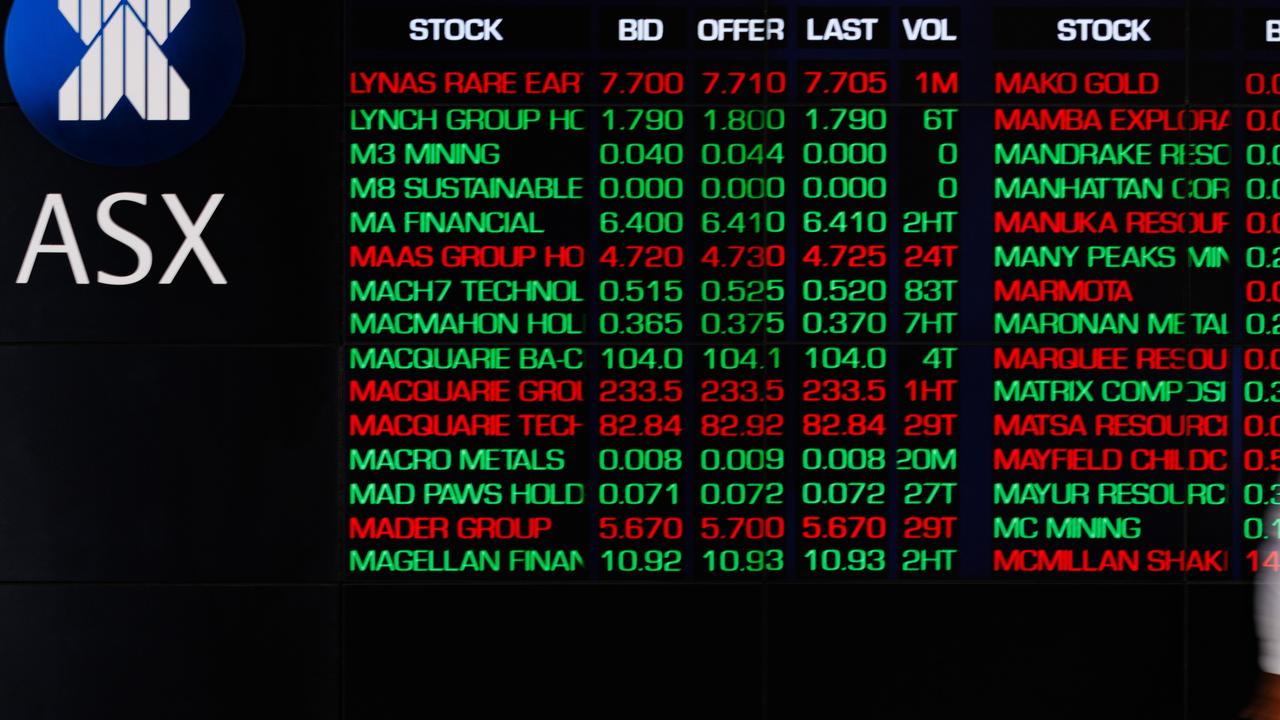
    Australia’s equity markets closed higher on Wednesday, propelled by a dual catalyst of record-breaking commodity prices and a more favorable than anticipated inflation report. The benchmark S&P/ASX 200 index advanced by 12.80 points, a gain of 0.15 percent, to settle at 8695.60. The broader S&P/ASX All Ordinaries index also climbed, adding 21.10 points, or 0.23 percent, to finish the session at 9018 points.

    The day’s rally was largely sector-driven, with eight out of eleven industry sectors finishing in positive territory. The materials sector emerged as a primary engine of growth, fueled by historic surges in key commodity markets. Copper prices on the London Metal Exchange shattered records, escalating by 1.8 percent to surpass $US13,300 per tonne. Concurrently, nickel reached a significant 15-month peak, trading above $US18,000 per tonne. This bullish sentiment propelled major mining giants; BHP Group ascended 1.02 percent to $47.70, and Rio Tinto gained 1.62 percent, closing at $154.73.

    Gold miners also experienced substantial upward momentum as the precious metal’s price, a traditional safe-haven asset, breached $US4,495 per ounce. Leading the charge, Newmont Corporation’s stock jumped 2.75 percent to $158.50. Evolution Mining and Northern Star Resources followed suit, rising 1.33 percent and 0.83 percent, respectively.

    These gains, however, were partially offset by notable declines in the energy and financial sectors. Energy stocks led the market’s losses as Brent crude oil prices dipped one percent to $US60.22 a barrel. Woodside Energy shares fell 2.81 percent, while Santos and Ampol declined 2.95 percent and 2.34 percent, respectively. The ‘Big Four’ banks also exerted downward pressure on the index. This sell-off was triggered by shifting market expectations regarding interest rates, following the latest inflation data.

    The Australian Bureau of Statistics reported that the nation’s headline annual inflation rate moderated to 3.4 percent for the year to November, down from 3.8 percent. More critically, the trimmed mean inflation rate—a key measure closely watched by the Reserve Bank of Australia (RBA) as it excludes volatile items—eased to 3.2 percent from 3.3 percent. AMP Deputy Chief Economist Diana Mousina attributed this cooling to aggressive discounting during Black Friday sales, particularly in footwear, accessories, and furniture. She noted that the RBA’s upcoming February meeting remains a ‘live’ event, with the decision on a potential rate hike being too close to call.

    In corporate developments, Lynas Rare Earths witnessed a spectacular surge of 14.52 percent following news of China’s ban on rare earth shipments. Respiratory imaging firm 4DMedical also saw its shares soar nearly 12 percent after announcing a new commercial agreement with UC San Diego Health.

  • Global shares trade mixed after Wall Street hits records on tech gains

    Global shares trade mixed after Wall Street hits records on tech gains

    Global financial markets exhibited divergent trends on Wednesday as investor sentiment wavered following recent record-breaking rallies on Wall Street. The mixed performance reflected growing concerns over geopolitical developments and potential shifts in monetary policy.

    European markets opened with varied results: France’s CAC 40 declined 0.3% to 8,213.78 while Germany’s DAX advanced 0.4% to 24,993.97. Britain’s FTSE 100 retreated 0.6% to 10,067.95. U.S. futures indicated a cautious opening with Dow Jones contracts edging up 0.1% while S&P 500 futures dipped slightly.

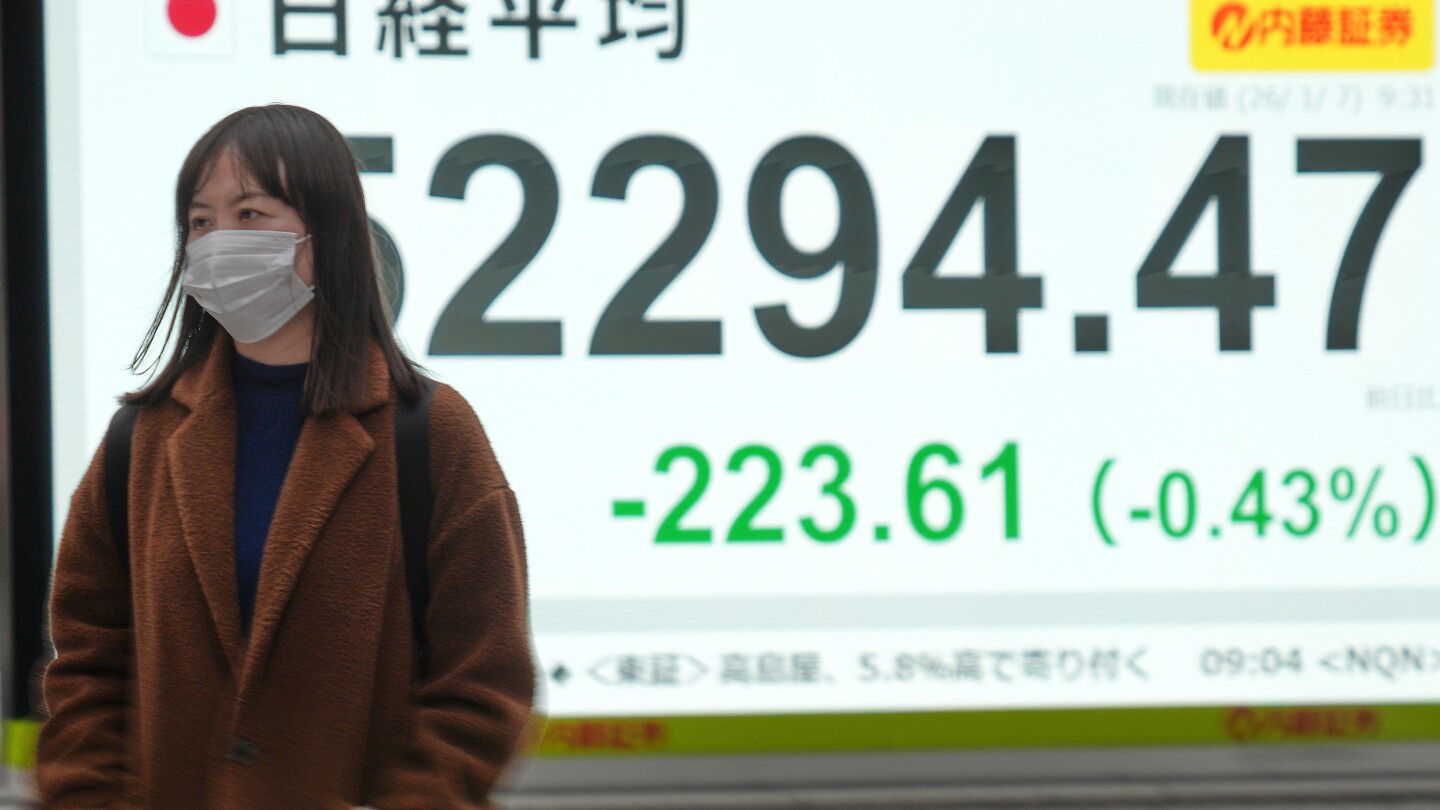
    Asian markets demonstrated particular volatility. Japan’s Nikkei 225 dropped 1.1% to 51,961.98, retreating from its recent record high. The decline coincided with heightened Sino-Japanese tensions following China’s implementation of military-related export restrictions against Japan. This development comes amid deteriorating relations between the two nations after Japanese Prime Minister Sanae Takaichi suggested potential military involvement regarding Taiwan in early November, prompting recent Chinese military exercises around the self-ruled island.

    Other Asian markets showed more positive momentum: South Korea’s Kospi gained 0.6% to 4,551.06, while Australia’s S&P/ASX 200 rose 0.2% to 8,695.60. Hong Kong’s Hang Seng declined 0.9% to 26,458.95, and Shanghai Composite remained nearly flat with a marginal gain.

    Market analysts identified multiple pressure points affecting global sentiment. Mizuho Bank’s Tan Boon Heng highlighted deepening global uncertainty, particularly referencing the capture of Venezuelan President Nicolás Maduro by U.S. forces. Meanwhile, technology stocks showed signs of fatigue after their remarkable three-year rally, with Swissquote senior analyst Ipek Ozkardeskaya noting weakening tech appetite in Asian markets and diminishing euphoria despite positive developments.

    Investor attention now turns to upcoming U.S. employment data, which the Federal Reserve will scrutinize ahead of its late January meeting. After implementing three benchmark rate cuts in late 2025, the central bank is expected to maintain current interest rates.

    Commodity markets saw downward pressure with benchmark U.S. crude falling 65 cents to $56.48 per barrel and Brent crude declining 47 cents to $60.23. Currency markets showed minimal movement as the U.S. dollar slightly weakened against the yen to 156.55, while the euro edged down to $1.1684. Precious metals also retreated with gold falling 0.5% and silver dropping 2.3%.

  • Oman establishes global financial centre to drive economic diversification

    Oman establishes global financial centre to drive economic diversification

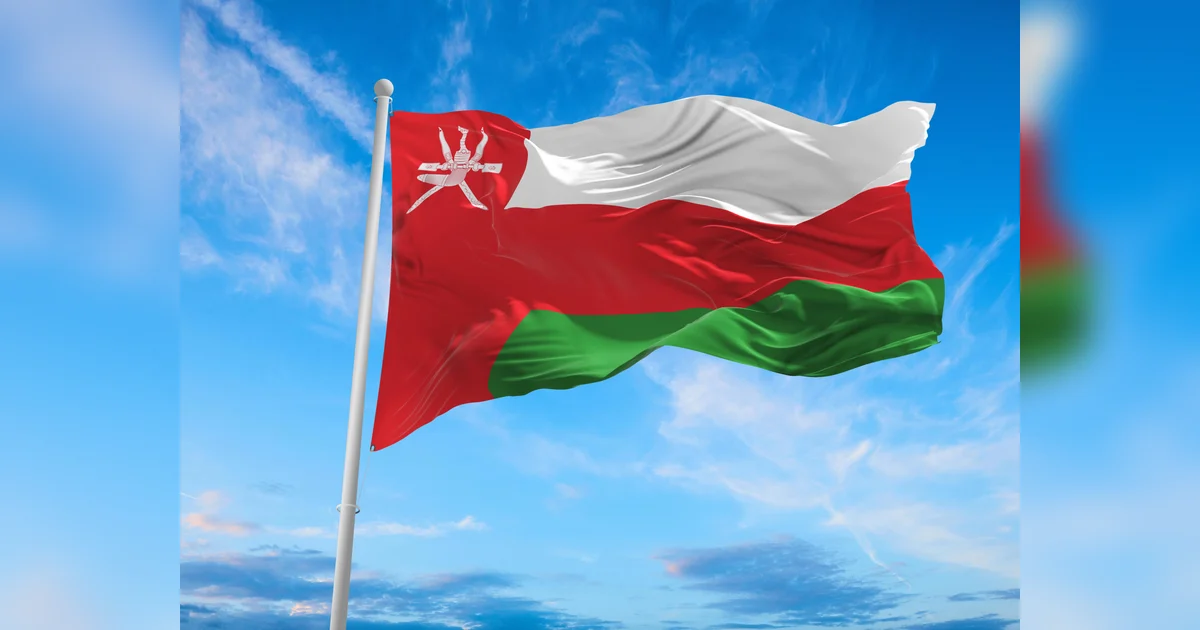
    In a landmark decision aimed at reshaping its economic landscape, the Sultanate of Oman has received cabinet approval for the creation of the Oman Global Financial Centre. This strategic initiative represents a comprehensive effort to diversify the nation’s economy beyond hydrocarbon dependencies while enhancing the financial sector’s contribution to gross domestic product.

    The newly established center will operate with complete legislative, administrative, and regulatory independence, creating a specialized environment tailored for international financial institutions. The framework will accommodate both conventional and Islamic banking operations, insurance services, and complementary financial support sectors. This autonomous status enables the center to develop a legal and judicial system aligned with global financial standards while maintaining operational flexibility.

    Sultan bin Salim Al Habsi, Oman’s Minister of Finance and Chairman of the Financial and Economic Committee, emphasized the center’s role within the nation’s broader economic vision. The institution will function as a catalyst for investment management, corporate establishment, and international business partnerships through streamlined capital movement procedures and financial innovation support mechanisms.

    The initiative leverages Oman’s established political stability and growing network of international economic partnerships to attract foreign capital. Additional benefits include knowledge transfer opportunities and the creation of high-value employment positions within the financial services sector, addressing both economic diversification and workforce development objectives simultaneously.

  • Why UAE’s luxury yacht market is attracting younger, wealthier buyers

    Why UAE’s luxury yacht market is attracting younger, wealthier buyers

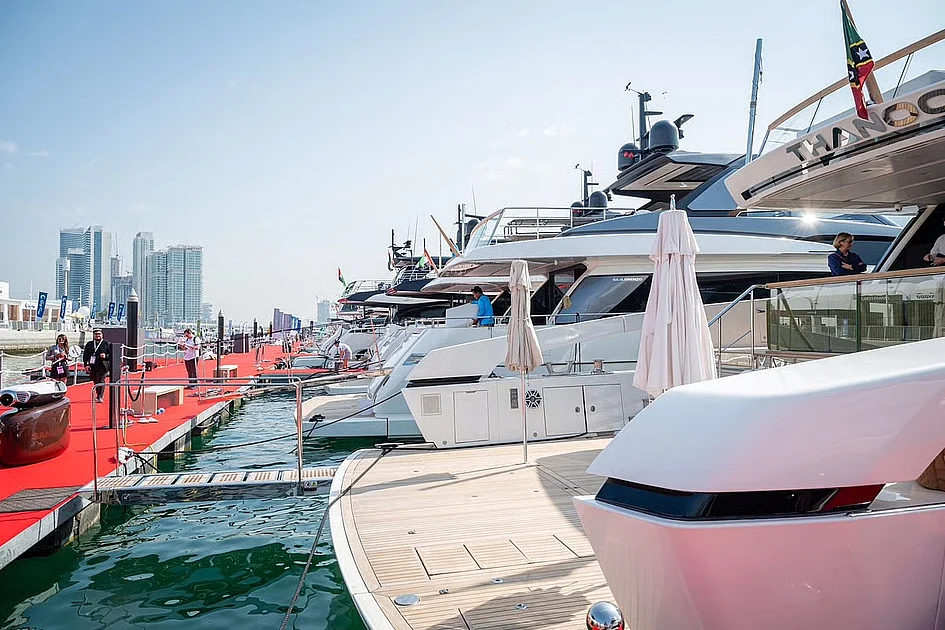
    The United Arab Emirates is witnessing a profound demographic shift in its luxury yacht market, with a new generation of affluent buyers driving unprecedented growth. According to Ferretti Group executives, entrepreneurs, athletes, and entertainers in their early 40s are increasingly choosing the UAE as their primary yachting destination rather than a seasonal stopover.

    This transformation is fueled by several key factors: unparalleled connectivity demands where reliable Wi-Fi and Starlink have become as crucial as mechanical performance; exceptional security that allows owners freedom not always available in European destinations; and world-class infrastructure encompassing luxury hotels, restaurants, and logistics.

    Alberto Ferretti, Founder and CEO of Ferretti Group, emphasized that modern yacht ownership represents more than maritime luxury—it signifies entry into an exclusive lifestyle club. ‘We sell privacy and freedom,’ Ferretti noted. ‘On a boat, you can be alone and private. That is increasingly important for this generation.’

    The UAE’s extended cruising season—spanning eight months from October to May compared to Europe’s four-month Mediterranean season—provides a significant competitive advantage. Proximity to major global hubs also enables owners to reach their vessels within hours for extended weekends.

    Market projections indicate explosive growth potential, with RIC Holding Group CEO Alaa Al Ali forecasting a 1,000% expansion in coming years. This growth encompasses not merely vessel sales but the development of a comprehensive marine ecosystem including maintenance centers, after-sales services, and innovative ownership models like lease-to-own arrangements previously unavailable in the region.

    The partnership between Ferretti Group and exclusive UAE/Oman dealer AAA Marine aims to position the UAE as a permanent yachting destination rather than transient stopover. This vision includes creating a ‘UAE Riviera’ supported by expanding marina infrastructure, waterfront resorts, and residential developments across Abu Dhabi and beyond.

    New models and technological innovations from Ferretti Group’s brands—including Ferretti Yachts, Pershing, Riva and Custom Line—will debut at the Dubai International Boat Show in April, featuring advances in stabilization and design that cater to this new generation of yacht owners.

  • Saudi to open financial market to all foreign investors from Feb 1

    Saudi to open financial market to all foreign investors from Feb 1

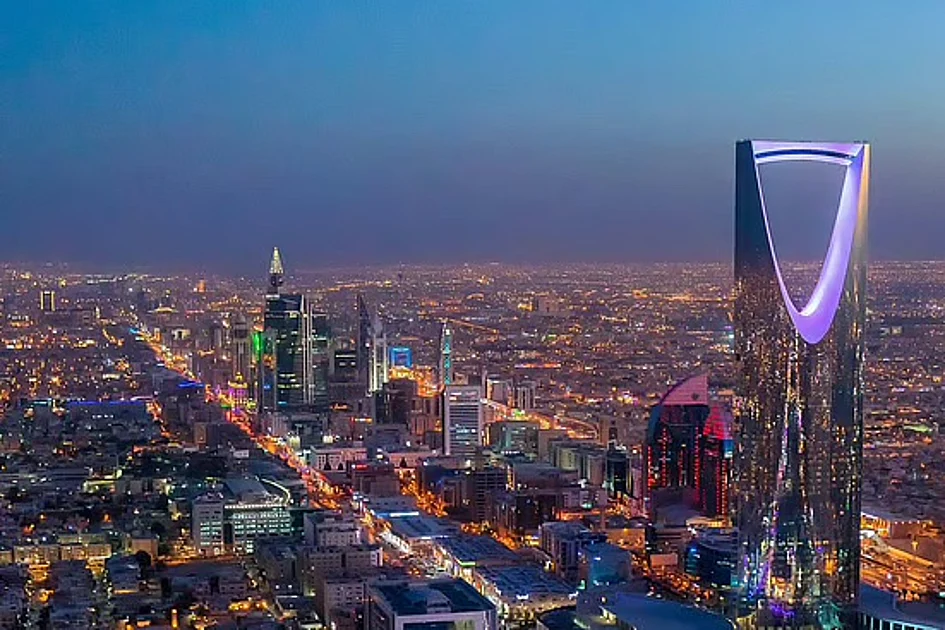
    In a landmark financial reform, Saudi Arabia’s Capital Markets Authority (CMA) announced Tuesday that the kingdom will fully open its financial markets to all foreign investors effective February 1, 2026. This decisive move eliminates the previous Qualified Foreign Investor framework that restricted direct market access to specific institutional investors.

    The regulatory overhaul represents the most significant opening of Saudi Arabia’s capital markets to date, allowing international investors worldwide to participate directly in the Middle East’s largest stock exchange. CMA officials stated the reforms are designed to stimulate substantial foreign capital inflows and enhance overall market liquidity.

    This development accelerates Saudi Arabia’s Vision 2030 economic diversification initiative, which aims to reduce the kingdom’s traditional dependence on oil revenues. The market opening follows several strategic moves to attract international investment, including the establishment of exchange-traded funds with Asian financial hubs in Japan and Hong Kong.

    Recent years have seen gradual financial liberalization measures, including last year’s regulatory change permitting foreign ownership of listed companies holding real estate in the holy cities of Mecca and Medina, while maintaining restrictions on direct land ownership. Saudi stocks previously surged in September 2025 on speculation of impending foreign ownership rule relaxations.

    According to CMA data, international investors already held approximately 590 billion riyals ($157 billion) in Saudi capital markets by the conclusion of the third quarter last year, demonstrating substantial existing foreign interest despite previous restrictions. The February opening is expected to significantly expand this foreign participation.

  • Euro zone inflation dips, growth holds up, backing ECB’s sanguine narrative

    Euro zone inflation dips, growth holds up, backing ECB’s sanguine narrative

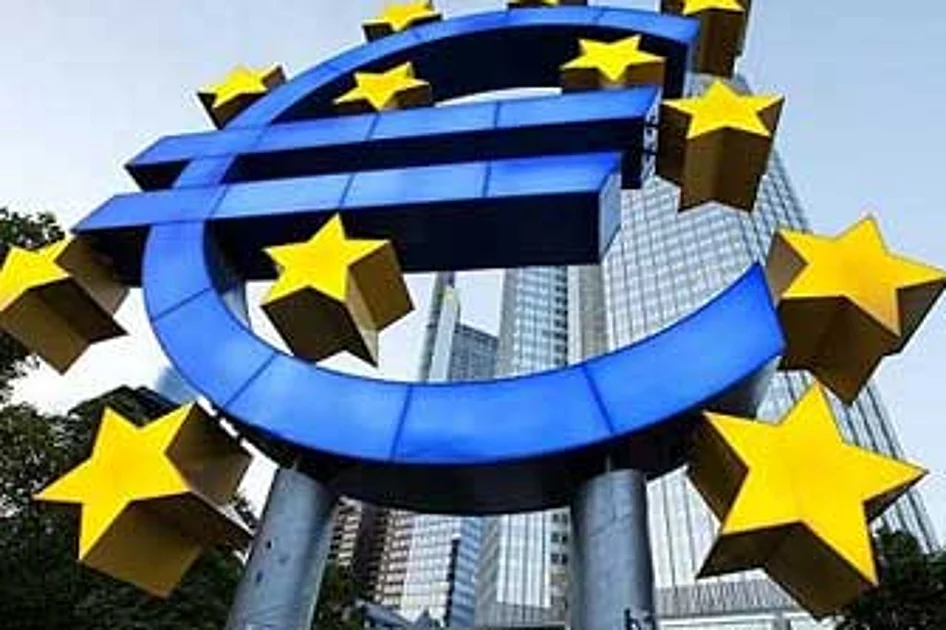
    The Eurozone economy is demonstrating remarkable resilience as it concludes 2025 with a favorable combination of moderating inflation and sustained economic expansion. Recent data reveals that price pressures have diminished more rapidly than anticipated across the bloc’s major economies while growth maintains its momentum, validating the European Central Bank’s optimistic assessment of regional economic conditions.

    Germany, Europe’s largest economy, witnessed a substantial deceleration in inflation, dropping to 2.0% from November’s 2.6%—significantly beneath economist projections of 2.2%. Concurrently, France experienced a modest decline to 0.7% from 0.8%, while Spain’s rate eased to 3.0% from 3.2%. This widespread disinflationary pattern suggests the Eurozone’s aggregate inflation reading could fall below the ECB’s 2% target when official figures are published.

    The economic landscape throughout 2025 has surpassed expectations as robust domestic consumption effectively compensated for declining export performance. This dynamic has created what financial analysts characterize as a ‘goldilocks scenario’—an ideal equilibrium where inflation stabilizes around central bank targets while economic activity remains buoyant.

    ECB policymakers have maintained a steady course, exhibiting minimal concern regarding projected below-target inflation readings in coming months. The central bank’s current stance reflects confidence in the economy’s underlying strength, with officials signaling no imminent adjustments to interest rates. Financial markets have aligned with this outlook, pricing in a stable 2% deposit rate throughout all eight of the ECB’s scheduled 2026 meetings.

    Supporting this positive narrative, Purchasing Managers’ Index data indicates the currency bloc completed 2025 with its most substantial quarterly growth in over two years. The services sector demonstrated particularly vigorous momentum, successfully counterbalancing continued manufacturing weakness.

    Nevertheless, potential risks persist within this generally favorable outlook. Energy price volatility, slowing wage growth, manufacturing stagnation, and Germany’s persistent recession threats present downward pressure on inflation. Conversely, geopolitical tensions disrupting global supply chains, expanding government expenditure, and tight labor market conditions could exert upward price pressures. These countervailing forces suggest economic conditions remain susceptible to sudden shifts, prompting ECB officials to maintain cautious forward guidance.