分类: business

  • Zand adopts XDC Network to advance blockchain-powered payments

    Zand adopts XDC Network to advance blockchain-powered payments

    In a landmark development for Middle Eastern fintech, UAE-based digital banking pioneer Zand has officially integrated with the enterprise-grade XDC Network blockchain. This strategic partnership, announced on January 13, 2026, represents a significant advancement in blockchain-powered financial infrastructure for institutional clients.

    The collaboration enables Zand’s corporate and institutional clients to utilize XDC Network for digital asset custody services through Zand’s regulated platform, pending necessary regulatory approvals. This integration facilitates faster, more transparent, and cost-effective financial transactions while maintaining regulatory compliance.

    A key application of this technology integration involves revolutionizing gold trading markets through ComTech Gold, which merges traditional gold investment benefits with blockchain technology advantages. This creates enhanced security, transparency, and efficiency in precious metal transactions.

    Michael Chan, CEO of Zand, emphasized the transformative potential: “We are entering a new era where blockchain technology serves as the foundation for more efficient and inclusive banking solutions. This collaboration supports our vision of building blockchain-powered financial products that bridge traditional and decentralized finance.”

    Ritesh Kakkad, Co-Founder of XDC Network, highlighted the partnership’s significance: “Our collaboration with Zand brings together compliance, innovation, and real-world utility – demonstrating how blockchain technology powers the next generation of global payments and asset tokenization.”

    The XDC Network’s ISO 20022 compliance ensures future-proof interoperability and enhanced regulatory alignment, positioning the platform at the forefront of financial technology standards. This development marks a substantial step toward mainstream blockchain adoption in Middle Eastern banking and financial services.
  • Dubai: Xiaomi opens new interactive store at Al Ghurair Centre

    Dubai: Xiaomi opens new interactive store at Al Ghurair Centre

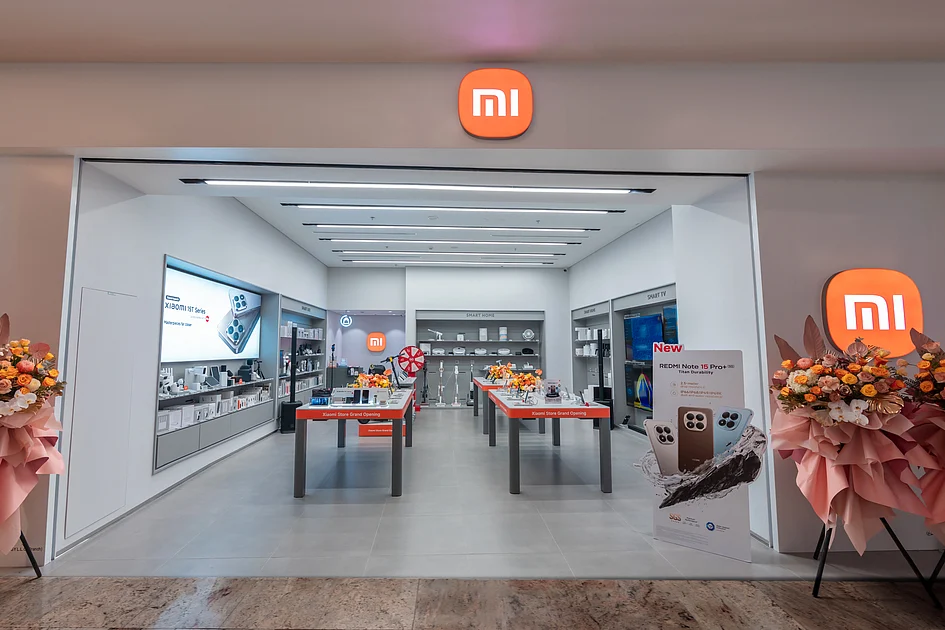
    DUBAI – Chinese technology giant Xiaomi has significantly strengthened its Middle Eastern retail strategy with the inauguration of an advanced interactive store at Al Ghurair Centre, Dubai on January 10, 2026. The launch represents a strategic expansion in the United Arab Emirates market, featuring cutting-edge consumer engagement methodologies and comprehensive after-sales support infrastructure.

    The grand opening ceremony witnessed the presence of Xiaomi’s senior leadership, including Mr. Xuezhong Zeng, Senior Vice President and President of International Business Department, alongside executives Tommy Yang, Huanying Hu, Quanxin Wang, and Ms. Xinran Zhao. The store introduces an innovative retail concept where customers can physically interact with Xiaomi’s latest technological innovations through hands-on product testing stations and feature discovery zones.

    Central to the new retail space is the prominent display of Xiaomi’s recently launched REDMI Note 15 Series, featuring the premium REDMI Note 15 Pro+ 5G and REDMI Note 15 Pro 5G models. The establishment additionally showcases an extensive array of smart devices operating within Xiaomi’s interconnected ecosystem, providing consumers with a holistic brand experience.

    Complementing the retail operations, Xiaomi has established a dedicated Service Center within the premises staffed by certified technicians utilizing advanced diagnostic equipment. This facility offers transparent pricing structures, genuine replacement components, repair warranties, and stringent data privacy protocols for device maintenance, replacements, and refund services.

    The inaugural event generated substantial consumer enthusiasm, with attendees receiving exclusive promotional discounts and complimentary Xiaomi products. This retail development underscores Xiaomi’s commitment to enhancing direct consumer engagement in key international markets while establishing robust operational support systems.

  • UAE financial authority warns of unlicensed company

    UAE financial authority warns of unlicensed company

    The UAE’s Capital Market Authority has issued an official public advisory cautioning investors against engaging with Volcano Capital Marketing Management, an organization operating without proper regulatory authorization. In a notice released on Tuesday, January 13, 2026, the financial regulator explicitly stated that the company lacks the necessary licensing to conduct regulated financial activities or provide associated financial services within the country.

    The authority emphasized its complete dissociation from any transactions or business dealings involving Volcano Capital, clearly stating it ‘bears no responsibility’ for any financial engagements with the unlicensed entity. The regulatory body strongly urged investors and the general public to rigorously verify the licensing status and regulatory standing of any company before initiating business relationships or financial transactions.

    This warning follows a similar alert issued on December 4th against another Dubai-based firm, Global Capital Securities Trading, which was found to be operating without proper authorization while posing as a legitimate capital trading company. The regulatory pattern indicates increased vigilance by UAE authorities against unauthorized financial operations, highlighting concerns about companies potentially misleading investors while operating from representative offices affiliated with international entities like Global Capital Market Limited.

    The consecutive regulatory actions demonstrate the UAE financial authority’s strengthened commitment to investor protection and market integrity, particularly against organizations that might exploit the reputation of the country’s robust financial sector without proper oversight.

  • Dubai: Gold prices ease slightly after hitting record high

    Dubai: Gold prices ease slightly after hitting record high

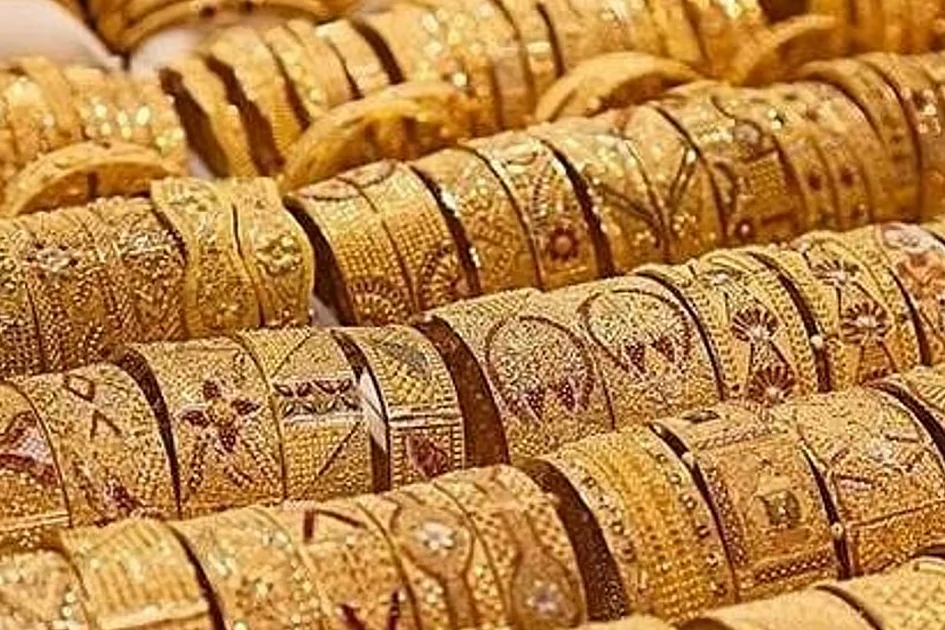
    Dubai’s gold market experienced a slight correction on Tuesday morning following a historic surge that propelled prices to unprecedented levels just one day earlier. The 24K gold variety, representing the purest form of the precious metal, declined to Dh554.0 per gram at 9am UAE time after reaching an all-time peak of Dh555.75 per gram on Monday.

    The broader gold market displayed similar patterns across various karat weights. The 22K variant settled at Dh513.0 per gram, while 21K, 18K, and 14K gold traded at Dh491.75, Dh421.5, and Dh328.75 per gram respectively. This modest pullback occurred despite international spot gold maintaining strength at $4,594.34 per ounce, hovering near the psychologically significant $4,600 threshold.

    Market analysts attribute the sustained gold rally to profound structural shifts rather than temporary speculative activity. Rania Gule, Senior Market Analyst for MENA at XS.com, emphasized that the current market dynamics reflect deep-seated investor anxiety driven by multiple geopolitical and economic factors. “Gold’s ability to remain close to its peaks despite the absence of strong expansionary monetary stimulus confirms that current demand is driven by the search for safety rather than the pursuit of short-term gains,” Gule noted.

    The analyst identified several critical factors sustaining gold’s elevated position, including US intervention in Venezuela, potential military action against Iran, intensifying Russia-Ukraine hostilities, and escalating China-Japan tensions. These interconnected developments have created what Gule describes as “structural demand for gold as a safe haven” that transcends temporary market reactions.

    This trend is further reinforced by a gradual erosion of global risk appetite, with investors not only retreating from high-risk assets but fundamentally reassessing the stability of the international financial system. Gold’s unique position as an asset outside the credit system, unlinked to direct sovereign obligations, provides it with distinct advantages during periods of geopolitical uncertainty and institutional doubt.

  • UAE’s 3 airlines rated among world’s 5 safest; Etihad ranked safest globally

    UAE’s 3 airlines rated among world’s 5 safest; Etihad ranked safest globally

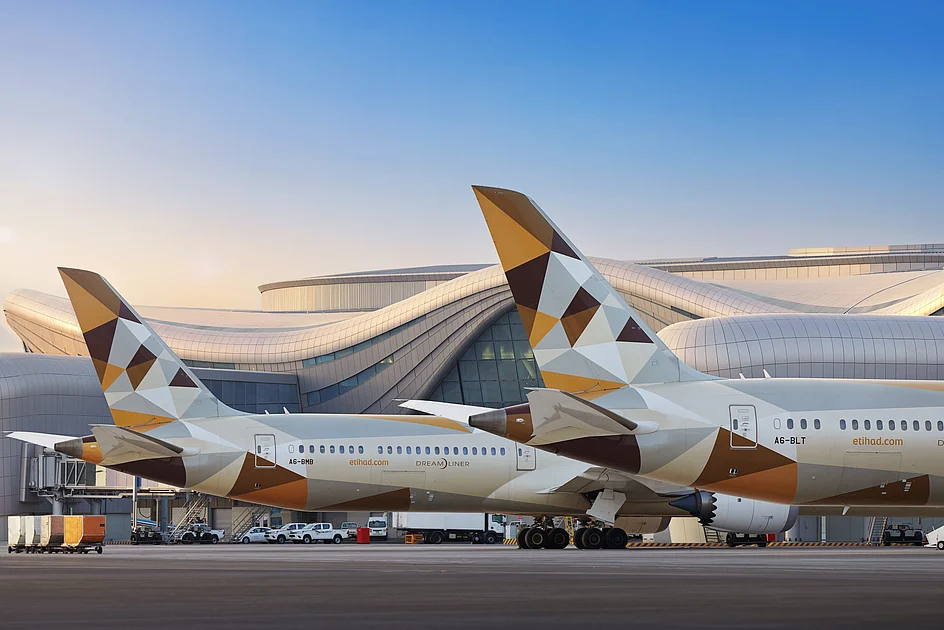
    The United Arab Emirates has cemented its position as a global leader in aviation safety, with three of its carriers securing spots among the world’s top five safest airlines according to AirlineRatings’ prestigious 2026 assessment. Etihad Airways achieved the remarkable distinction of being ranked the world’s safest airline, marking the first time a Gulf carrier has claimed the top position.

    The comprehensive safety evaluation, which analyzed 25 full-service and budget carriers, placed Etihad at the pinnacle followed by Cathay Pacific, Qantas, Qatar Airways, and Emirates completing the top five. The rankings considered multiple safety parameters including fleet age, incident rates, crash history, cockpit safety advancements, and independent onboard safety audits.

    Sharon Petersen, CEO of AirlineRatings, emphasized that Etihad’s achievement resulted from a combination of factors: “A young fleet, advancements in cockpit safety particularly around turbulence management, a crash-free history, and the lowest incident rate per flight of any airline on our list. Their excellent adherence to turbulence management in the cabin during our independent audit was particularly impressive.”

    Antonoaldo Neves, CEO of Etihad Airways, expressed pride in receiving “one of the most respected airline safety awards in the world,” noting that the achievement “reflects the strength of our safety culture, the dedication of our people, and the aviation excellence of our region.”

    The UAE’s aviation success story is underpinned by substantial investments exceeding billions of dollars in new, fuel-efficient aircraft. This strategic commitment was demonstrated during the Dubai Airshow 2025, where UAE carriers—Emirates, Etihad Airways, and flydubai—collectively ordered over 500 commercial and cargo aircraft valued at approximately Dh420 billion.

    In the budget airline category, flydubai secured fourth position, making it the only regional carrier in the top ten safest low-cost airlines. HK Express led the budget rankings, followed by Jetstar Airways and Scoot.

    Petersen highlighted the remarkably narrow safety margins between top carriers, noting that incident rates across all listed airlines ranged between 0.002 and 0.09 per flight—a testament to the industry’s overall safety standards. “Inclusion in the top 25 reflects not just excellence in aircraft and operations but the crucial role of skilled aircrew and robust safety practices,” she added.

    The 2026 rankings also welcomed new entrants including Starlux and Fiji Airways, while Spring Airlines China became the first Chinese carrier to appear in AirlineRatings’ rankings.

  • Gold and silver hit record highs as global tensions drive investors

    Gold and silver hit record highs as global tensions drive investors

    Precious metals skyrocketed to unprecedented levels during Tuesday’s trading session as escalating geopolitical tensions and concerns over U.S. Federal Reserve independence triggered a massive flight to safety among global investors. The remarkable rally saw gold bullion momentarily touch an all-time high of $US4,629.94 before experiencing some pullback, while silver simultaneously climbed to $US85.50 per ounce.

    The Australian market reflected this commodities surge with the benchmark ASX 200 advancing 49.10 points (0.56%) to close at 8805.50, while the broader All Ordinaries index gained 45.80 points (0.50%) to finish at 9138.50. Materials stocks emerged as the standout performers, rallying more than two percent as the triple threat of record-breaking gold, silver, and copper prices created a powerful tailwind for mining companies.

    Market analyst Kyle Rodda of Capital.com attributed the sustained precious metals rally to growing investor apprehension. ‘Gold and silver achieved fresh record highs as the search for dollar alternatives intensifies,’ Rodda observed. ‘Despite the extended rally, the uptrend appears fundamentally sound with conspicuously strong underlying drivers.’

    The commodities boom propelled major mining giants to significant gains. BHP shares advanced 2.30% to $47.58, while Rio Tinto jumped 2.18% to $145.53. Gold specialists Northern Star Resources led sector gains with a 3.62% surge to $26.35, with Evolution Mining adding 2.01% to $13.17.

    Australia’s banking sector contributed substantially to market momentum, with all four major institutions posting solid gains. Commonwealth Bank traded 0.48% higher at $154.82, Westpac added 1.10% to $38.50, NAB leapt 1.85% to $42.39, and ANZ jumped 1.64% to $36.48.

    However, the market advance displayed sectoral unevenness, with only four of eleven sectors finishing higher. Energy shares retreated following recent oil price volatility, with Woodside falling 1.73% and Ampol slumping 4.82%. Consumer discretionary stocks similarly underperformed, led by declines in JB Hi-Fi, Eagers Automotive, and Breville.

    Individual corporate developments included Endeavour Group shares dropping 2.89% after forecasting lower margins, and GQG Partners plummeting 8.64% despite reporting increased funds under management. Defense contractors Austal and DroneShield bucked the negative trend with notable gains, possibly reflecting heightened geopolitical concerns.

  • Asian shares mostly rise and Tokyo hits a record, tracking fresh highs on Wall Street

    Asian shares mostly rise and Tokyo hits a record, tracking fresh highs on Wall Street

    Asian financial markets experienced a broad upswing on Tuesday, with Japan’s benchmark index leading the charge following record-breaking performances on Wall Street. The trading session saw mixed movements in U.S. futures and moderate gains in oil prices.

    Japan’s Nikkei 225 index soared dramatically, climbing 3.1% to reach an unprecedented intraday peak of 53,814.79 as markets reopened after a national holiday. This remarkable surge was primarily fueled by substantial advances in technology stocks. Leading the rally, semiconductor testing equipment manufacturer Advantest witnessed an impressive 8.5% jump, while chip producer Tokyo Electron advanced 8.3%. Conglomerate SoftBank Group also contributed significantly to the market optimism with a 4.3% gain.

    Market analysts are closely monitoring political developments in Japan, where Prime Minister Sanae Takaichi is reportedly considering calling a snap election. This strategic move would potentially strengthen her administration’s mandate for implementing expanded government spending policies.

    Other Asian markets demonstrated varied performance. Hong Kong’s Hang Seng Index progressed 1% to reach 26,877.01, bolstered by the spectacular debut of Chinese chip designer GigaDevice Semiconductor, which skyrocketed 54% in early trading. Meanwhile, China’s Shanghai Composite experienced a marginal decline of less than 0.1%, settling at 4,163.84.

    South Korea’s Kospi achieved fresh intraday records with a 0.6% increase to 4,651.67. Australia’s S&P/ASX 200 advanced 0.8% to 8,830.60, and Taiwan’s Taiex rose 0.5%. India’s Sensex presented a contrasting picture, declining 0.3% amid regional optimism.

    The market enthusiasm occurred against the backdrop of ongoing tensions between U.S. President Donald Trump and Federal Reserve Chair Jerome Powell. Investors appeared to balance concerns about potential erosion of Fed independence against expectations that presidential pressure might accelerate interest rate reductions. The Justice Department’s subpoena of the Fed regarding Powell’s testimony about headquarters renovations has further complicated this relationship.

    Monday’s trading concluded with Wall Street achieving new milestones: The S&P 500 gained 0.2% to reach 6,977.27, the Dow Jones Industrial Average edged up 0.2% to 49,590.20, and the Nasdaq composite rose 0.3% to 23,733.90.

    In corporate developments, Alphabet Inc. (Google’s parent company) saw its market valuation exceed $4 trillion following Apple’s announcement of integrating Google’s Gemini technology to enhance its Siri virtual assistant. Conversely, credit card companies faced significant losses after President Trump proposed implementing a one-year, 10% cap on credit card interest rates, potentially impacting industry profitability. Synchrony Financial dropped 8.4%, Capital One Financial declined 6.4%, and American Express decreased 4.3%.

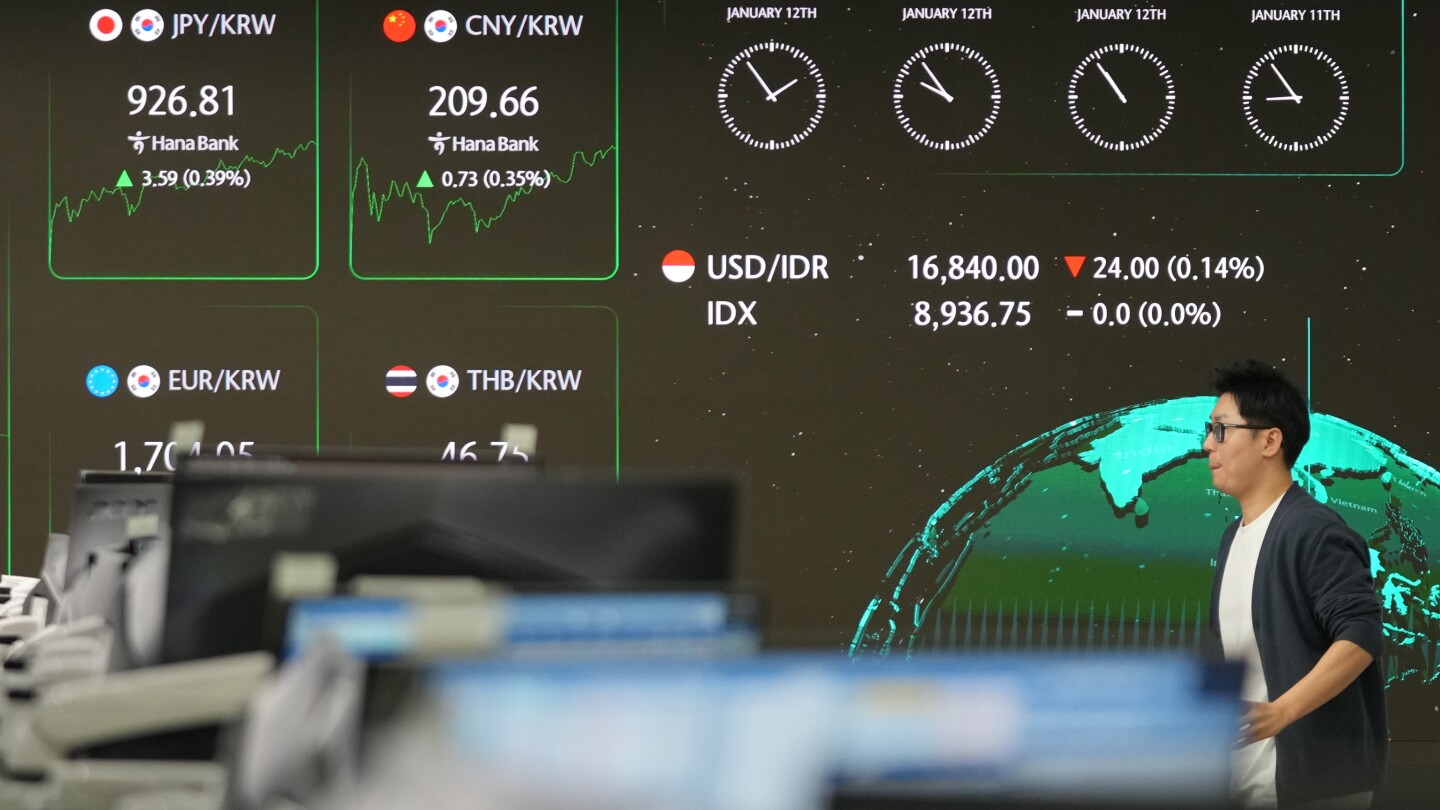
    Commodity markets showed mixed activity with gold prices dipping 0.2% while silver advanced 0.8%. Currency markets witnessed the dollar strengthening to 158.72 yen from 158.07 yen, trading near yearly highs, while the euro slightly weakened to $1.1666 from $1.1667.

  • Trump Organization and Saudi developer unveil $10bn in projects

    Trump Organization and Saudi developer unveil $10bn in projects

    The Trump Organization has significantly expanded its partnership with Saudi Arabian real estate developers through two major projects valued collectively at approximately $10 billion. This expansion represents one of the family business’s most substantial international ventures during Donald Trump’s political career.

    Dar Global, a subsidiary of the Saudi development giant Dar al-Arkan with close government ties, officially launched Trump Plaza Jeddah on Monday. The $1 billion project will feature luxury apartments, premium office spaces, exclusive townhouses, and a private park. According to company statements, the development aims to create a ‘carefully curated urban ecosystem’ targeting global residents seeking premium living and working spaces in Jeddah.

    Simultaneously, the Trump Organization and Dar al-Arkan revealed plans for a separate massive golf resort spanning 2.6 million square meters in Diriyah, located outside Riyadh. This historic area, recognized as a UNESCO World Heritage Site and the ancestral home of the Saudi royal family, is undergoing a comprehensive $63 billion transformation into a luxury destination.

    Eric Trump, representing the family business, emphasized the organization’s ‘commitment to world-class quality and iconic design’ through these ventures. He specifically noted the Trump family’s ‘confidence in Jeddah as a dynamic, globally relevant city.’

    These developments coincide with Saudi Arabia’s broader economic strategy to attract foreign investment across multiple sectors, including real estate. In January, the kingdom announced policy changes allowing non-Saudis to purchase property in major cities like Riyadh and Jeddah, signaling a significant shift in its approach to foreign ownership.

    The Trump Organization operates internationally primarily through licensing agreements, where foreign developers pay substantial fees for the right to use the Trump brand. According to financial reports, Dar Global’s licensing arrangement generated $21.9 million for the Trump family business last year alone.

    These business dealings have drawn scrutiny due to their timing amid Donald Trump’s political activities. While the former president has denied personally benefiting from his family’s international ventures, critics have raised concerns about potential conflicts of interest given his political connections to Gulf governments.

    The Saudi partnership represents the Trump Organization’s most significant overseas collaboration, with additional projects underway in Oman (a golf course and luxury hotel), Qatar (Trump International Golf Club and villas), and the UAE (an 80-story Trump hotel featuring ‘the highest outdoor pool in the world’).

  • Dubai hits Dh917 billion in real estate transactions, Sheikh Mohammed announces

    Dubai hits Dh917 billion in real estate transactions, Sheikh Mohammed announces

    Dubai’s real estate market has achieved an extraordinary milestone, recording a staggering Dh917 billion in transactions by the end of 2025. This announcement came directly from His Highness Sheikh Mohammed bin Rashid Al Maktoum, Ruler of Dubai, who revealed that this performance has dramatically exceeded strategic expectations set years earlier.

    The emirate’s original roadmap envisioned reaching Dh1 trillion in real estate transactions by 2033. The current figures demonstrate accelerated growth that has outpaced all projections. Sheikh Mohammed expressed profound gratitude to global investors for their sustained confidence in Dubai’s economy, stating: “We promise everyone that we are continuing to develop all our sectors to provide the best opportunities for those who have placed their trust in our national economy. In the UAE, we say what we do, and we do what we say.”

    Comprehensive market analysis reveals unprecedented growth across all metrics. The sector closed 2025 with 215,700 property sales—an 18.7% increase in transaction volume and a remarkable 30.9% surge in sales value compared to 2024 figures. Overall real estate activity reached 3.11 million transactions encompassing sales, leases, and various services, representing a 7% year-on-year increase.

    Investment patterns showed equally impressive dynamics, with real estate investments surpassing Dh680 billion across 258,600 deals. This represents a 29% growth in value and 20% increase in transaction numbers. The investor base expanded significantly to approximately 193,100 participants, including 129,600 new entrants to the market.

    Notably, women investors demonstrated substantial market engagement, investing Dh154 billion through 76,700 transactions—recording 31% growth in value and 24% in volume. Luxury property investments reached Dh3.98 billion, while market analysis indicated an average transition period of 4.8 years from renter to investor status.

    Geographical distribution of activity highlighted balanced growth across Dubai. Al Barsha South Fourth led in transaction numbers, while Business Bay dominated in transaction value. Palm Jumeirah commanded the highest mortgage values, demonstrating the diversity of investment opportunities throughout the emirate.

    This exceptional performance aligns with the Dubai Real Estate Sector Strategy 2033 and the broader Dubai Economic Agenda D33, which aims to double the emirate’s economy and cement its position among the world’s leading economic cities. The results underscore Dubai’s economic resilience, strategic planning effectiveness, and its ability to maintain quality of life while pursuing ambitious growth objectives.

  • Dubai closes 2025 with its strongest ever property sales quarter at Dh187 billion

    Dubai closes 2025 with its strongest ever property sales quarter at Dh187 billion

    Dubai’s property market concluded 2025 with unprecedented momentum, achieving a record-breaking Dh187.47 billion in sales transactions during the fourth quarter according to data released by Property Finder, the Middle East and North Africa’s leading property portal. This remarkable performance represents the strongest quarterly sales figures in the emirate’s history, demonstrating sustained investor confidence and market resilience.

    The final quarter’s achievement was propelled by three consecutive months of exceptional performance: October recorded Dh59 billion, followed by two months of Dh64 billion each in November and December. This consistent upward trajectory underscores Dubai’s position as a premier global investment destination, attracting substantial international capital across diverse property segments.

    Market analysis reveals distinct patterns across Dubai’s residential corridors. Premium neighborhoods including Palm Jumeirah, Dubai Marina, and Downtown Dubai maintained their dominance in transaction values, driven by limited supply and robust demand from high-net-worth international buyers. Simultaneously, thoughtfully developed mid-market communities such as Jumeirah Village Circle experienced heightened activity, particularly in the competitive off-plan sector, catering to budget-conscious purchasers.

    Market dynamics show Business Bay continuing to attract investors through its mixed-use amenities and central location, while Dubai Hills Estate demonstrated balanced demand across both villa and apartment segments within its mature, master-planned environment.

    Rental market data indicates apartments commanding 80% of search interest, with studios and one-bedroom units showing increased popularity year-on-year. This shift suggests that rising rental rates throughout 2025 have prompted more individuals and smaller families to seek compact, affordable accommodations. The sales market mirrors this trend, with apartments accounting for 61% of buyer searches compared to 39% for villas.

    Cherif Sleiman, Chief Revenue Officer at Property Finder, characterized the performance as “structural and demand-led,” emphasizing that market momentum is “anchored in depth, diversity, and pricing resilience rather than short-term speculative activity.” This assessment points toward sustainable growth patterns heading into 2026, benefiting both buyers and investors across market segments.