分类: business

  • CE Ventures backs $55 million Series A funding of US biotech pioneer, Think Bioscience

    CE Ventures backs $55 million Series A funding of US biotech pioneer, Think Bioscience

    In a significant move for the biotechnology sector, UAE-based CE Ventures has announced its participation in a $55 million Series A funding round for Colorado-based Think Bioscience. The investment round, notably oversubscribed, was spearheaded by Regeneron Ventures, Innovation Endeavors, and Janus Henderson Investors.

    Think Bioscience is pioneering a revolutionary synthetic biology platform designed to tackle one of medicine’s most persistent challenges: so-called ‘undruggable’ protein targets. The company’s innovative approach identifies previously hidden binding sites on proteins, enabling the development of small-molecule therapeutics for conditions that have long eluded conventional treatment modalities.

    The company’s lead program addresses Noonan syndrome, a genetic disorder affecting approximately 1 in 2,500 births worldwide. This condition presents serious cardiac and lymphatic complications, cognitive impairment, chronic pain, and short stature. Currently, no approved therapies target the underlying biology of this syndrome, representing a significant unmet medical need.

    Tushar Singhvi, Deputy CEO and Head of Investments at Crescent Enterprises, expressed strong conviction in the investment: ‘Think Bioscience is building a differentiated platform at the frontier of synthetic biology and drug discovery, with the potential to expand what is pharmaceutically possible for patients with high unmet need.’

    Dr. Jerome Fox, co-founder and CEO of Think Bioscience, emphasized the transformative potential of their work: ‘Our lead programme has the potential to give a broad set of Noonan patients a normal life. We are grateful to our investors for supporting our vision to develop life-changing therapies.’

    The funding will accelerate the advancement of Think Bio’s internal pipeline of first-in-class small molecule programs while further developing their proprietary discovery platform. This investment aligns with CE-Ventures’ strategy of backing R&D-intensive, asset-light business models in deep-tech and biotech sectors with global competitive potential.

    Dr. Damir Illich, Manager of Life Sciences at CE-Ventures, who will join Think Bio’s board as an observer, noted: ‘Think Bioscience is addressing one of drug discovery’s most critical bottlenecks by enabling small-molecule drugs against historically undruggable targets.’

    The announcement comes as CE-Ventures prepares to host ‘The Microbiome Revolution’ on February 5, 2026, in Dubai, bringing together global experts to explore the growing human microbiome market, projected to exceed $4 billion by 2030.
  • Ajman Bank welcomes new employees as part of Emiratisation and talent development journey

    Ajman Bank welcomes new employees as part of Emiratisation and talent development journey

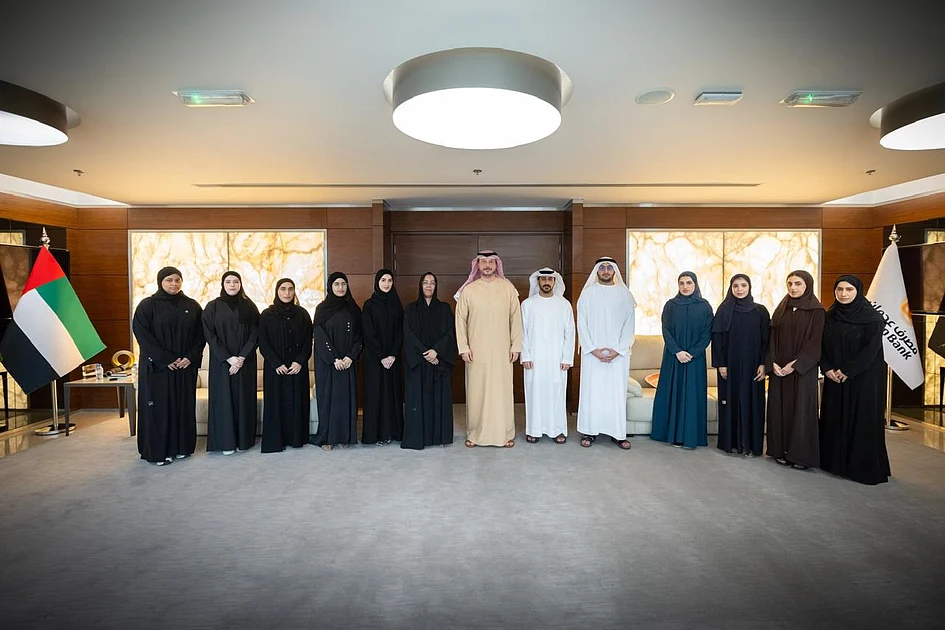
    Ajman Bank has inaugurated a new cohort of Emirati professionals through its comprehensive ETHRAA development framework, marking a significant advancement in its nationalization strategy. The initiative represents a strategic commitment to cultivating homegrown talent within the UAE’s financial services industry.

    The bank’s leadership emphasizes that human capital development serves as a fundamental pillar for institutional resilience and sustainable growth. Chief Executive Officer Mustafa Al Khalfawi stated: ‘Our deliberate focus on Emiratization enables us to build critical capabilities, leadership depth, and organizational continuity. This investment in national talent aligns perfectly with our governance framework and core values, ultimately enhancing our capacity to deliver long-term value to the communities we serve.’

    The newly recruited employees will undergo an intensive week-long orientation program developed in partnership with the Emirates Finance Institute. This curriculum transcends conventional onboarding by incorporating executive-led sessions, structured learning across essential banking disciplines, and immersion into the bank’s Islamic finance principles and operational methodologies.

    Chief Human Resources Officer Hend Ismail Al Ali elaborated on the program’s design: ‘ETHRAA establishes a sustainable ecosystem for empowering UAE Nationals through clear professional development pathways. This initiative supports both the evolving requirements of the banking sector and the nation’s broader objective of building a knowledge-based economy driven by national capabilities.’

    The program’s distinctive feature involves active participation from the Executive Committee members, who serve as presenters and mentors to reinforce institutional alignment and cultural values. This leadership engagement ensures early exposure to decision-making principles and performance expectations, fostering accountability and organizational belonging from the outset.

    Ajman Bank’s systematic approach to talent development recently garnered recognition when the institution secured first place in the Medium-sized Entities category at the prestigious Nafis Awards. The ETHRAA program continues to serve as a persistent catalyst within the bank’s talent ecosystem, integrating skills-based development, mentorship, and strategic exposure to prepare Emirati professionals for leadership positions across the organization.

  • Trade leaders stay bullish on 2026 despite rising barriers

    Trade leaders stay bullish on 2026 despite rising barriers

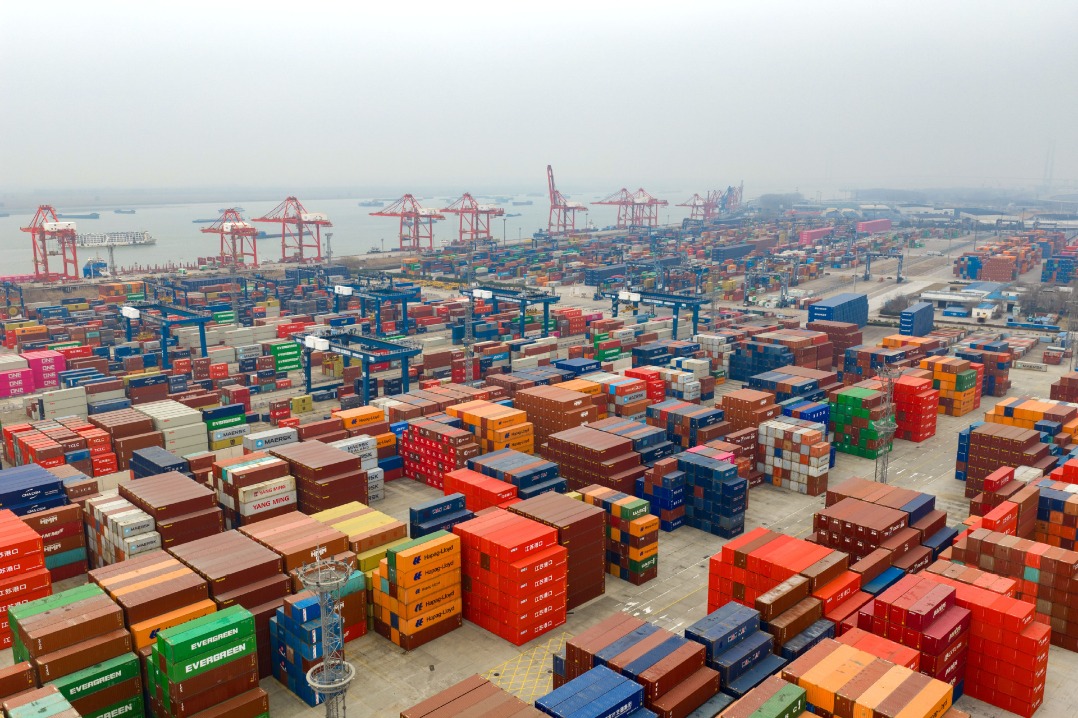
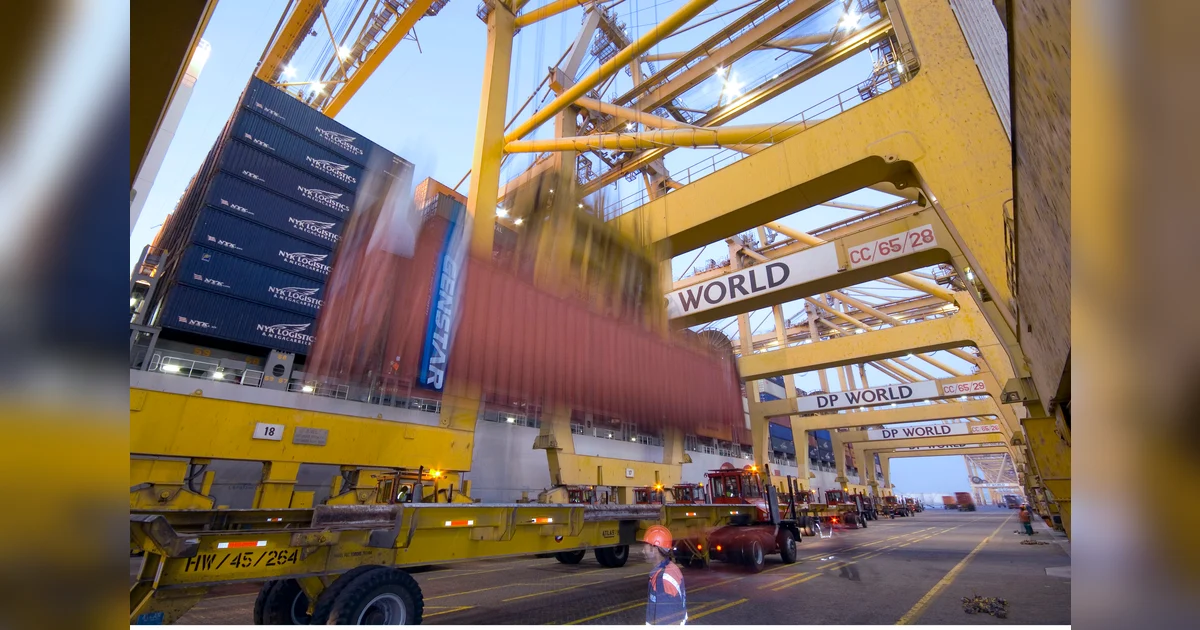
    Despite mounting geopolitical tensions and policy uncertainties, global trade leaders are demonstrating remarkable optimism for 2026, with 94% of senior supply chain executives anticipating growth rates that will match or surpass 2025 levels. This confident outlook emerges from DP World’s comprehensive Global Trade Observatory Annual Outlook, presented during the World Economic Forum in Davos, which surveyed 3,500 executives across 19 countries and eight industries.

    The research reveals a striking divergence between corporate sentiment and institutional projections. While the International Monetary Fund forecasts a decline in global merchandise trade growth from 3.6% in 2025 to 2.3% in 2026, more than half (54%) of business leaders actually expect accelerated expansion. This optimism persists despite widespread recognition of challenges: 90% anticipate rising or sustained trade barriers, and 53% predict high policy uncertainty throughout 2026.

    Sultan Ahmed bin Sulayem, Group Chairman and CEO of DP World, characterized the trading environment as structurally complex rather than cyclical. He emphasized the company’s commitment to maintaining trade flow through strategic infrastructure investments and partnership development that enhance operational efficiency and reliability for customers.

    Regional analysis identifies Europe as the most promising growth area (22% of respondents), followed closely by China (17%), with Asia Pacific (14%) and North America (13%) also generating significant confidence. This regional optimism stems from anticipated European demand stabilization, China’s export resurgence in electric vehicles and renewable energy equipment, and expanding intra-Asian supply chains.

    The United Arab Emirates is emerging as a primary beneficiary of global trade realignment, with WTO projections indicating Middle Eastern outperformance in merchandise trade growth. UAE government data shows non-oil foreign trade exceeding Dh4.3 trillion in 2024, representing 14% year-on-year growth, fueled by comprehensive economic partnership agreements with over 20 nations and deepening integration with Asian and African markets.

    Corporate adaptation strategies are accelerating dramatically, with 51% of firms planning supplier diversification, 44% increasing inventory buffers, and 36% adopting friend-shoring approaches that prioritize politically aligned markets. UNCTAD estimates indicate more than $1.3 trillion in manufacturing investment announced globally since 2022 under supply chain reconfiguration programs.

    Route flexibility has become central to trade strategy, with 26% of executives planning new shipping routes in 2026 and another 23% actively evaluating alternatives. This shift is driven by cost reduction objectives, enhanced inland connectivity, and faster customs processing. The expansion of Asia-Europe overland corridors, Middle Eastern logistics hubs, and Africa-linked maritime routes reflects a strategic reduction in dependency on traditional maritime chokepoints.

    Border friction remains a critical constraint, with 60% of executives citing customs clearance as a primary cause of delays. Investments in warehousing, logistics hubs, road networks, and border processing infrastructure are prioritized as essential efficiency drivers. World Bank research indicates that reducing border processing time by just one day can increase trade volumes by up to 1%, strengthening the economic rationale for digital customs platforms and integrated clearance systems.

  • Dollar tumbles as investors reignite ‘Sell America’ trade

    Dollar tumbles as investors reignite ‘Sell America’ trade

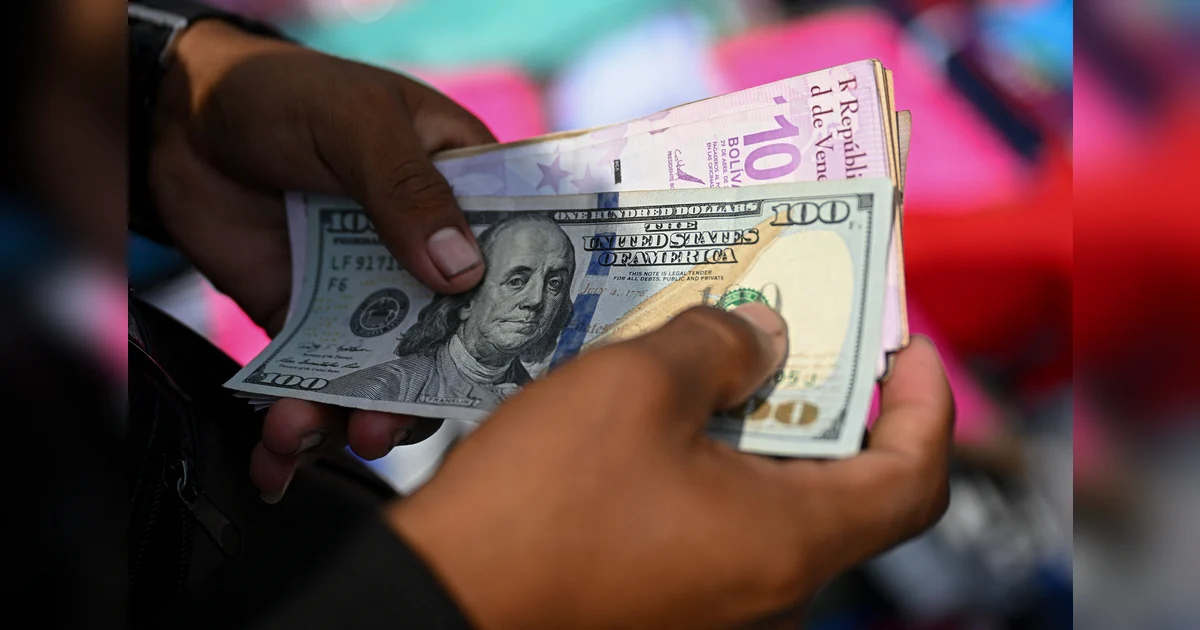
    A dramatic selloff in U.S. dollar assets swept through global markets on Tuesday, January 20, 2026, as geopolitical tensions over Greenland sparked the most significant single-day dollar decline in over a month. The currency’s sharp downturn reverberated across multiple asset classes, highlighting renewed investor anxiety about American economic policy direction.

    The U.S. Dollar Index plummeted by 0.7%, representing its most substantial daily drop since mid-December. This decline was primarily triggered by the White House’s renewed threats toward European allies regarding Greenland’s future status, which simultaneously pressured U.S. stocks and government bonds while boosting the euro and British pound.

    Market analysts identified this movement as a resurgence of the ‘Sell America’ trade pattern that initially emerged following last April’s ‘Liberation Day’ tariff announcements. Tony Sycamore, market analyst at IG in Sydney, noted that investors are rapidly divesting from dollar-denominated assets due to ‘fears of prolonged uncertainty, strained alliances, and potential acceleration of de-dollarization trends.’

    The euro surged 0.8% to $1.1742, marking its strongest daily performance since September, while the pound gained 0.24% to trade at $1.346. Sterling received additional support from UK labor market data showing unemployment holding at a five-year high but with stabilizing vacancy numbers.

    Currency markets exhibited broad-based movements beyond major pairs. The Japanese yen recovered from overnight losses as European trading commenced, with the dollar declining 0.3% to 157.68 yen amid political uncertainty following Prime Minister Sanae Takaichi’s call for snap elections on February 8. The Swiss franc, traditionally a safe-haven asset, strengthened for a third consecutive day, pushing the dollar down 1.1% to 0.7885 francs.

    In Asian markets, the offshore Chinese yuan held steady at 6.952 per dollar, its weakest level since May 2023, following the People’s Bank of China’s decision to maintain benchmark lending rates unchanged for an eighth consecutive month. The Australian dollar advanced 0.48% to $0.675, approaching its strongest position since October 2024, while the New Zealand dollar climbed 0.77% to $0.584, reaching its highest level this year.

    Cryptocurrencies mirrored the traditional market turbulence, with Bitcoin falling 2% to $91,090 and Ether declining 3.3% to $3,104.

    Despite the dramatic market movements, some analysts suggested the ‘Sell America’ effect might prove temporary. Barclays strategist Lefteris Farmakis observed that ‘tariff threats are a marginal negative for the dollar in the near-term given long positions and still-low hedge ratios from a historical perspective,’ while cautioning that major escalation with NATO implications would present more significant challenges for the euro.

  • IMF upgrades China’s growth forecast to 4.5%

    IMF upgrades China’s growth forecast to 4.5%

    The International Monetary Fund has significantly upgraded China’s economic growth forecast for 2026 to 4.5%, marking a 0.3 percentage point increase from its previous October projection. This optimistic revision, detailed in the IMF’s latest World Economic Outlook update, stems from two primary factors: the substantial easing of US-China trade tensions and China’s sustained domestic policy stimulus measures.

    The improved outlook reflects the tangible impact of reduced effective US tariff rates on Chinese exports, following the yearlong trade truce agreement established between the two economic superpowers in November. Additionally, China’s consistent implementation of economic stimulus packages over a two-year period has contributed significantly to this upward revision. The IMF simultaneously raised China’s 2025 growth projection by 0.2 percentage points to 5%.

    This positive assessment aligns with recent data from China’s National Bureau of Statistics, which reported the country’s GDP reached a historic $20.01 trillion in the previous year, achieving 5% growth. NBS Director Kang Yi emphasized China’s deployment of “more proactive and effective macro policies” to counter external environmental shifts and domestic challenges, noting that China remains “among the world’s most stable and reliable engines of global expansion” with an estimated 30% contribution to worldwide growth.

    The global economic landscape shows parallel resilience, with the IMF projecting worldwide growth at 3.3% for 2026, slightly above October’s forecast. This improvement is largely driven by stronger-than-expected performances in both the United States and China. The US received its own upgrade to 2.4% growth for 2026, attributed to fiscal policy support, lower interest rates, and diminishing effects of earlier trade barriers.

    IMF Chief Economist Pierre-Olivier Gourinchas and colleague Tobias Adrian noted in an accompanying analysis that the global economy has “largely shaken off the immediate impact of the tariff shock,” crediting this resilience to easing trade tensions, substantial fiscal support, favorable financial conditions, and “the agility of the private sector” in adapting to disrupted trade flows.

    Looking forward, the IMF anticipates China’s growth will moderate to 4% in 2027 as structural challenges emerge. The report also highlighted artificial intelligence investment as a key growth driver, particularly in the United States where IT investment has reached its highest share of economic output since 2001. This technology boom is creating cross-border benefits through increased demand for components and equipment, particularly boosting Asia’s technology exports.

    The IMF outlined both potential upside scenarios, where AI could boost global activity by approximately 0.3% if productivity gains materialize, and downside risks where valuation corrections coupled with tighter financial conditions could reduce global growth by about 0.4%.

  • Dubai gold prices up Dh50 per gram so far this year, hit a record high

    Dubai gold prices up Dh50 per gram so far this year, hit a record high

    Dubai’s gold market has entered unprecedented territory as prices surged dramatically in the opening weeks of 2026, with the precious metal reaching record-breaking valuations. On Tuesday evening, 24-karat gold achieved a remarkable Dh571.25 per gram, representing an extraordinary increase of over Dh50 per gram since the beginning of the year when it closed at approximately Dh520 per gram.

    The market witnessed a significant milestone as 21-karat gold surpassed the Dh500 per gram threshold, joining 24-karat and 22-karat variants that had previously breached this psychological barrier. Current market valuations show 22-karat trading at Dh529.0, 21-karat at Dh507.25, 18-karat at Dh434.75, and 14-karat at Dh339.25 per gram.

    This remarkable rally extends beyond regional markets, with global gold prices reaching $4,727.51 per ounce, marking a 1.05 percent increase at 7:30 PM UAE time. Financial experts attribute this surge to multiple converging factors creating perfect conditions for gold’s ascent.

    According to Vijay Valecha, Chief Investment Officer at Century Financial, the price escalation stems from three primary drivers: “The Greenland crisis has triggered substantial safe-haven demand following Trump’s threats of EU tariffs. Concurrently, criminal investigations into Federal Reserve Chairman Jerome Powell have undermined confidence in the US dollar, traditionally supporting commodity prices. Finally, persistent accumulation by central banks continues providing institutional support for precious metals.”

    Market analysts suggest further appreciation appears inevitable. Ahmad Assiri, Research Strategist at Pepperstone, indicated that $5,000 per ounce represents a logical medium-term target rather than optimistic speculation, representing approximately 7 percent growth from current levels. He emphasized that precious metals currently represent the clearest expression of defensive market sentiment until negotiation pathways become more transparent.

    The broader market perspective suggests this trend may continue through an extended phase of political volatility, with gold positioned as the primary beneficiary of escalating global uncertainties.

  • Trump greenlit tiny Kei cars but will Americans actually buy them?

    Trump greenlit tiny Kei cars but will Americans actually buy them?

    In a surprising policy shift, former President Donald Trump has championed the introduction of Japanese-style micro-vehicles to American roads, challenging the nation’s longstanding preference for large trucks and SUVs. The initiative aims to bring Kei cars (kei-jidōsha or “light vehicles”)—ultra-compact vehicles measuring approximately half the size of a standard Ford F-150—to U.S. markets as affordable, fuel-efficient transportation solutions.

    These miniature vehicles originated in post-World War II Japan as economical transportation for crowded urban areas and have since gained popularity across Asia. While Trump enthusiastically announced on social media in December that he had “approved TINY CARS to be built in America,” calling them “inexpensive, safe, fuel efficient and, quite simply, AMAZING!!!”, automotive experts and industry stakeholders remain skeptical about their viability in the American market.

    Significant barriers include safety concerns on highways dominated by large vehicles, manufacturing cost challenges, and cultural resistance from consumers accustomed to spacious automobiles. Current U.S. regulations only permit Kei cars that are at least 25 years old, making them rare collector’s items rather than practical daily transportation.

    Enthusiasts like Nevi Bergeron, who owns a 1997 Suzuki Cappuccino inspired by Japanese manga, appreciate these vehicles for their novelty but acknowledge their limitations. “It’s tiny and a bit silly… definitely a conversation-starter,” Bergeron noted, while adding that driving beside large trucks makes her “feel vulnerable” on highways.

    Industry analysts question whether manufacturers can produce these micro-cars at sufficiently low prices to compete with conventional sedans, especially amid ongoing post-pandemic supply chain issues and rising production costs. Auto industry investor Steve Greenfield warned that redesigning Kei cars to meet U.S. safety standards would “defeat their cost and efficiency advantages.”

    While some manufacturers like Stellantis plan to introduce small models like the Topolino (with a top speed under 30mph), major Japanese Kei car producers including Toyota, Honda, and Suzuki have not announced concrete plans for U.S. market entry. The experience of Smart cars, which withdrew from the U.S. market in 2019 due to poor sales, suggests limited mainstream demand for miniature vehicles.

    Despite these challenges, importers like Mo Sulai of Tokyo Motors DC report growing interest in Kei vehicles as novelty items and specialty vehicles for golf courses or farms, with prices ranging from $6,500 for vintage mini-vans to over $10,000 for specialized vehicles like micro fire engines. While Trump’s endorsement has raised awareness, Sulai acknowledges that micro-cars will likely remain “a niche market” in a nation accustomed to automotive supersizing.

  • Creative Fusion showcases 100+ architectural models with 20+ developers at Cityscape 2025

    Creative Fusion showcases 100+ architectural models with 20+ developers at Cityscape 2025

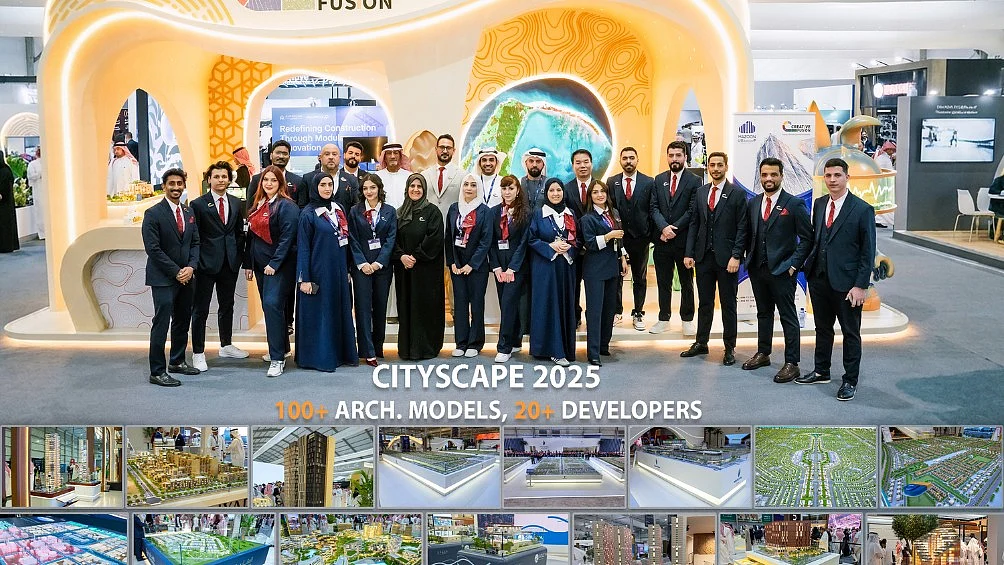
    Creative Fusion has emerged as a transformative force in the architectural model industry, achieving an extraordinary milestone at Cityscape 2025 in Riyadh. The rapidly expanding firm presented an impressive collection of over 100 architectural models created in partnership with more than 20 prominent regional developers, signaling its ascent as a key player in the Gulf Cooperation Council’s construction and real estate sector.

    The exhibition, held at one of the Middle East’s premier property events, served as a platform for Creative Fusion to demonstrate its exceptional capabilities across diverse project types. The showcased models encompassed futuristic residential complexes, mixed-use megaprojects, urban masterplans, and cutting-edge interactive digital representations, collectively illustrating the evolving architectural landscape of the GCC region.

    What makes Creative Fusion’s accomplishment particularly remarkable is the company’s rapid trajectory to industry leadership. Within just two years of operation, the firm has delivered more than 500 architectural models, establishing itself as a preferred partner for major developers in both the United Arab Emirates and Saudi Arabia. This accelerated growth defies industry norms where such recognition typically requires a decade or more to achieve.

    The company’s success stems from its unique combination of precision craftsmanship, technological innovation, and rapid production capabilities. Creative Fusion employs advanced fabrication techniques, state-of-the-art machinery, and premium materials to create models that accurately reflect architectural intent while incorporating interactive elements, smart controls, and augmented reality features.

    At Cityscape 2025, Creative Fusion’s exhibition space became a central attraction for developers, investors, and industry professionals. The models on display represented some of the region’s most ambitious development projects, highlighting the company’s capacity to handle complex, large-scale assignments with exceptional attention to detail and visual storytelling.

    The company’s strategic positioning across both UAE and Saudi markets has enabled it to simultaneously support the rapid growth occurring in these key GCC economies. With a dedicated team of designers, model makers, and engineers possessing expertise across architecture, engineering, and industrial design, Creative Fusion has set new standards for quality and innovation in the model-making industry.

    This landmark achievement at one of the region’s most significant property events underscores Creative Fusion’s transformation from startup to industry leader, demonstrating how technological excellence and consistent performance can rapidly reshape traditional industry hierarchies within the GCC’s dynamic construction sector.

  • UAE-India travel: SpiceJet to launch Ahmedabad–Sharjah flights in February

    UAE-India travel: SpiceJet to launch Ahmedabad–Sharjah flights in February

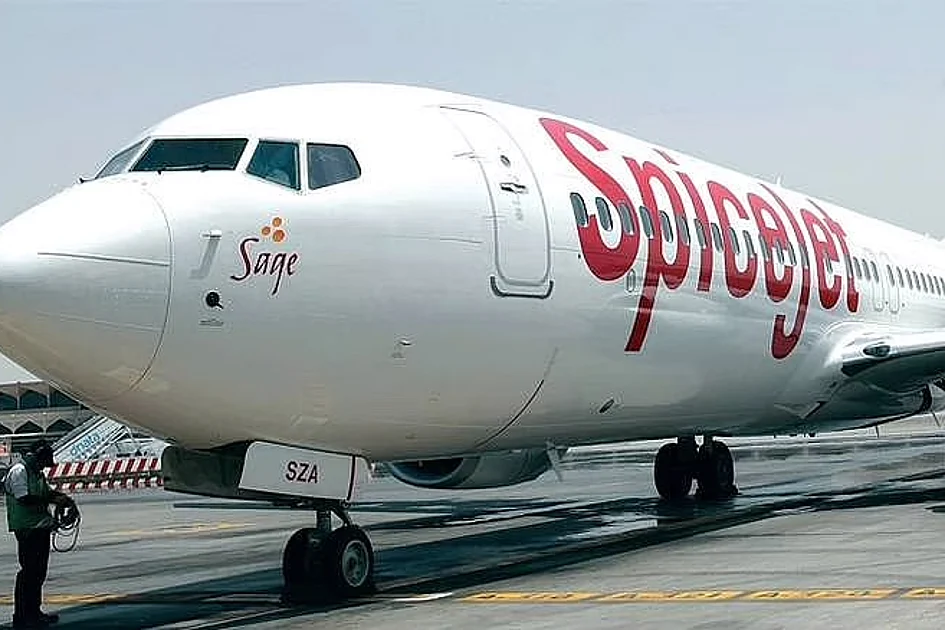
    Indian budget airline SpiceJet has unveiled plans to establish a new air corridor between India and the United Arab Emirates, announcing the launch of direct Ahmedabad-Sharjah services commencing February 5th. The carrier made the revelation through its official X platform account on Tuesday, marking a strategic expansion of its Middle Eastern network.

    The upcoming route will operate five days weekly, excluding Tuesdays and Wednesdays, with carefully timed schedules catering to both business and leisure travelers. Eastbound flights will depart Ahmedabad at 8:20 PM local time, arriving in Sharjah at 10:20 PM. The return journey will commence from Sharjah at 11:20 PM, reaching Ahmedabad at 3:30 AM the following morning.

    Debojo Maharshi, SpiceJet’s Chief Business Officer, emphasized the strategic significance of this expansion: “Sharjah’s emergence as a pivotal regional hub makes it an invaluable addition to our operational network. This initiative directly responds to escalating travel demand between India and the UAE, underscoring our commitment to enhancing connectivity in high-priority corridors.”

    The Ahmedabad-Sharjah connection addresses substantial market demand from multiple segments including commercial traders, tourism enthusiasts, and the extensive Indian diaspora residing in the UAE. Current promotional return fares start from approximately AED 900, though final pricing remains subject to availability and applicable surcharges.

    Aviation analysts note that Sharjah International Airport already maintains robust connections with India, handling approximately 25 daily flights to various Indian destinations primarily operated by Air Arabia, with additional services from Air India Express. Key existing routes include Mumbai, Delhi, Kochi, Thiruvananthapuram, and Surat.

    For the substantial Gujarati community in the UAE, this development represents a significant travel convenience. Rajesh Patel, a frequent business traveler, expressed enthusiasm: “The direct nighttime service substantially reduces travel complexity and duration, facilitating more efficient short-duration trips between the regions.”

    Reservations for the new route are currently available through SpiceJet’s digital platforms including its official website, mobile application, and authorized travel agencies worldwide.

  • MNA Ventures announces 2025 performance results: A year of global expansion and strategic financial shifts

    MNA Ventures announces 2025 performance results: A year of global expansion and strategic financial shifts

    MNA Ventures has unveiled its comprehensive 2025 performance outcomes, marking a transformative period characterized by strategic global expansion and significant financial evolution. The diversified holding group demonstrated remarkable progress in establishing institutional-grade platforms across the United Arab Emirates, European markets, and emerging economies.

    The year’s most notable achievements centered around the successful deployment of two flagship initiatives: QBS Banking Facility and OTC & Partners. QBS emerged as a pioneering banking subsidiary specifically engineered to bridge the gap between digital assets and conventional banking systems. The institution offers sophisticated multi-currency account management supporting both traditional (USD, AED) and digital currencies (USDT, USDC), alongside comprehensive crypto-to-fiat liquidity solutions and seamless cross-border transaction capabilities tailored for blockchain and fintech enterprises.

    Concurrently, OTC & Partners established itself as a premier legal advisory firm, delivering specialized corporate and regulatory services within the UAE’s dynamic business landscape. The firm provides commercially-focused legal expertise to a diverse clientele ranging from digital asset startups to established multinational corporations, with licensing strategies aligned with forward-thinking regulatory jurisdictions.

    A critical component of the group’s ecosystem, OTC Business Services (OTCBS), continued its leadership role in facilitating smooth transitions for blockchain entrepreneurs and high-net-worth individuals relocating to the UAE. The service extends beyond conventional company incorporation to encompass comprehensive support including local integration assistance, professional network access, and guidance on legal and tax implications of international migration.

    European operations witnessed substantial growth through strategic initiatives including the establishment of MT & MNA Ventures in Bremen, Germany, serving as an innovation incubator for startups such as United Law and OTC Tech. Regulate AG maintained robust performance as an institutional RegTechnology provider, delivering advanced KYC and KYB screening solutions to major European fintech entities.

    Executive Director Mostafa Nasser Al Rashed emphasized the group’s foundational philosophy: “Our strategy has consistently focused on addressing internal corporate challenges first, then scaling those solutions to market readiness. Through centralization of core operations at the OTC Hub and expansion of our banking footprint, we’re constructing a resilient ecosystem designed for adaptability and long-term stability.”

    The organization continues to prioritize institutional quality standards, strengthening internal legal, compliance, and corporate functions to support its growing network of high-net-worth individuals and blockchain-focused partners throughout its global operations.