
Meethaq Manpower, a prominent Emirati-owned staffing and outsourcing firm under the Al Ghandi Group, has unveiled its latest milestone with the launch of a new branch in Saudi Arabia. This strategic expansion underscores the company’s commitment to broadening its footprint beyond the UAE, targeting the GCC, the MENA region, and Europe. With over 12 years of growth under the leadership of CEO Maryam Buti AlMheiri, Meethaq has established itself as a trusted partner for businesses, government entities, and global clients, delivering innovative and ethical workforce solutions. The company’s entry into Saudi Arabia aligns with the Kingdom’s Vision 2030, a transformative economic agenda that presents significant opportunities in manpower and outsourcing. Maryam emphasized Meethaq’s mission to bridge the gap between skilled professionals and businesses, fostering a sustainable workforce ecosystem. As a 100% Emirati-owned enterprise, Meethaq embodies national pride and ambition, contributing to Emiratisation and showcasing Emirati leadership globally. This expansion not only marks a business achievement but also reinforces the UAE’s reputation as a hub of innovation and enterprise. From Dubai to Riyadh and beyond, Meethaq is paving the way for businesses and individuals to thrive, reflecting a story of vision, resilience, and determination with a lasting global impact.
分类: business
-
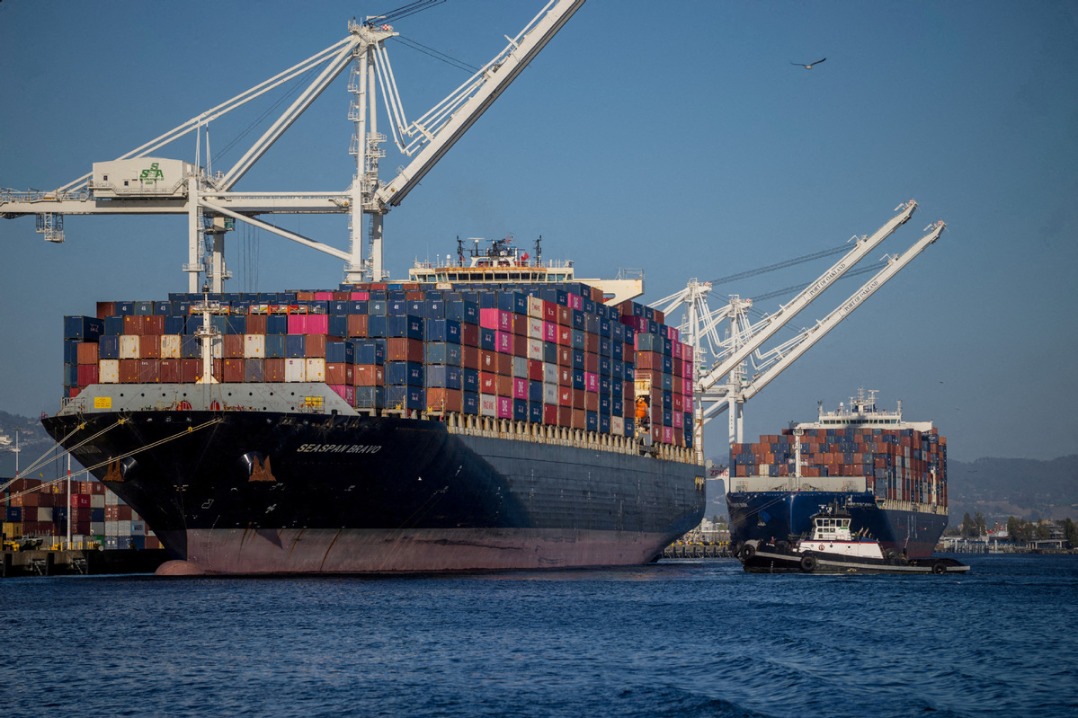
US tariffs begin to bite into trade
The ripple effects of US-imposed tariffs are now manifesting in the nation’s trade landscape, with September witnessing a significant downturn in container cargo imports. According to the latest Global Shipping Report by Descartes, a supply chain technology and data provider, US container imports plummeted by 8.4% year-on-year, with Chinese imports bearing the brunt at a staggering 22.9% decline. Despite this, US ports managed to process 2.31 million 20-foot equivalent units (TEUs) of container cargo, marking the third-highest September volume on record. The steepest declines were observed in sectors such as toys, sporting goods, footwear, apparel, aluminum, and electric machinery. This contrasts sharply with the surge in imports during July and August, as retailers stockpiled goods ahead of the holiday season. Jonathan Gold, Vice-President of Supply Chain and Customs Policy at the National Retail Federation, attributed the earlier peak to businesses’ efforts to mitigate tariff impacts by front-loading cargo. However, the uncertainty surrounding tariff policies continues to challenge businesses, with projections indicating that monthly import volumes at major US ports may drop below 2 million TEUs for the remainder of the year. Analysts, including Ben Hackett of Hackett Associates, predict further import slowdowns, citing ongoing volatility in US tariff policy as a significant source of economic uncertainty. China’s share of total US imports also declined, falling to 33% in September from 34.5% in August. The Port of Los Angeles, one of the busiest in the US, reported an 8% year-on-year decline in import volumes, processing around 883,000 container units in September. Gene Seroka, the port’s Executive Director, anticipates a further softening of cargo volumes in the coming months, exacerbated by turbulent trade negotiations with China. The US recently announced additional 100% tariffs on Chinese goods, effective November 1, following China’s imposition of export controls on rare earth minerals. China’s Ministry of Commerce has criticized these measures, emphasizing that its export controls are a legitimate effort to safeguard national and global security, not targeted at any specific country. The ongoing trade tensions have already impacted bilateral trade, with China’s exports to the US falling by 27% year-on-year in September, marking the sixth consecutive monthly decline. As both nations navigate this contentious trade landscape, the broader economic implications remain uncertain.
-
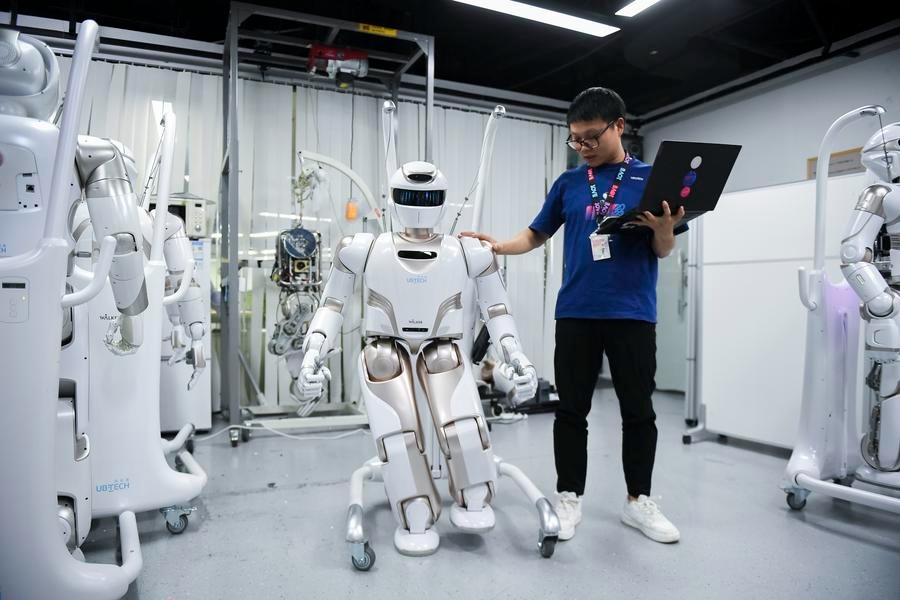
China’s economic security growth model highlighted
China’s economic strategy has pivoted towards a model that integrates high-quality development with robust security measures, emphasizing technological self-reliance and a strengthened domestic demand base. This approach, termed the ‘economic security growth model,’ was a focal point of discussion at a recent virtual panel hosted by the Peterson Institute for International Economics (PIIE) in Washington, DC. Experts highlighted how this model transcends traditional export- or investment-driven frameworks, instead focusing on strategic pillars such as dual circulation, self-reliant innovation, and mechanisms to counter foreign economic coercion. The dual circulation strategy prioritizes the domestic market while fostering synergy between internal and external markets. Trade data indicates that while direct trade with the US and other advanced economies has plateaued, China’s trade with the rest of the world continues to expand. The second pillar of this model involves a ‘whole-of-nation’ push towards self-reliant innovation, insulating the economy from geopolitical risks. This includes significant fiscal allocations for education, science, and technology, with a notable rise in approvals for science and engineering programs. China’s industrial robot adoption rates far exceed global averages, signaling a clear trajectory towards innovation-led growth. The third pillar focuses on establishing export controls and regulations to address external coercion. China’s advancements in AI exemplify the potential of this approach, with Chinese firms securing six of the top 20 AI models globally, despite US export controls on advanced AI chips. Experts noted that this competition benefits the global economy, as it ensures access to highly capable AI systems. The World Economic Forum and Stanford’s 2025 AI Index have acknowledged China’s narrowing performance gaps in AI, with innovations like the DeepSeek-R1 AI model and Huawei’s Ascend 910C chip gaining recognition. The diffusion of technology, rather than its initial development, is seen as the true determinant of success, with AI spreading faster than any prior technology.
-
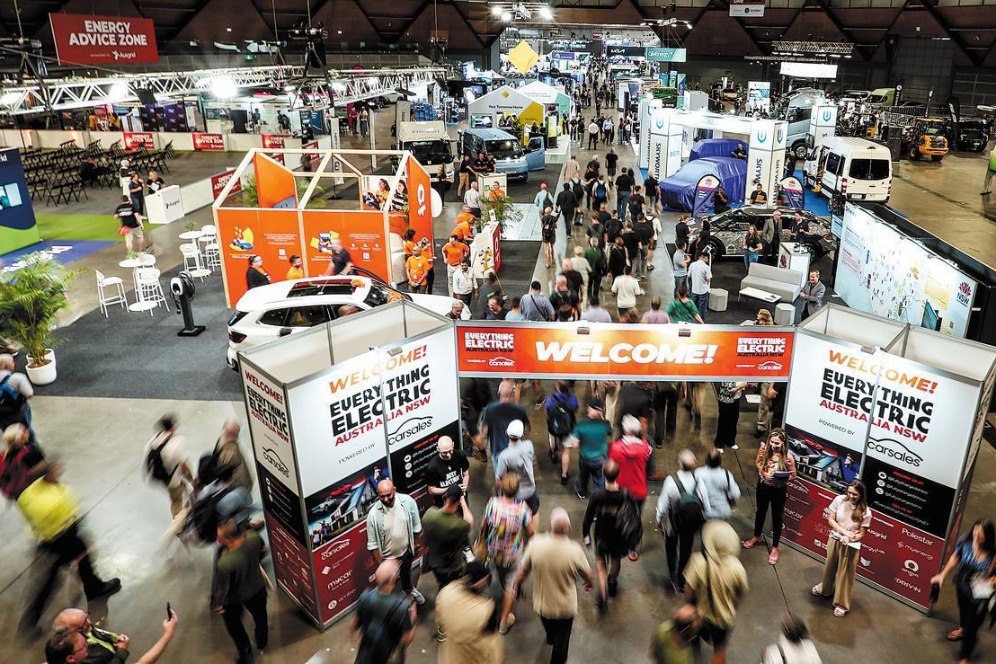
Chinese carmakers drive record Australian EV sales
Electric vehicle (EV) sales in Australia have soared to unprecedented levels, driven by advancements in charging infrastructure and the introduction of high-quality, affordable models from Chinese automakers. According to the latest industry report, Australians purchased 72,758 EVs in the first half of 2025, marking a 24.4% increase from the same period last year. EVs now represent 12.1% of all new car sales, with Chinese brands dominating the market. The State of EVs 2025 report, released by Australia’s Electric Vehicle Council, highlights that June 2025 set a new monthly record, with EVs accounting for nearly 16% of new vehicle sales. The national EV fleet has more than doubled in two years, reaching over 410,000 vehicles. This growth is attributed to significant investments in charging infrastructure and the implementation of new vehicle efficiency standards. The report notes that there are now 153 EV models available in Australia, up from 123 in June 2024, alongside a 20% increase in fast-charging locations and a 22% rise in high-power public charging plugs. Aman Gaur, head of legal, policy, and advocacy at the Electric Vehicle Council, emphasized that Chinese automakers are playing a pivotal role in this transformation by offering affordable, high-quality EVs with diverse features. Despite the sector’s rapid growth, EVs still constitute only 2% of all cars on Australian roads. The Australian Automotive Dealer Association echoed these sentiments, noting that Chinese brands account for 77.5% of all battery-electric vehicle sales in 2025. However, challenges such as brand competition and the need for expanded service infrastructure remain. Australian consumers, like accountant Shawn Williams, are increasingly opting for Chinese EVs due to their competitive pricing and utility, especially in light of rising household costs.
-

Airport inferno could cost Bangladesh $1bn in damages – experts
A catastrophic fire at Hazrat Shahjalal International Airport in Bangladesh has left the nation’s business community reeling, with potential losses estimated at over $1bn (£750m). The blaze, which erupted in the airport’s logistics section on Saturday, destroyed vast quantities of clothing, raw materials, and other essential goods, putting numerous businesses at risk. The fire, which took 27 hours to extinguish, forced the temporary suspension of flights and airport operations. Bangladesh, the world’s second-largest apparel exporter after China, relies heavily on its garment sector, which generates approximately $40bn annually and contributes over 10% to the country’s GDP. Local media reported that around 35 people were injured while battling the flames. The damaged cargo village, a critical logistics hub, stored fabrics, pharmaceuticals, chemicals, and other goods, including samples crucial for securing new buyers. Inamul Haq Khan, senior vice-president of the Bangladesh Garment Manufacturers and Exporters Association, highlighted that the destruction of these samples could jeopardize future business opportunities. The International Air Express Association of Bangladesh also confirmed the $1bn damage estimate in an email to the BBC. This incident marks Bangladesh’s third major fire within a week, following a deadly warehouse fire that claimed 16 lives and a factory blaze in Chittagong. Online conspiracy theories have linked these incidents, alleging they were pre-planned. Historically, such tragedies have been politicized, with parties accusing each other of exploiting disasters for political gain. The interim government has vowed to take immediate action if evidence of sabotage or arson is found. Frequent fires in Bangladesh are often attributed to poor infrastructure and lax safety enforcement, with hundreds of lives lost in recent years.
-

Chancellor says Brexit deal caused long-term damage to economy
In a significant address to the International Monetary Fund (IMF), UK Chancellor Rachel Reeves emphasized the enduring economic repercussions of the 2020 Brexit deal. Speaking at a high-profile international economic committee, Reeves highlighted the UK’s productivity challenges, which she attributed to the manner of the country’s departure from the European Union. She referenced the Office for Budget Responsibility’s (OBR) estimate of a 4% long-term economic decline compared to remaining in the EU, underscoring the UK’s commitment to forging stronger trade relationships to mitigate these effects. This marks a notable shift in the Labour Party’s stance, which had previously been cautious in discussing Brexit’s economic downsides. However, recent developments indicate a more assertive approach, with ministers increasingly vocal about the issue. The Chancellor’s remarks at the IMF, attended by global finance leaders from the G7, China, India, the EU, and European Central Banks, signal a significant change in domestic policy emphasis. This is expected to play a pivotal role in the government’s arguments leading up to the Budget announcement on November 26, where new measures, likely including tax increases, will be necessitated by a downgrade in long-term UK productivity. The OBR is anticipated to provide a detailed explanation for this downgrade in its upcoming forecast, with Brexit expected to be a key factor. Economists have pointed to reduced investment and underperformance in goods trade post-referendum, though some note resilience in services trade and new global trade opportunities. The issue remains sensitive as the government finalizes negotiating positions for a Brexit ‘reset,’ including reducing post-Brexit checks on food and farm trade and supporting UK manufacturers in accessing Europe’s growing defense budgets. European ministers have called for ambitious talks to alleviate the impact of global trade wars. Reeves, who announced £40bn in annual tax rises in her first Budget last November, now faces the prospect of further public finance adjustments. The Conservatives have proposed significant public spending cuts if they win the next election, creating a clear policy divide.
-
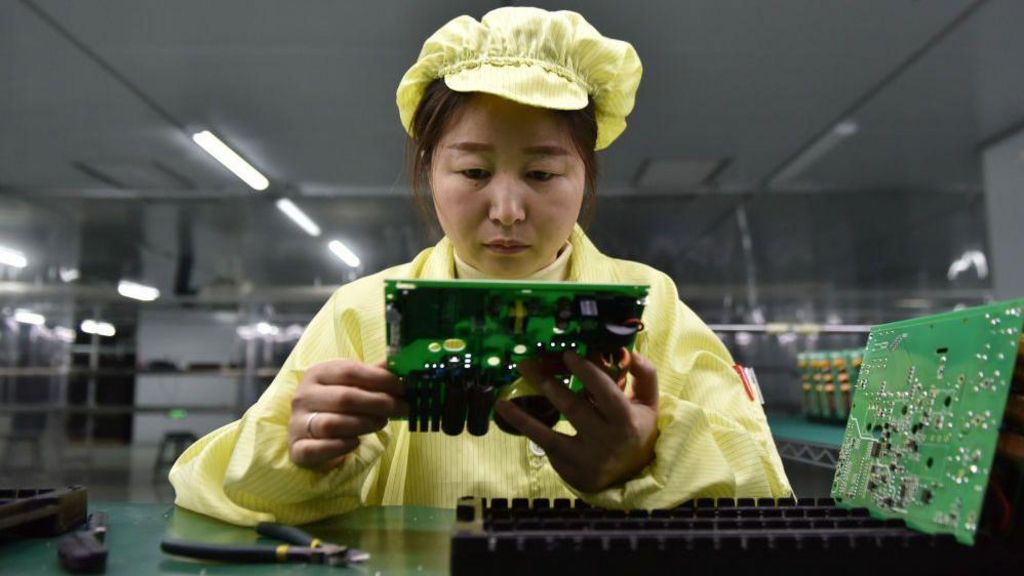
China’s economic growth slows as trade tensions with US flare up
China’s economic expansion decelerated to 4.8% in the third quarter of 2024, marking its slowest pace in a year, as trade tensions with the United States intensified. This figure, released by China’s National Bureau of Statistics on Monday, represents a decline from the 5.2% growth recorded in the previous quarter. The slowdown coincides with Beijing’s imposition of stringent controls on rare earth exports, critical minerals for global electronics production, which has further strained its fragile trade truce with Washington. The third-quarter GDP data will influence discussions among China’s top leaders this week as they deliberate on the nation’s economic strategy for 2026–2030. Despite the challenges, Chinese officials highlighted the economy’s ‘strong resilience and vitality,’ attributing growth momentum to the technology sector and business services. Beijing remains committed to its annual growth target of ‘around 5%,’ supported by government measures to avert a sharp downturn. In response to China’s export controls, US President Donald Trump threatened to impose an additional 100% tariffs on Chinese imports. Meanwhile, US Treasury Secretary Scott Bessent plans to meet Chinese officials in Malaysia to ease tensions and facilitate a potential meeting between Trump and Chinese President Xi Jinping. Prior to the recent escalation, Chinese businesses capitalized on the trade truce, boosting exports to the US by 8.4% in September. China’s industrial output also rose by 6.5% year-on-year, driven by strong performances in 3D printing, robotics, and electric vehicle manufacturing. The service sector, encompassing IT support, consultancies, and logistics, also expanded.
-
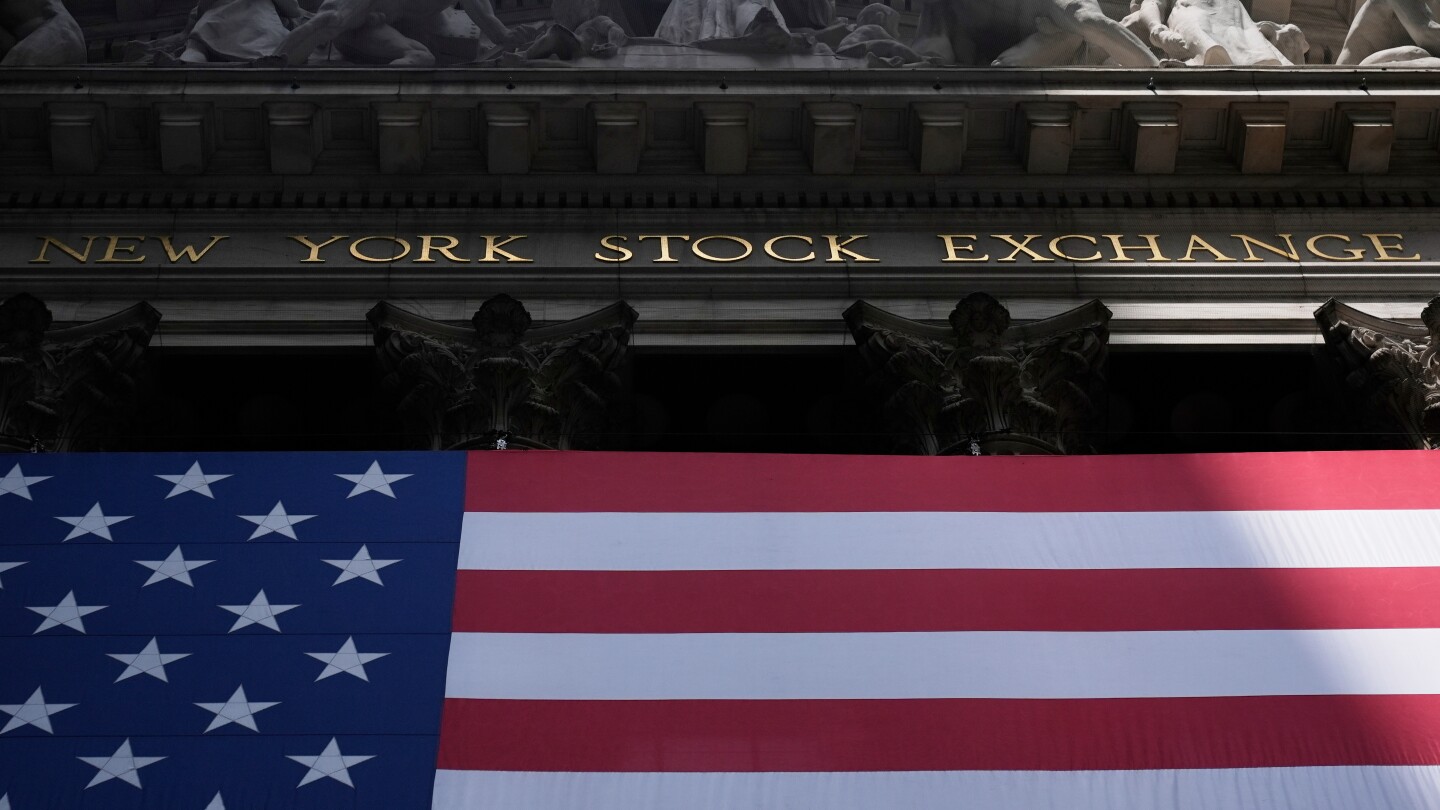
Asian shares advance, with Japan’s benchmark surging after ruling party forms new coalition
Asian markets experienced a significant surge on Monday, buoyed by a strong performance on Wall Street and easing concerns over bank lending and the U.S.-China trade war. Japan’s Nikkei 225 soared 2.9% to a record high of 48,970.40, following the Liberal Democratic Party’s formation of a new coalition, paving the way for Sanae Takaichi to potentially become Japan’s first female prime minister. Takaichi is anticipated to advocate for market-friendly policies, including low interest rates and increased government spending. Meanwhile, China reported a 4.8% annual economic growth rate for the last quarter, driven by robust exports to non-U.S. markets. However, this marks the slowest growth pace in a year, as the nation grapples with a prolonged property market slump and sluggish consumer and business spending. The Chinese Communist Party’s leadership convened in Beijing to outline policy goals for the next five years and address personnel changes, with outcomes expected to be formalized in March. Hong Kong’s Hang Seng rose 2.5%, while South Korea’s Kospi hit a record high, fueled by optimism over a potential trade deal with the U.S. and strong semiconductor demand. U.S. futures edged higher, and oil prices declined slightly. Bank stocks stabilized after several institutions reported stronger-than-expected quarterly profits, though concerns linger over loan quality following recent bankruptcies. JPMorgan CEO Jamie Dimon warned of potential risks in the lending sector, emphasizing the need for caution. In currency markets, the U.S. dollar strengthened against the Japanese yen, while the euro also gained ground.
-
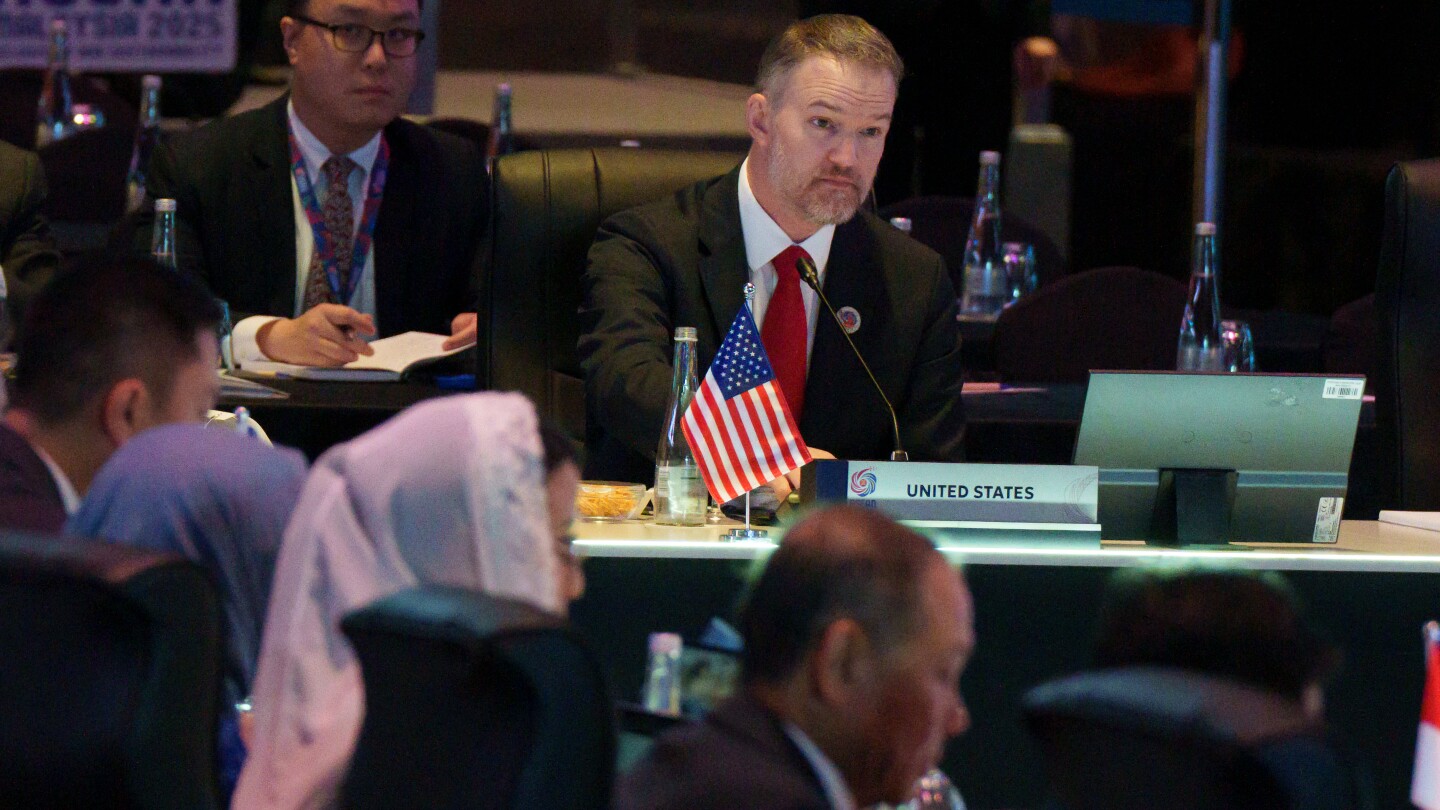
To hit back at the United States in their trade war, China borrows from the US playbook
In a strategic move mirroring U.S. trade practices, China has expanded its export control regulations, requiring foreign companies to seek Chinese government approval for exporting products containing even minimal amounts of China-originated rare earth materials or those produced using Chinese technology. This policy, announced this month, marks a significant escalation in the ongoing trade tensions between the world’s two largest economies. According to U.S. Trade Representative Jamieson Greer, this rule effectively grants China substantial control over the global technology supply chain, as even a South Korean smartphone manufacturer must now obtain Beijing’s permission to sell devices containing Chinese rare earth materials to markets like Australia. This development underscores China’s adoption of the U.S. foreign direct product rule, a decades-old policy that extends U.S. jurisdiction to foreign-made products, particularly those involving American technology. Neil Thomas, a fellow at the Asia Society Policy Institute’s Center for China Analysis, noted that Beijing is leveraging Washington’s playbook, having witnessed the effectiveness of U.S. export controls in constraining China’s economic and political options. The roots of this strategy trace back to 2018, when former U.S. President Donald Trump initiated a trade war with China, prompting Beijing to develop a robust toolkit of laws and policies to counter foreign sanctions and interventions. Measures such as China’s Unreliable Entity List and the anti-foreign sanction law, both modeled after U.S. practices, have been deployed to retaliate against U.S. trade actions. However, experts like Jeremy Daum of Yale Law School caution that such reciprocal measures risk escalating tensions and creating a race to the bottom, where neither side emerges victorious.
-

Protests and food poisonings test Indonesian president’s first year in office
When Prabowo Subianto campaigned for Indonesia’s presidency, he promised transformative economic growth and significant social reforms. However, his first year in office has been marked by unmet expectations and growing public discontent. Despite steady annual growth of around 5%, Indonesia faces mounting pressures from slowing global demand, rising living costs, and regional competition from countries like Vietnam and Malaysia. These challenges have been exacerbated by widespread protests against corruption, inequality, and budget cuts in healthcare and education. Prabowo’s flagship free school meals program, aimed at addressing child malnutrition and improving education, has come under scrutiny following reports of mass food poisoning affecting over 9,000 children. Critics argue that the program, which costs $28 billion annually, is straining public resources and failing to deliver its intended benefits. Analysts warn that these issues highlight broader problems in public spending and oversight, pointing to deeper strains in Indonesia’s $1.4 trillion economy. Prabowo’s ambitious growth target of 8% by 2029 is seen as increasingly unrealistic, with economists citing falling car sales, shrinking foreign investment, and layoffs as signs of economic weakening. The abrupt dismissal of respected former finance minister Sri Mulyani Indrawati has further rattled investors, raising concerns about the government’s ability to manage public finances effectively. Despite these challenges, Indonesia continues to seek new trade partnerships, recently signing a long-negotiated deal with the European Union. However, the country’s ability to attract foreign investment and create jobs remains a critical issue, particularly in industries like manufacturing that have driven growth in neighboring countries. As Prabowo’s administration grapples with these economic hurdles, the future of Indonesia’s economy hangs in the balance.