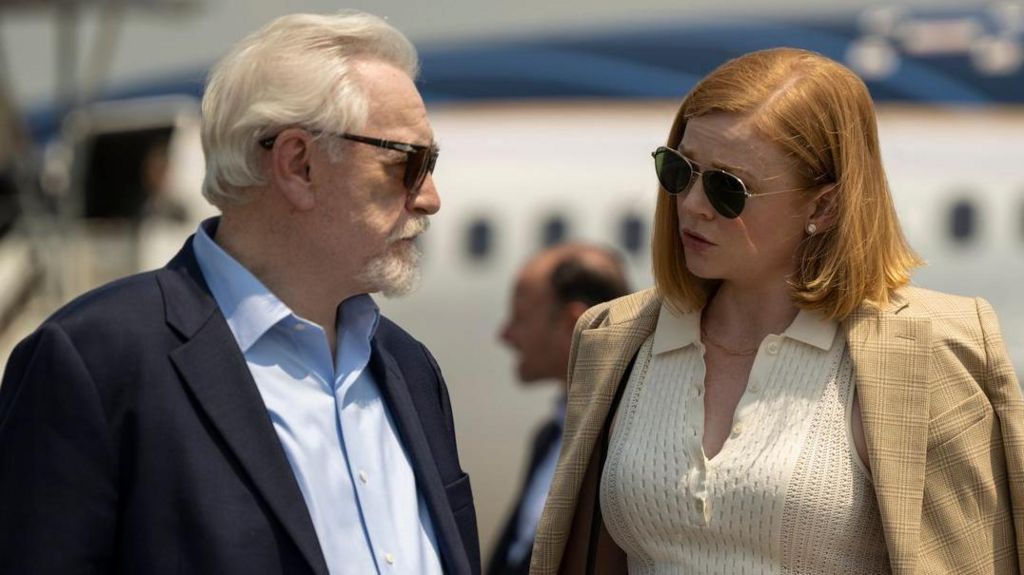
Warner Bros. Discovery, the media giant behind HBO, CNN, and other prominent networks, has announced it is evaluating a potential sale following unsolicited acquisition offers from multiple parties. CEO David Zaslav revealed that the company’s board is assessing its options to determine the best strategy to maximize the value of its assets. The announcement triggered an 8% surge in the company’s stock, fueling speculation of a bidding war. Among the interested parties is Paramount Skydance, led by David Ellison, son of Oracle founder Larry Ellison. The media industry has been undergoing rapid consolidation as it grapples with the rise of streaming services and the decline of traditional pay TV and advertising revenues. Warner Bros. Discovery itself emerged from the merger of Warner Media and Discovery just three years ago, but the company has since struggled with significant debt and financial losses. Earlier this year, Zaslav proposed splitting the company’s streaming operations from its traditional cable networks. Analysts note that the company’s extensive content library, featuring franchises like Harry Potter, Lord of the Rings, and Looney Tunes, makes it an attractive target for firms seeking to expand their streaming portfolios. However, the appeal of its cable networks remains uncertain. Board Chairman Samuel DiPiazza reiterated the company’s commitment to its strategic plan but acknowledged that all options, including a full or partial sale, are under review. The timeline for this review remains unspecified. Paramount Skydance’s interest, coming shortly after its own merger, has drawn particular attention, reflecting David Ellison’s ambitious vision. A potential sale could face regulatory scrutiny over competition and antitrust concerns, though analysts believe the Ellison family’s favorable relationship with former President Donald Trump could ease approval processes. Brent Penter of Raymond James noted that the Ellisons’ goodwill with the Trump administration, which previously approved their Paramount deal, could prove advantageous in this scenario.
分类: business
-

Chery Group and OMODA&JAECOO champion nature-based solutions at IUCN World Conservation Congress 2025
Chery Group, alongside its premium brand OMODA&JAECOO, has reaffirmed its dedication to environmental sustainability and global ecological responsibility at the IUCN World Conservation Congress 2025 in Abu Dhabi. As an official sponsor, Chery emphasized its commitment to sustainable growth through Nature-Based Solutions (NbS), positioning itself as a leader in aligning industrial progress with ecological preservation. Will Li, executive vice president of a Chery subsidiary in the UAE, delivered a keynote speech titled “Accelerating NbS Globally: The IUCN–Chery Partnership for People and Planet.” He highlighted Chery’s philosophy of creating local value and lasting community impact through responsible global engagement. Li noted that sustainable growth is central to Chery’s global strategy, as evidenced by its rise of 152 positions on the 2025 Fortune Global 500 list, now ranking 233rd. He stated, ‘Our success as a business is tied directly to how well we protect our shared home. True innovation combines technology, responsibility, and care for the planet.’ Chery’s partnership with the International Union for Conservation of Nature (IUCN) includes the ‘Cherish the Nature’ Global Partnership Program, launched in 2024 to conserve, restore, and sustainably manage over 10 million hectares of critical ecosystems worldwide. One notable project is the seagrass restoration program in Andalusia, Spain, aimed at protecting Posidonia seagrass meadows threatened by rising sea temperatures, tourism, and traditional mooring. OMODA&JAECOO has actively participated in these initiatives, working alongside IUCN experts to apply NbS principles. Li emphasized that the future of mobility must evolve in harmony with nature, stating, ‘We are not only designing intelligent vehicles — we are designing a sustainable future.’ OMODA&JAECOO’s innovation ecosystem includes the AiMOGA intelligent robot, reflecting its commitment to human-centric AI development. The brand is also organizing the International User Summit 2025 in China to shape the future of intelligent mobility through collaboration and innovation. Recently, OMODA&JAECOO launched the JAECOO J7 SHS (Super Hybrid System) in the UAE, showcasing exceptional fuel-electric synergy and advanced smart features designed for sustainability and performance. The OMODA C7, planned for launch in January 2026, will bring further advancements in intelligent green mobility. Chery’s sustainability framework focuses on a triple-bottom-line approach, ensuring ecological impact, economic empowerment, and social benefit. Li concluded, ‘Every conservation project we support must protect nature, empower people, and build resilient communities. This is how we transform conservation from aid into shared value creation.’ Through its partnership with IUCN, Chery is supporting five major marine and water resource protection projects globally, positioning itself as a strategic co-creator of long-term ecological solutions.
-
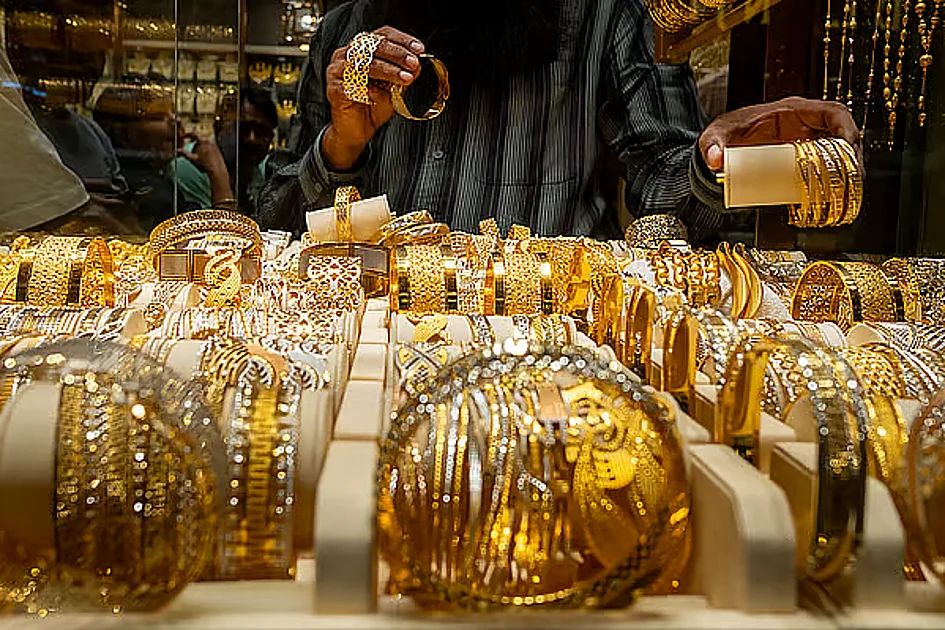
Dubai: Gold prices rally continues as 18K moves closer to Dh400
Gold prices in Dubai witnessed a significant rally on Tuesday, with 18K gold inching closer to Dh400 per gram, driven by sustained market momentum. According to data from the Dubai Jewellery Group, 24K gold opened at Dh523.25 per gram, up from Dh521.75 per gram at Monday’s market close. Similarly, 22K, 21K, and 18K gold opened higher at Dh484.5, Dh464.75, and Dh398.25 per gram, respectively. Spot gold, however, experienced a slight dip, trading at $4,332.52 per ounce, down 0.23% at 9:15 AM UAE time. Dilin Wu, a research strategist at Pepperstone, noted that gold bulls faced significant resistance over the past week due to heightened market volatility. She attributed recent price swings to rapid developments in US-China trade tensions and global geopolitical events. Wu emphasized that the market’s anticipation of US Federal Reserve interest rate cuts and substantial ETF holdings continue to provide medium- to long-term support for gold. Traders are now focusing on upcoming US CPI data and corporate earnings releases, which could exert short-term pressure on gold prices. Intraday prices reached a record high of $4,379 but faced heavy selling during European and US trading hours, briefly dropping below $4,200. Despite this, gold posted a 5.7% weekly gain, marking its tenth consecutive weekly advance. Wu highlighted that a close above $4,300 this week could confirm a new upward momentum phase.
-
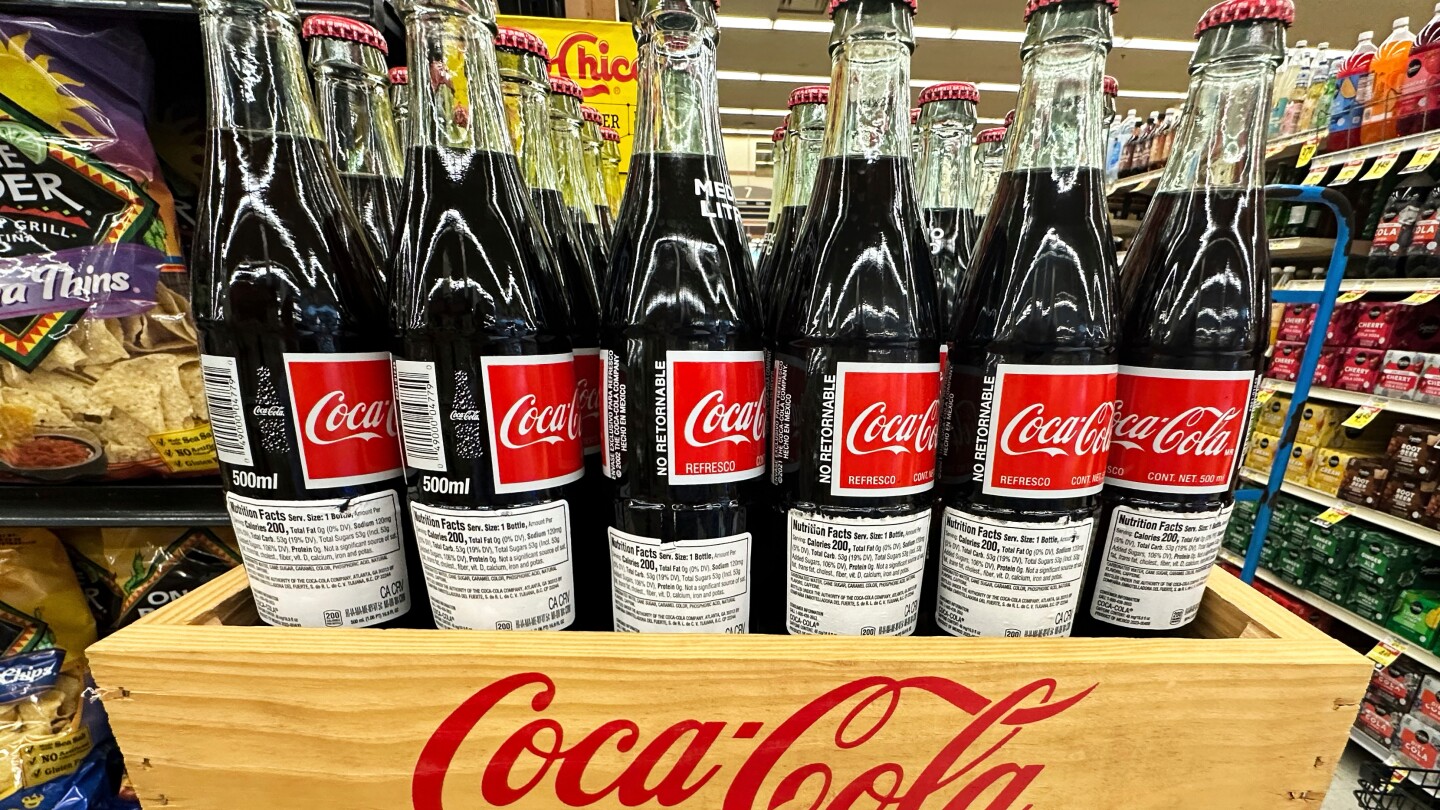
Coca-Cola sees third-quarter revenue rise on higher prices
The Coca-Cola Company announced a robust third-quarter performance on Tuesday, attributing its revenue growth primarily to increased pricing strategies. The Atlanta-based beverage leader reported a 6% rise in organic revenue, reaching $12.41 billion for the July-September period, aligning with Wall Street expectations as per FactSet analyst polls. Global unit case volumes saw a modest 1% increase, with notable regional variations: flat growth in North America and Latin America, a 1% decline in Asia, and a 4% surge in the Europe, Middle East, and Africa (EMEA) region. The company implemented a 6% price hike during the quarter, contributing significantly to its financial uptick. Coca-Cola Zero Sugar emerged as a star performer, with global unit case volumes soaring by 14%, while Diet Coke and Coca-Cola Light experienced a 2% growth. The water, sports drinks, coffee, and tea category saw a 3% rise, contrasting with a 3% drop in dairy and juice volumes. Net income surged by 30% to $3.69 billion, with adjusted earnings per share at 82 cents, surpassing the 78 cents forecasted by analysts. In a strategic move, Coca-Cola revealed plans to refranchise its African bottling operations. The company, along with Gutsche Family Investments, agreed to sell a 75% controlling stake in Coca-Cola Beverages Africa (CCBA) to Coca-Cola HBC AG, a major Swiss-based bottler, in a deal valued at $2.55 billion. Coca-Cola will retain a 25% stake in CCBA, the continent’s largest bottler operating in 14 countries and accounting for 40% of Coke’s product volume in Africa. The transaction is expected to conclude by the end of 2026. Following the announcement, Coca-Cola shares climbed 2.6% in premarket trading.
-
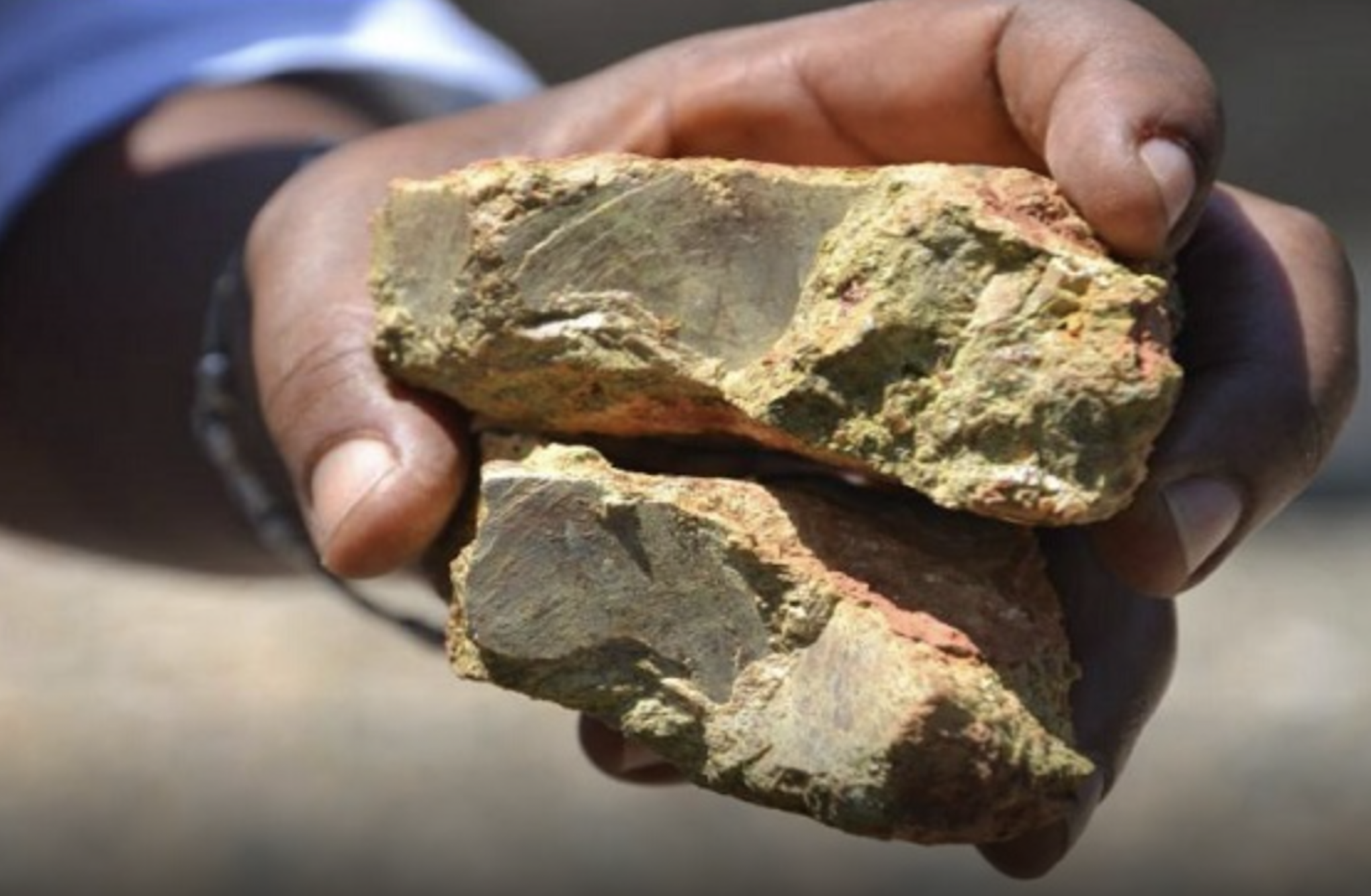
The rare earths race is already over and China won
China has emerged as the undisputed leader in the global rare earths race, a position that is reshaping international trade, technology, and investment landscapes. While the United States intensifies efforts to reduce its reliance on Beijing—evidenced by a recent critical minerals agreement with Australia—the reality is that China’s control over these essential materials is only strengthening. Rare earths, vital for smartphones, electric vehicles, wind turbines, and defense systems, are the backbone of the digital and green economies. Without them, modern industries would grind to a halt. China’s dominance spans the entire supply chain, from mining to refining and manufacturing, controlling 70% of global mining output and nearly 90% of processing capacity. Despite Washington’s aggressive measures, including billions in investments and eased environmental regulations, China’s structural lead remains insurmountable. Beijing’s recent export controls on rare earths further tighten its grip, requiring government approval for shipments of magnets or alloys containing even trace amounts of these materials. This strategic control allows China to influence global markets and shape geopolitical strategies. The U.S. faces significant challenges in catching up, as its efforts remain fragmented and politically cyclical. Meanwhile, China’s vertical integration between resource extraction and manufacturing provides unmatched cost and speed advantages. The global reorganization of mineral trade is driving a new industrial cycle, with capital flowing into exploration, refining, and alternative materials research. However, China’s expansion into Africa and Latin America ensures its long-term dominance. As the world enters this new era of resource competition, China’s foresight and strategic investments have positioned it firmly in the lead, leaving other nations scrambling to reduce their dependence.
-
Economic shockwaves
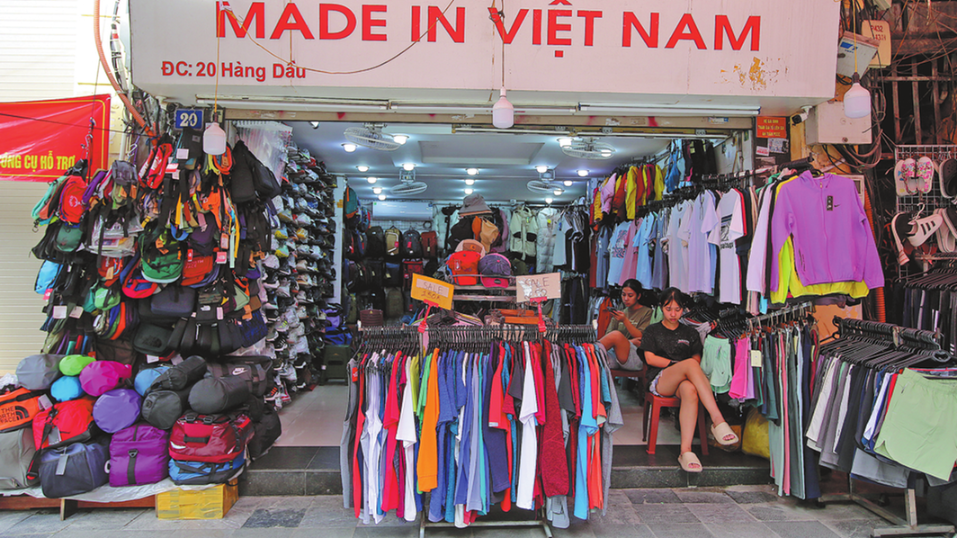
A recent report by the United Nations Development Programme (UNDP) highlights the severe economic repercussions of recent US tariff policies on Southeast Asian nations, particularly Cambodia, Vietnam, and Thailand. These export-driven economies are projected to face significant declines in their US-bound exports, with Cambodia, Vietnam, and Thailand expected to see contractions of 23.9 percent, 19.2 percent, and 12.7 percent, respectively.
-
What to expect for Japan’s economy under Sanae Takaichi, its 1st female prime minister
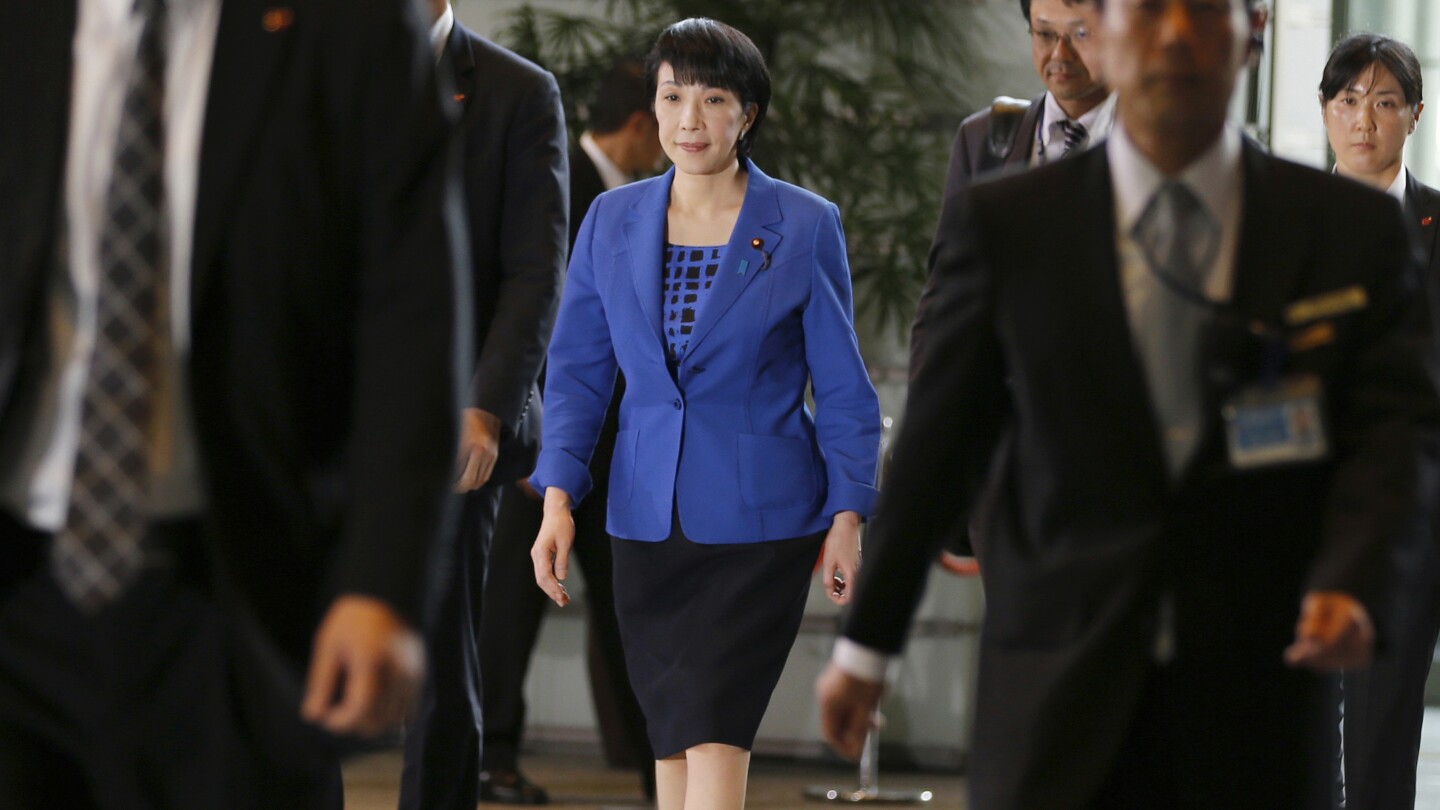
Tokyo’s stock market has surged following the election of Sanae Takaichi as Japan’s first female prime minister, with investors optimistic about her commitment to market-friendly policies. The Nikkei 225 index rose 0.7% to 49,517.57, nearing the symbolic 50,000 mark. Takaichi, a conservative lawmaker and heavy metal enthusiast, secured 237 votes in a parliamentary ballot, surpassing the 233 required for victory. Her policy framework, dubbed ‘Sanaenomics,’ is expected to emphasize increased defense spending and sustained low interest rates, despite concerns over inflation and a weak yen. Takaichi has vowed to address rising consumer prices, which have exceeded the Bank of Japan’s 2% target, reaching 2.5% to 3%. However, her opposition to raising interest rates could complicate efforts to curb inflation and strengthen the yen. Wage stagnation remains a pressing issue, with current levels only recently surpassing 1997 averages. Takaichi also faces the challenge of Japan’s shrinking and aging population, which has led to labor shortages and hindered economic growth. She has proposed tax incentives for companies offering childcare and hinted at family-friendly tax breaks. Takaichi’s policies are expected to mirror those of her late mentor, former Prime Minister Shinzo Abe, including boosting government spending and strengthening Japan’s defense capabilities. Her political rise has already spurred investment in military-related firms. While Takaichi seeks to maintain cordial relations with the U.S., her tenure will likely be fraught with challenges, including resistance to reforms and the need for cross-party support in a fragmented parliament.
-
Asian markets extend gains, with Chinese shares up more than 1%, after Wall Street rally
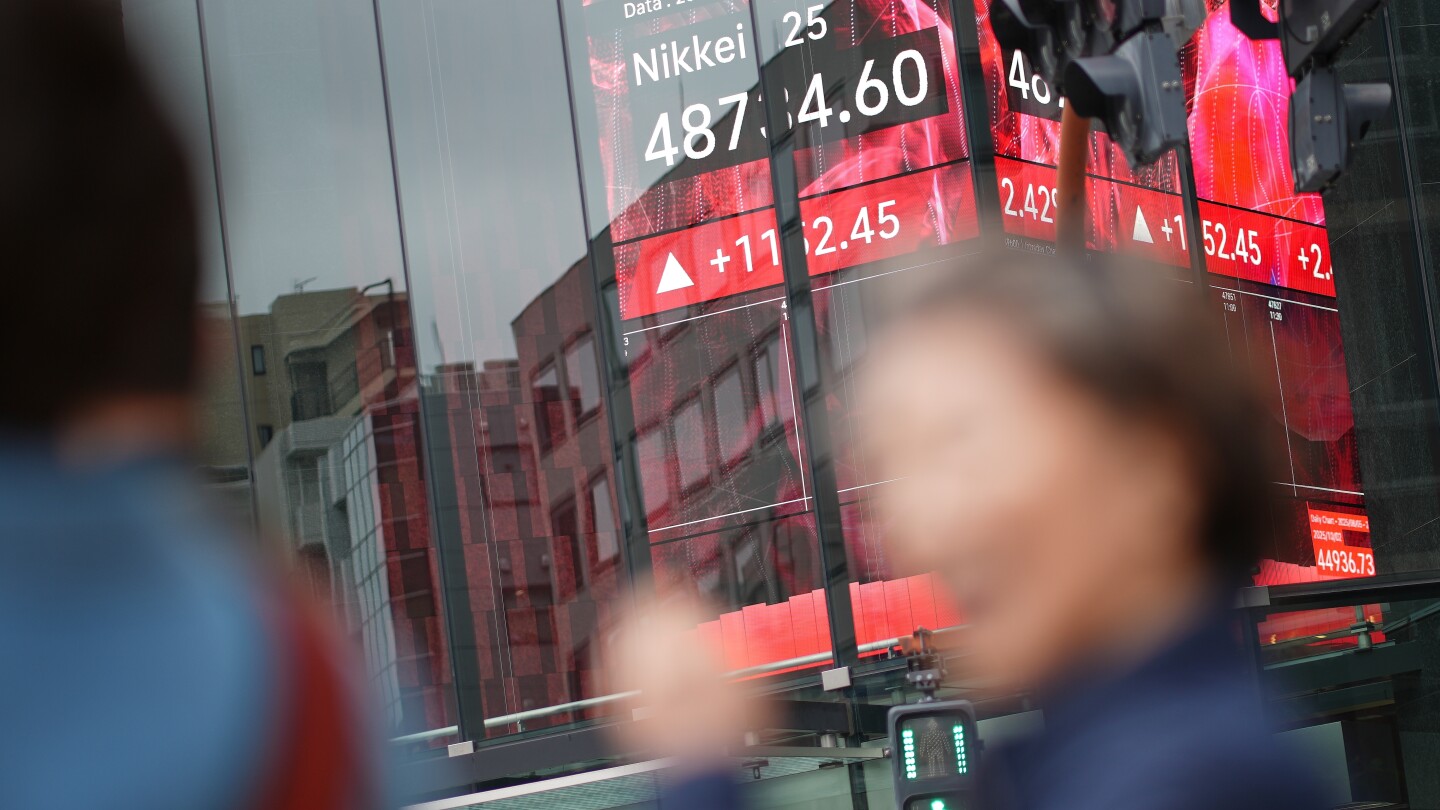
Asian markets experienced a notable uptick on Tuesday, with Japan’s Nikkei 225 index nearing the symbolic 50,000 mark for the first time. This surge coincided with the historic appointment of Sanae Takaichi as Japan’s first female prime minister, following a parliamentary vote. Takaichi, known for her conservative stance, is anticipated to advocate for market-friendly policies, including sustained low interest rates and increased government expenditure. The U.S. dollar strengthened against the Japanese yen, rising to 151.31 yen from 150.75 yen, as Takaichi’s potential influence on the Bank of Japan’s interest rate decisions could maintain the yen’s relative weakness, complicating inflation control efforts. Meanwhile, Hong Kong’s Hang Seng and Shanghai Composite indices rose by 1.2% and 1.3%, respectively, reflecting broader regional optimism. In South Korea, the Kospi edged up 0.2%, while Australia’s S&P/ASX 200 climbed 0.7%. Taiwan’s Taiex also saw a modest 0.2% increase. The positive sentiment was further bolstered by expectations of a meeting between U.S. President Donald Trump and Chinese President Xi Jinping at an upcoming regional summit, which could ease trade tensions between the two economic giants. In the U.S., stocks rallied on Monday, with the S&P 500 nearing its all-time high, driven by strong performances from companies like Apple and Cleveland-Cliffs. Apple’s stock surged 3.9% amid optimism over its latest iPhone design, while Cleveland-Cliffs jumped 21.5% following CEO Lourenco Goncalves’ announcement of potential rare earth discoveries and a major global steel deal. Despite a widespread outage of Amazon’s cloud computing service, its stock rose 1.6%. Corporate earnings reports this week, including those from Coca-Cola, Tesla, and Procter & Gamble, are under scrutiny as investors assess whether profitability can sustain the S&P 500’s 35% rally since April. The Federal Reserve faces challenges in balancing inflation concerns with a slowing job market, with potential rate cuts on the horizon. U.S. benchmark crude oil prices rose slightly, with Brent crude also gaining 4 cents, while the euro dipped slightly against the dollar.
-
Dubai strengthens global financial standing as DIFC surpasses 8,000 registered companies
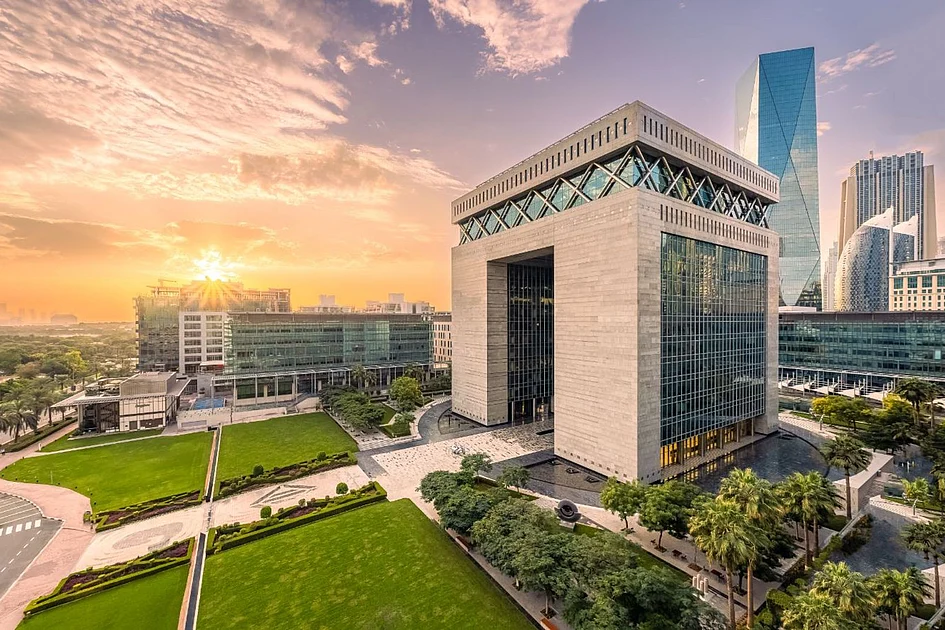
Dubai has further cemented its position as the premier financial hub for the Middle East, Africa, and South Asia (MEASA) region, with the Dubai International Financial Centre (DIFC) surpassing 8,000 active registered companies. This milestone includes over 1,000 entities regulated by the Dubai Financial Services Authority (DFSA), showcasing the Centre’s robust growth and influence. The DIFC’s banking assets have also surged to approximately $240 billion, marking a 200% increase since 2015. This achievement aligns with Dubai’s rise to 11th place in the Global Financial Centre Index, reinforcing its reputation as a top global FinTech hub and the region’s most credible financial centre. Essa Kazim, Governor of DIFC, emphasized the Centre’s pivotal role in advancing Dubai’s Economic Agenda (D33), stating, ‘DIFC’s success sets the benchmark for emerging financial centres, offering a business environment rooted in innovation, integrity, and global standards.’ Since its inception in 2004, the DIFC has attracted global financial institutions, innovators, and professional services firms, supported by its unique ecosystem of legal and regulatory certainty. Arif Amiri, CEO of DIFC Authority, highlighted the Centre’s diversity and scale, noting, ‘Exceeding 8,000 registered companies underscores DIFC’s unmatched position in the region, enabling us to shape the global financial services landscape and drive Dubai’s emergence as a technology innovation hub.’ The DFSA’s evolving regulatory framework, grounded in common law and benchmarked against global standards, continues to draw financial institutions seeking growth and connectivity. Mark Steward, Chief Executive of DFSA, remarked, ‘With over 1,000 regulated entities, DIFC is the region’s premier financial centre, connecting firms with global capital and growth opportunities.’ The DIFC Courts also reported significant activity, with over AED 17.5 billion in total claim values filed this year, reflecting growing trust in its legal framework. As Dubai expands its global influence, the DIFC remains central to its vision for the future of finance, combining scale, innovation, and regulatory excellence to support sustainable economic growth across the region and beyond.
-
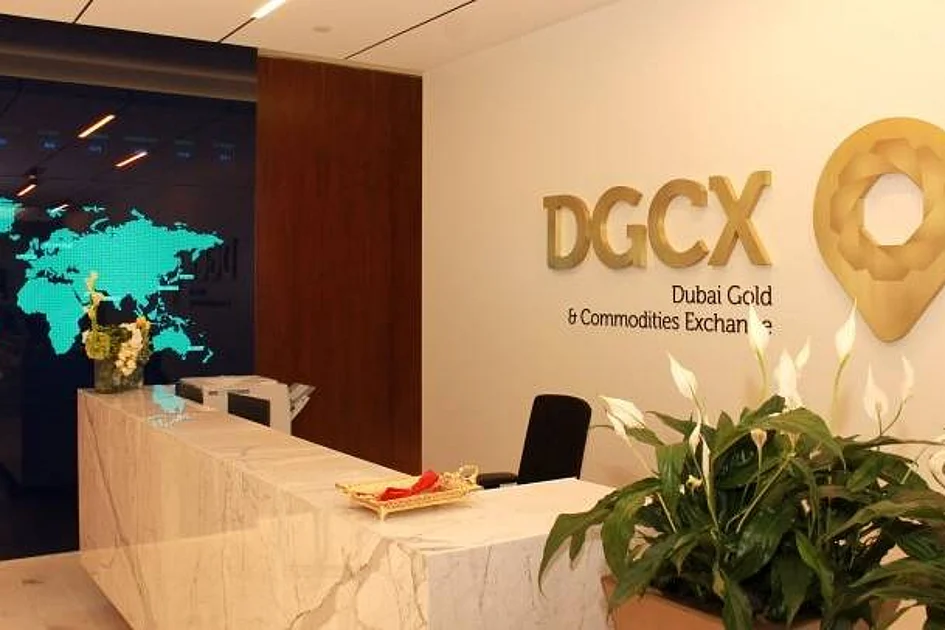
DGCX primed to lead new era of global precious metals trading
The Dubai Gold and Commodities Exchange (DGCX) is set to redefine the global precious metals trading landscape, leveraging a combination of robust market demand, regulatory support, and cutting-edge digital technologies. Established two decades ago as the region’s first derivatives exchange, DGCX has evolved into a cornerstone of the Middle East’s financial ecosystem, offering a diverse range of products, including currencies, commodities, and Sharia-compliant contracts. With gold prices surpassing $4,000 per ounce amid geopolitical uncertainty, the exchange is strategically positioned to capitalize on the precious metal’s resurgence as a safe-haven asset. The UAE Central Bank’s mandate requiring gold bullion to be stored in DMCC-approved vaults has further solidified the foundation of physical trade in the region. DGCX’s integration of AI-driven technologies enhances operational efficiency and scalability, enabling deeper liquidity, broader market access, and unparalleled physical integrity. The exchange is also introducing a dirham-denominated gold contract, designed to mitigate geopolitical risks and promote the UAE’s national currency in global trade settlements. Additionally, DGCX plans to launch a daily benchmark gold price, aligned with international standards, to provide market participants with precise pricing and hedging opportunities. The exchange’s commitment to operational excellence includes same-day or real-time settlement processes, reducing counterparty risk and improving capital efficiency. To ensure global connectivity, DGCX is exploring extended operating hours to align with key international markets, offering continuous trading opportunities across time zones. Furthermore, the exchange is democratizing gold investment through fractionalized tokenized gold and silver, allowing retail investors to participate with smaller denominations backed by physical assets. These initiatives underscore DGCX’s ambition to become a globally recognized hub for commodities and derivatives trading, driven by transparency, innovation, and stakeholder-centric strategies.