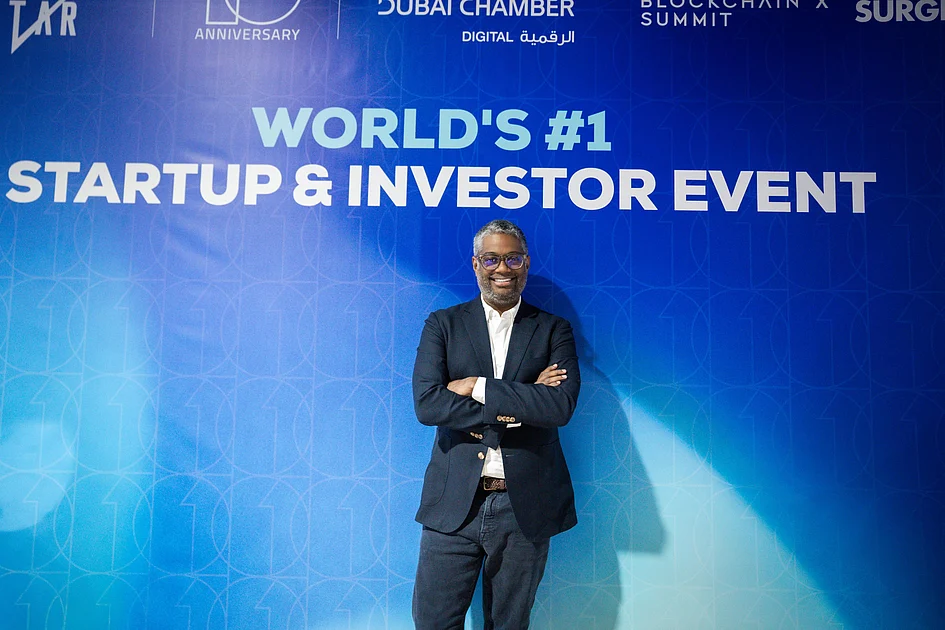
Crescent Enterprises has unveiled a Dh250 million investment initiative to expand CE-Creates, its venture-building platform dedicated to nurturing high-growth, impact-driven startups with global potential. This strategic move, coupled with new leadership, underscores CE-Creates’ mission to transform early-stage concepts into internationally competitive businesses, leveraging patient capital, operational expertise, and ecosystem access. The platform operates as a sector-agnostic venture studio, guiding ventures from idea validation to market entry and scaling, with a focus on the MENA region and beyond. Badr Jafar, CEO of Crescent Enterprises, emphasized the UAE’s role as a launchpad for global entrepreneurs, stating, ‘Our vision is for the UAE to be recognized as the start-up capital of the world.’ CE-Creates has already supported ventures like Kava & Chai, ION, and BreakBread, showcasing its commitment to fostering innovation. Tushar Singhvi, Deputy CEO and Head of Investments, highlighted the unique blend of capital deployment and operational support that sets CE-Creates apart from traditional venture funding models. Rakhil Fernando, the newly appointed Head of CE-Creates, brings extensive entrepreneurial experience to the role, having previously led ventures like Yabi, Koko, and Daraz. This investment marks a significant milestone in empowering regional founders to compete on the global stage.
分类: business
-
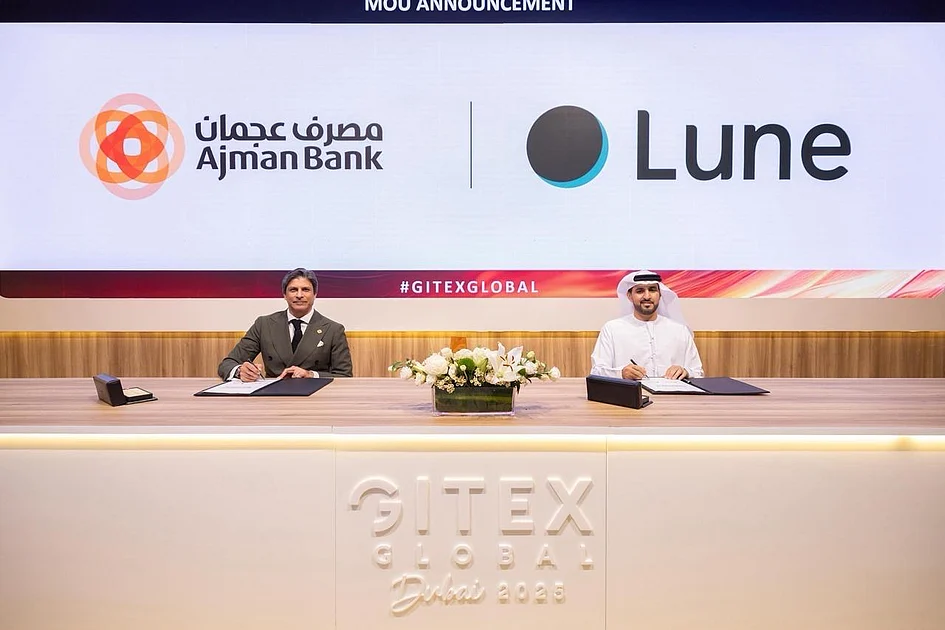
Ajman Bank taps Emirati fintech Lune to boost digital banking experience
Ajman Bank has forged a strategic partnership with UAE-based fintech Lune Technologies to elevate its mobile banking app with advanced AI-driven financial tools. This collaboration aims to enhance customer financial literacy and provide greater control over personal finances, marking a significant step in the bank’s digital transformation journey. The newly integrated features include transaction data enrichment and personal finance management (PFM) capabilities, offering users detailed insights into their spending patterns, merchant recognition, and a consolidated view of income, savings, and expenses. Faizal Kundil, Head of Consumer Banking at Ajman Bank, emphasized the bank’s commitment to empowering customers with tools for smarter financial decision-making. Helal Lootah, Co-Founder and Co-CEO of Lune, hailed the integration as a milestone in redefining how individuals interact with their finances. This initiative aligns with the UAE’s broader vision of fostering a connected, data-driven financial ecosystem, reflecting a growing trend among UAE banks to leverage AI and data analytics for personalized services.
-
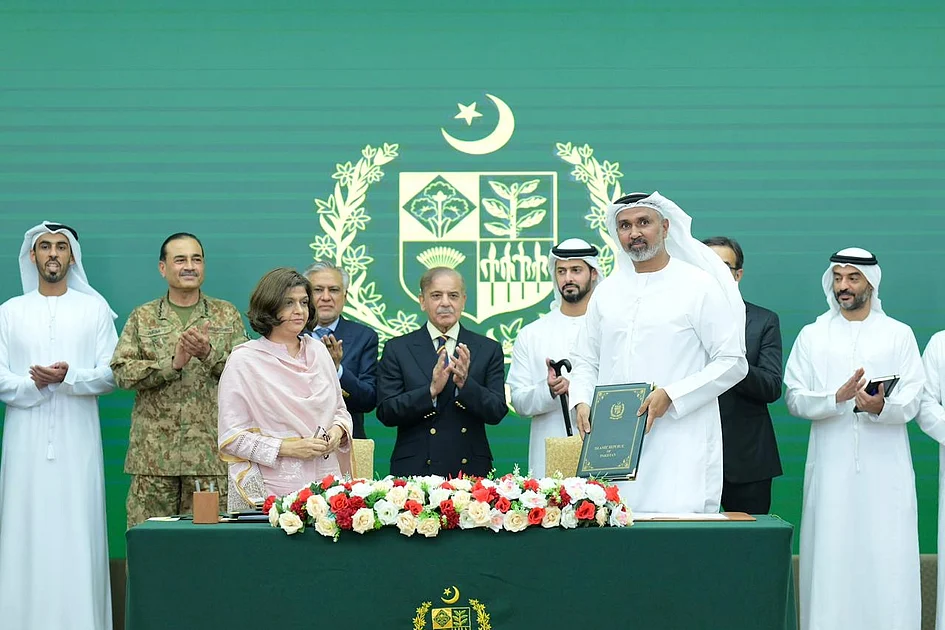
Abu Dhabi’s IHC acquires majority stake in Pakistan’s First Women Bank Limited
In a historic move, Abu Dhabi-based International Holding Company (IHC) has acquired a majority stake in Pakistan’s state-owned First Women Bank Limited (FWBL), marking the first privatisation of a bank in Pakistan under a Government-to-Government (G2G) framework. The transaction, conducted under Pakistan’s Inter-Governmental Commercial Transactions Act of 2022, highlights the deepening economic ties between the United Arab Emirates (UAE) and Pakistan. The announcement was made in the presence of Sheikh Zayed bin Hamdan bin Zayed Al Nahyan, Chairman of 2PointZero, and Pakistan’s Prime Minister Muhammad Shehbaz Sharif. Established in 1989, FWBL operates 42 branches nationwide, offering retail, SME, and corporate banking services. IHC’s investment underscores its commitment to strengthening Pakistan’s financial sector and supporting its reform agenda. Post-acquisition, IHC plans to modernise FWBL by integrating advanced technologies such as artificial intelligence (AI) and automation to enhance operational efficiency and expand its footprint across Pakistan. The transformation strategy also includes rebranding the bank to reflect its broader mandate of financial inclusion and societal service. Syed Basar Shueb, CEO of IHC, expressed confidence in Pakistan’s financial potential and the shared vision for sustainable economic growth. This acquisition follows IHC’s earlier joint venture with the Government of Balochistan, further solidifying UAE-Pakistan economic cooperation.
-
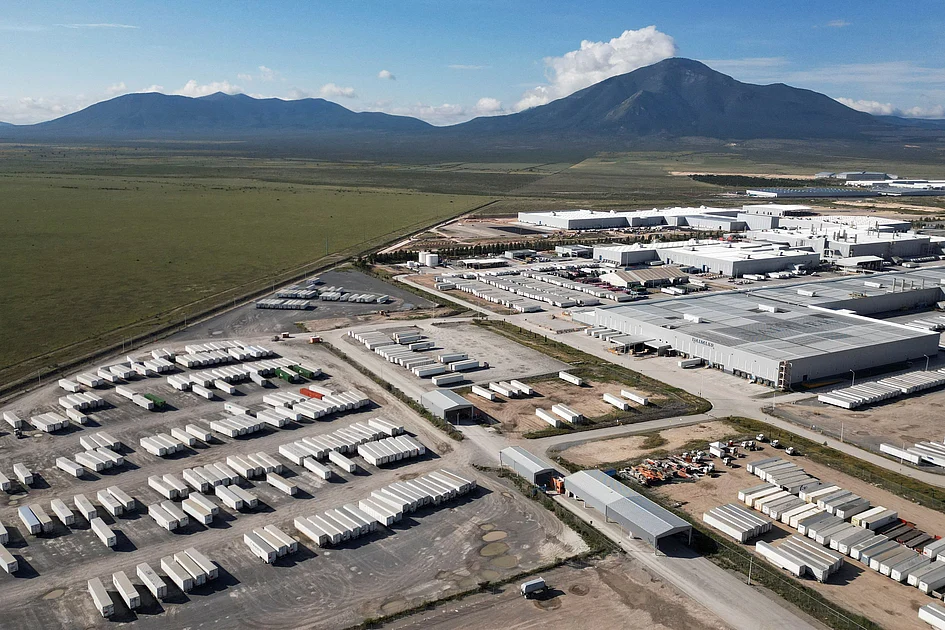
Trump extends tariff relief on imported auto parts, formalises truck duties
In a significant move impacting the automotive industry, former US President Donald Trump signed an executive order on Friday, October 18, 2025, extending tariff relief on imported vehicle parts while formalizing new duties on medium and heavy-duty trucks. The order prolongs the 3.75-percent offset program for automakers until 2030, maintaining the percentage without reductions. Simultaneously, a 25-percent tariff on imported trucks and their parts will take effect starting November 1, 2025. This decision follows a Section 232 investigation initiated earlier this year to assess the national security implications of truck imports. Trump has frequently utilized such probes, authorized under the Trade Expansion Act of 1962, to impose tariffs aimed at bolstering domestic manufacturing and addressing perceived trade imbalances. The automotive sector, alongside steel and aluminum industries, has been a focal point of these measures. The extension of the offset program is seen as a continuation of Trump’s April 2025 initiative to ease tariff burdens on US automakers. Under this program, companies importing parts for vehicles assembled in the US can offset 3.75 percent of a vehicle’s list price, a benefit now secured until 2030. Additionally, a similar offset framework is being established for medium and heavy-duty trucks, also extending through 2030. While the new tariff regime imposes steep duties on imported trucks, certain favorable treatments under the US-Mexico-Canada Agreement (USMCA) will remain. For instance, trucks qualifying for USMCA benefits will only face the 25-percent tariff on non-US content. However, imported buses will not receive such favorable treatment and will be subject to a 10-percent tariff. The trade pressures have already impacted Mexico, with its heavy vehicle exports to the US declining by nearly 26 percent year-on-year from January to August 2025. Canada and Mexico continue to negotiate with Washington to mitigate the effects of these tariffs.
-

Ras Al Khaimah: Why more young citizens are turning to entrepreneurship
Ras Al Khaimah, one of the UAE’s seven emirates, is rapidly becoming a focal point for youth-driven entrepreneurship, with 180 new youth-led projects launched this year alone. This surge in entrepreneurial activity highlights the emirate’s commitment to fostering innovation and financial independence among its young citizens. Youssef Muhammad Ismail, Chairman of the Supreme Committee of the Saud bin Saqr Foundation for Youth, revealed that the foundation has supported over 2,650 establishments to date, with 35% now fully operational and the remainder in various stages of development. Ismail emphasized that entrepreneurship offers young Emiratis a sustainable pathway to financial stability, enabling them to balance long-term income and retirement goals. He also stressed the importance of aligning small and emerging businesses with international standards and fostering global partnerships. By 2026, Ismail predicts increased collaboration between international firms and UAE-based startups, creating new opportunities for market expansion. Entrepreneurs are encouraged to focus on sustainable growth, form local alliances, and build robust internal structures to enhance global competitiveness. Ras Al Khaimah’s business-friendly environment, characterized by streamlined licensing processes and cross-ministry support, has been instrumental in transforming small home projects into fully established enterprises. Abdullah Al Balooshi, owner of T House, credited the emirate’s supportive ecosystem for his business’s success, noting faster licensing and priority processing as key advantages. Despite challenges in staffing and supply chain management, Al Balooshi plans to expand T House within the UAE and beyond. With continued institutional backing, Ras Al Khaimah is solidifying its position as a dynamic center for youth entrepreneurship and sustainable business growth in the UAE.
-
Many US job seekers find it tough to get work now
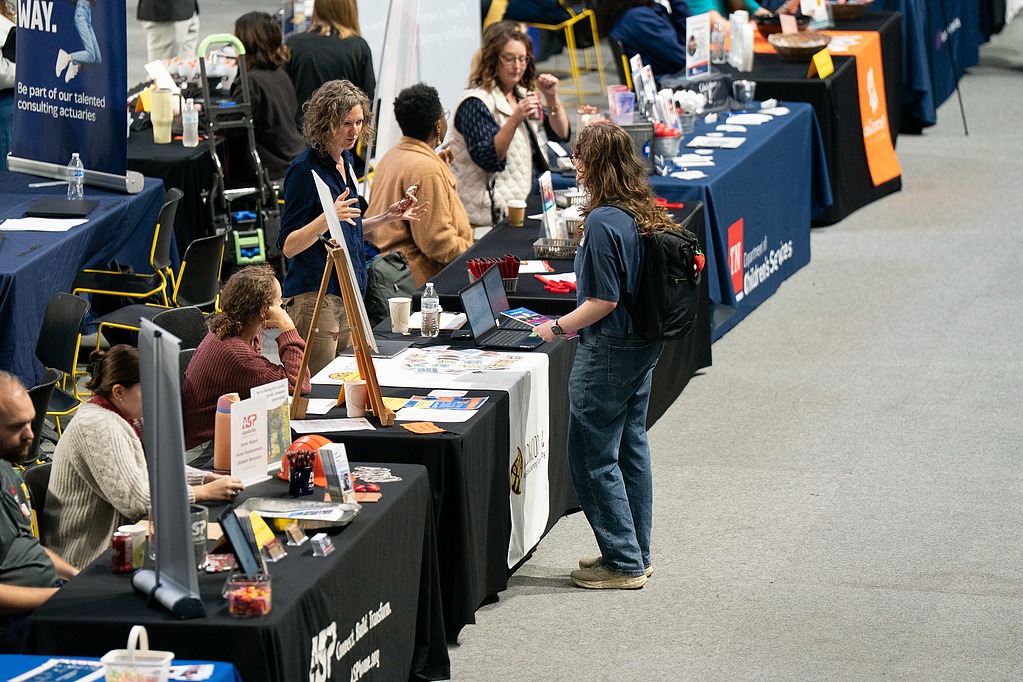
The US labor market is experiencing significant strain, with job seekers facing unprecedented difficulties in securing employment. While the September unemployment rate remains unavailable due to the federal government shutdown, the ADP National Employment Report revealed that the private sector cut 32,000 jobs in September compared to the same period last year. This report, produced by ADP Research and the Stanford Digital Economy Lab, highlights the cautious hiring practices of US employers despite strong economic growth in the second quarter. Nela Richardson, ADP’s chief economist, emphasized this trend in a statement, noting the ongoing challenges in the labor market. Major job posting site Indeed reported a 2.5% decline in job openings as of September 26, with nearly all sectors—except banking and finance—posting fewer jobs than a year ago. Scientific research and development saw the steepest decline, with nearly a quarter fewer job opportunities. The biotech and pharma sector is expected to lay off 24,000 employees in the third quarter, according to BioSpace. For job seekers like Chuck, a recent computer science graduate from the University of Texas at Austin, the situation is dire. Despite applying for hundreds of positions, he has received minimal responses and no job offers. Similarly, Timothy, a computer engineer in Dallas, regrets leaving his previous job, as he has struggled to re-enter the job market since April. Recruiters confirm the grim reality, with fewer job opportunities and declining salaries. David Leshowitz of Management Recruiters in Boston noted a significant drop in demand for workers, while a Reddit post described the current job market as one of the worst since 2008. Moody’s analysis indicates that 21 states and the District of Columbia, representing a third of US economic activity, are already in a recession, with another 13 states treading water. Economic uncertainty, fueled by tariff policies and unpredictable decisions, has led many companies to delay investments and hiring. Ed Hirs, an economics lecturer at the University of Houston, highlighted the impact of vague policies on business decisions, further exacerbating the challenges in the job market.
-

Netherlands mocked as ‘pirate’ after taking over China’s Nexperia
The Dutch government’s recent seizure of control over the Chinese-owned semiconductor manufacturer Nexperia has ignited a diplomatic row with China, with state media and analysts accusing the Netherlands of “21st-century piracy.” The move, executed under the Goods Availability Act on September 30, was justified by the Dutch Minister of Economic Affairs as a measure to address “serious governance shortcomings” and ensure the availability of Nexperia’s products in emergencies. However, Chinese commentators argue that the decision reflects political coercion and discriminatory practices. Nexperia, a subsidiary of Wingtech Technology, has faced increasing scrutiny from European authorities since its acquisition in 2018. The UK government forced the company to sell its Newport wafer plant in 2022, citing national security concerns, while German regulators blocked public funding for its battery-efficiency research in 2023. The Dutch government’s demands included establishing a supervisory board with veto powers over key business decisions and exploring a public listing in the EU, which Wingtech rejected. Chinese state media, including the Global Times, condemned the actions as an attempt to seize Chinese technological achievements. Analysts warn that China could retaliate by leveraging its dominance in rare earth production and other strategic sectors, potentially harming Dutch industries. The situation underscores the escalating geopolitical tensions surrounding semiconductor technology and global trade.
-
Which are the key sectors to invest in the GCC in Q4?
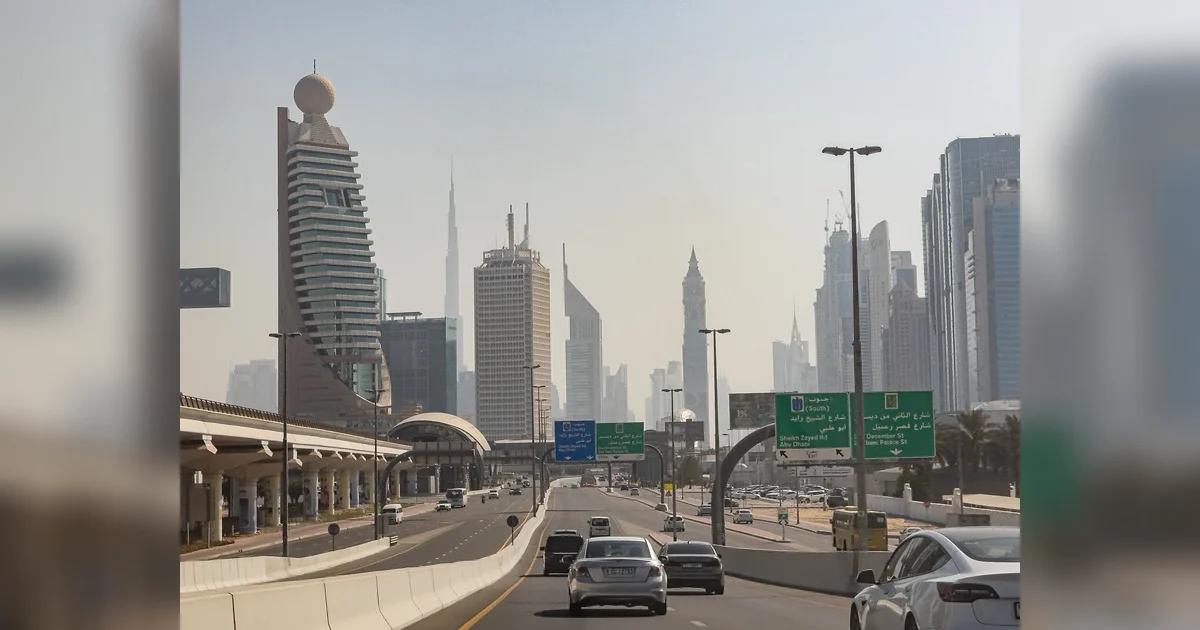
As the fourth quarter of 2025 unfolds, financial and real estate sectors are poised to dominate the Gulf Cooperation Council (GCC) markets, according to industry analysts. Philip Philippides, CEO of Mashreq Capital, highlighted the resilience of Dubai’s commercial real estate and the robust fundamentals of regional banks as key drivers of growth. In contrast, the materials sector is expected to underperform due to weak operational momentum. Sector rotation is anticipated to favor defensive and reform-linked plays, particularly in financial services and real estate. GCC markets remain relatively insulated from global trade tensions, with diversified export profiles and strategic trade relationships providing a buffer against escalating global conflicts. Anticipated Federal Reserve rate cuts and synchronized global monetary easing are expected to positively impact GCC financial markets, easing financial conditions and stimulating consumption, investment, and asset valuations. GCC central banks, tied to the US dollar, will mirror Fed moves, transmitting rate cuts directly into local money markets. Lower rates are expected to boost consumer spending, SME investment, real estate activity, and tourism. In fixed income, sovereign and quasi-sovereign credits offer attractive carry and mid-duration opportunities, with expected spread compression and renewed global inflows enhancing credit profiles and reducing refinancing risk. Despite tight spreads and a strong year-to-date rally, low-single-digit returns are achievable in Q4, primarily driven by carry, with additional potential upside from anticipated Fed rate cuts. On the equity side, the oil price outlook is largely priced in, with Saudi Arabia’s underperformance reflecting subdued oil sentiment. However, double-digit earnings growth, attractive valuations, and ongoing diversification reforms across tourism, finance, and logistics sectors provide structural support to regional equity markets. Monetary easing will further enhance credit growth and equity performance. The divergence in performance across GCC markets is likely to persist, with Oman and Kuwait retaining upside potential due to their reform-driven narratives. Mena credit continues to offer value, with current index yields at approximately 5.5% providing a compelling carry proposition. The 5–10 year segment of sovereign and quasi-sovereign bonds from countries like Saudi Arabia, Turkey, Egypt, and Morocco presents strong total return potential. GCC sukuk issuance is expected to remain robust in Q4, with Saudi Arabia and the UAE leading the charge. Investor appetite for sustainability-linked sukuk (SLS) and digital sukuk is poised to accelerate, driven by global ESG mandates and net-zero commitments. The ESG sukuk market is expected to surpass $50 billion outstanding in 2025, with GCC issuers playing a leading role. A sustained and disorderly decline in oil prices could materially impact government revenues, leading to reduced spending and weaker sentiment around IPOs and project awards. However, the base case remains for stable oil prices, with Saudi Arabia’s leadership emphasizing flexibility in fiscal policy and a continued focus on infrastructure, mega events, and gas output expansion.
-
Salama shareholders approve capital restructuring
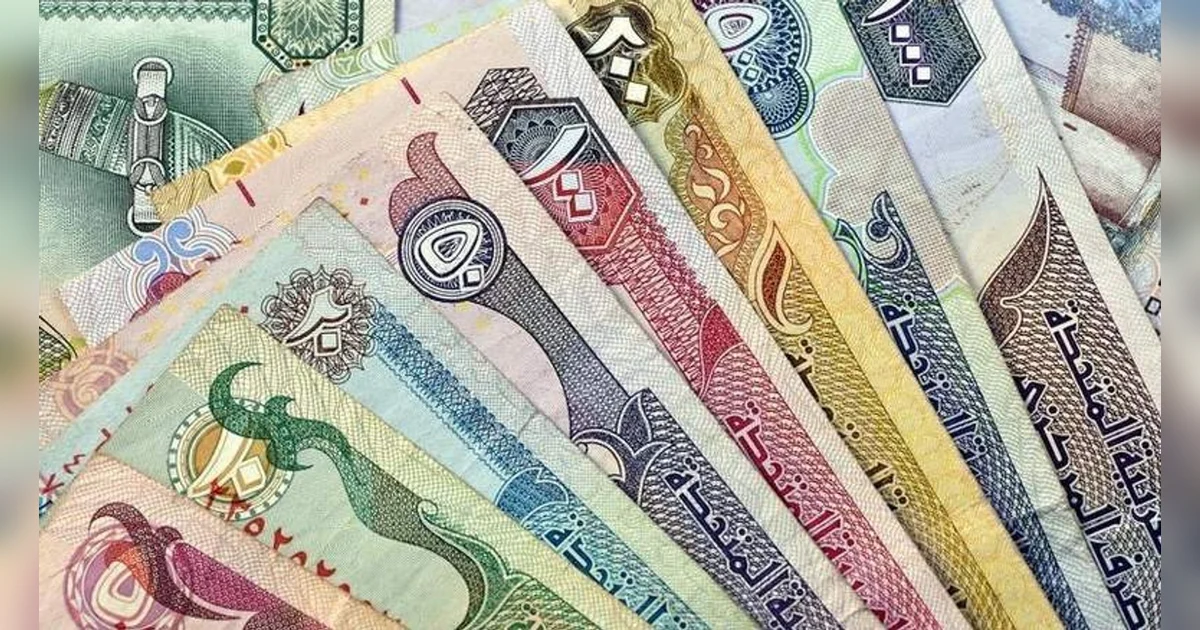
Islamic Arab Insurance Company (Salama), a prominent Takaful provider in the UAE, has secured shareholder approval for a comprehensive capital restructuring plan aimed at restoring solvency and enhancing its financial standing. The decision, ratified during the General Assembly on October 16, 2025, includes a capital reduction to offset accumulated losses and the cancellation of treasury shares. Following final approval by the Securities and Commodities Authority (SCA), Salama will issue up to Dh175 million in Mandatory Convertible Sukuk (MCS) through a special purpose vehicle. These sukuk will be allocated to a select group of strategic investors and will be mandatorily converted into new shares under agreed terms. This move is a pivotal step in Salama’s strategy to ensure regulatory compliance, stabilize its financial foundation, and support future growth. Mohamed Ali Bouabane, Group CEO of Salama, emphasized that the restructuring underscores the company’s commitment to strengthening its balance sheet and meeting regulatory capital requirements. He highlighted the unwavering support of shareholders and investors as a testament to their confidence in Salama’s long-term stability. The company’s financial performance in the first half of 2025 reflects this progress, with total equity rising to Dh351.84 million, a 5.2% year-on-year increase, and a net profit of Dh8.25 million. Takaful revenue also reached Dh515.36 million, showcasing disciplined operations and improved profitability. S&P Global Ratings has affirmed Salama’s long-term issuer credit and insurer financial strength rating at ‘BBB-’ with a Developing outlook, further validating its improving fundamentals and capital position.
-

Buying more, wearing less – why India’s Diwali gold rush is different
As the Hindu festival of Diwali approaches, India’s gold market is witnessing a significant transformation. Despite soaring prices—gold has surged by 60% and silver by 70% this year—Indians are flocking to markets, driven by cultural traditions and investment opportunities. In Delhi’s bustling Lajpat Nagar neighborhood, jewelry shops are packed with customers, even on holidays, as the festive spirit fuels demand for gold and silver coins, bars, and jewelry. While high prices have slightly dampened jewelry purchases, they have also sparked a fear of missing out (FOMO) among buyers, leading to a shift toward investment-driven acquisitions. Retailers like Prakash Pahlajani of Kumar Jewels report increased footfall, with customers opting for smaller, lighter pieces to manage budgets. The World Gold Council (WGC) notes a clear trend: investment demand for gold, particularly in bars, coins, and exchange-traded funds (ETFs), has risen sharply, now accounting for 35% of total demand, up from 19% in 2023. Meanwhile, jewelry’s share has declined to 64%. India’s central bank, the Reserve Bank of India (RBI), has also been a major player, increasing its gold reserves to 14% of foreign exchange holdings in 2025, aiming to diversify assets and reduce dollar dependency. Experts predict that despite record prices, demand will remain robust during the festive and wedding seasons, especially among affluent buyers. However, lower-income families are feeling the pinch, with some delaying purchases in hopes of price drops. India’s deep cultural affinity for gold, coupled with its role as a wealth-preserving asset, ensures its enduring appeal, even as prices take some shine off the festive season.