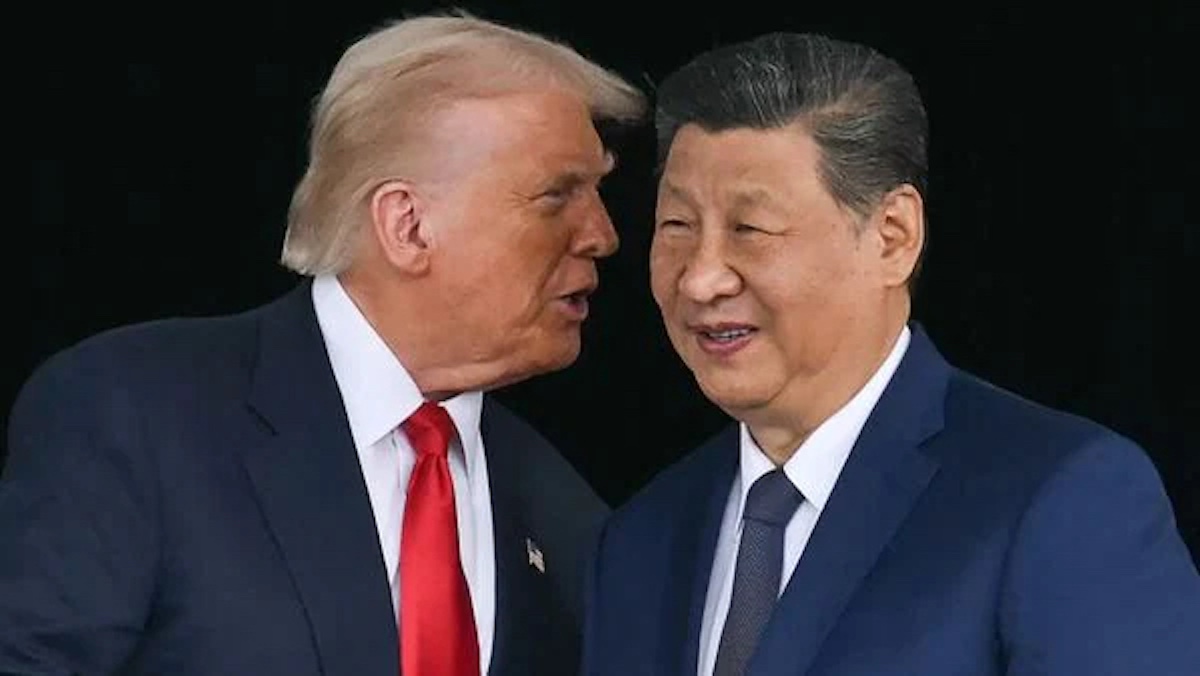
The recent agreement between US President Donald Trump and Chinese President Xi Jinping has temporarily averted a trade war, offering a brief respite to global markets. While not a comprehensive resolution, the deal represents a truce that could stabilize economic relations between the two superpowers for the near future. The agreement includes preliminary deals on several contentious issues, with the US stepping back from imposing high tariffs on Chinese imports and easing restrictions on technology transfers. In return, China has refrained from leveraging its monopoly on rare earth elements (REEs) as a bargaining chip. This delicate balance underscores the strategic competition between the two nations, as both seek to strengthen their positions in the global economic arena. China aims to diversify its export markets and boost domestic consumption to mitigate potential losses from US trade policies, while the US is striving to reduce its reliance on Chinese REEs. The agreement is set to be reviewed annually, coinciding with the US midterm elections, which could give China significant leverage. In the short term, China holds an advantage with its control over REEs, but the long-term outcome hinges on broader strategic maneuvers. The contrasting governance models of the two nations—China’s authoritarian system and the US’s democratic framework—play a crucial role in shaping their respective strategies. While China can mobilize resources swiftly, the US relies on market dynamics and electoral cycles, which can be both a strength and a vulnerability. The race for economic and technological supremacy is far from over, and the stakes are higher than ever.
分类: business
-
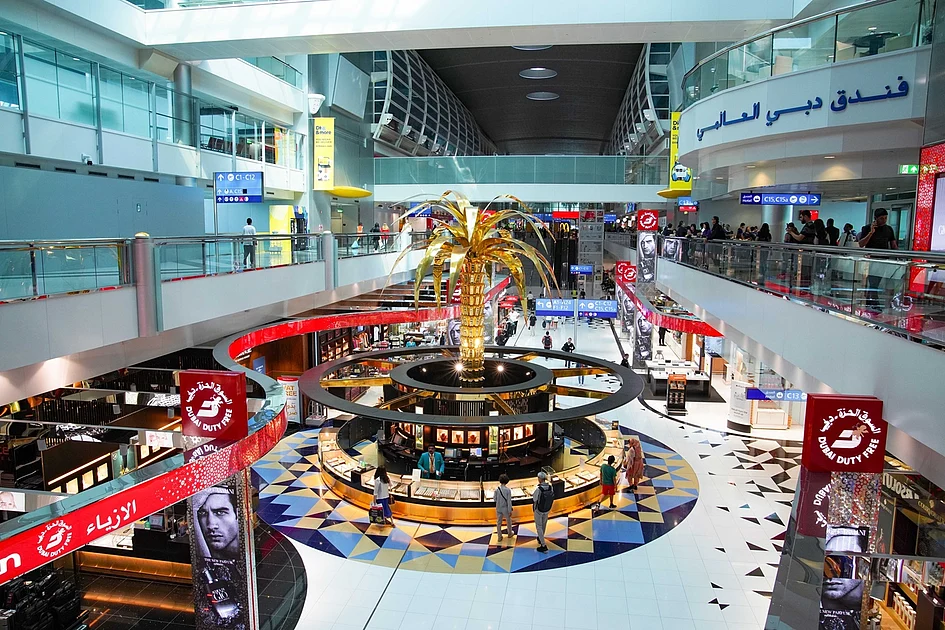
Dubai Duty Free hits all-time high October sales with over Dh800 million
Dubai Duty Free has set a new benchmark in its retail operations, announcing unprecedented October sales of Dh805.6 million (US$220.7 million). This achievement marks the eighth record-breaking month out of ten in 2025, solidifying the company’s consistent growth trajectory. October’s sales surpassed the previous October record of Dh692 million (US$189 million) set in 2023, making it the third-highest monthly sales in the company’s history, trailing only behind the all-time high of Dh821.4 million (US$225 million) recorded in December 2024. The sales growth outpaced passenger traffic by at least 10%, with a remarkable 19.31% increase compared to October 2024. Year-to-date sales reached Dh6.88 billion (US$1.885 billion), reflecting an 8.72% increase over the same period last year. Perfumes remained the top-selling category, generating Dh139.9 million (US$38.3 million), while gold sales, driven by the Diwali season, ranked second with Dh97.2 million (US$26.6 million). Confectionery also saw record sales of Dh78 million (US$21.4 million), with ‘Dubai Chocolate’ leading the charge. Luxury fashion boutiques, including Louis Vuitton, Chanel, Dior, Gucci, and Cartier, contributed significantly, with sales up 43.5% over October 2024. The opening of new boutiques in Concourse A has further bolstered sales, with standout transactions including high-value luxury items. Sales across key regions and markets, including Africa, the Americas, Europe, the Middle East, the Far East, and Australasia, all rose by more than 20%, with Russia and Africa showing notable increases.
-
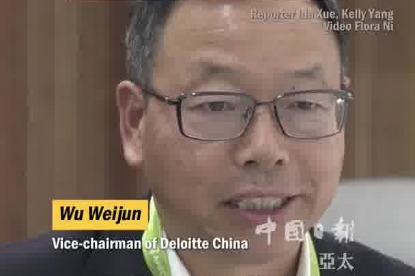
Deloitte China vice-chairman: ‘The country’s development will benefit the whole economy’
In a landmark address on Friday, Chinese President Xi Jinping unveiled a five-point proposal aimed at fostering universally beneficial and inclusive economic globalization, with a focus on building a cohesive Asia-Pacific community. This initiative underscores China’s dedication to maintaining an open economy, which is expected to generate significant growth opportunities across the region. Wu Weijun, vice-chairman of Deloitte China, emphasized the importance of this commitment in an exclusive interview with China Daily. He highlighted that China’s proactive stance on economic openness not only benefits its domestic economy but also serves as a catalyst for regional development. The proposal aligns with broader efforts to strengthen economic ties and promote sustainable growth within the Asia-Pacific region, reinforcing China’s role as a key player in global economic governance.
-
Italian police seize $1.5B in assets from Campari’s controlling shareholder amid tax fraud probe
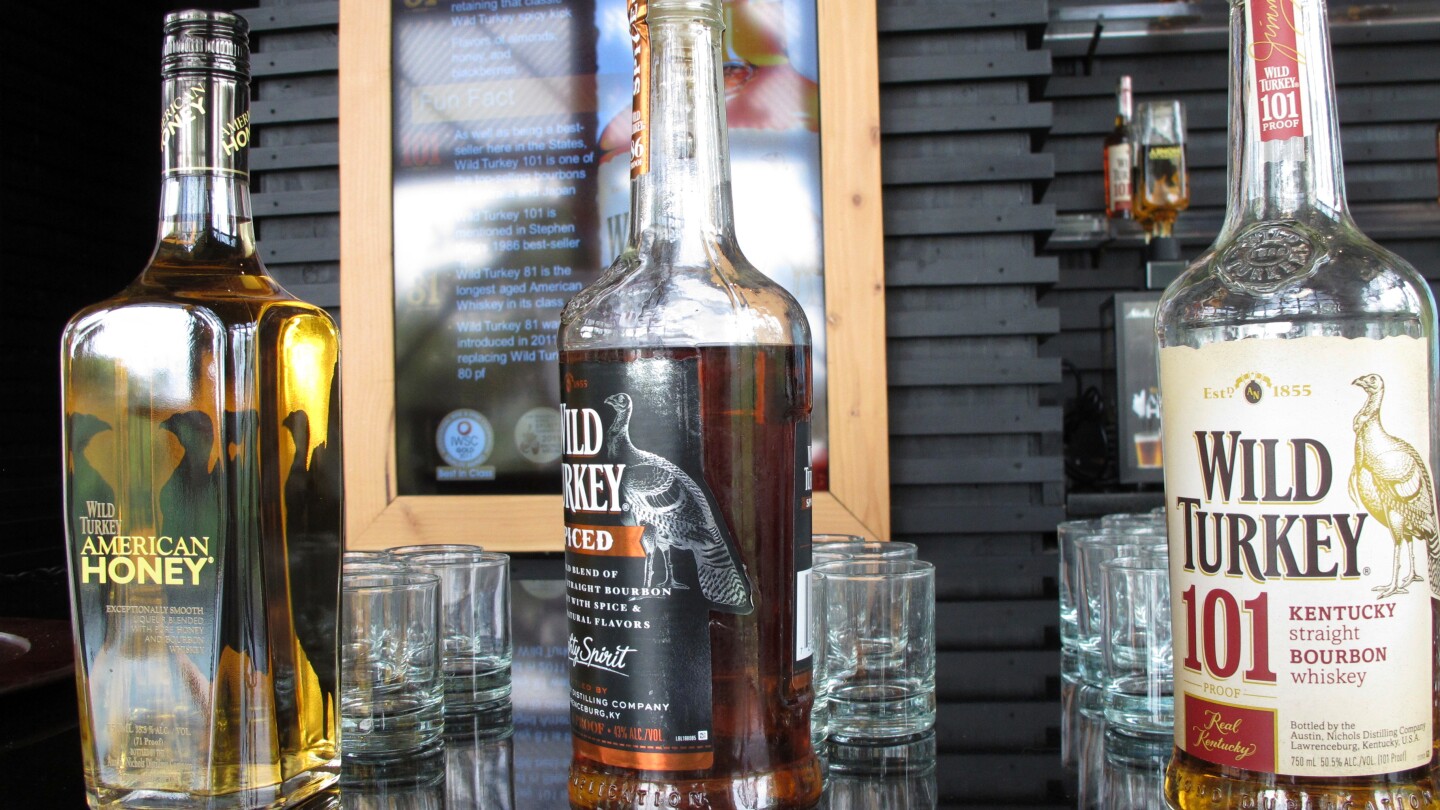
Italian tax police have initiated the seizure of assets valued at €1.29 billion ($1.5 billion) from Luxembourg-based holding company Lagfin, the controlling shareholder of premium spirits giant Campari Group. The move comes as part of an ongoing investigation into alleged tax evasion. A judge in Monza, located northeast of Milan, authorized the precautionary seizure, which stems from a tax audit following Lagfin’s merger with its Italian subsidiary. Lagfin, established in 1995 and closely tied to the family of Campari Group Chairman Luca Garavoglia, holds over 80% of Campari’s voting rights and more than 50% of its shares. In a statement, Lagfin emphasized that the investigation is unrelated to Campari Group and asserted its commitment to compliance with all applicable laws, including Italian tax regulations. The company vowed to vigorously defend itself against the allegations. Campari Group, renowned for its iconic red aperitif and ownership of global brands like Aperol, Grand Marnier, and several tequilas and bourbons, has yet to comment on the matter. Lagfin assured that the seizure would not impact its controlling stake in Campari.
-
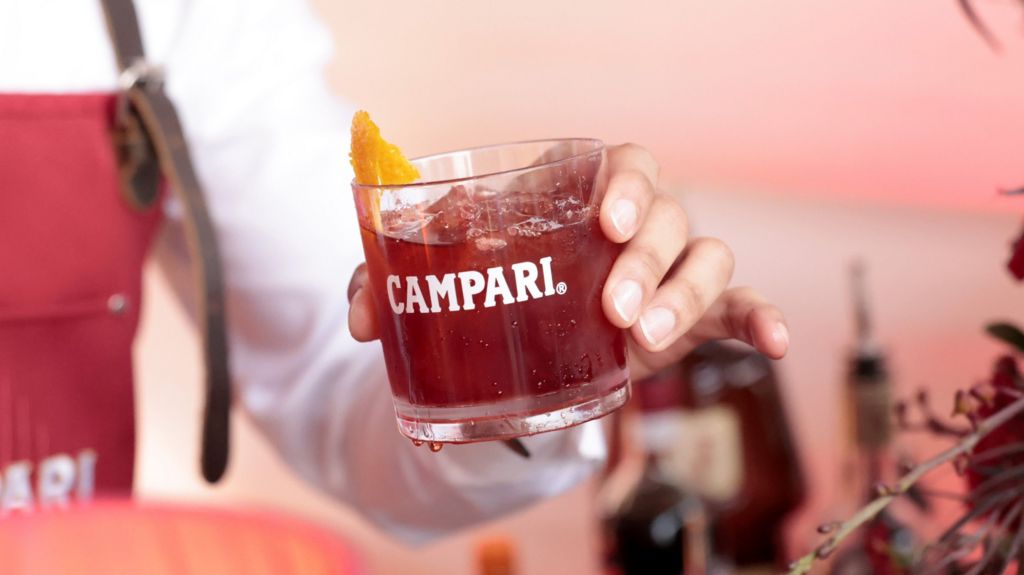
Police seize €1.3bn from Campari owner over alleged tax evasion
Italian authorities have seized shares worth €1.3 billion (£1.1 billion; $1.5 billion) from Luxembourg-based Lagfin, the controlling entity of the Campari Group, as part of an ongoing investigation into alleged tax evasion. The confiscation follows a year-long probe into the company’s financial activities, particularly its absorption of its Italian subsidiary. Prosecutors allege that Lagfin failed to pay taxes equivalent to the value of the seized shares during the merger process. Campari, the renowned producer of spirits such as Aperol, Grand Marnier, and Courvoisier, has stated that neither the company nor its subsidiaries are involved in the case. However, Campari’s chairman, Luca Garavoglia, is reportedly under investigation. Lagfin, which holds over 50% of Campari’s shares and 80% of its voting rights, has maintained that it has always adhered to tax obligations across all jurisdictions. The investigation, initiated by Milan prosecutors last year, uncovered €5.3 billion in undeclared capital gains between 2018 and 2020, on which the company allegedly failed to pay an ‘exit tax’—a levy imposed on firms relocating their headquarters abroad. Italian financial newspaper Il Sole 24 Ore also reported accusations that Lagfin transferred Italian assets to foreign ownership solely for tax benefits. Garavoglia, a billionaire who inherited Campari from his late mother, and Giovanni Berto, head of Campari’s Italian branch, are both implicated in the case. Campari, one of the world’s largest spirits producers, is valued at approximately €7 billion on the Milan Stock Exchange. The company traces its origins to 1860, when Gaspare Campari’s homemade bitter liqueur gained popularity at his Milan bar. By 1904, the family began commercial production, and from the 1990s, the firm expanded by acquiring other alcohol brands.
-

China to loosen chip export ban to Europe after Netherlands row
In a significant policy shift, China has announced plans to relax its ban on chip exports, a measure initially imposed in response to the Netherlands’ takeover of Nexperia, a Chinese-owned semiconductor manufacturer based in the Netherlands. The Dutch government invoked a Cold War-era law in September to seize control of the company, citing ‘serious governance shortcomings’ and concerns over chip availability during emergencies. This move prompted China to halt the re-export of completed Nexperia chips to Europe, sparking alarm among automotive manufacturers, who rely heavily on these components. Approximately 70% of chips produced in the Netherlands are sent to China for final processing before being re-exported globally. In a statement released on Saturday, China indicated it would ‘comprehensively consider the actual situation of enterprises and grant exemptions to exports that meet the criteria,’ though specific details remain unclear. Beijing also criticized the Dutch government for ‘improper interference in the internal affairs of enterprises,’ attributing the disruption of global supply chains to these actions. Nexperia, now under Dutch control, has informed customers it will cease sending chips to China for processing, according to a recent letter obtained by Reuters. The European Automobile Manufacturers’ Association (ACEA) had previously warned that Nexperia chip supplies would dwindle within weeks unless the Chinese ban was lifted, potentially halting vehicle production. The decision to ease export controls follows a meeting between US President Donald Trump and Chinese President Xi Jinping in South Korea, where semiconductor trade was reportedly discussed. The White House is expected to release a fact sheet detailing a new trade agreement with China, including the resumption of Nexperia exports. This development comes amid broader geopolitical tensions, including the US government’s 2024 decision to place Chinese chipmaker Wingtech on its ‘entity list’ over national security concerns. In the UK, Nexperia was compelled to sell its Newport silicon chip plant due to similar security apprehensions, though it retains a facility in Stockport.
-
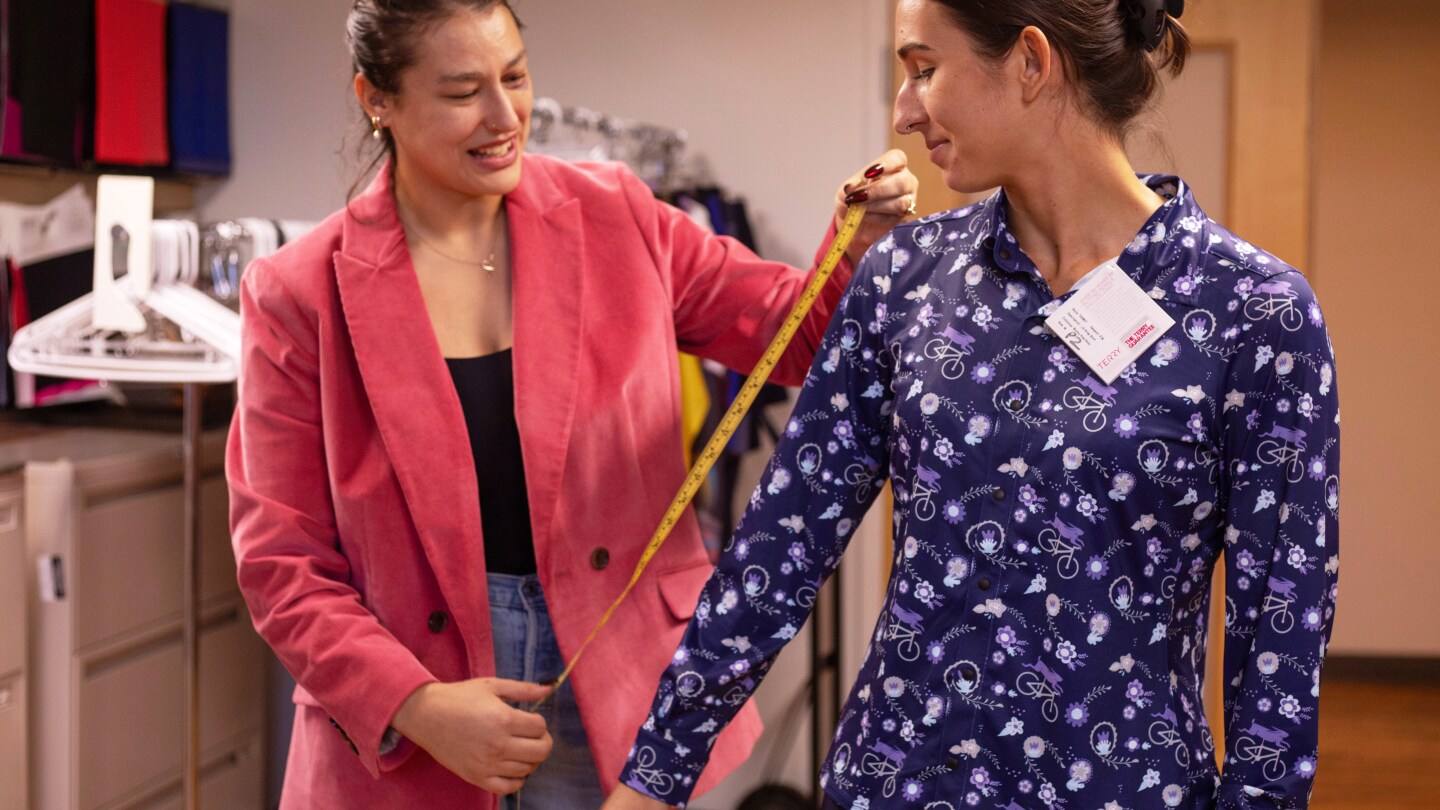
A Vermont cycling apparel company is trying to survive Trump’s tariffs. Will the Supreme Court help?
In Burlington, Vermont, Terry Precision Cycling, a company specializing in women’s cycling gear, finds itself at the heart of a legal battle with far-reaching implications. President Donald Trump’s sweeping tariffs, first announced in April, have placed immense financial strain on small businesses like Terry Precision Cycling. The company, which has navigated thin profit margins and pandemic-era challenges over its 40-year history, now faces existential threats due to the increased costs of imported materials.
-
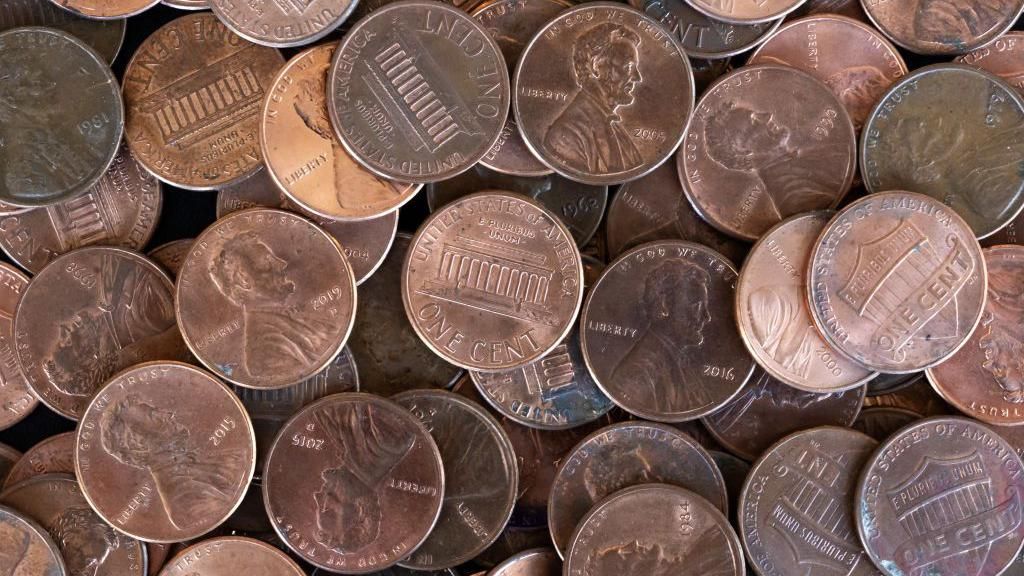
Businesses are running out of pennies in the US
The discontinuation of the US penny has created a ripple effect across businesses, leaving many struggling to manage cash transactions. Earlier this year, the Trump administration halted the production of the one-cent coin, citing excessive costs and inefficiency. Since the US Mint officially ceased minting pennies in May, the shortage has intensified, with banks unable to replenish their supplies. This has forced retailers to adopt creative solutions, such as rounding cash transactions to the nearest five cents. However, this practice has sparked confusion and financial strain, particularly for businesses reliant on cash payments. Dylan Jeon, senior director of government relations at the National Retail Federation, highlighted the widespread impact, noting that the shortage affects any business handling cash. Convenience stores, in particular, have been hit hard, with industry giant Kwik Trip estimating losses of up to $3 million this year due to rounding down transactions. While some cities mandate exact change, many retailers are opting to round down to avoid legal disputes and customer dissatisfaction. Mark Weller, executive director of Americans for Common Cents, emphasized the disproportionate effect on lower-income Americans who rely on cash transactions. He argued that the savings from discontinuing penny production may be offset by the increased demand for nickels, which are more expensive to produce. As the shortage persists, calls for federal guidance on rounding practices and transaction management have grown louder. Despite the challenges, pennies remain in circulation, often forgotten in pockets or stored in jars, leaving businesses and consumers alike navigating an uncertain financial landscape.
-
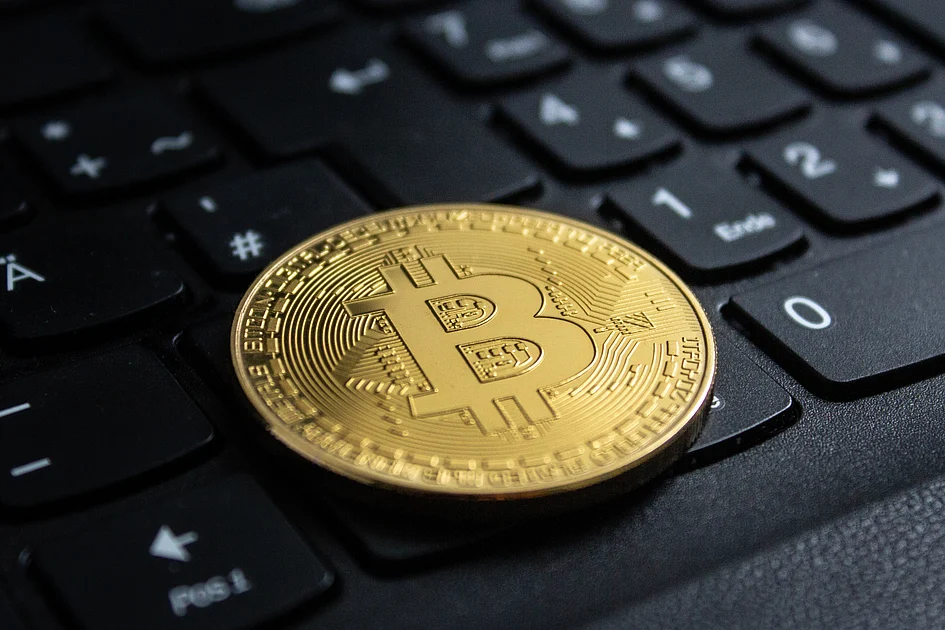
Is it time for crypto enthusiasts to be hopeful again?
After years of volatility and uncertainty, cryptocurrency enthusiasts are beginning to see signs of optimism in the market. With easing trade tensions between the US and China, increased regulatory clarity, and a supportive stance from the US government, the crypto landscape appears to be shifting toward a more favorable environment. The recent flash crash that wiped out $19 billion seems to have been overshadowed by these developments, sparking renewed hope among investors.
-
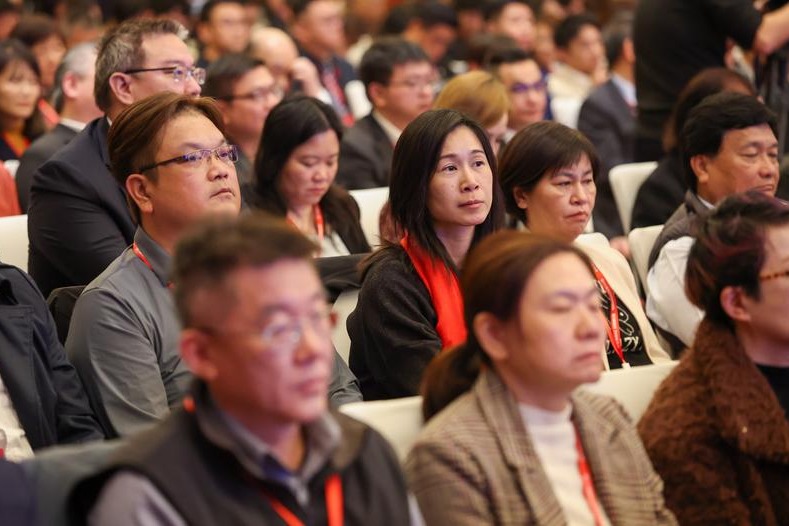
Officials from mainland and Taiwan pledge economic and trade cooperation
Officials from the Chinese mainland and representatives from Taiwan have reaffirmed their commitment to enhancing cross-Strait economic, cultural, and people-to-people exchanges, as well as deepening integrated development. This pledge was made during the closing ceremony of the four-day Tianjin-Taiwan Investment and Trade Fair, held in Tianjin. Since its inception in 2008, the fair has successfully facilitated over 350 projects, attracting intended investments totaling approximately 123.8 billion yuan ($17.2 billion). This year, 32 new projects with Taiwanese investment were established in Tianjin, with a total contractual investment of $31.78 million (230 million yuan), underscoring the robust vitality and vast potential of Tianjin-Taiwan economic and trade cooperation. Themed ‘Integrating for New Development, Creating a Shared Future,’ this year’s event focused on exploring cooperation in sectors such as medical and health care, the yacht economy, and catering and processing. Song Tao, head of both the Taiwan Work Office of the Communist Party of China Central Committee and the Taiwan Affairs Office of the State Council, emphasized the principle that the two sides of the Strait are one family, actively promoting cross-Strait economic and cultural exchanges and cooperation. Zhang Gong, deputy secretary of the Communist Party of China Tianjin Municipal Committee and mayor of Tianjin, extended a warm welcome to young people from Taiwan to pursue their dreams in the city. Before the opening ceremony, Song met with Hsiao Hsu-tsen, vice-chairman-designate of the Chinese Kuomintang party, and his delegation in Tianjin. Hsiao praised Tianjin for its unique charm, profound historical and cultural heritage, and spirit of inclusiveness, openness, and innovation. He encouraged young people from Taiwan to visit the Chinese mainland more often, emphasizing that the future of the Chinese nation depends on the cooperation and shared prosperity of the youth on both sides of the Strait.