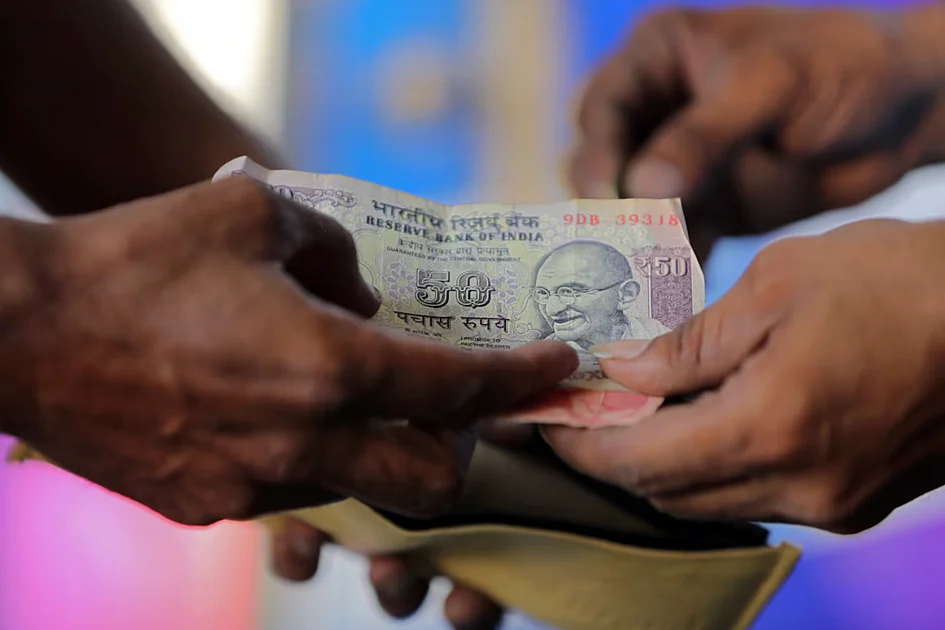
The Indian rupee experienced its most significant single-day drop in a month on Monday, October 27, 2025, as it fell below the 88 mark against the U.S. dollar. The currency closed at 88.2450, marking a 0.4% decline—its steepest since September 23. This downturn was driven by traders unwinding long positions on the rupee and persistent dollar demand from importers, particularly local oil companies. While the Reserve Bank of India (RBI) had previously intervened to keep the rupee above the 88 threshold, its defensive measures appeared to ease on Monday, contributing to the currency’s slide. Traders noted that state-run banks were active in offering dollars, though the activity was not concentrated at any specific level. The rupee’s decline was further exacerbated by short covering on the USD/INR pair after it breached the 88 mark. Despite this setback, the rupee has outperformed most regional currencies in October, thanks to earlier heavy interventions by the RBI that prevented it from nearing its all-time low. Analysts at BofA Global Research maintain a neutral outlook on the rupee, citing trade uncertainty and export challenges despite its attractive valuation and a weaker U.S. dollar trend in Q4 2025. The rupee’s 40-currency real effective exchange rate (REER), a measure of its competitiveness, fell to 97.65 in September, its lowest in seven years, indicating undervaluation. Meanwhile, the dollar index remained steady at 98.8, and the offshore Chinese yuan reached a one-month high amid progress in U.S.-China trade talks. On the India-U.S. front, a senior Indian official recently hinted that a bilateral trade deal with Washington is ‘very near.’
分类: business
-

Youth leads GCC spending boom to outperform global peers
The Gulf Cooperation Council (GCC) is poised to experience a sustained consumer boom, driven by its youthful, expanding, and increasingly affluent population. This demographic advantage positions the region to outperform many advanced economies in consumer spending over the coming decades. According to Oxford Economics, robust demographics, rising labor participation, and sustained migration flows are fueling household income and demand across all sectors. Azad Zangana, Head of GCC Macroeconomic Analysis at Oxford Economics, highlights that the region’s favorable age profile, with an average age of 30.7 years in 2024, provides a significant head start into prime earning and spending years. By contrast, the United States and China face aging populations, with average ages of 38.3 and 39.6 years, respectively. Structural enablers such as high inward migration, rising female labor participation, and improved educational attainment further bolster the GCC’s consumer spending trajectory. The World Bank forecasts regional growth at 3.2% in 2025, rising to 4.5% in 2026, driven by private consumption and investment. The GCC retail market is projected to grow at a compound annual growth rate (CAGR) of 4.6% through 2028, exceeding $390 billion. Saudi Arabia and the UAE dominate retail sales, accounting for three-quarters of the market. Food retail alone was valued at $127.2 billion in 2023 and is expected to reach $162 billion by 2028. The region’s low age-dependency ratio (32.1 in 2024, projected to rise only to 35.1 by 2050) contrasts sharply with high-income countries, where ratios often exceed 50 or 60. This demographic edge reduces pension and healthcare burdens, freeing up disposable income for goods, services, and lifestyle upgrades. Migrant workers contribute significantly to aggregate demand, while nationals and long-term expatriates drive spending on travel, dining, e-commerce, and luxury goods. Rising female workforce participation further amplifies the consumption engine. Despite global economic challenges, the GCC’s luxury and personal-care markets remain resilient, supported by rising wealth and population growth. GDP per capita in the region stood at $70,300 in 2023, with a population CAGR of 1.5% expected to reach over 62.5 million by 2028. For investors and brands, the GCC represents a growth-oriented market with healthy household balance sheets and strong consumer confidence. In the UAE, 60% of residents expect financial improvement, compared to 37% globally, while 42% plan to increase spending, versus 22% globally. Policymakers and analysts recognize that the GCC’s future lies not only in hydrocarbons but also in human capital and consumption growth. The region’s unique combination of favorable demographics, rising incomes, and structural retail expansion creates a compelling investment case. As advanced economies grapple with aging populations and stagnant growth, the GCC is set to maintain its consumer sector’s outperformance, driven by a youthful, dynamic population with the capacity to consume and thrive.
-

Shanghai’s cross-border e-commerce pilot zone gains from CIIE’s spillover effect
Leveraging the spillover effect of the China International Import Expo (CIIE), Baihe Town in Shanghai’s Qingpu District has successfully launched the Hongqiao Cross-Border E-Commerce and Industrial Belt Pilot Zone. This innovative zone integrates streamlined business services with a cutting-edge digital warehouse-port-distribution system, significantly enhancing logistics efficiency. While the primary focus remains on export activities, the zone is also actively collaborating with international exhibitors to explore import opportunities. This dual approach aims to support businesses in achieving global expansion and fostering international trade partnerships. The initiative underscores Shanghai’s commitment to advancing its e-commerce infrastructure and strengthening its position as a global trade hub.
-
HSBC to take $1.1 billion hit after Luxembourg court ruling in Madoff case
HSBC Holdings announced on Monday that it will record a $1.1 billion provision in its third-quarter financial results following a partial loss in a Luxembourg court appeal related to Bernard Madoff’s infamous Ponzi scheme. The bank, which served as a service provider to several funds invested in Madoff’s fraudulent operations, faced a lawsuit from Herald Fund SPC in 2009 seeking restitution for assets lost in the scheme. Last Friday, the Luxembourg Court of Cassation rejected HSBC’s appeal regarding securities restitution but accepted its appeal on a separate cash restitution claim. HSBC plans to file a second appeal with the Luxembourg Court of Appeal and, if unsuccessful, will contest the amount to be paid. The bank cautioned that the final financial impact could differ significantly from its current estimate. HSBC, Europe’s largest bank by assets, disclosed in July that Herald Fund, now in liquidation, sought restitution of securities and cash worth $2.5 billion plus interest or damages of $5.6 billion plus interest. The provision is expected to impact HSBC’s common equity tier 1 (CET1) capital ratio by approximately 15 basis points, adding to the 125 basis points impact from its $13.6 billion acquisition of Hang Seng Bank. Analysts suggest the charge may slightly dampen investor sentiment but note the impact is limited due to HSBC’s suspension of dividend payments for the next three quarters. HSBC’s Hong Kong-listed shares remained flat in morning trading, underperforming the 1% rise in the Hang Seng Index. Madoff’s Ponzi scheme, one of the largest financial frauds in history, was estimated at $64.8 billion and remained undetected for years until his confession in December 2008. Madoff died in April 2021 while serving a 150-year prison sentence. HSBC previously settled with Kalix Fund in 2012 for an undisclosed amount over losses tied to Madoff’s collapse.
-
Pakistan central bank holds interest rate at 11% for fourth time in a row
The State Bank of Pakistan (SBP) has decided to keep its benchmark interest rate unchanged at 11% for the fourth consecutive time, signaling confidence in the country’s economic recovery. This decision, announced on Monday, comes as recent floods had a less severe impact on crops than initially feared, while inflation, growth, and foreign exchange reserves continue to show positive trends. The central bank emphasized that its policy aims to sustain price stability, with earlier rate reductions still influencing the economy. Analysts unanimously anticipated the rate hold, reflecting broader optimism about Pakistan’s macroeconomic conditions. The SBP revised its GDP growth forecast for fiscal year 2026 to the upper half of its earlier 3.25–4.25% range, citing improved crop yields, industrial activity, and high-frequency indicators. However, inflation is expected to remain above the 5–7% target range for the next few months before stabilizing within it in the following fiscal year. Risks such as volatile global commodity prices, energy price adjustments, and uncertainties around food prices were highlighted. The bank also noted that post-flood rehabilitation spending is likely to be managed within budgeted resources, urging fiscal discipline to ensure long-term sustainability. Foreign exchange reserves are projected to rise to $15.5 billion by December 2025 and $17.8 billion by June 2026, supported by official inflows. Since peaking at 22% in June 2024, the SBP has reduced rates by 1,100 basis points, with the last cut in May.
-
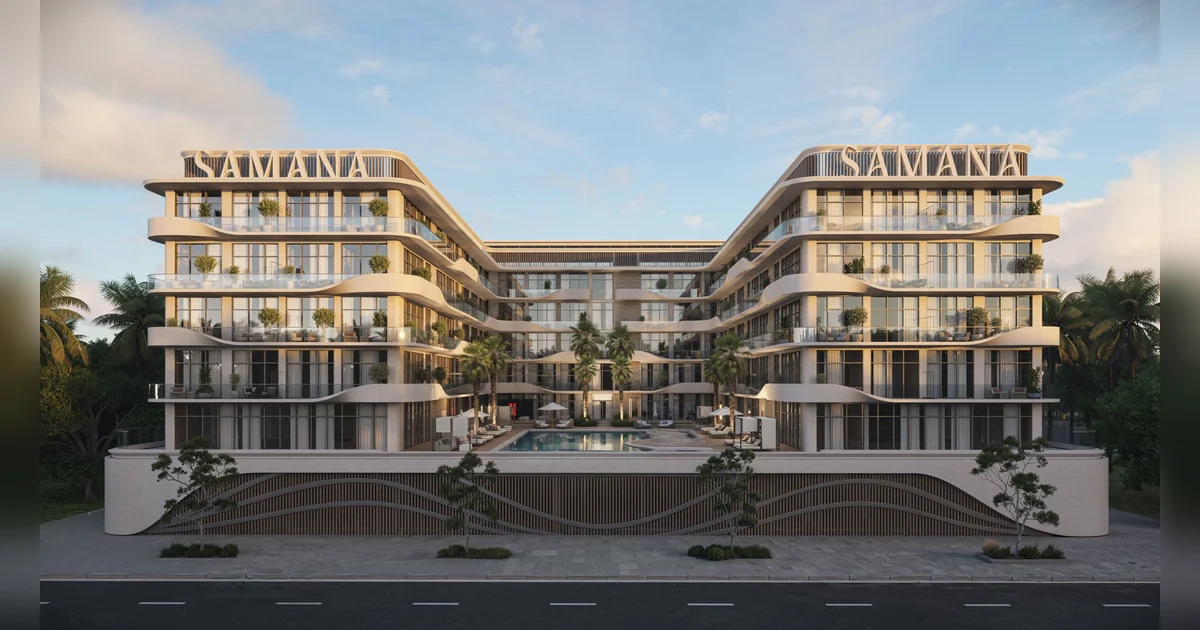
SAMANA Developers unveils SAMANA Hills South 3 after extraordinary sells out of SAMANA Hills South 1 & 2
SAMANA Developers, a renowned Dubai-based real estate firm, has announced the launch of its latest residential project, SAMANA Hills South 3. This new development, located in the rapidly growing Dubai South district, will offer 147 high-quality units, catering to international investors seeking secure assets near one of Dubai’s key economic zones. The project follows the successful sellout of its predecessors, SAMANA Hills South 1 & 2, solidifying the developer’s reputation as a leading off-plan developer in the region. Spanning 95,195.92 square feet, the development features a mix of studio, one-bedroom, and two-bedroom apartments, with starting prices from Dh639,000. The estimated handover is set for October 2028, providing a clear timeline for capital appreciation. Imran Farooq, CEO of SAMANA Developers, highlighted Dubai’s robust real estate market, citing Dh54.3 billion in sales last month. He emphasized the strategic location of SAMANA Hills South 3, which benefits from the expansion of Al Maktoum International Airport and nearby business hubs. The project is designed as a resort-style sanctuary, offering over 30 luxury amenities, including an Aqua Gym and Spa, Wellness Lounge, swimming pool, and Outdoor Cinema. With its investor-friendly payment plans and prime location, SAMANA Hills South 3 is poised to attract significant interest from both local and international buyers.
-
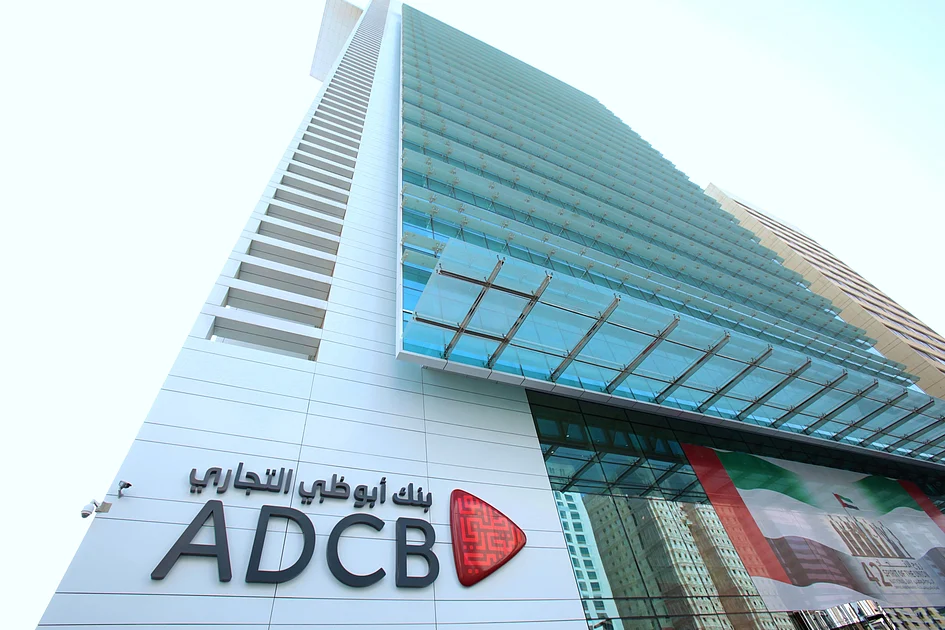
ADCB posts strong Q3 earnings, launches AI transformation to drive future growth
Abu Dhabi Commercial Bank (ADCB) has announced impressive financial results for the third quarter of 2025, with a net profit of Dh3.09 billion, reflecting a 29% year-on-year increase. The bank’s profit before tax also rose by 18% to Dh3.17 billion. Over the nine-month period, ADCB achieved a net profit of Dh8.1 billion, an 18% increase compared to the same period in 2024. This strong performance was driven by a 25% year-on-year growth in operating income, which reached Dh5.88 billion for Q3. Non-interest income surged by 32% to Dh2.07 billion, while net interest income grew by 21% to Dh3.81 billion. The bank’s cost-to-income ratio improved significantly to 27.6%, attributed to digital automation and operational efficiencies. ADCB’s balance sheet remained robust, with total assets increasing by 17% to Dh744 billion. Net loans grew by 17% to Dh401 billion, and customer deposits rose by 19% to Dh482 billion, supported by a 27% increase in current and savings account (CASA) deposits. The bank’s capital adequacy ratio stood at 16%, with a Common Equity Tier 1 (CET1) ratio of 12.7%. The non-performing loan (NPL) ratio improved to a record low of 1.86%, while provision coverage increased to 187.3%. In a strategic move to bolster future growth, ADCB launched an AI transformation program aimed at unlocking Dh4 billion in financial value through enhanced revenue, cost efficiencies, and risk management. The initiative will also improve customer experience, fraud detection, and cybersecurity. ADCB’s retail and corporate banking divisions continued to perform strongly, with retail banking adding over 80,000 new customers in Q3, 67% of whom were acquired digitally. CASA deposits in retail rose by Dh18 billion year-on-year, while Islamic financing accounted for 59% of new loan acquisitions. Corporate and investment banking expanded its international footprint, with loans outside the UAE rising by 35% year-to-date. ADCB also announced a rights issue to raise up to Dh6.1 billion, with Mubadala Investment Company PJSC, the bank’s majority shareholder, confirming full participation. ADCB Egypt contributed significantly to the group’s performance, posting a net profit of EGP 3.86 billion for the first nine months of 2025, a 31% year-on-year increase, with loan growth of 50%. The bank’s commitment to sustainability and national priorities was highlighted in its 2025 Green Bond Report, which showed a 19% increase in its Eligible Green Loan Portfolio. ADCB also received the Nafis Diamond Award for its Emiratisation efforts, with UAE nationals comprising 40% of its workforce and 98% of branch managers. Looking ahead, ADCB remains focused on its five-year strategy to double net profit to Dh20 billion, targeting a return on equity of around 15% for the full year. With continued investment in digital and AI capabilities, the bank is positioning itself as a data-led institution ready to deliver long-term value for shareholders and contribute to the UAE’s dynamic economy.
-
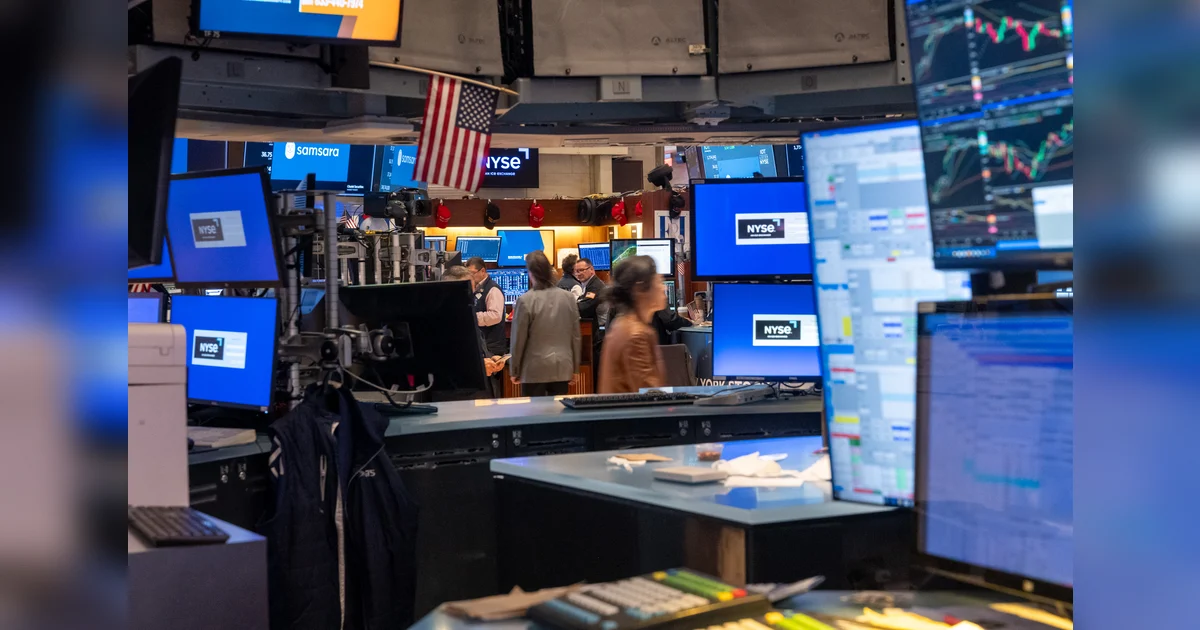
Buybacks take backseat as AI drives record US capex spending
In a significant shift in corporate priorities, U.S. companies are increasingly diverting capital from traditional shareholder payouts like dividends and buybacks to fund artificial intelligence (AI) innovation. This trend reflects a growing recognition among investors that long-term growth, driven by AI, is more critical than immediate profits. Goldman Sachs has revised its forecast for U.S. share buyback growth down to 9% from 12%, anticipating that AI-driven investments will dominate corporate spending well into 2026.
Capital expenditure plans by S&P 500 companies have surged to a record $1.2 trillion in 2025, the highest since Trivariate Research began tracking the data in 1999. The top nine companies alone account for nearly 30% of this spending. Despite record shareholder returns of $1.65 trillion in the 12 months ending June 2025, including $653.86 billion in dividends and $997.82 billion in buybacks, investors are prioritizing companies with robust AI strategies.
Tech giants like Alphabet, Meta, Microsoft, and Oracle have seen double-digit stock price gains this year, outpacing broader market performance. In contrast, Apple, despite leading in capital returns, has lagged due to concerns over its AI innovation efforts. The AI investment wave is not limited to Silicon Valley, with sectors such as banking, healthcare, and consumer staples also embracing the technology. JPMorgan Chase, for instance, is investing $2 billion annually in AI development, while companies like Northrop Grumman and Lockheed Martin are integrating AI into defense systems.
While analysts remain cautious about labeling the current AI boom a bubble, many warn that the trend could face challenges as companies increasingly rely on debt and complex deal-making. Lisa Shalett, Chief Investment Officer at Morgan Stanley Wealth Management, predicts that by the second half of 2026, investors may begin questioning whether the promise of AI is fully priced into the market.
-

Amazon says India’s e-commerce exports top $20 billion, despite US tariffs
Amazon announced on Monday that Indian sellers on its platform have collectively surpassed $20 billion in e-commerce exports, including nearly $7 billion in 2025 alone. This milestone comes despite the imposition of new U.S. tariffs on certain Indian goods, which doubled to 50% in August. The tariffs, a response to India’s oil purchases from Russia, have posed short-term challenges for thousands of Indian artisans and small businesses. However, Amazon remains optimistic about long-term growth, setting an ambitious target of $80 billion in exports by 2030. The company’s Global Selling program, launched in 2015, has enabled over 200,000 Indian sellers across 200 cities to reach customers in 18 global markets, including the U.S., Britain, Germany, and Canada. Smaller cities like Panipat, Bhadohi, Karur, and Erode have emerged as significant contributors, with exports from these regions growing rapidly. Categories such as health, beauty, home, apparel, and toys have seen annual growth exceeding 35%. Amazon’s head of Global Selling India, Srinidhi Kalvapudi, emphasized the structural nature of this growth, stating that e-commerce exports are still in their early stages. India’s 2023 trade policy and simplified e-commerce export rules by the Reserve Bank of India have further supported this expansion, positioning Indian brands for global success.
-
Aster DM Healthcare eyes top-tier status in India with aggressive expansion and strategic merger
Aster DM Healthcare is making significant strides to secure a top-tier position in India’s healthcare sector through an aggressive expansion strategy and a landmark merger. Backed by a substantial investment of Rs26 billion, the company has already allocated Rs4 billion toward infrastructure development and facility upgrades. This initiative is part of a broader plan to increase its bed capacity from the current 5,199 to over 7,800 in the coming years, with a notable presence in Andhra Pradesh, where it operates 889 beds.
Financially, Aster India has demonstrated robust growth, achieving a 20% compound annual growth rate (CAGR) in revenues over the past five years, culminating in Rs41.38 billion in FY25. Operating EBITDA has grown even more impressively, surging at a 38% CAGR to Rs8.06 billion during the same period, reflecting operational efficiency and increasing patient volumes.
Aster’s strategic ambitions are further highlighted by its merger with Quality Care India Limited (QCIL), announced in November 2024. This merger, pending regulatory approvals, is set to consolidate Aster’s position as one of the top three hospital operators in India by capacity. Post-merger, the combined entity aims to scale up to over 14,190 beds, significantly expanding its reach across tier-1 and tier-2 cities.
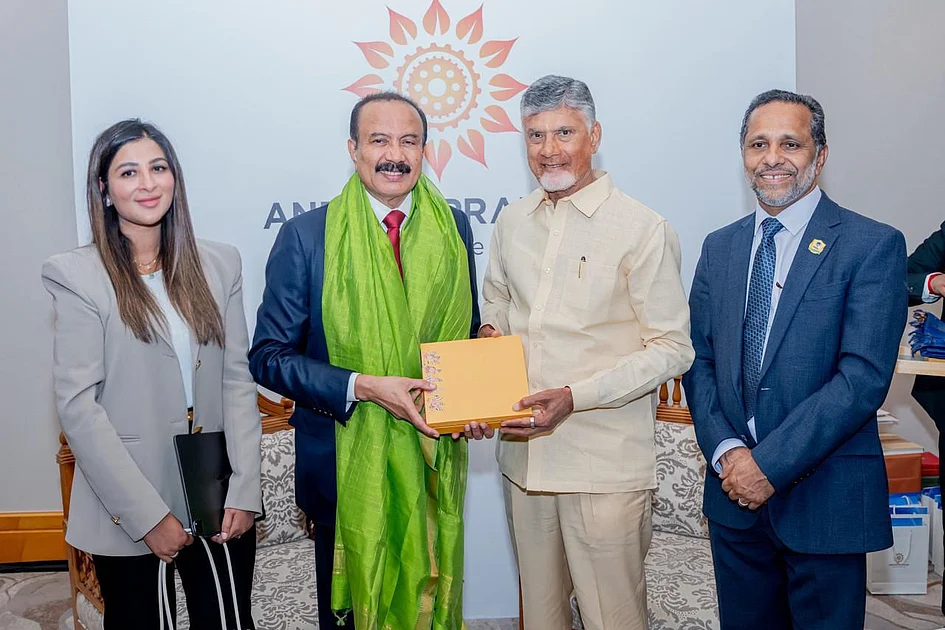
Dr. Azad Moopen, Founder Chairman of Aster DM Healthcare, and Alisha Moopen, MD & Group CEO, recently met with Andhra Pradesh Chief Minister N. Chandrababu Naidu during his UAE visit to discuss investment plans and healthcare opportunities in the state. Dr. Moopen emphasized the company’s dual focus on infrastructure and innovation, stating, ‘Our goal is not just to expand but to transform healthcare delivery through technology and strategic partnerships.’
With a clear growth roadmap, strong financial performance, and a transformative merger on the horizon, Aster DM Healthcare is well-positioned to become a dominant force in India’s healthcare landscape.